Feeds:
Posts
Comments

Archive for the ‘Art’ Category

Michael Moore recently put out a concerned CALL for action reminding us of the importance of voting.
We have the privilege of voting in privacy, and freely, and ONCE
and he reminded us of the power of our vote.

Of course,  many of us will remember to vote.

But his words also remind me that although voting is necessary it is not sufficient.
We, the people, must be more informed and more politically active,
look past our personal grievances, religious affiliations, ethnic identities and take on a bigger sphere of concerns.
We all lose when we aren’t concerned about the WHOLE of our country.

This means reading articles and listening to people who disagree with us.
This means reaching out to others and listening to their grievances.
This means being informed and choosing effective candidates at
local, state and federal levels.
This means “We the People” and not big business or rich interests.
We, the voters insist on good governance.

Starting this year, I want to see our elected Congress act, 
making decisions and choosing actions,
not through refusals to meet or talk, saying “NO” to compromise.
I want our representatives to act positively, through 
debate, discussion, deliberation, negotiation, and decision.
I want them to act through compromise.

Whether it was the drawing up of our Constitution, 
or the struggle to agree on any Bill of Rights,
or whether it is a contemporary problem needing agreement, allowing us to govern and be governed, we must learn to negotiate.  

In diplomatic circles, it is often stated half jokingly, that it is not until the various groups are relatively equally unhappy with the proposed solutionsthat a compromise deal can be reached.

We all lose when there is 
NO discussion, NO debate, No negotiation, No compromise.
When there is no negotiation, there is stagnation and fighting.
We all think we are right.  But that is not enough.
We have to listen to other people’s points of view and figure them into our decisions, to the best of our abilities.

We need balance in government using the deliberations of Congress, the White House and the Supreme Court, taking into consideration all of our people’s votes. We need to agree to use the system, wholly and effectively, and respectfully. 

I want a balance of power through governance,
not through personal name-calling and ridicule
not through wealth, pay-offs, cronyism and corruption.
not through refusal to compromise,
not through cheating and lying.
I want it through discussion, deliberation, decision and compromise, of individuals representing all of us.

And I want it now.

JUST FOR FUN:

An Australian friend of mine sent me this performance of the haka,  a tradition of the New Zealand Maori tribe.

It is used when they challenge others.  
According to my friend, the polite thing is for the opposition is to watch and listen in respectful silence.  I hope you enjoy it.

Read Full Post »

The Art of Seeing

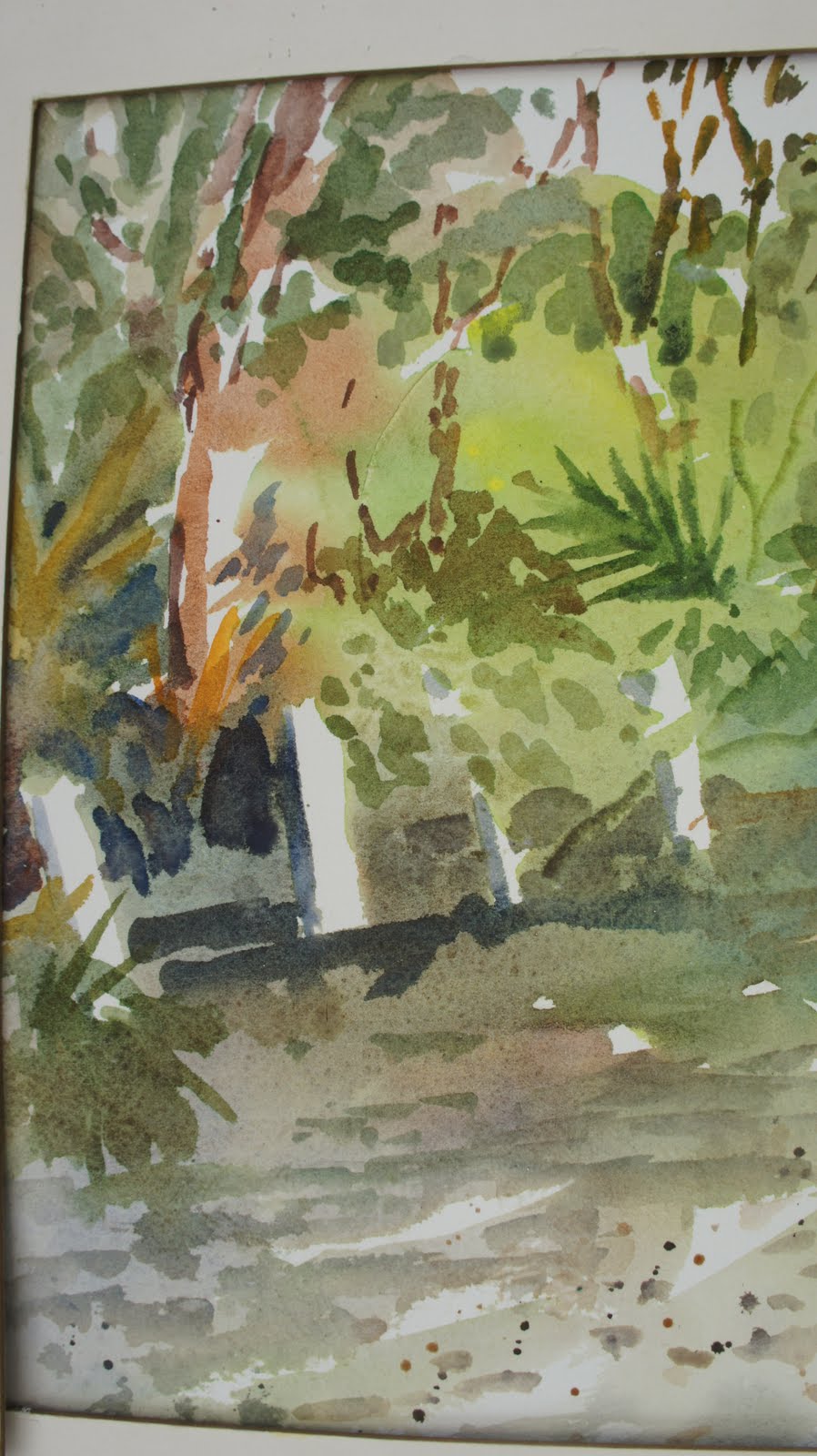
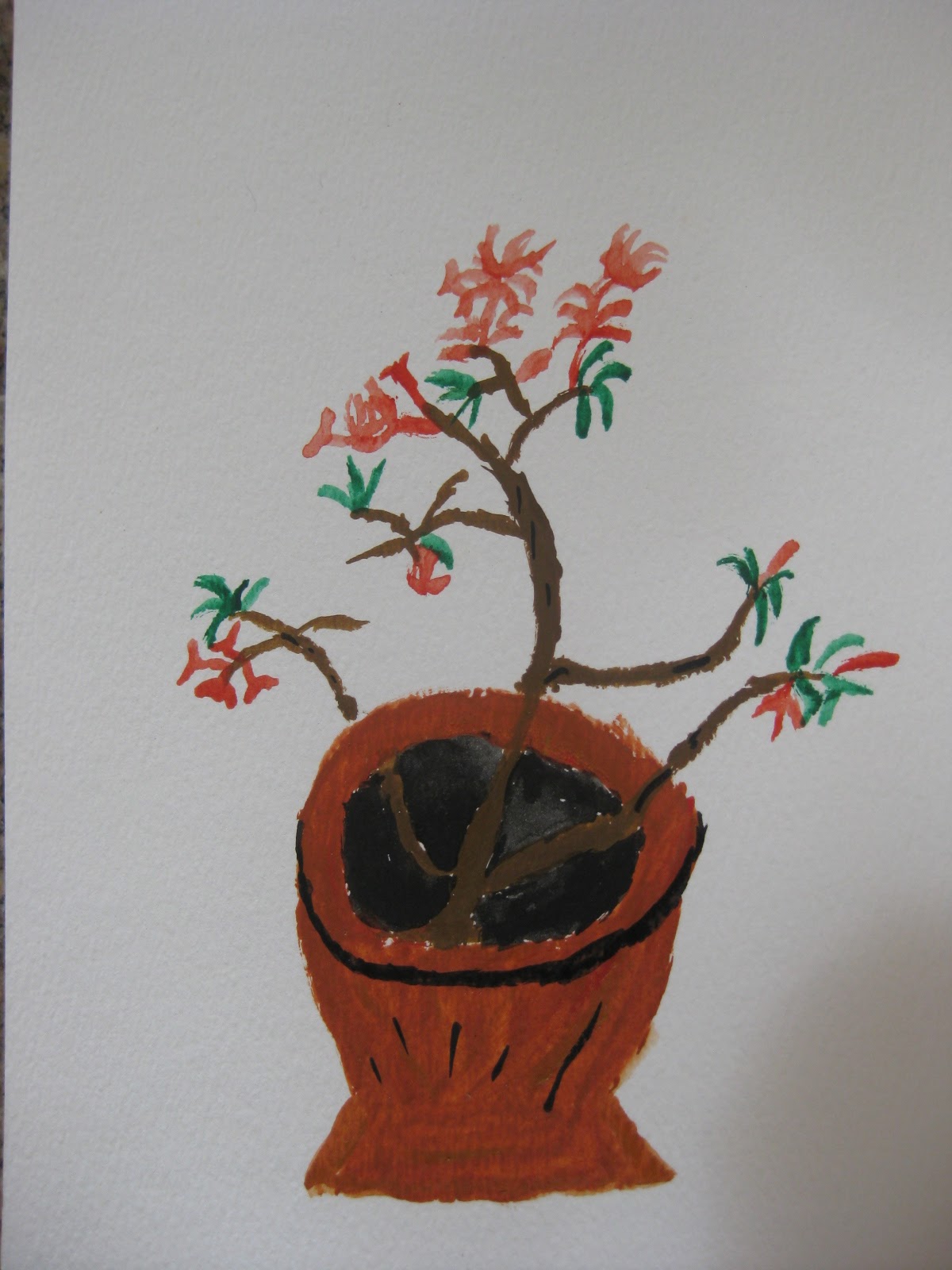
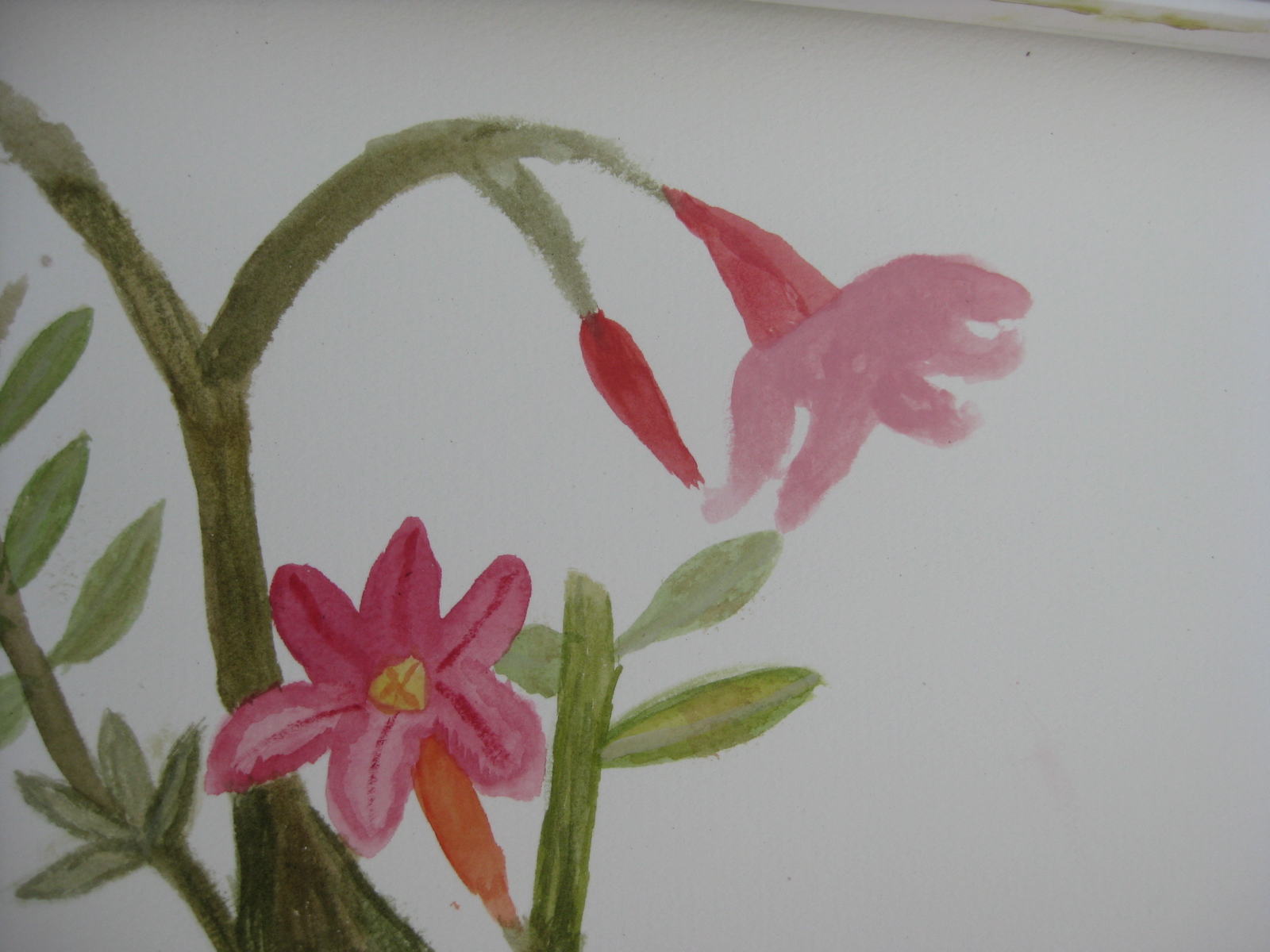
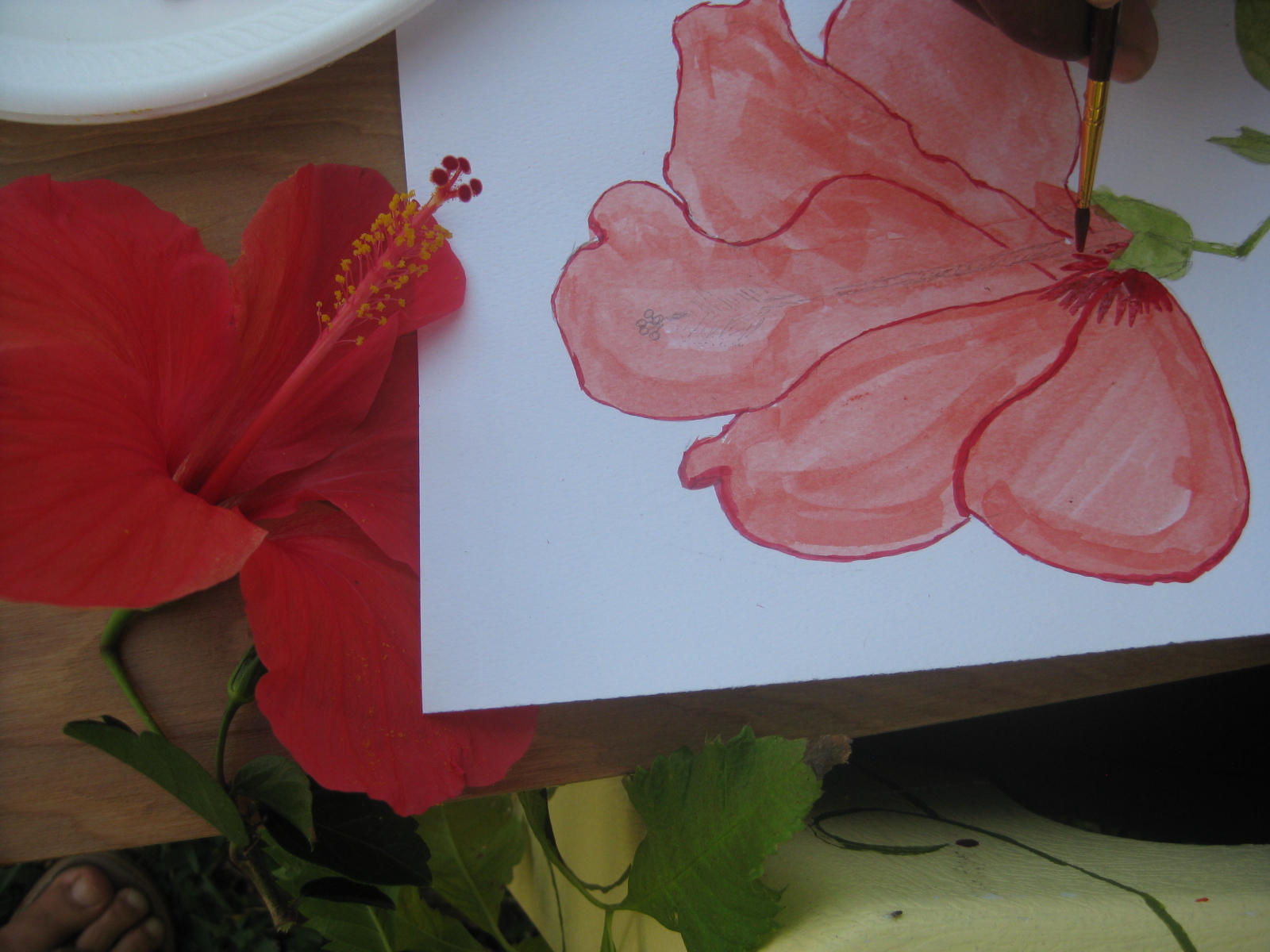
When first learning watercolor, I started by painting what I saw.  I now realize this process is teaching me to see things differently.

I paint landscapes in en plain air sessions where we stand for several hours painting a picture based on what we see around us.  The longer I look at the scenery, the more amazed I am at how much there is to comprehend. I  feel I need a simpler way to look at things.

The scenery changes before my eyes. Clouds, wind, light, texture, reflections shift continuously. Ocean waves appear and disappear, only lasting for a second, Lake waves lap quietly on the shore and then are no more. A dog runs in front of us, heading home. A bird flies by.

As I stand there taking in the scenery, my observations are also moving about, shifting and changing. What I see in the beginning is not what I see after spending an afternoon looking at it. My perception of what I see changes.

Colors and shading merge then disappear and reappear with new highlights Shapes erode into broad patterns of light and dark. I note new reflections bouncing off water and sky.

I move the horizon on my paper to consider how much of the universe I feel like including in my painting. Geometric patterns of buildings or objects are adjusted as I become increasingly aware of how angles, light and color affect my rendition of them.

The more I paint, the more I realize that I need more time to fully open up and visualize what I see. I need time to let the scenery seep into my mind and to learn to hold it as an impression. I need to recognize the myriad of patterns, colors and shapes shifting in front of me, offering various perspectives on how I might represent them, to reflect how I feel about seeing them.

While doing all this, I often come to some sense of how I want to paint my picture. Then, for several hours I am lost, completely lost in my painting. Time stops.

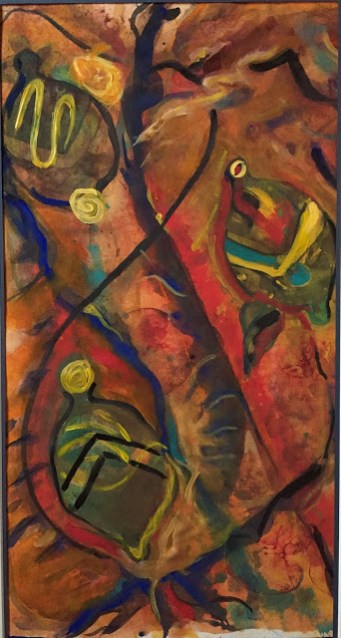
Seeking to better comprehend what happens in art, I attended some lectures given by Ruth Armitage at the Oregon Society of Artists. In her talks, she encourages us to look more deeply into ourselves for art inspiration and to also explore the work of other artists for ideas about techniques of expression.

At the same time, she encourages us to to express our own points of view more freely, without the preconceived notions and limitations of other’s prescribed reality.

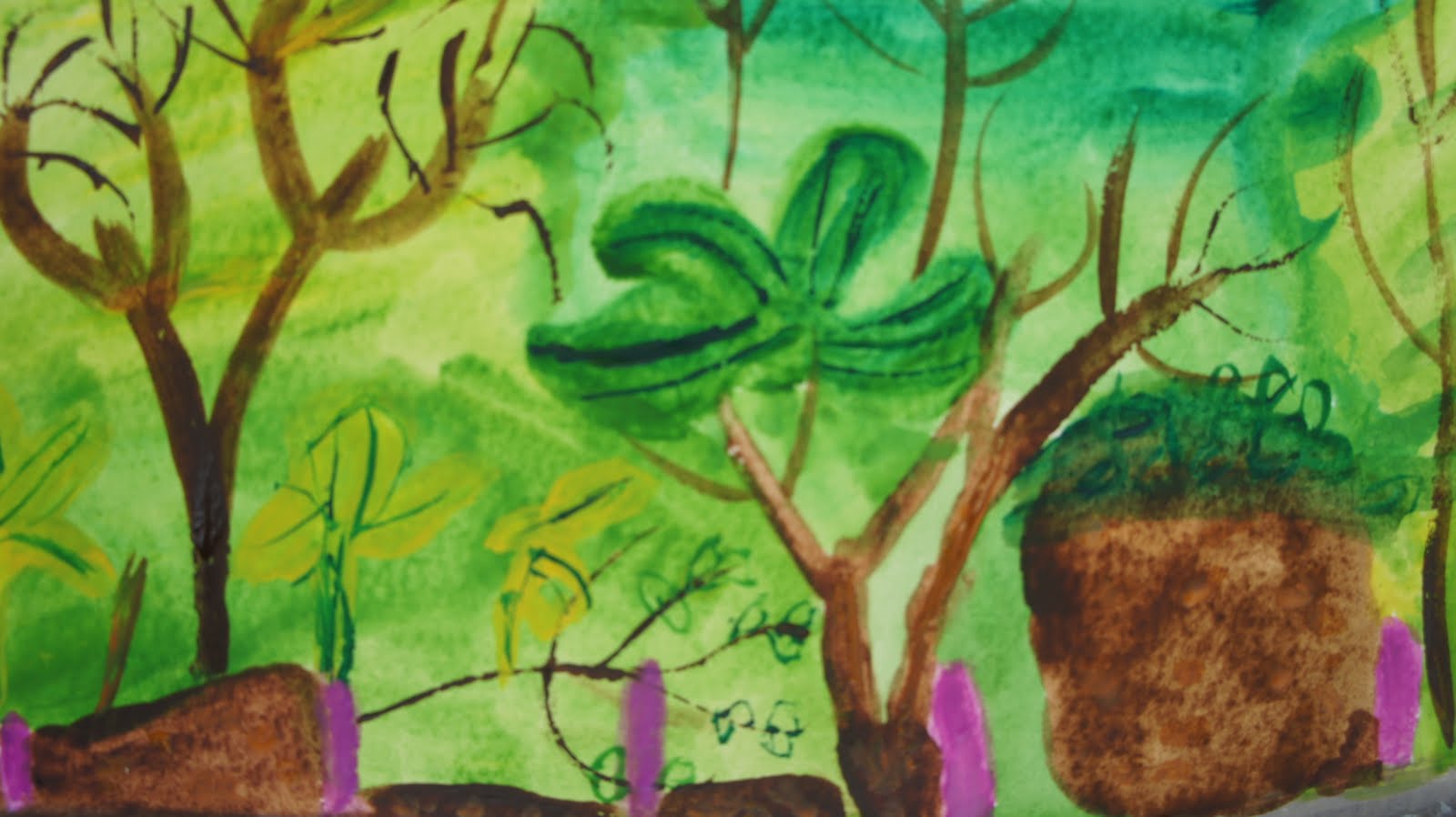
Under her tutelage, I am at first shy and can’t figure out what to do with the canvas and my paint brush in order to express my supposed inner self artistically that I am still seeking to find. With time, I manage to begin to play with the lines and shapes, to magnify the colors, to soften the degree of detail that sometimes interrupt the painting’s underlying thought. 
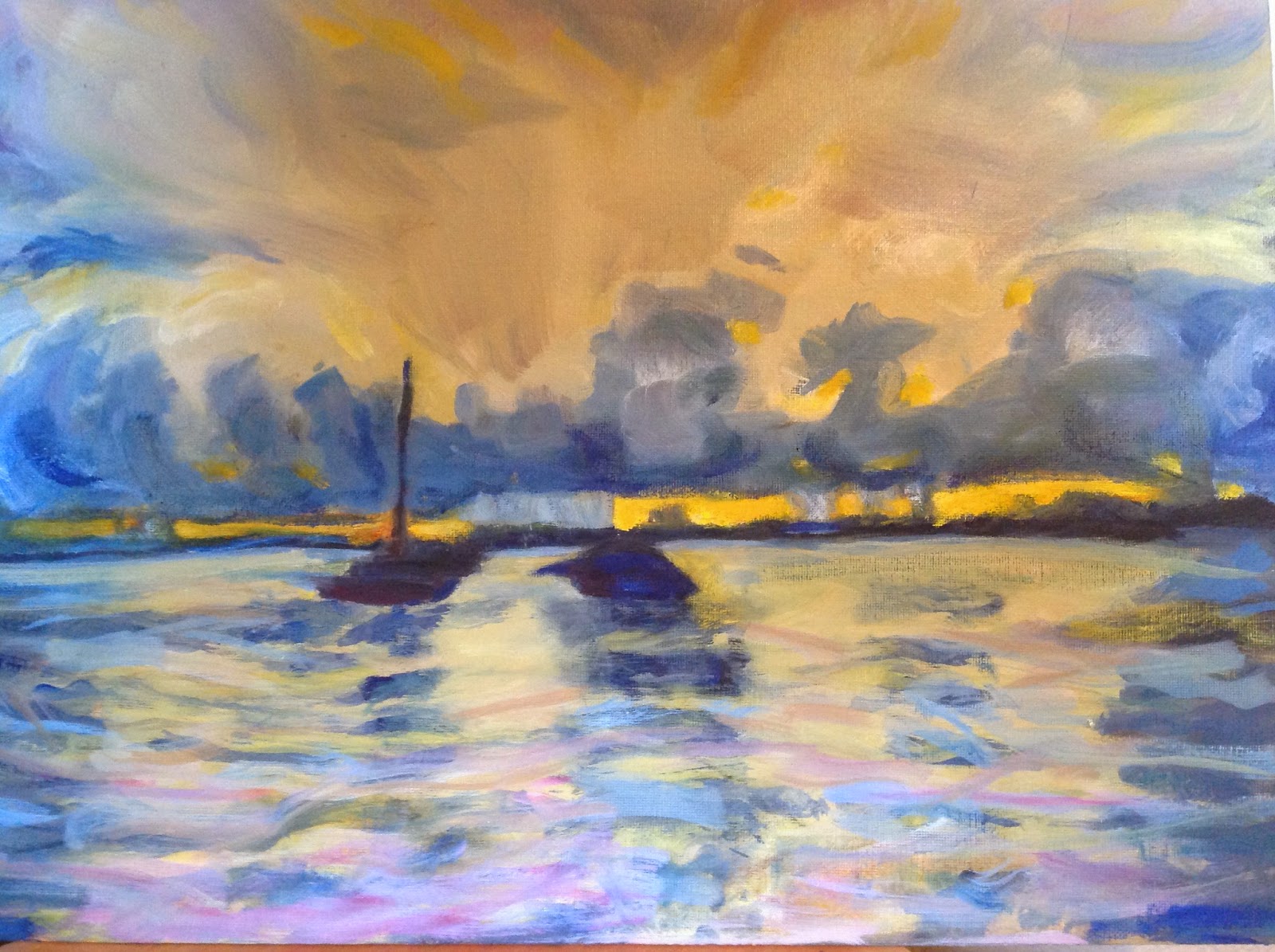
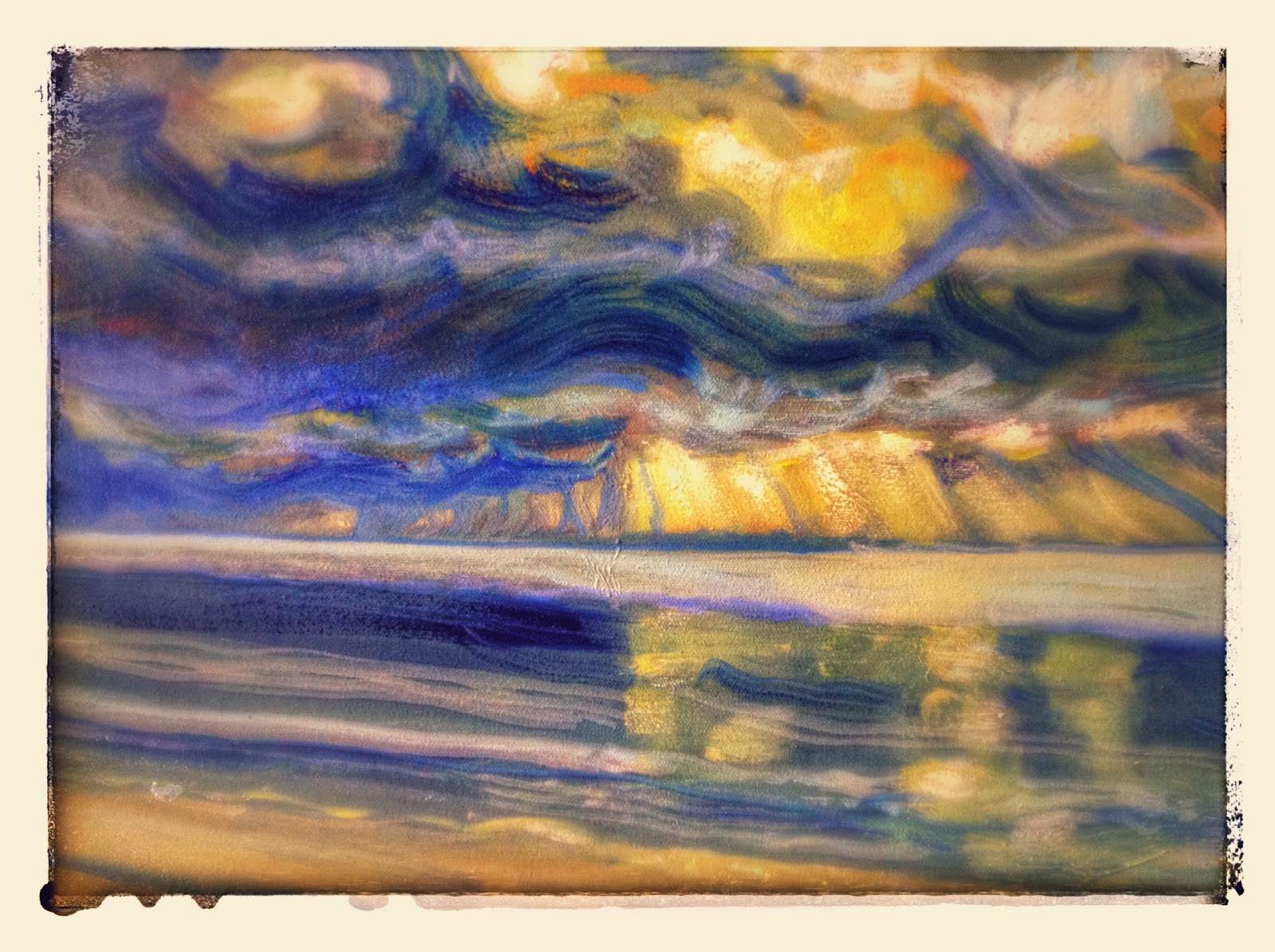
Ocean Holiday
We are learning the pleasure of experimenting with perspective.  This is just a beginning and I hope to continue exploring art this way.

Celebration

Sargy Mann, a well known British artist who successfully painted even after becoming blind, spoke about the importance of perception in art.

He said, “I have come to the conclusion that drawing and painting could be almost like a sixth sense.” I believe the activity of art is a way of learning about this sixth sense.

Sargy Mann’s last interview before he died in 2015 is  inspirational and provocative and is HERE for others to enjoy.


Read Full Post »

Just this month I became a student of oil painting, something I always wanted to do, but never took up owing to other obligations.  

Until now, my painting experience centered on kitchens and bedrooms. This time, I took on painting for fun.

The Oregon Society of Artists (OSA) provides classes and workshops and also runs a gallery.  Its main office is right here in Portland and opportunities for learning and experiencing art abound.

My current teacher is Michael Orwick, a strikingly good artist. Michael teaches a weekly session at OSA where we have learned so many valuable things about palette, form, value, structure.  He makes us brave and encourages us to freely redo things, and to not get frozen early into a painting from which we cannot free ourselves up to try new things.  

Michael Orwick also emphasizes to us that art is fun. Just this last week he  engaged in a painting duel with another colleague leading to lots of laughter and entertainment.  It also resulted in two very beautiful paintings.

A few months ago, through the Oregon Society of Artists,  I also attended a  one day workshop of Marcus Gannuscio where we worked to learn how to paint the human head and face more quickly and accurately, using oils.  We worked to complete a painted portrait sketch from a model in one session.   I found the lessons learned from this class useful even when sketching non-human forms such as trees or houses because what he focused on in the class, was perspective.

I like it that these very outstanding artists see the need to encourage the rest of us to play along with them.  Just like sports, there is room both for professionals and amateurs.

Now that I have started to learn about oils, here are my first observations.

First, oil painting is very forgiving.  This versatile activity allows one to quickly shift the perspective, change the light, subtly move a shape or alter a color  all affecting the painting in a matter of seconds.  Nothing is permanent.  All colors and shapes are malleable. We don’t even have to wait for the oils to dry before we move on, or change them around. The fact that oils are so forgiving brings space and opportunity to the canvas.


Second, planning ahead improves the outcome.  Setting the structure of the painting and thinking ahead on what perspective and viewpoint one wants to project, deeply affects the results.  I have discovered that oil painting, like writing and for that matter even research, is greatly enhanced by planning ahead and envisioning a structure ahead of time.

Third, oil painting frees the mind and encourages meditation.  Oil painting opens up the mind and frees it for time to think, for meditation, speculation and wonderment about the world we see around us.

Fourth, oil painting is ceremonial.  Like a Japanese tea ceremony, oil painting has a tradition. The way in which we bring out the brushes, set up the canvas, put up the easel, prepare the palette, sketch the plan, lay out the structure, choose the values and colors, is all very ceremonial. There are strong traditions attached to each event and they vary by artist. There is even a tradition in the act of painting itself by looking closely at something, then squinting to look at it again, walking away and coming back to take another look, all leading to new observations, unfolding right in front of you.

Oil painting is both the art and science of ceremonial observation, put to the test with a brush and some oil paints.

I am so glad I finally remembered to take up oil painting.

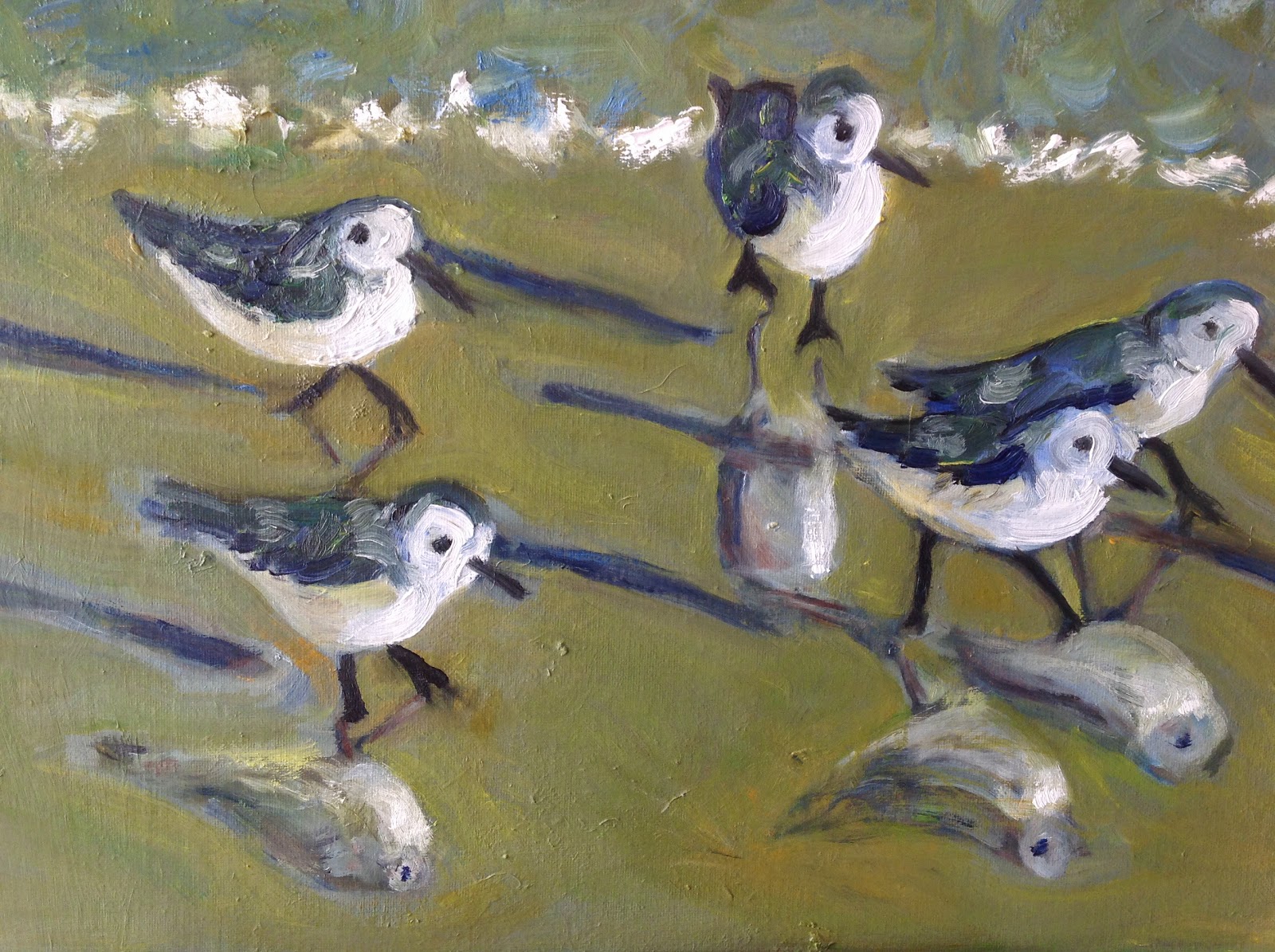
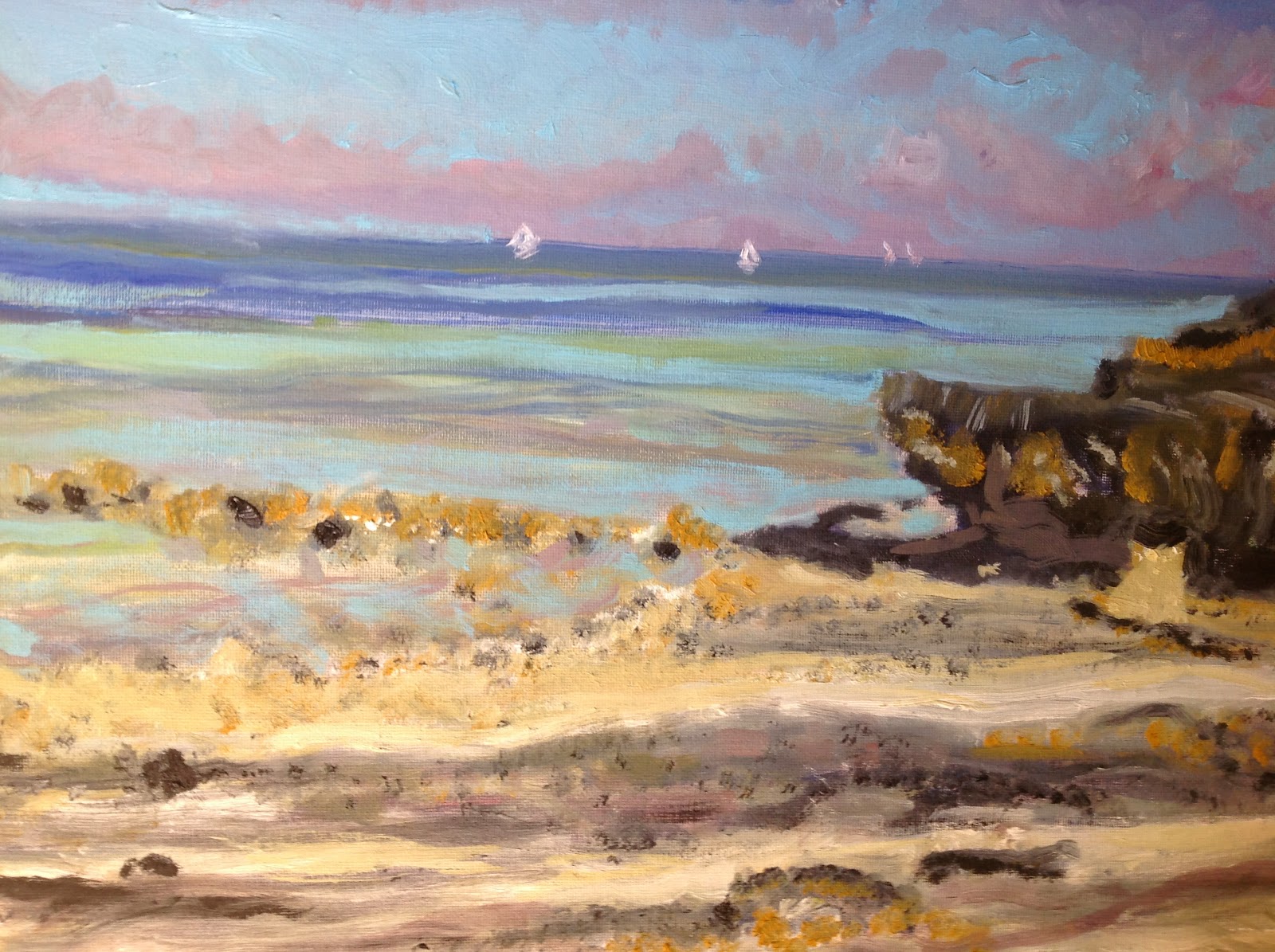
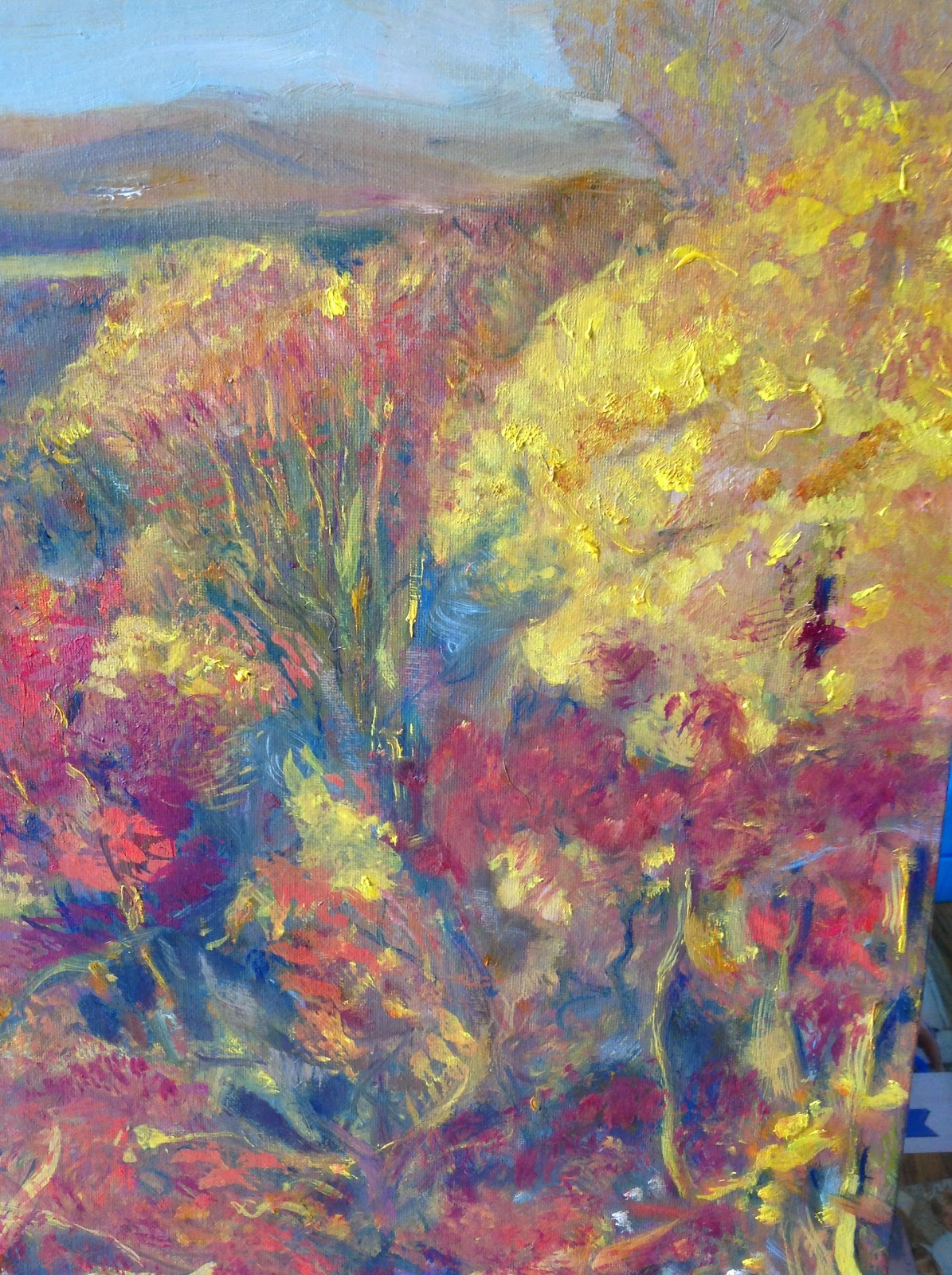
Below are some of my first experiences with brush and paint, each one providing me with a new perspective on what I see.  No doubt, as I continue to learn, the style and color and depth of new paintings will emerge.  There is no longer such a thing as a finished work.  All works are unfinished, subject to change, open to a revisit.  

Read Full Post »

A friend just asked me whether I thought that the world was really overpopulated.

“Overpopulated for what?”  I asked.
He replied, “Oh, you know what I mean.  Our whole life we were debating whether the world had too many people, whether we were going to run out of food.”
“That’s true,” I said, “but have you noticed that the longer that we debate this, the bigger our population gets and the more food we have to eat?   What’s the problem?”
“But,” he protested, “Don’t you remember the warnings of  Rachel Carson when she wrote Silent Spring? She tried to show us that there are repercussions to all those pesticides we were using to finesse our food supplies.  What about the arguments of Robert Malthus about overpopulation?”

“Oh yeah, I get what you mean, now” I said.  “You’re talking about those hysterics who told us we had too many people on earth.  Way back when the US was a quarter of its current population size, people argued that we should reduce our population growth to zero, work toward a stable population.  Meanwhile, back at the ranch, we quadrupled our population, increased our GDP,  our food production went through the ceiling and we added a minimum of 20 to 30 extra pounds just around our waists, without even estimating what we added to our legs and our behinds.  Is that what you are talking about?”
“Yeah, something like that”.
“Well, I never believed in overpopulation.” I said, “Not even for a minute.  We are not overpopulated. ‘The more, the merrier’, that’s my motto  More people means more growth.  That is what keeps our economy chugging. ”  
“But what about all these people I keep running into, right when I don’t need them” he protested. “I get stuck in traffic every single day, at least twice.  Once on my way to work, and once on the way back.  Isn’t that overpopulation?  Wouldn’t it be easier if there were fewer people to contend with on the highways?”
“Heck, no” I replied. “That’s because we don’t have a mass transit system!  What are we doing all riding around in cars?  What happened to bikes, to walking, to public transit?”
“So, you don’t think its as simple as slowing down on population growth?  Listen”, he said. “When I was born in 1940’s, the United States had 130 million people. In 2046 , when I am 100 years old, we will have around 400 million.  I’m just guessing, of course, that I will make it to the ripe old age of 100, now that we have these newly improved life expectancies.  Don’t you think that all these people will negatively affect our public spaces, our national parks, our school systems and waiting times in doctor’s offices?  How many people does it take before we are overcrowded?”  
“Try to be alone!” he added, woefully. “Just try to find a place outdoors where you can sit there for an hour and not see anybody.  Just try it.  See what happens.  It is clear to me that we have taken over all the habitats on earth,  plants and animals, ours and theirs.  There is no place left to hide!” he exclaimed.
“Sounds pretty boring to me.”  I replied.  “Why would we want to be that isolated from people?  I love people.”
“Well, you might feel differently if you were a bird or other animal,” he said..  “How often can an animal  find a spot where they can sit down in a quiet place and munch peacefully on a carcass or take a drink from a stream without running into one of us?  They must have permanent indigestion from all our commotion.”
I replied to him, “That’s not because of overpopulation.  We don’t have to spread out like that.  We could cluster our living arrangements more densely, like bees or ants, and take less land from other animals, give them more space.  Blame that experience on our spreading suburbs.  That’s not overpopulation.”
“Okay, then, help me out here.” he said. “If every time I bring up an example of overpopulation, you make it sound like the problem is something else.  Is there, then, no such thing as overpopulation?  Shouldn’t we slow down population growth?”
“Nope,” I said. “We could keep growing forever. Relax! Let things happen naturally.  It doesn’t have to be orchestrated.  There’s no need to overreact. Nature knows how to take care of things, just you wait and see.  One untreatable infectious disease brings down our population size a whole lot faster than any slow, complicated policy change.  All it takes is a couple of unexpected food and energy shortages to do the trick without any need for intelligent action on our part.  And I haven’t even brought up the important impact of the inevitable war yet.”  
And with that, I walked away, fully confident of my position in this argument.

Addendum:

The Most Terrifying Video You’ll Ever See  was produced several years ago by Greg Craven.  I find his video very compelling and pertinent to this discussion. 

Read Full Post »

When a blog languishes

What an irritating thing to do.  Just stop blogging?  Why?

Suppose there are friends out there wondering what happened.
For example, is she still alive?
Did she commit a serious crime?
If so, when will she be getting out of prison?
Has she lost her voice?
That shouldn’t stop anybody from typing.

Did a bear eat her after mistaking her for a bird feeder?
How is the bear feeling?

It may be simpler to get back to blogging
than it is to come up witha litany of flimsy excuses.

Read Full Post »

When do we need our brain stimulated?

Is it better after breakfast or before?
Is later in the evening more effective?

Should we stimulate the brain while reading our emails or during chat moments, or after our bike rides?  Before swimming or after yoga?
While taking our morning shower or after we finish the gardening?

Should we go on our dementia prevention program after taking the grandkids to the park or before?
Is it better to stimulate our brains during our volunteer work at the hospital with or without coffee?
How many months of alzheimers can I prevent if I walk five miles rather than three on a daily basis?

What stimulates the brain?
Cooking meals and mopping floors?
Coffee?
Computer work?
Puzzles?
Conversation?
Exercise?
Caring for grandchildren?
Thinking out loud?
Writing poetry?
And does it matter whether I am doing brain stimulation alone or with a friend?

This is just too difficult to figure out.
Excuse me, but gotta go.
I’m too busy to bother with it anymore.

Read Full Post »

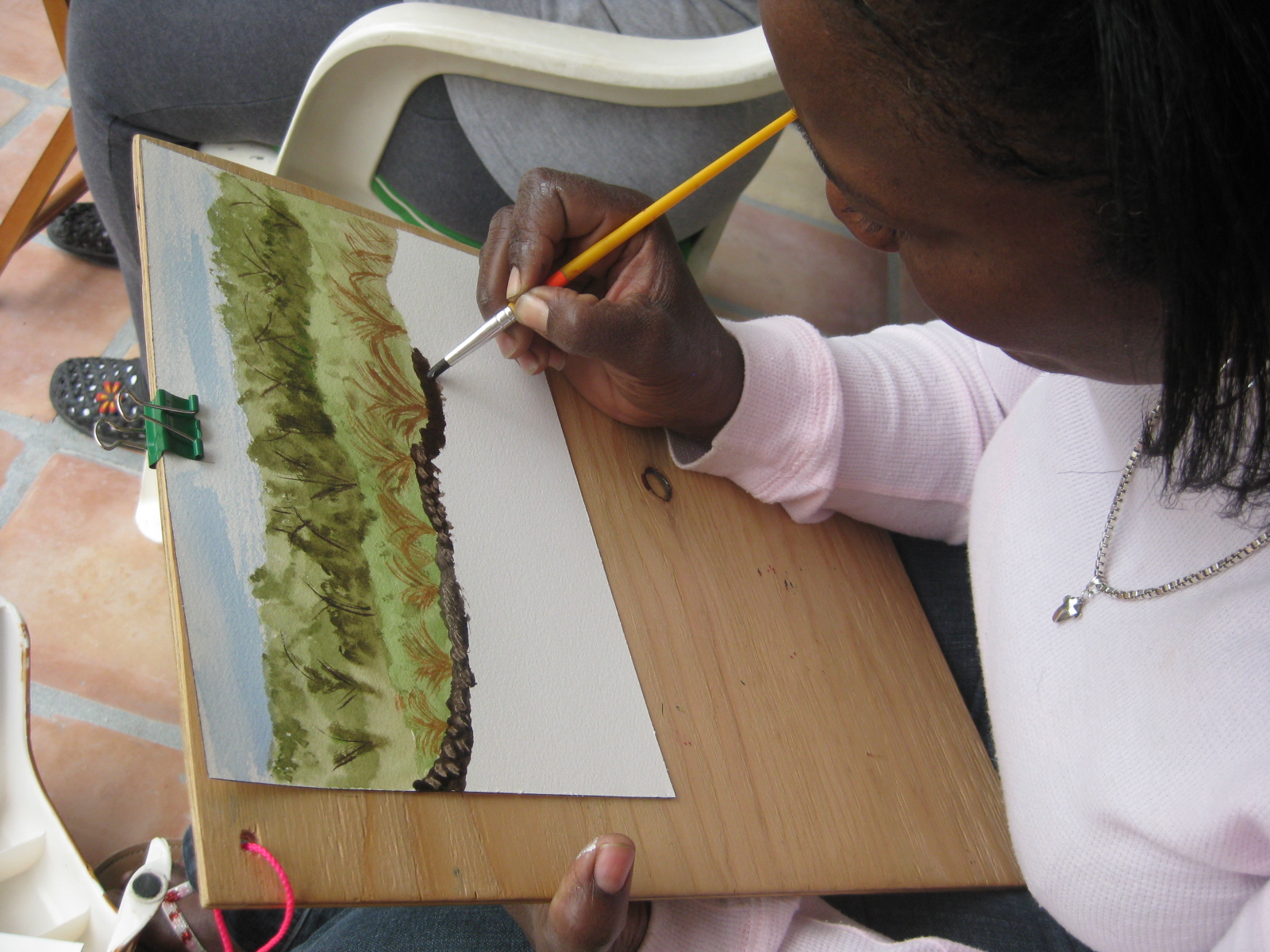
The High Banks Art Group has been meeting weekly for almost two years now.

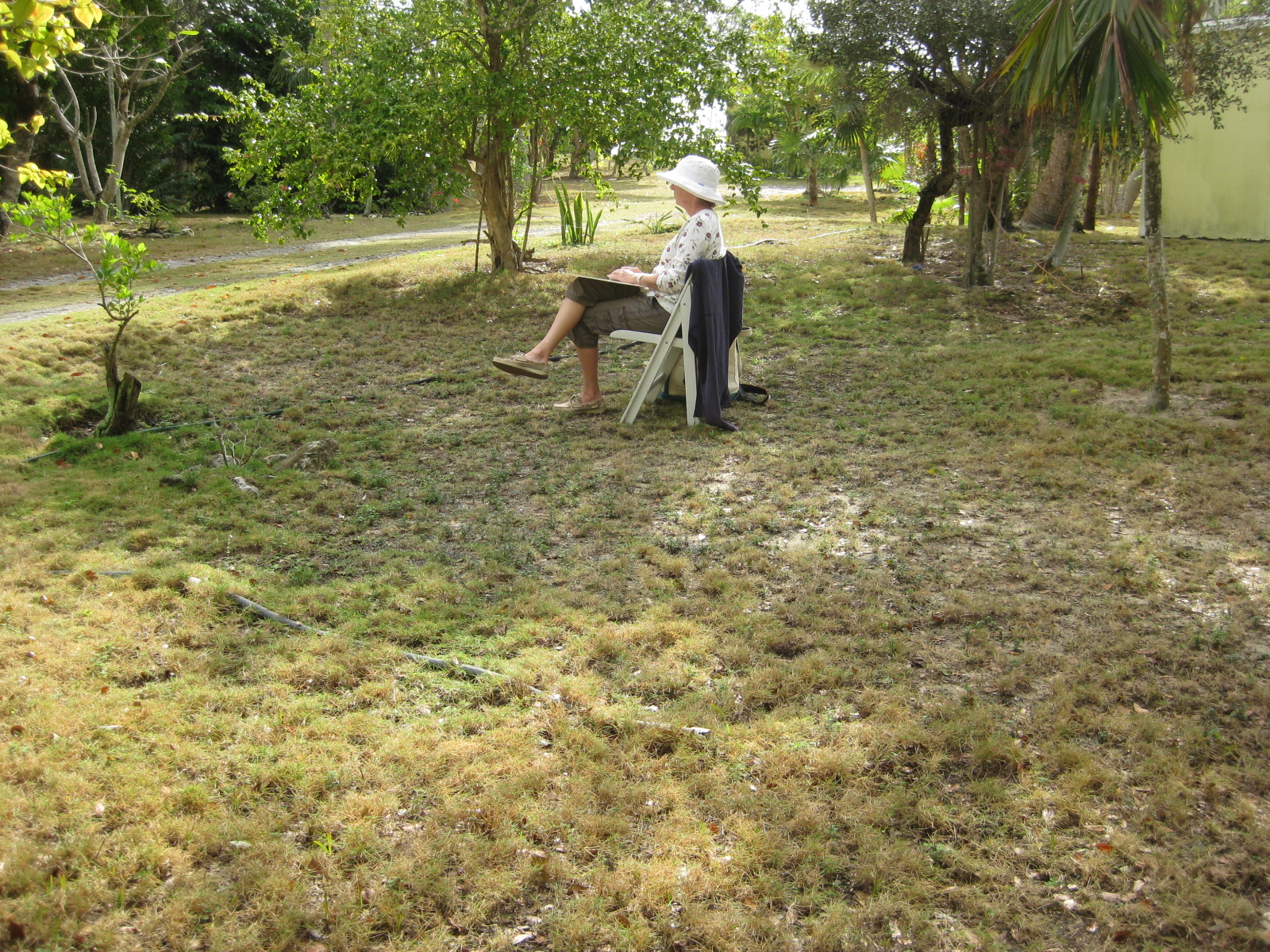
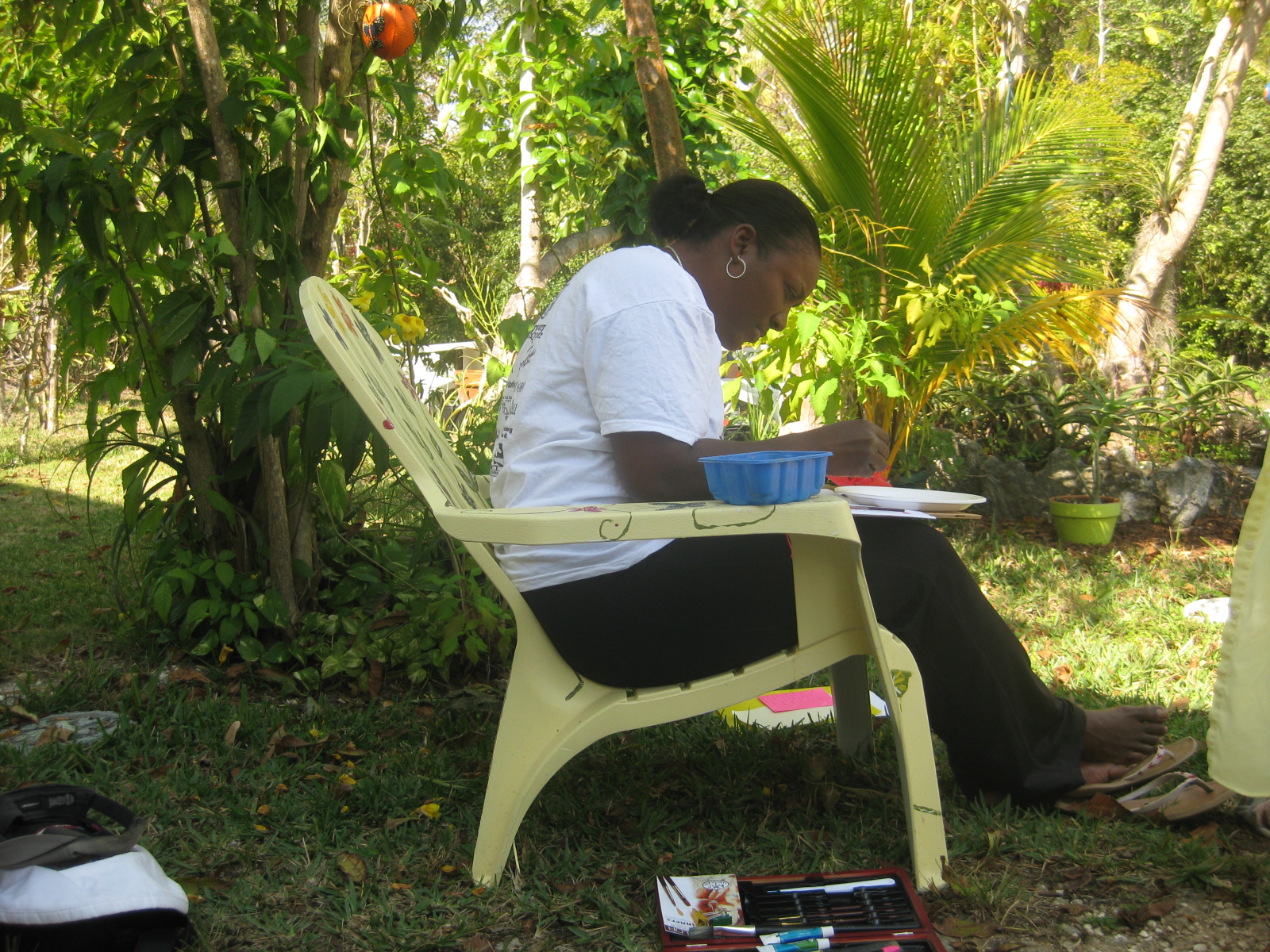
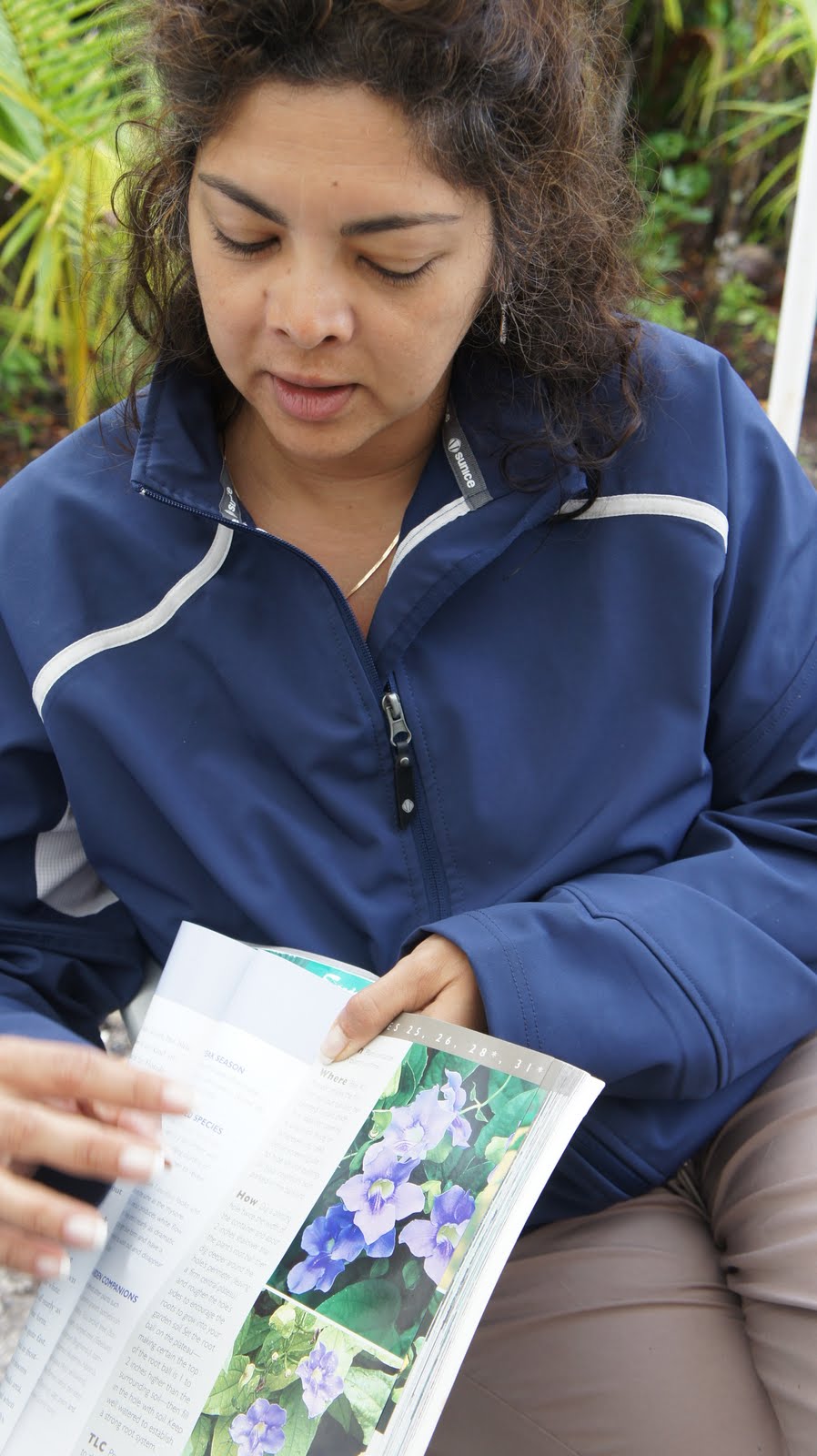
It started so simply. Several of us wanted to learn to paint.  We had a neighbor friend who was an experienced artist and we asked whether we might sit next to her and paint. She was in the habit of sitting outdoors and painting natural scenes. We learned from her that part of the fun was choosing the site for painting.

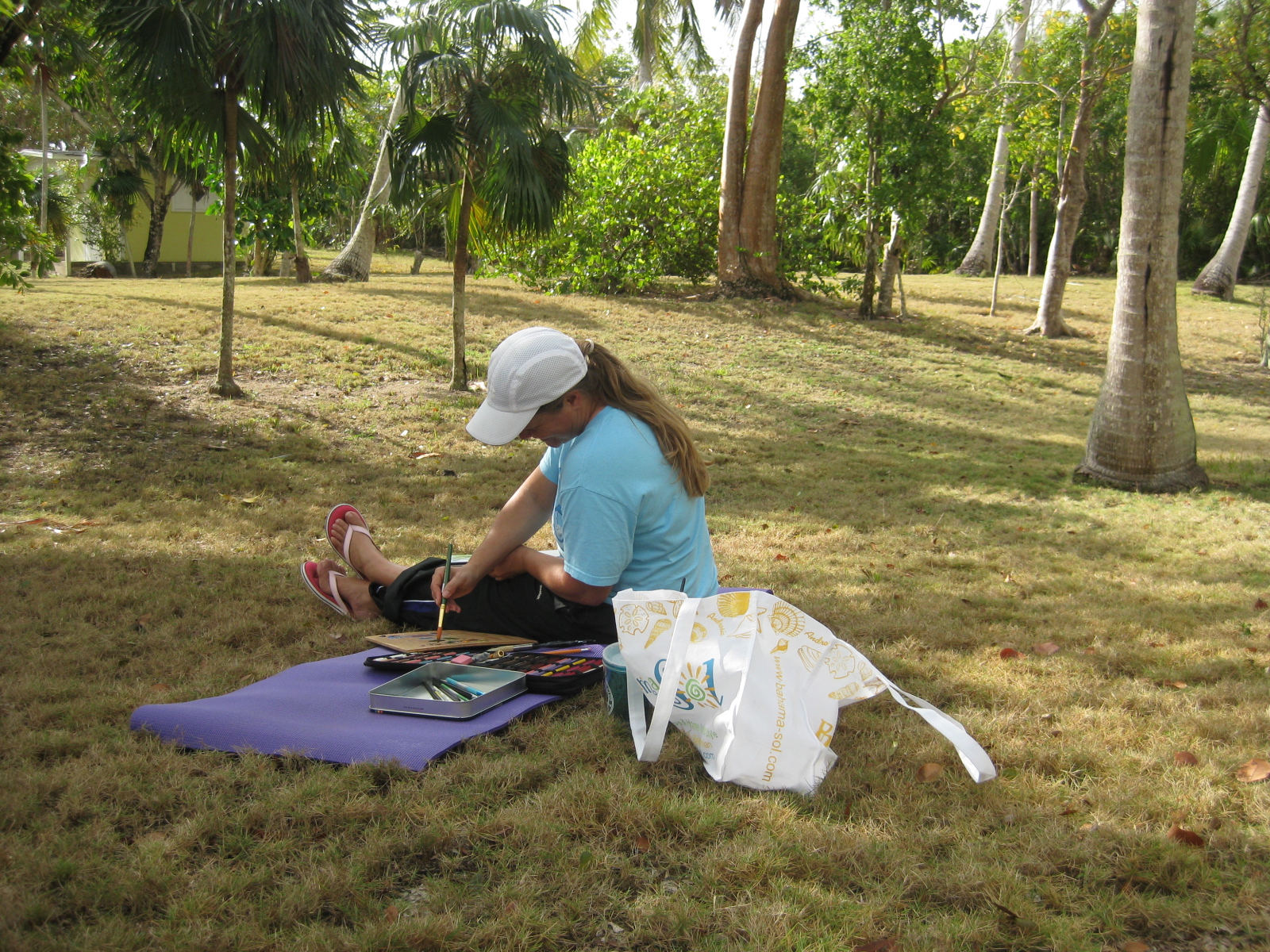
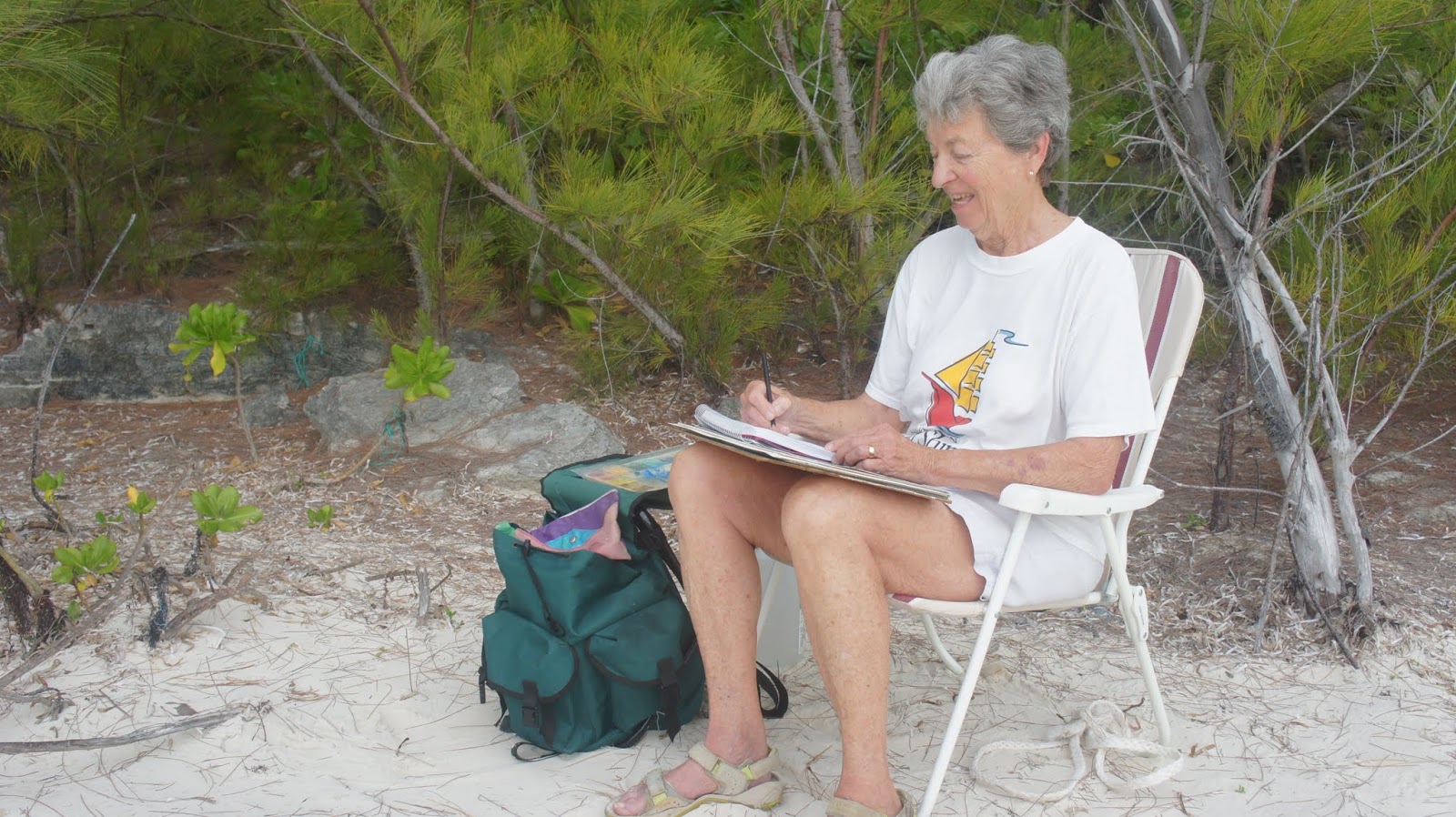
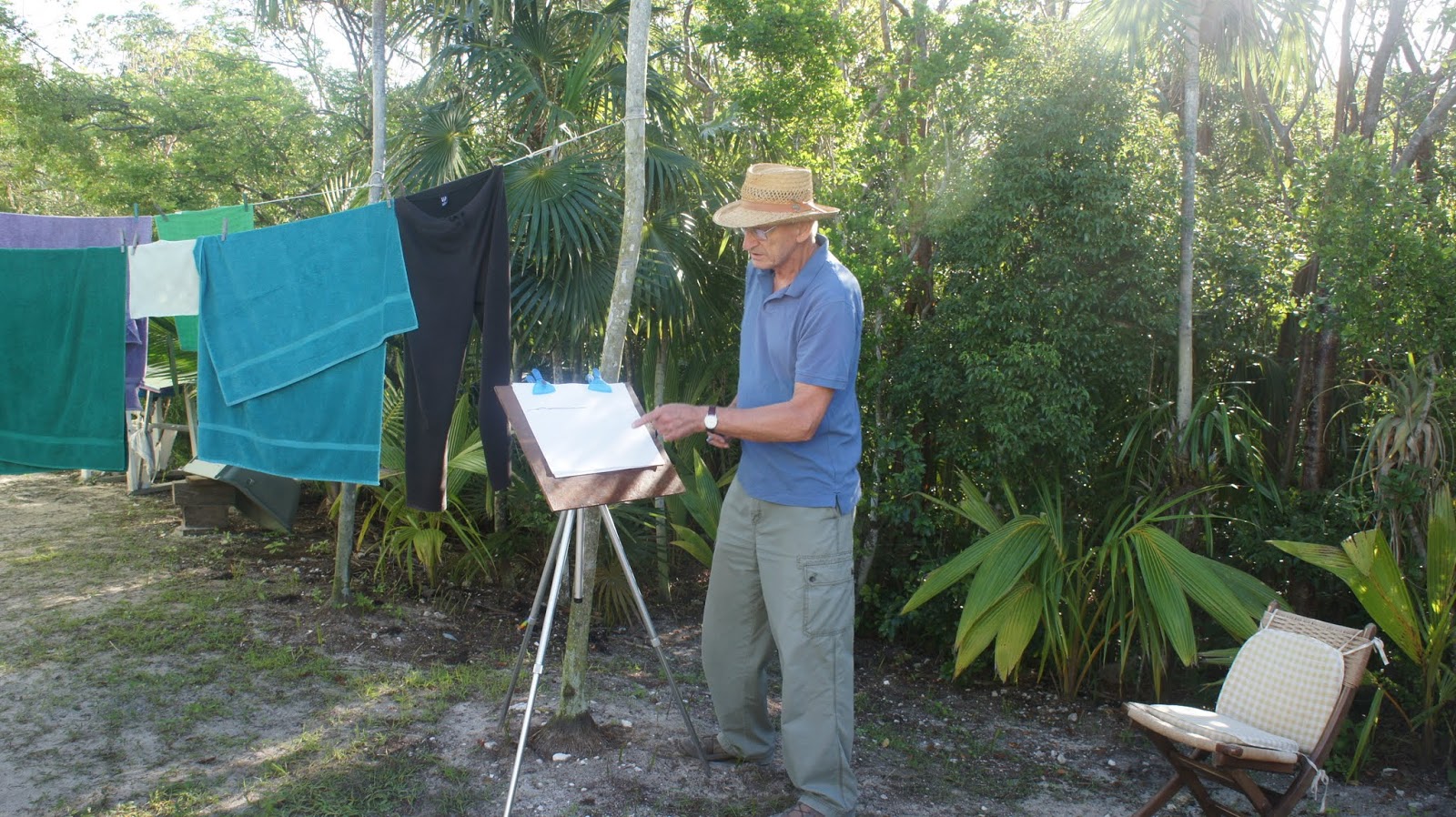
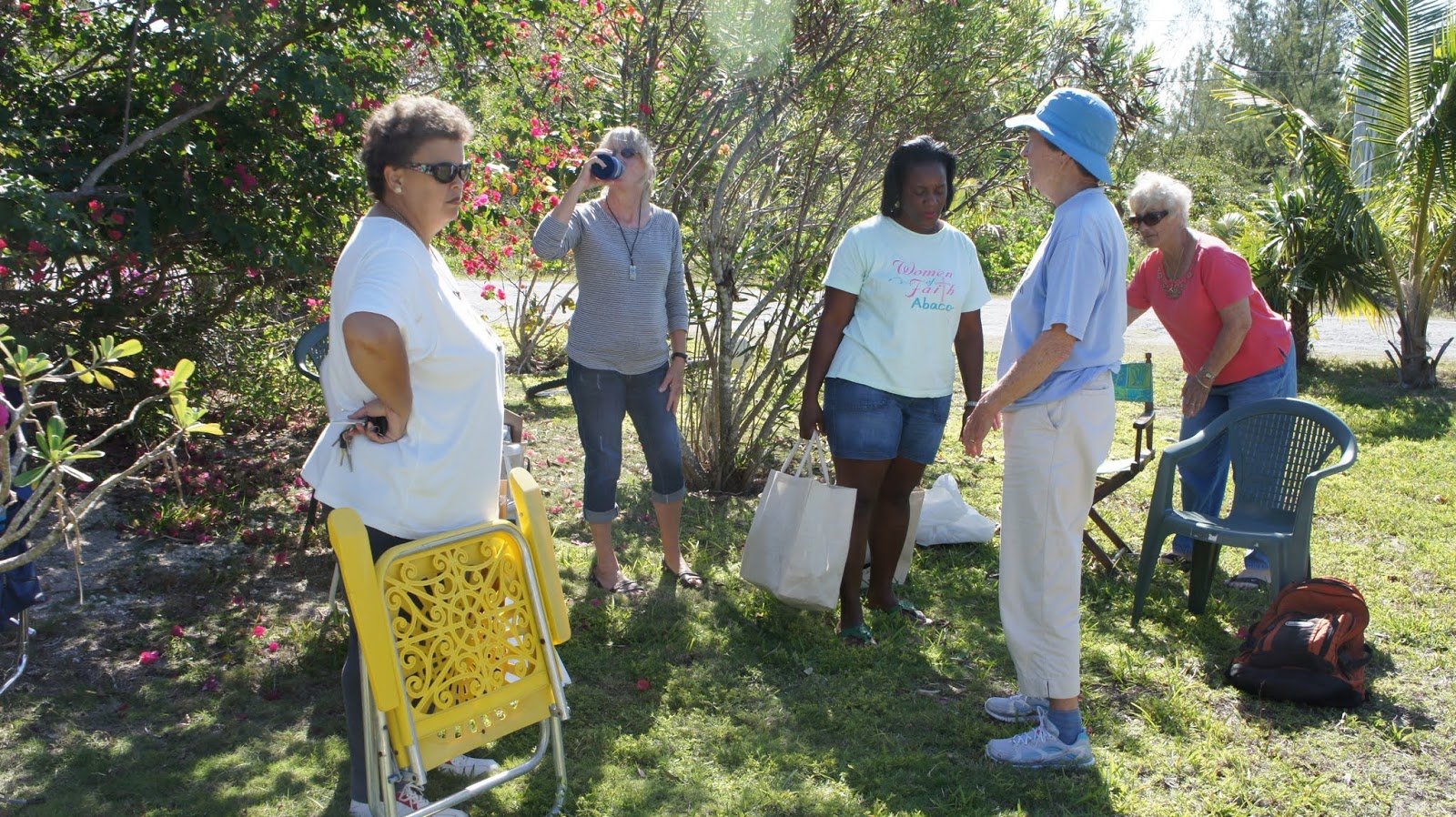
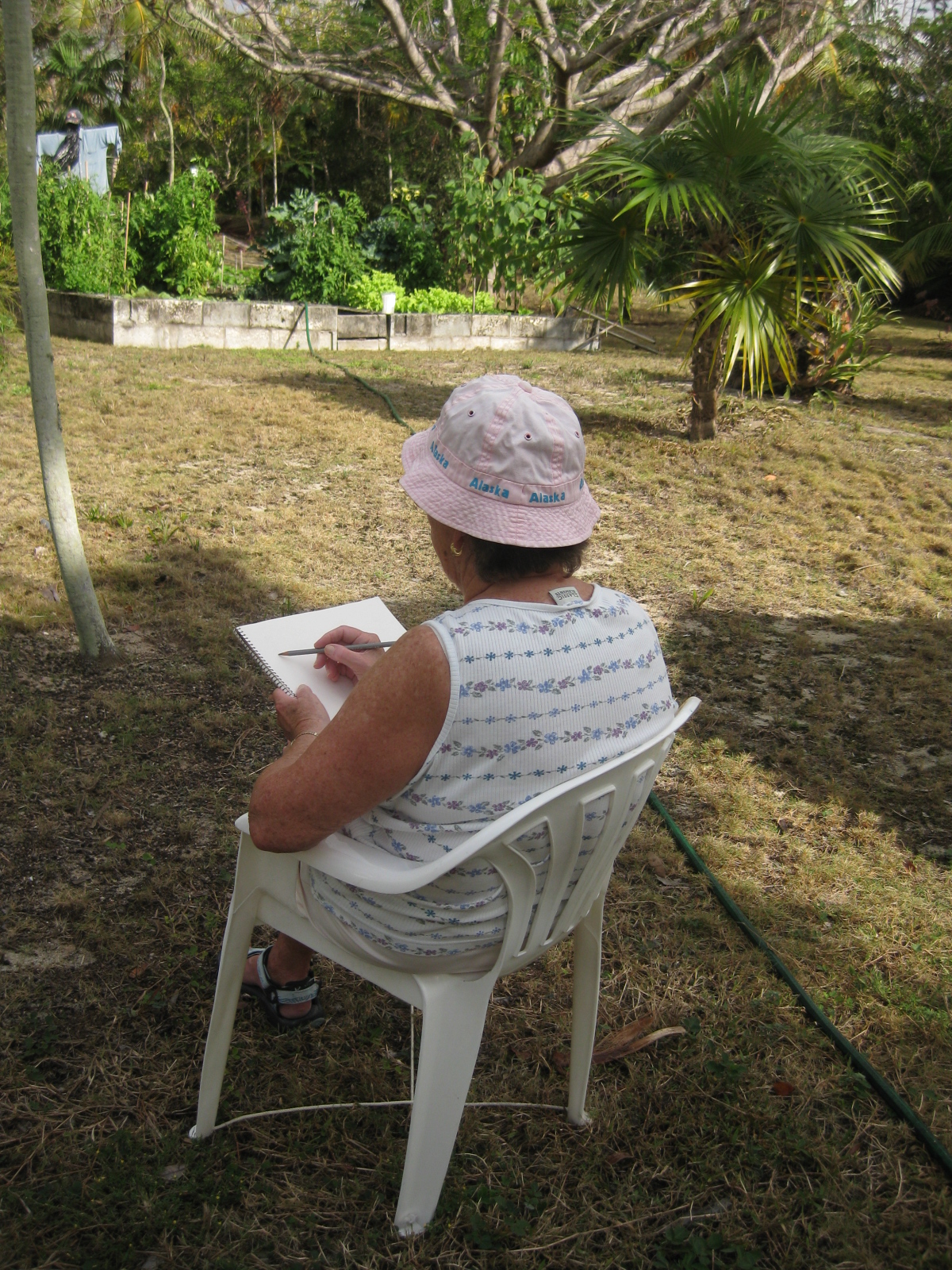
We meet outdoors on Wednesday morning at a certain site, bring our own chairs, paper, art supplies, bug spray, sunscreen, and choose a quiet place to paint.

Melanie Rees at work

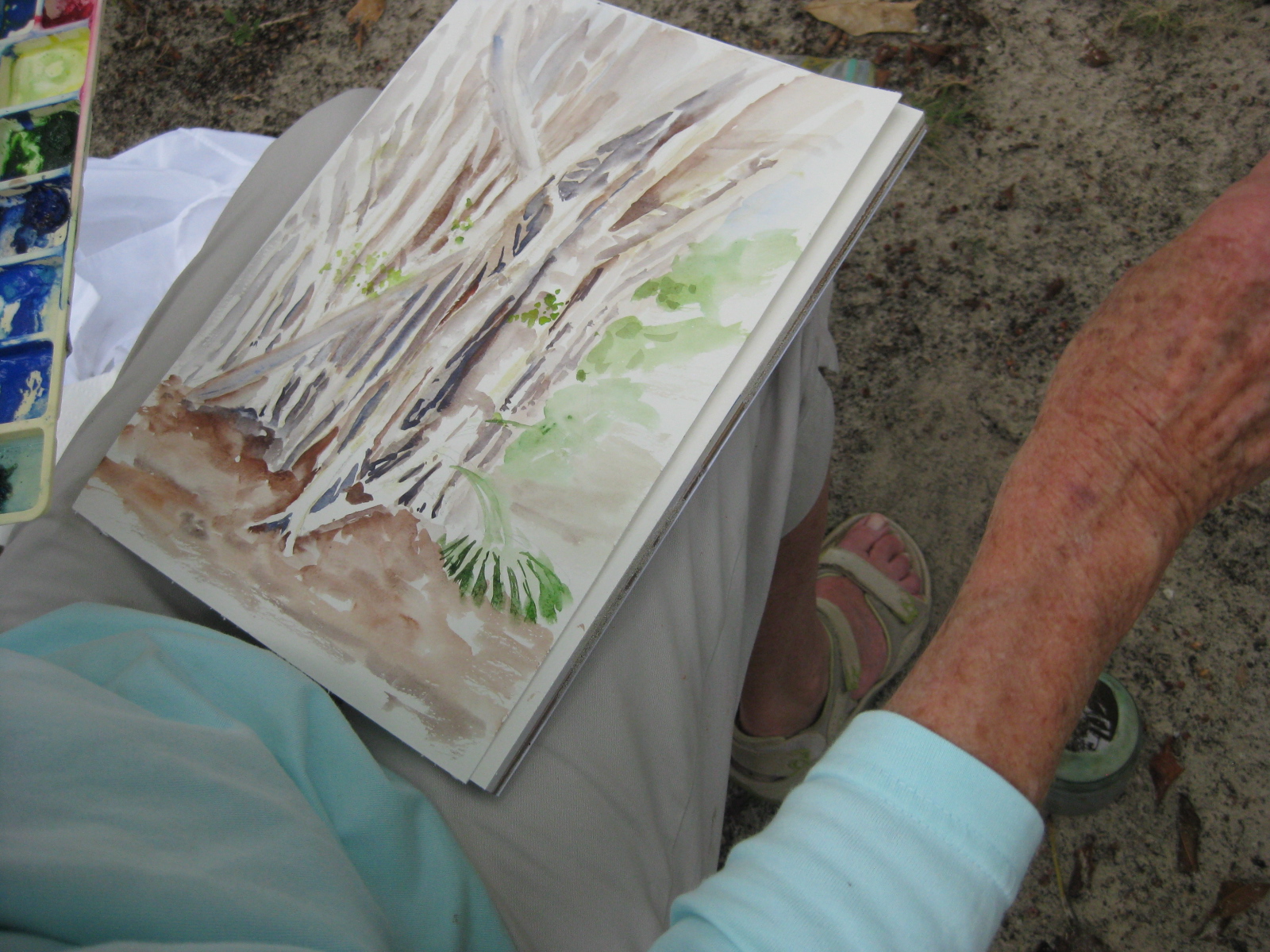
At first we were a bit shy, but in time, we learned to relax, chat for a bit, think about what we want to sketch or paint, walk around to place the chair in a good position and quietly set to work painting for several hours.  The peace and quiet in the setting are wonderful. We settle in to a comfortable group silence that lasts up until around noon.

Tara Lavallee at work
Lavonda Smith at work
Jake Jacobson and Marcia Fearing’s garden
Ann Capling, experienced artist
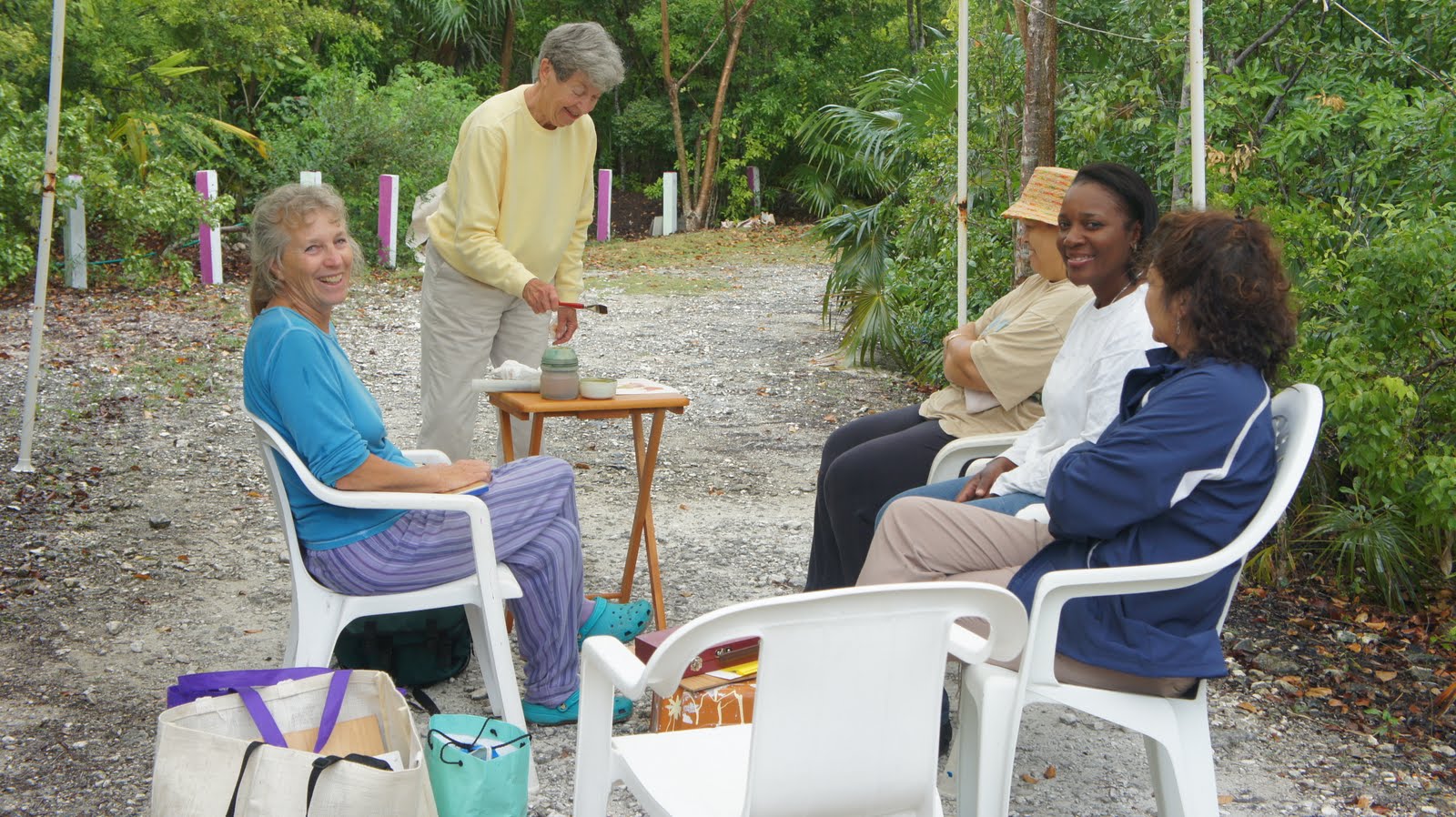
Under Marcia’s and Jake’s tent in the rain are Marcia Fearing, Ann Capling, Liz Key, Lavonda Smith and Mani Goulding
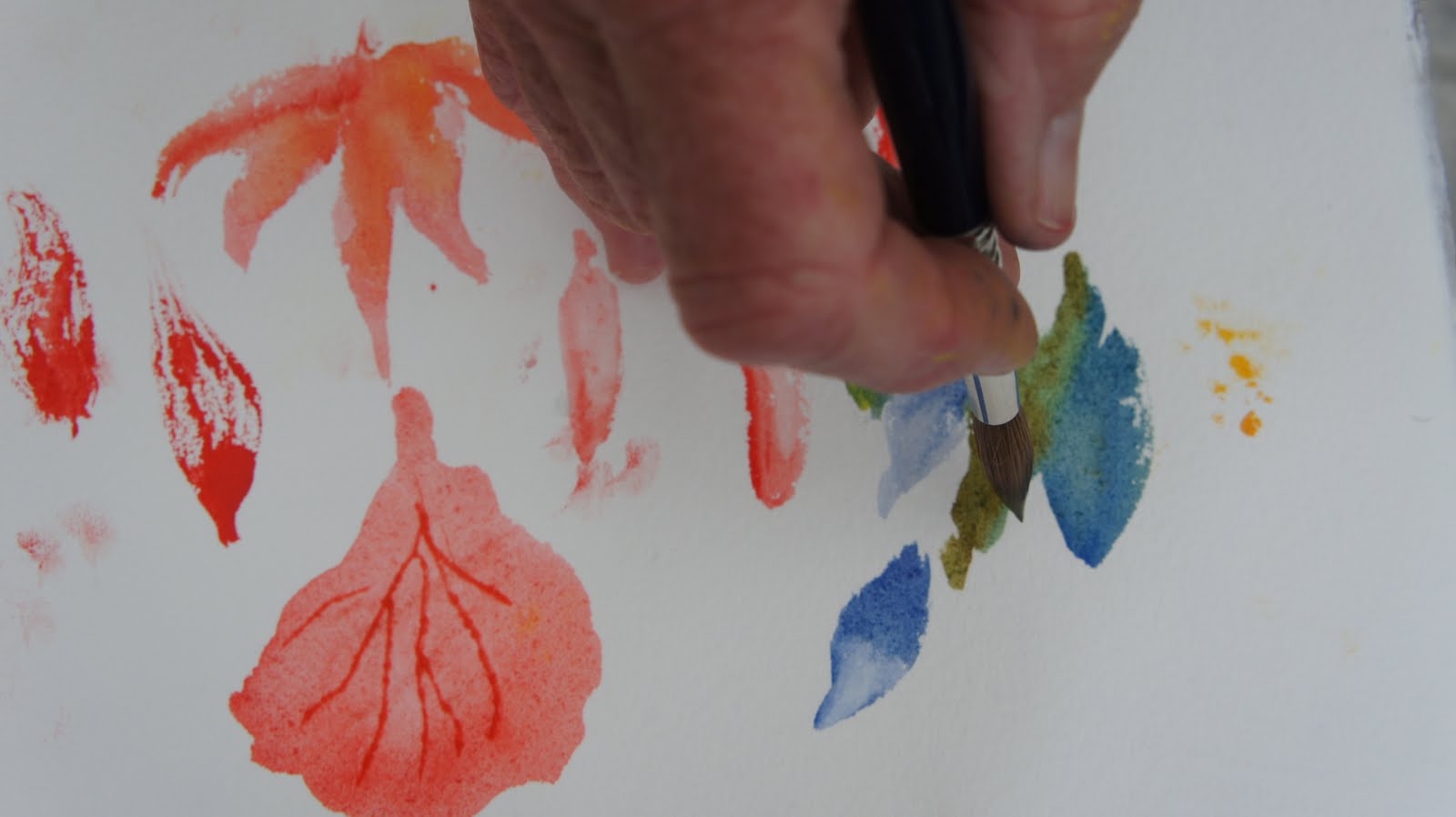
Brush techniques
Mani Goulding at work
Liz Key
Ann Capling
Eleanor Bruce
Marcia Fearing
Mani Goulding
Liz Key
Lavonda Smith
Eleanor Bruce
Lavonda Smith
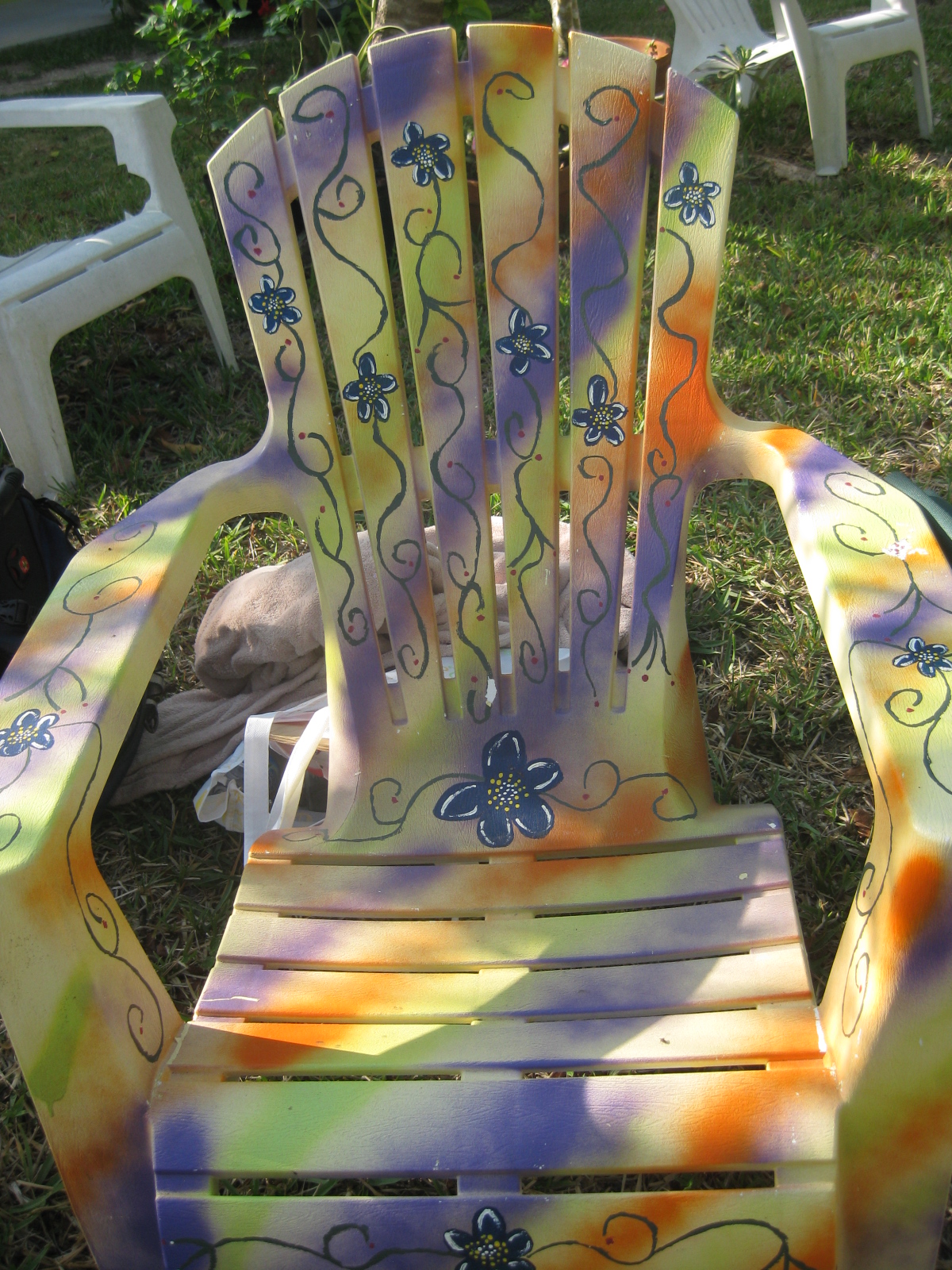
Painted Chair
 
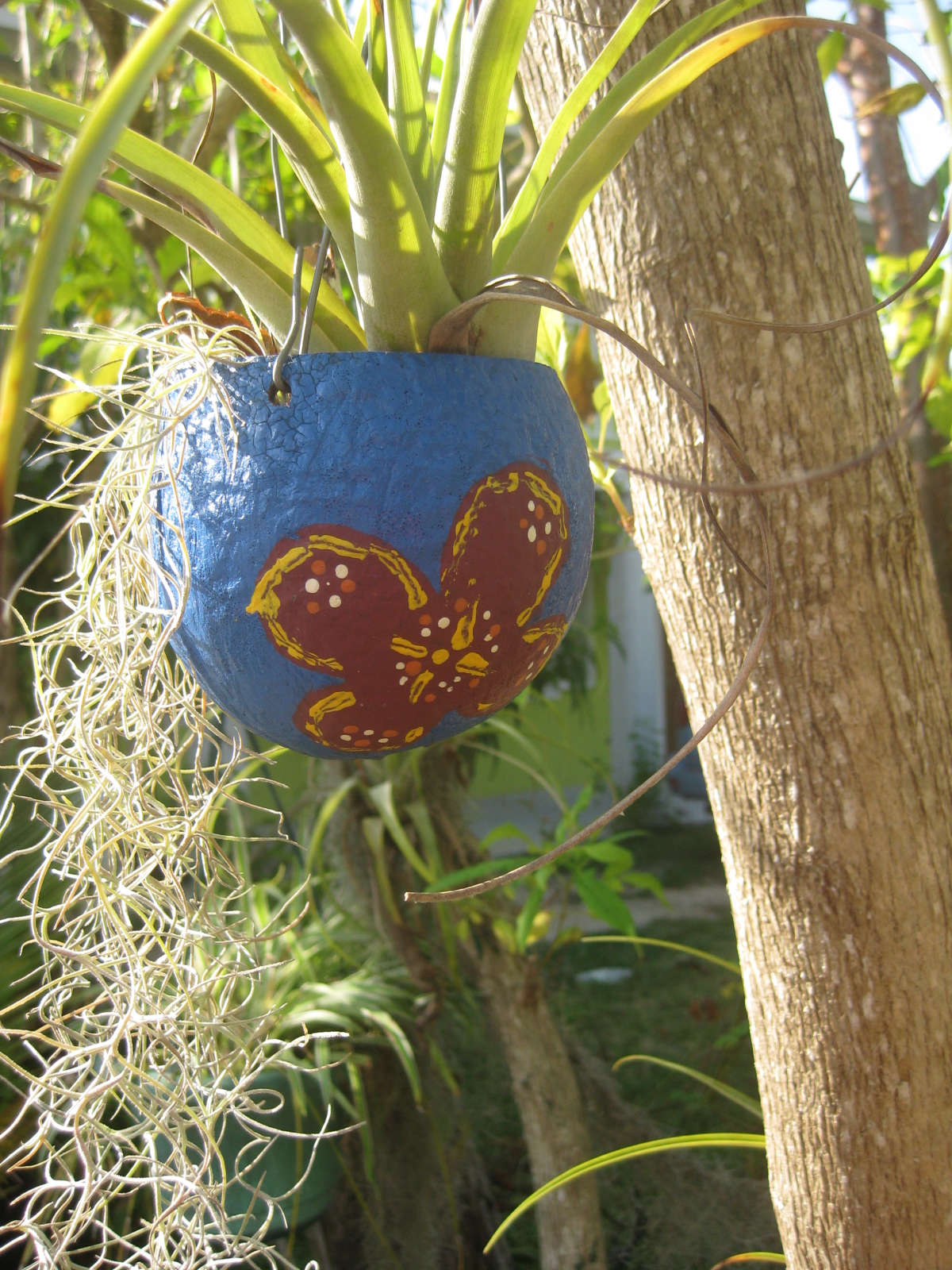
Lavonda’s hand made coconut plant holder
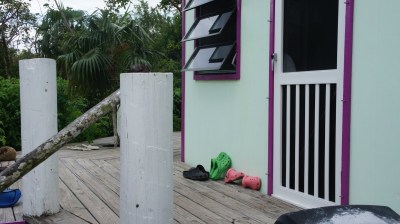
Lavonda and Bruce Smith’s Home
And garden
Melanie’s Home

Our High Banks neighbors have interesting points of architecture, unique gardens, great trees, striking fences, friendly dogs, amusing automobiles.  They kindly agreed to allow us in their yards and on their porches with chairs, paints, and trampling feet. 

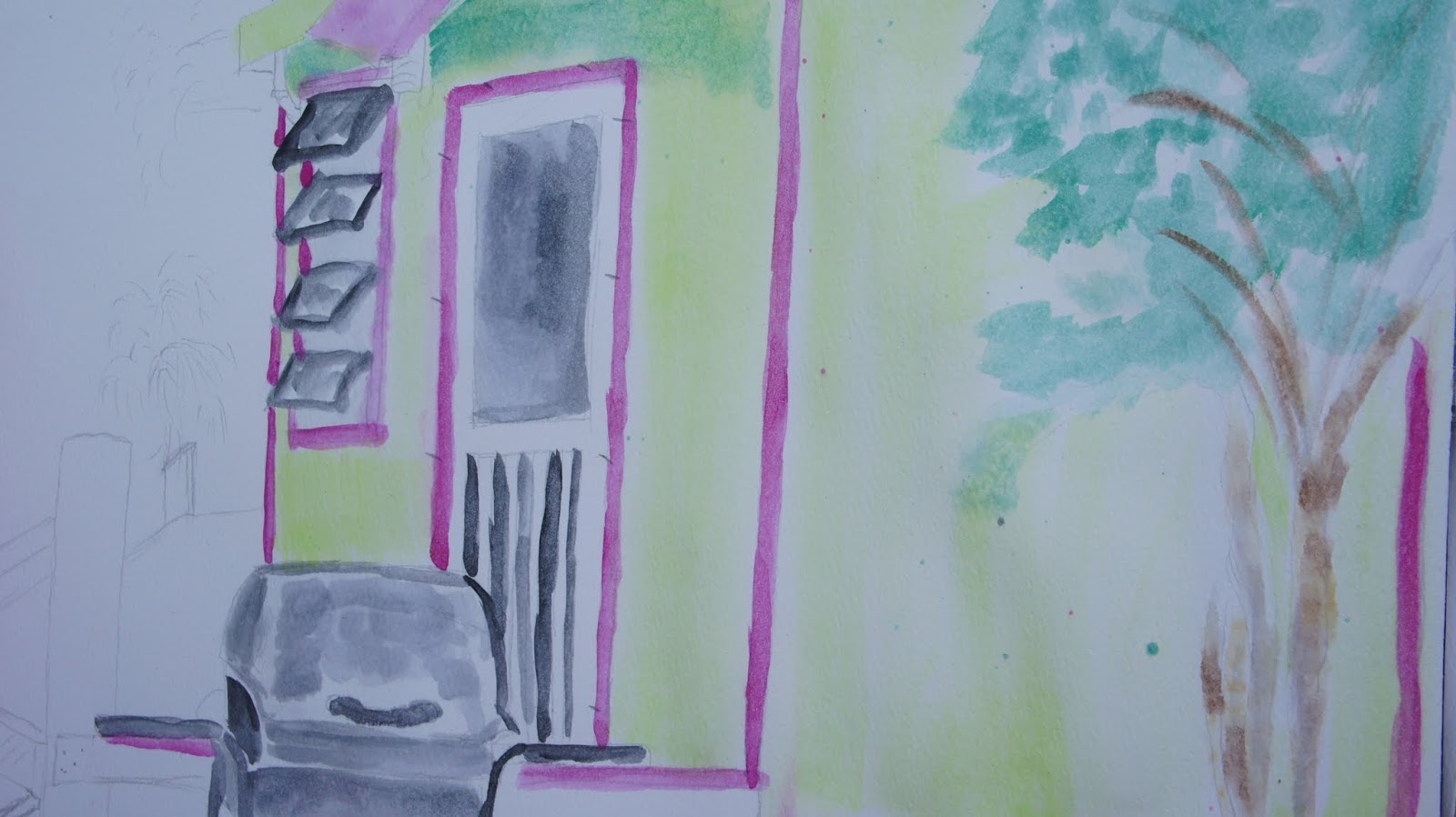
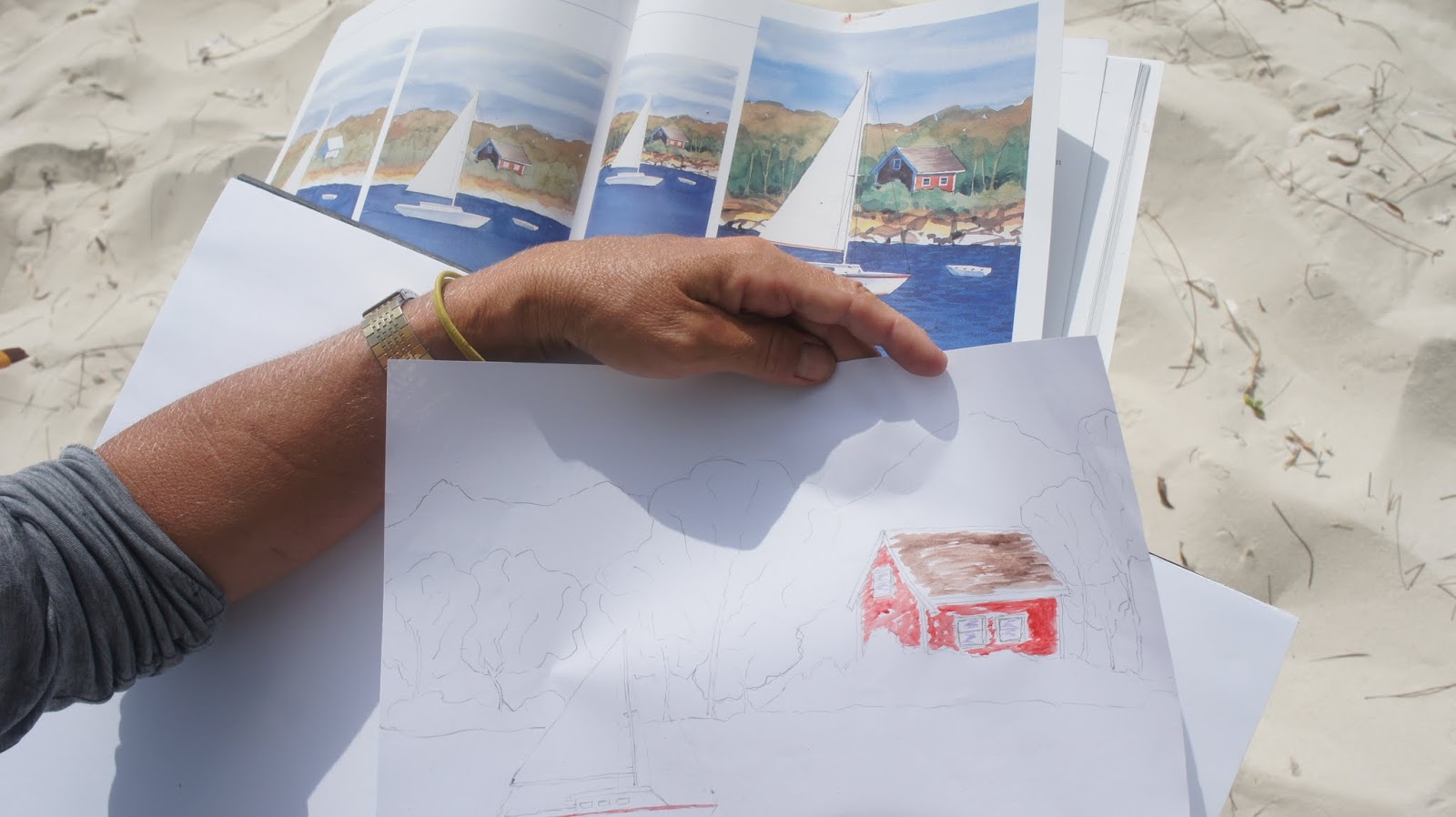
It is good for us to meet up on a weekly basis because in the process we have established a system and a structure useful for learning water color techniques.  When we wonder what another artist is doing, we ask and they explain.  When we see someone doing something interesting and perhaps out of the ordinary, we take time out learn about it and try doing it too. It becomes a very likable sharing of ideas, techniques and experiences and we all benefit from this exchange.

One of our cooperative models at Melanie’s garden

We visit homes, gardens and the beach for the purpose of painting them and it leads to very interesting discoveries of great gardens, unique plants and visual imagery. We have great times visiting and learning more about our neighbors in a way that is not usually done, that is, by sitting in their yards or other natural settings and enjoying a specific tree, flower, fence, or appreciating their footpaths and backyards and noting how the shadows touch their steps.

Marge and Earl Hamilton’s Garden
Eleanor Bruce at work
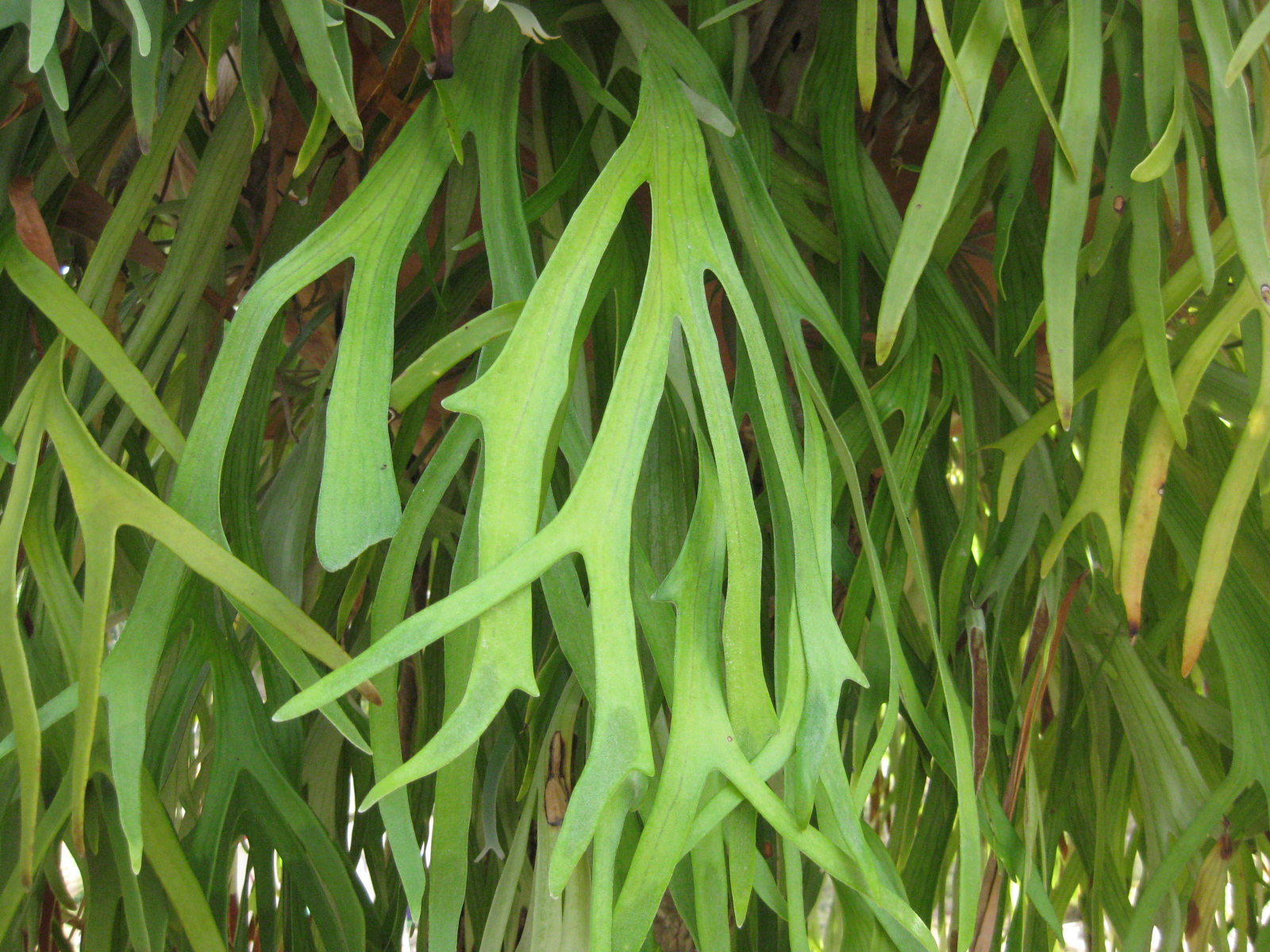
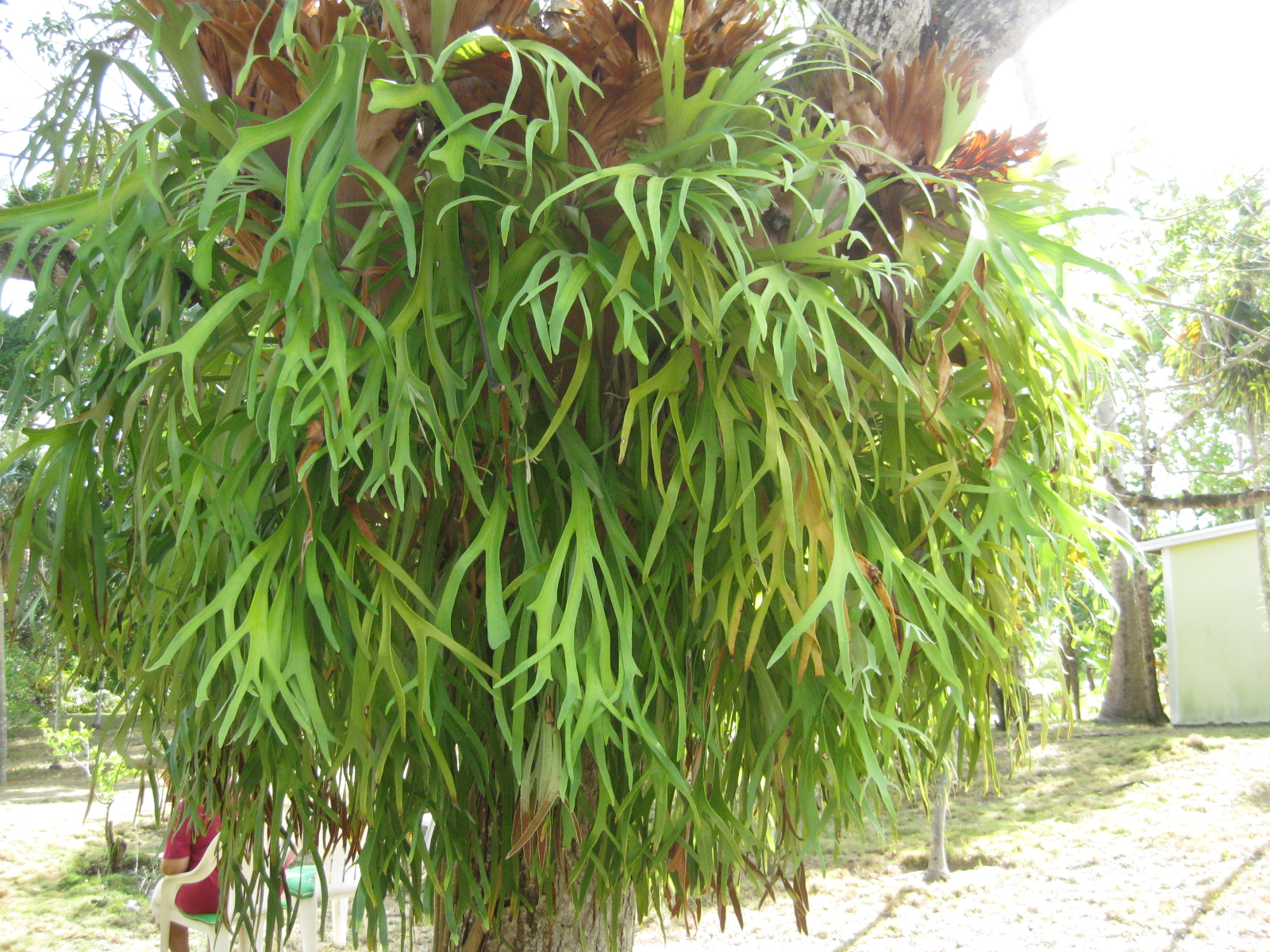
Striking staghorn fern in Marge and Earl Hamilton’s garden
Liz Key
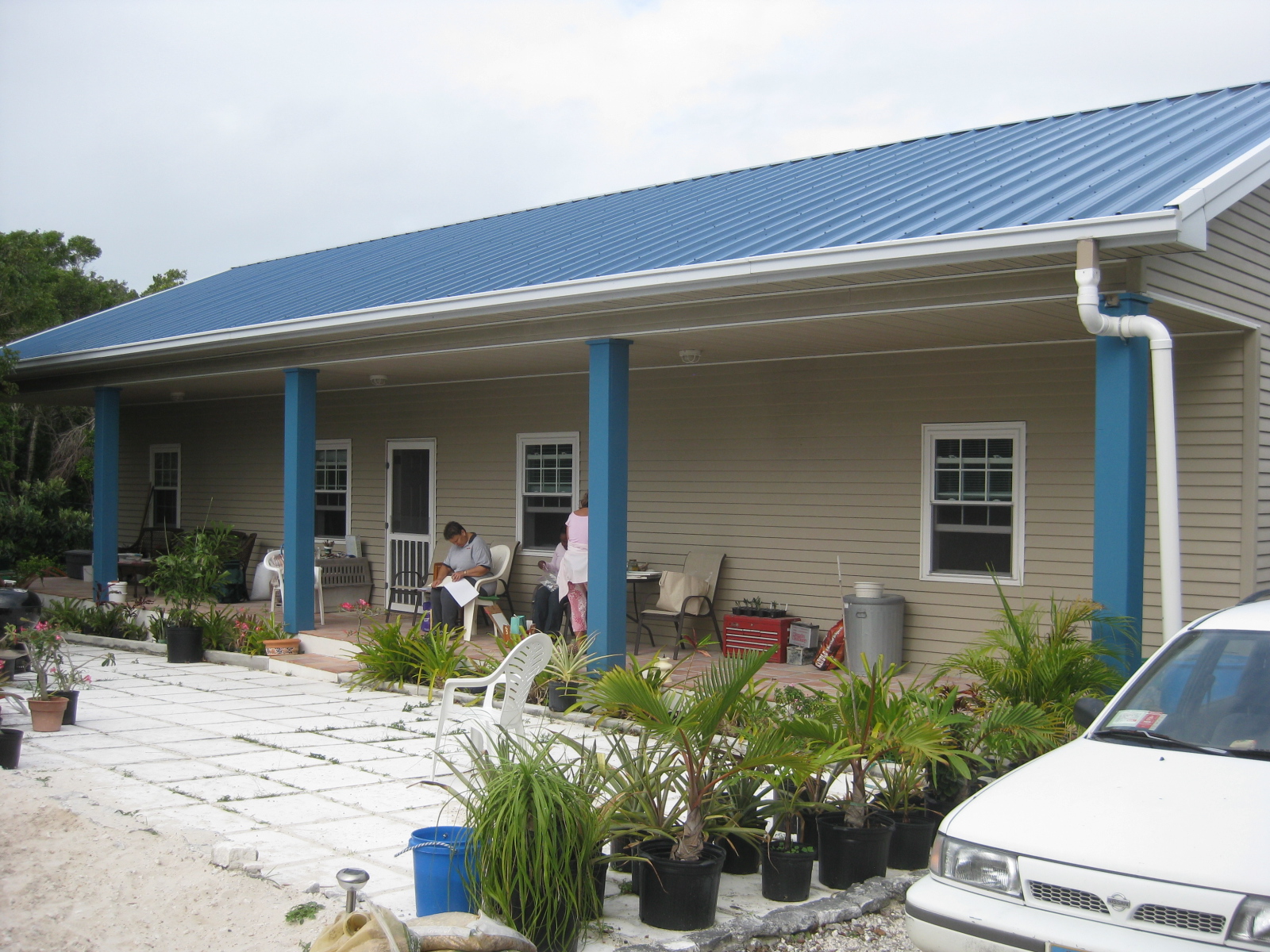
Jimmy and Liz Key’s home
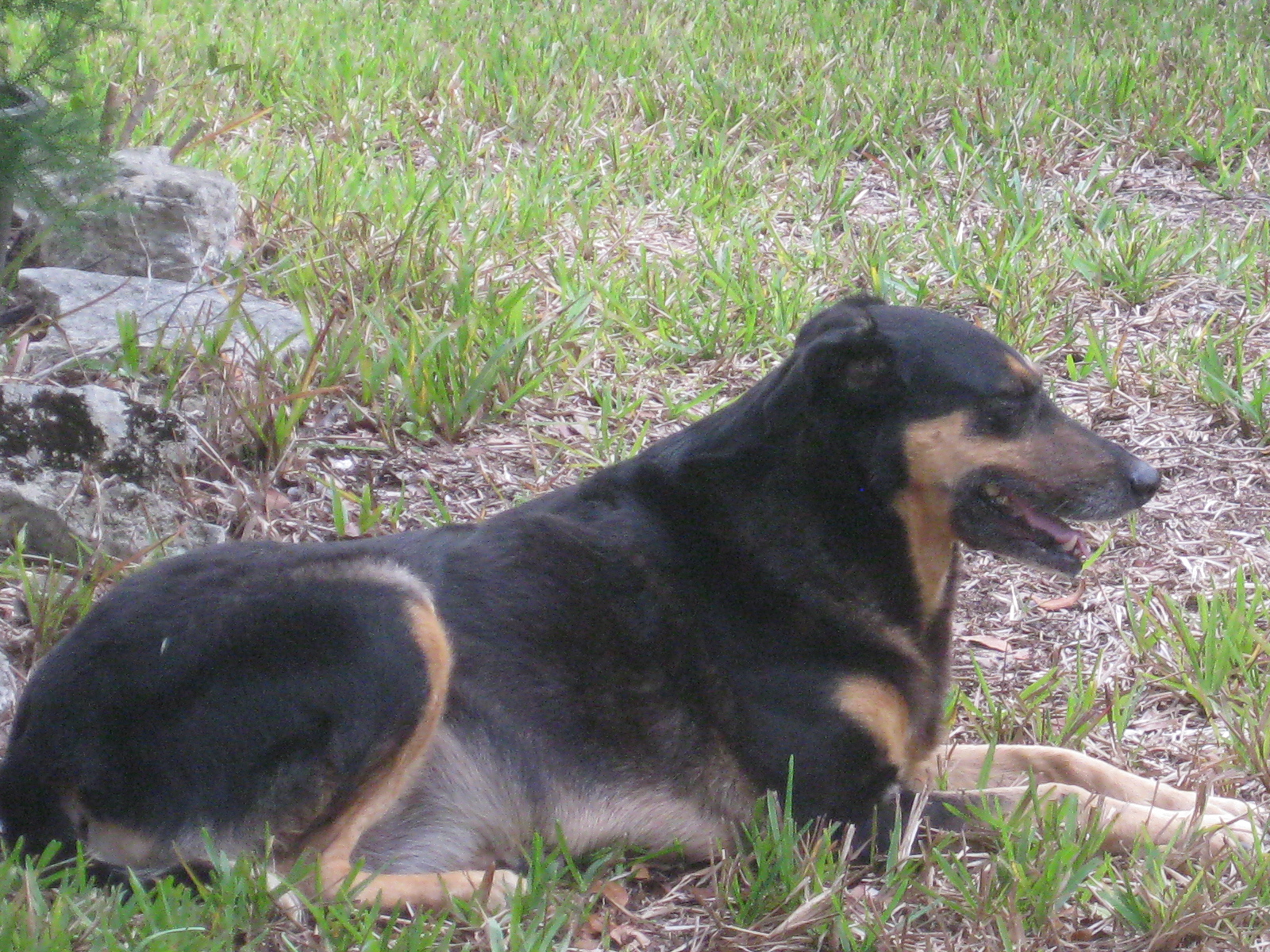
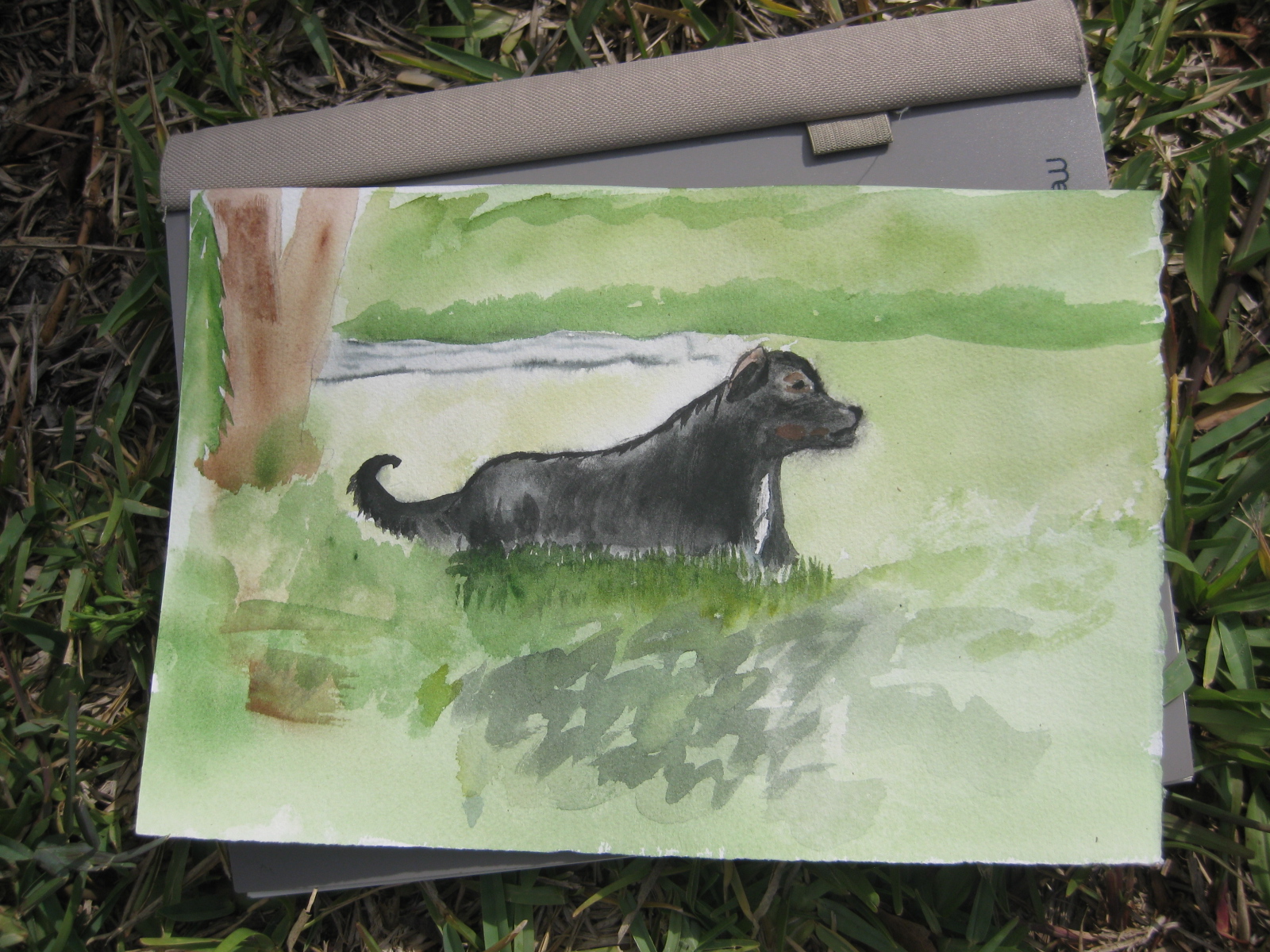
Tara Lavallee paints Liz’s dog
Anne Capling’s tree

We have agreed that all are welcome to participate in our art group.  There is no formal structure, no invitations, no requirements to join and everyone is welcome.  Under these conditions, we meet and meet again.

Our meeting usually begins at 8:30 each Wednesday morning.  We agree on where to meet outdoors.  We gather at the designated place and speak with each other for a few minutes when we first arrive.  We then casually disperse, carrying our chairs and our art supplies to various locations nearby, walking around to find a place to put our chair and establish a point for painting.  We next pull out our paper and paints, our pencils and erasers,brushes, and set to work.

If there is a newcomer to the group, we offer them paper, paint, pencils, a chair, or whatever they need to get started. If someone just wants to sit and watch, they too, are welcome.

From time to time someone shows up just to walk through and see what we are doing.  We greet them, then return to our painting.  They watch and then slip away when they are ready to go.

Merle Askeland
Art Capling draws a building
We listen to ideas
And paint our own perspectives of buildings.  Painting by Tara Lavallee
Jake and Marcia’s place

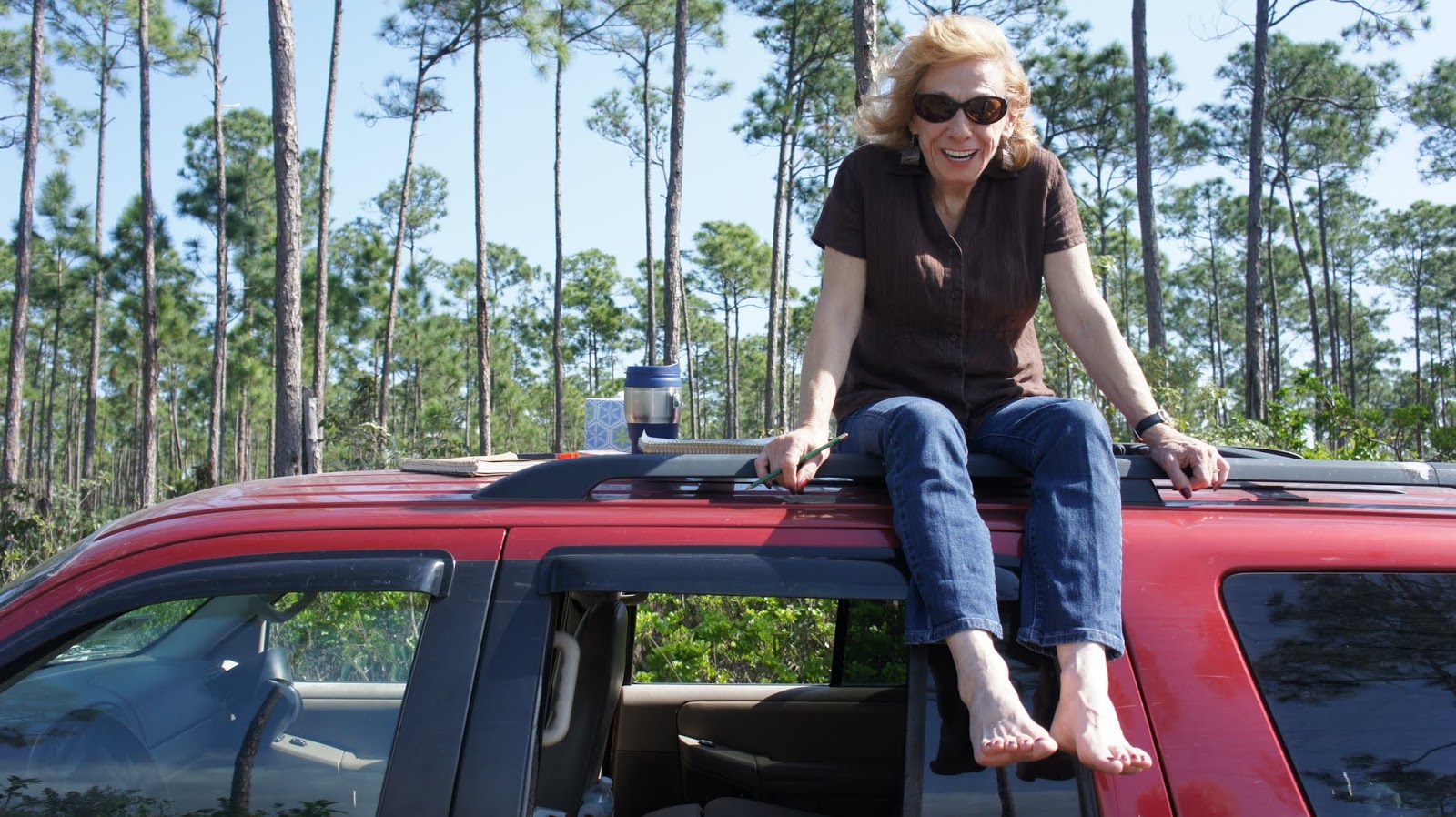
More recently, we head outside to very interesting locations such as big beaches, marshes, ponds, old roads and paint there.  It is usually quiet for several hours, as each of us works on sketching and painting.  We photograph the setting in which we are working so that we can revisit the colors we choose, the structures and shapes we draw. After an hour or so of quiet, we begin walking from one place to another, looking at each person’s work and commenting on what we see, asking questions, or comparing approaches to our work.

Karon Teasedale chooses an interesting location for painting
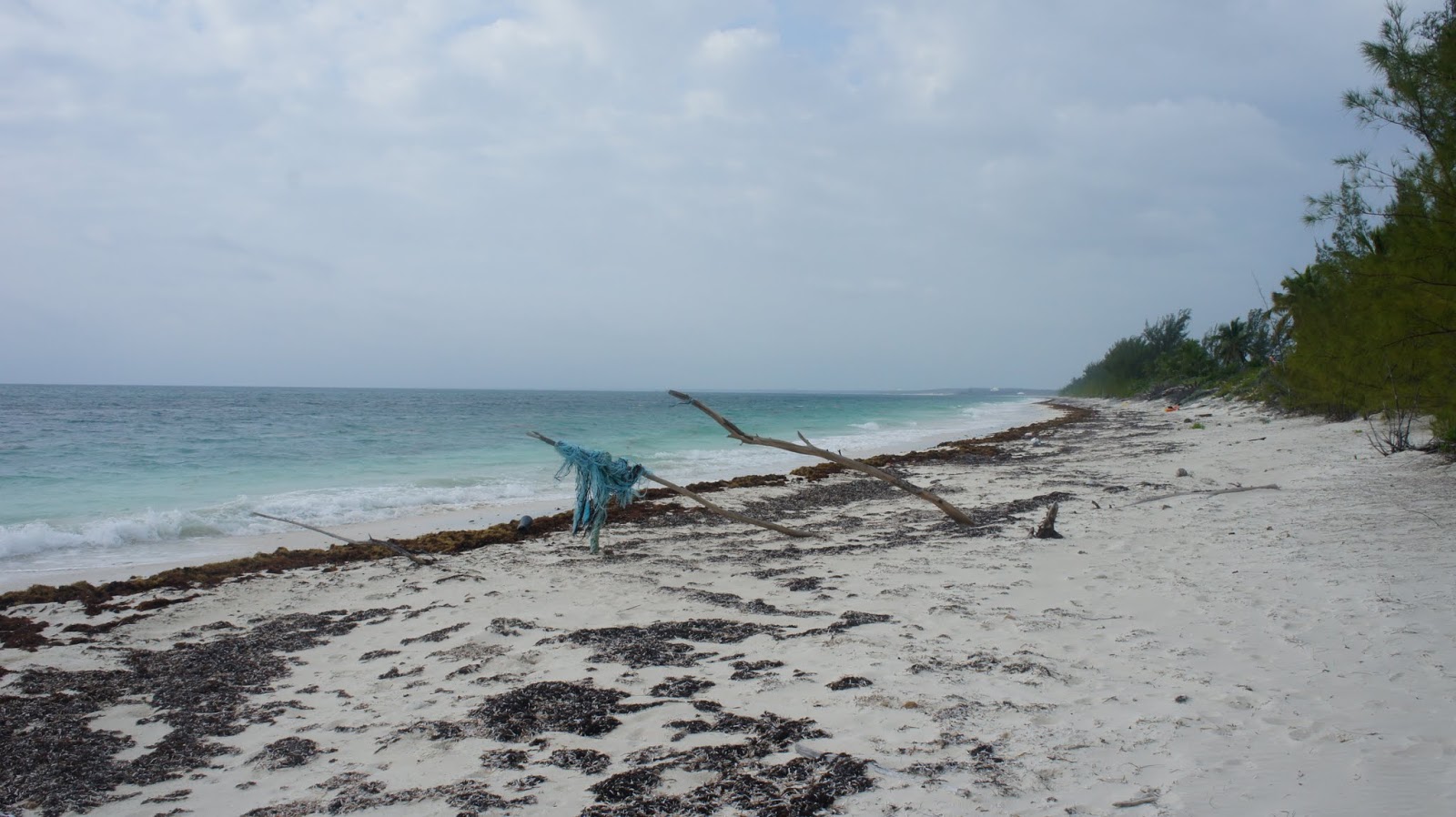
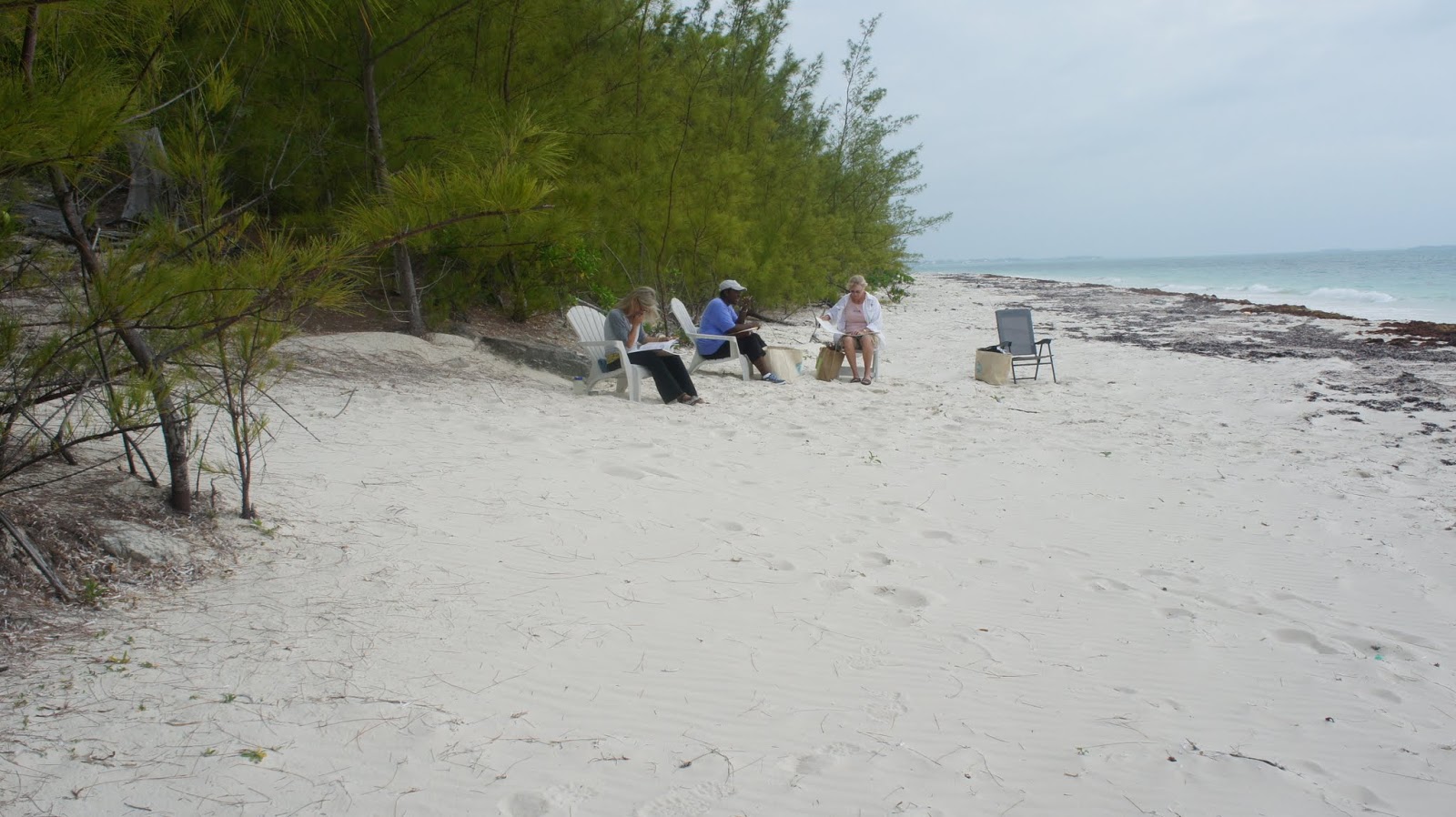
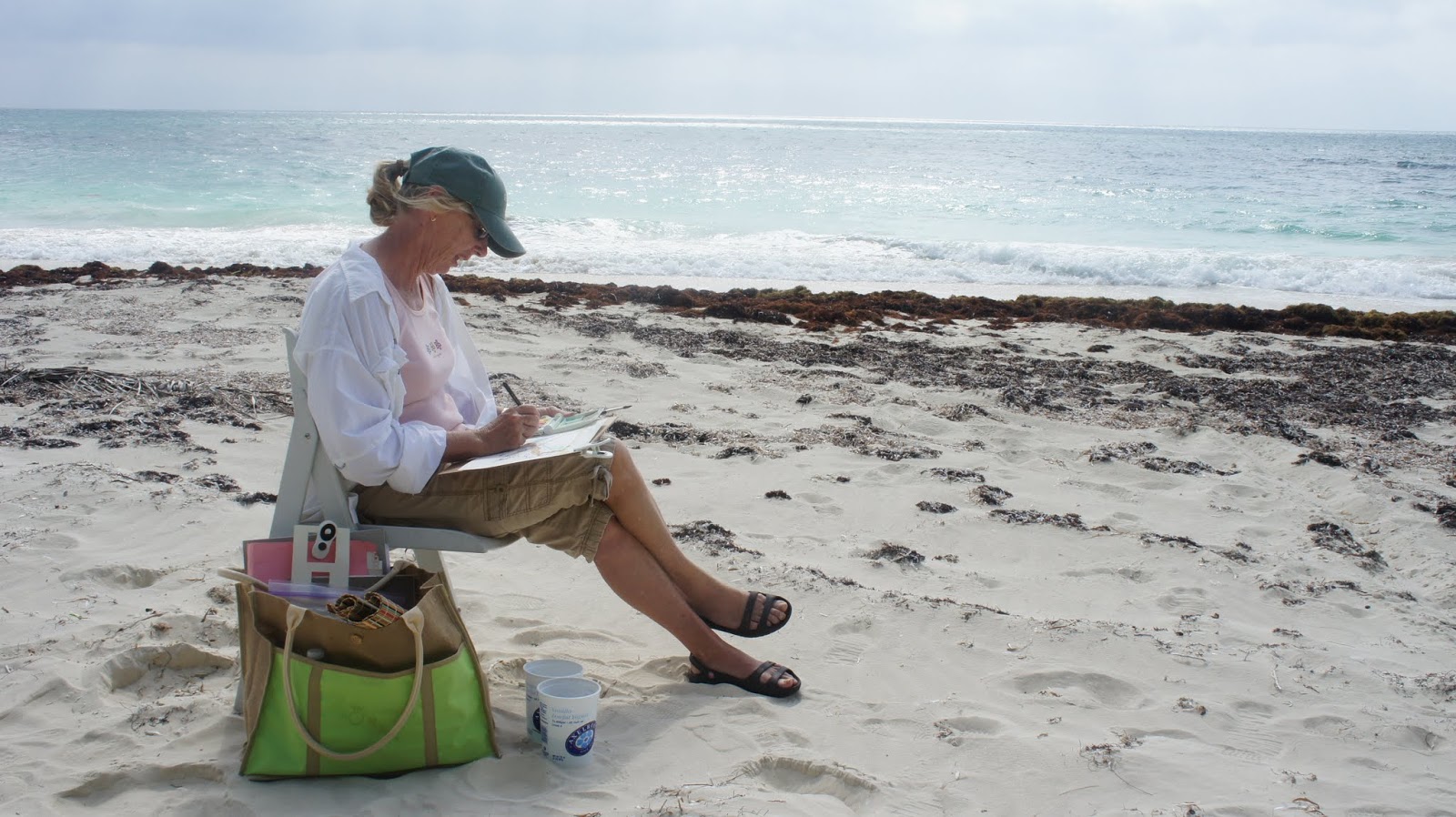
On the beach ,Eight Mile Bay
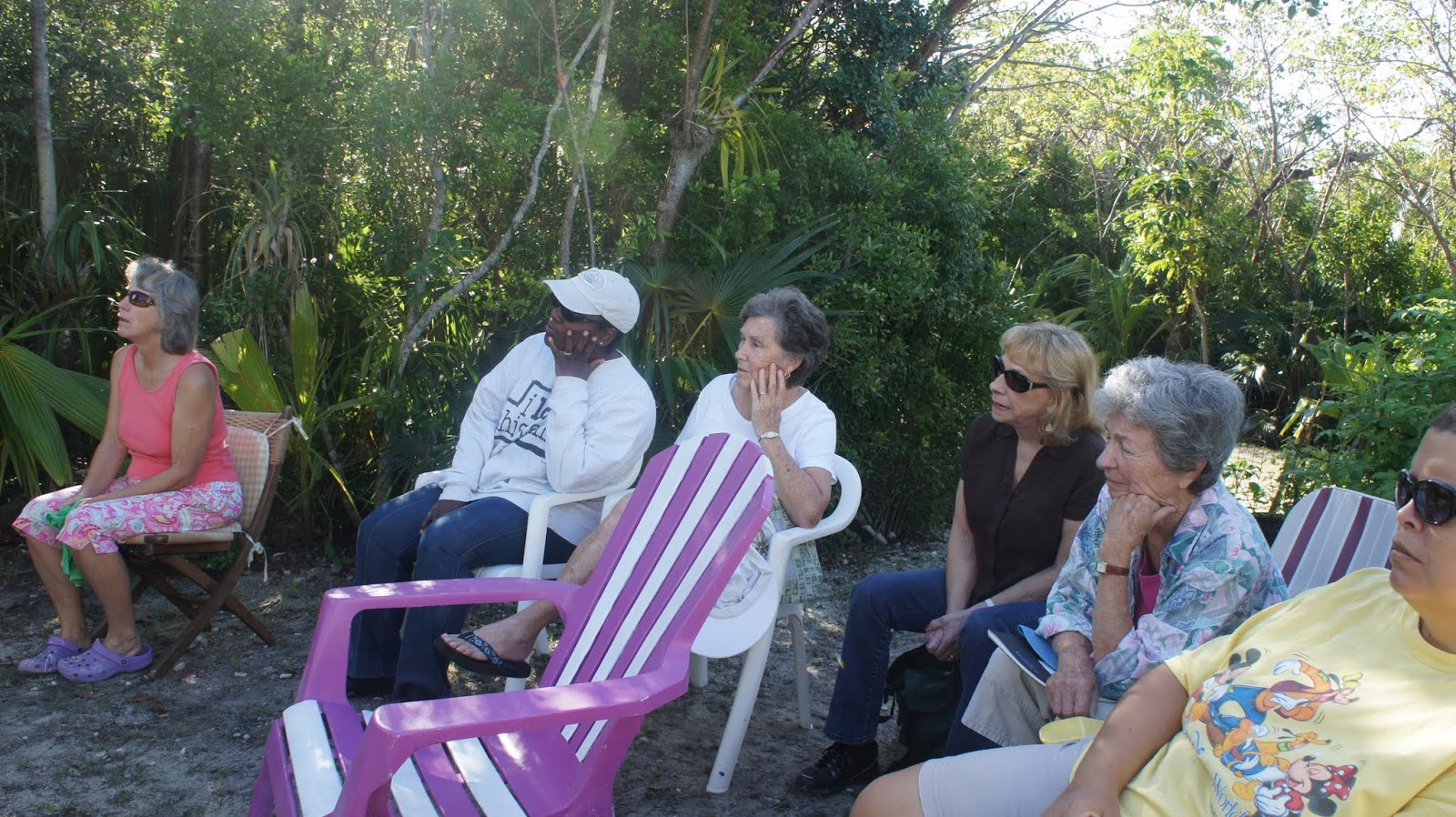
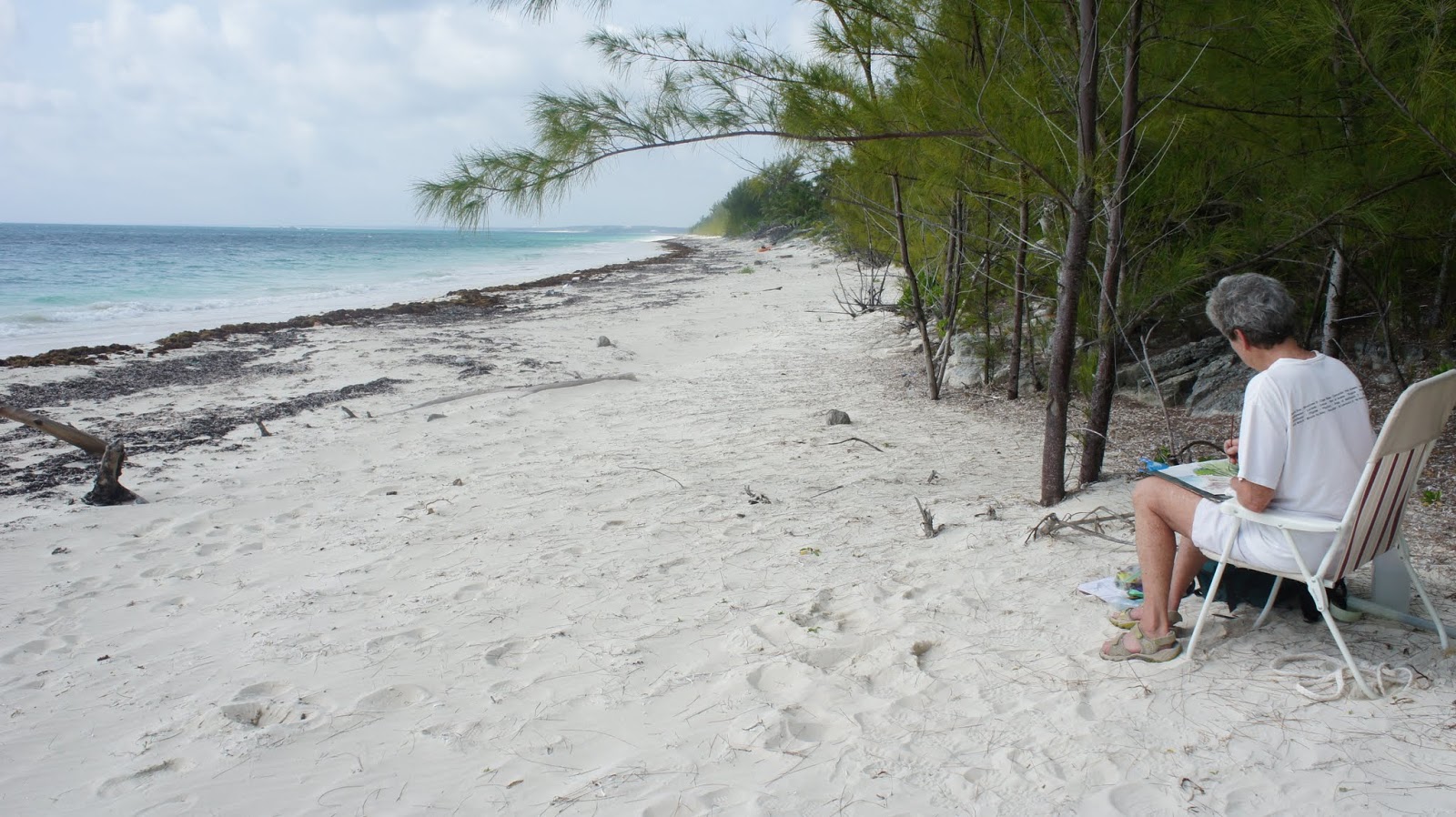
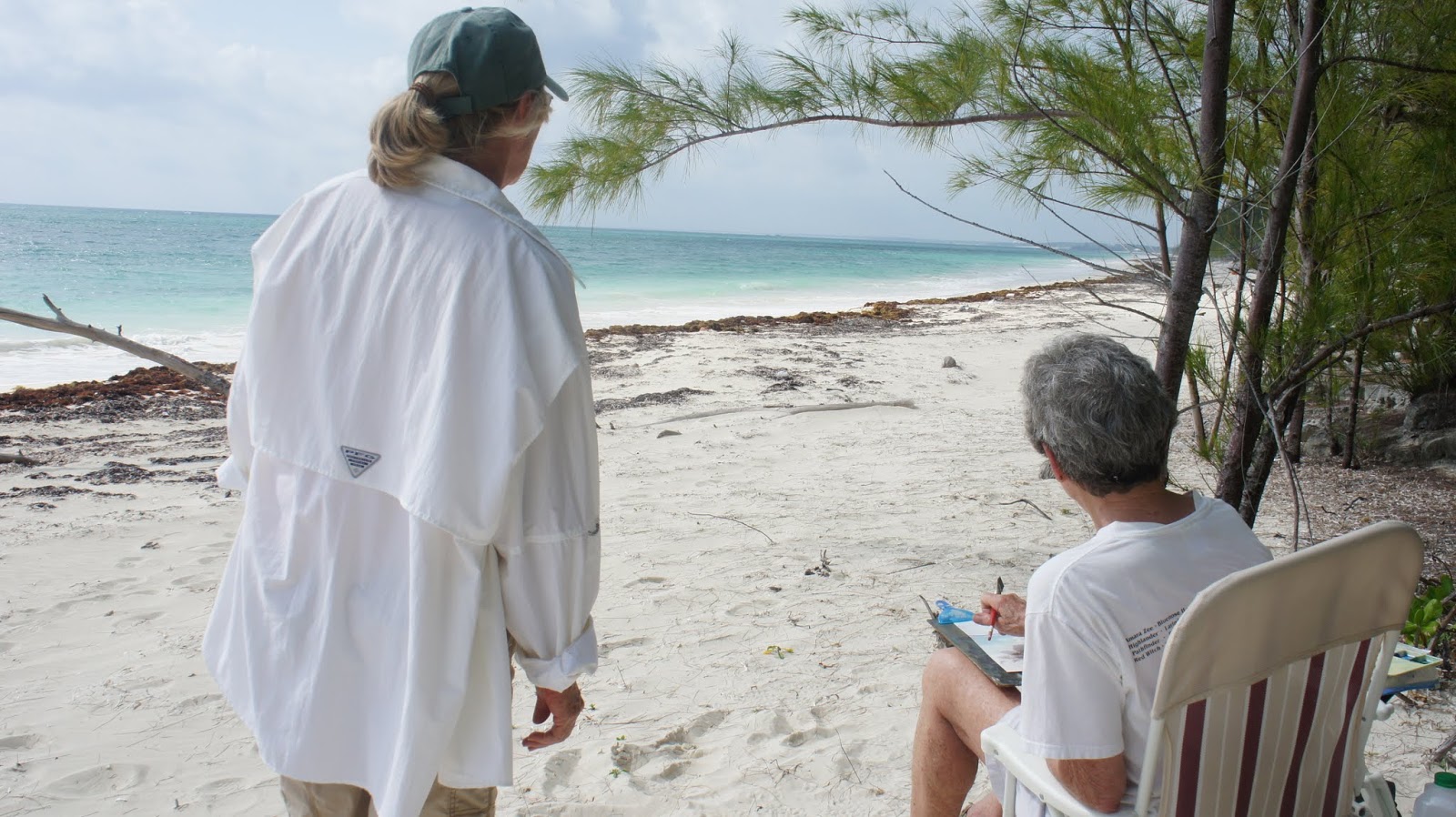
Group setting on the beach
Melanie Rees
Susie Lill
Melanie Rees on the beach
Susie Lill’s first painting
Ann Capling
Melanie Reese and Ann Capling
Over by the River
Ann Capling’s perspective
Karon Teasedale’s perspective
Mary Chamie’s perspective
Lavonda Smith’s perspective

We take photographs and make albums and share them showing what happened each time that we met.

Liz
Liz Key, Melanie Reese, Lavonda Smith, Ann Capling, Maxene Tanner

At the end of the session, when people have begun to stand up and stroll around to look at what others have done, we then meet in a circle to discuss each other’s work, consider techniques we might want to learn, and to plan the next meeting.

We then disperse and head home, refreshed and relaxed from the quiet and productive morning.

We are fortunate to have so many neighbors and friends who show their love of art by sharing their gardens and yards and the crafts and paintings that they make.

Read Full Post »

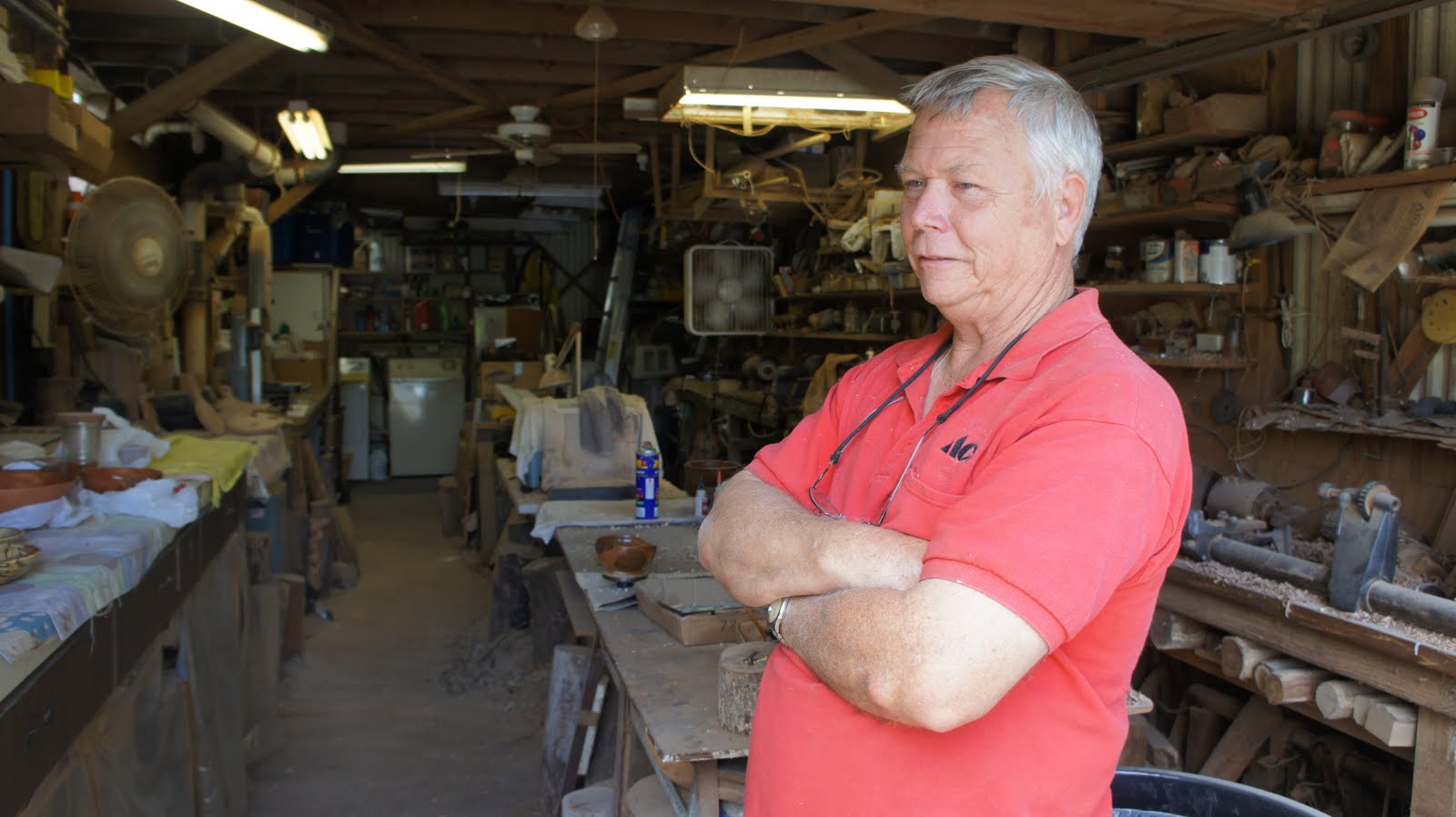
Steve Knowles, Wood Turner

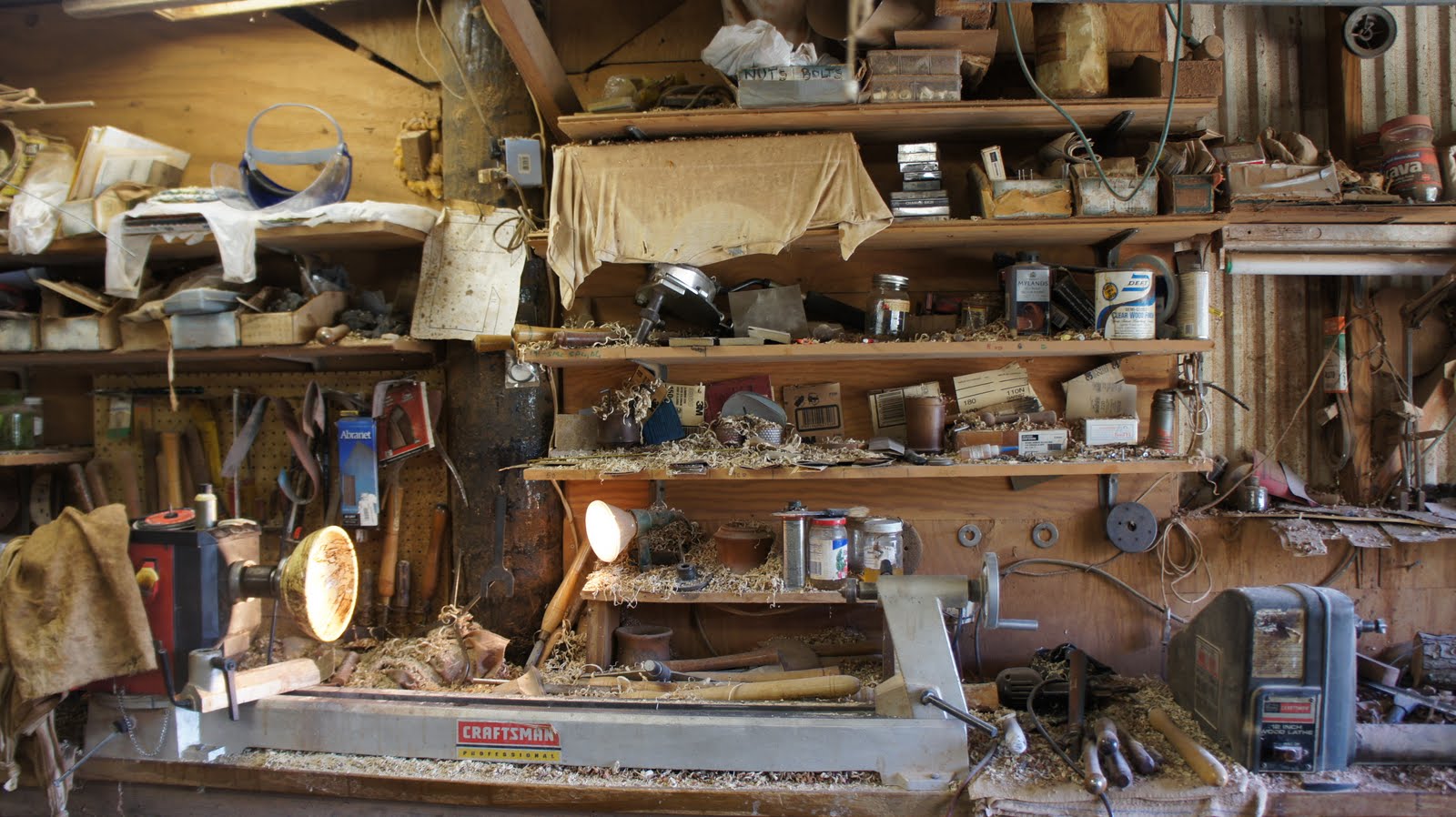
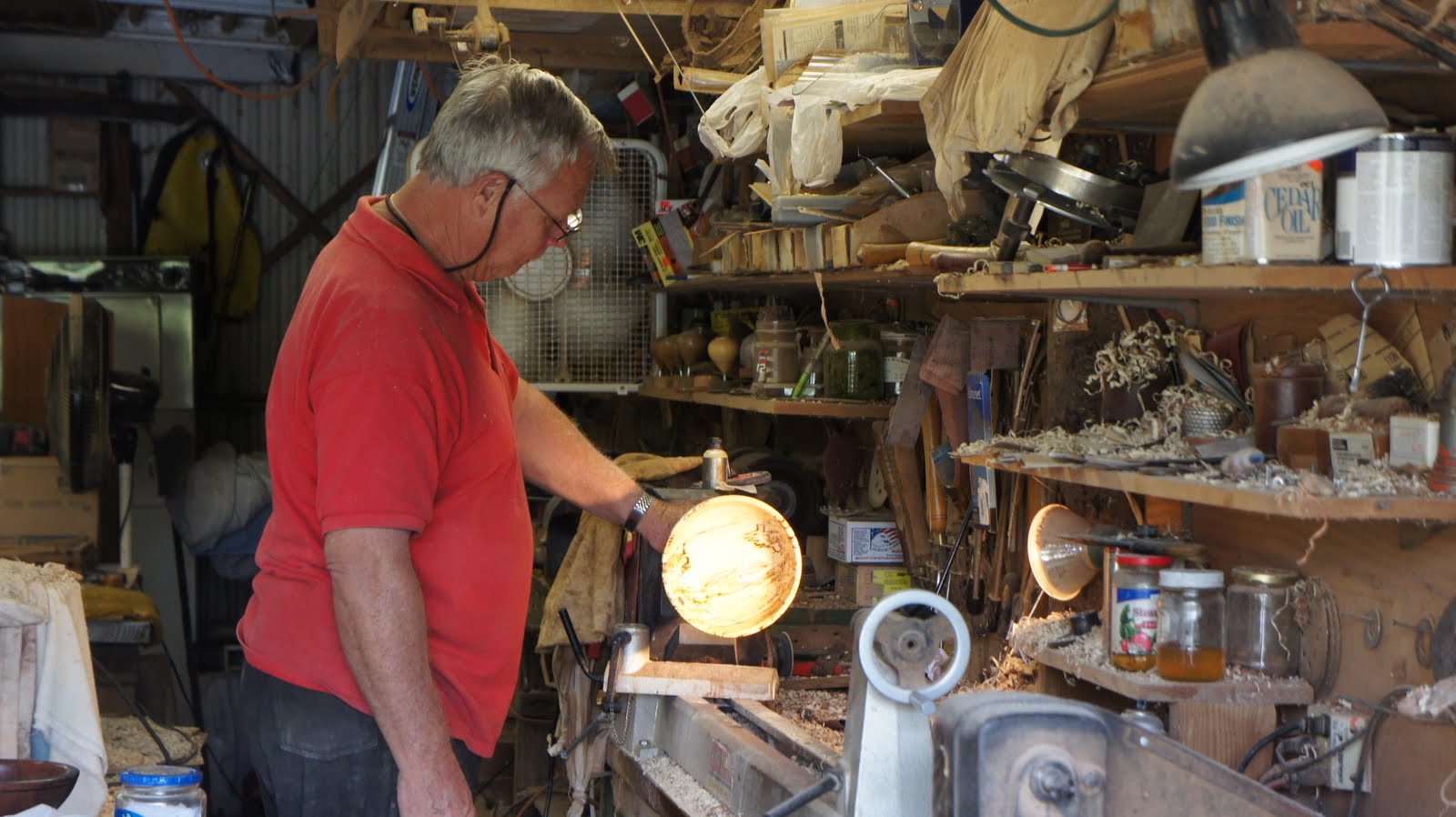
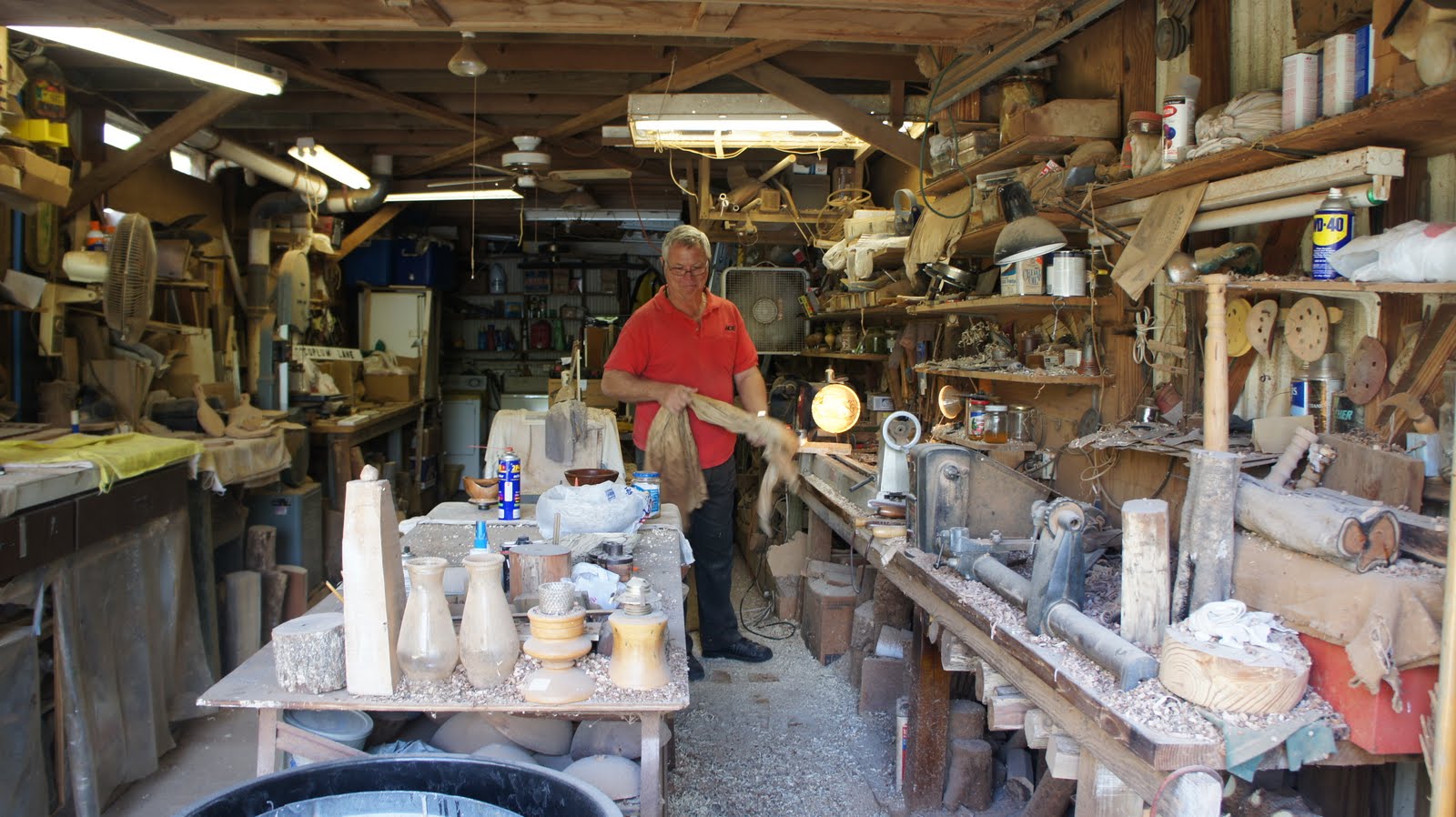
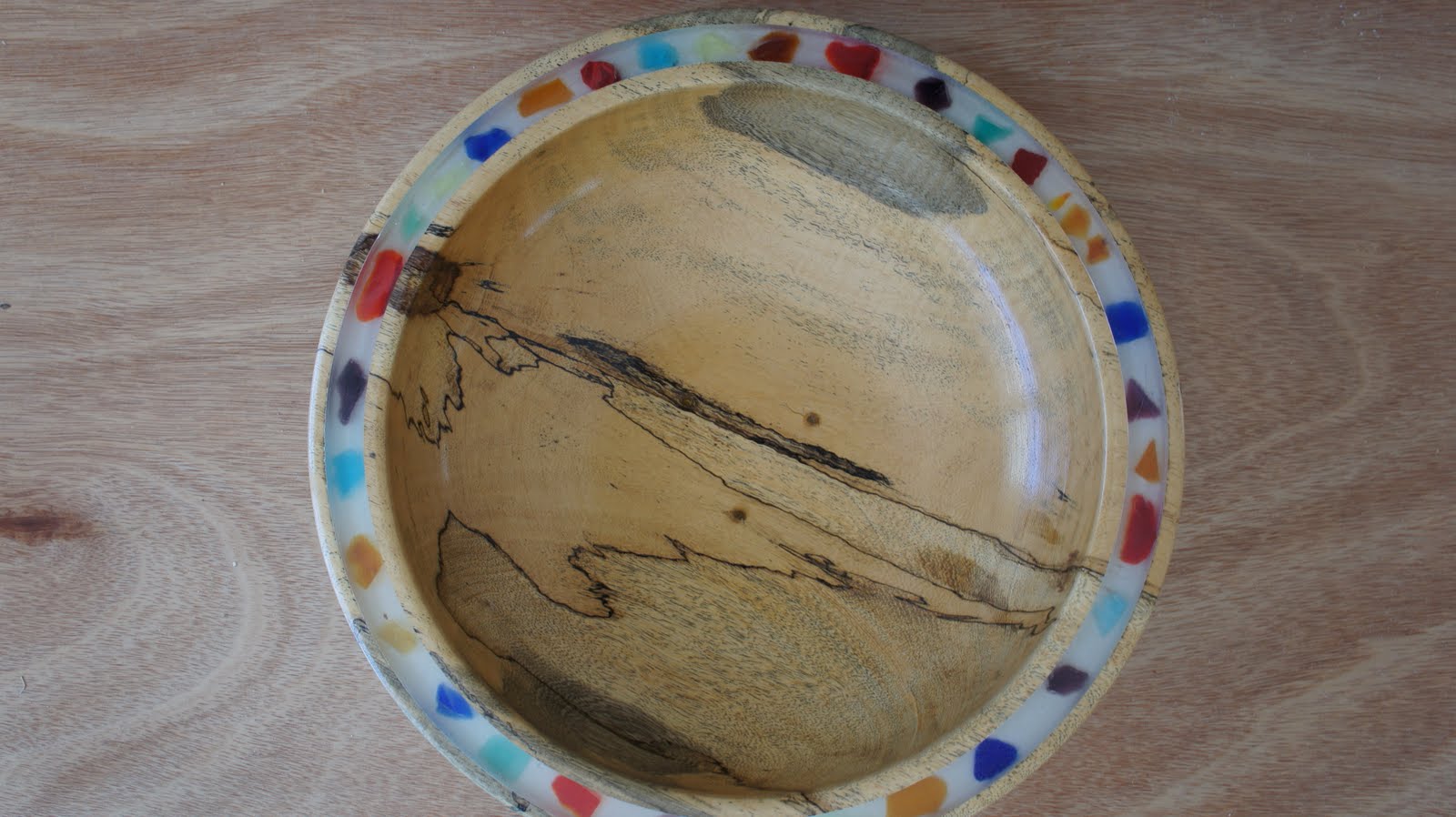
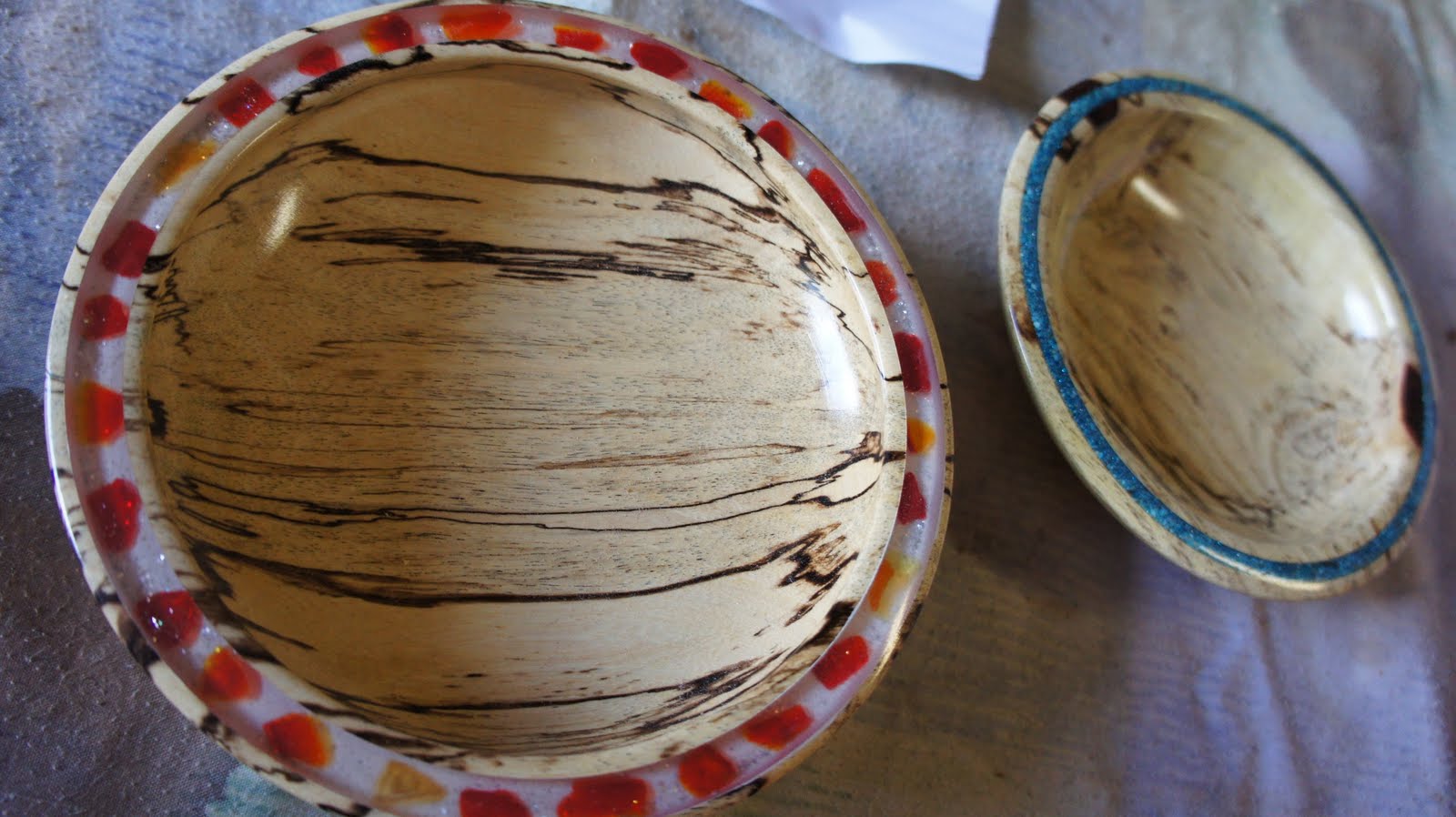
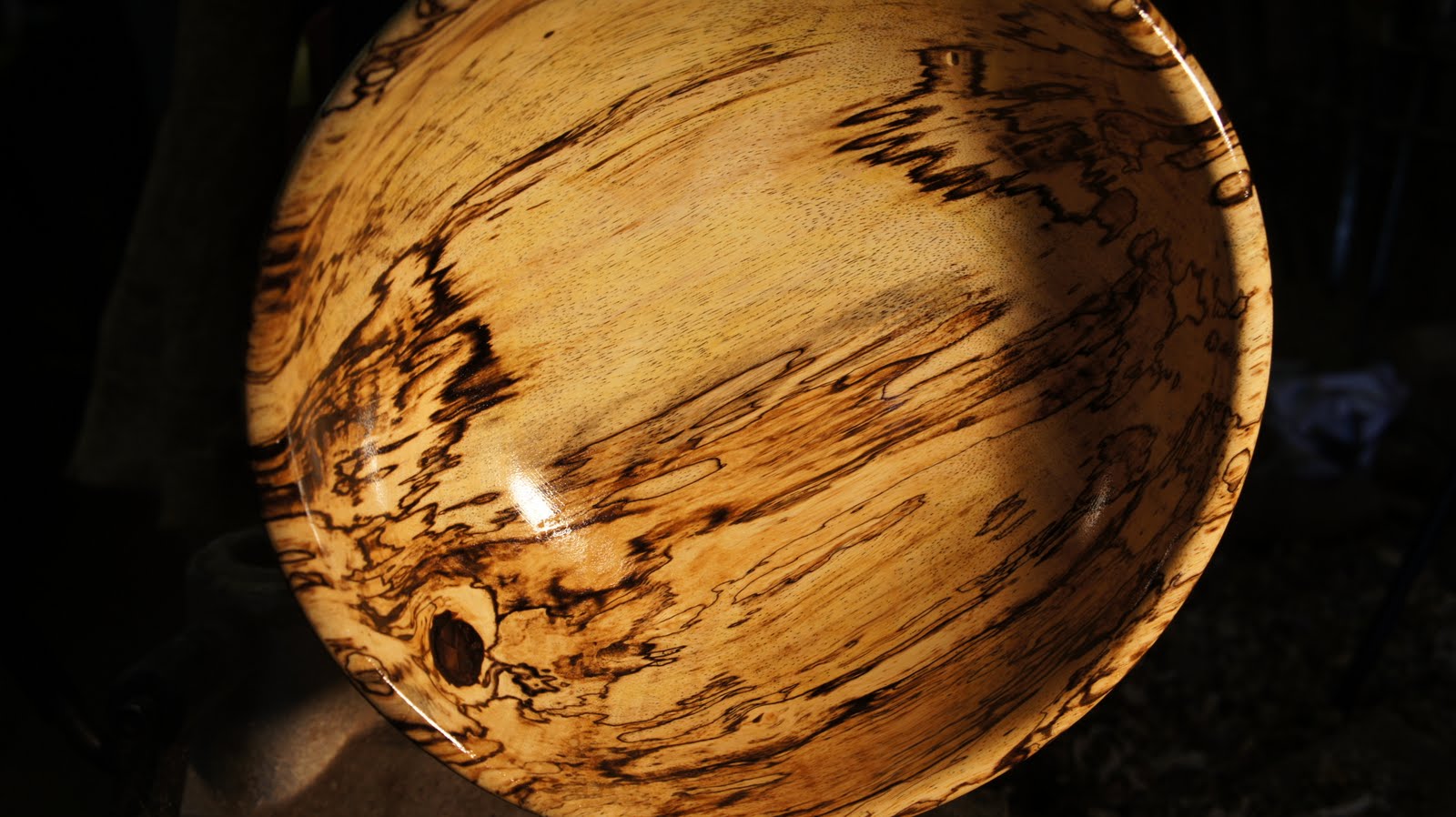
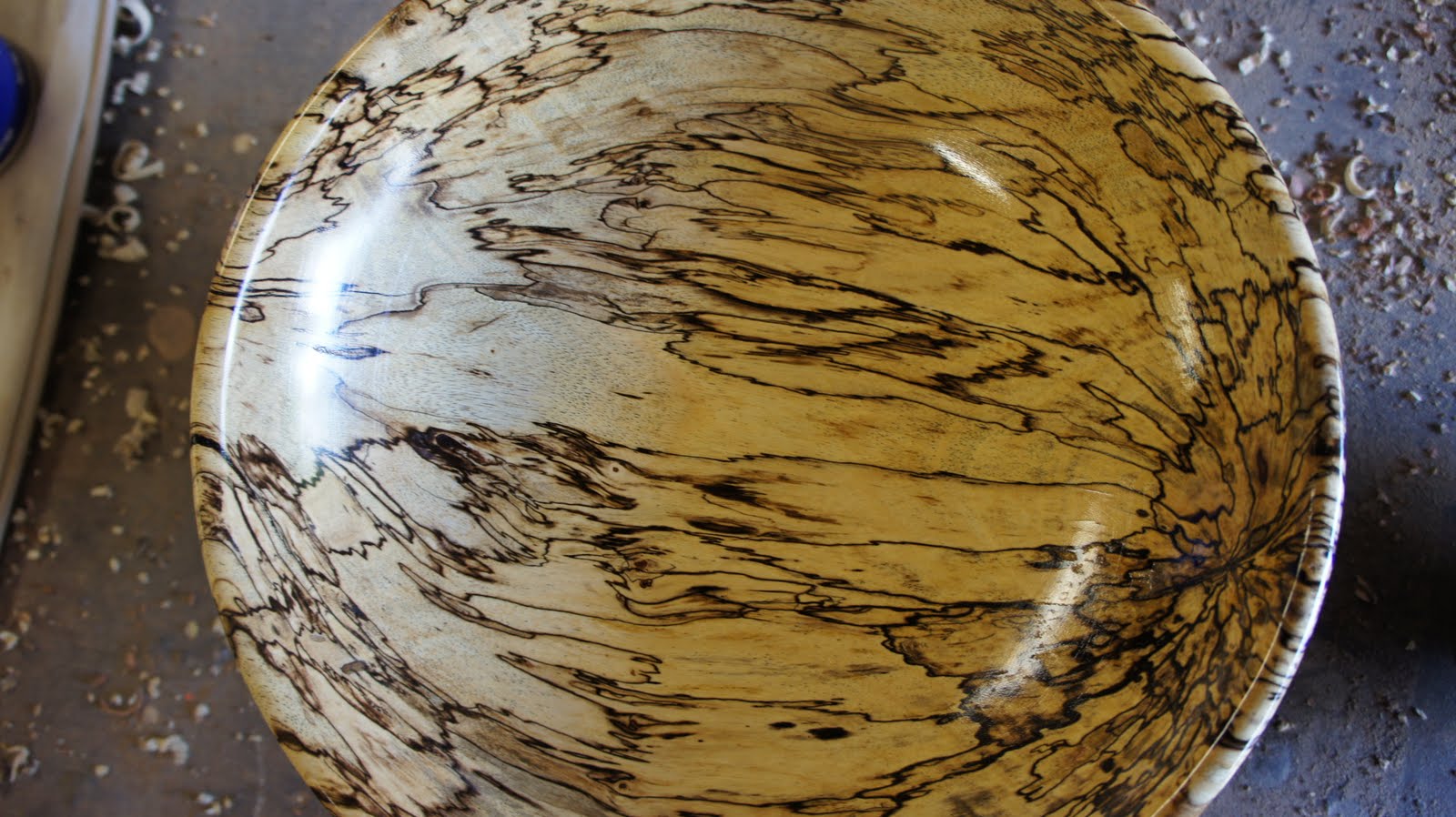
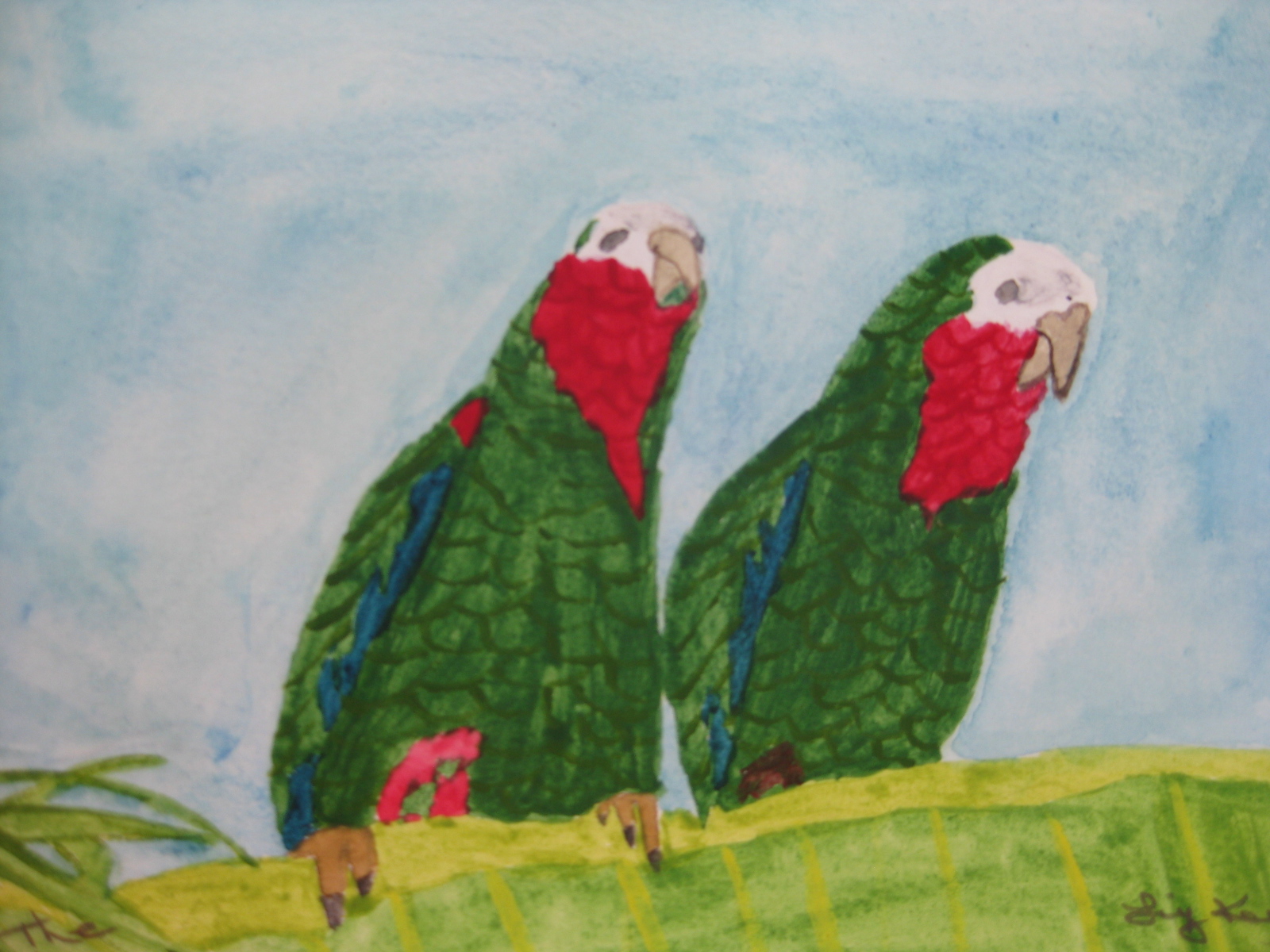
One of our neighbors down the road, Steve Knowles,has a hobby of woodturning in native Bahamian wood.  Beautiful bowls and other artifacts that he turns are then sold at local art fairs.  His workshop has become a popular stopping place for Abaco Nature Tours to visit when they bring bird watchers to Bahama Palm Shores to observe the Abaco parrots  and other birds. 

I often stop by to see what Steve is making.  Our out of town guests ask whether they might visit Steve’s workshop and see what he is turning out.  They like to take Bahamian arts and crafts home with them.

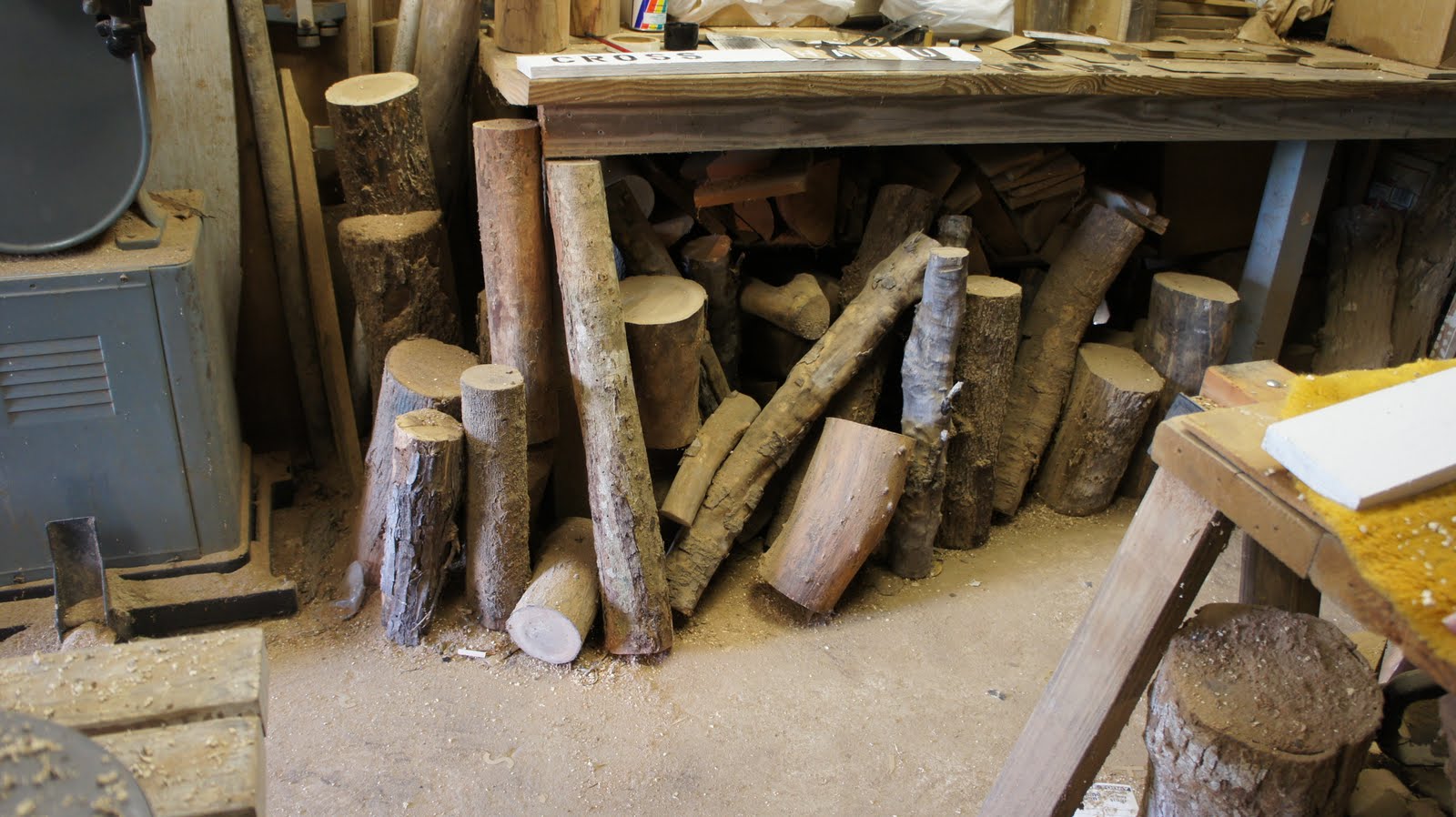
Steve works with wood from a number of native trees including mahogany (Swietenia mahogany), mahoe (Hibiscus tiliaceus L. Malvaceae), tamerind (Tamarindus indica), red cedar (Juniperus bermudiana) and poison wood (Metopium toxiferum), among others.

Workshop
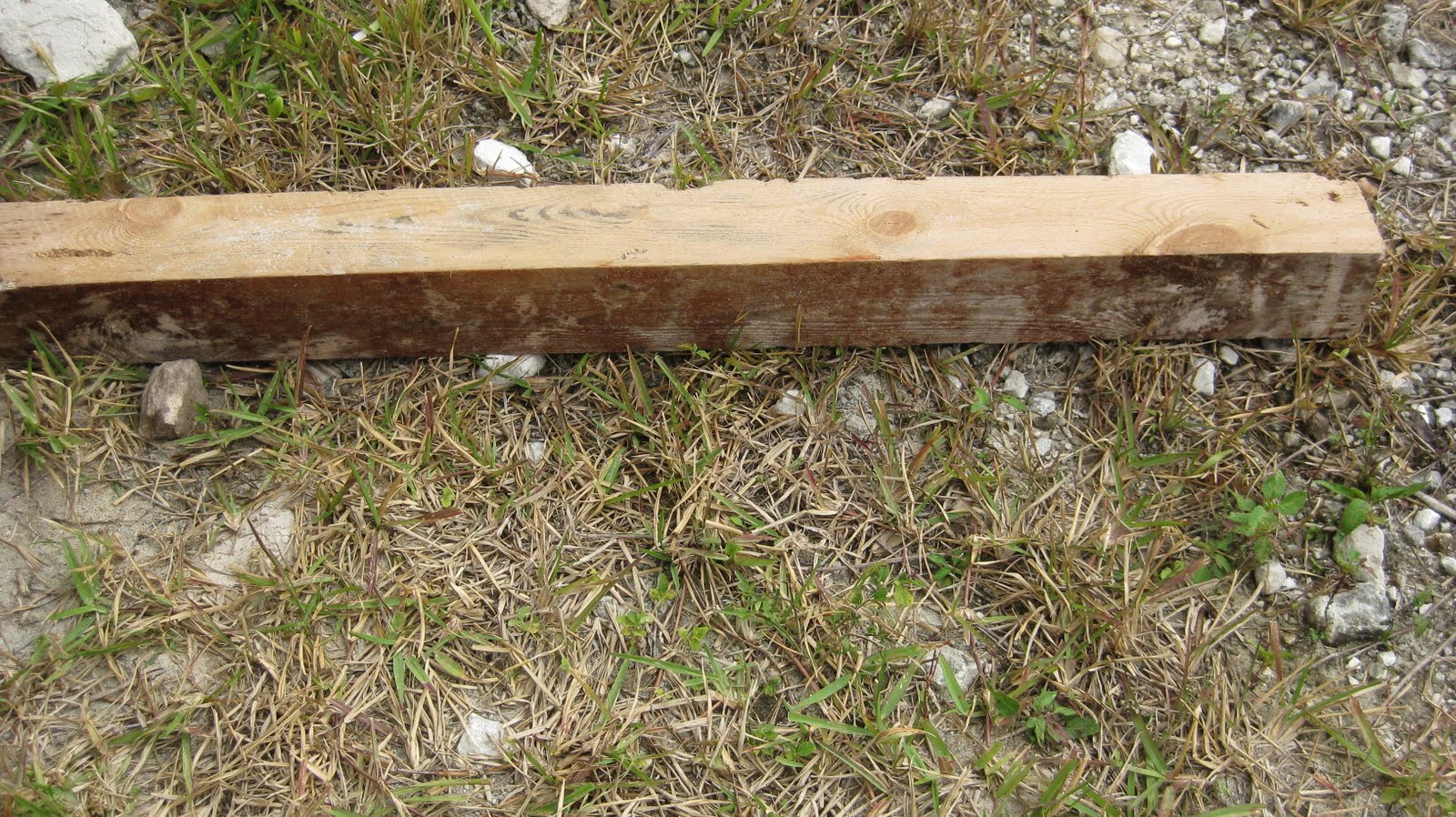
Wood stock
Light is focused on the bowl Steve is turning.
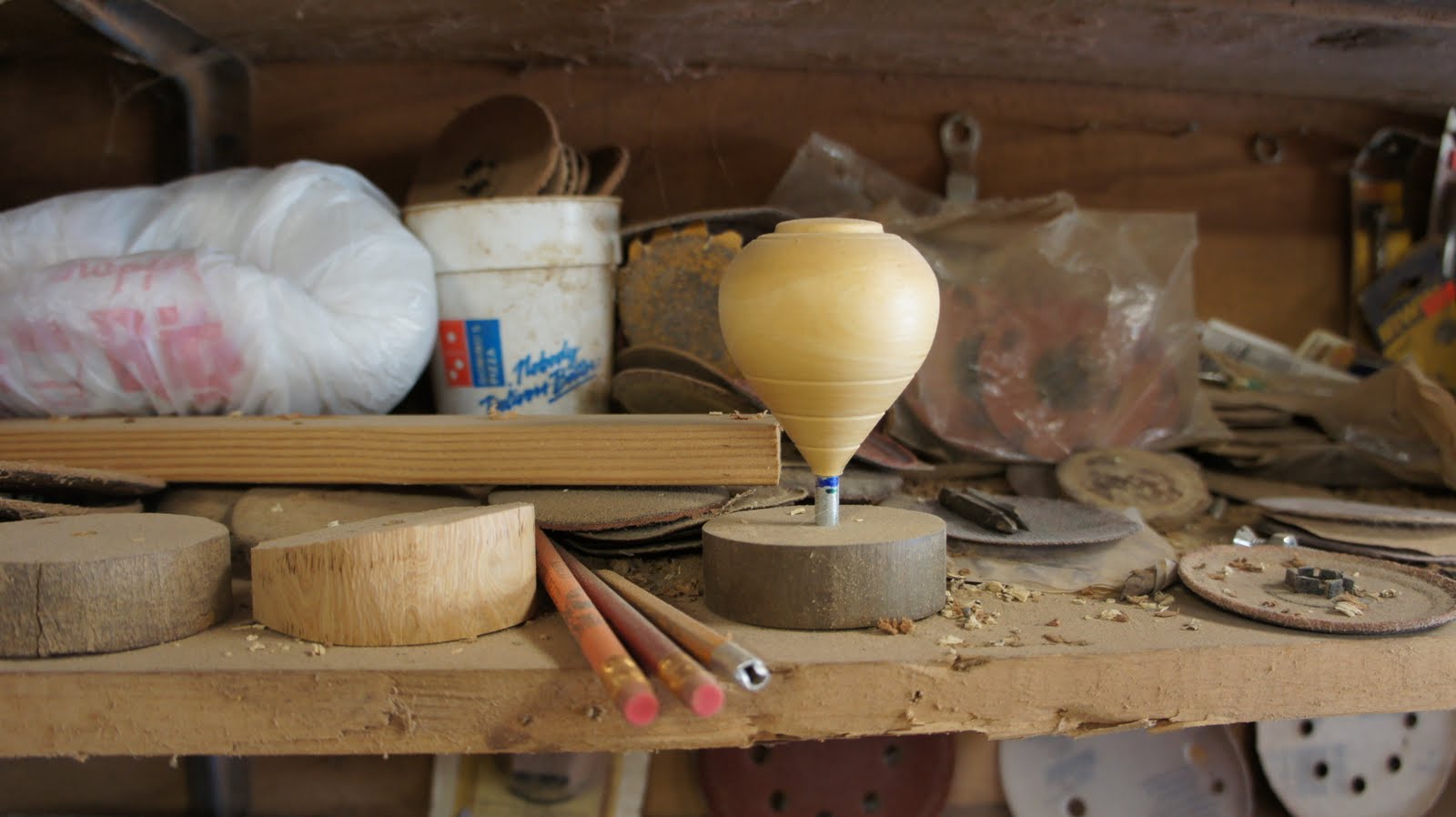
Toy top

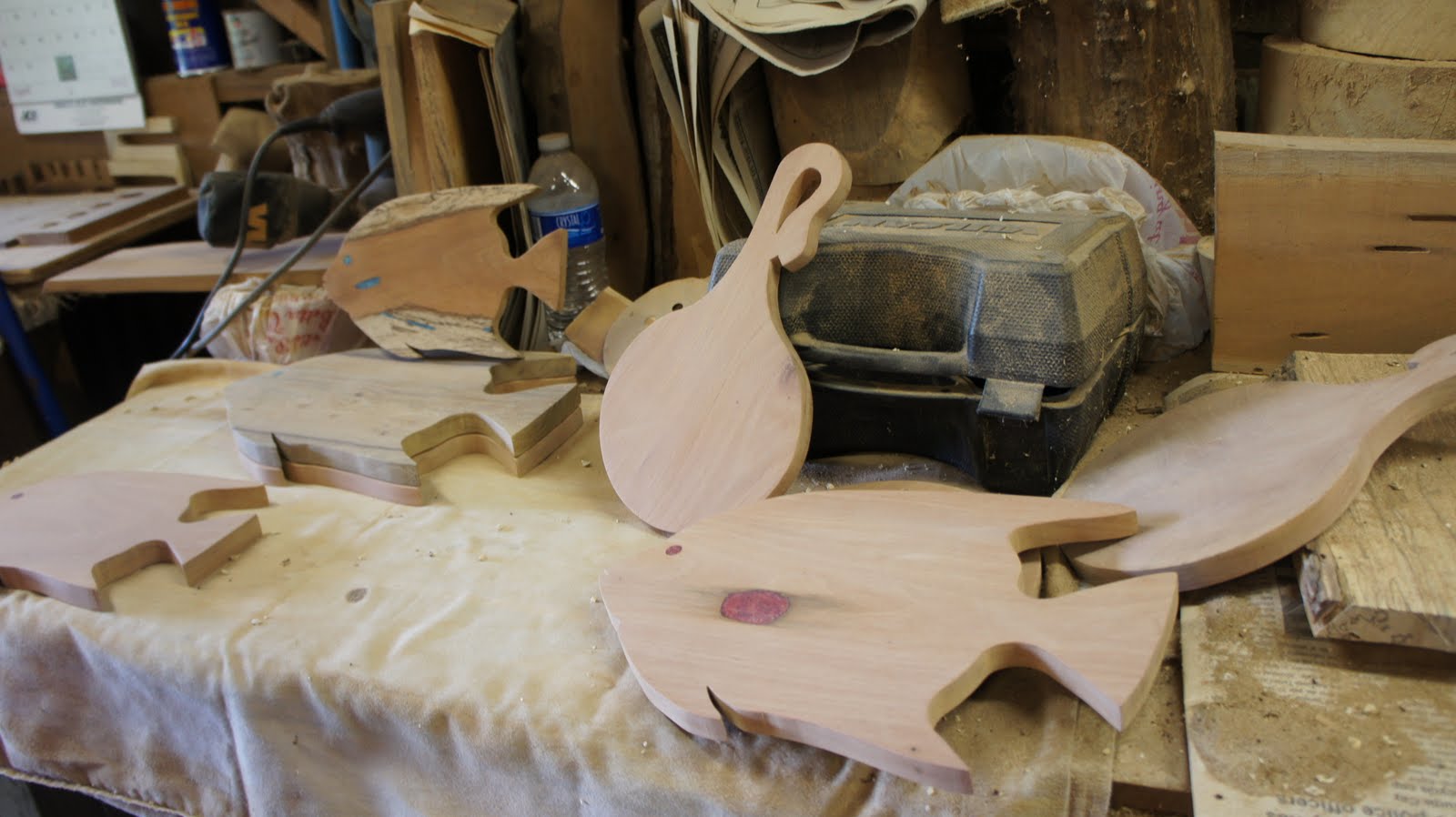
His workshop is filled with all kinds of equipment and tools for turning wood. Wood shavings are piled in the corners and logs are on the floor. It is a very productive and active place.

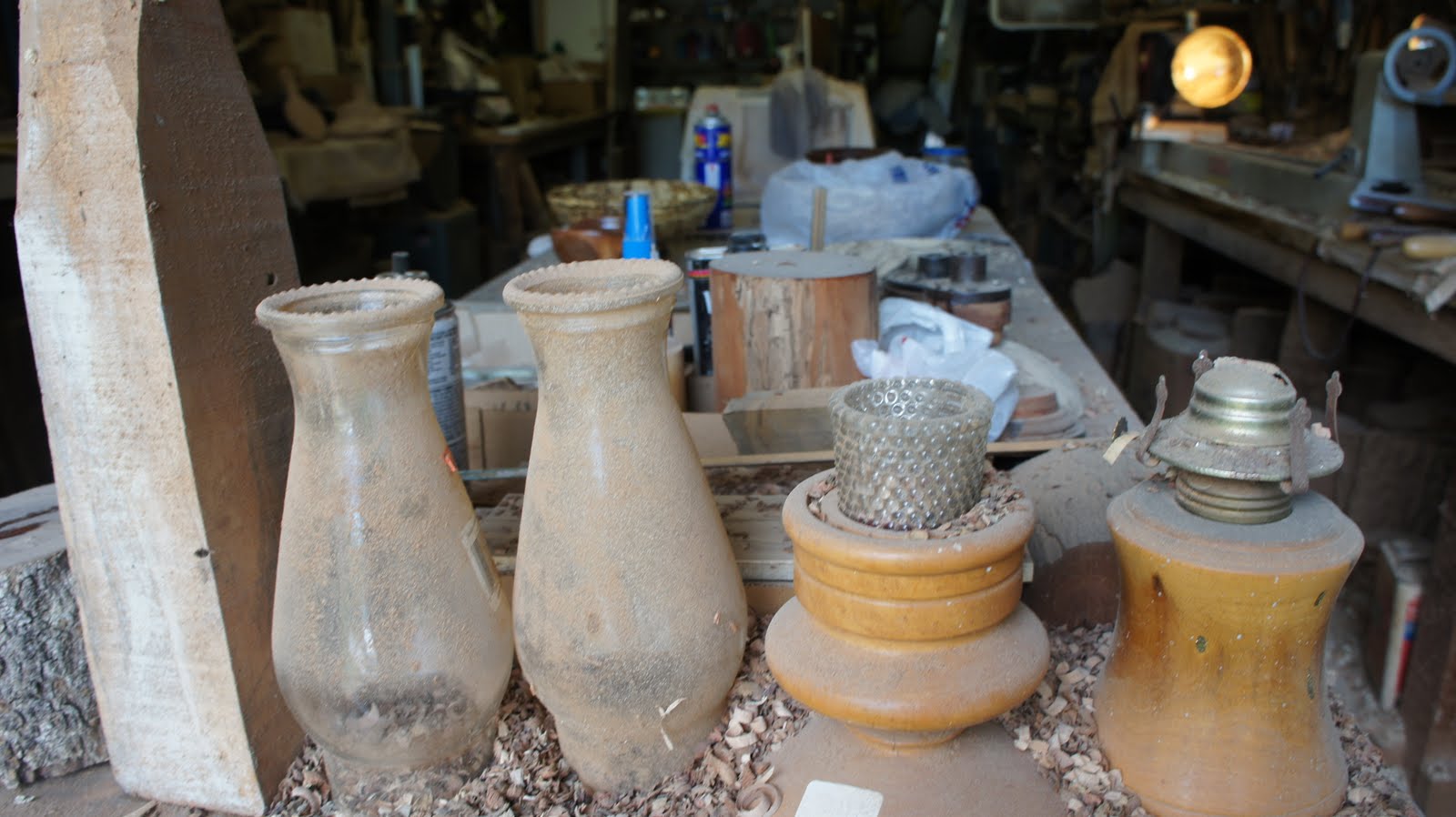
Lantern bases

There are examples of wood that he has turned into bowls, lanterns, trivets,  and tops for children, among other things.

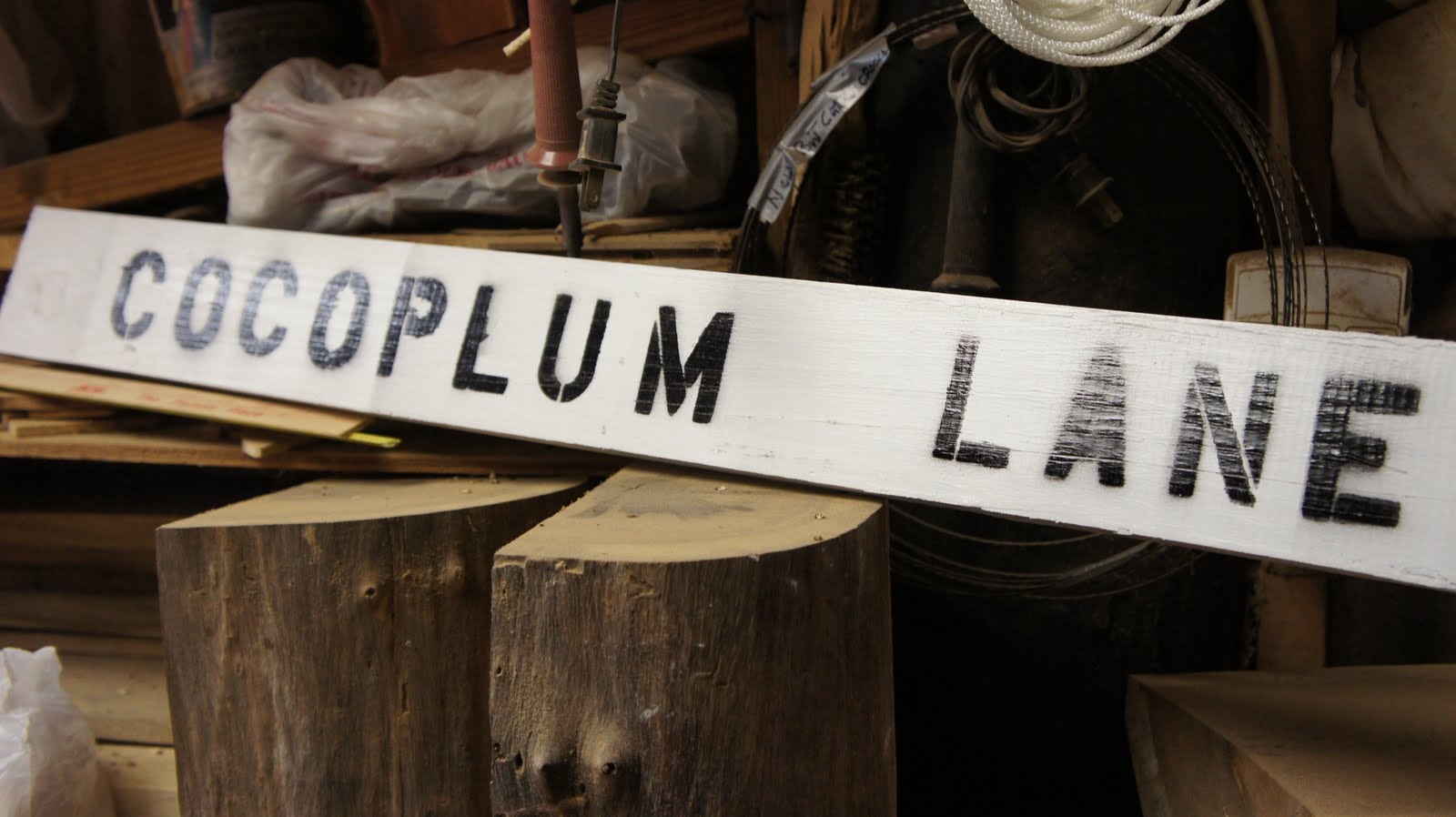
Street signs

Lately, Steve has been making up road signs to help people figure out where they are on the way to Hole in the Wall and other places nearby, where signs are scarce. He asked whether we saw some of the signs he had put up when we went down on our tour to Hole in the Wall last week, and I told him we had seen them along the way.  It helped us to know where we were in the national forest.

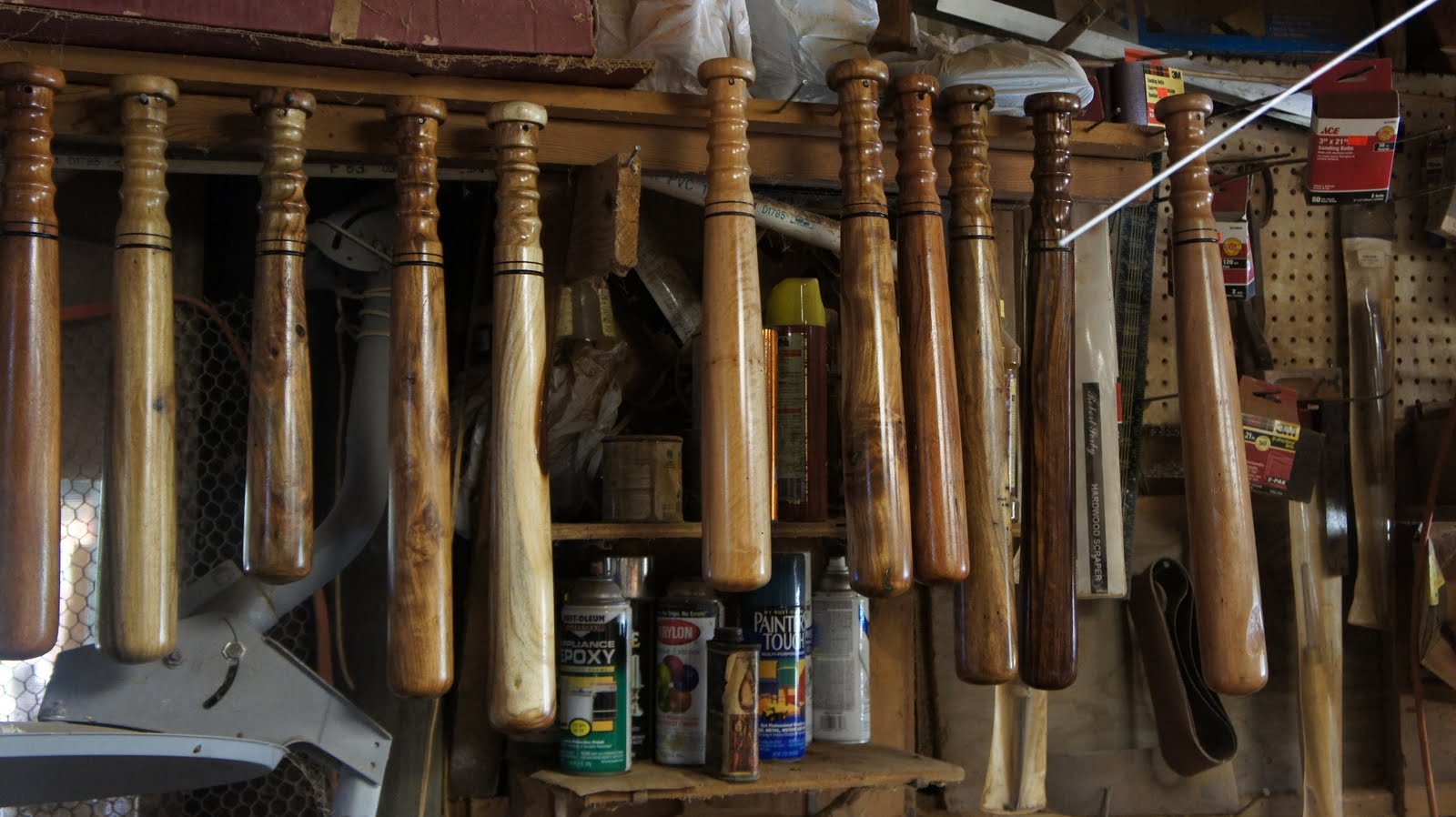
He has a whole set of billy clubs that he has prepared for use by local fishermen, that are made out of a variety of woods. Of course, we always joke around about the many uses that we might find for such an item.

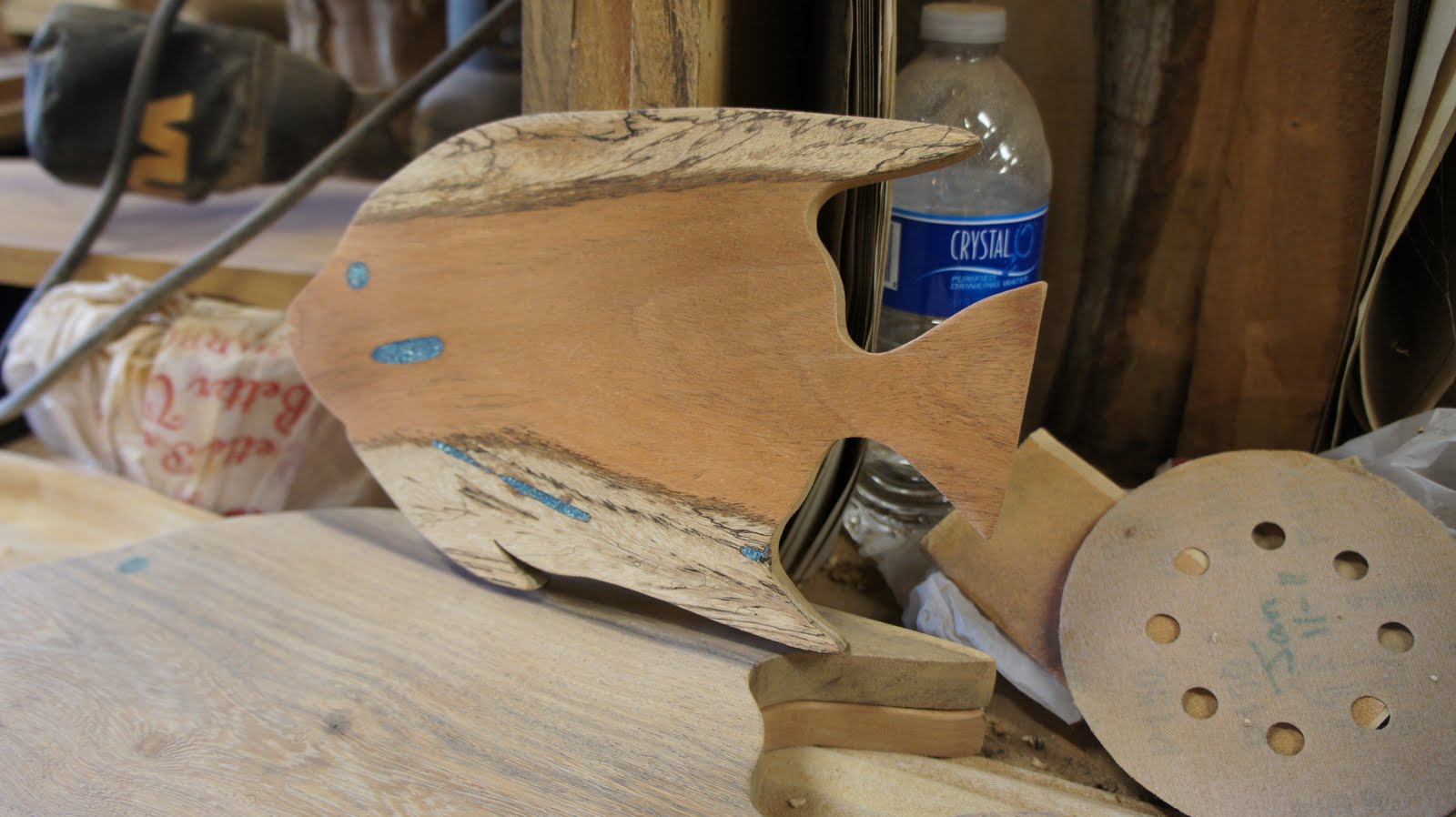
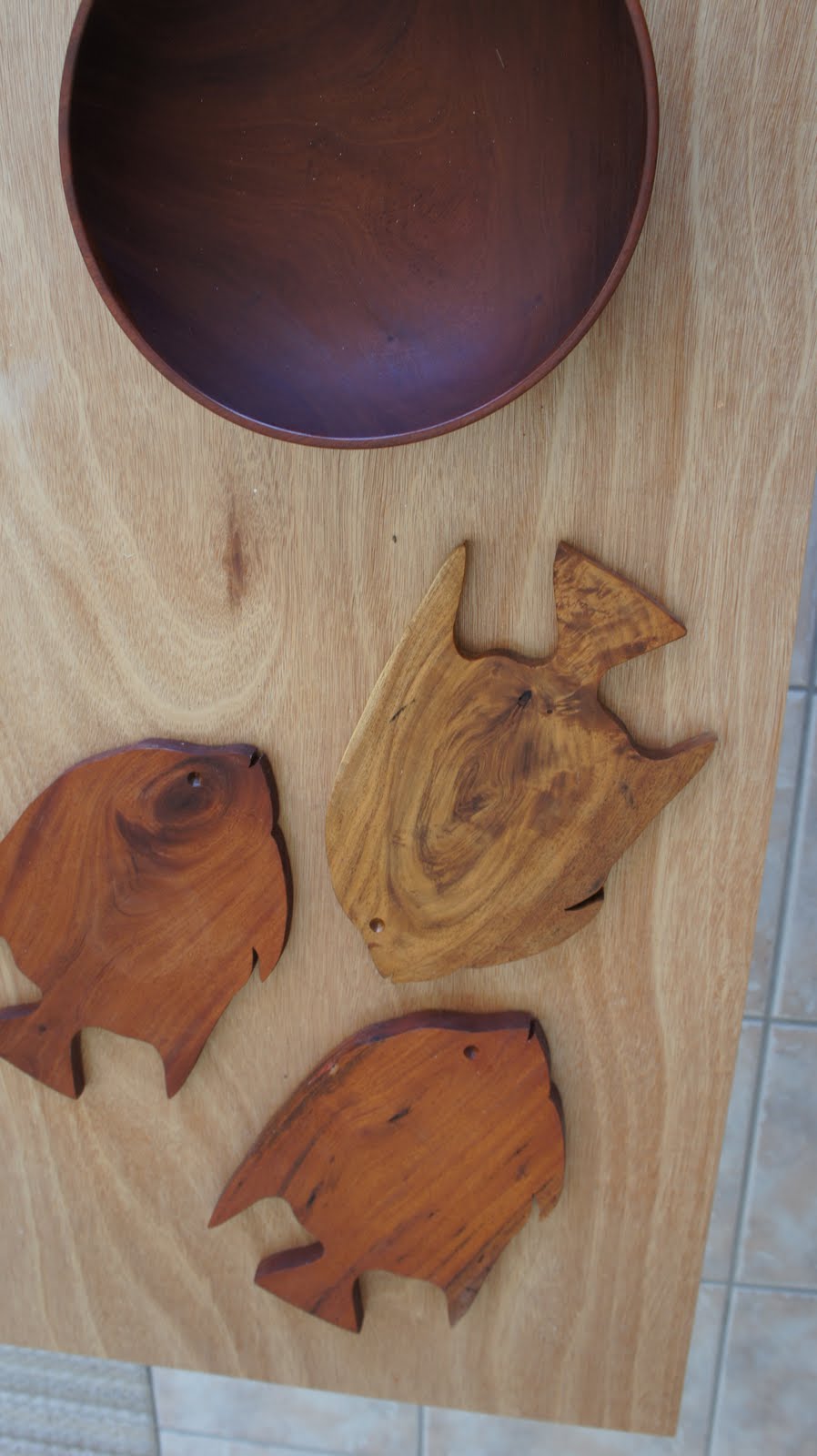
Then he showed us the trivets he was working on. We have  trivets that Steve made hanging in our kitchen.  They are also pretty to see on a decorated table, and are great for placing hot bowls of food.

Many of the trivets that he makes are shaped like various kinds of fish.  Sometimes he adds color to their eyes to jazz them up a bit.  Some trivets are beautifully plain and show off the grain of wood that he has used to make them.

The trivets can also be used as cutting boards and are very functional and look good when placed around the kitchen workspace.

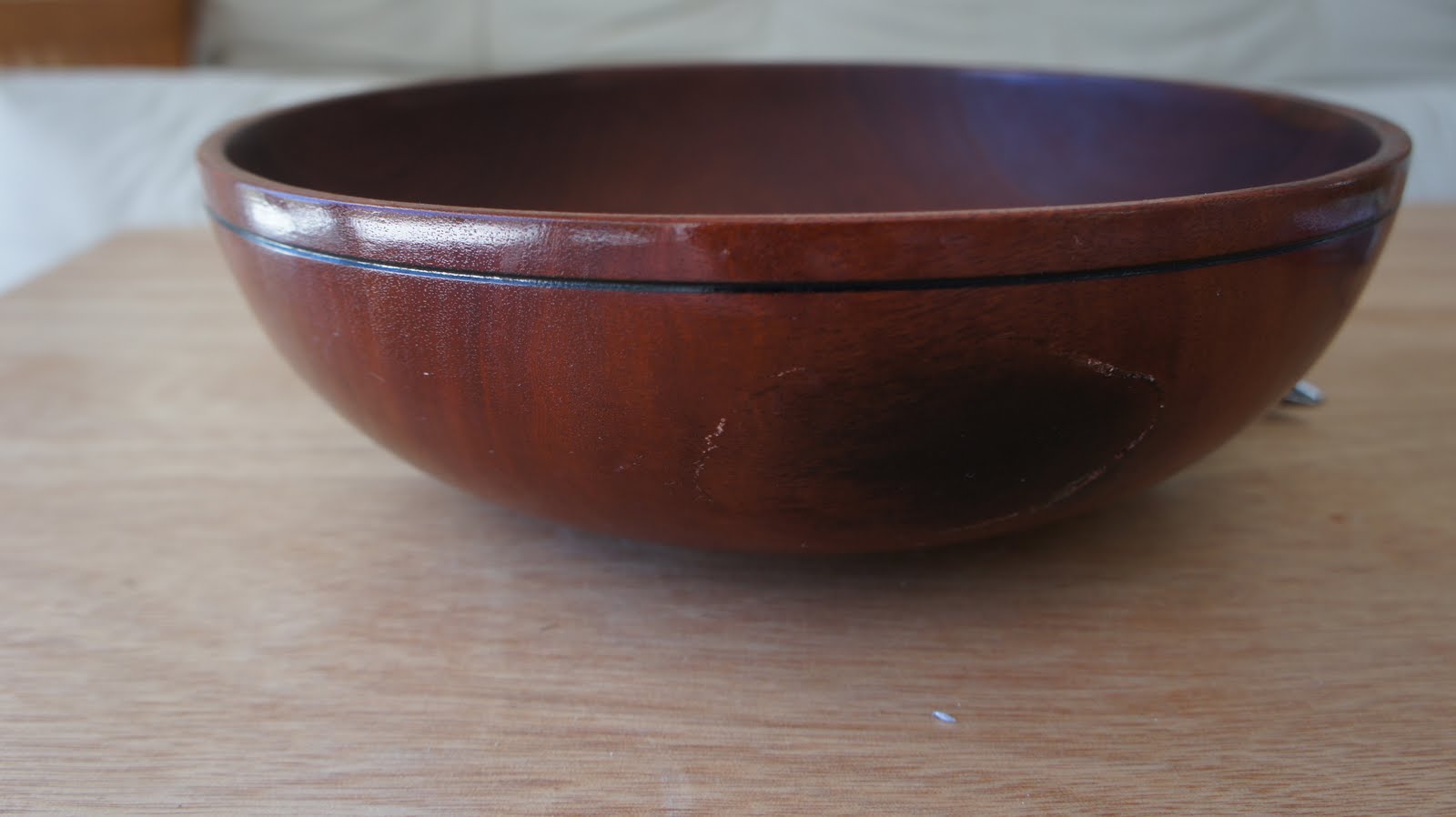
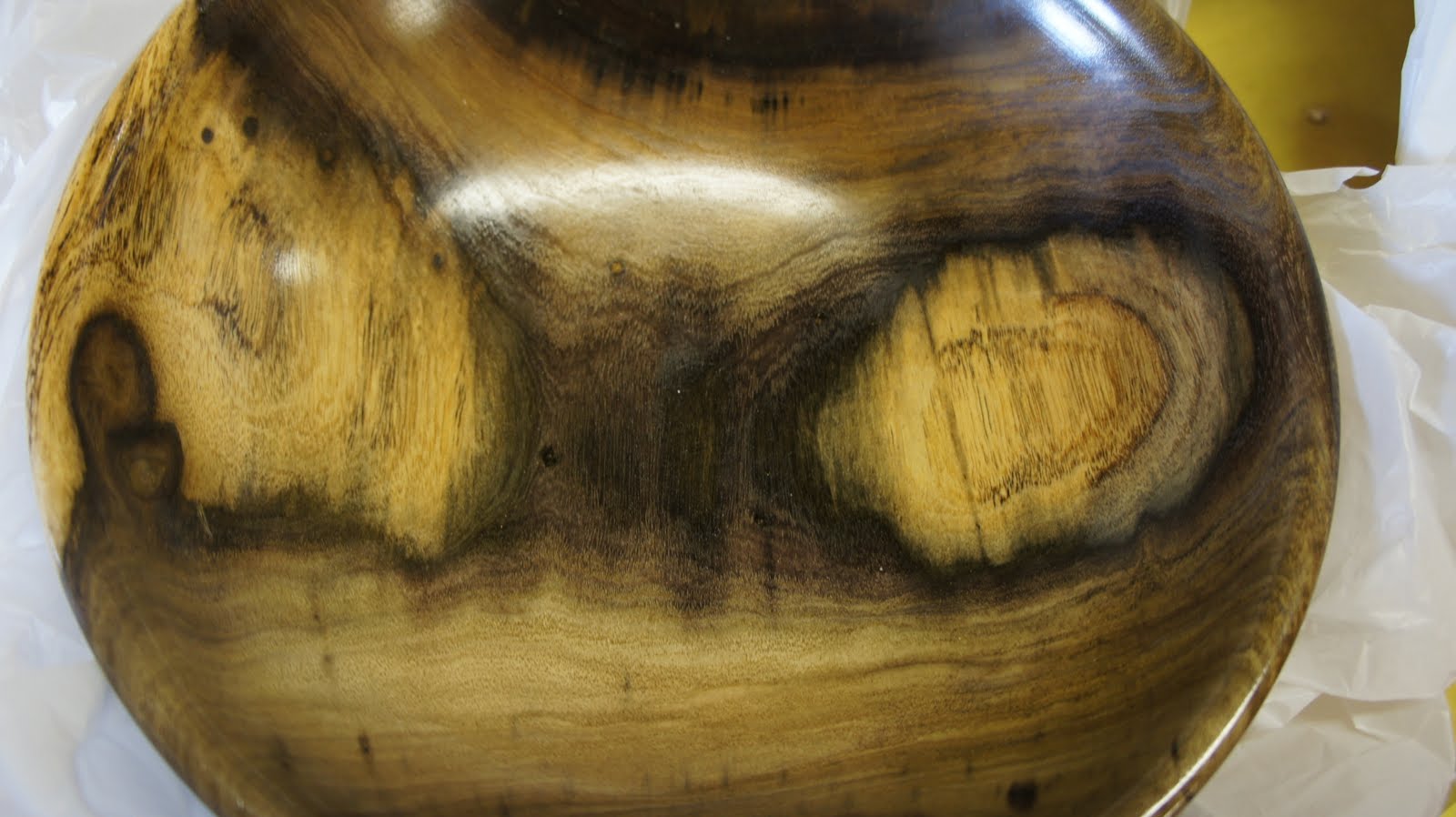
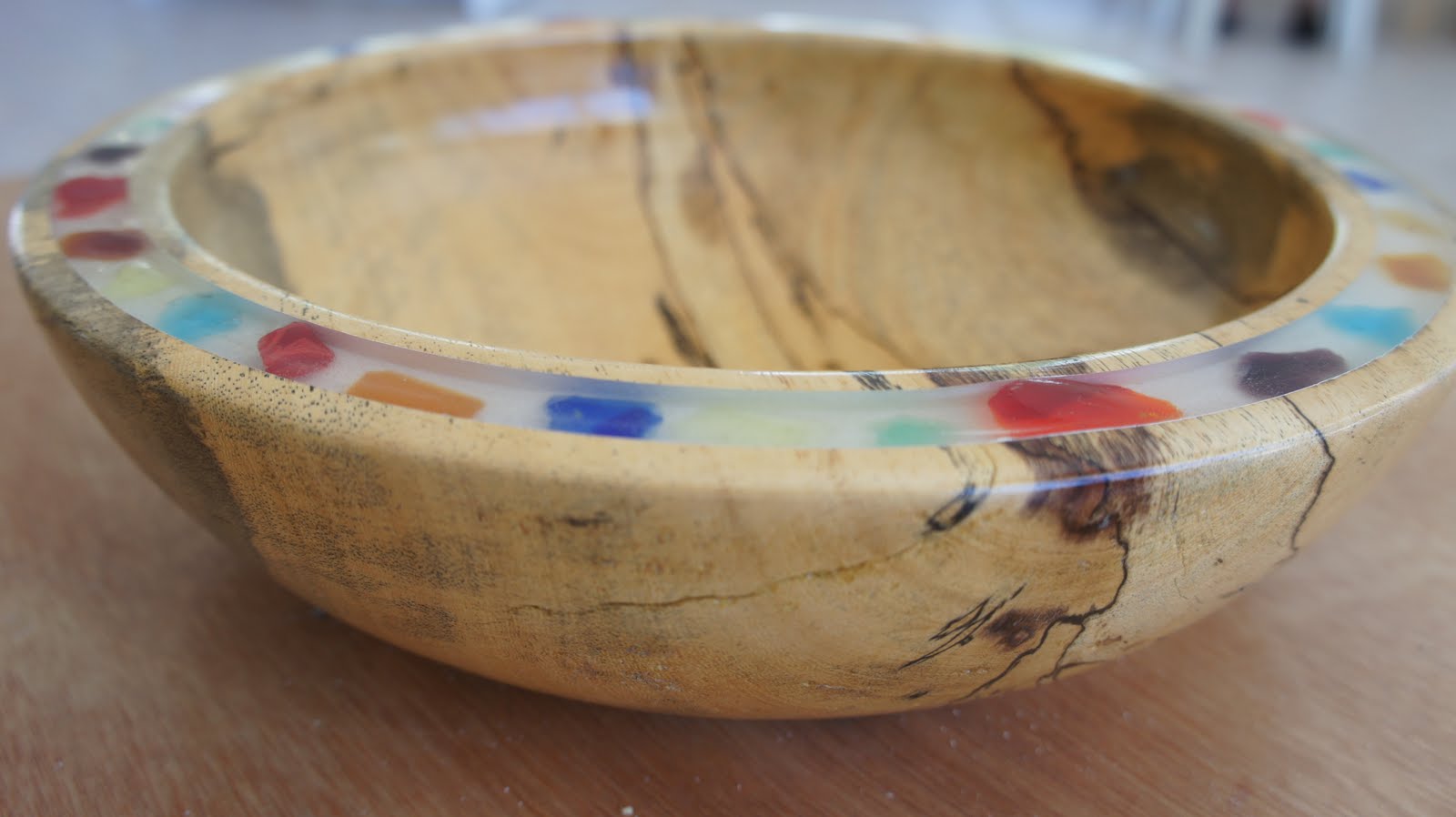
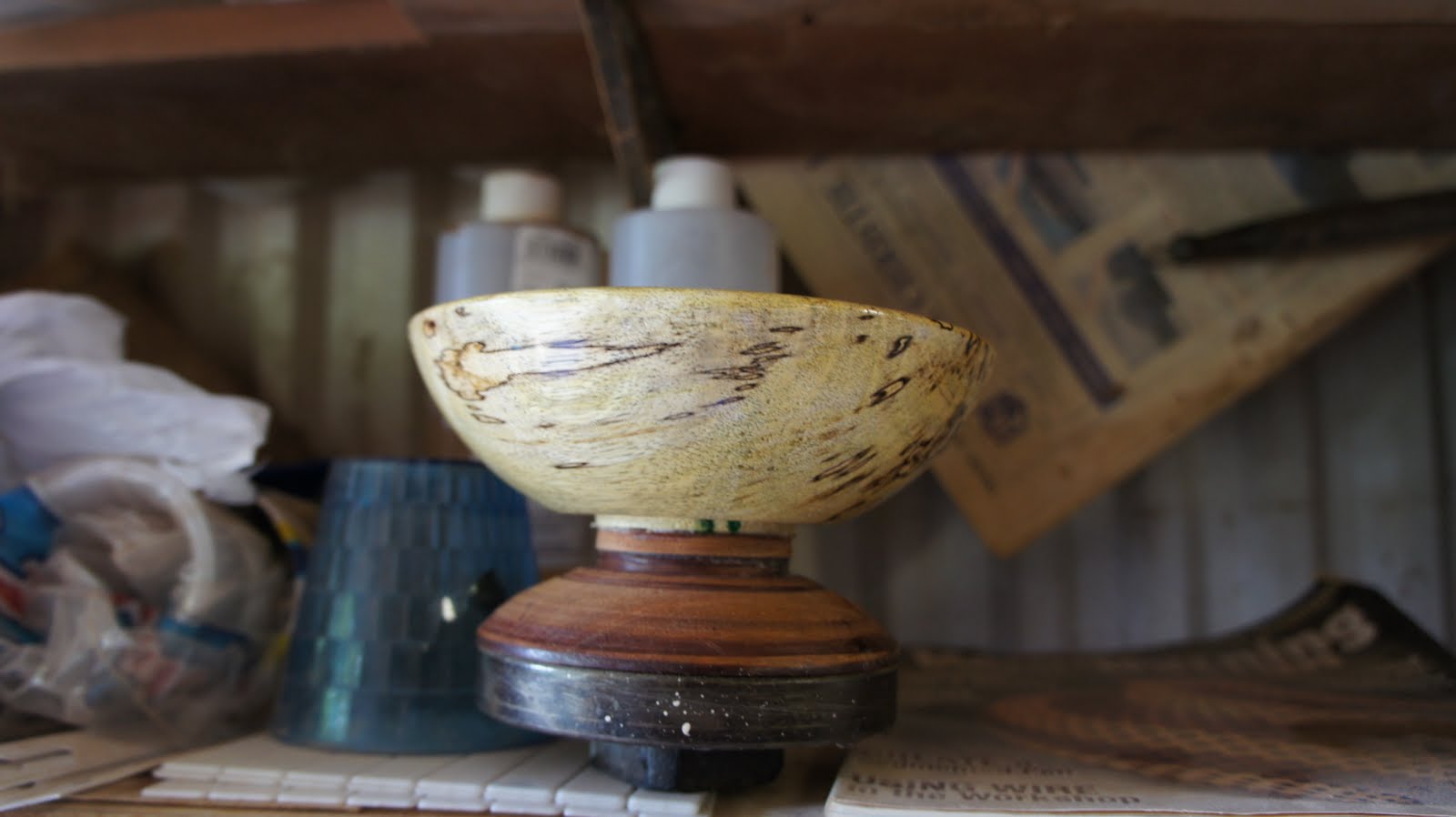
We looked at a number of bowls that he made.  They are all so beautiful that it is difficult to decide which one is our favorite.  Here are some recent examples of his work.

Madeira Wood 2008
Fig wood 2012
Tamarind Wood 2012

Mahoe wood 2009
Fig Wood 2012

Some bowls were still poised to be turned and completed. 

Steve is also a conservationist who is concerned about native trees and protecting the local environment.  When we talk, he encourages us to be knowledgeable of and to respect native trees.  He emphasizes that the wood he gets is from trees that were felled by storms or branches that have fallen. Steve encourages the planting of native trees so that others will have the pleasure in the future of viewing them in the forests of Abaco and in our yards.

Steve Knowles is one of the many talented and interesting people living in the Bahama Palm Shores community, which makes it a very nice place to live as well as visit.

Read Full Post »

Finders Keepers

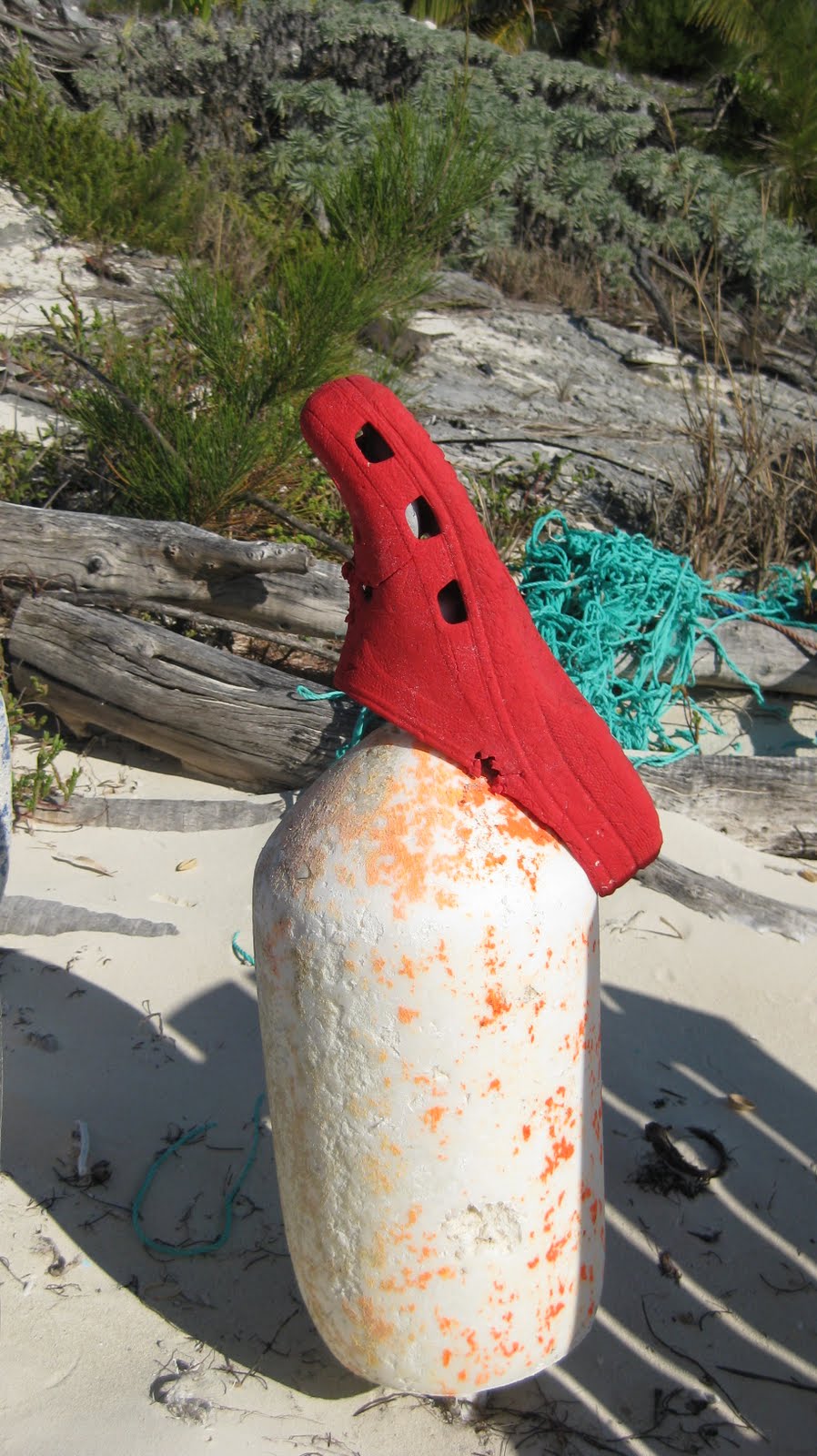
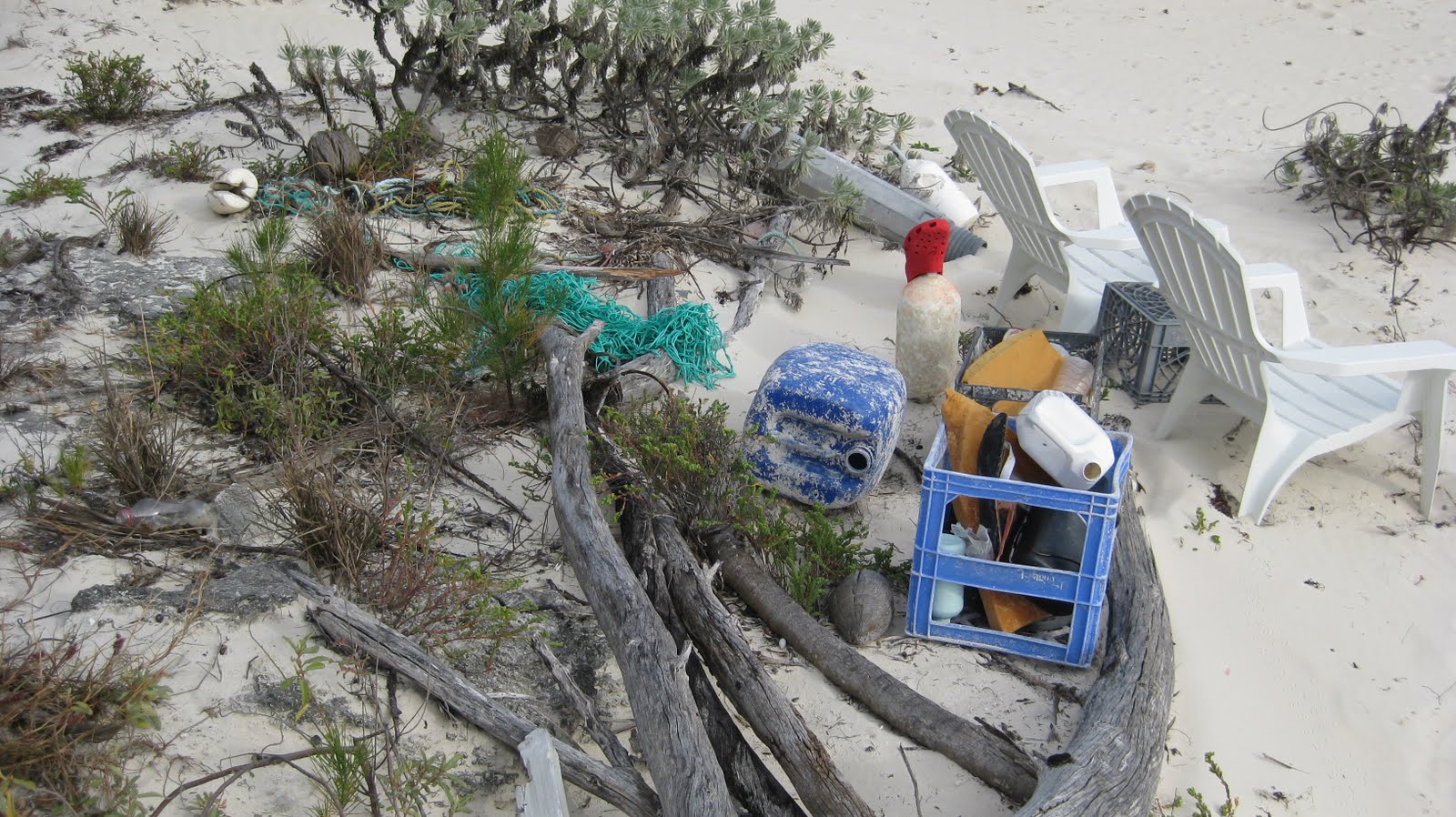
People throw things into the ocean.  The ocean drops all kinds of things onto our beach. We pick up shoes, boards, jugs, rope, toilet seats, bottles, glass balls, crates.  What we don’t use, we carry to the dump. Then, we find things at the dump.  I will do a separate piece on things we find at the dump.
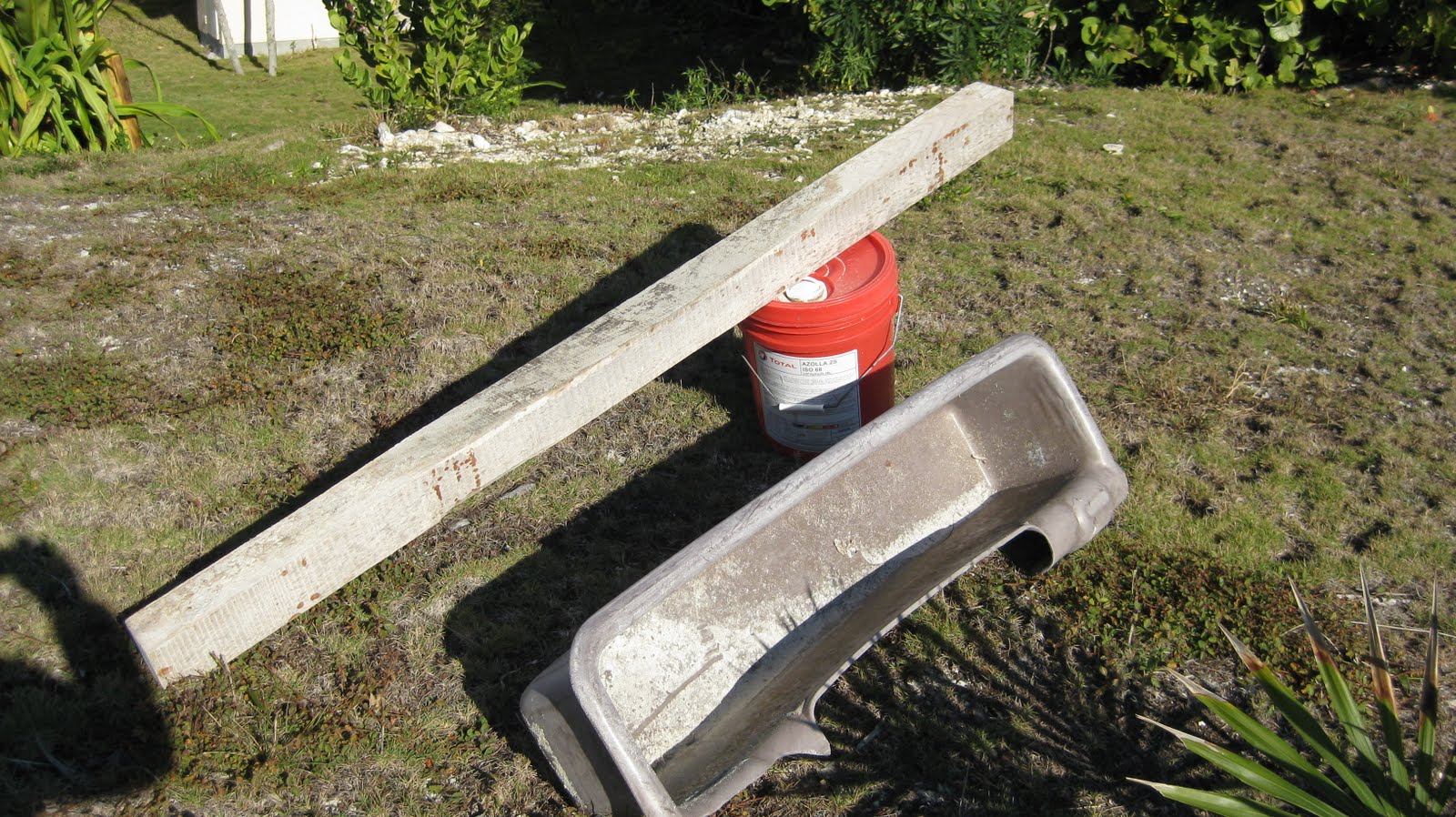
Above is a board that floated in.  It was so heavy that I dragged it most of the way home rather than picking it up.  The last photo in today’s blog shows how it looks after we cut it up and made something with it.
Anyone missing a shoe?
We keep crates that we found on the beach for collecting all the detritus.
We use what we find, if we can. Buckets are used for mopping our floors and are made into wastebaskets.  The plastic bin is going to become part of our garden, sunk into the ground to hold herbs.  What we cannot use goes to the dump.
More stuff
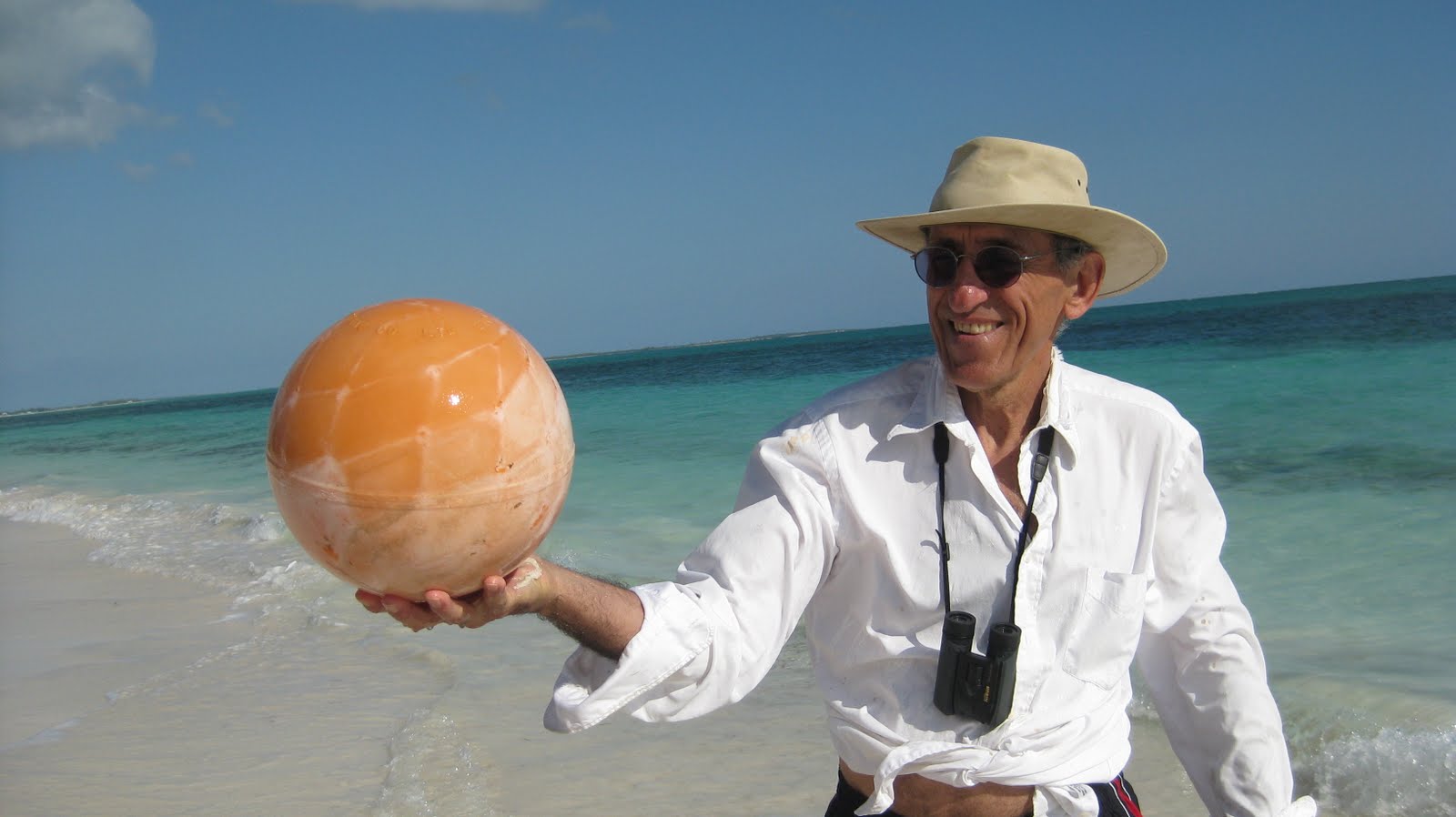
Joseph shows off his find.
Here is a particularly pretty find, a large ceramic ball used in the fishing nets, made in Japan.
WHERE THEY ARE NOW
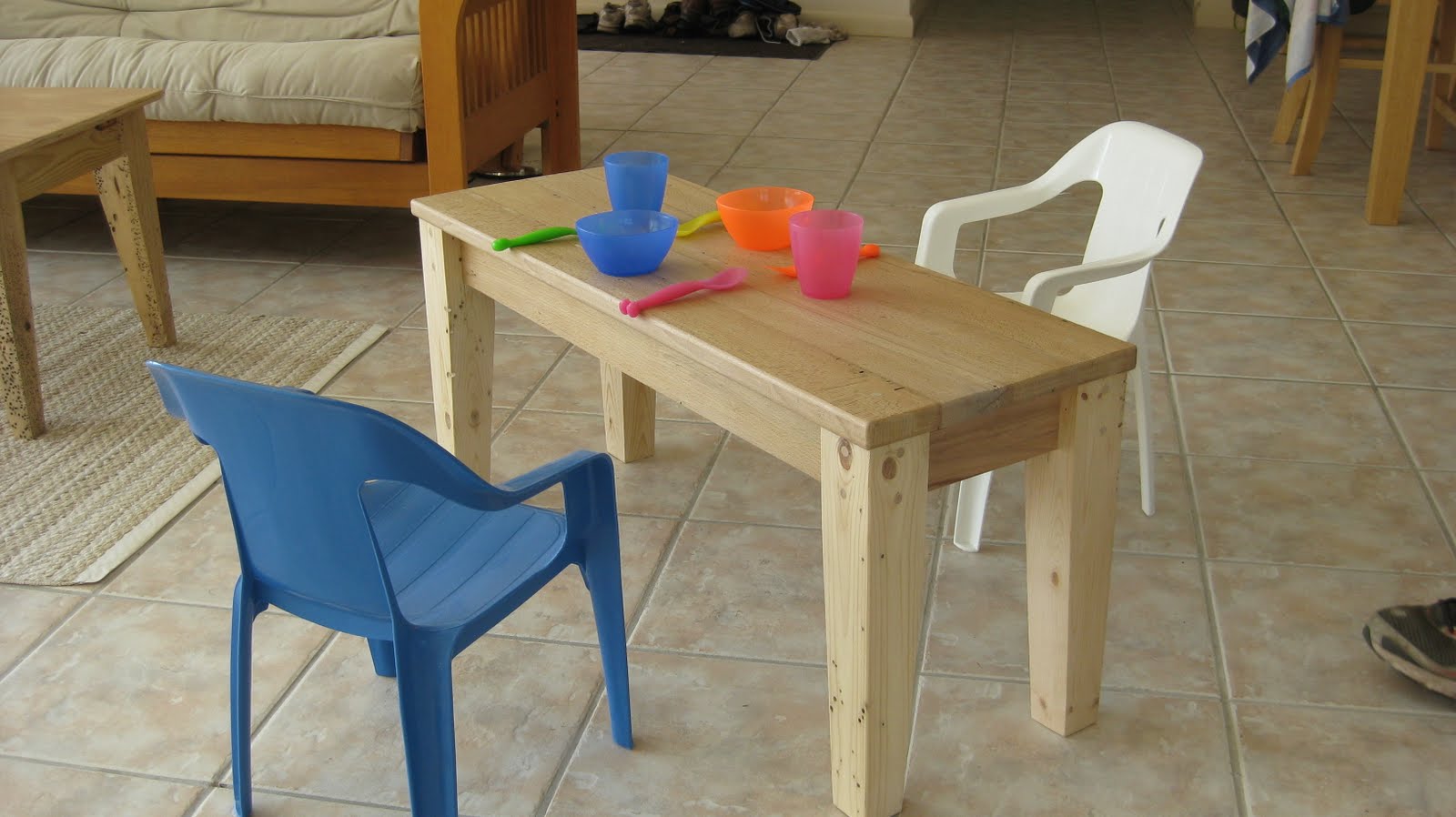
That big plank I showed you in the beginning is now the top of a children’s table. The legs of the children’s table are also made from boards that we picked up on the beach.  This is a 100 percent “found it on the beach” table. 
We have an old saying down here, “If you really need something, then take a walk and you will find it on the beach.”

Read Full Post »

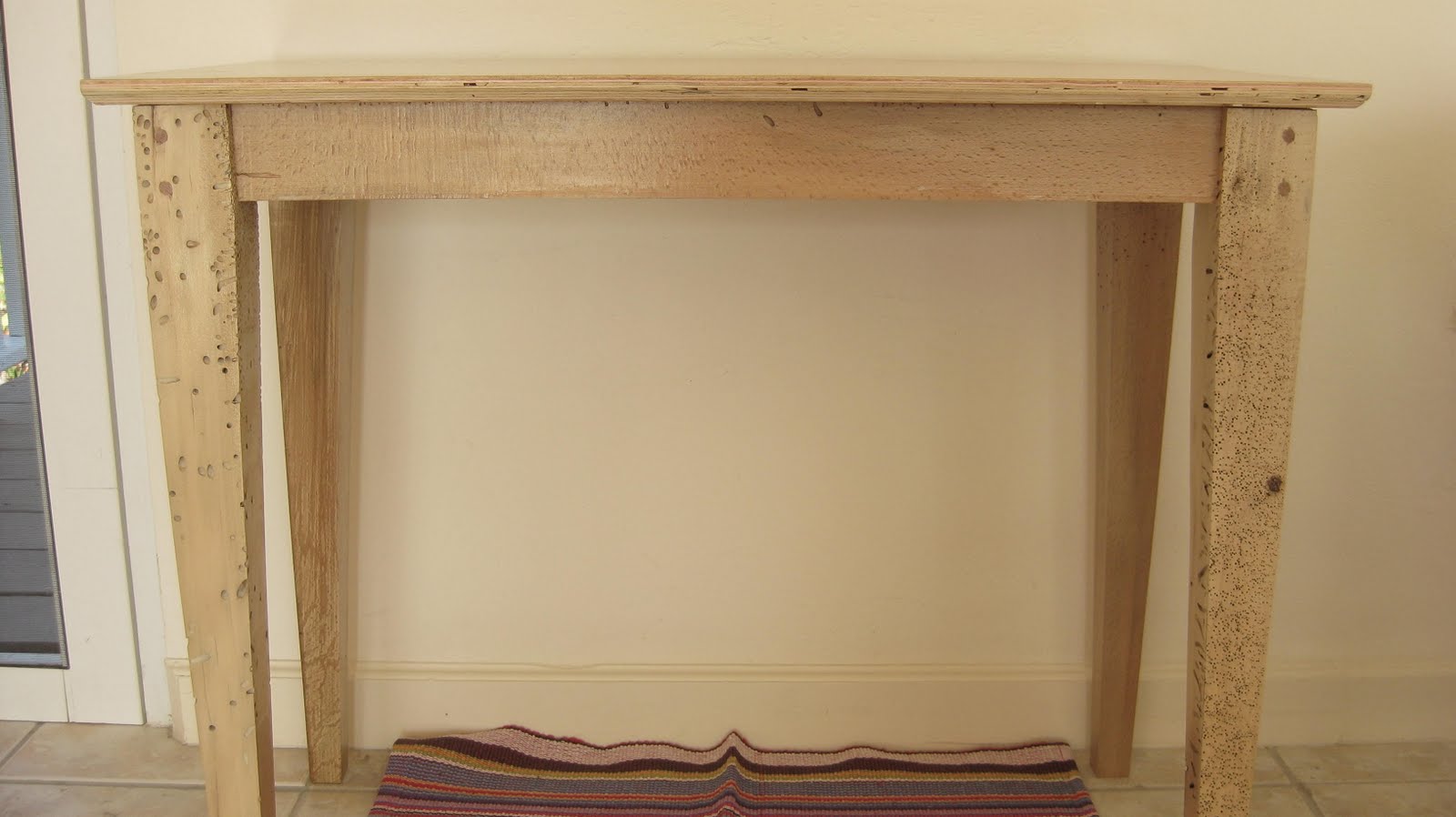
Tables from beach wood – Abacos

Beach Wood Tables
Made from boards found on the beach.


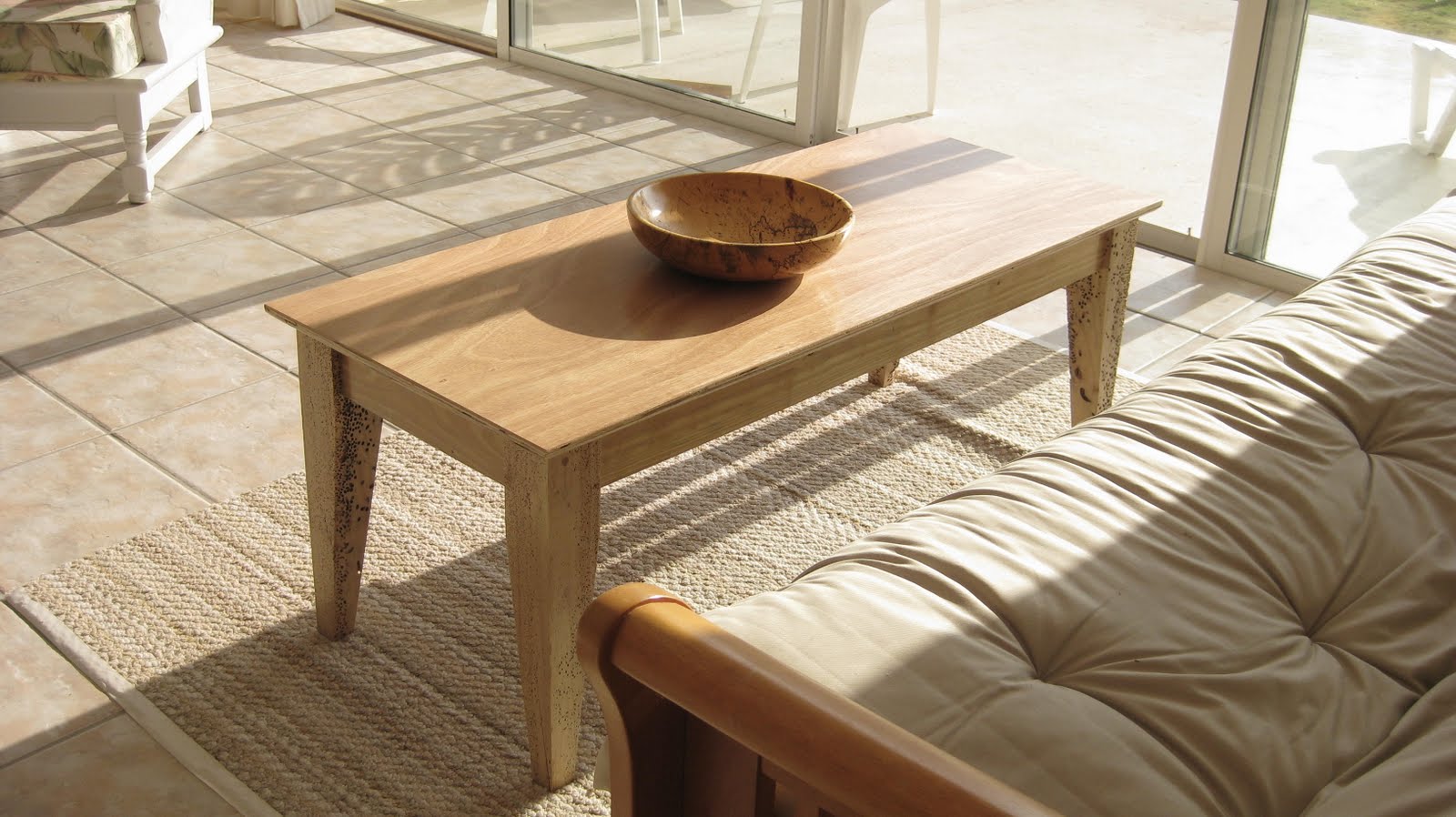
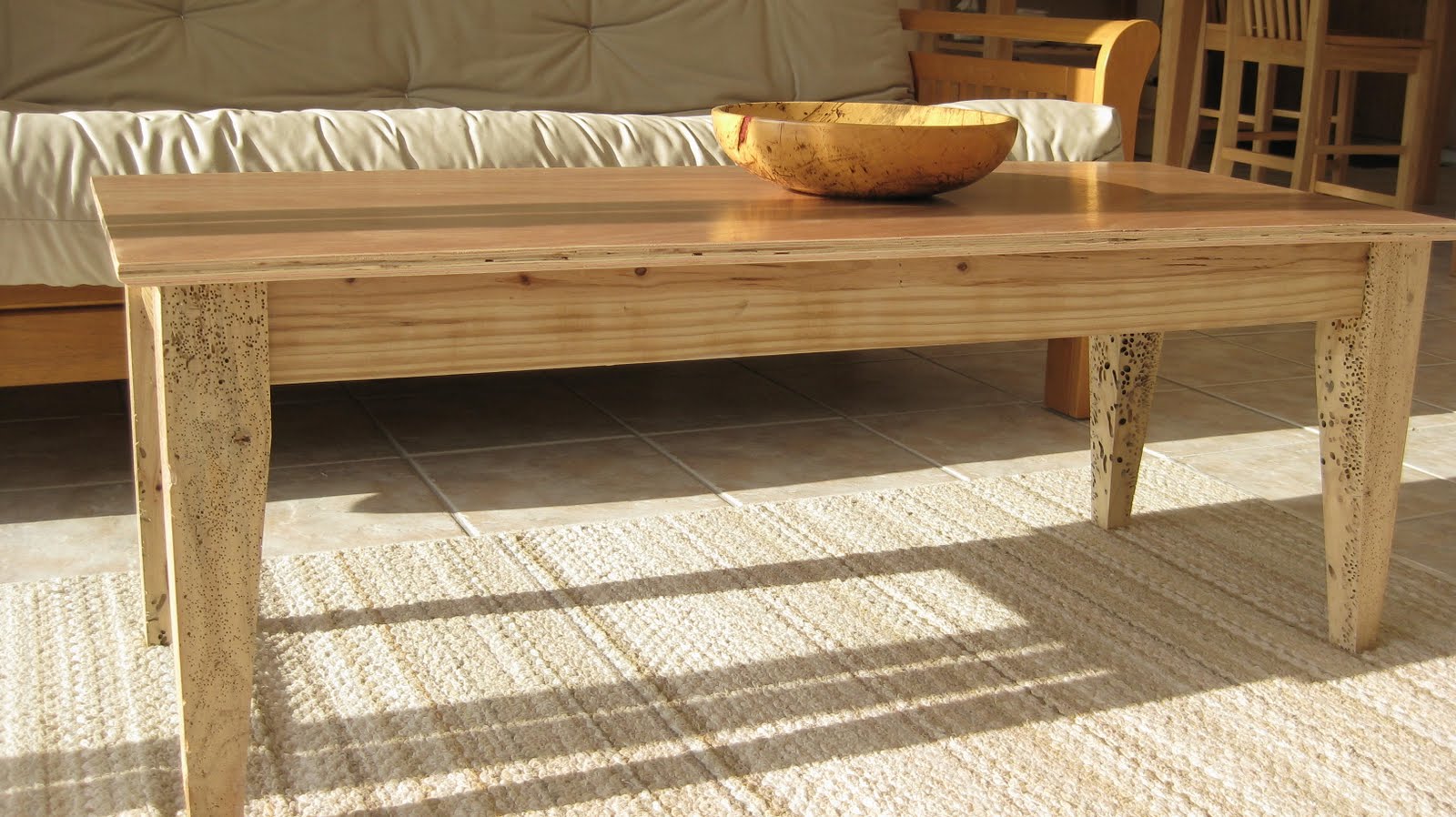
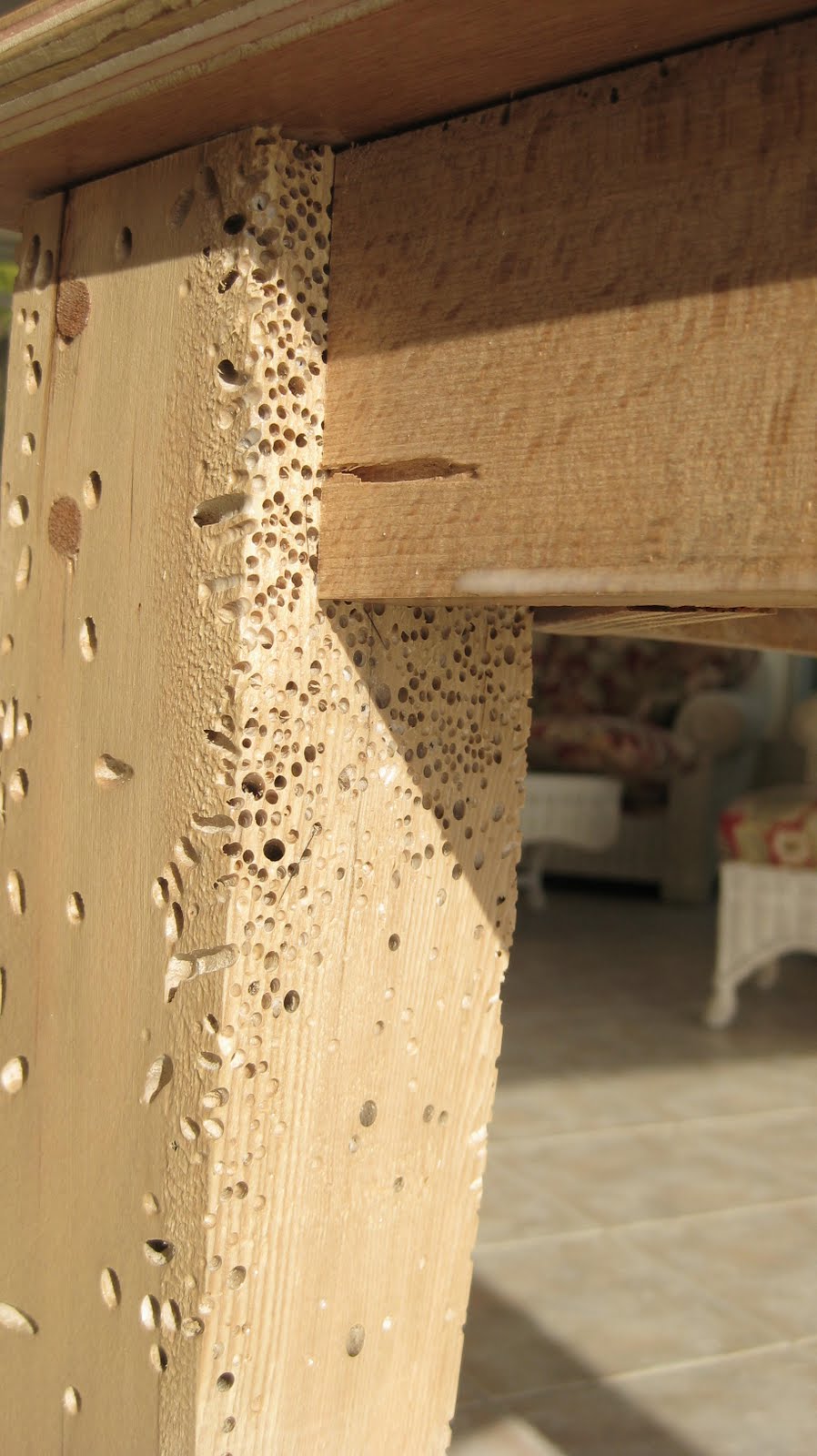
These tables were made of wood that drifted onto our beach. The top is simply plywood. Because of this, the table legs have great character. The tables were built by community teamwork.  I found the wood on our beach, where it drifted in, carried it up to the house and let it dry out.  The table was constructed out of the driftwood by my husband, Joe, and our our neighbor, Steve Roessler, who worked on it together.
The bowl shown on the table is made of Tamarind wood, also found locally. The bowl was carved by another one of our neighbors, W. Stephen Knowles.

One of the special things about being down here in the Abacos is having time to really appreciate what is available, locally.   Local wood and driftwood make such great arts and crafts projects.

Read Full Post »

« Newer Posts