Feeds:
Posts
Comments

There are two important switches we have in life.  On and off.  Birth and Death, for example.  Or, act and don’t act.  Then, there is go or stay. Try or quit.  And the list goes on. Any computer specialist, however, will tell us that even binary decision-making can get pretty complex in a hurry.  When one adds up all the many possible “do’s” and “don’ts” they might even be contradictory or lead to circuitous results.

In situations where life has gotten very complicated, it is useful to go back to thinking about simple switches.  And along with that, we must learn to turn off complicated and ridiculous choices that do not have to take place.  

There are times when it may be best to be in the middle ground, somewhere between on and off, or yes and no. Shades of gray. This means yes, under the following conditions; or no, if this happens.

How do we know which button to push?

Most of us come up with a set of policies or understandings to decide what to do now, some based on previous experiences, some part based on what we are doing right now, and some part of it based on what we expect to do in the future.

Then there is this.

We are not alone pushing buttons. Others around us are pushing their buttons too. This makes decision making even more complex.

When I reach this point, I often take out a pen and a paper and start writing my choices, listing what I think is important. If I am not ready to do that yet, then I draw, or take a walk or go outside and do some gardening.

Artistic expression and exercise, in my opinion, is an important aspect of decision-making, giving the mind pause and space to think through.
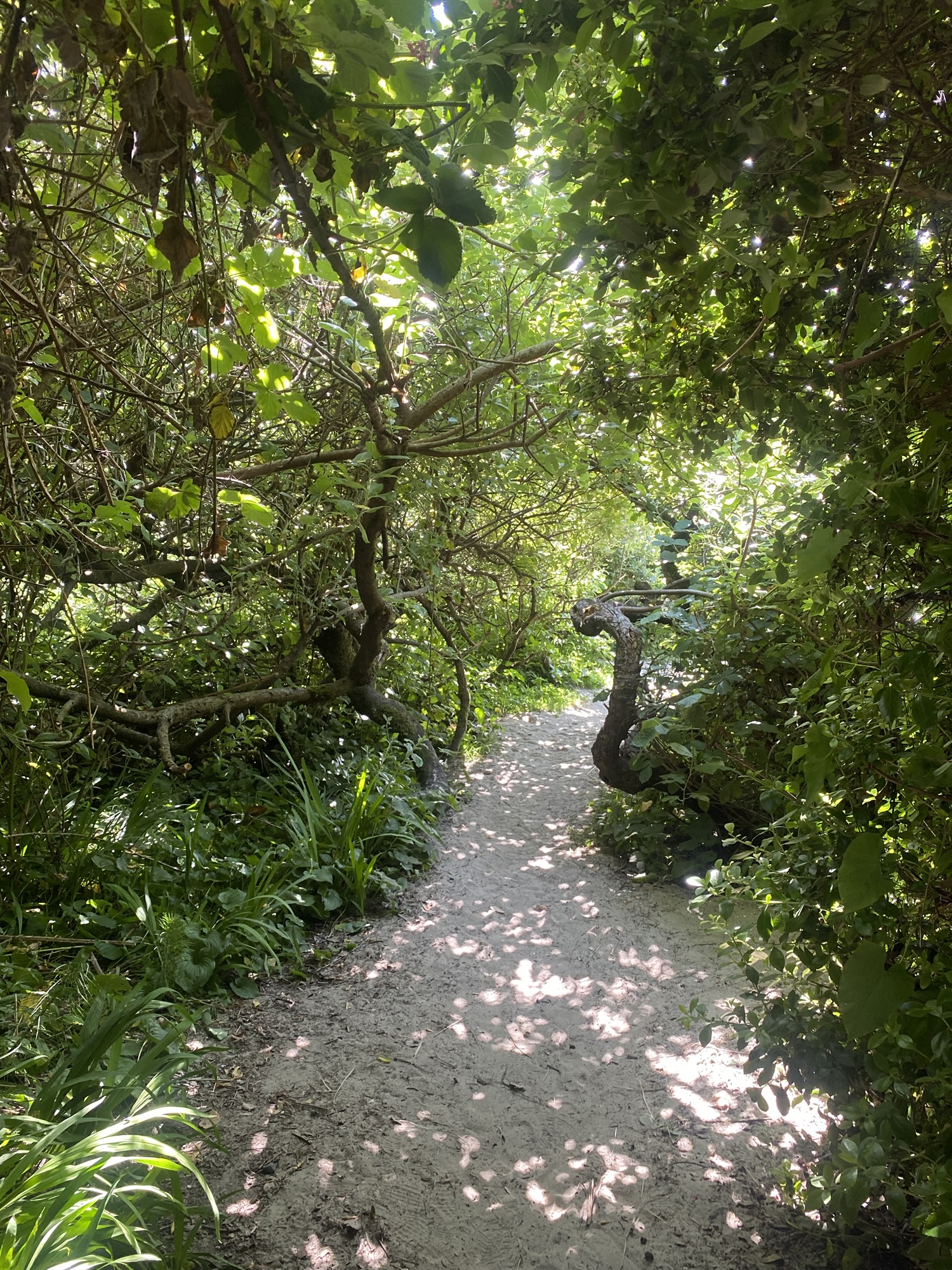
Oregon Coast
Day’s End

Sometimes it is nothing but a thought, a short poem or quick sketch. It is a dream of days past, under different circumstances, long ago.

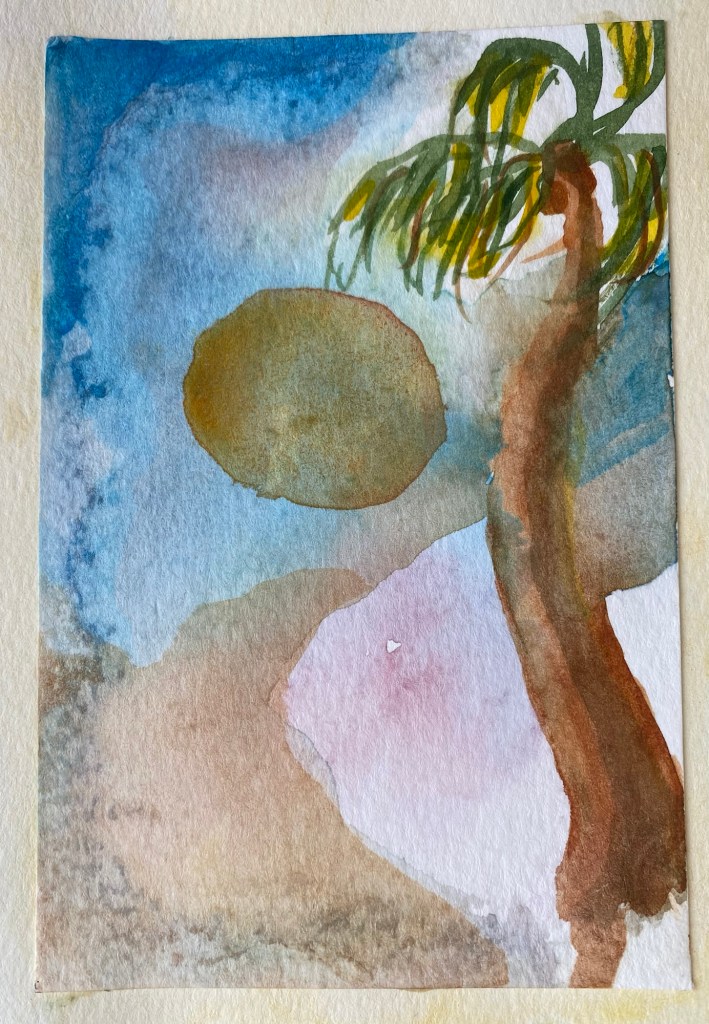
Spring is a time for dreaming.

Crack of Dawn

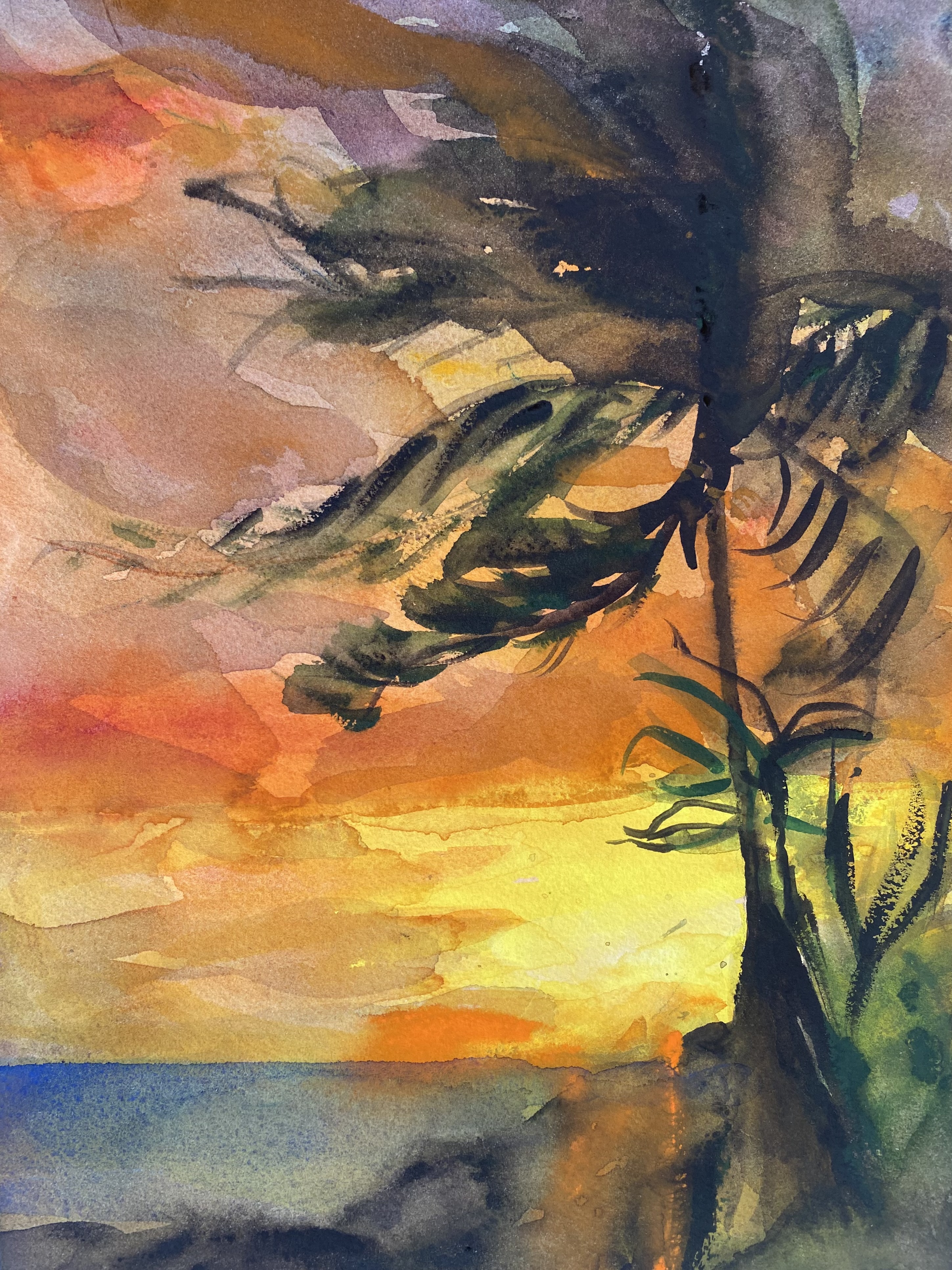
Our island is a gift of many precious moments, one of which is sunrise.

Watercolor and gouache, by MJC.

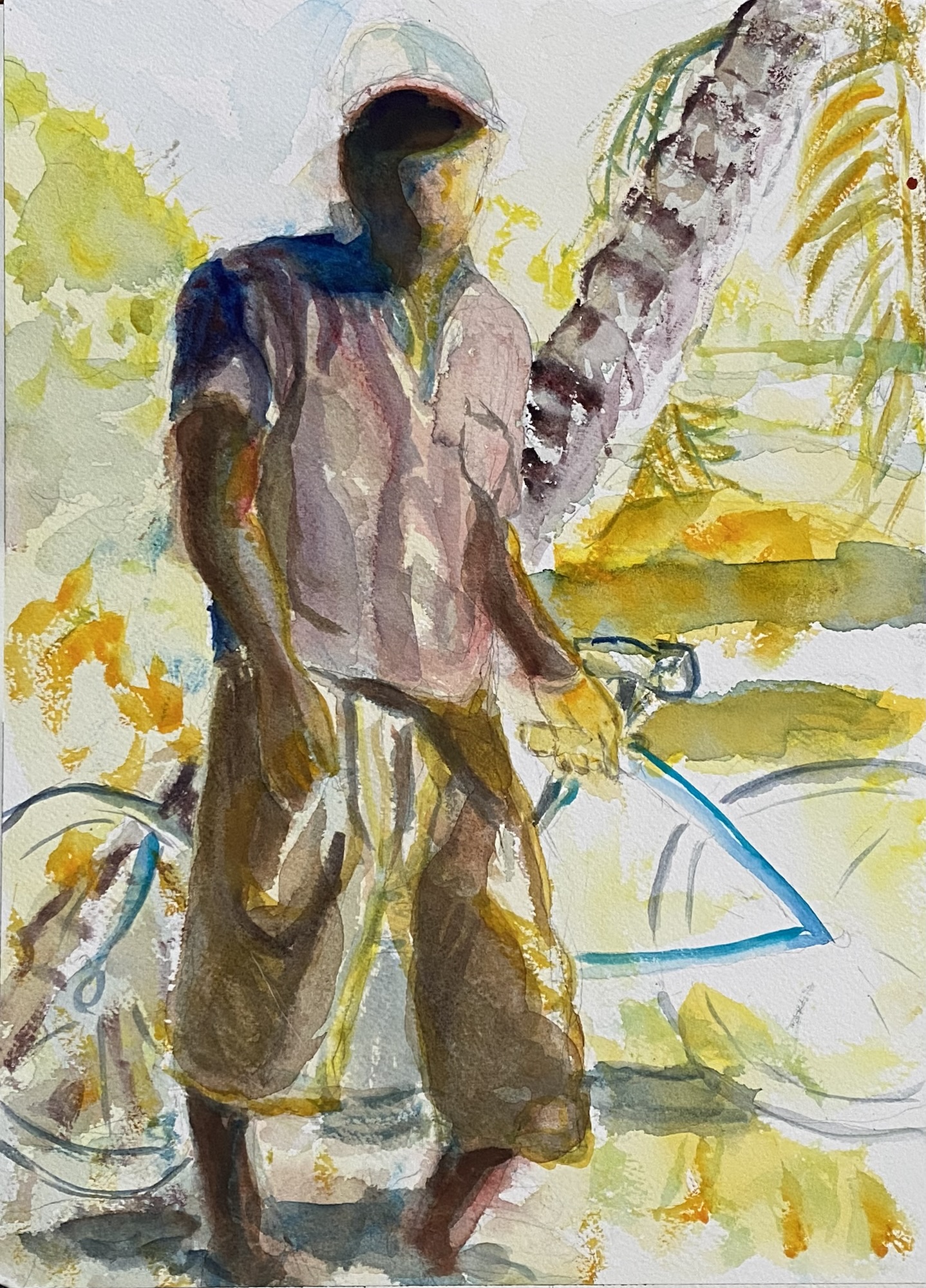
The Gardener

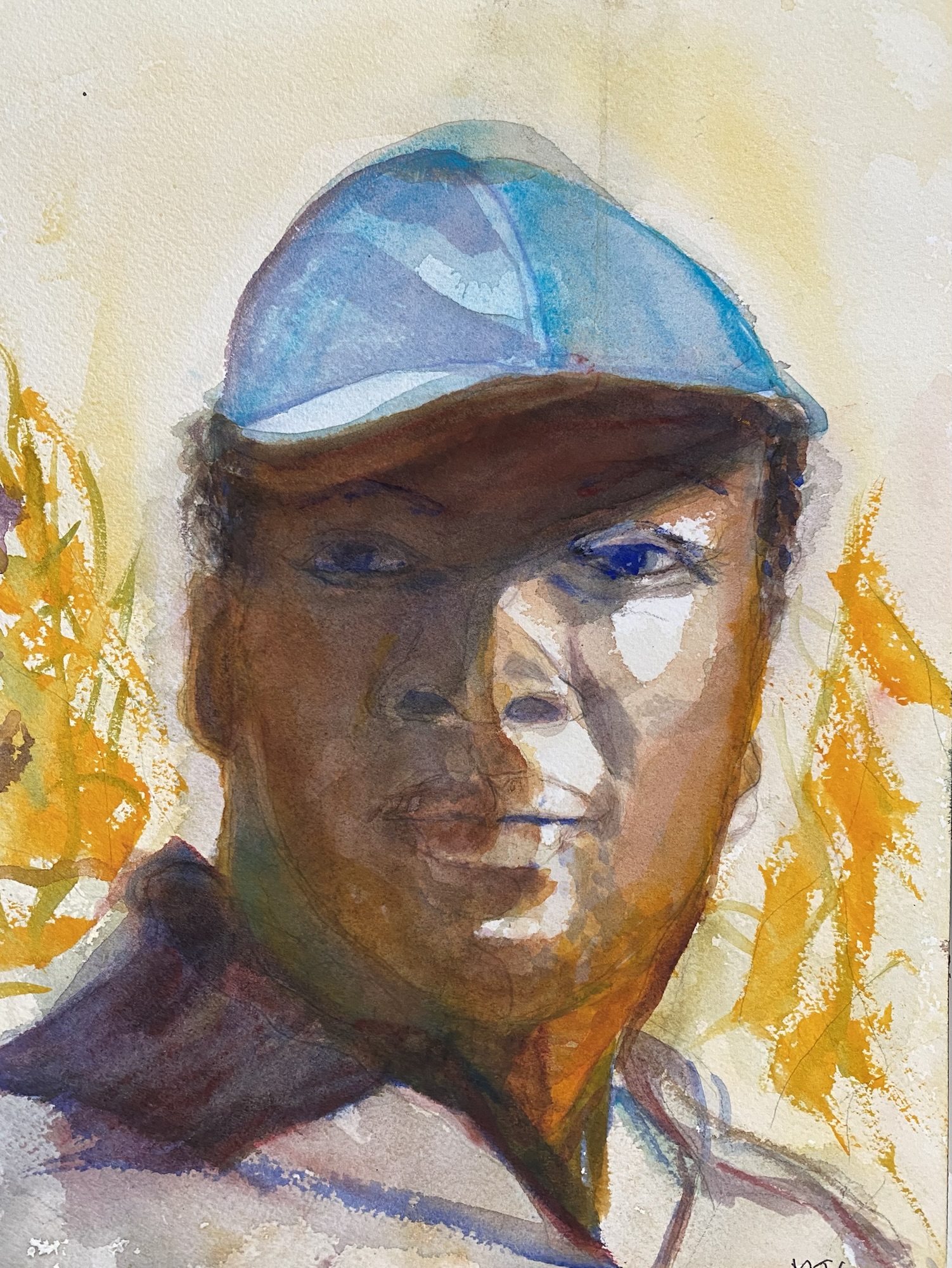
Here are two different watercolor perspectives that I painted of a person living on our island.

He is a yard cleaner and gardener, hard worker and an immigrant to this island.

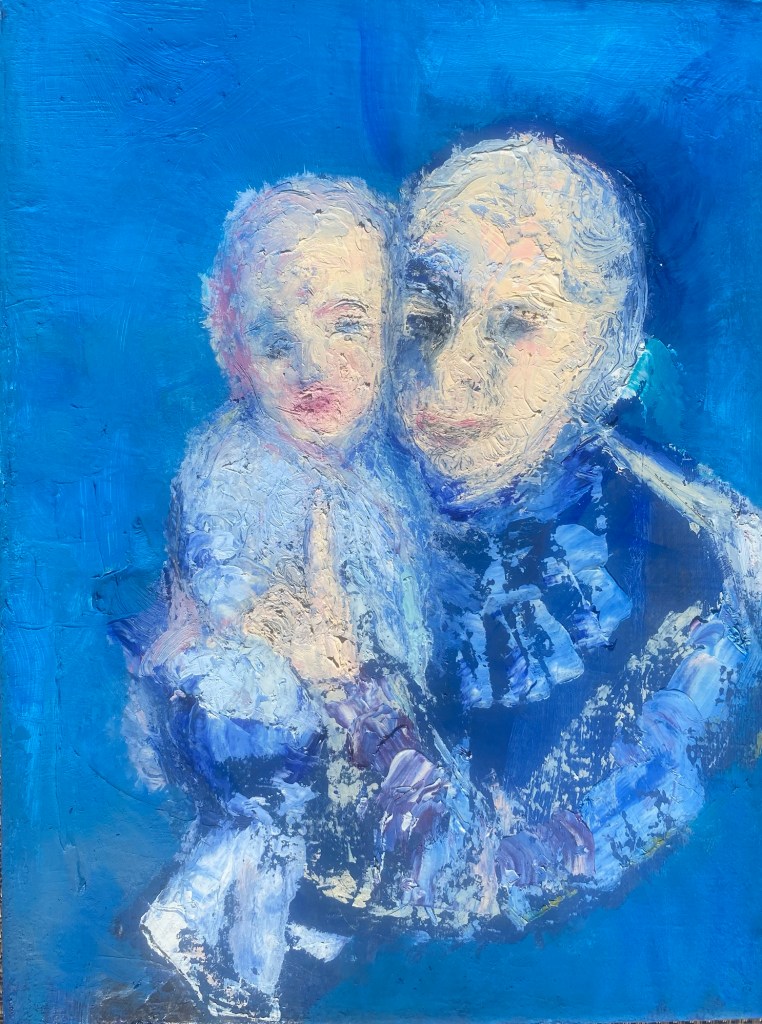
I wanted to paint the quiet emotion I saw between a grandmother and her granddaughter. What I visualized in painting them was peace, identity, pride and love, expressed in shades of yellows, blues and pinks, surrounded by soft, fractured textures. It felt best to carve out their contours and shapes with oils using a palette knife, showing their presence, their intensity, their closeness as a bright splash onto blue backgrounds. This was quick work, often described as “alla prima”, but in fact, also using photography to remember some little details.

Grandmother and Child, oils, MJChamie

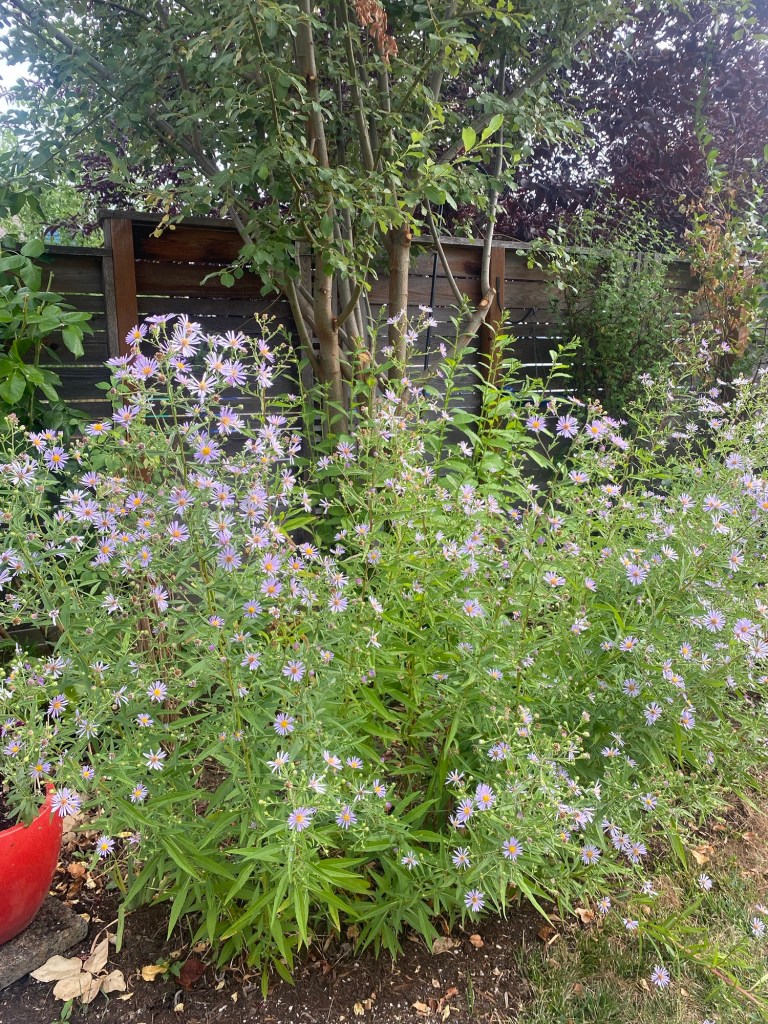
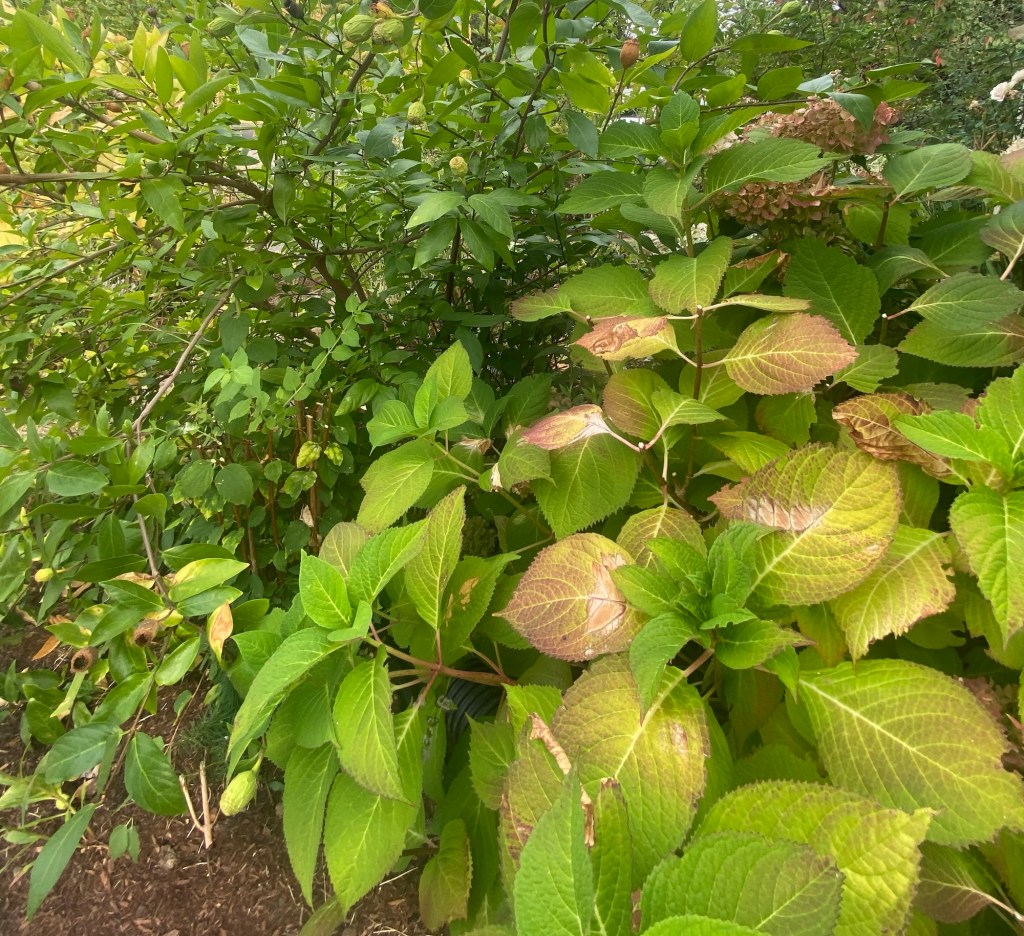
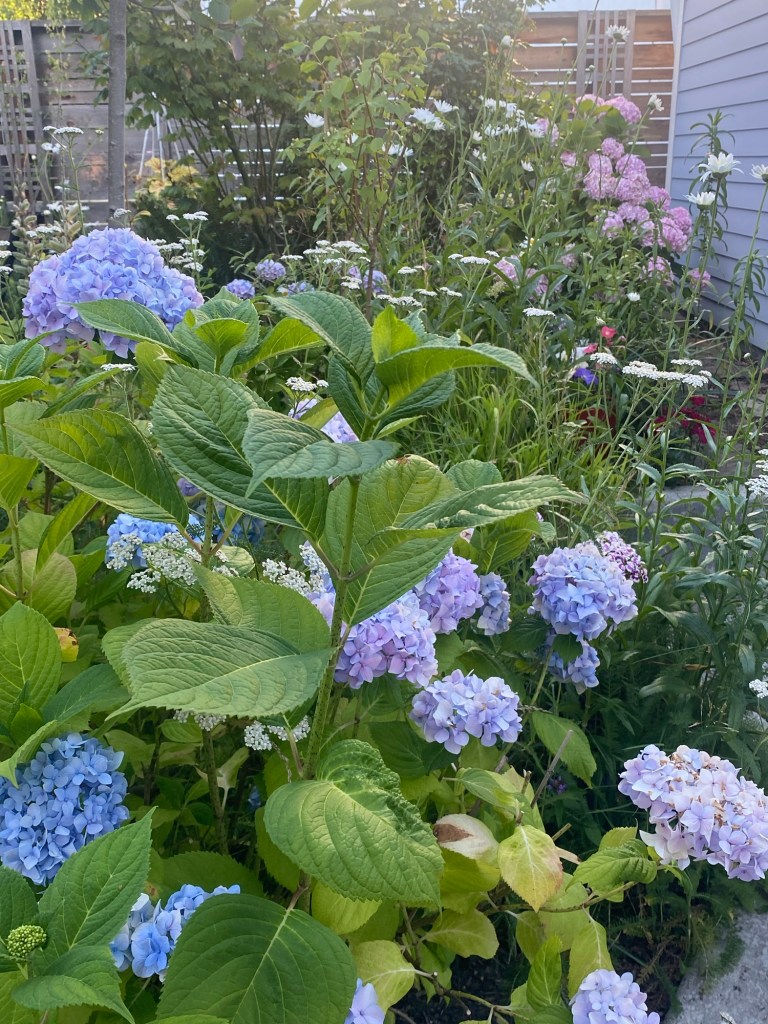
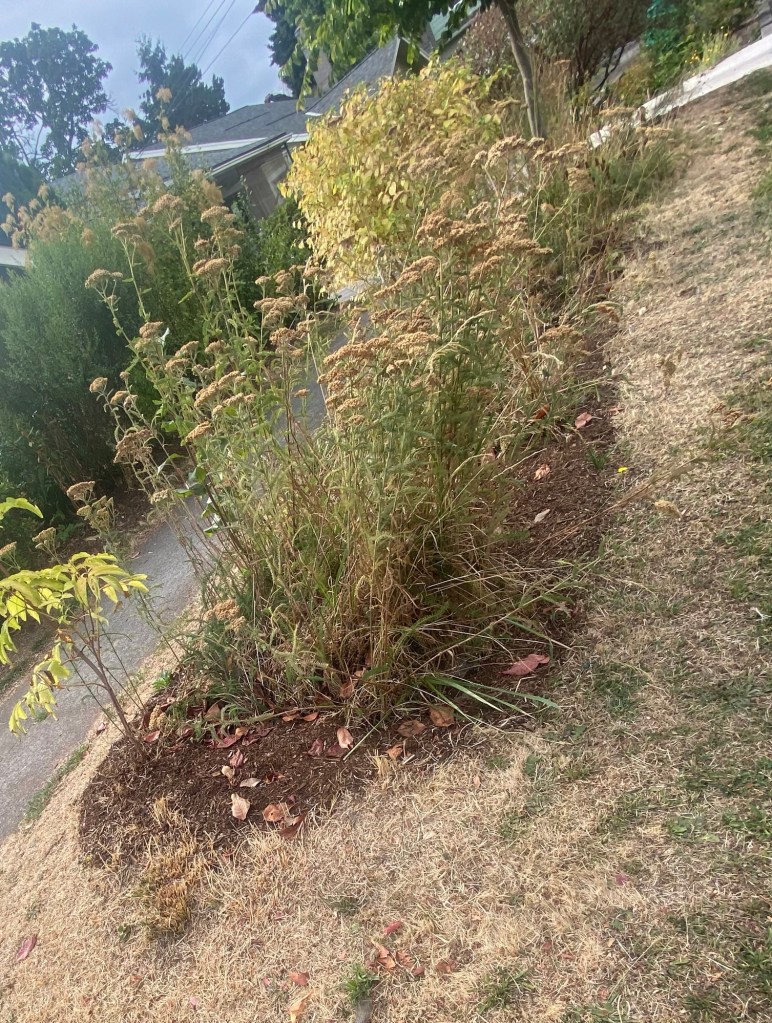
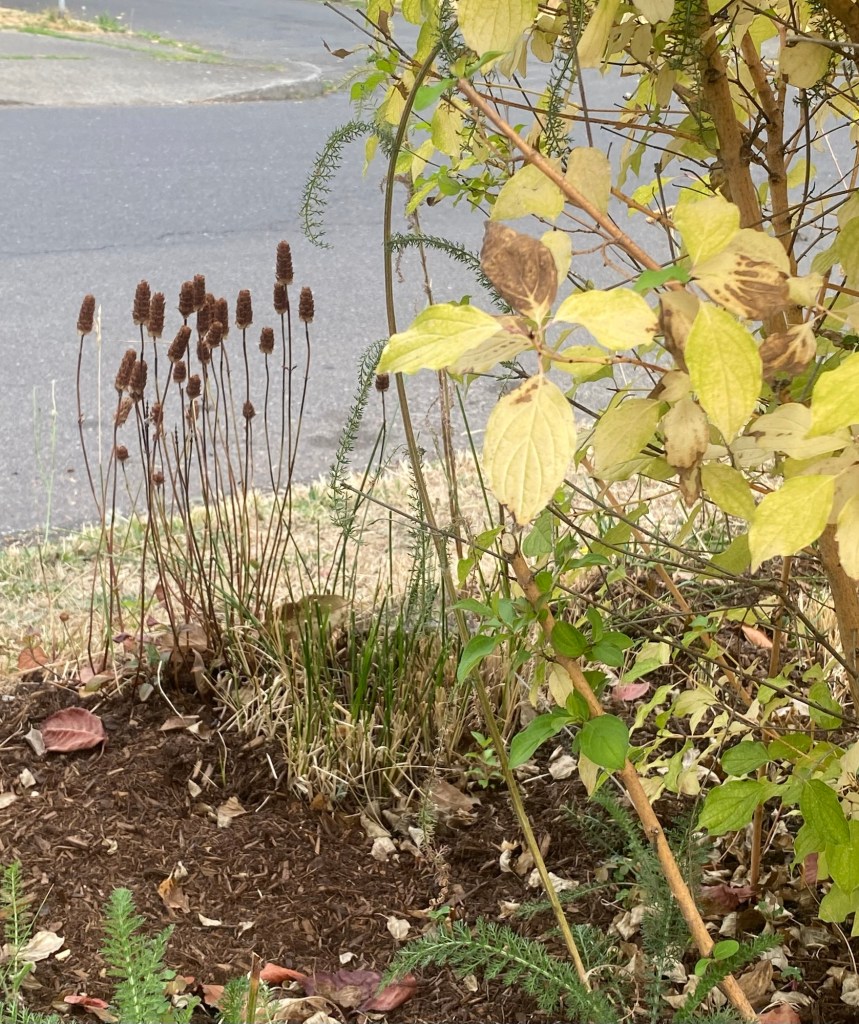
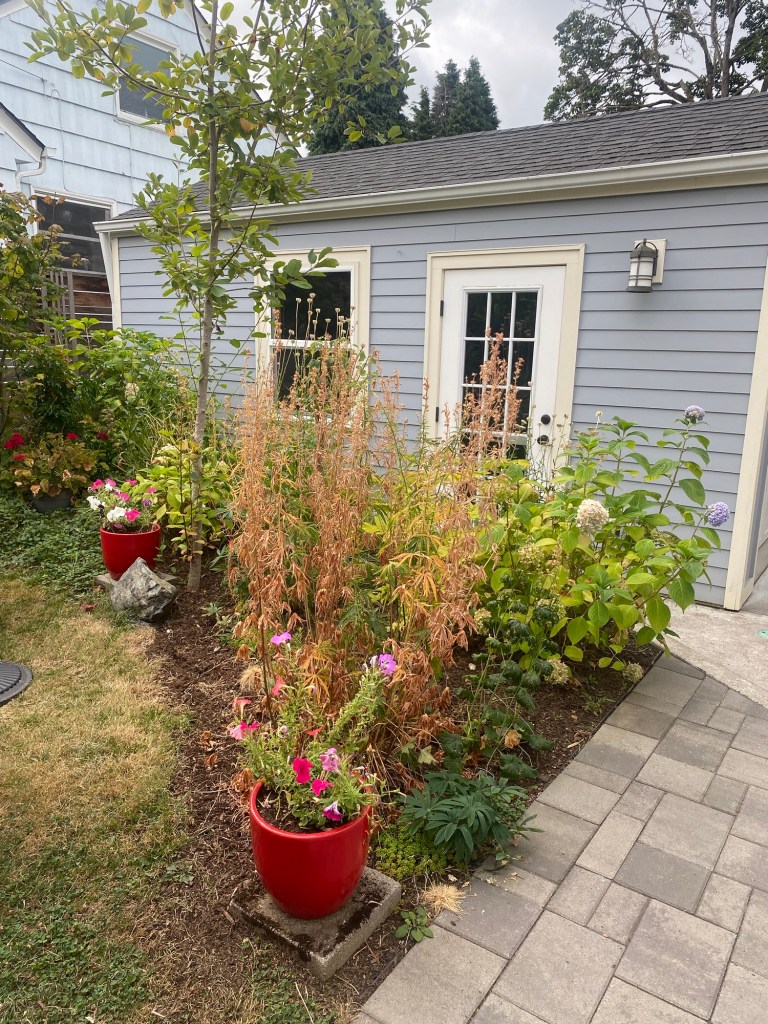
There has been little rain since June, and our native plants have withstood the onslaught of sun and dryness with aplomb. The taller native plants also have shaded our non-native hydrangeas and geraniums from the oppressive sun and heat.

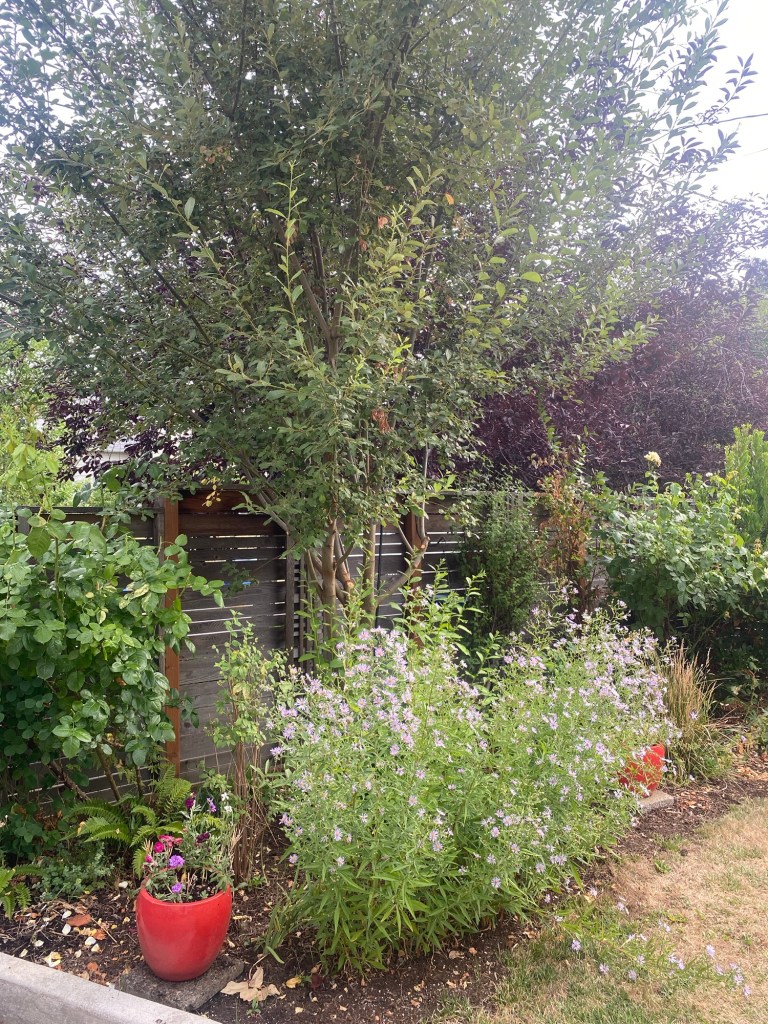
The Douglas Asters stand tall and proud while sheltering ferns and other shade plants behind them. All are sheltered by the native willow bush above them.

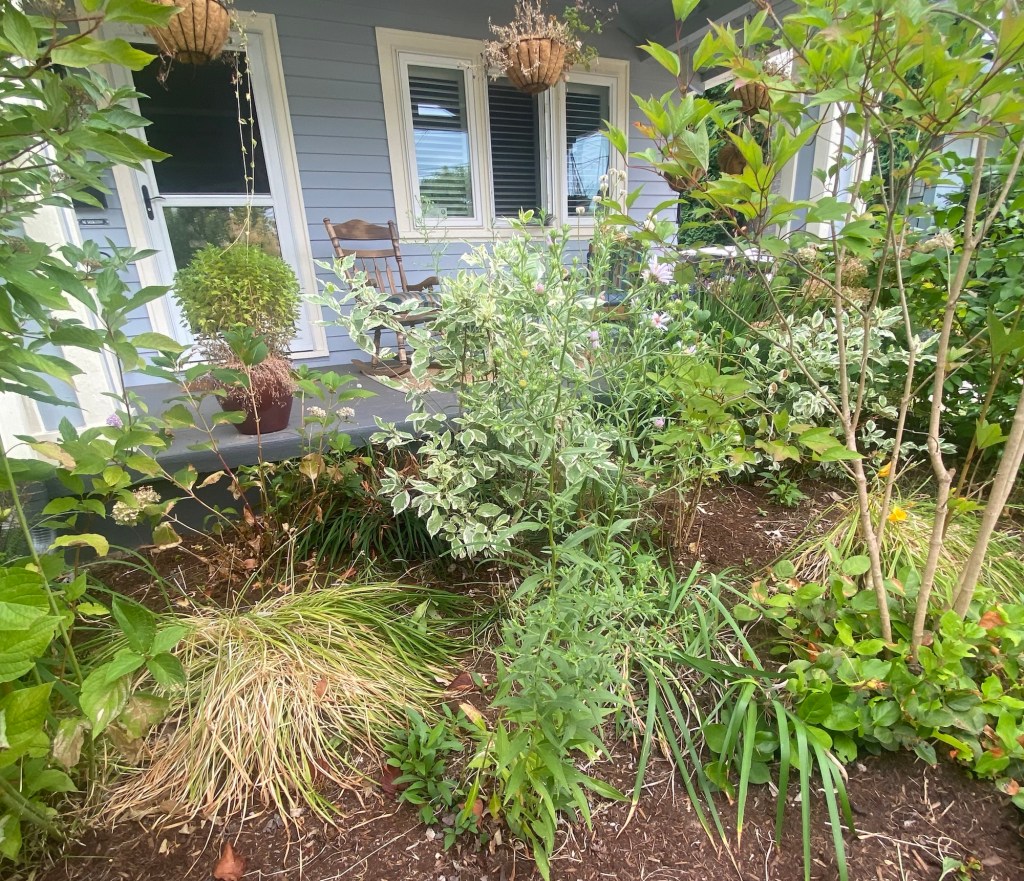
The hydrangeas peek out from under the Spicebush and show their big leaves.

Under the Western Spice Bush in the front yard
Under the Cascara Tree and the Vine Maple Tree in the backyard

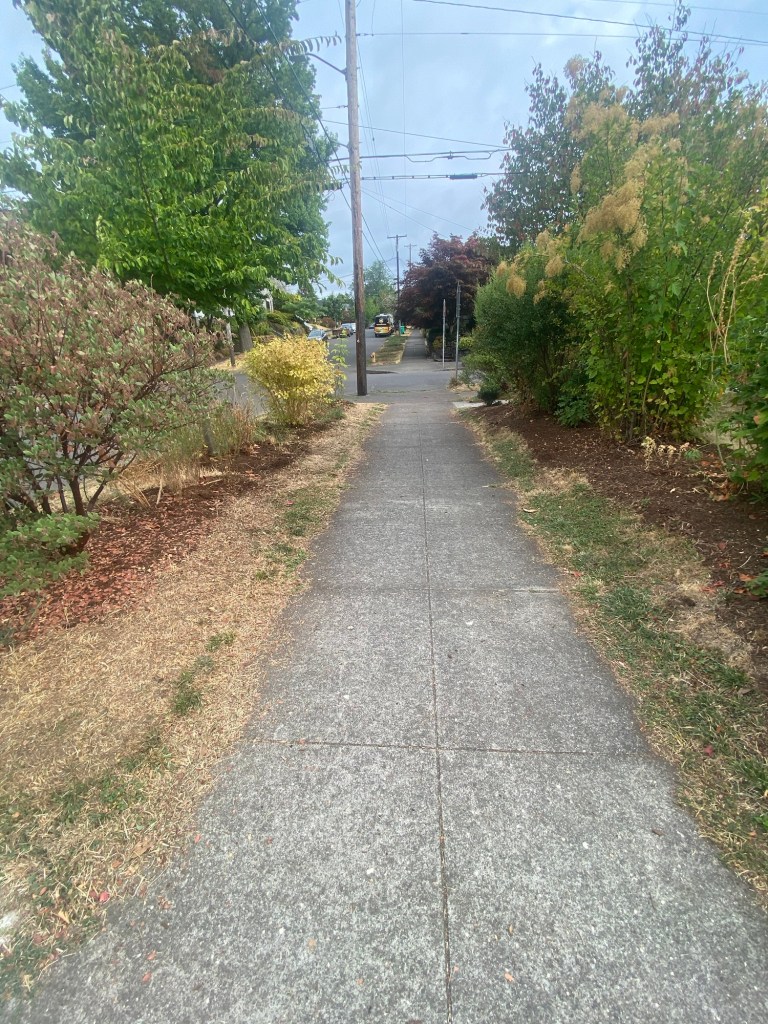
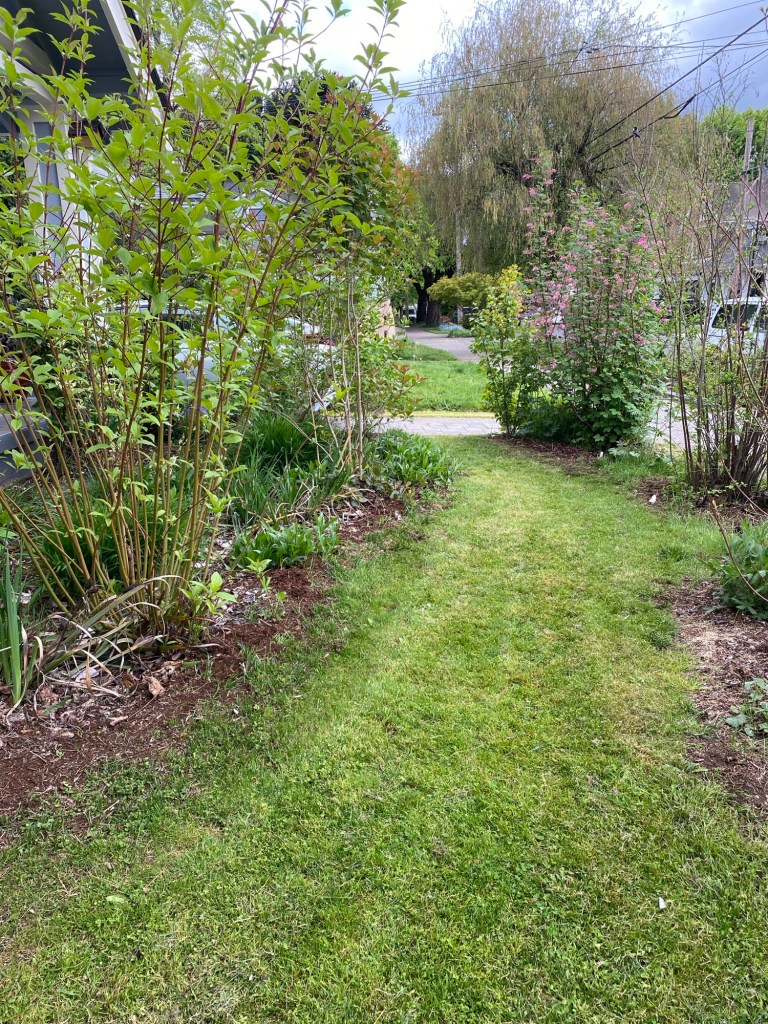
We maintain the centers of defined areas next to the street with native plants while mowing the edges to give them some semblance of organization.

We leave the grass unwatered so that the entire color of the yard, this time of year, is a melange of yellows, greens and soft browns.

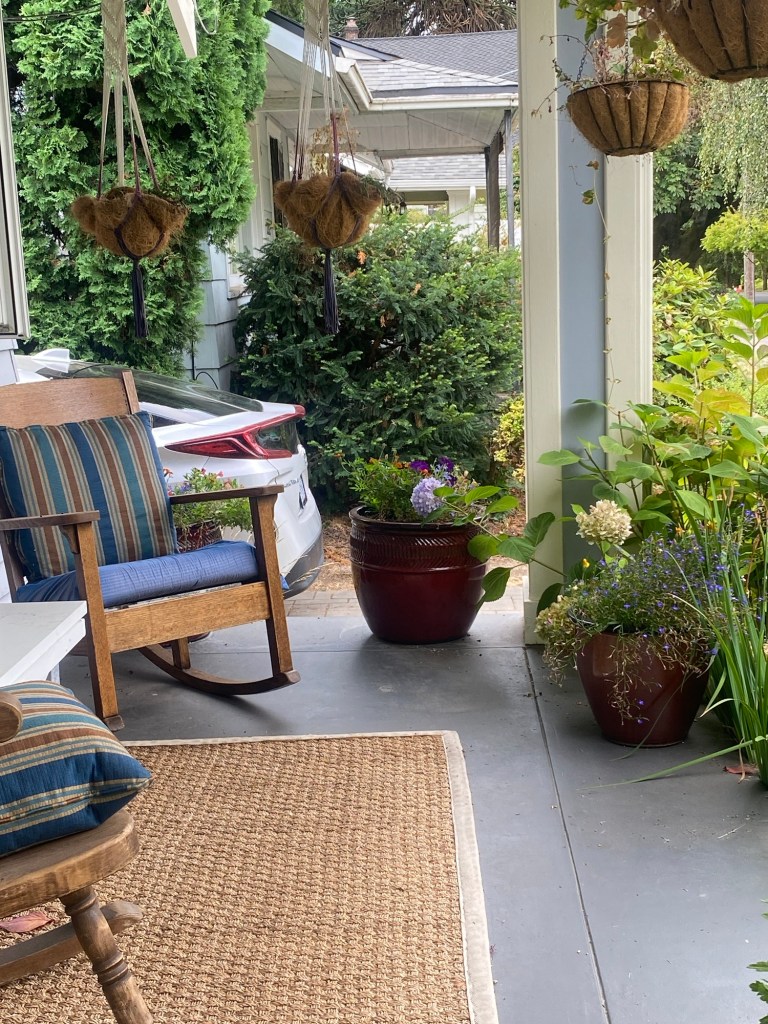
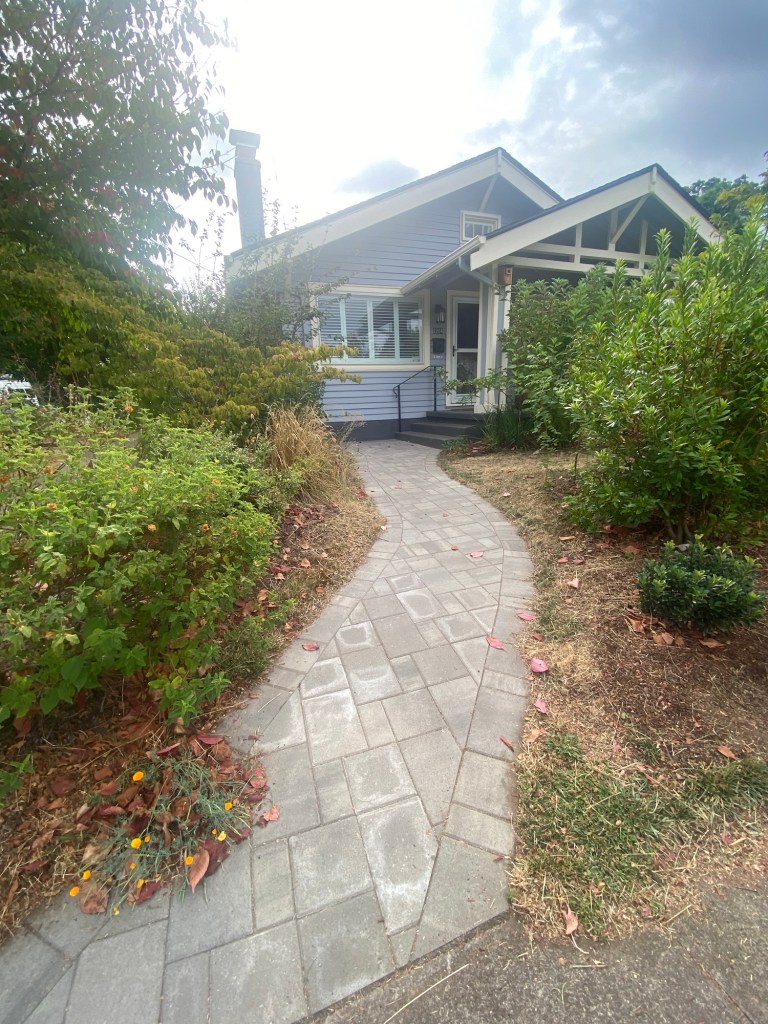
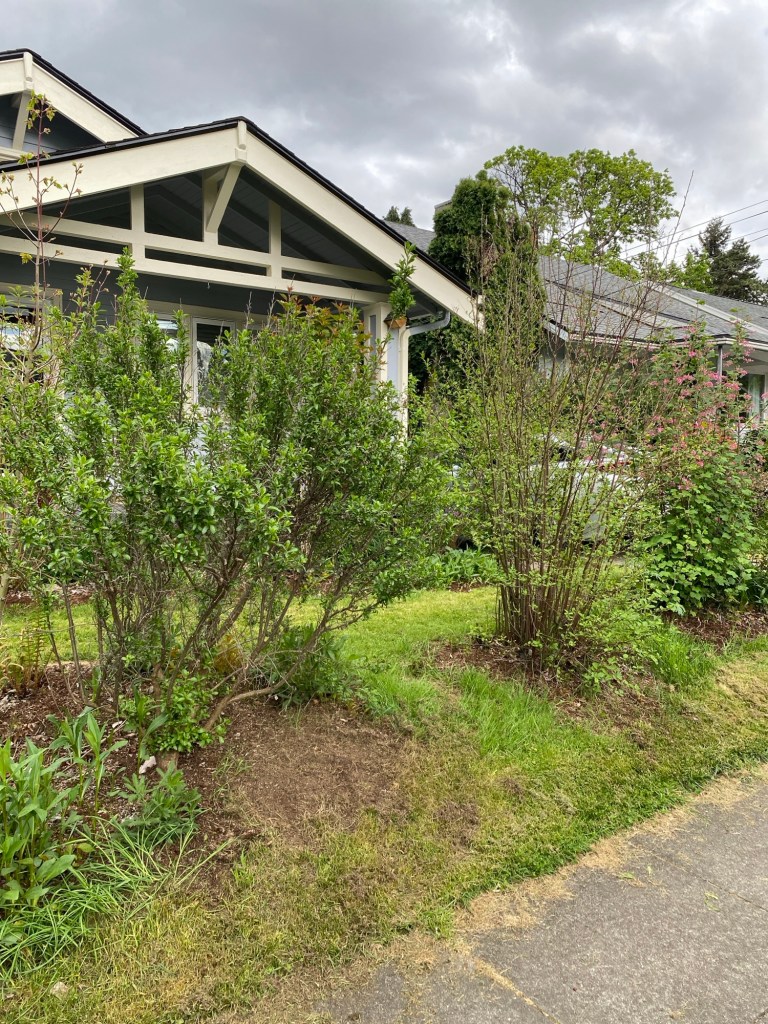
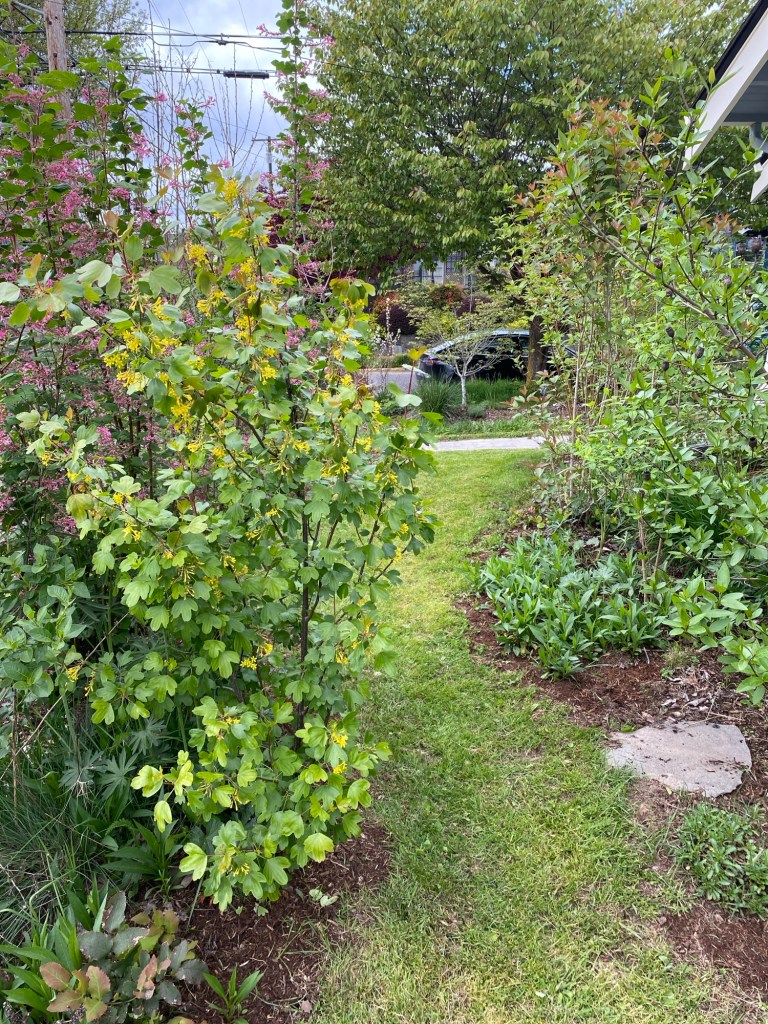
The front porch is seen from the street and yet the landscaping gives it a sense of natural privacy.

Our neighbor also shares greenery with us which is very nice to look at from the porch. All in all, we have lots of nature and yet still feel a part of our local urban spaces.

Looking to the front porch
Looking from the front porch to the street

We live in a tiny bungalow in the City of Portland, next to restaurants and other city features. However, our native plants habitat brings us birds and natural micro habitat settings to explore and enjoy.

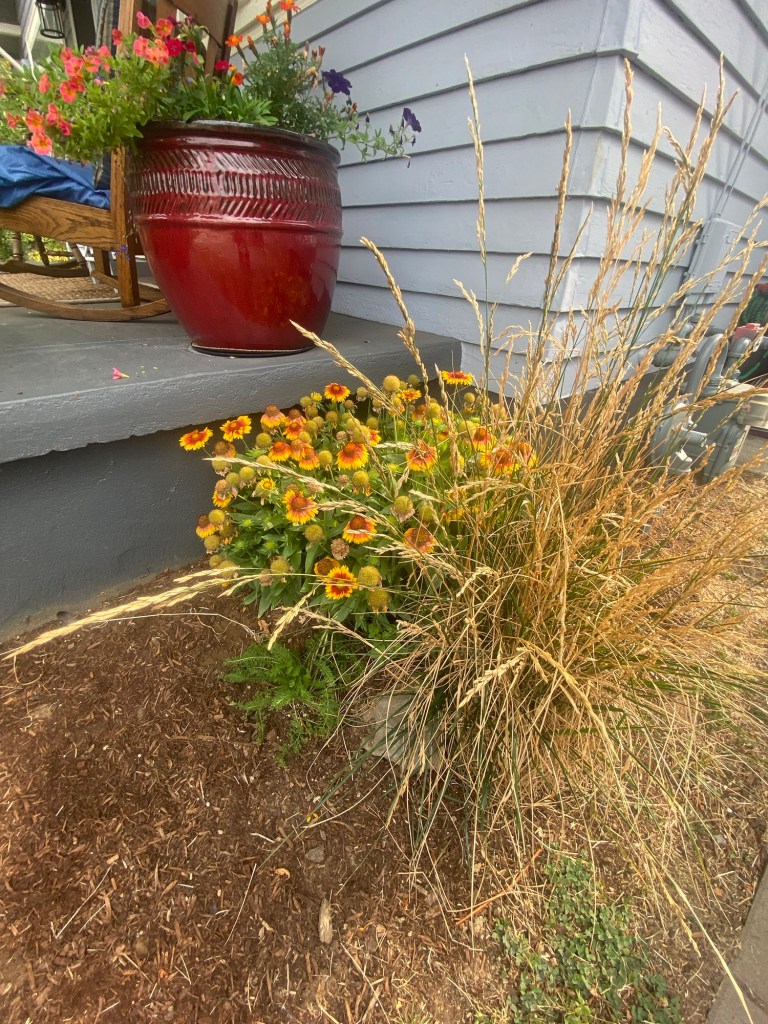
Oregon Sunshine flowers and natural grasses.
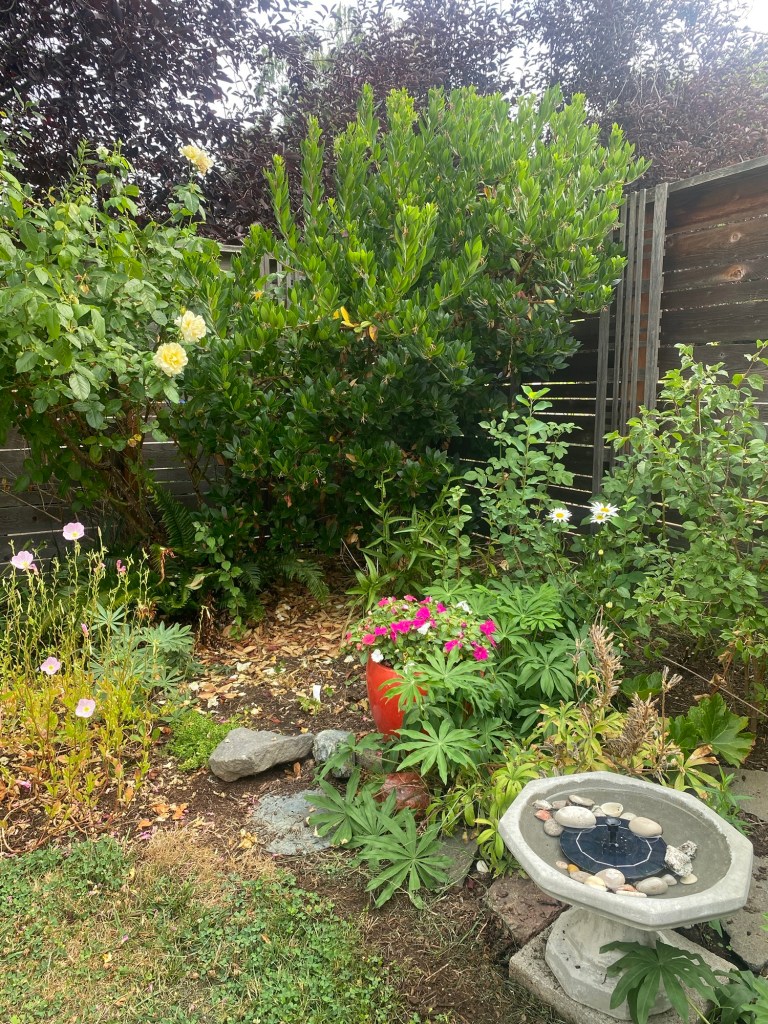
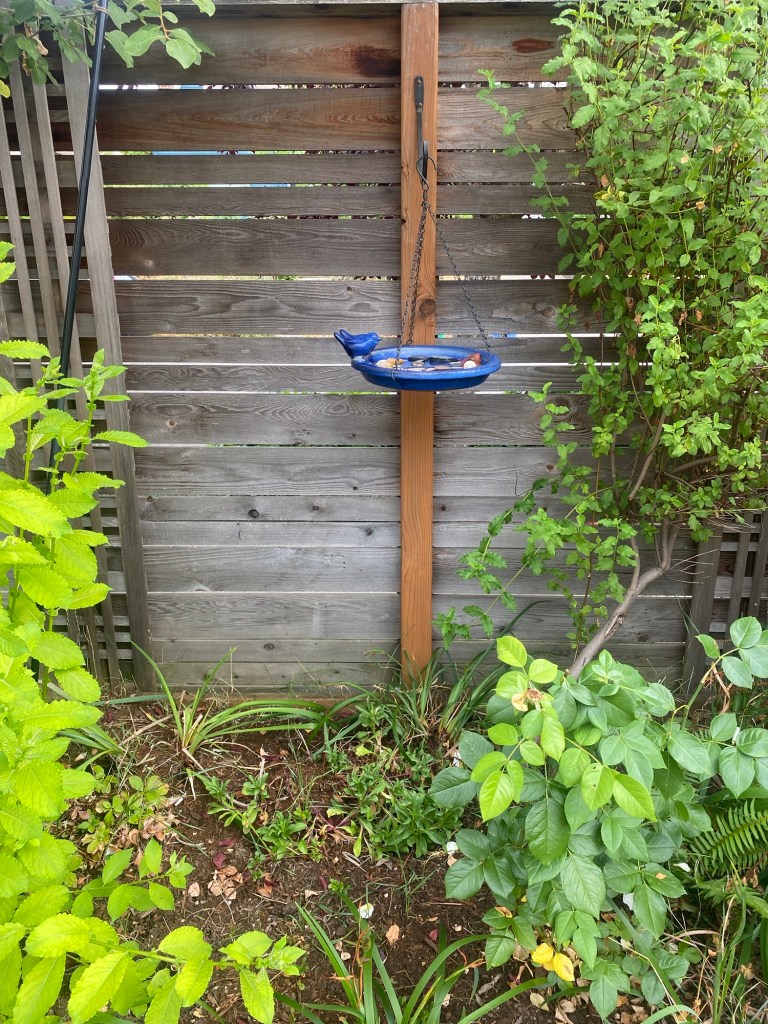
Backyard with water stations for birds
Our baby Madrone Tree is starting to take shape in the corner.

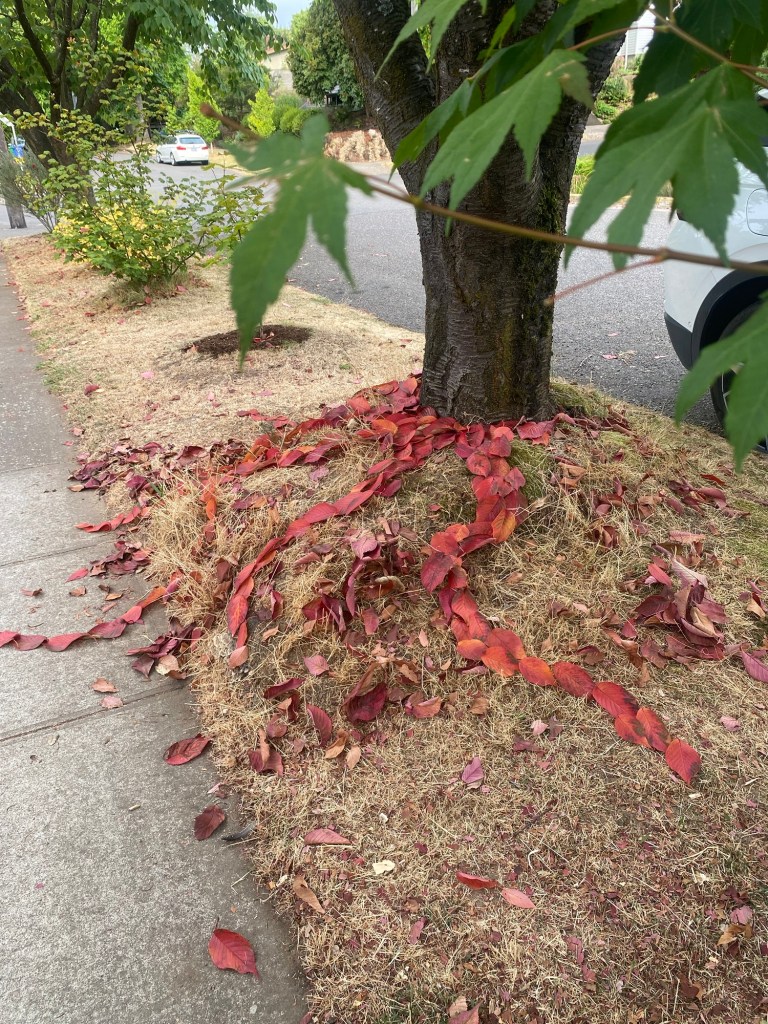
Today is a special day for us as it is our wedding anniversary. Much to our amusement, we watched a passerby this morning as they stopped to enjoy our yard and made a pretty design with leaves from our tree. It was a special anniversary gift from an unknown artist. Thank you!

A Presentation of Art provided by a passerby
Front entryway

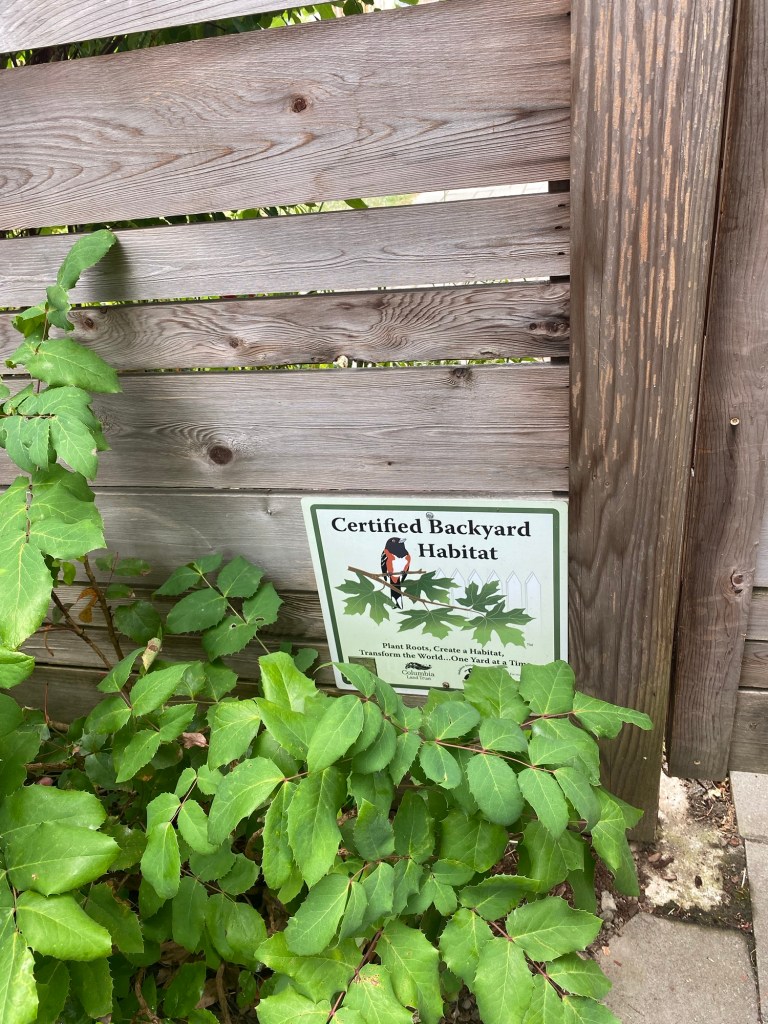
Last year, I introduced the idea of making our urban yard a haven for birds and native plants of the northwestern United States. See https://marysgardens.blog/2023/08/08/landscaping-a-city-bungalow-with-native-plants-of-the-northwest
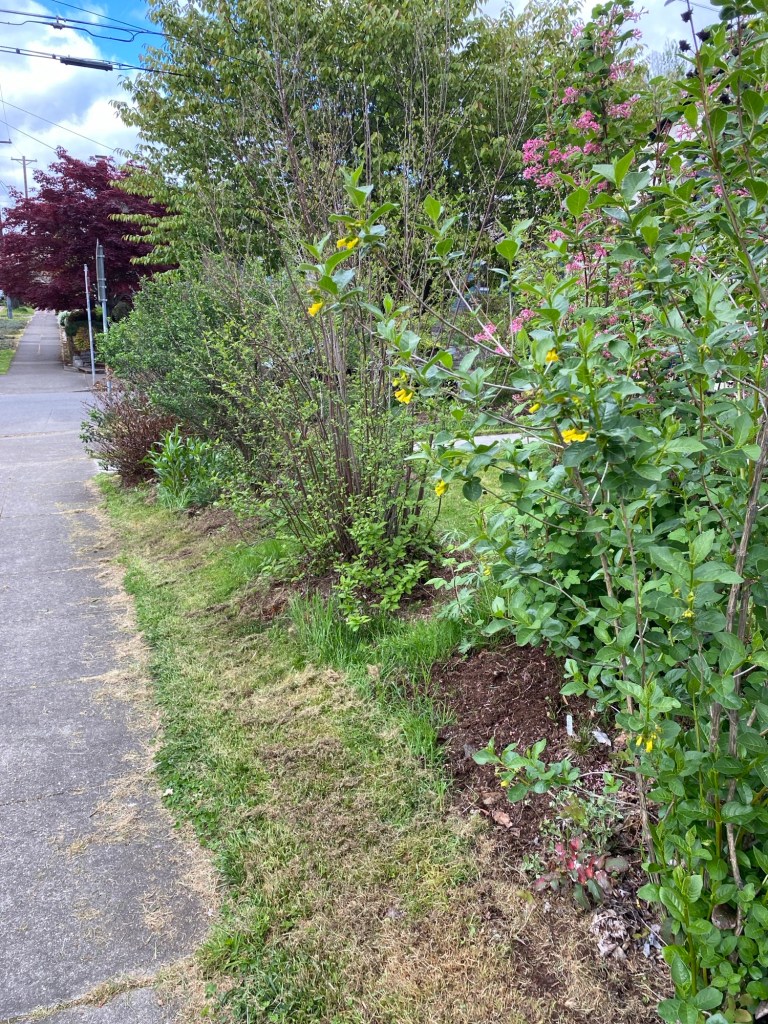
The goal of our small yard is to create a feeling of naturalness, but with some more deliberate landscaping using a small amount of mowed grass to give it a bit of shape.
I have tried to blend the plants between mowed grasses and naturalized areas to make softer transitions. The idea is to move softly between greenness and texture.

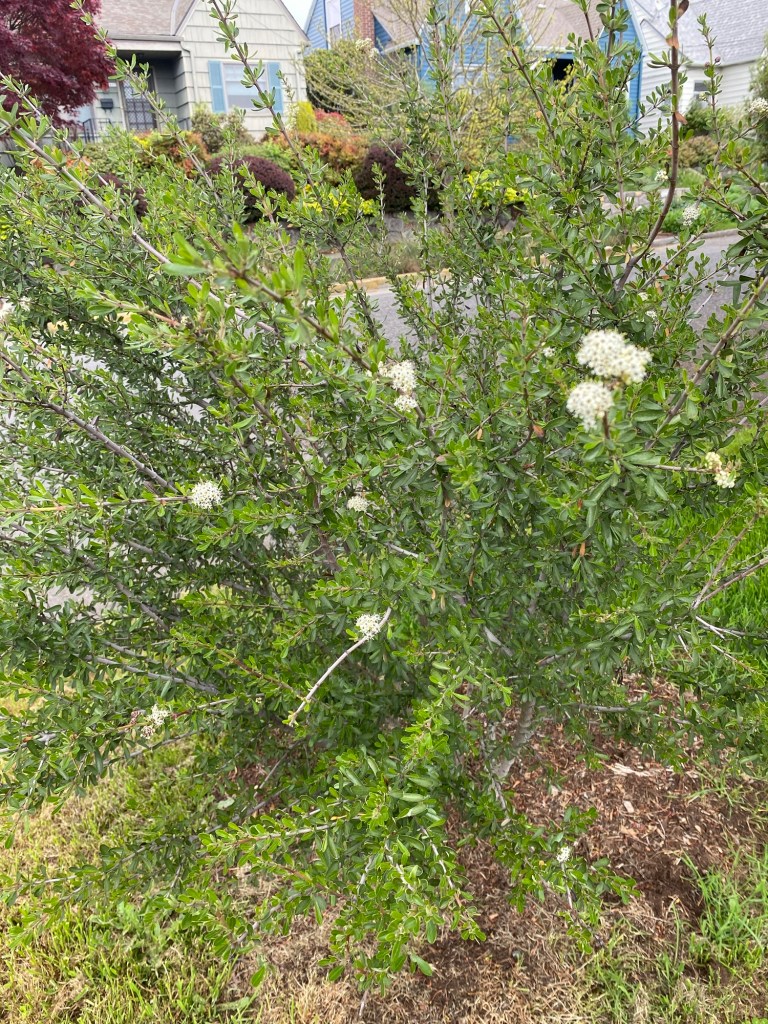
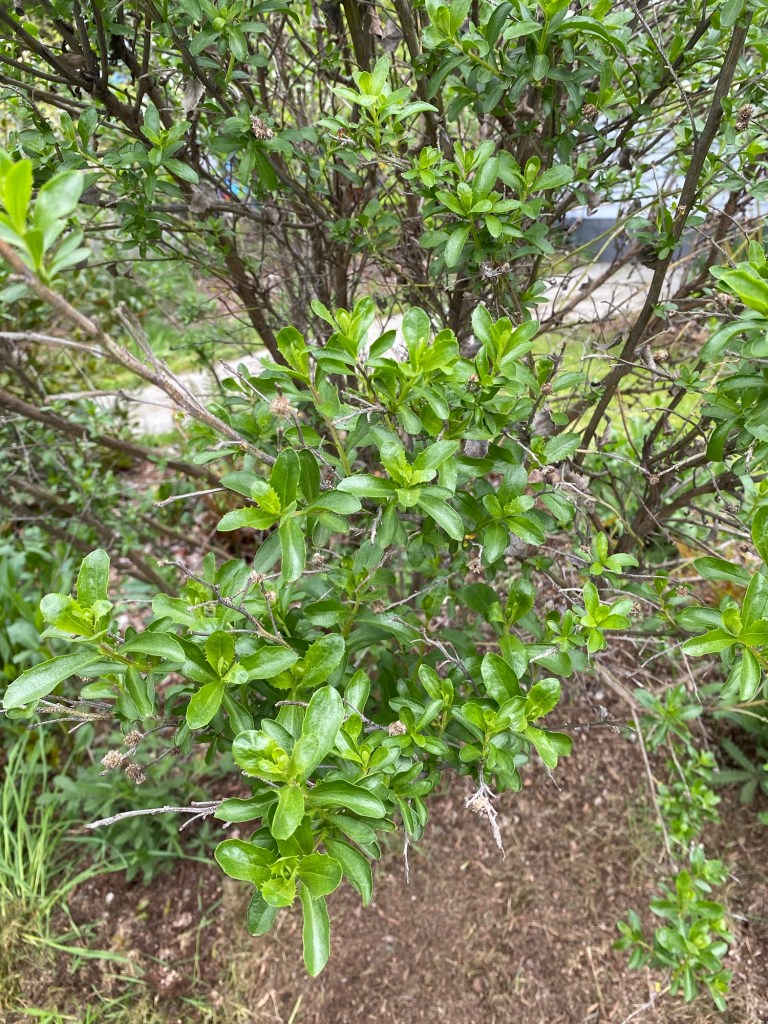
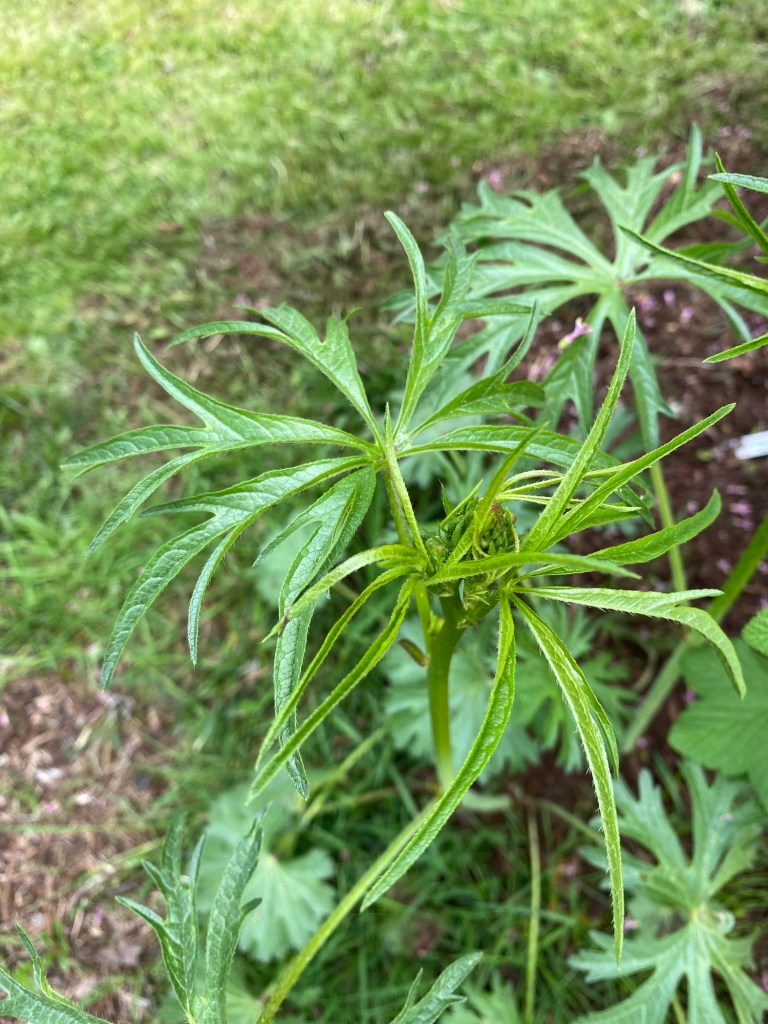
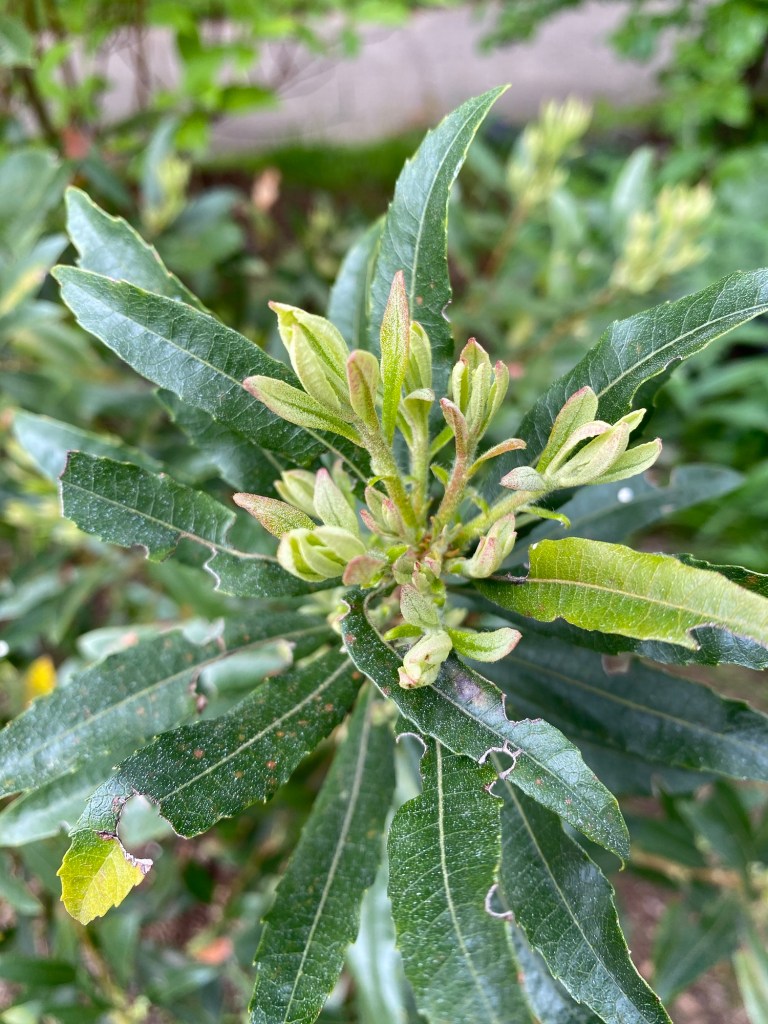
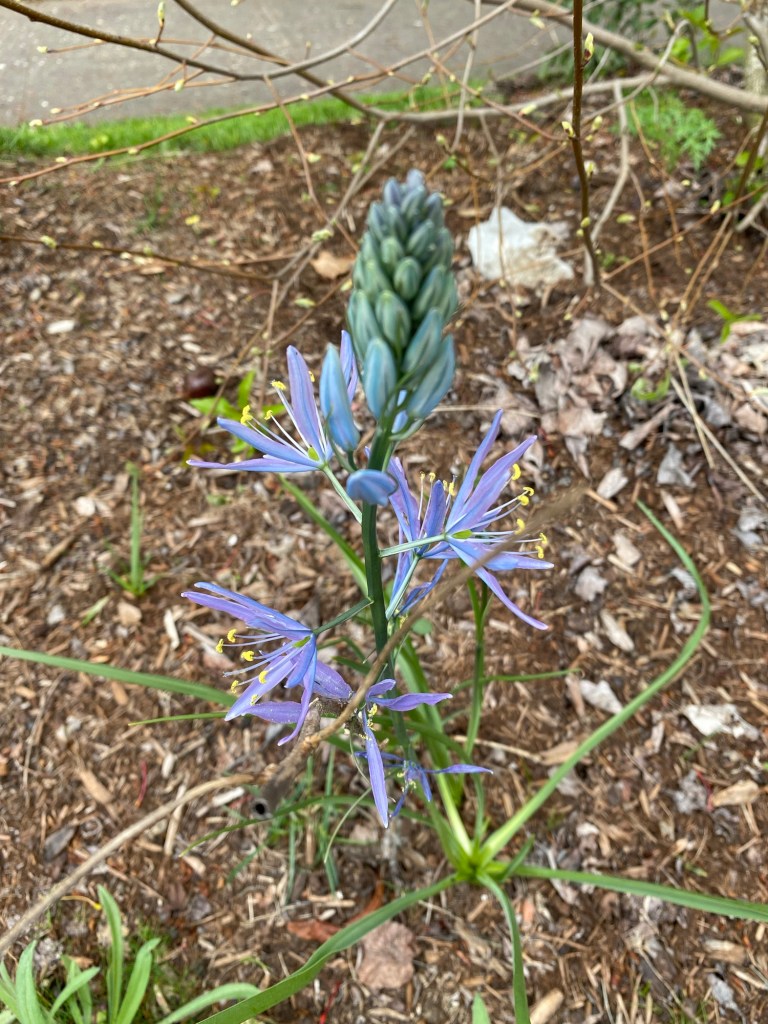
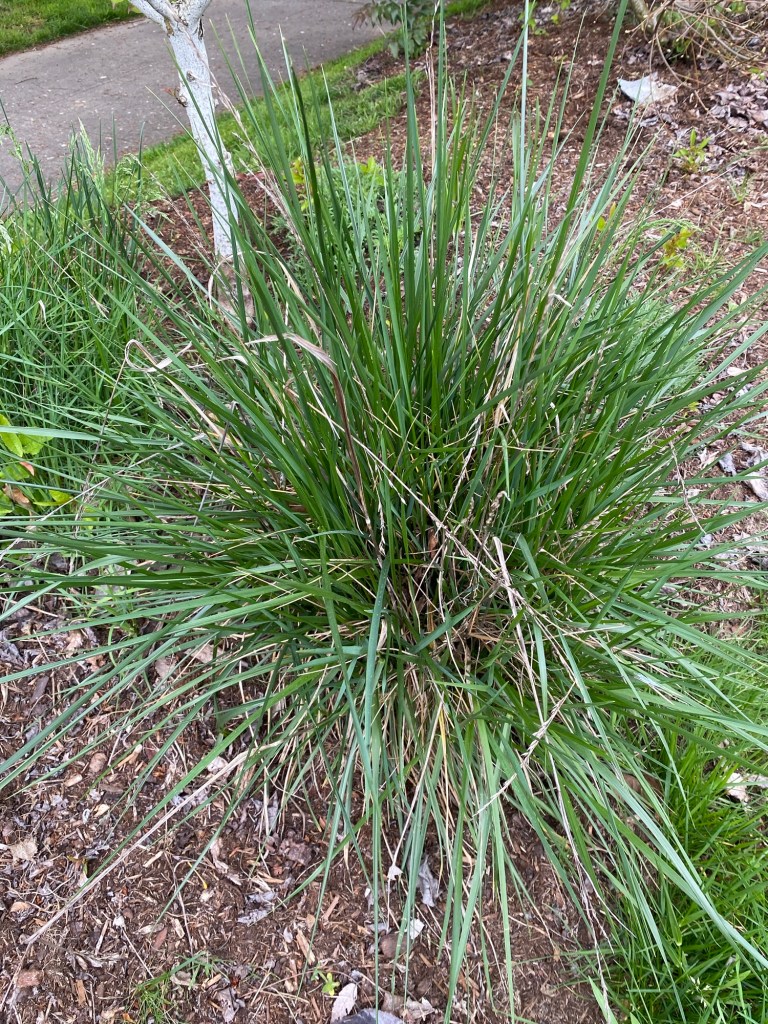
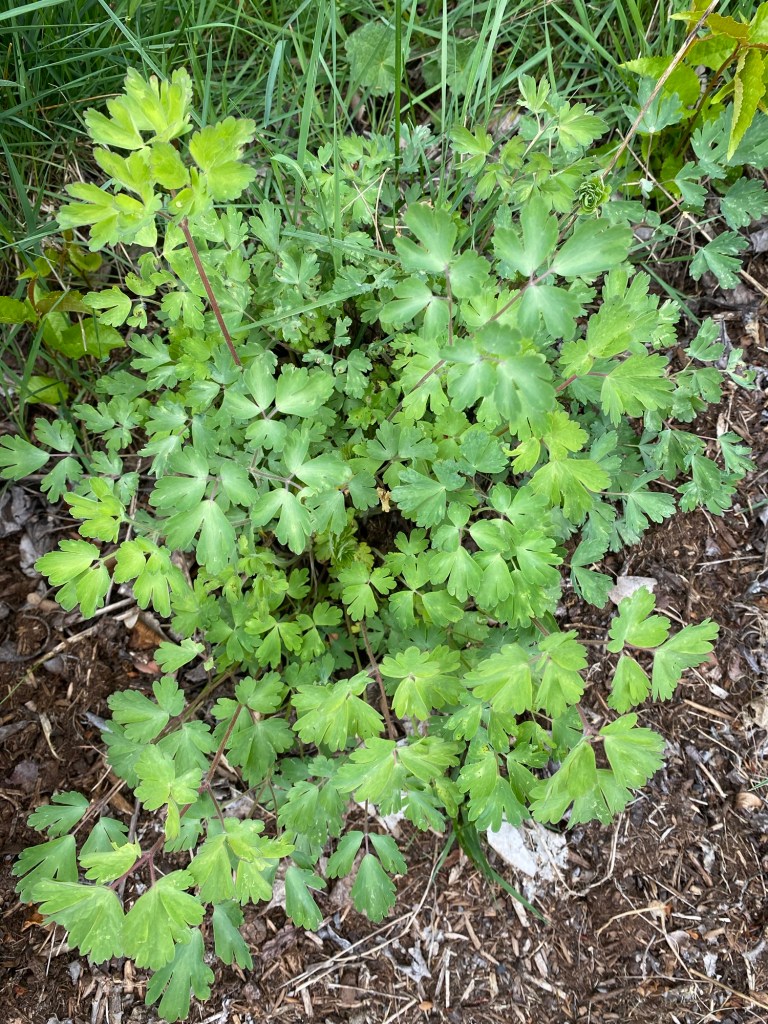
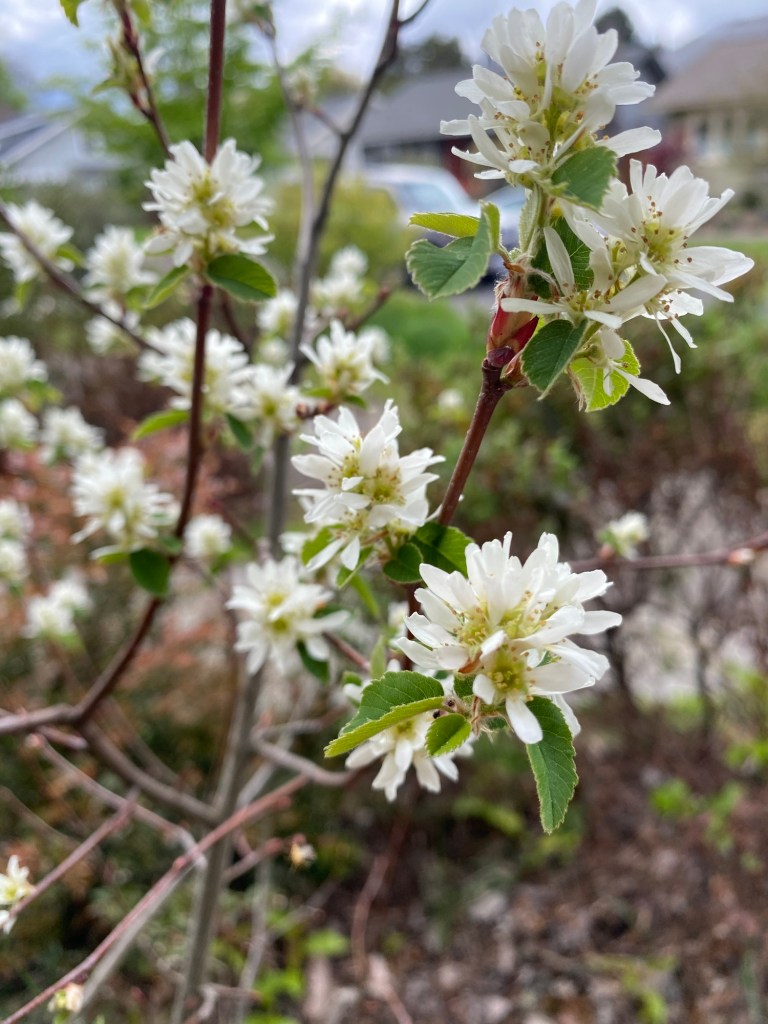
A number of readers asked for some specifics regarding the plants that I had put in. Plant names are located in the photo captions.

Buck Brush or Ceanothus cuneatus
Coyote brush or Baccharis pilularis
Aconite or Aconitum
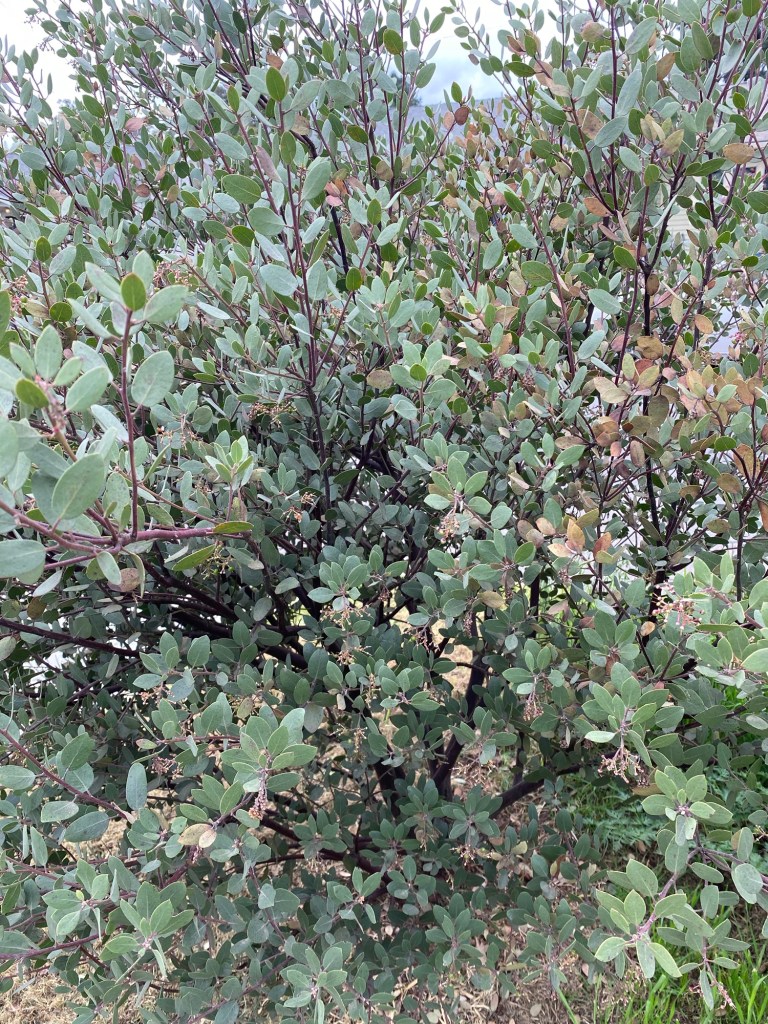
Manzanita or Arctostaphylos
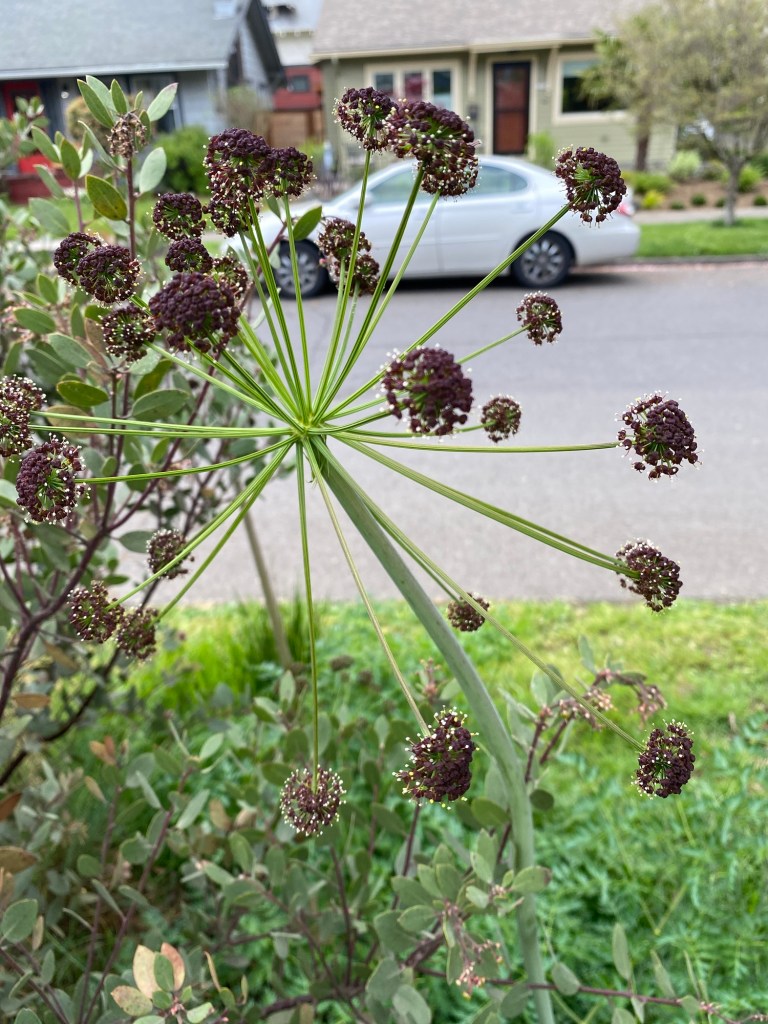
Fernleaf biscuitroot or Lomatium dissectum
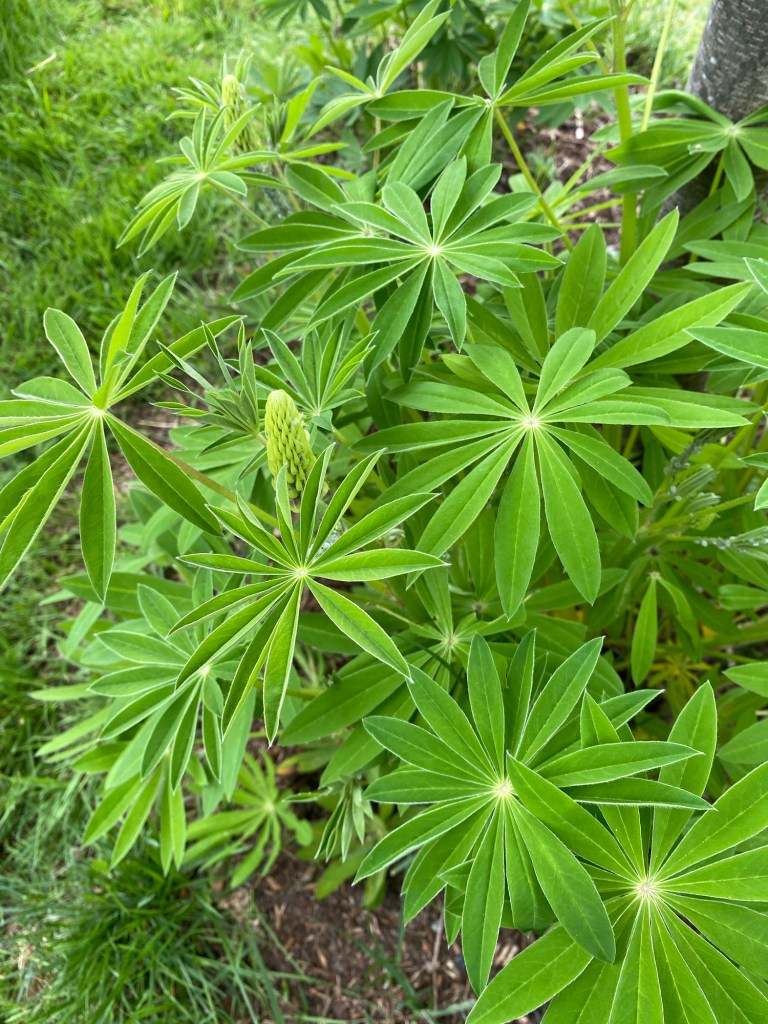
Lupin or lupine
Cornish sanguinea (nonnative)
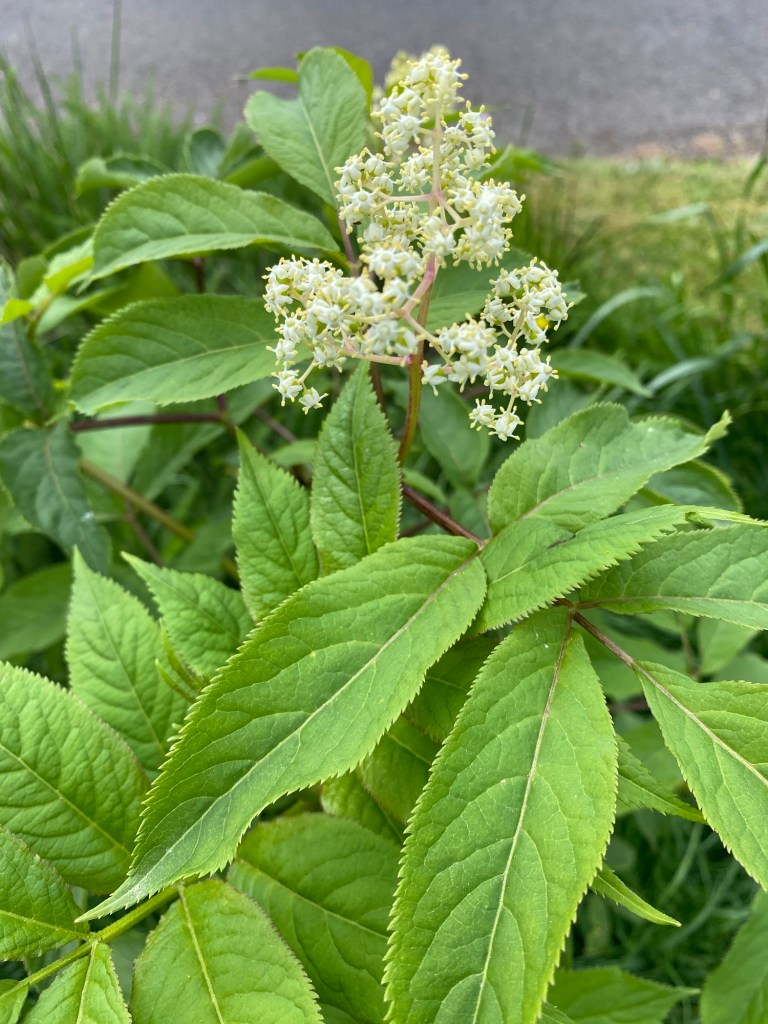
Red elderberry or Sambusa racemosa
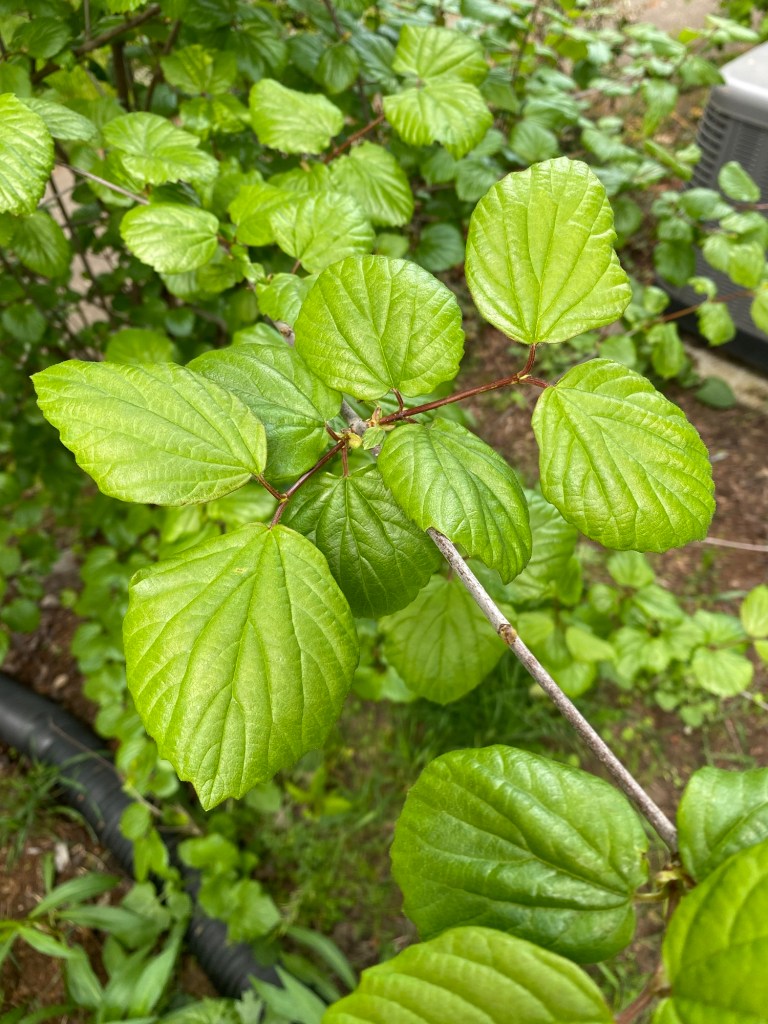
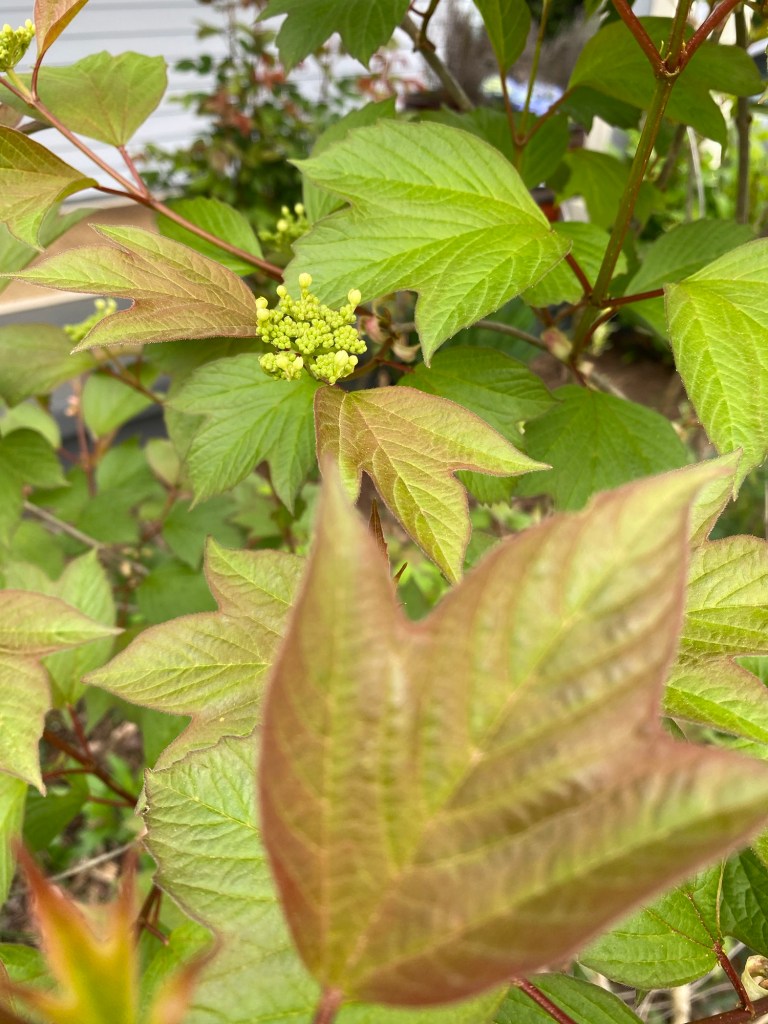
Vibernum
California bayberry
Great camas or Camassia leichtlinii
Greater tussock sedge or Carey paniculata
Columbine or Aquilegia
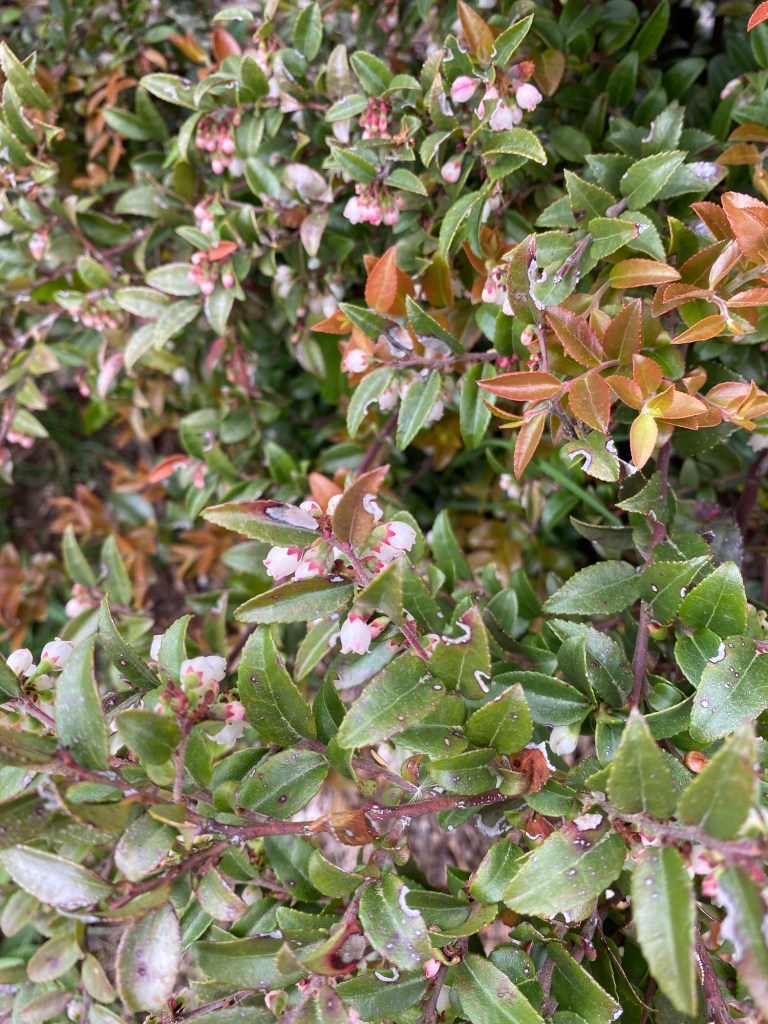
Evergreen huckleberry or Vaccinium ovatum
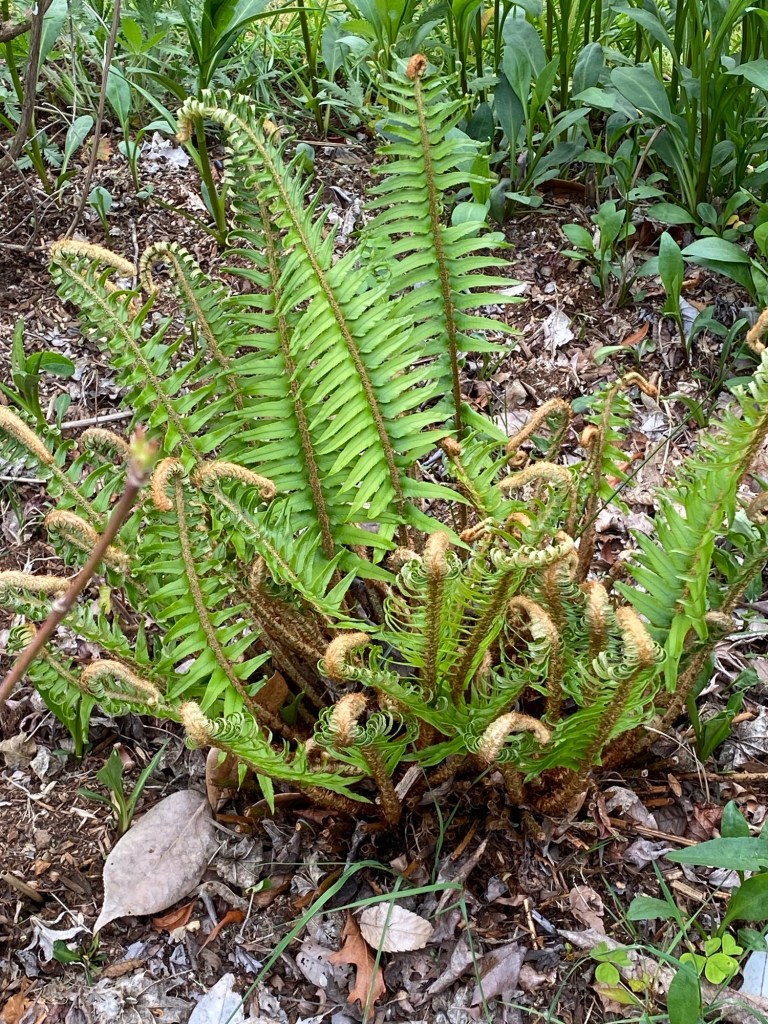
Western Swordfern or Polystichum munitum
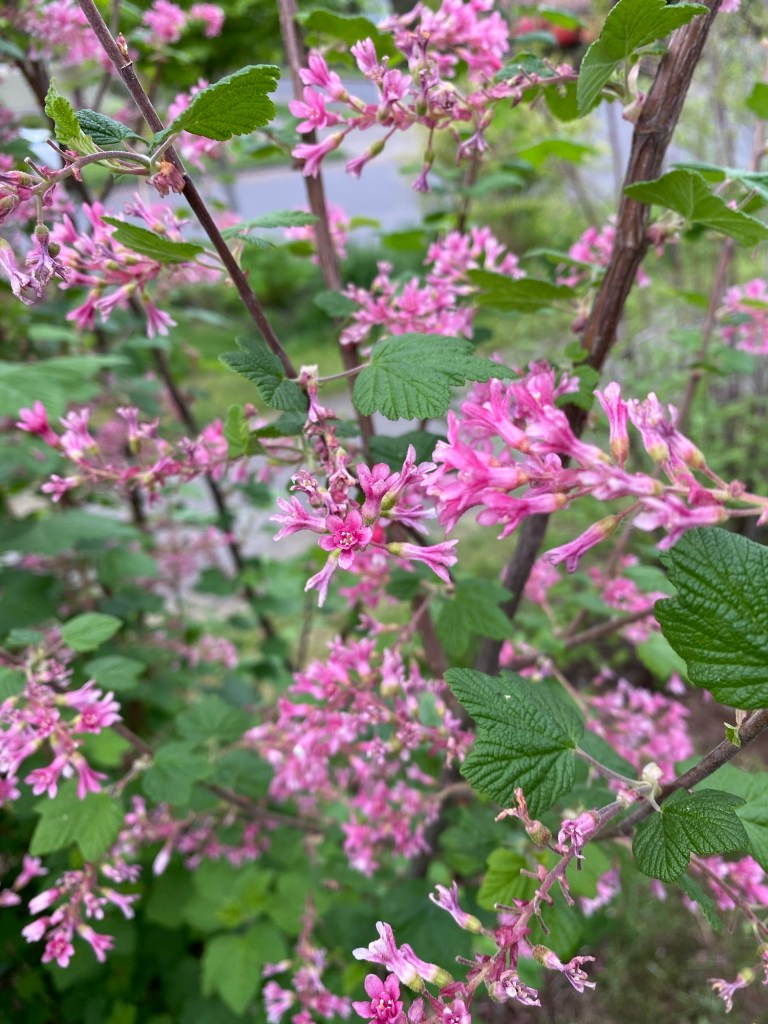
Red Flowering Currant or Ribes sanguineum
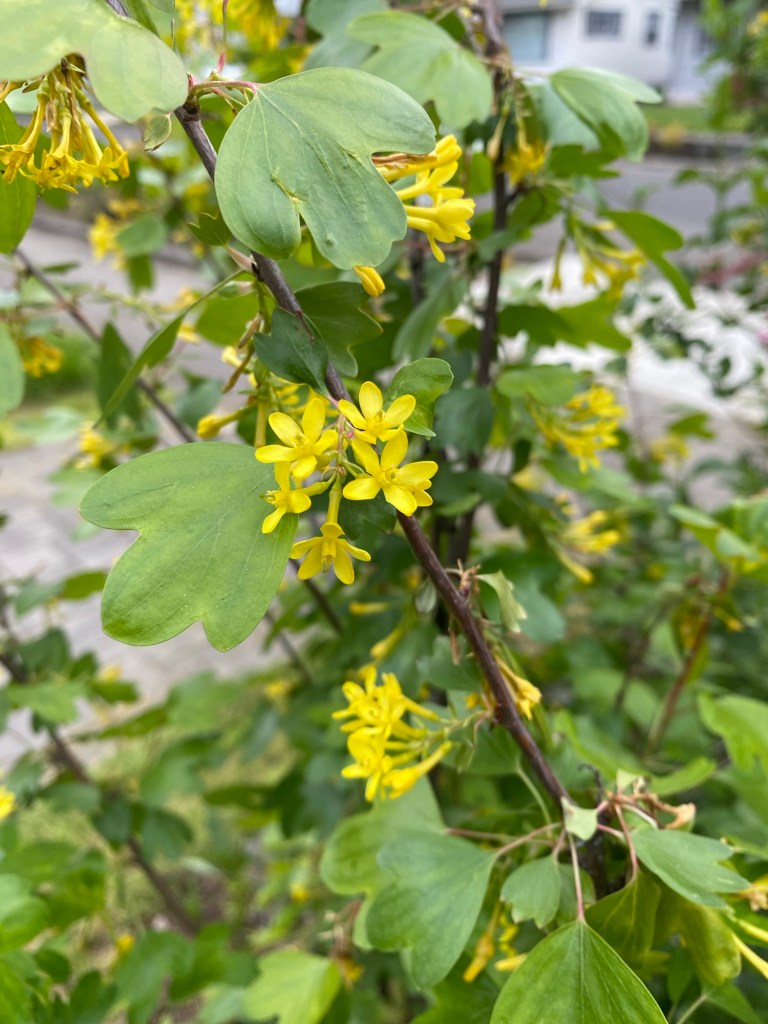
Golden currant or Ribes aureum
Vibernum
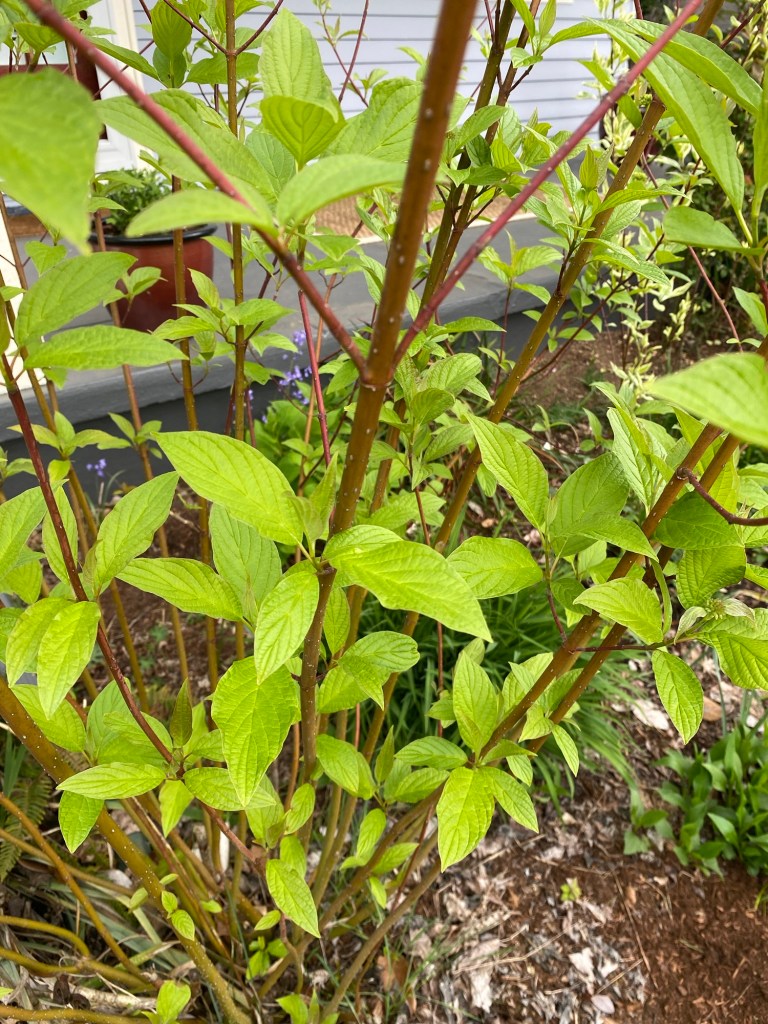
Red-osier dogwood or Cornus sericea
Spires
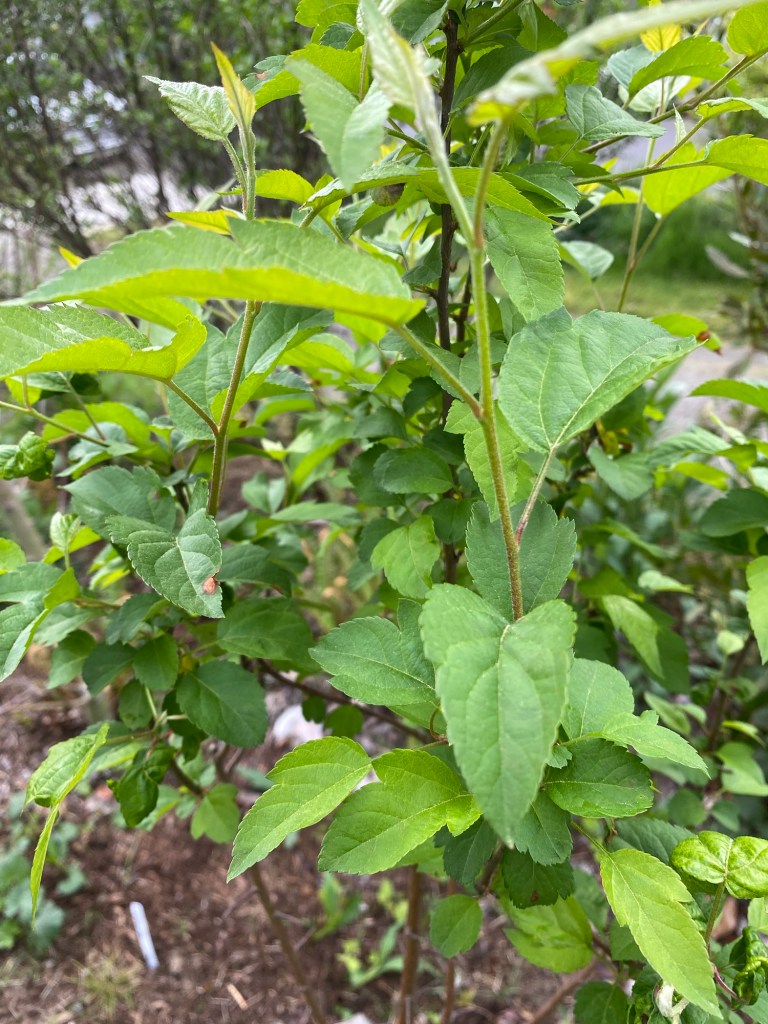
Western serviceberry or Amelanchier alnifolia

We have a small yard, less than a quarter acre in total. The plants photographed for this blog are front yard plants only.

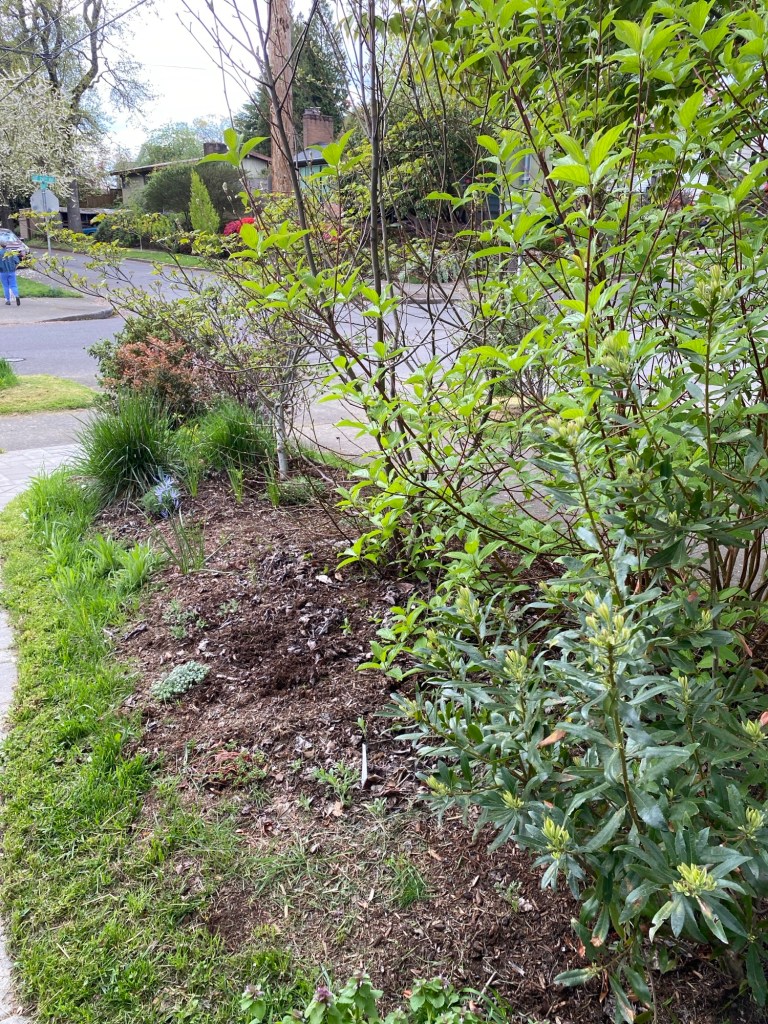
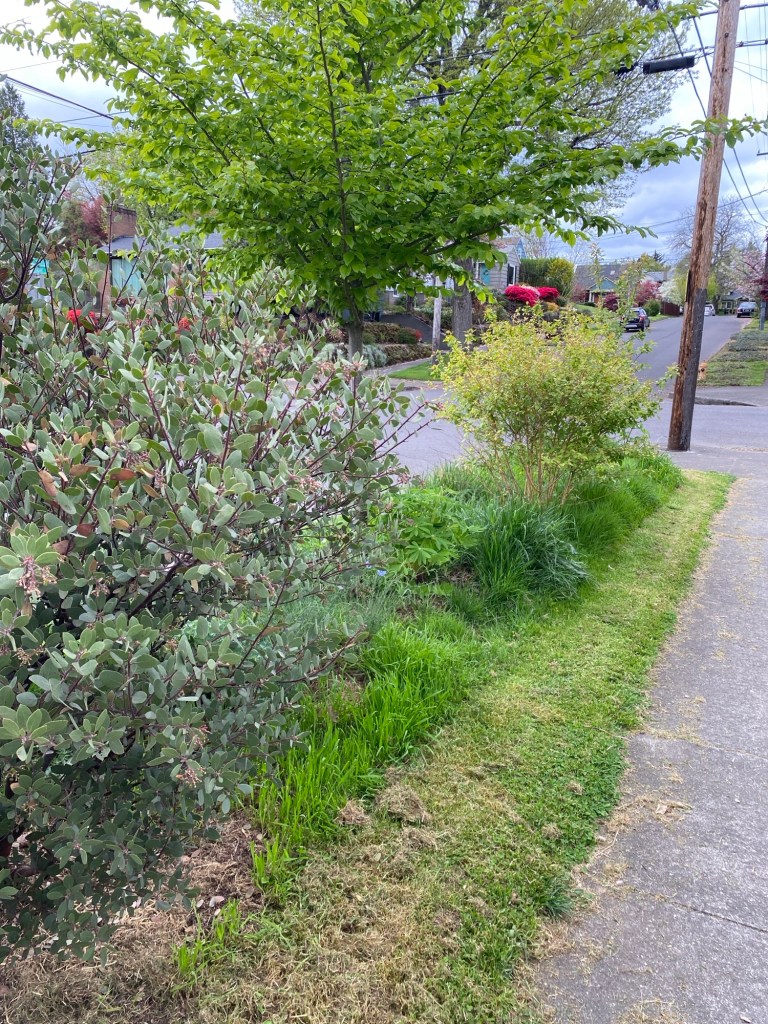
The overall effect looks like this in early spring.

I will continue to photograph the yard as the seasons go by to show how it changes over the seasons.

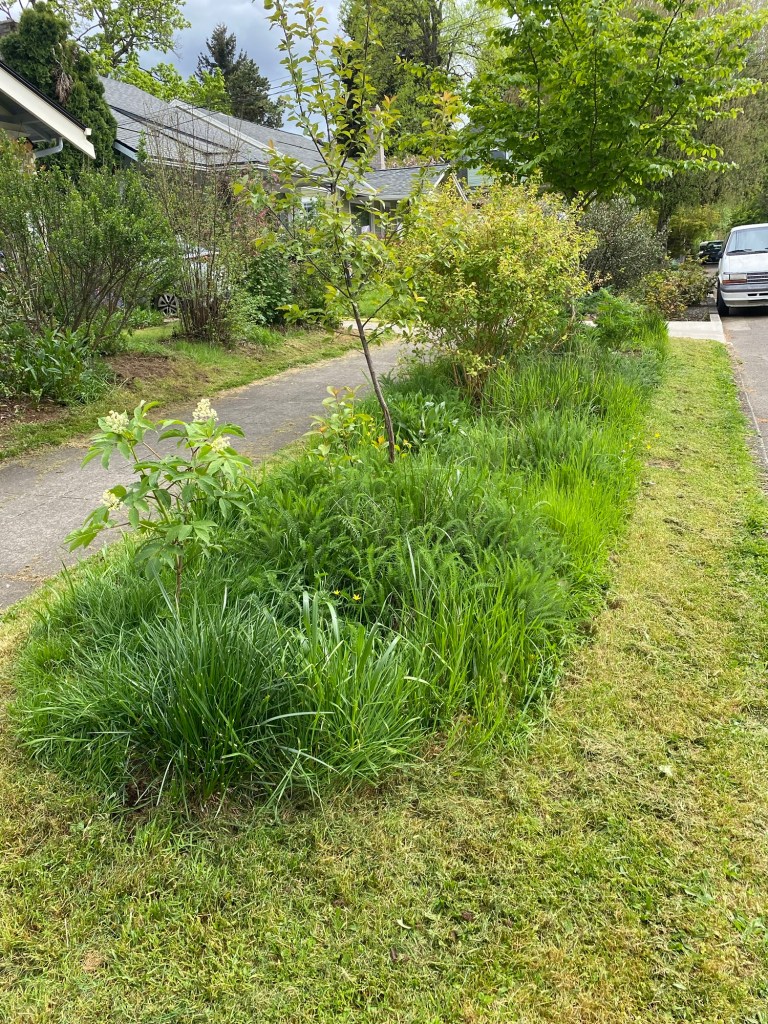
Small front yard
Space between sidewalk and street. In the middle is the tree called Persian Ironwood or Parrotia Persia, a city approved tree.
Front yard next to sidewalk

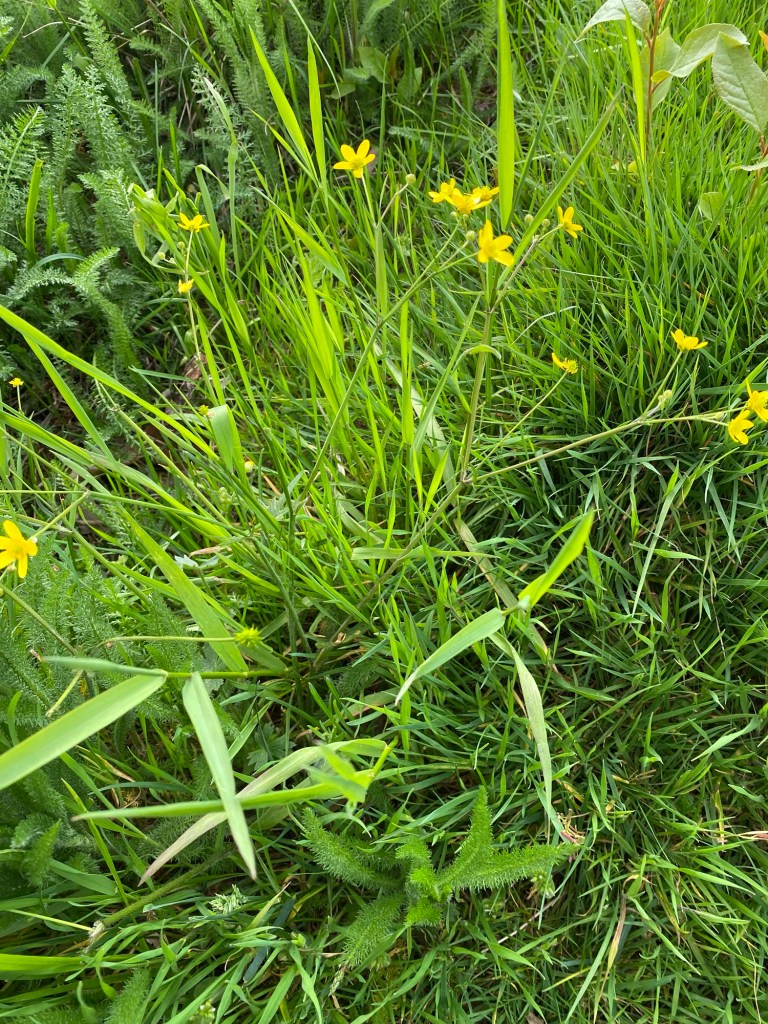
A tiny little yellow ranunculus already peeks through the grasses.

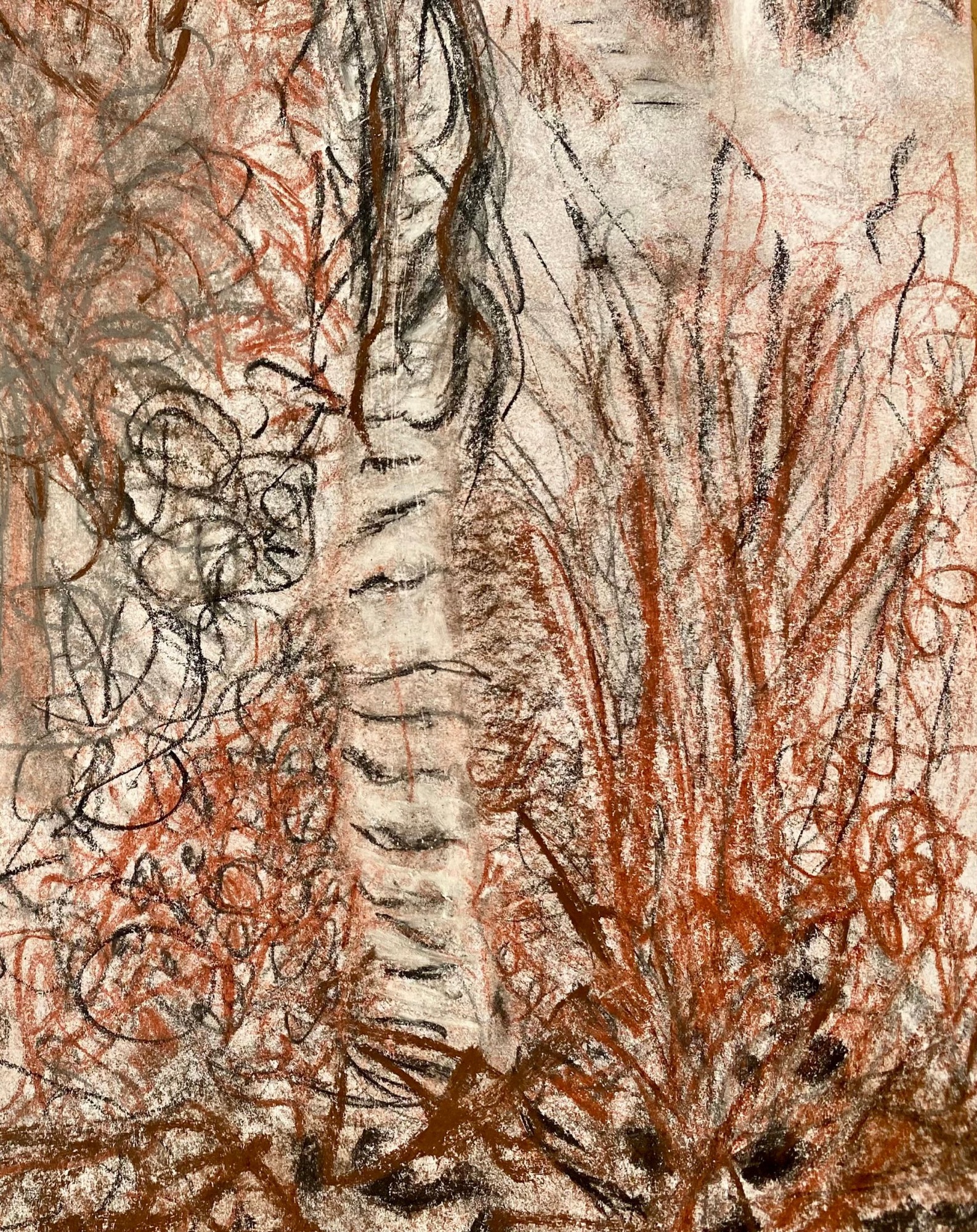
Underbrush

Thriving messily under trees and bushes, tufted into grasses as tiny wild flowers and leaves, we find the mesmerizing textures and colorful resilience of our natural lands. These undergrowths are quieted and hidden from the larger, more vulnerable open spaces where highways and buildings and mowed lawns exist. In these complex undergrowths, one senses the assurances of protection, the softened wind, the wisps of sunlight streaming through the curtained taller bushes and trees. Such locations are a tousled source of nests for birds, a safe nursery for young plants and a sanctuary for many, while offering artists a great source of infinite, playful texture for larger paintings.

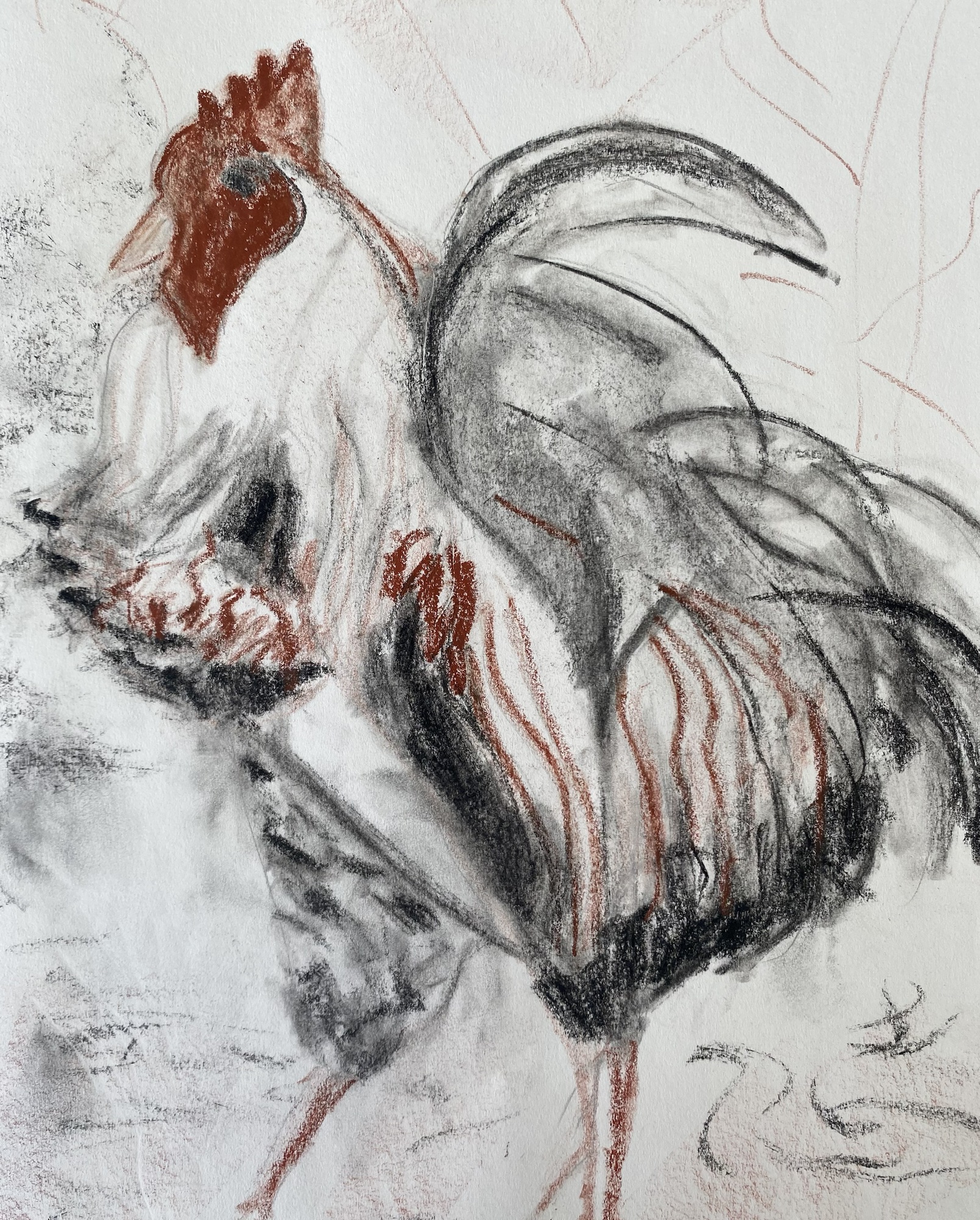
There he is, standing tall, legs ready to run if threatened. Who wouldn’t want to sketch him? Part of his value, is all those shapes and colors. He is a diagram of colored blocks and fluffy feathers. And such skinny legs.

Rooster, crayon sketch, MJChamie

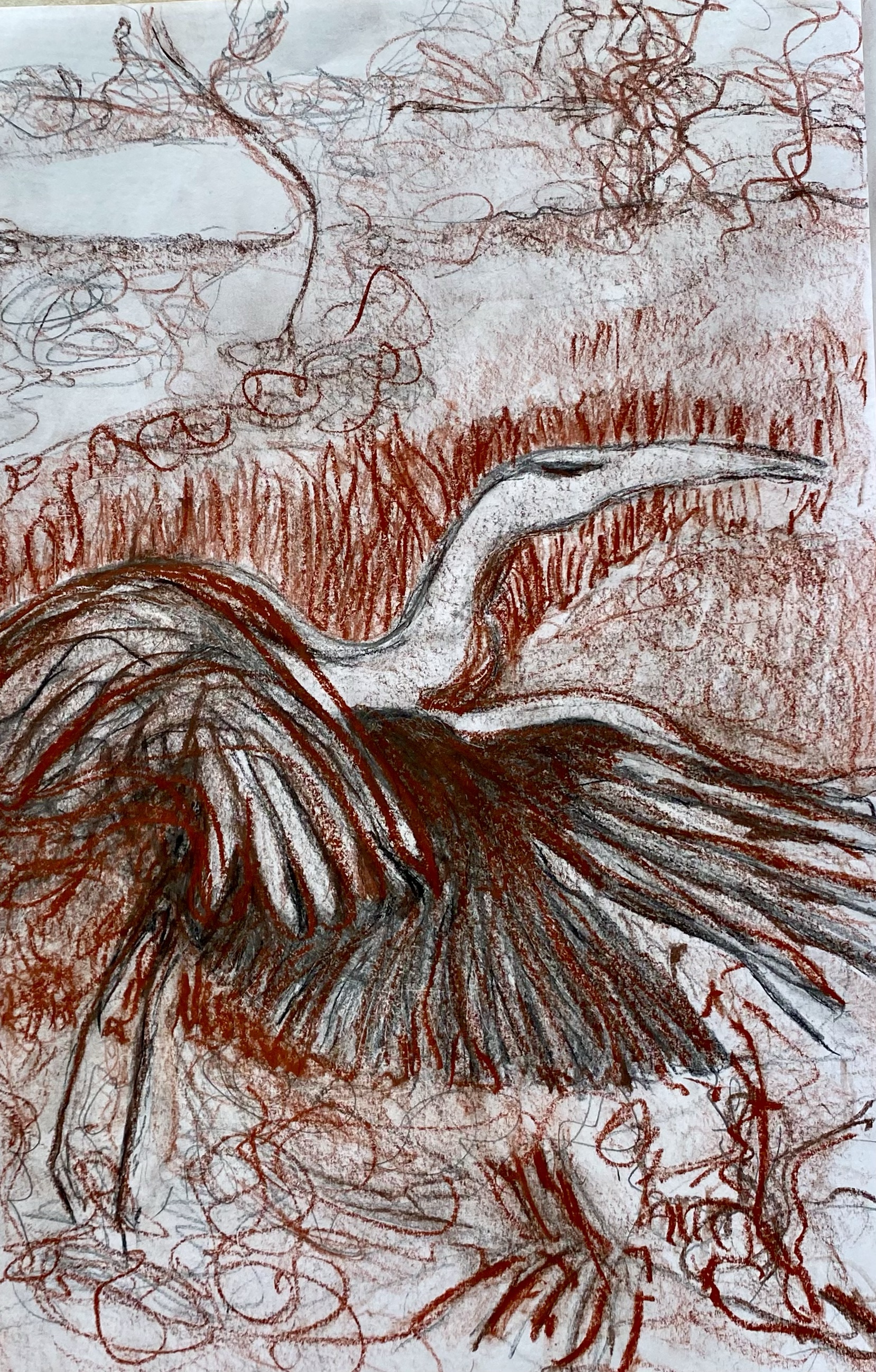
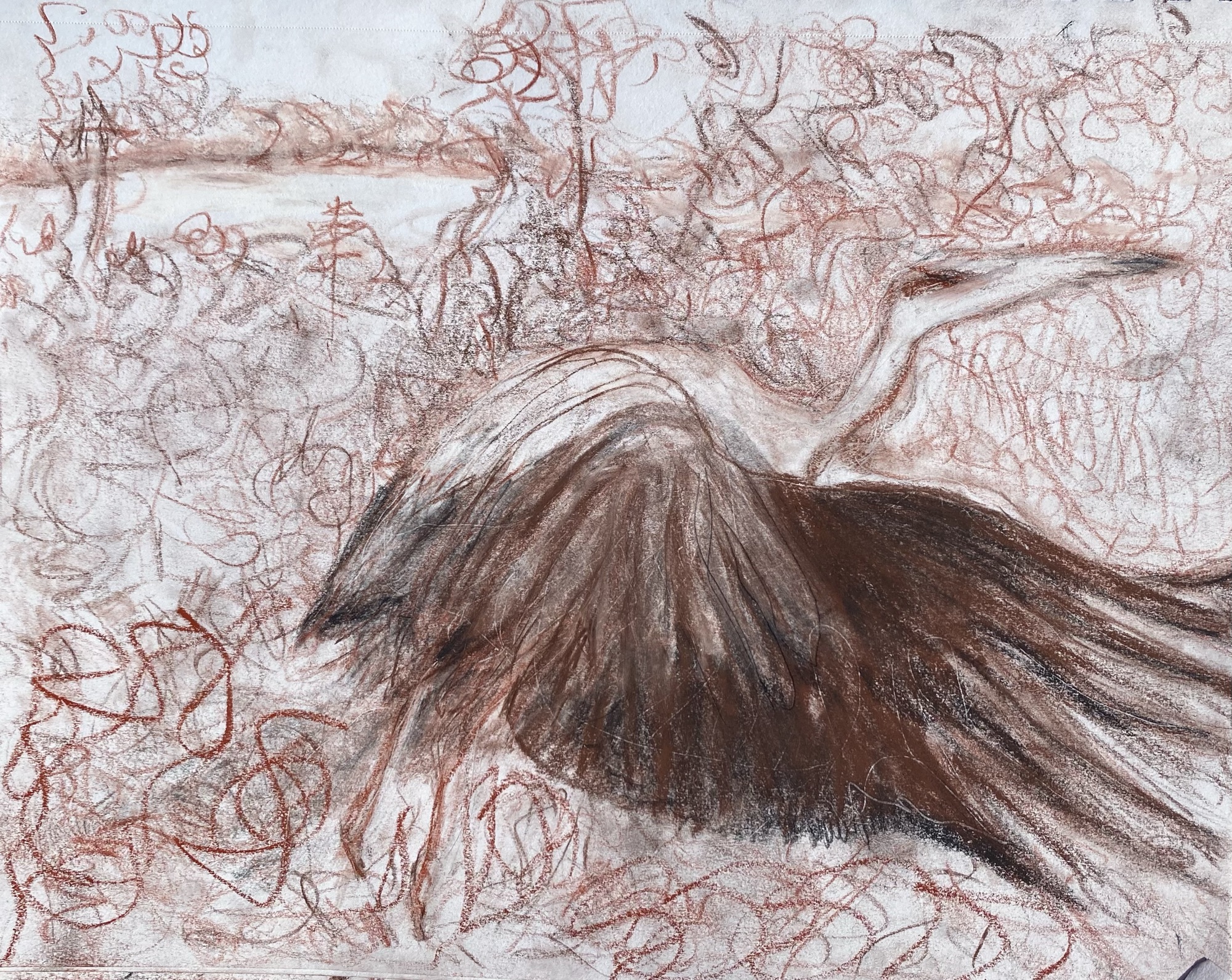
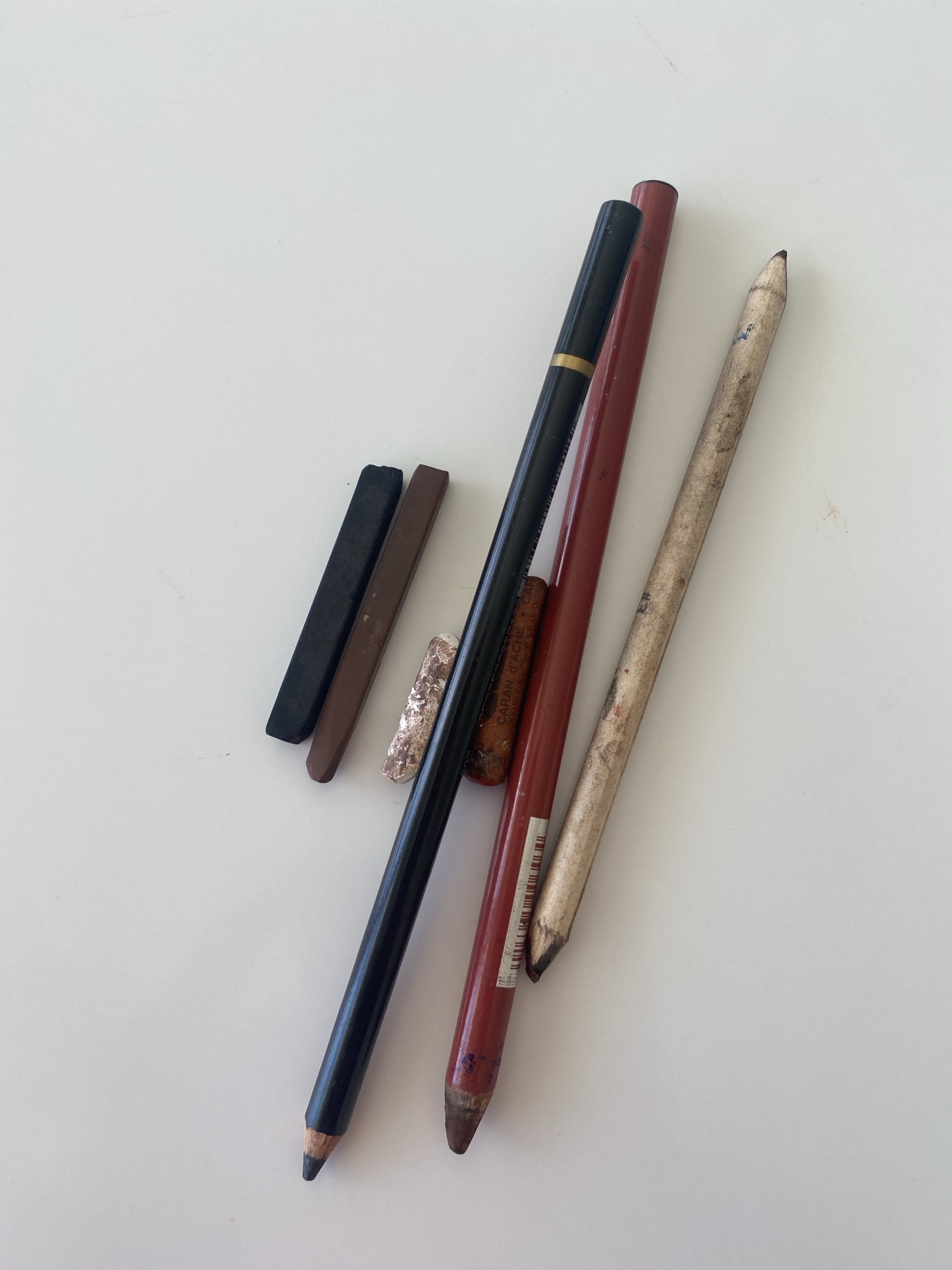
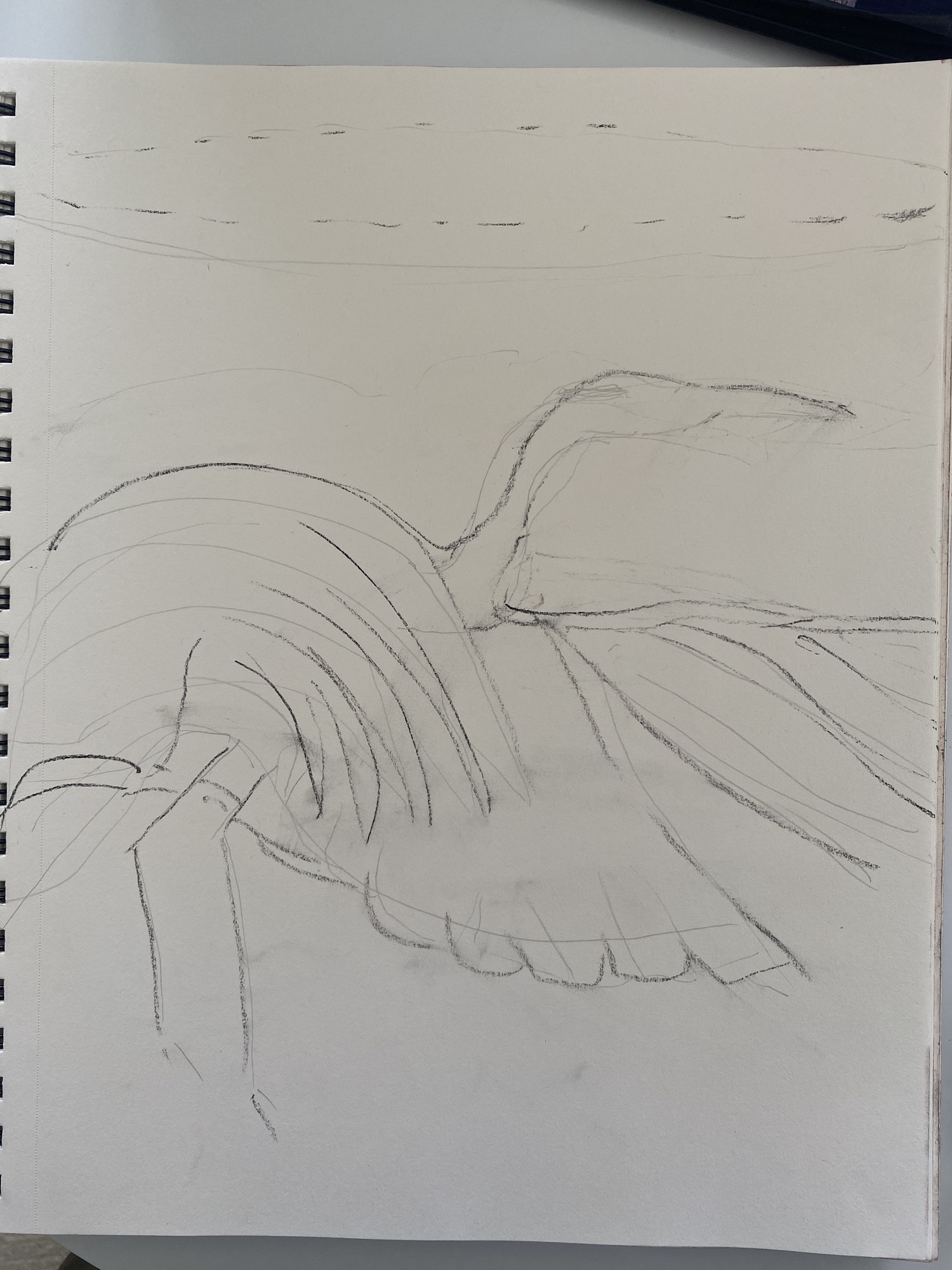
Sketching in the field with crayons, imagining how the heron feels and looks, quickly using pencils and erasers while on the fly, is fun. Below, are three renditions of the same bird that I keep in my sketchbook for planning a larger oil or acrylic painting at a later date.

The bird was flushed out of the marsh as we ever so carefully approached her. It is so exciting to see her wings flowing into flight, as she flaps her way out of the grasses and winds her way nearer to the water and farther from us.

How can I emphasize her majestic wings? How do the textures of a marshland get depicted so that she fits comfortably, seen and hidden at the same time?

There she is for that brief moment then up into the air and away. What did I see? What did she sense as she fled her surroundings for a quieter place?

Sketching tools

First lines – Structure

Such a beautiful bird. And now to reveal the idea of her in a painting. She will linger in my memory for quite some time.