Feeds:
Posts
Comments


Remember that day?


A neighbor of mine for many years  gave me a copy of his memoirs, in bound and printed form. It was a book he had written by himself, with no idea of publication and sales in mind. He personally chose the title of the book, designed the cover and had the book copied and bound for further distribution to his family and friends, as he saw fit. 


I read the book with great interest and then shared it with another neighbor who asked to borrow it, and since then it has been loaned to another person who is supposed to return it to me when they are done reading it.  I am happy to share the book with others.  This book is not sold in any stores.  There are probably only 20 or 25 copies of the book in its entirety.  It is a book that is likely to be cherished for years to come owing to the fact that we all enjoy reading about the life of a friend or family member when it has been so carefully laid out and presented.

My neighbor is a retired architect who had a very successful career  in government who has authored numerous technical manuals and bureaucratic reports but never until now, a book he could call his own. The book he gave me as a gift is about his life, not his career.  It is about his childhood, not his life at the office.  It is a story about introspect and old friends, people who inspired him, people he loved, or who puzzled him.  In his book he tells funny stories and relays charming moments that changed his life forever.  I really enjoyed reading his stories.

He and I talked at great length about the value of writing such a book, a personal book to be shared with family and friends and not a book to be submitted for publication, reviewed, edited and the like. Its purpose houses no future career.  He doesn’t want to sell the book to make money.  He wants to share his ideas and perspectives in printed format, and he has done so, very successfully I might add.

Personal writing can become part of a larger story.  Professor Lillian Schlisser published an historical book based on the letters and diaries of a hundred women who took the trip across the continent to Oregon or California between 1840 and 1870 in covered wagons. Without access to their hand-written notes their stories, Professor Schlisser could never have written such a personal narrative that unfolded so beautifully into an historical perspective.

Personal writing often goes beyond straightforward documentation of what happened.  It may also open the mind to think more imaginatively and creatively.

Tara Parker-Pope of the New York Times reviewed research showing personal writing may lead to behavioral change and improved happiness.  Through writing and rewriting our stories, we may change personal perceptions about ourselves and others ultimately leading to improved health.


One thing I wanted to do but never got around to doing until I retired, was writing a novel that exceeded the boundaries of my professional, scientific and technical world that I lived in for most of my adult life.  My desire was to write stories that  are free-wheeling, imaginative and footnote-free, largely based upon personal experience, but not limited to it.

Years later, my personal novel and a series of short stories are written and re-written numerous times.  Chapters have been added, deleted and merged with other chapters.  Dialogue has come and gone.  Characters have appeared and disappeared.

It only required me to take moments out to write and rewrite.  There were no travel costs, no public speaking engagements because of it, no stress over trying to sell it.  It just is.

These unpublished stories are slowly developing a life of their own.

I open up my computer and see them on the screen and always enjoy relating to them.  Sometimes I rewrite a paragraph, reformulate a dialogue, redo a paragraph, choose or delete a word.

It is one of the most enjoyable things I have done, on my own, for no one in particular.

Picking up a Romance Writers Report dated May 2015, I scanned through and saw an announcement on page 15 listing romance writers who had died between March 2014 and March 2015 and it included on the list, Gwynne Forster.

She was Gwendolyn Johnson Acsadi, a demographer who was formerly a chief of section in the United Nations Population Division.

In the mid-1990’s, we spoke when she retired from the United Nations.  At the time we were neighbors at Roosevelt Island, an island in the East River of New York City.

I asked, what were her plans?  

“This may surprise you, ” she said, “I am learning to write romance novels, writing under the pen name of Gwynne Forster. I would appreciate it if you would keep this a secret because I am trying to keep my publications as a demographer and romance writer separate.”  

Her decision to shift into such a different field intrigued me, and I could not help but follow her accomplishments over the years from successful demographer to accomplished writer of romance novels and  pioneer of African American romance fiction.  

She ended up merging these seemingly disparate experiences by using her research and demographic expertise to form stories. She took studies about birth and death, sex and reproduction, the consequences of unplanned pregnancies, issues of social class, economic poverty and brought them to life in the world of romance novels.  An illustrative example is shown here, in her book Fire Down Below.

At the bottom of the page of the Memoriam was a quote by Margaret Atwood saying,  “In the end, we’ll all become stories.”  
The question then becomes, who will write them?
In Gwen’s case she delivered her stories to us in a well planned package.

A friend of mine told me he asked his brother if he had prepared a will and his brother replied, “What do I need that for?  I’m not dead yet!”

Kenny Rogers, when he sang “The Gambler” sang “You’ve got to know when to hold’em,  know when to fold ”em and know when to walk away and know when to run,” and this rings true not only for holding cards but also for furniture, clothing, old sports equipment and dishes, pots and pans and magazines.

A recent article by Elizabeth O’Brian called  The Power of Positive Purging Your Stuff says that “while a monetary gift is sure to please heirs, an overstuffed house presents a more complicated inheritance”.   

Imagine inheriting a house with a sign placed over the door saying it is  The Museum of Things We Forgot to Throw Away Just In Case We Might Need Them In The Future.

We spend so much time and money on  expensive gift wrapping and bright ribbons to wrap gift items, but don’t necessarily view our plans for inheritance in the same way and often leave it to be presented to the receiver unwrapped, or at least poorly wrapped in newspaper or heaped up in cardboard boxes and the like, complicated by weak instructions as to where all this stuff is supposed to go.

Giving someone a streamlined, well-prepared transfer of funds, furniture and funk, is not so hard.  It just takes a bit of energy and a slight change in perspective.

Not too long ago, I blogged an article on my own personal experience on becoming a minimalist and another on a strategy for getting rid of old things and another on simple steps toward  estate planning.
Yes, this did mean looking at the future and realizing I won’t always be in it.  That is not the happiest thought, perhaps.

But it is also not very pleasant to look ahead and see piles and piles of items left in heaps for others to sort through, and to imagine already exhausted adult children,  holding down jobs and taking care of their own children, trying to straighten out the mess of unexplained transfers, while in bereavement.

Setting up a gift package is turning out to be a happy, enjoyable activity, freeing me up in the process to do some of the things I always wanted to do, since I am no longer holding down the fort on so many “no longer necessary” things.

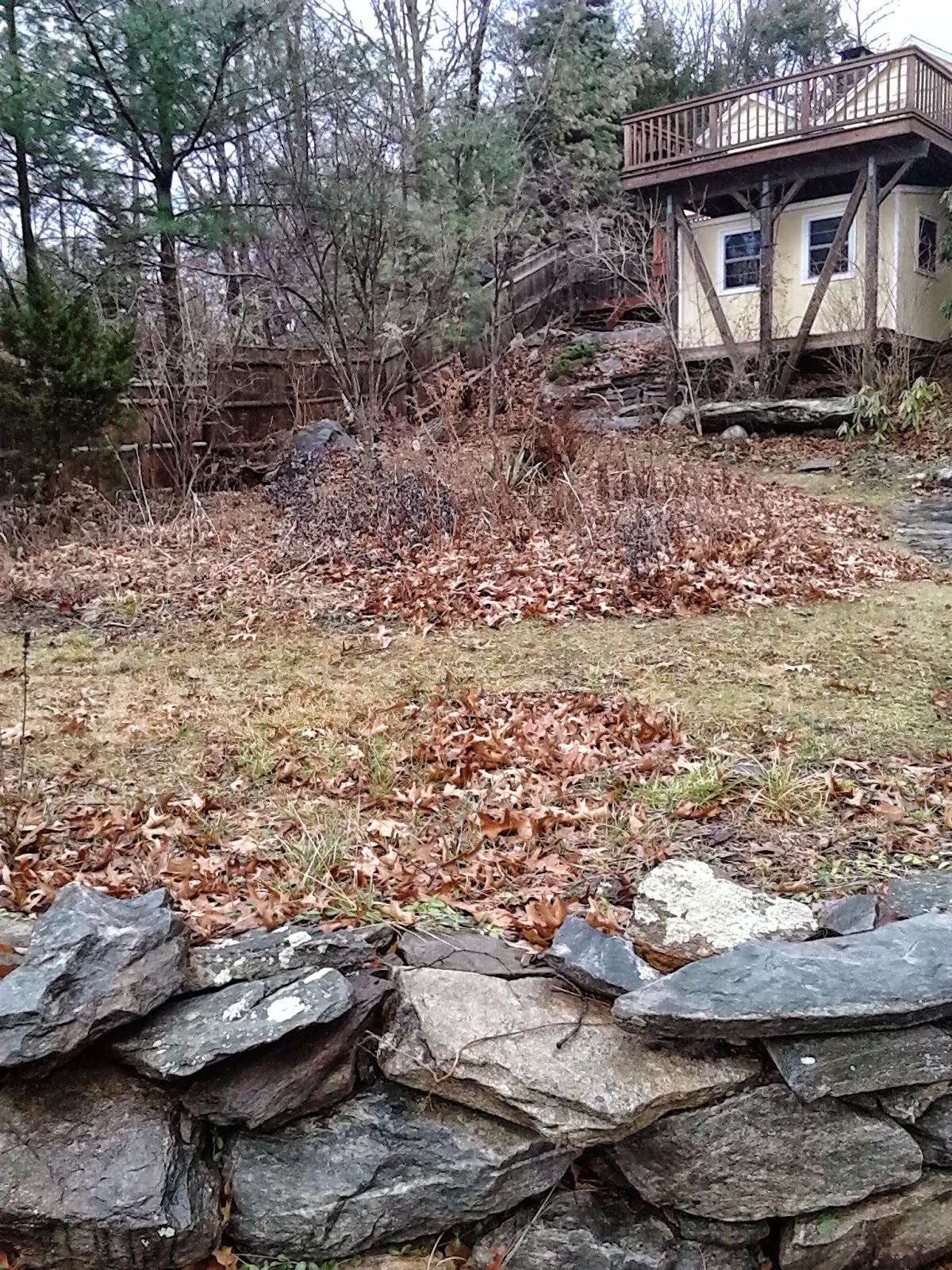
One of my readers asked to see how our cottage garden looks in the winter, so here it is.

The garden now looks like part of the woods.  It is tamped down and waiting for more snow and freezing cold.  We will do nothing more with it until we rake some of the leaves off in the spring for mixing in our composter.

I will photograph the garden again in the spring and add it to this site.

Just after I took this photo, Joseph shouted from the deck for me to turn around and look at the lake.  Much to my amazement, when I turned around I saw a pair of Bald Eagles flying by, looking so magnificent.  Sorry that I did not catch a photo of them, but I will remember this moment for a very long time.  In real life and at this close range, they look very regal.

Quiet Island Life

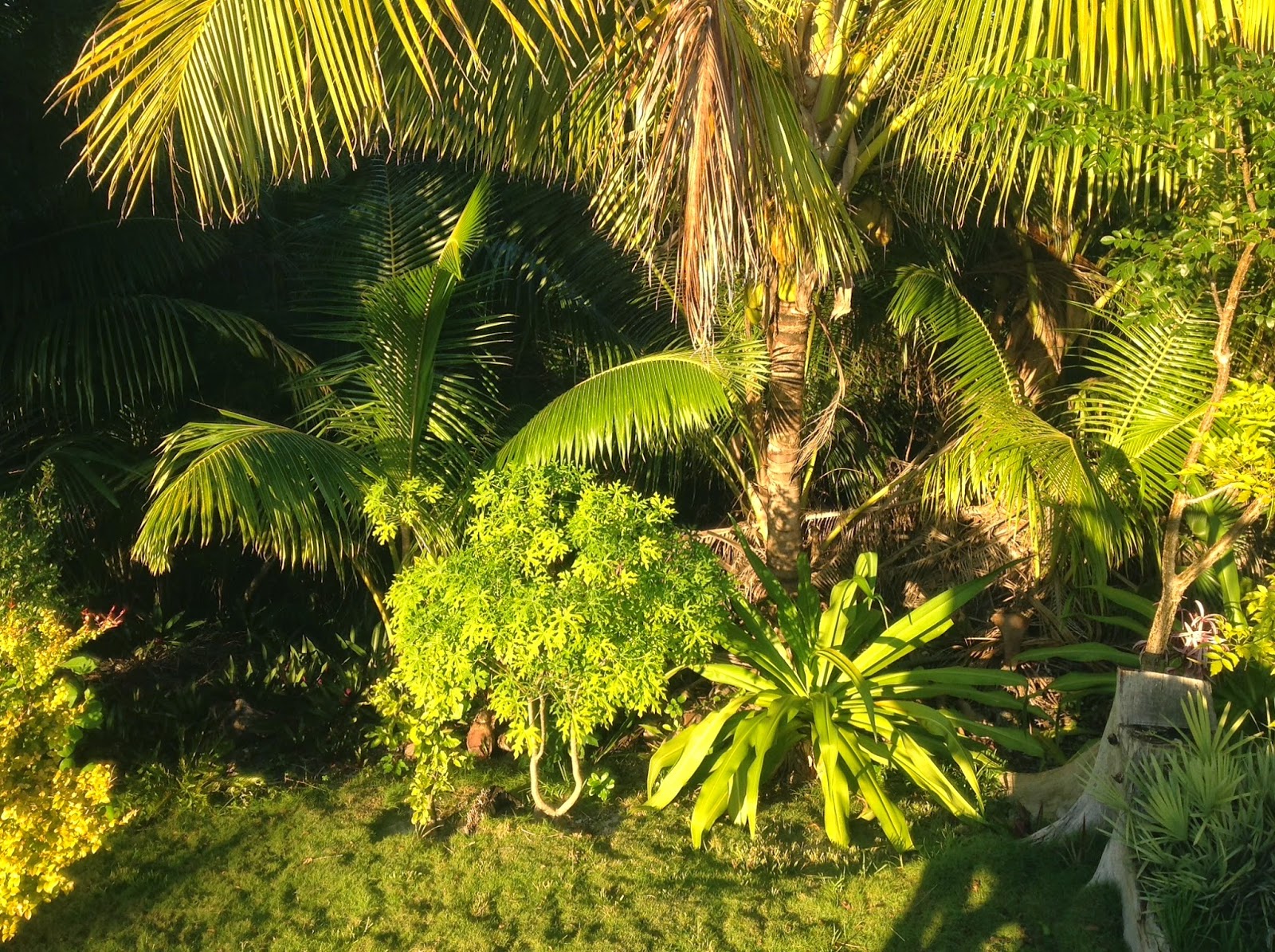
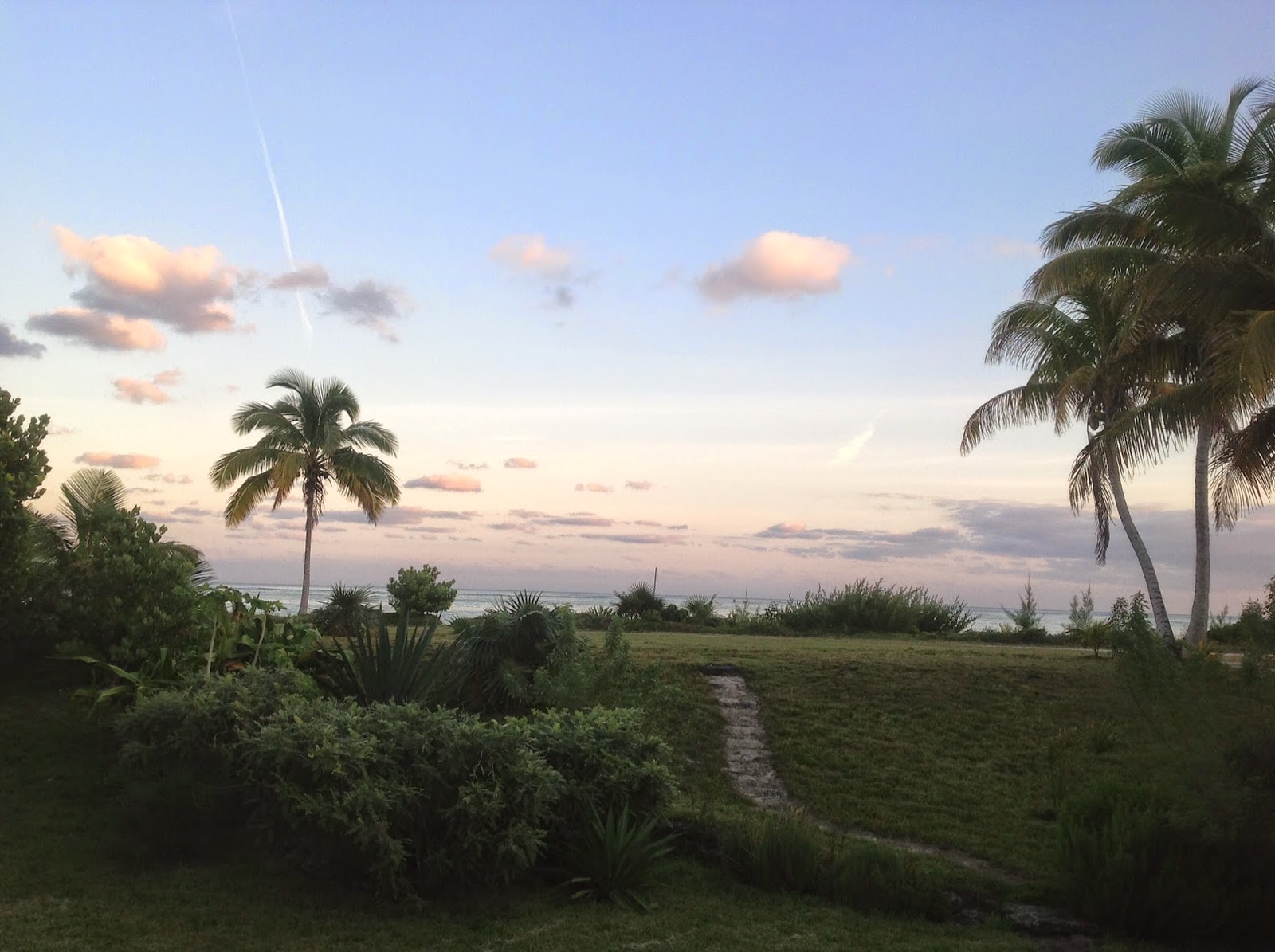
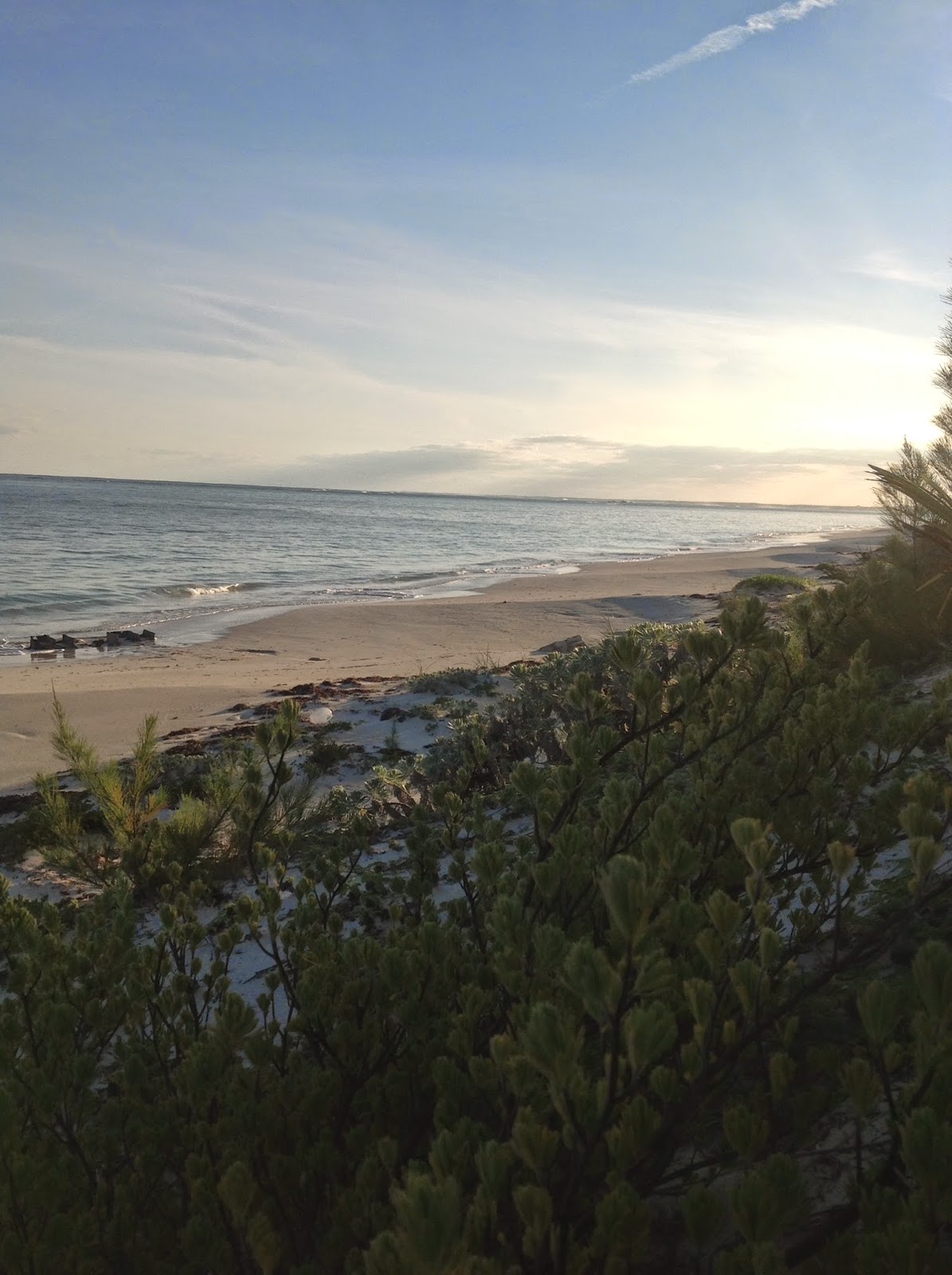
It is so pretty this time of year on South Abaco island. The greenery is lush, the weather is mild, the water is warm, the silence is enormous.  Our ears feel as though they might implode from the peace and quiet.

The front yard is green, lush and relaxed. Stillness prevails.

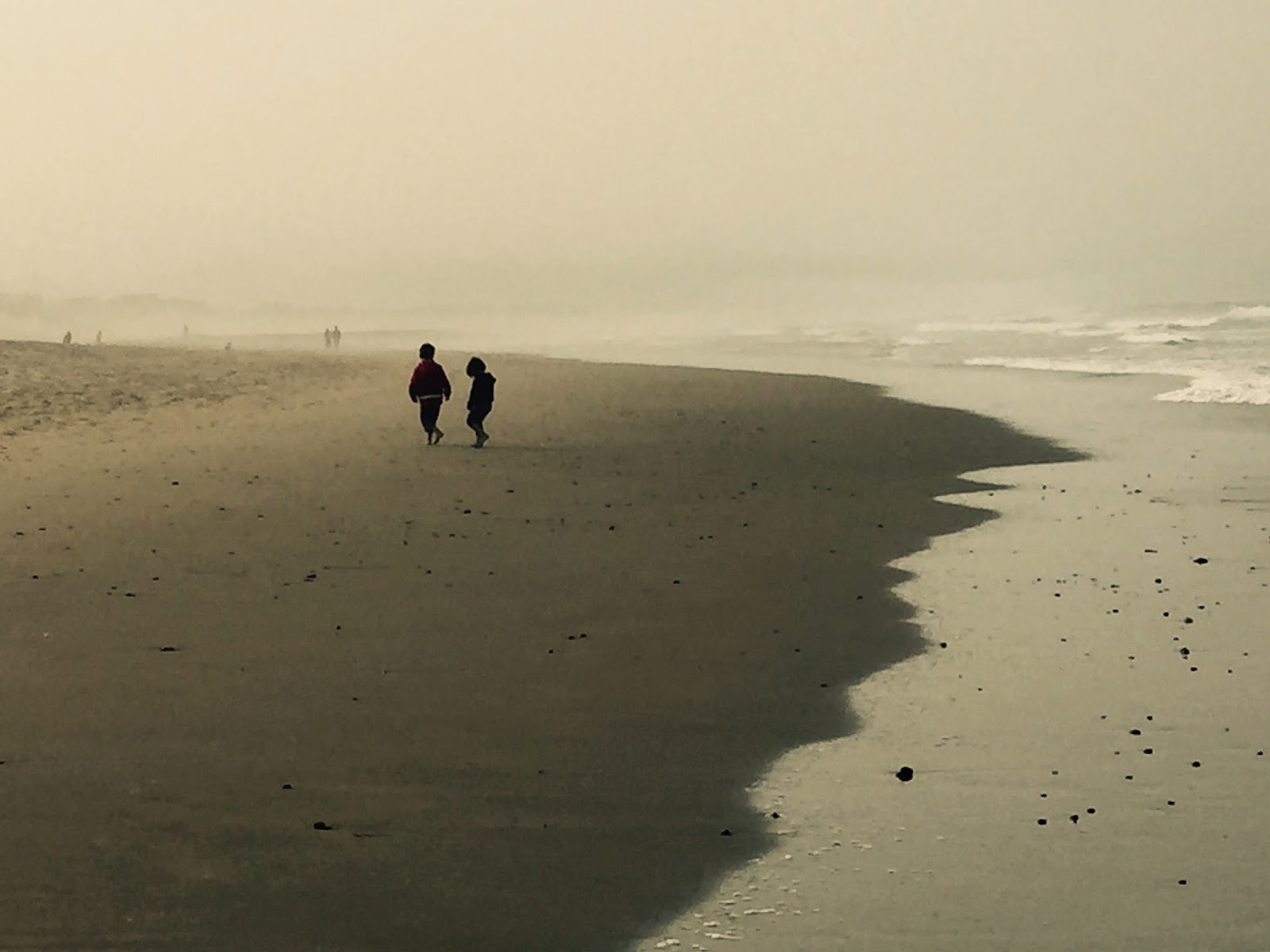
The beach has no one on it.

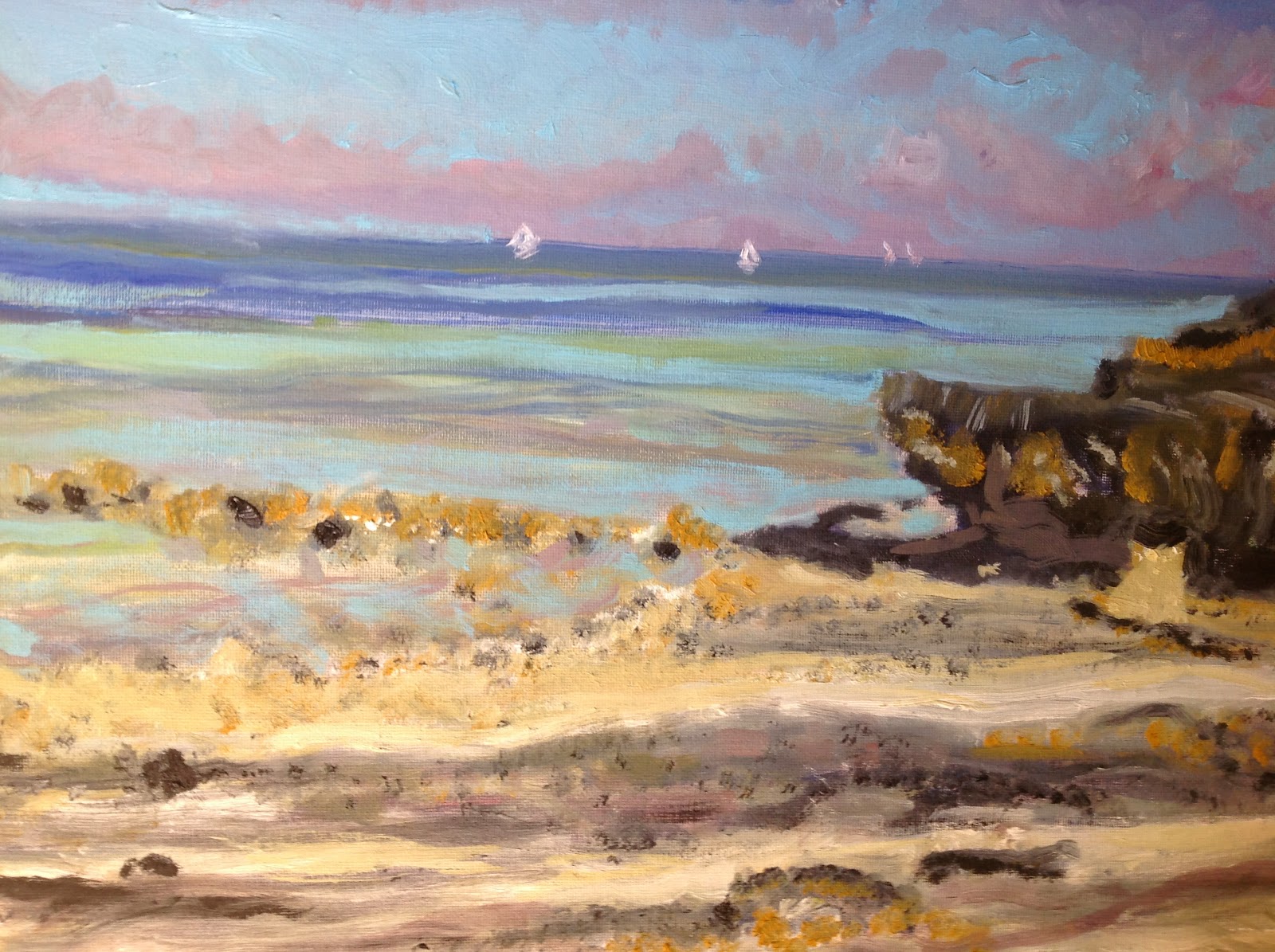
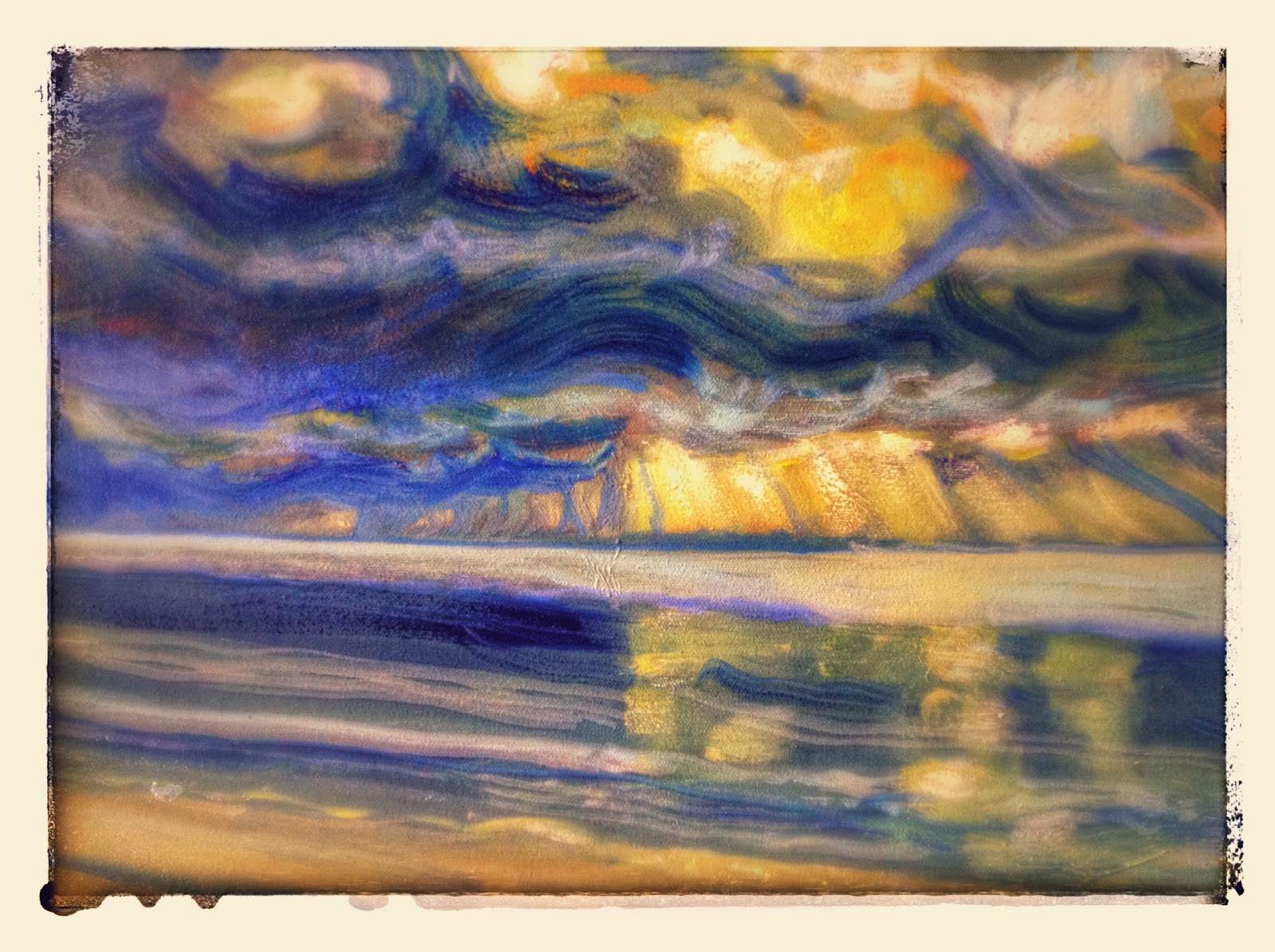
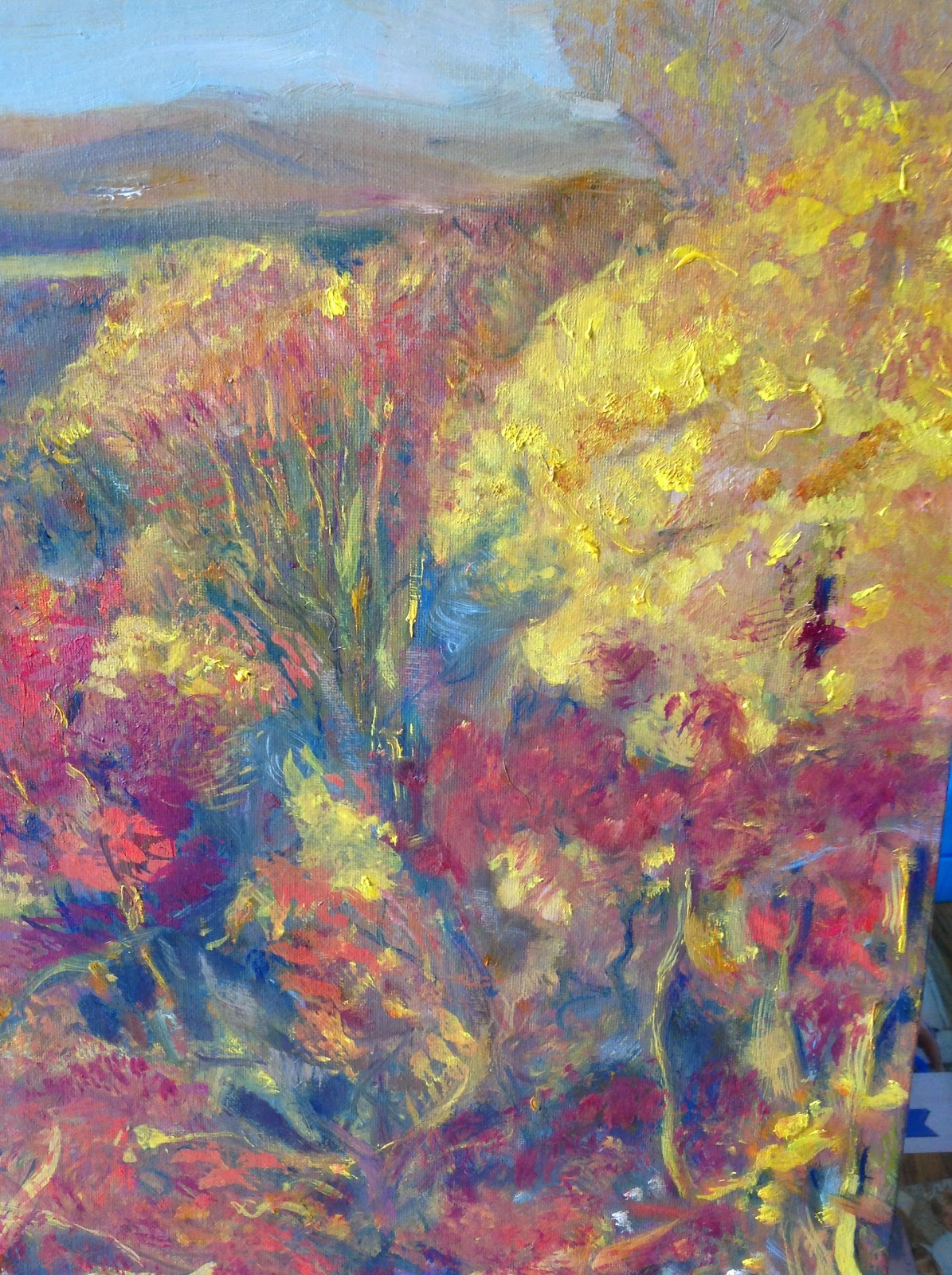
Just this month I became a student of oil painting, something I always wanted to do, but never took up owing to other obligations.  

Until now, my painting experience centered on kitchens and bedrooms. This time, I took on painting for fun.

The Oregon Society of Artists (OSA) provides classes and workshops and also runs a gallery.  Its main office is right here in Portland and opportunities for learning and experiencing art abound.

My current teacher is Michael Orwick, a strikingly good artist. Michael teaches a weekly session at OSA where we have learned so many valuable things about palette, form, value, structure.  He makes us brave and encourages us to freely redo things, and to not get frozen early into a painting from which we cannot free ourselves up to try new things.  

Michael Orwick also emphasizes to us that art is fun. Just this last week he  engaged in a painting duel with another colleague leading to lots of laughter and entertainment.  It also resulted in two very beautiful paintings.

A few months ago, through the Oregon Society of Artists,  I also attended a  one day workshop of Marcus Gannuscio where we worked to learn how to paint the human head and face more quickly and accurately, using oils.  We worked to complete a painted portrait sketch from a model in one session.   I found the lessons learned from this class useful even when sketching non-human forms such as trees or houses because what he focused on in the class, was perspective.

I like it that these very outstanding artists see the need to encourage the rest of us to play along with them.  Just like sports, there is room both for professionals and amateurs.

Now that I have started to learn about oils, here are my first observations.

First, oil painting is very forgiving.  This versatile activity allows one to quickly shift the perspective, change the light, subtly move a shape or alter a color  all affecting the painting in a matter of seconds.  Nothing is permanent.  All colors and shapes are malleable. We don’t even have to wait for the oils to dry before we move on, or change them around. The fact that oils are so forgiving brings space and opportunity to the canvas.


Second, planning ahead improves the outcome.  Setting the structure of the painting and thinking ahead on what perspective and viewpoint one wants to project, deeply affects the results.  I have discovered that oil painting, like writing and for that matter even research, is greatly enhanced by planning ahead and envisioning a structure ahead of time.

Third, oil painting frees the mind and encourages meditation.  Oil painting opens up the mind and frees it for time to think, for meditation, speculation and wonderment about the world we see around us.

Fourth, oil painting is ceremonial.  Like a Japanese tea ceremony, oil painting has a tradition. The way in which we bring out the brushes, set up the canvas, put up the easel, prepare the palette, sketch the plan, lay out the structure, choose the values and colors, is all very ceremonial. There are strong traditions attached to each event and they vary by artist. There is even a tradition in the act of painting itself by looking closely at something, then squinting to look at it again, walking away and coming back to take another look, all leading to new observations, unfolding right in front of you.

Oil painting is both the art and science of ceremonial observation, put to the test with a brush and some oil paints.

I am so glad I finally remembered to take up oil painting.

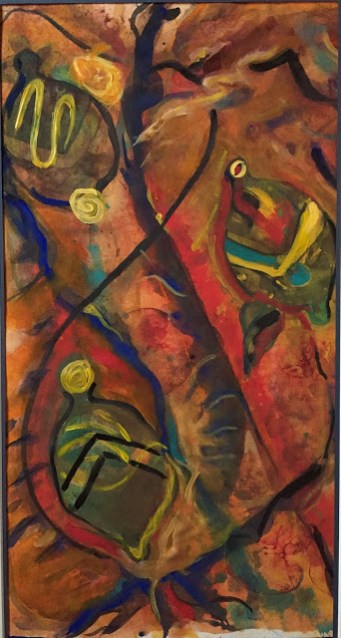
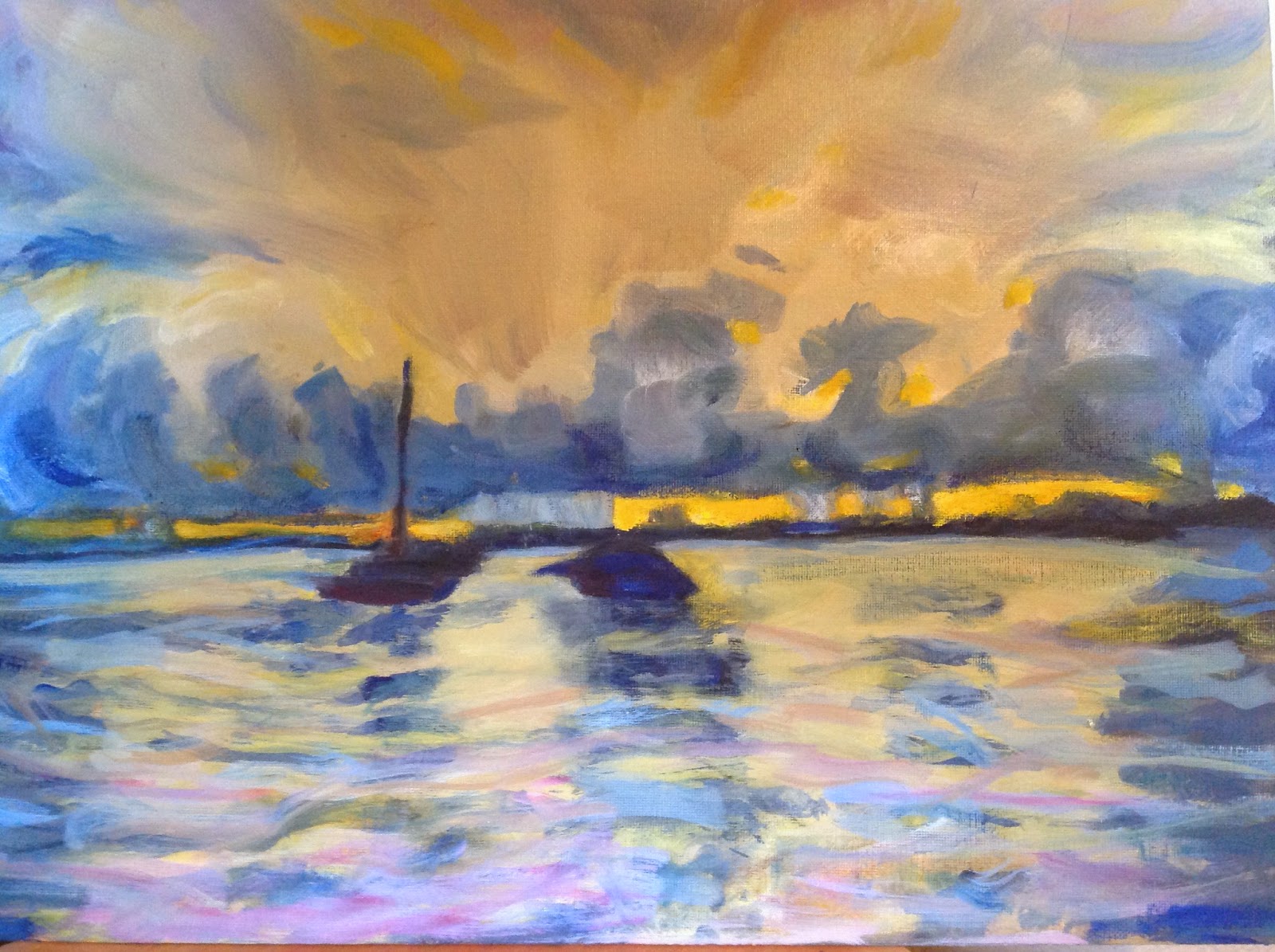
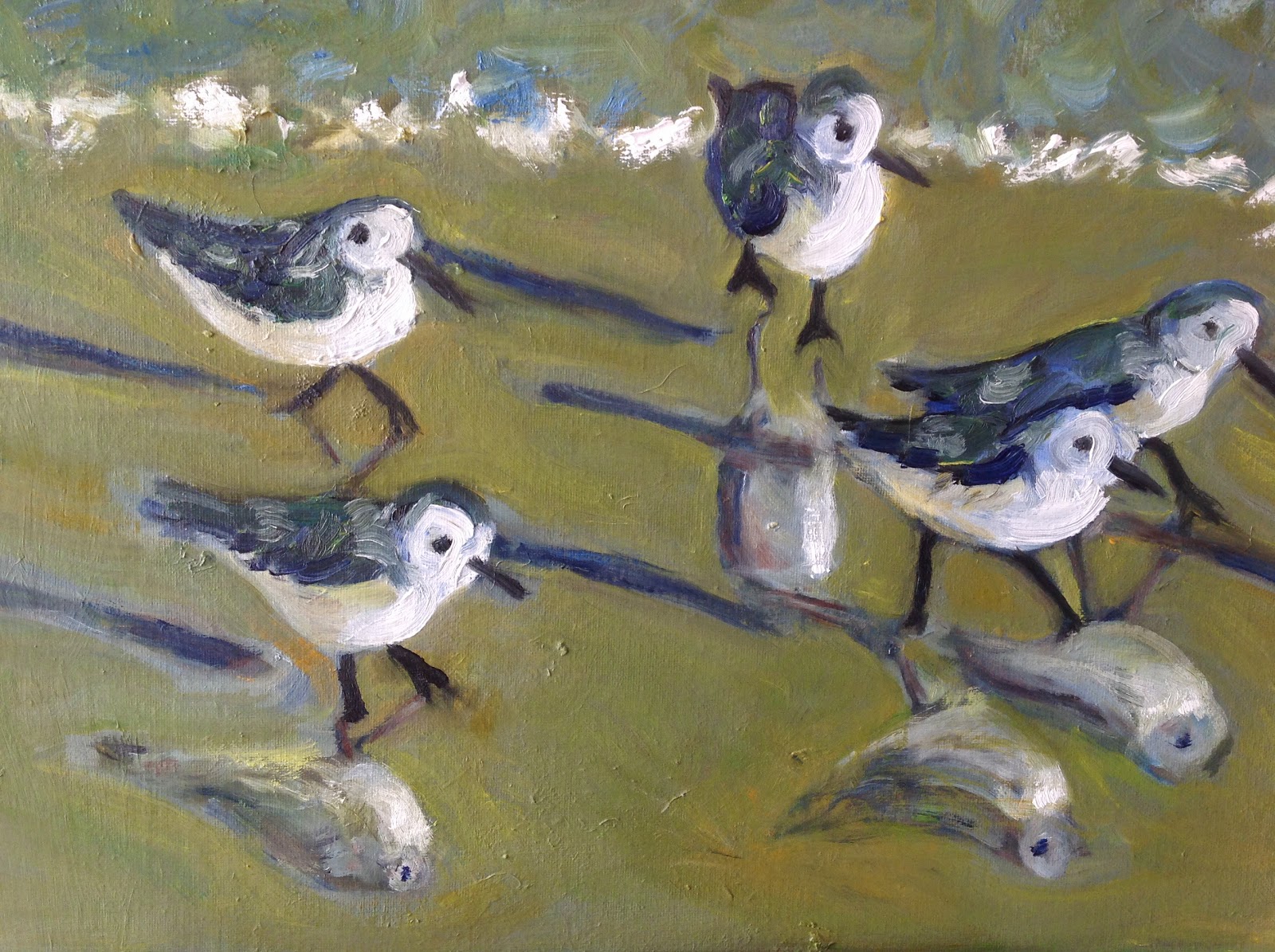
Below are some of my first experiences with brush and paint, each one providing me with a new perspective on what I see.  No doubt, as I continue to learn, the style and color and depth of new paintings will emerge.  There is no longer such a thing as a finished work.  All works are unfinished, subject to change, open to a revisit.  

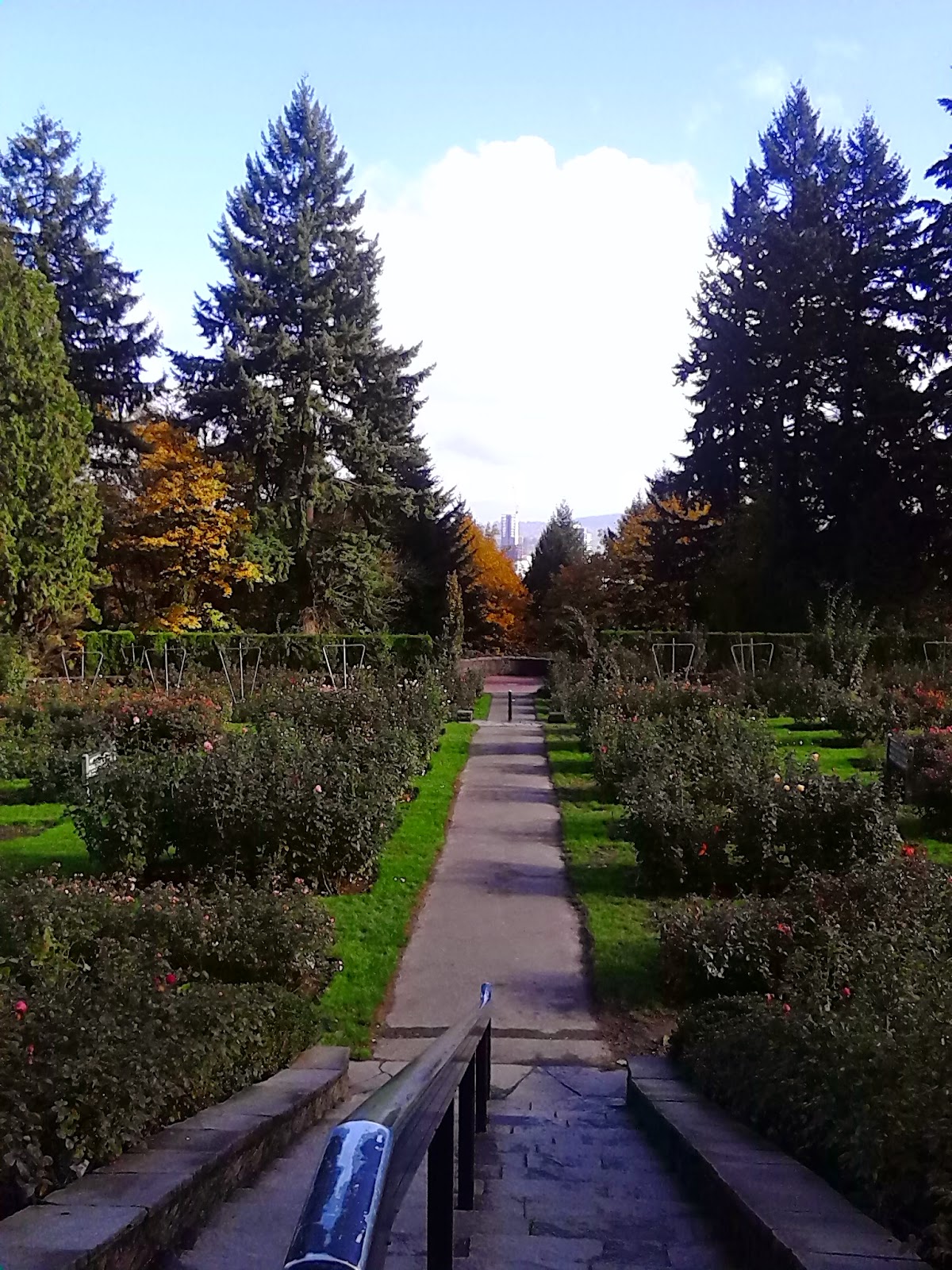
Winter Rose Garden

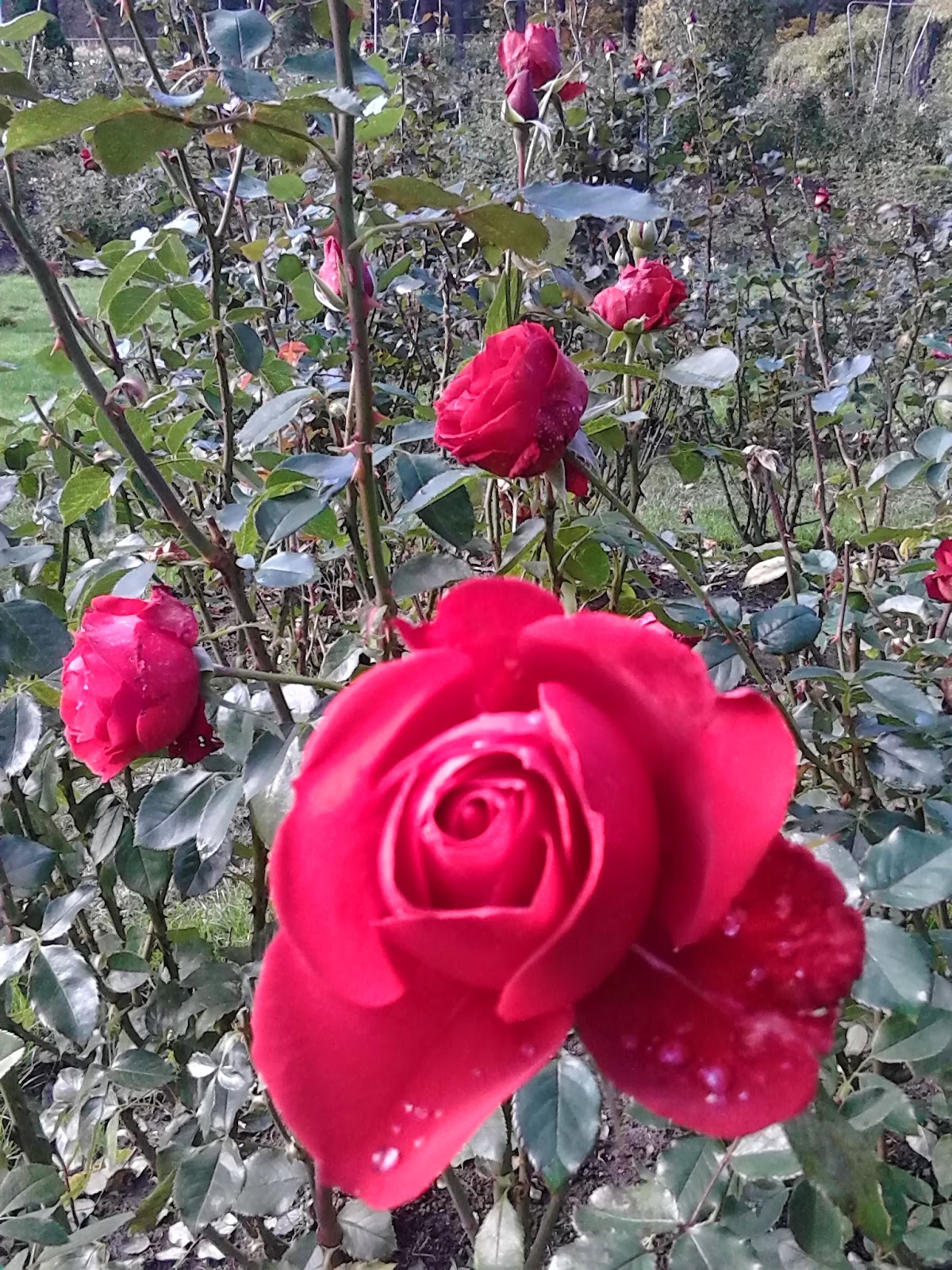
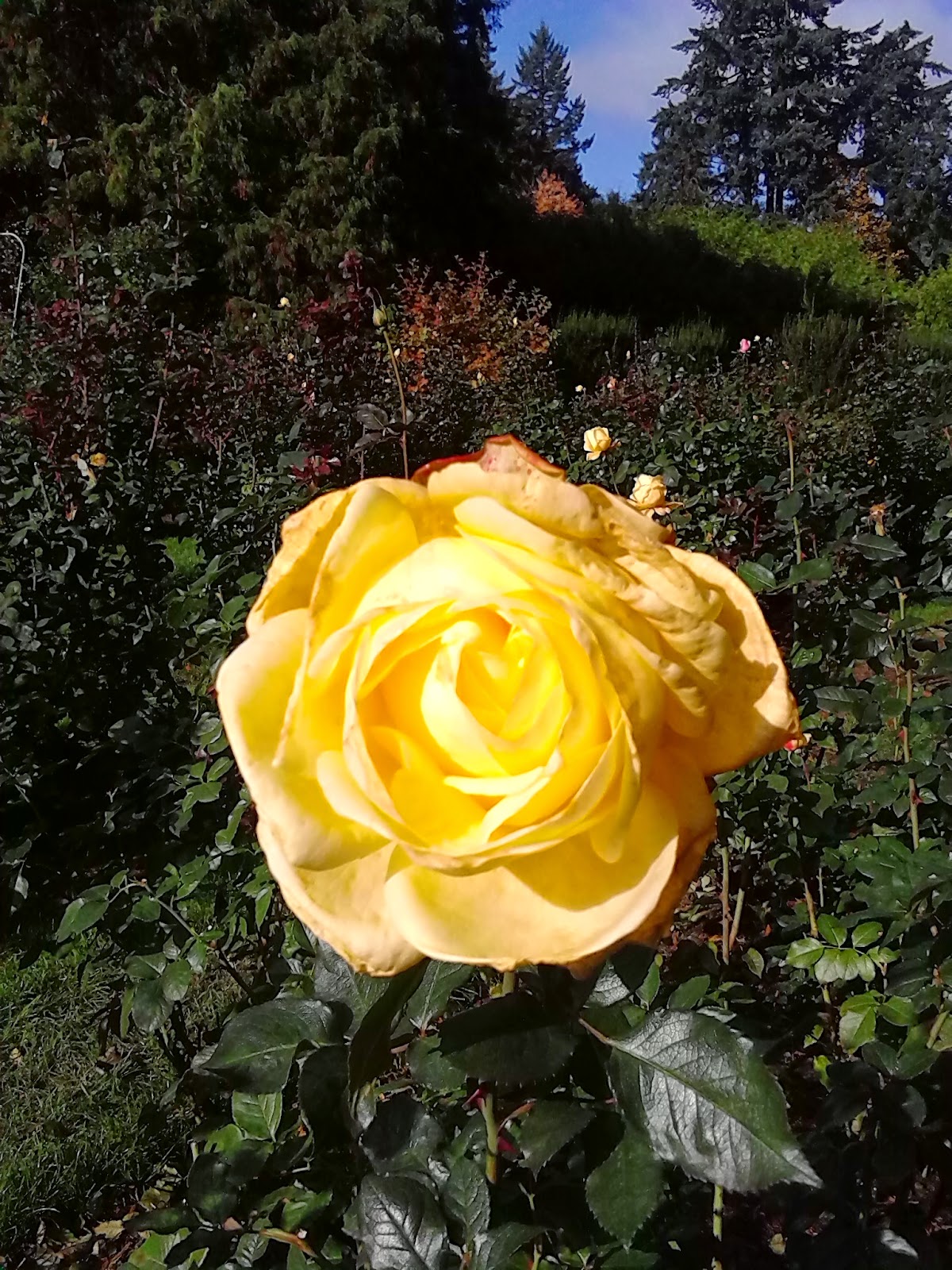
Yes, it is winter in Portland, but the flowers are still beautiful.  

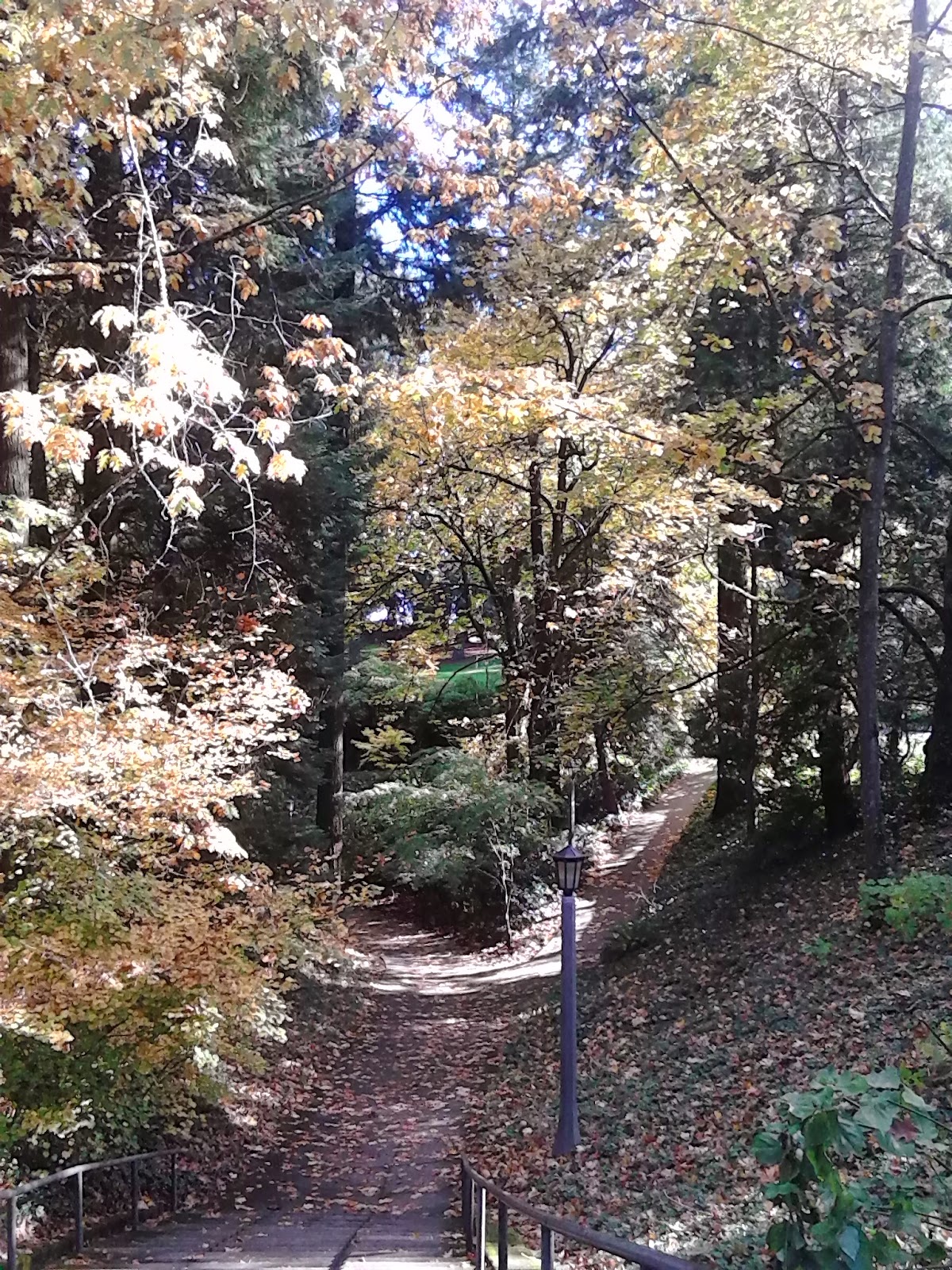
We walk for seven blocks through the city and suddenly we are on the edge of Washington Park, a 40 acre park we walk through to get to the Rose Garden.  

Today we hiked up the 220 steps to the top of a big hill on the way to the gardens.  The walk through the woods is so peaceful.  
It is hard to believe we just crossed Burnside Street in heavy traffic to get here.

We march up and across to the gardens, where things go from wild and natural to beautifully formal.  

The city looms in the distance.  
We take a few minutes to look at some of the flowers up close, then head on home.  It is roughly a one mile trek, and worth every minute.  

Since we arrived in Portland we have been working on a Concentric Circles Discovery Program.  We start from our home with the closest possible restaurants, parks, stores, and places to visit and then slowly work our way outwards, in a circular fashion.
Less than a mile from our place we have discovered the Rose Gardens which are absolutely beautiful.  We walk there almost every day.  It is uphill all the way  and offers us the possibility, if we wish, to take a short cut that includes marching up 220 steps to the top of a hill before reaching the rose gardens.  If we are not in the mood for taking all those steps, there is a road we take instead that zigs and zags its way more humanely to the top.
We have also visited the Japanese Gardens which are 350 feet farther than the Rose Gardens.  They, too, are absolutely beautiful.  However, there is a fee for visiting the Japanese Gardens, while on the other hand, the Rose Gardens are freely entered.
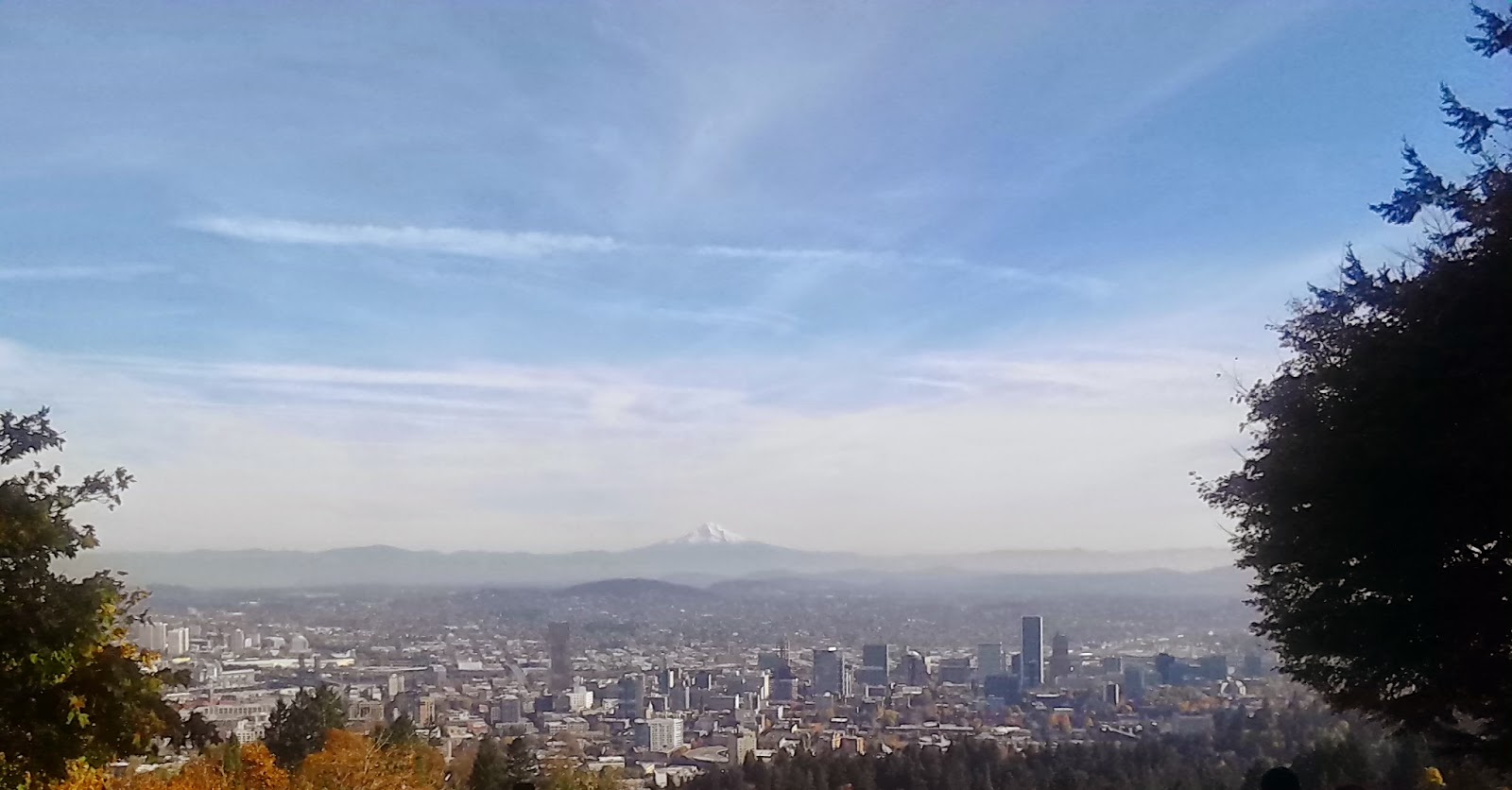
This week, we discovered Pittock Mansion which is  about 2.1 miles walking distance, from our place.  We drove up there on Saturday, and this was the view (see below).  One sees downtown Portland, Oregon and Mt. Hood  in the background looking so powerful and beautiful.

 Today we visited Pittock Mansion again, but this time we walked through town and then zig-zagged up to the top,  a very good aerobic work out.

On the way down, to reward ourselves for the walk up, we stopped at Basta’s for happy hour where we had the best pizza and lasagna to go with a glass of wine and a glass of beer.

This is really too much fun.

At this rate of speed, we will be busy walking in concentric circles to interesting sites for years to come.  

In an emergency, what would it be like to tell someone over the phone where the details of your life are, your bank accounts, insurances, personal papers, tax statements, bills, passwords?

What would it be like to in a hospital bed while trying to tell your spouse or children where your prescriptions are,  your charge accounts, your banking details, bills to be paid and the like? 


If you are living with someone, how well do you both know where everything is?


Did you prepare your will and declare a health proxy and  conclude that you were all done with your estate planning?  A
 recent New York Times article said there is more to estate planning than just preparing the will. 

We still need a short, clear instruction manual telling someone where everything is and how to gain access to it, including the will itself.

I started to list of all the things one needs to know about our home and economic management, then asked my husband to go over it and amend it as he saw fit. When we were done, we had nine pages of details, all describing essential matters related to the management of our home and other assets.  

In it we listed the following things:

Executive File
  1. Property
  2. Taxes
  3. Lawyers
  4. Physicians
  5. Bank accounts and credit cards
  6. Stocks and bonds
  7. Automatic electronic payments
  8. Insurance policies
  9. Utilities to be paid      
  10. Real estate charges (Home Owner Associations)
  11. Internet communications and computer controls
  12. Property titles and deeds

Forewarned:  We set out to do what we thought would be a quick and simple task.  But it took us almost a week to complete all the details.  

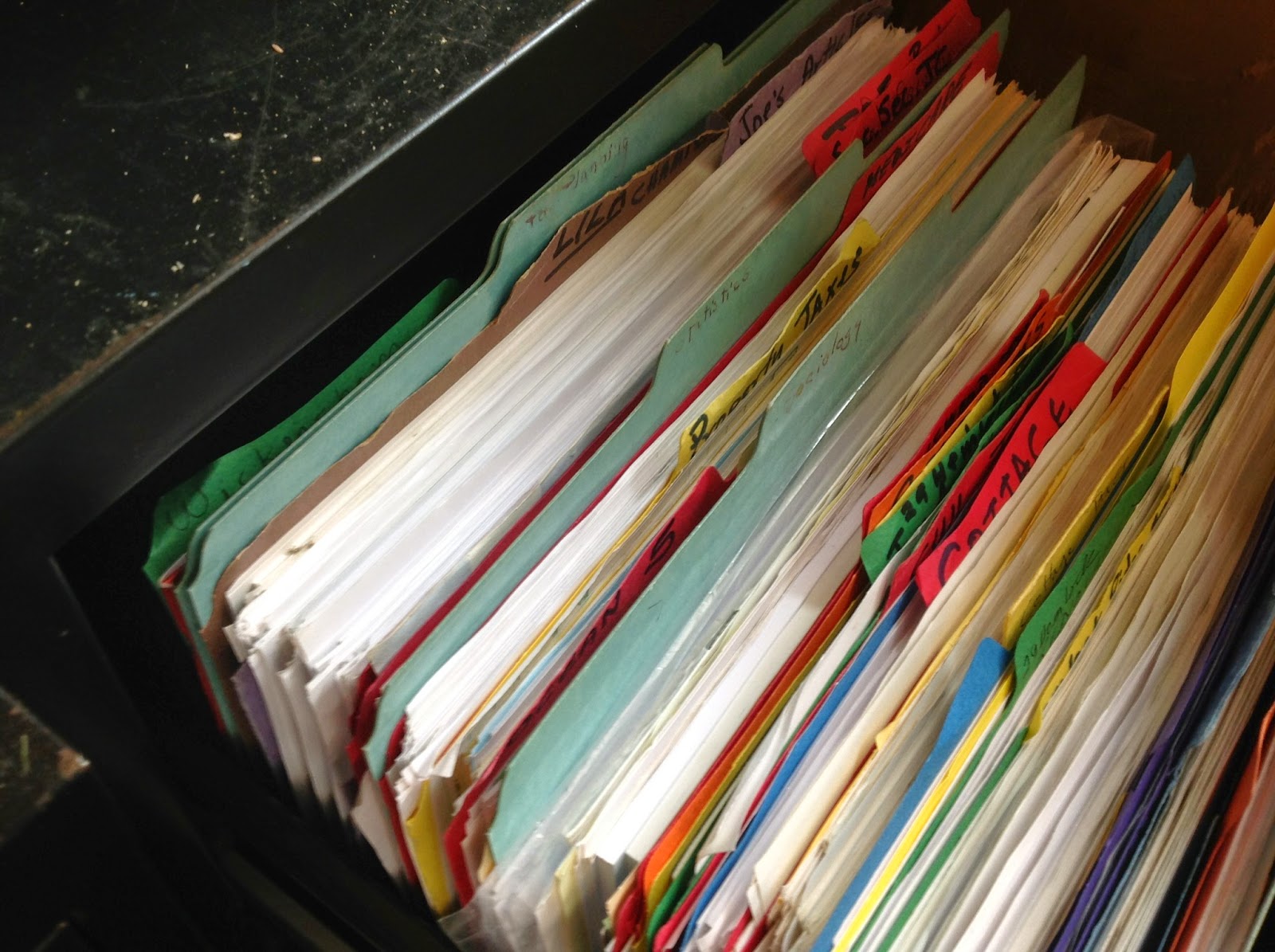
For each item on the list, we took the  time to find all the original papers and file them correctly.  We also threw out old, irrelevant papers that we had kept beyond their usefulness. 

We then listed all our computer IDs and passwords and tried them all out to ensure that they were still correct. 

Another critical task for us was  weeding out all the junk that was filed in between the essential items in our paper filing system.

Here is what we did when describing our home management in our Executive File that we prepared.


I drafted the Executive File.  


My husband then took it and amended it.  


Then we sat down together and reviewed it.  


We were amazed how much we learned in our review.  He had information that I did not, and I had information that he did not.  We took some time out to explain things to each other.

Everything was in front of us in one place, at least temporarily.  We did a lot of searching to find everything that we needed.

First, we wrote up our description and then printed out several copies including all our typed passwords. 

Second, after printing out our Executive File, we then deleted all the typed passwords in our electronic file  and left them blank so we would know they were available, but only in print.  No passwords were left on the computer.
We placed a printed copy of our Executive File with all passwords in our bank safe deposit box. Now a designated person will open the safe deposit box and find inside not only  our Last Will and Testament and copies of our property deeds and titles, but also will have access to our Executive File.

This should make things much simpler for others to help in the management of our affairs.

It certainly makes life simpler for us.  We don’t have so much explaining to do.

For those of you interested in a more detailed example of what we included in the Executive File, see below.


Executive File:  Illustrative Example

  1. Property (List of property owned by address, date of purchase, purchase price, mortgages, if applicable, address and phone of persons providing custodial care, key contractors such as carpenters, electricians, plumbers.)
  2. Taxes (Income, Property, Name of accountant, Location of most recent income tax statements, how each is paid, if electronically, ID and passwords for payments.)
  3. Lawyers (Names and addresses, work conducted.)
  4. Physicians and medications (Names and addresses, list of medications from each.)
  5. Bank Accounts and credit cards (If electronic, ID and passwords, account numbers.)
  6. Stocks and Bonds (Address, electronic locations, ID and passwords.)
  7. Bills including Automatic electronic payments (Electronic bill pays, list all automatic deductions from bank accounts, charges for on-line computer storage, E-Z Pass and other automatic transportation charges for daily commuter travel, list of bills sent via mail rather than electronically.)
  8. Insurance (Life, Home, Auto, Health.)
  9. Utilities  (Phone, Internet, Cable, Electric,Water. )
  10. Real estate payments required (Managerial services of condos, co-ops, mortgages and other loans.)
  11. Internet communications and computer controls (ID and passwords.)
  12. Property titles and deeds (copies and instructions where originals are kept)


I hope that you enjoy doing this as much as we did.  It takes a bit of a push to get started, but once engaged, it moves right along.  Good luck!


Before we downsized and sold our suburban home, we kept formal gardens and they were wonderful.  But the care of our gardens took hours and days and weeks of work to keep them organized and flourishing.  The result was marvelous. But the time involved was not. At our new location, our little cottage, we are now experimenting with smaller, more informal gardens that largely depend upon native plants for their blooms and color.

Formal Garden

In our more informal setting, we let the native plants and flowers mingle with the grasses and plants that just pop up and join in for the fun, with the exception of invasives and poison ivy, which we remove by digging up  We added a few colorful flowers and bushes, mostly native to our North East area, that mingle next to the wilder plants.  We tell our plants in our garden to have fun, make room for everybody, move over, if necessary We wish them luck and tell them we hope that it rains so that they get some water. Surprise us, we say, with your arrangements. The end result is very joyful.

We mow a small amount of our yard to make the wild and wooly chaos of our plants look organized.  On one side of our yard, the middle is wilded and on the other side of the yard, the edges are wilded.  A stone path runs through the middle.

Informal Garden

Keeping large parts of the yard wilded is making a buffer, slowing down the flow of rainwater into the lake, thus reducing erosion.  The end result of simplifying our yard is that we only need to mow small portions of the lawn once a month, just to keep walking paths around the garden.  Birds and butterflies enjoy their newly found meadows.

The time we spent before pulling weeds is now spent swimming, kayaking, talking walks, researching and writing.

Wilded with flowers
Naturalized yard
When it comes to gardens, I say go wild.