Feeds:
Posts
Comments

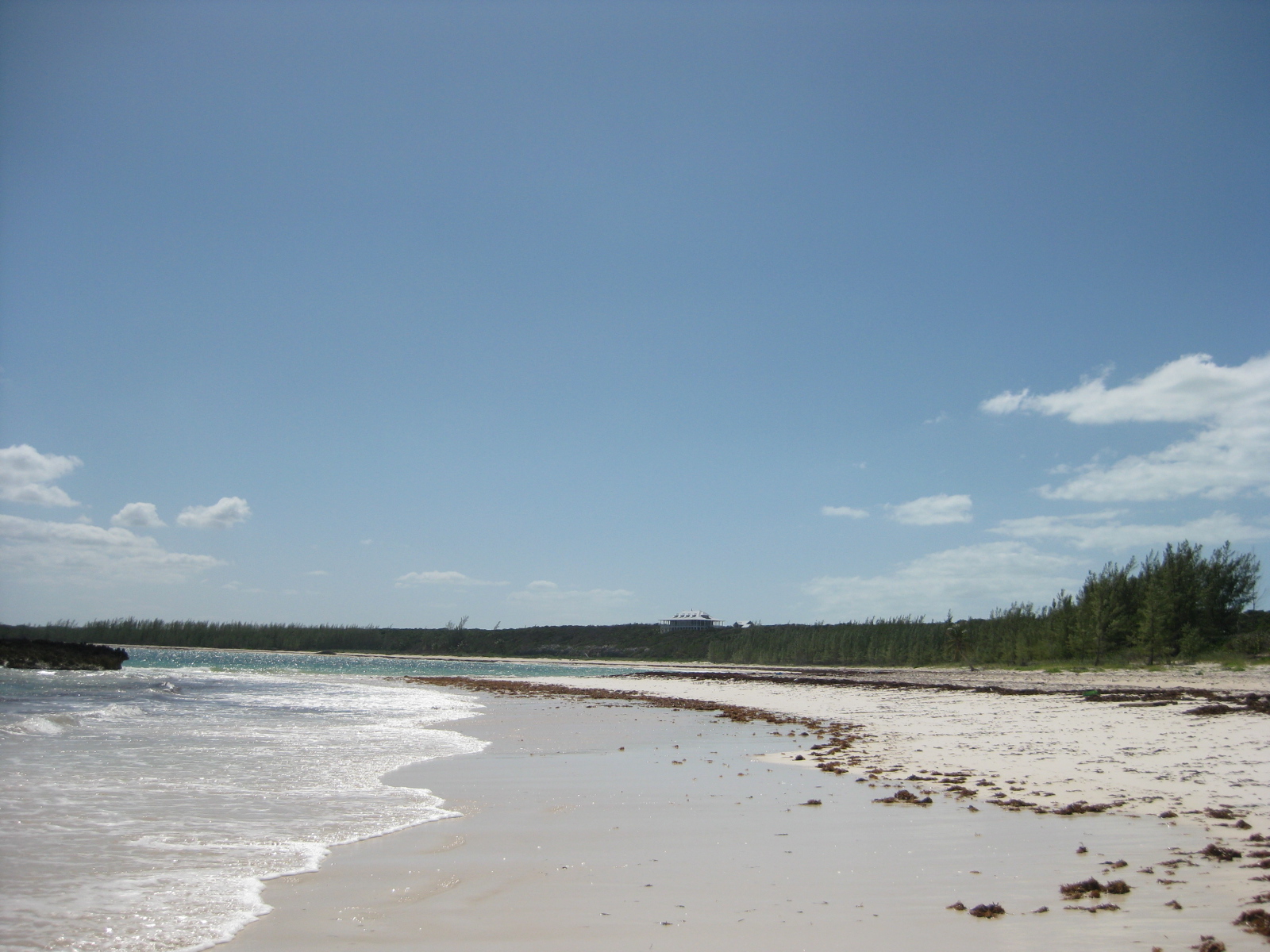
We knew it was going to be interesting.  We heard that it was  beautiful.  But we were still not prepared for what we found. Hole in the Wall is a jaw dropping beautiful slice of wild, raw nature. 
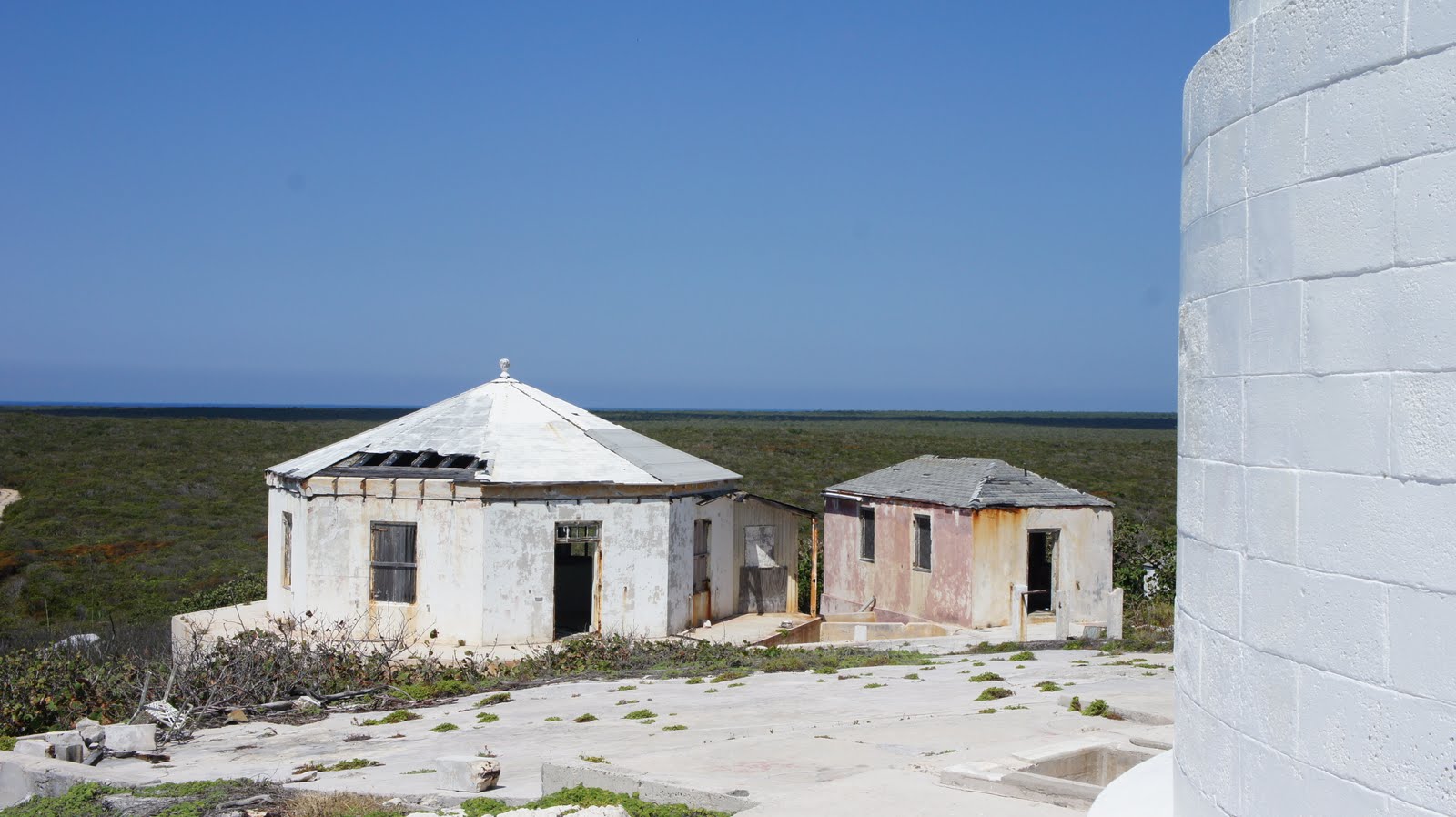
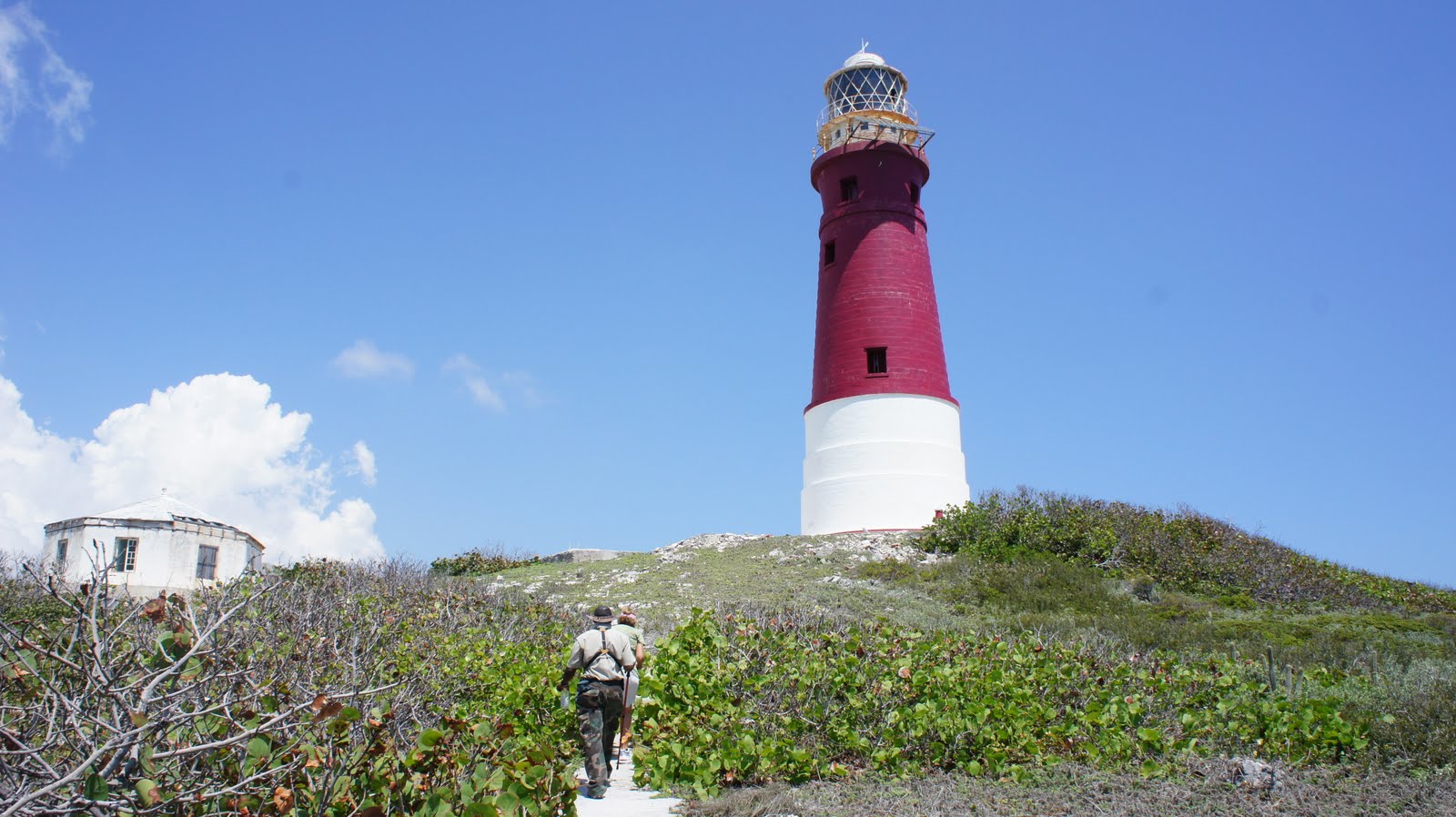
There isn’t much man-made entertainment there.  In fact there are no coffee shops, no restaurants, no stores, no shops, no tourists, no roads.  We didn’t see another person on the entire trip, other then ourselves.  When we arrived, we looked up the two-track dirt path and saw an abandoned light house, three ruined buildings and an old sidewalk ambling to the beach.  Yet we were completely entertained by the natural site, it’s beauty, its solace, its grace, its  solitude, its immensity.

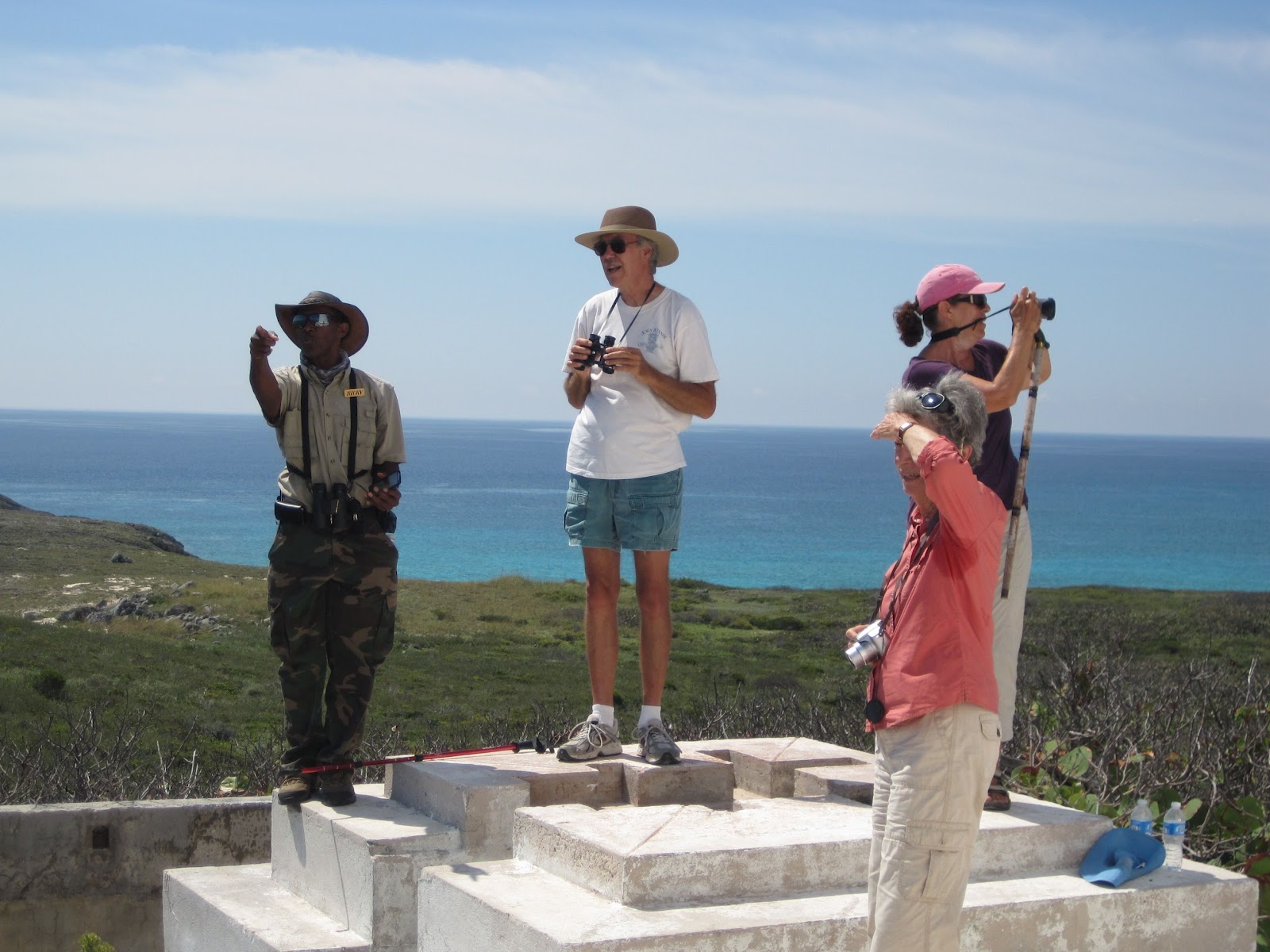
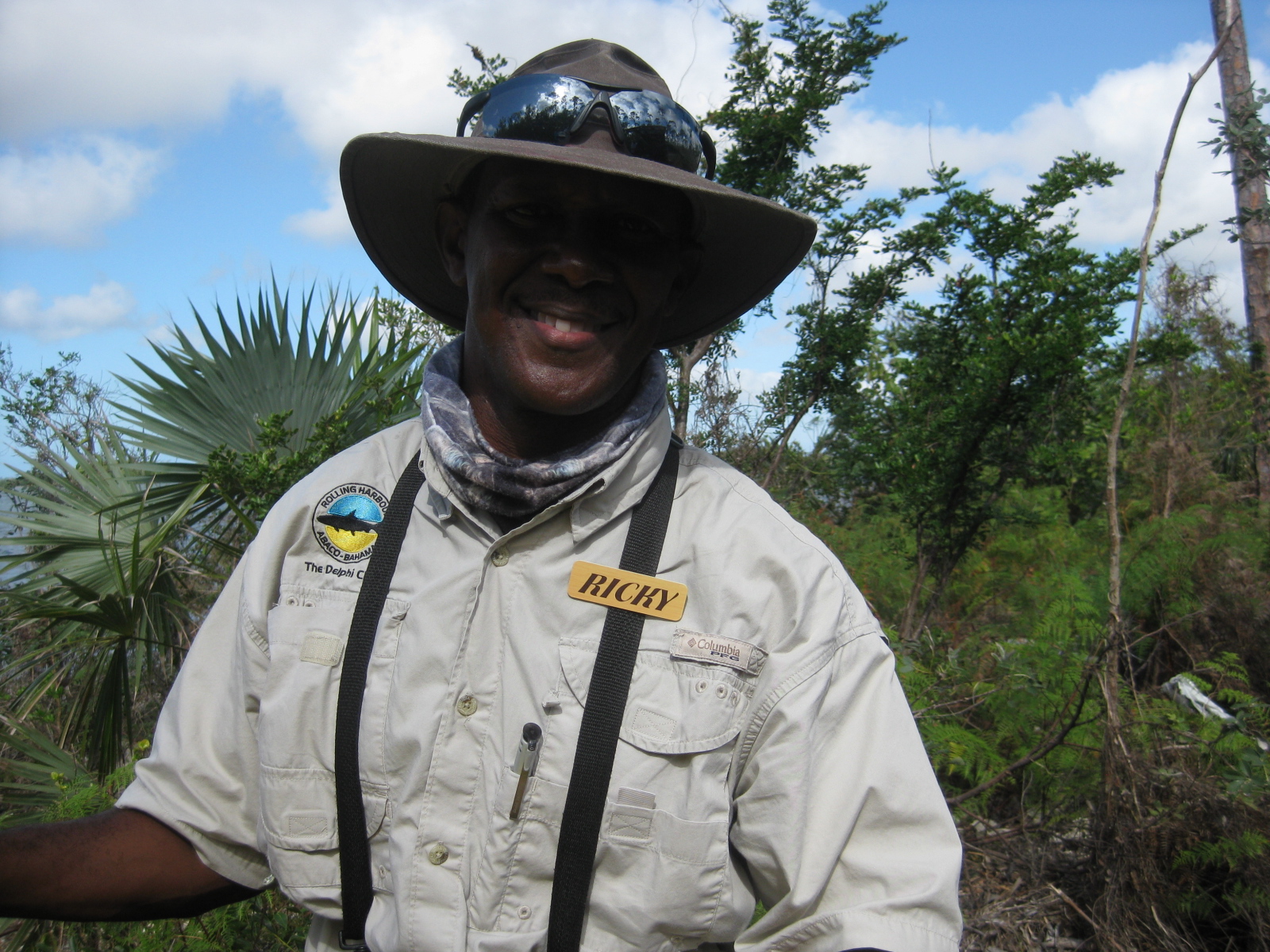
Our trip to Hole in the Wall started when six of us were picked up at 8:30 in the morning by Abaco Nature Tours.  Ricky Johnson, our tour guide, had previously taken us on a kayaking tour and now we were headed out with him for an all day excursion of a part of South Abaco that is  largely inaccessible without a jeep or other off-road vehicle.

Four of us had never been to Hole in the Wall. Two had visited there many times over the past 30 years.  We were all excited to be going.

It was a beautiful sunny day, actually a great day for swimming and fishing, but we had other plans.  We were picked up right on time, we piled into the car with our packed lunches, sunscreen, bug repellant, walking shoes and long pants, which is unusual down here.  We are more likely to be found in t-shirts and shorts or swim suits, but this was going to be a hike and we were all dressed for the occasion.

We started our trip by taking a paved road going south until we hit the big fork in the road.  To the right, one headed to Sandy Point continuing on the paved road.  To the left, we headed off the highway onto a two track dirt road for the next 14 miles.  It took us almost an hour and a half to traverse those 14 miles as the car turned right and left, bouncing and bumping while missing big ditches, potholes, scrub brush and some muddy waters.  Then, finally, we arrived.  We hiked the last half-mile as it was too difficult for the car to go any further.  We were all happy to start walking. It felt good after all those bumps.
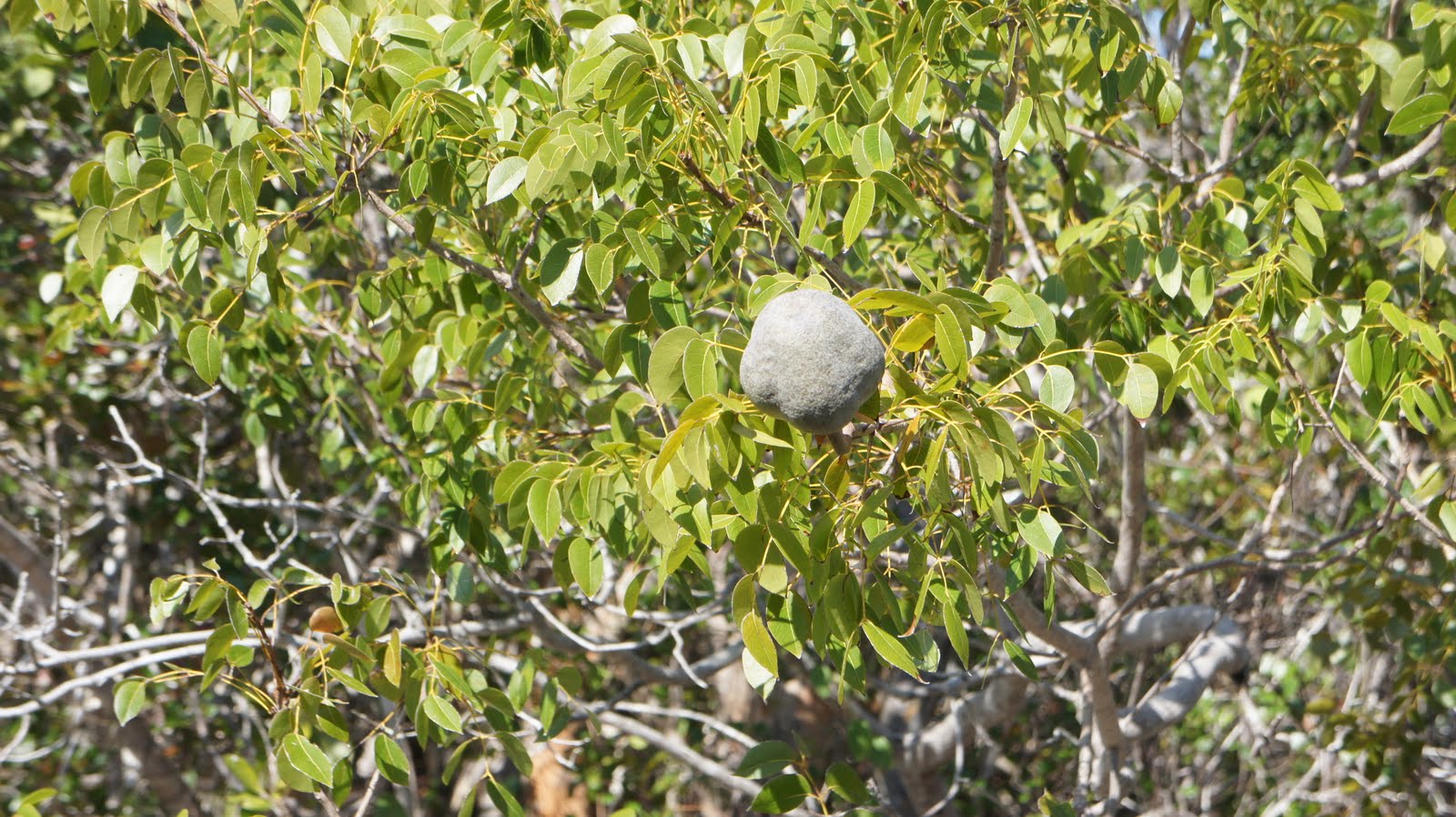
Mahogany Tree (Swietenia Mahagoni)

Ricky shows us the browned mahogany tree fruit with seeds ready to scatter.

While heading toward the lighthouse, we identified some very pretty mahogany trees by looking at their fruit, looking like tennis balls attached to the branches.  Eventually the fruit turns brown, then splits at the bottom sending out numerous one-winged seeds to scatter.
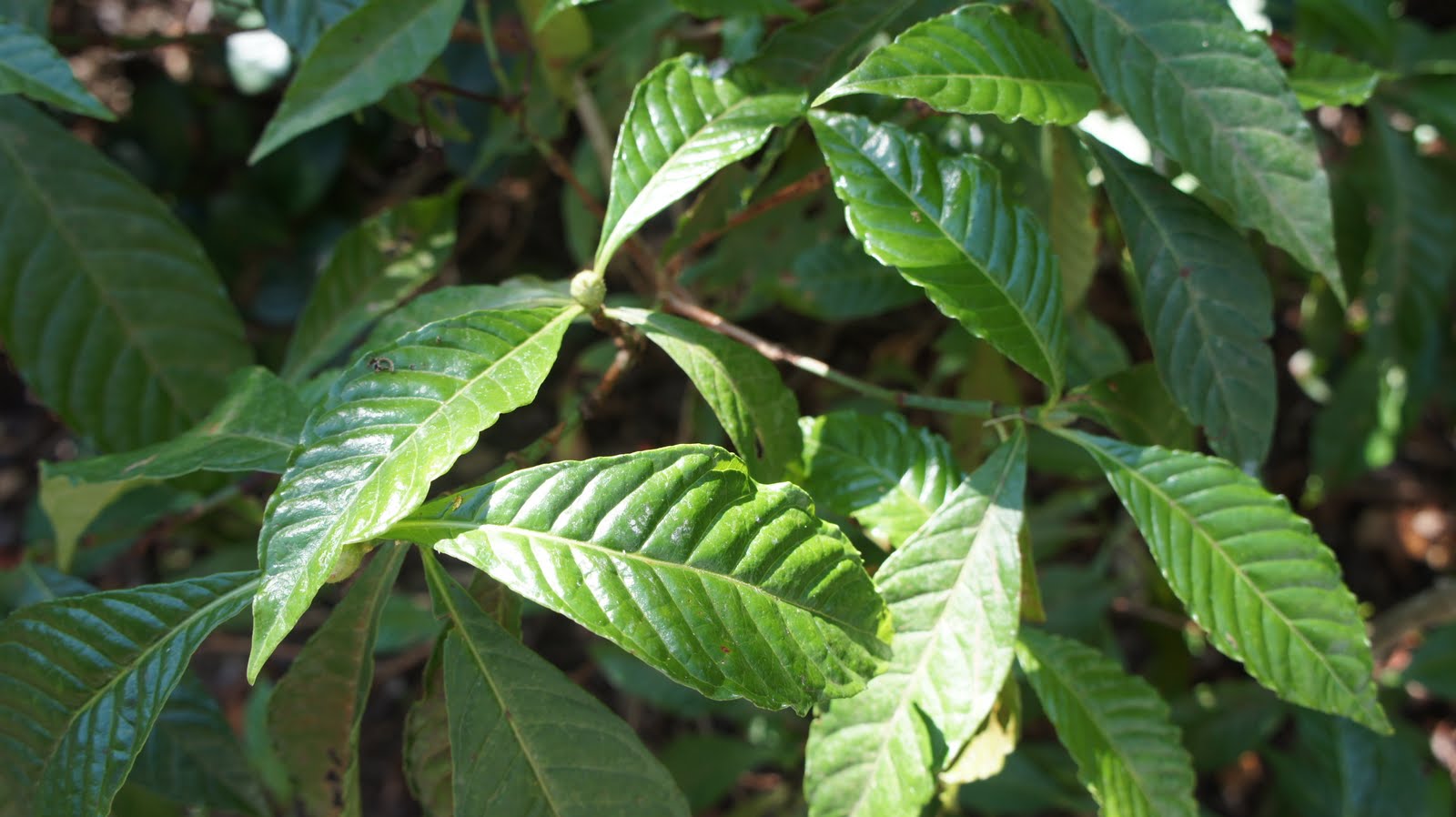
Hairy Wild Coffee (Psychotria Pubescens)

We also found some wild coffee bushes sitting along the edge of the road.   
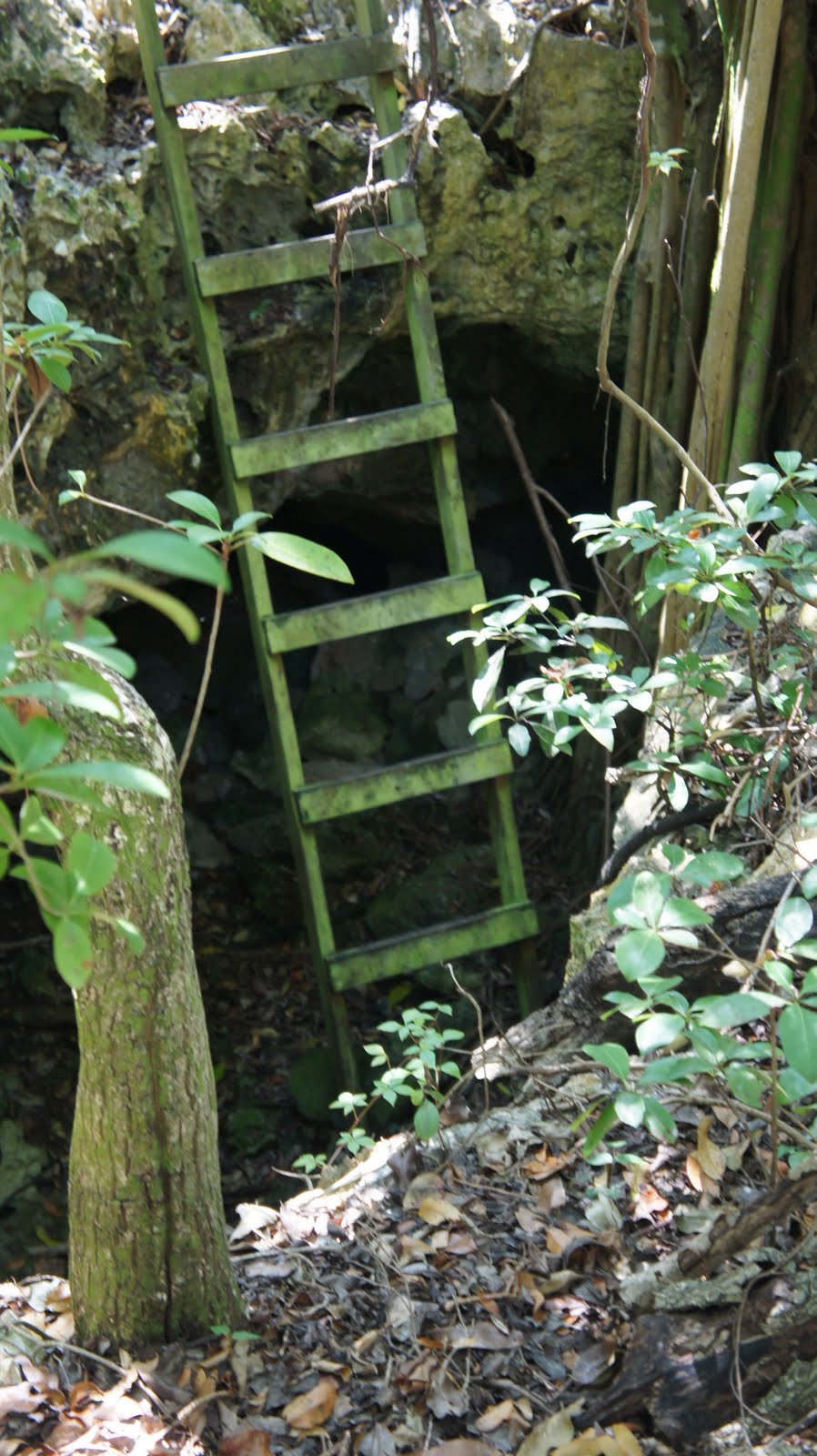
We turned off the dirt road after a bit and headed on a footpath through the bush to find a bat cave with a ladder stuck in it.  We saw footpaths surrounding the cave and realized that it was a system of caves.  My husband remarked that he saw no evidence of Batman living there.  But we could smell evidence of bats living there!  After checking out the cave a bit, we returned back to the dirt road and headed for the abandoned lighthouse.
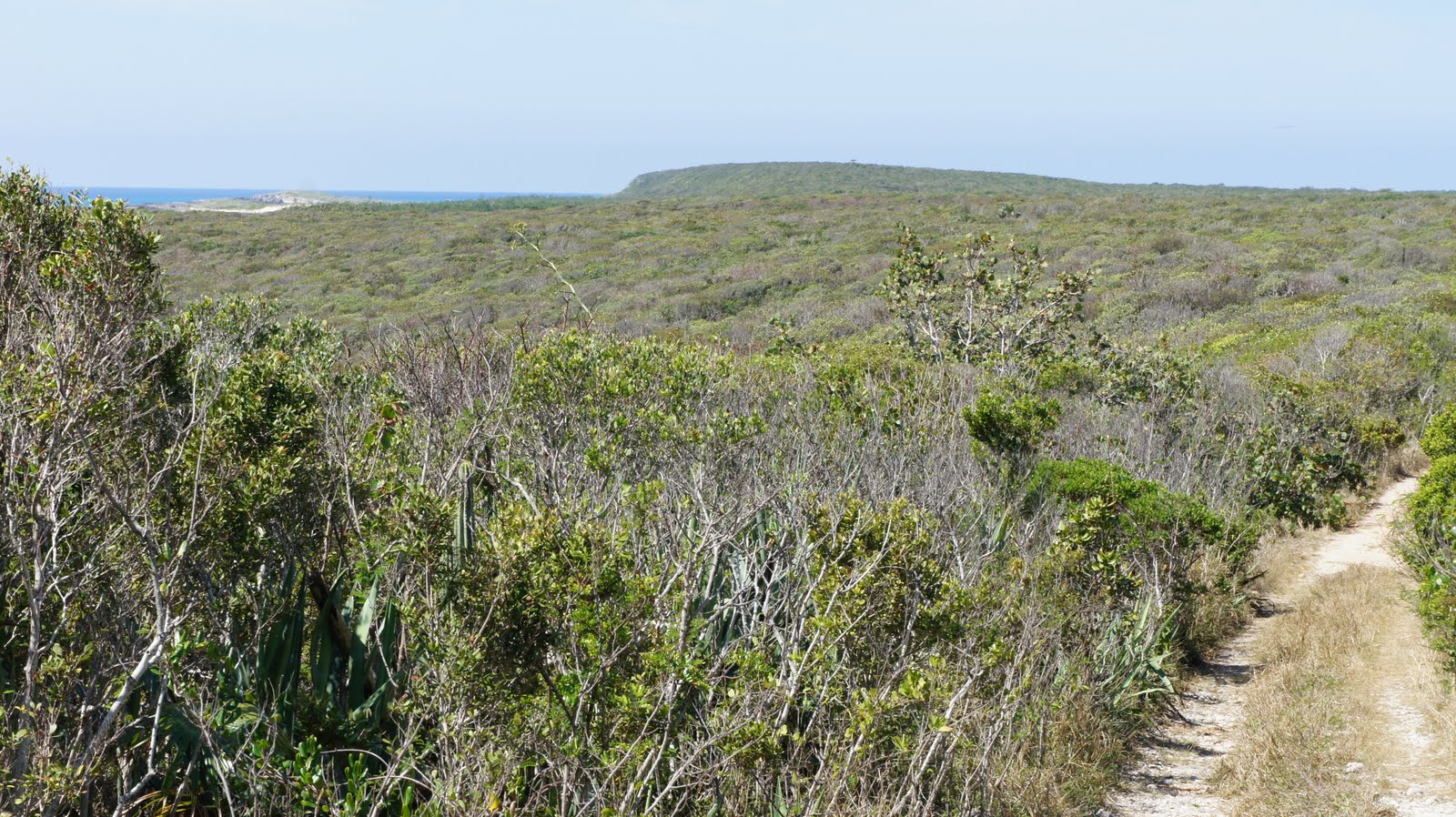
Looking back
Looking toward the Hole in the Wall
Photo by Beth Stevens

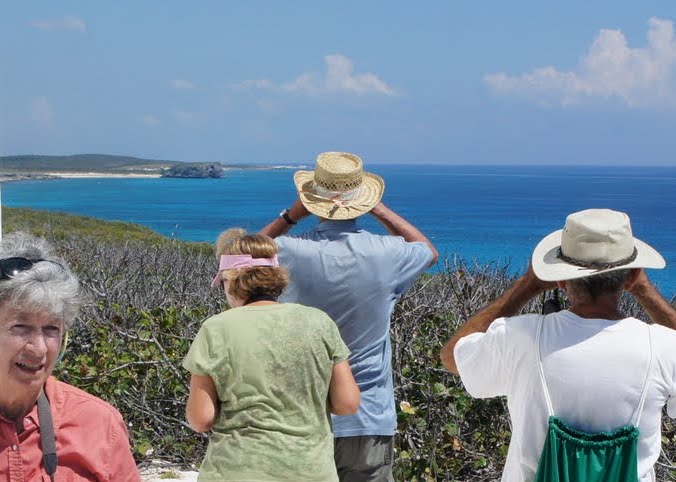
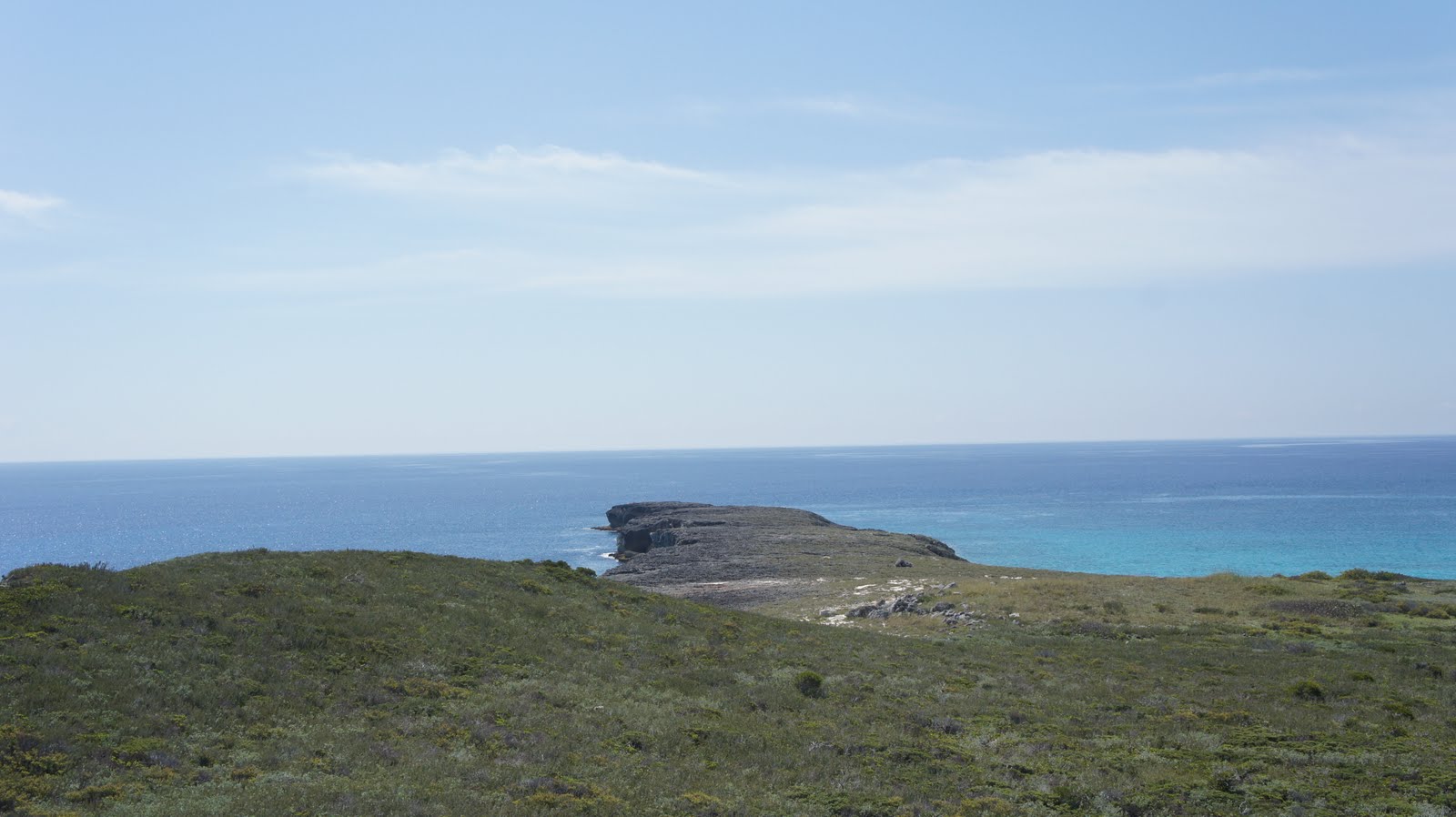
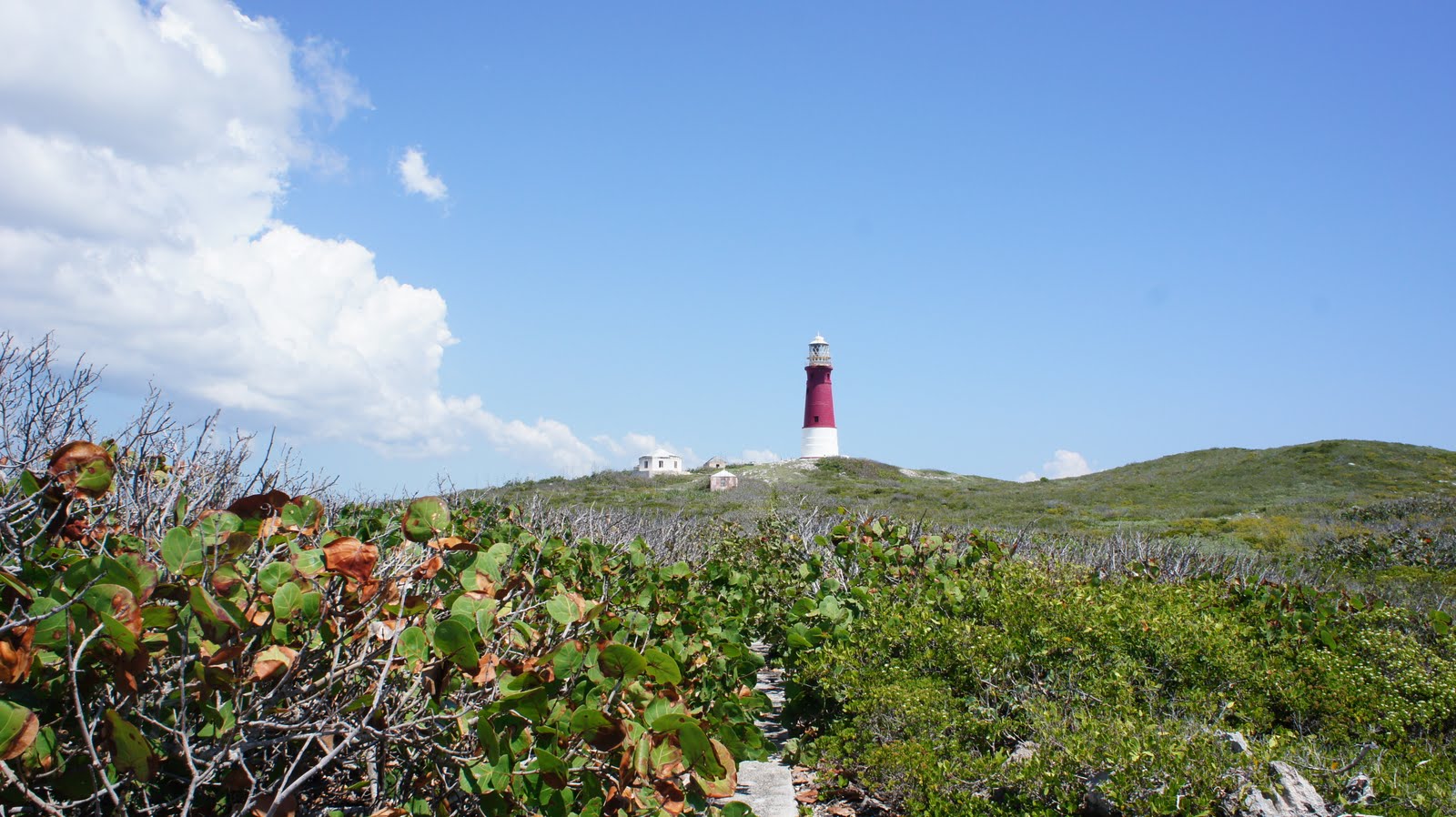
Periodically we looked back at the vast expanse, then headed on until we reached the foot of the lighthouse.  It really didn’t matter which way we looked.  The view was unbelievable.  We were overpowered by the immensity and color of the ocean.
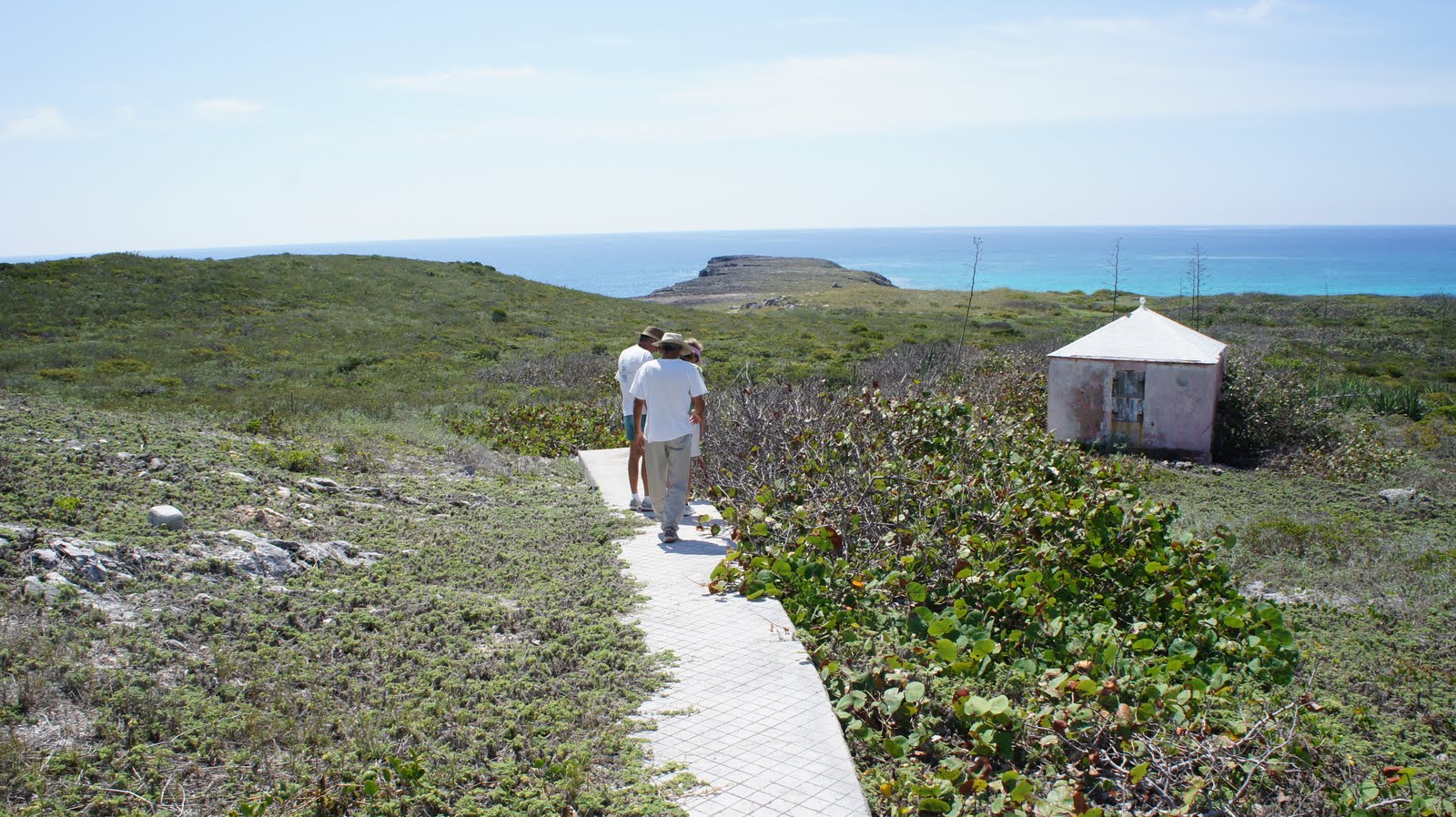
Hiking down to the Hole in the Wall

Far off in the distance we could see the beautiful birds called  White-Tailed Tropic Bird  or “Long Tail” soaring above us with their exceptionally beautiful tails. Out in ocean, in the distance, we saw huge cargo ships.

“Where is the Hole in the Wall?” I asked.  Ricky suggested that we hike down to see it, so four of us took off with him down toward the ocean. Two stayed behind and rested in the shade of the massive lighthouse.  For those of you who are interested, additional information about historical maps of Hole in the Wall, look here .
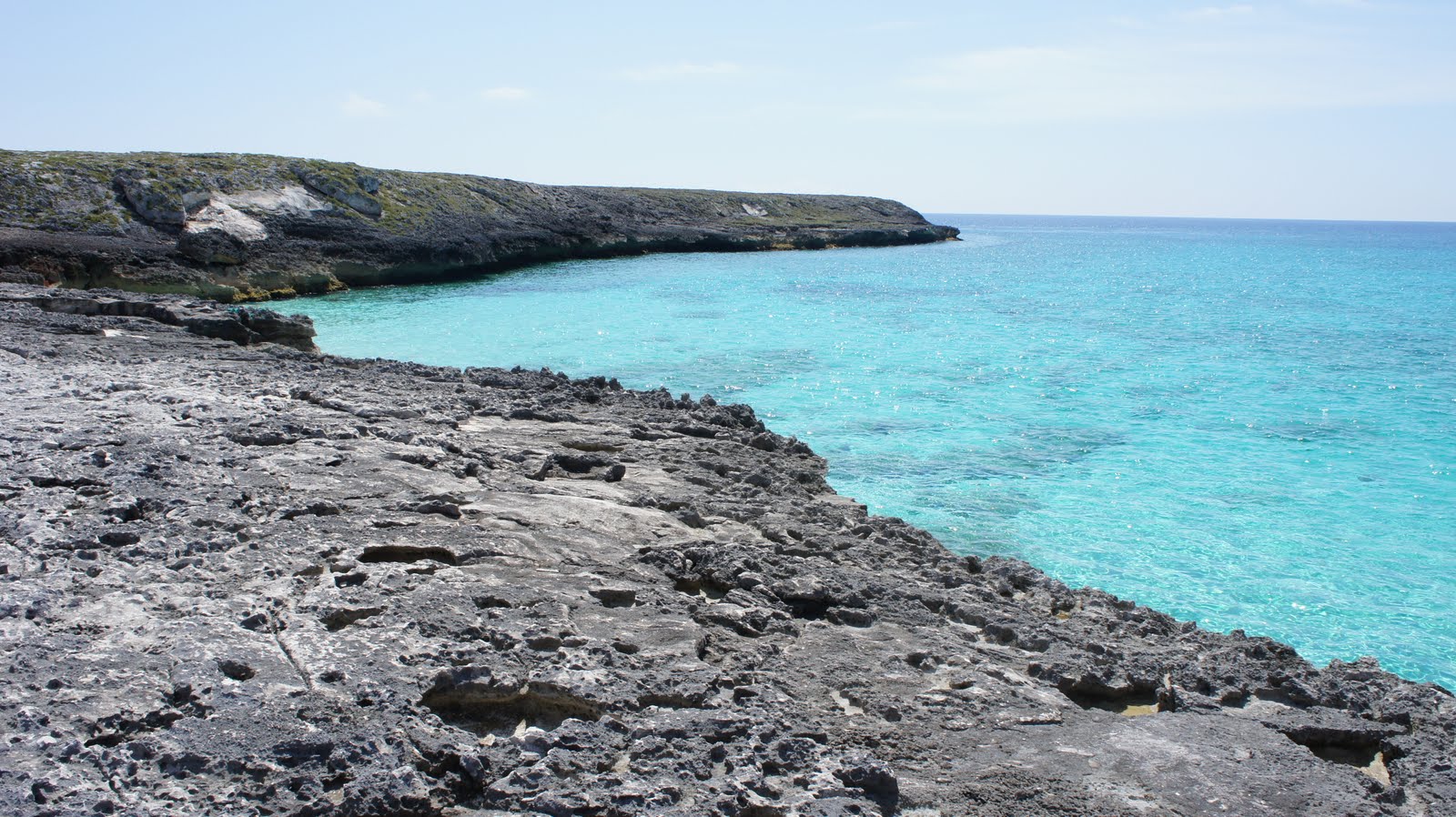
Arriving at the beach

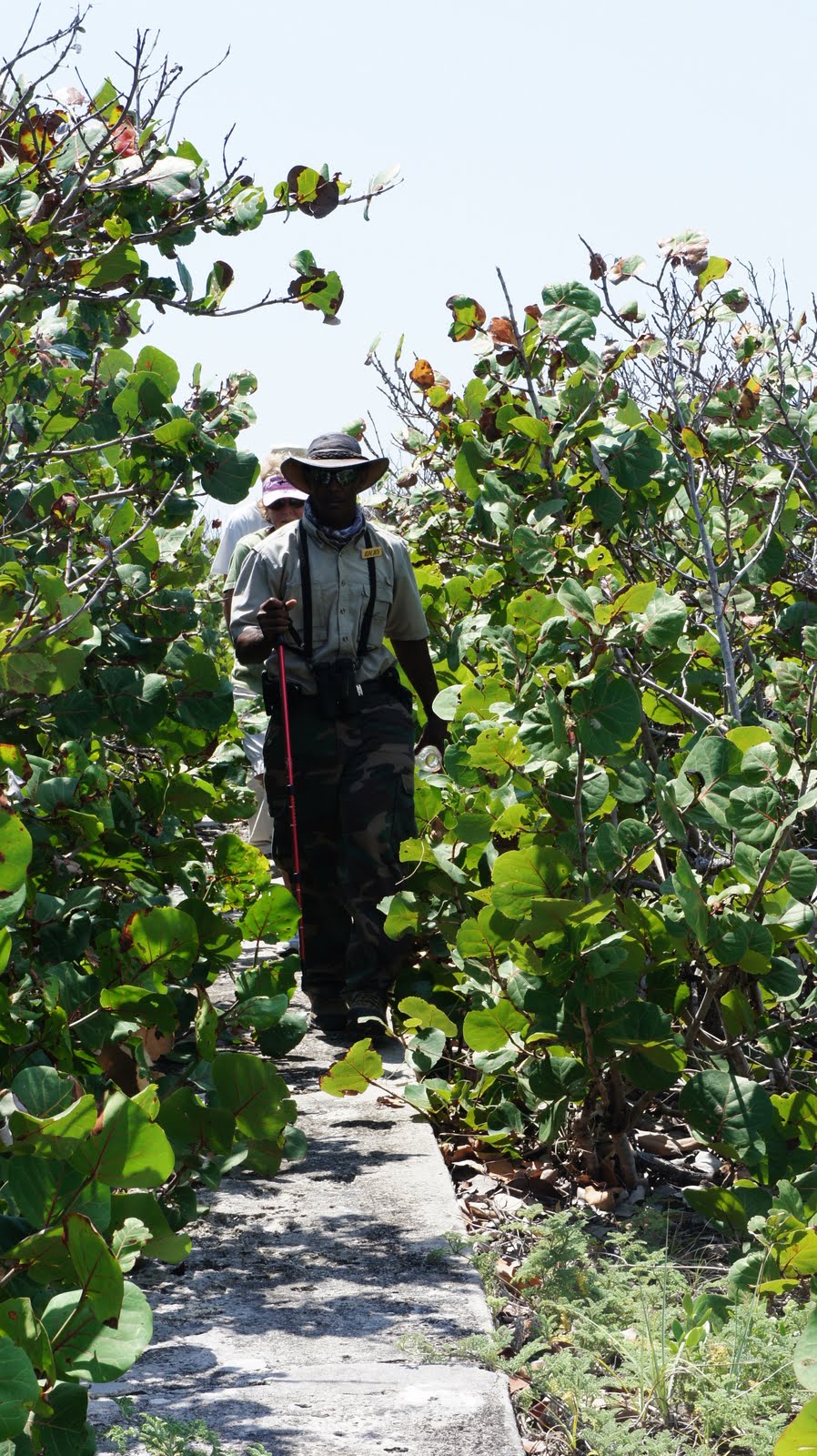
At first the hike was easy as we followed a cement path through a maze of sea grapes and then hiked further down until we reached the beach.  We took a left at the beach and started hiking across limestone that was full of potholes and sharp edges.  We walked carefully through the maze until we reached a point where we could finally see the Hole in the Wall.  
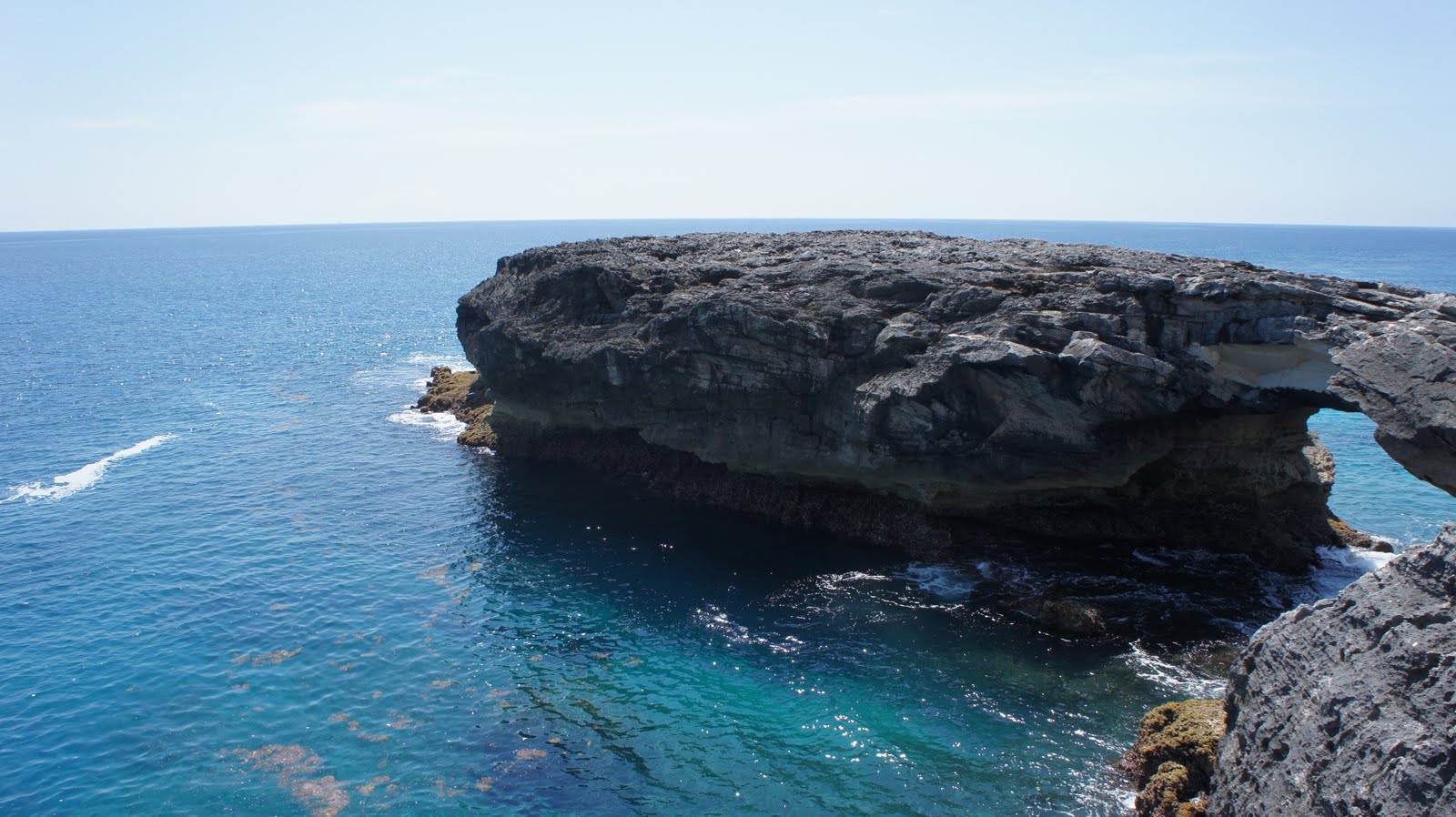
Hole in the Wall

The sea was calm that day, so there was no frenzy of water shooting through the hole.  However, it was still magnificent and awesome.  One could feel a sense of power emanating from the place even  when the ocean is calm.  Looking down at the ocean, we saw an incredible aqua blue that is hard to describe, even with photos.
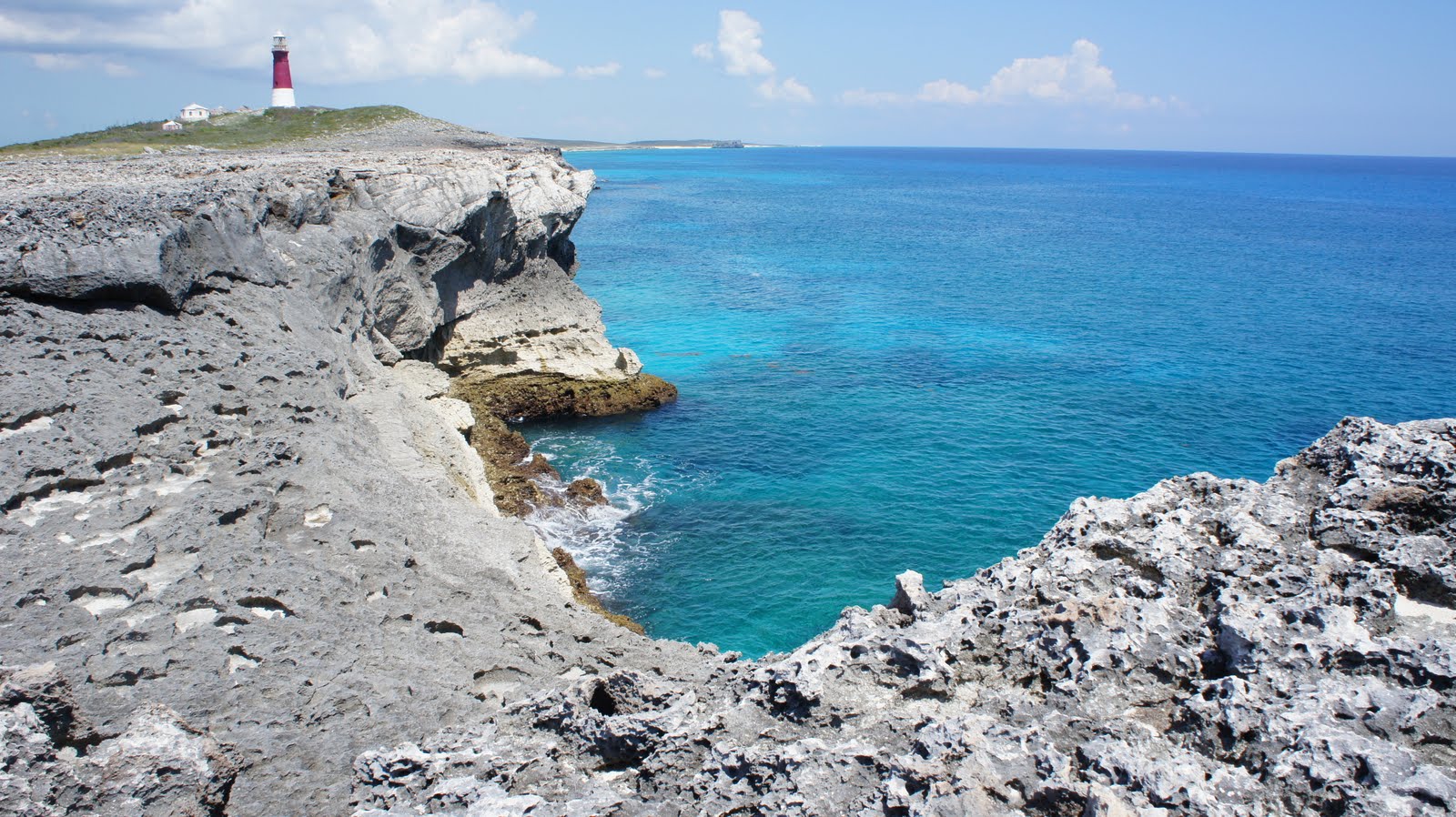
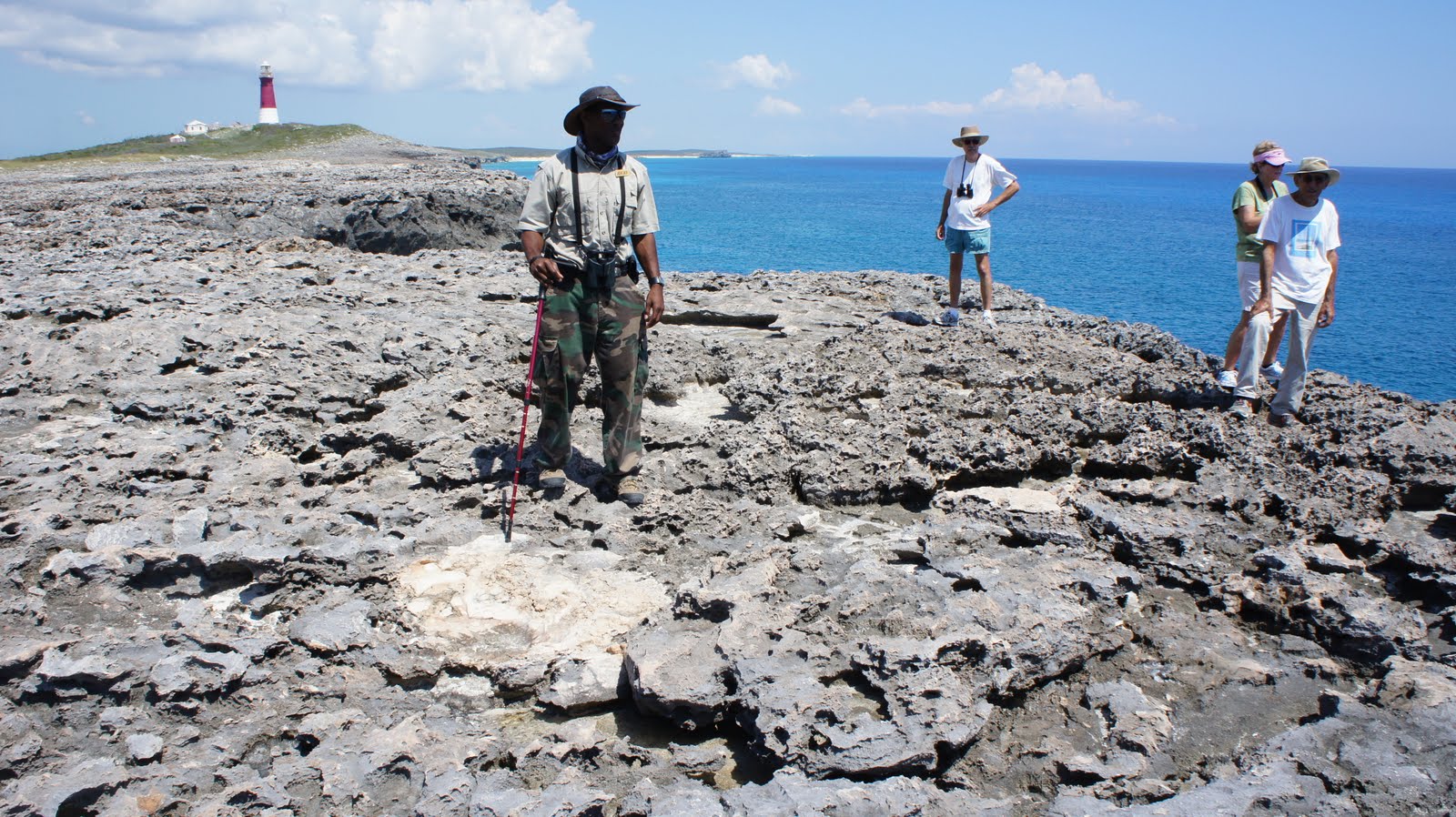
Tough walking, but the view is worth it

We then headed back across the limestone craters and up the hill to the lighthouse. 
One suggestion I have to any beach comber who takes this hike.  Wear your walking shoes! 

Returning to the lighthouse

The meadows were also beautiful on the way back and the hike through the sea grapes was special. Without their fragile shade, we would have been wilting from the sun. The views of the lighthouse throughout were stunning.

The lesson that I learned  from this tour is that the Hole in the Wall is a place where one could spend many a day, just appreciating the sense of nature’s power and enormity.  I can’t wait to return.
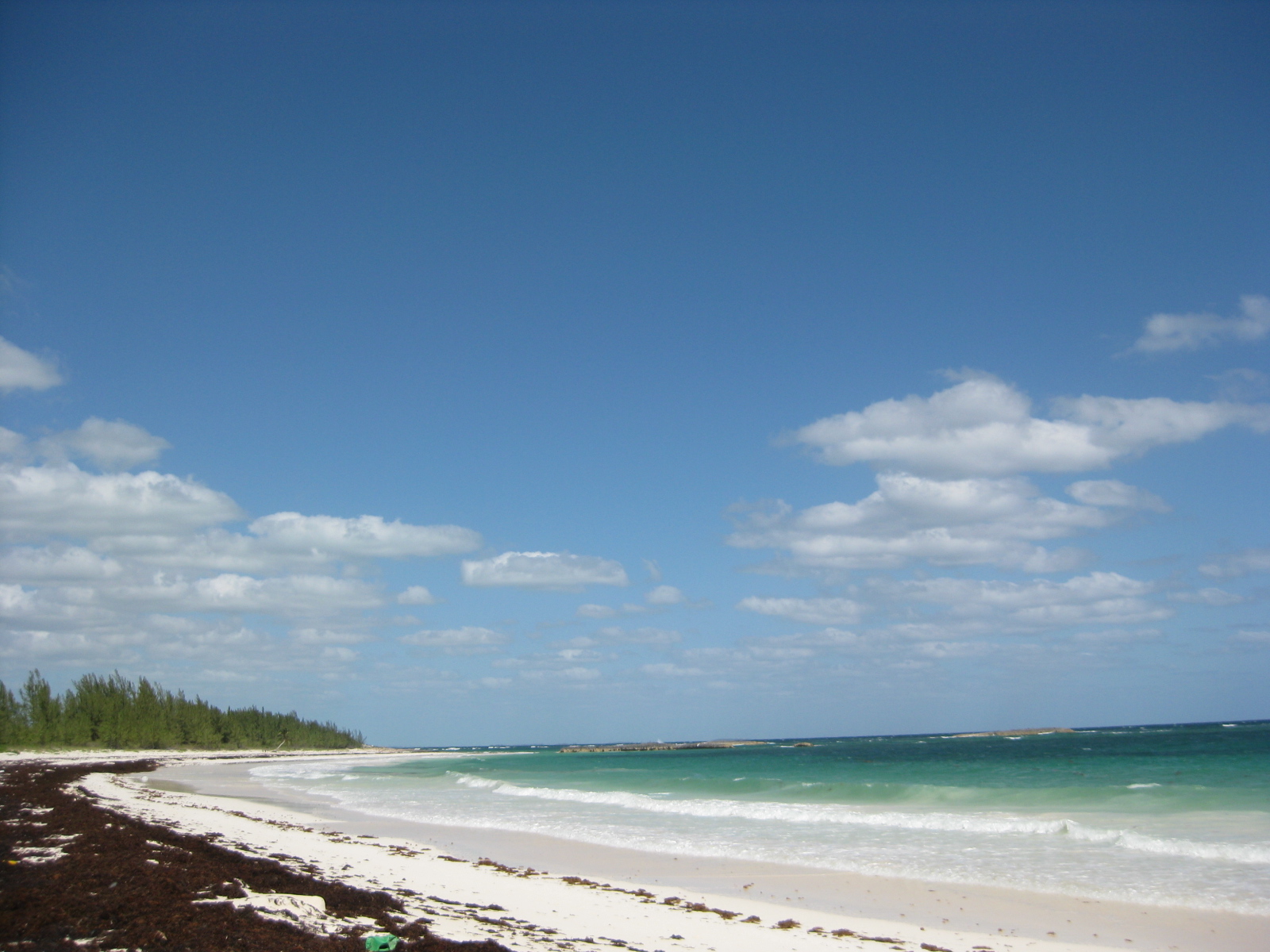
  

We visited Rolling Harbor yesterday.   Part of the fun was finding it. 

Last time we were there, about two years ago, we hiked down using an old established logger road.  But now, someone has built a home there and the old road is blocked off.  We stopped and asked a local how to get there. 

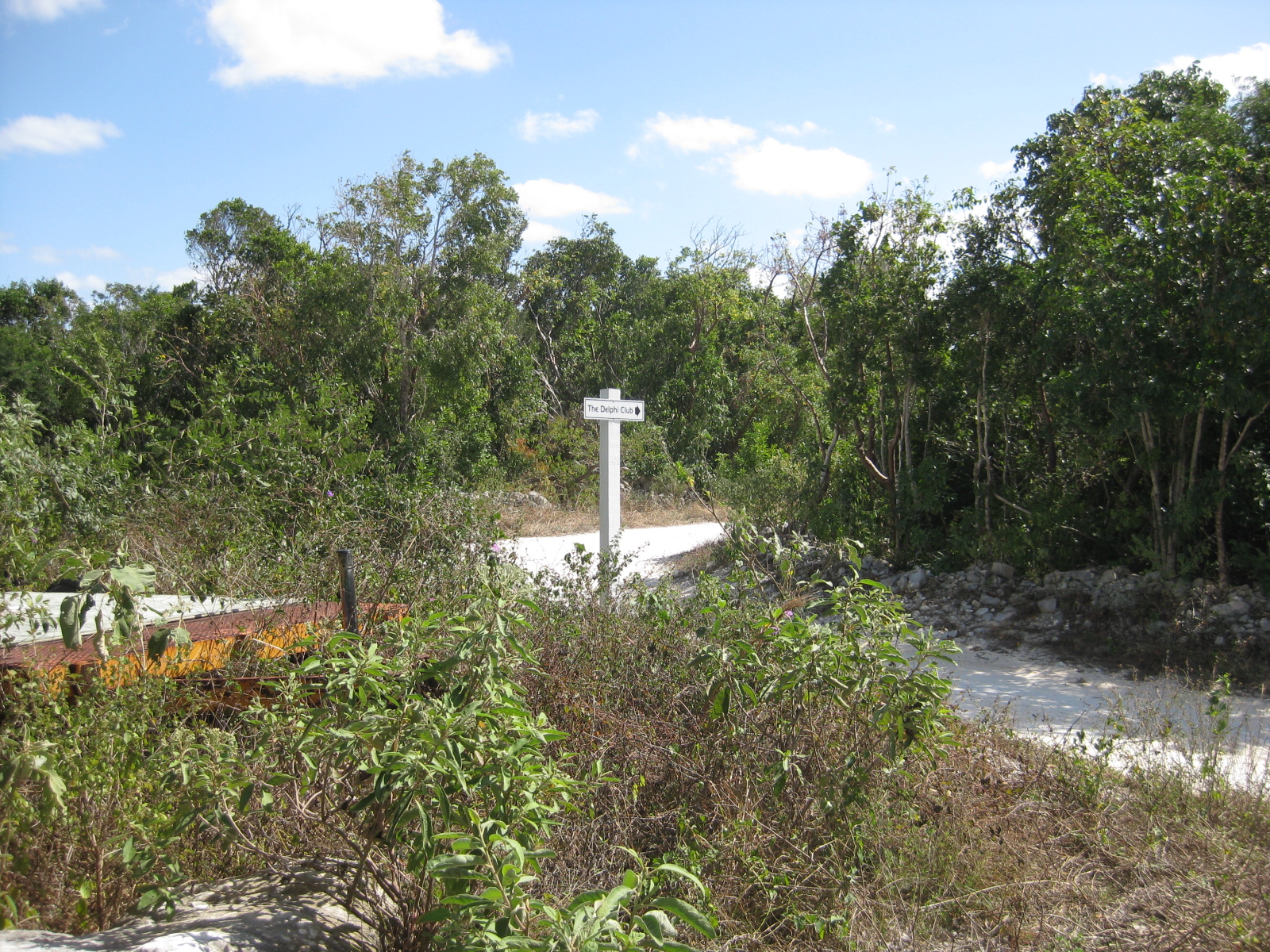
Good news.  The Delphi Club and  others  worked together to develop a “Go Around” so that people can still park and walk down.  I photographed it so that others may have an easier time finding it.
How to get to Rolling Harbor

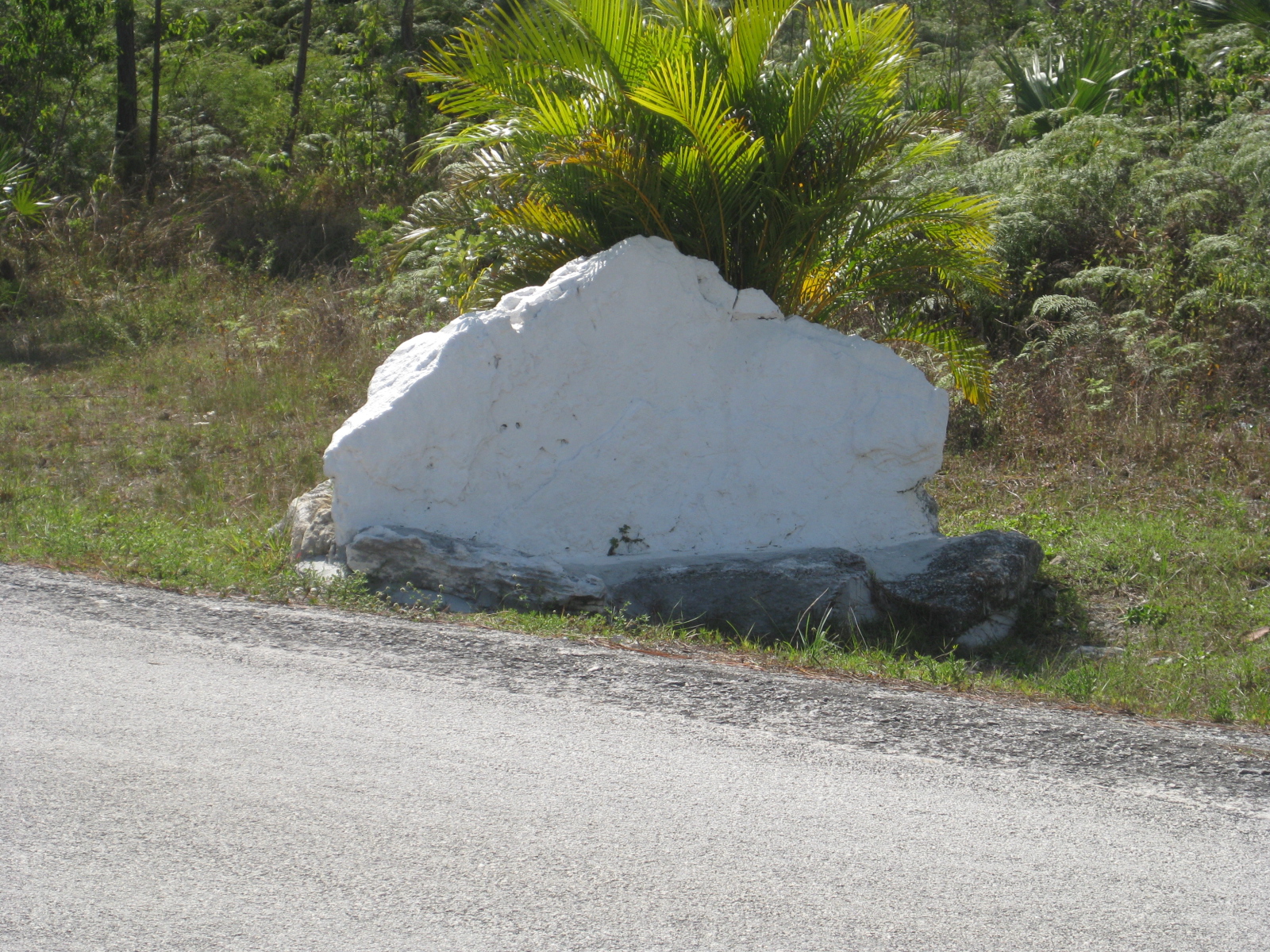
White Rock on Right Side of Road, Going South

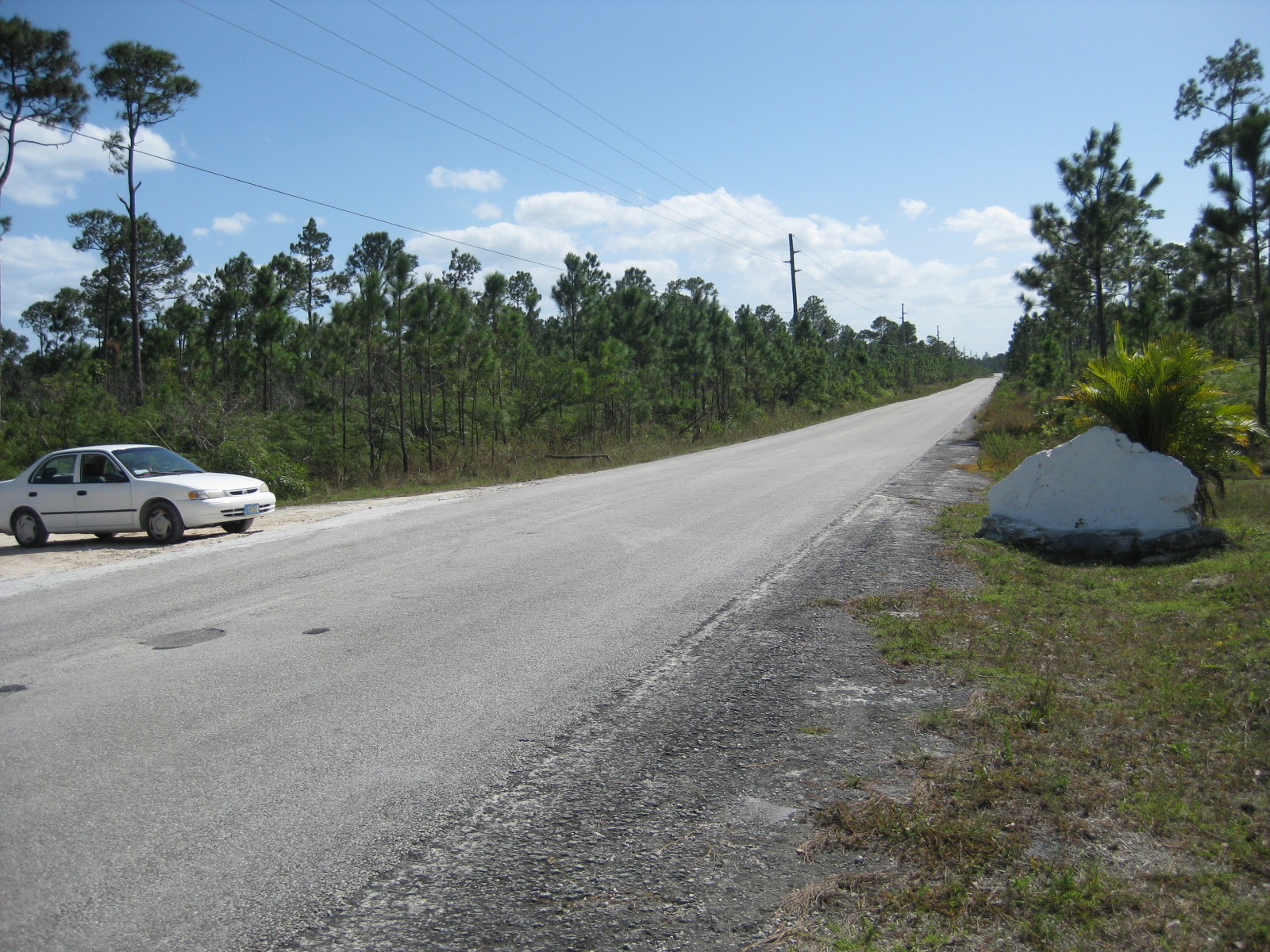
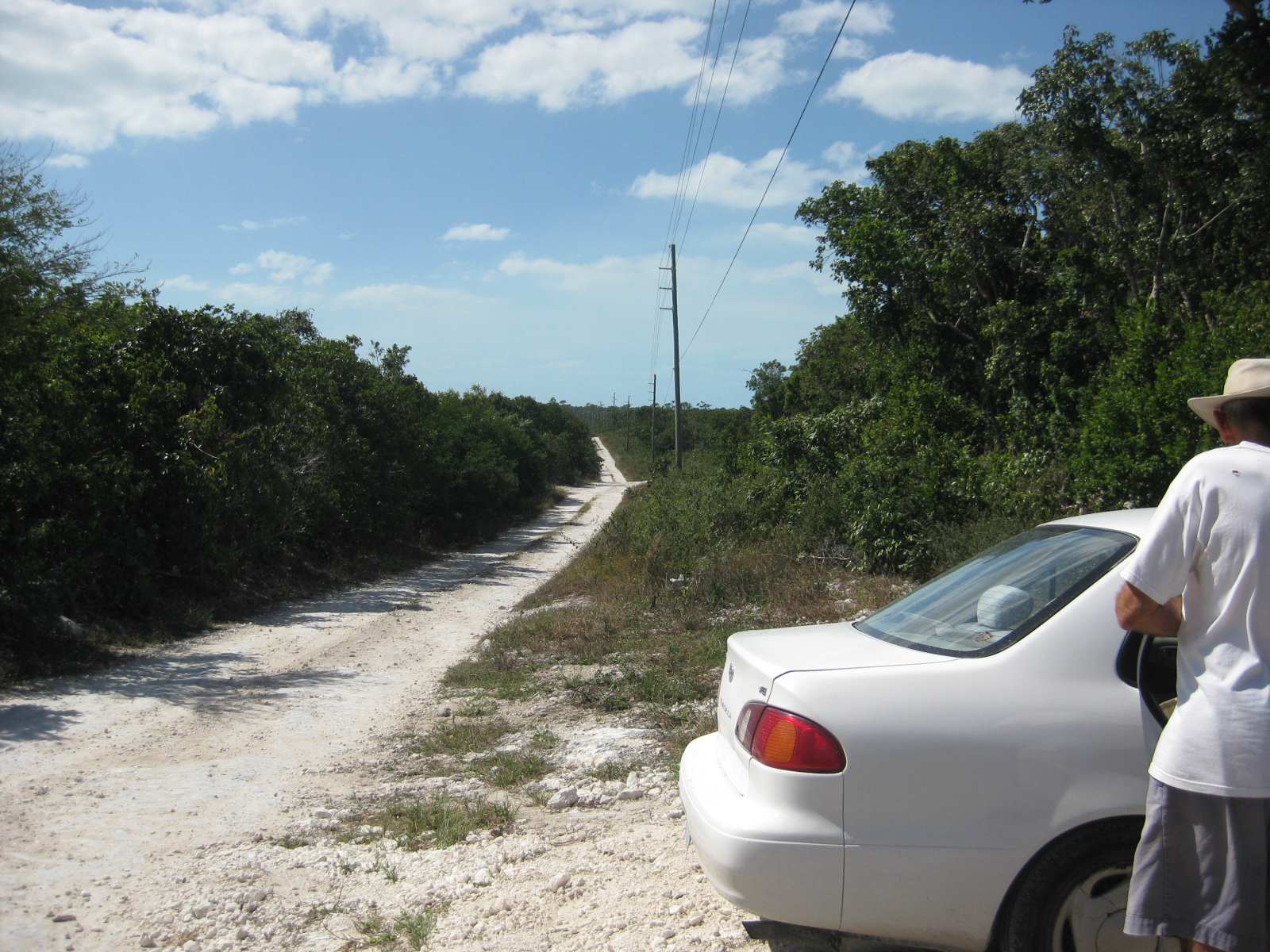
Drive down the main road away from Bahama Palm Shores and head toward the Delphi Club and  Schooner Bay.  About 5 miles after Bahama Palm Shores, there is a big white rock on the right side of the road.  When you see the rock, turn left. This white rock is the marker for the Delphi Club and is also the marker for the trail to Rolling Harbor..

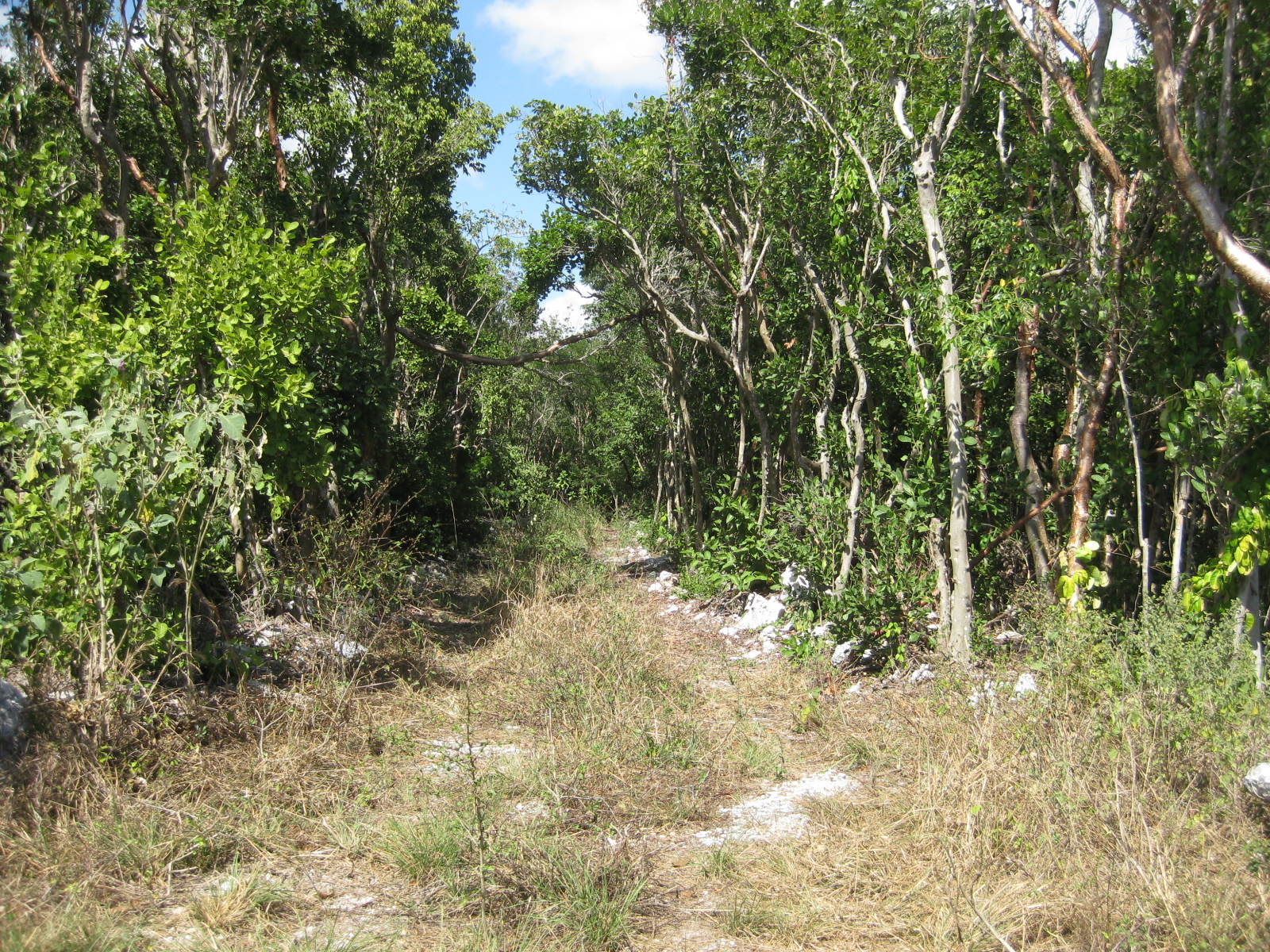
Follow the sign that says “Service Road” to the Delphi Club.  After a mile or so, see the  sign for the Delphi Club then stop the car and pull off to the left and park.   Look for a gap between two large trees on the left side of the road and discover the walking path to Rolling Harbor.

Service Road to the Delphi Club

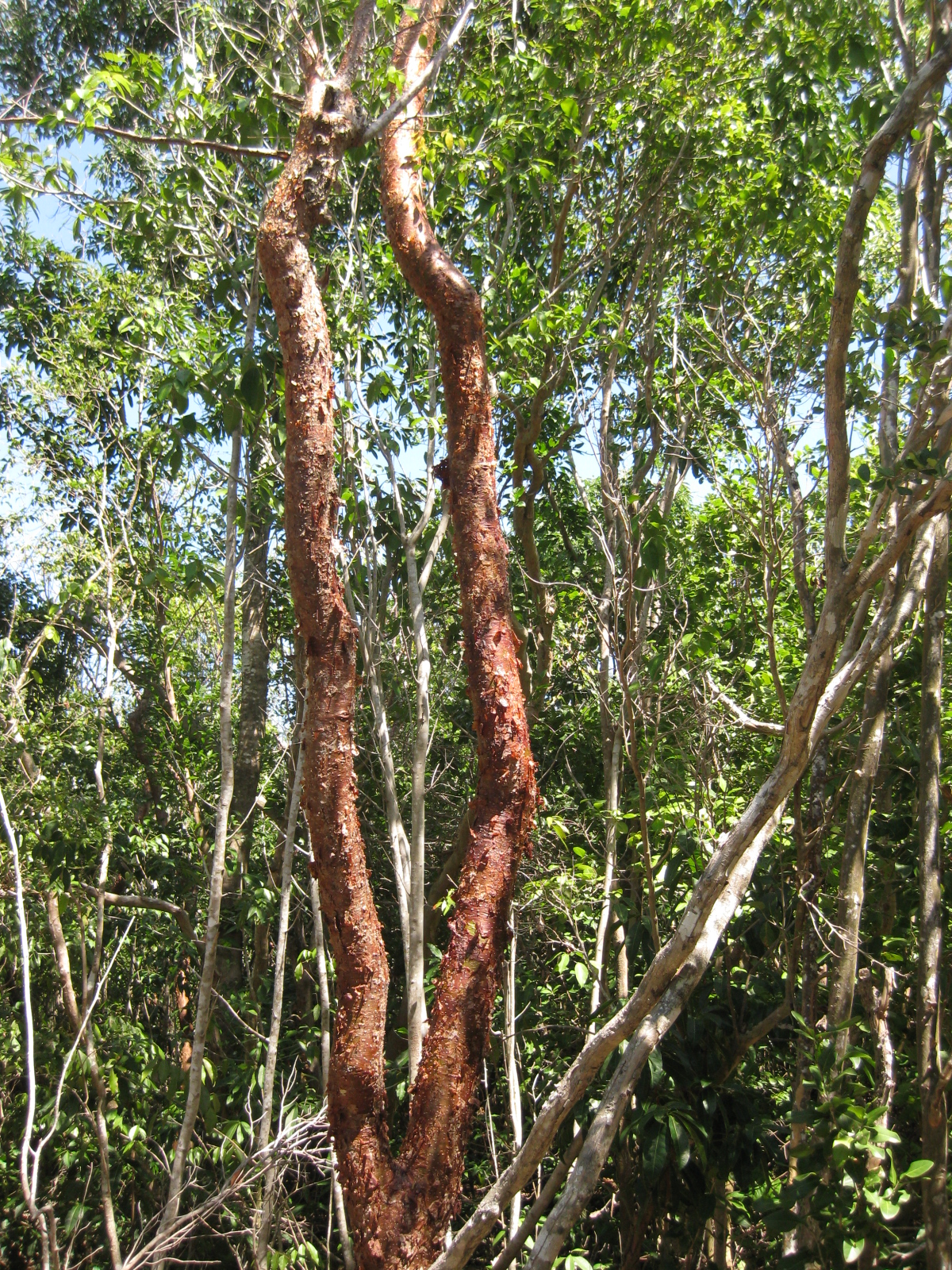
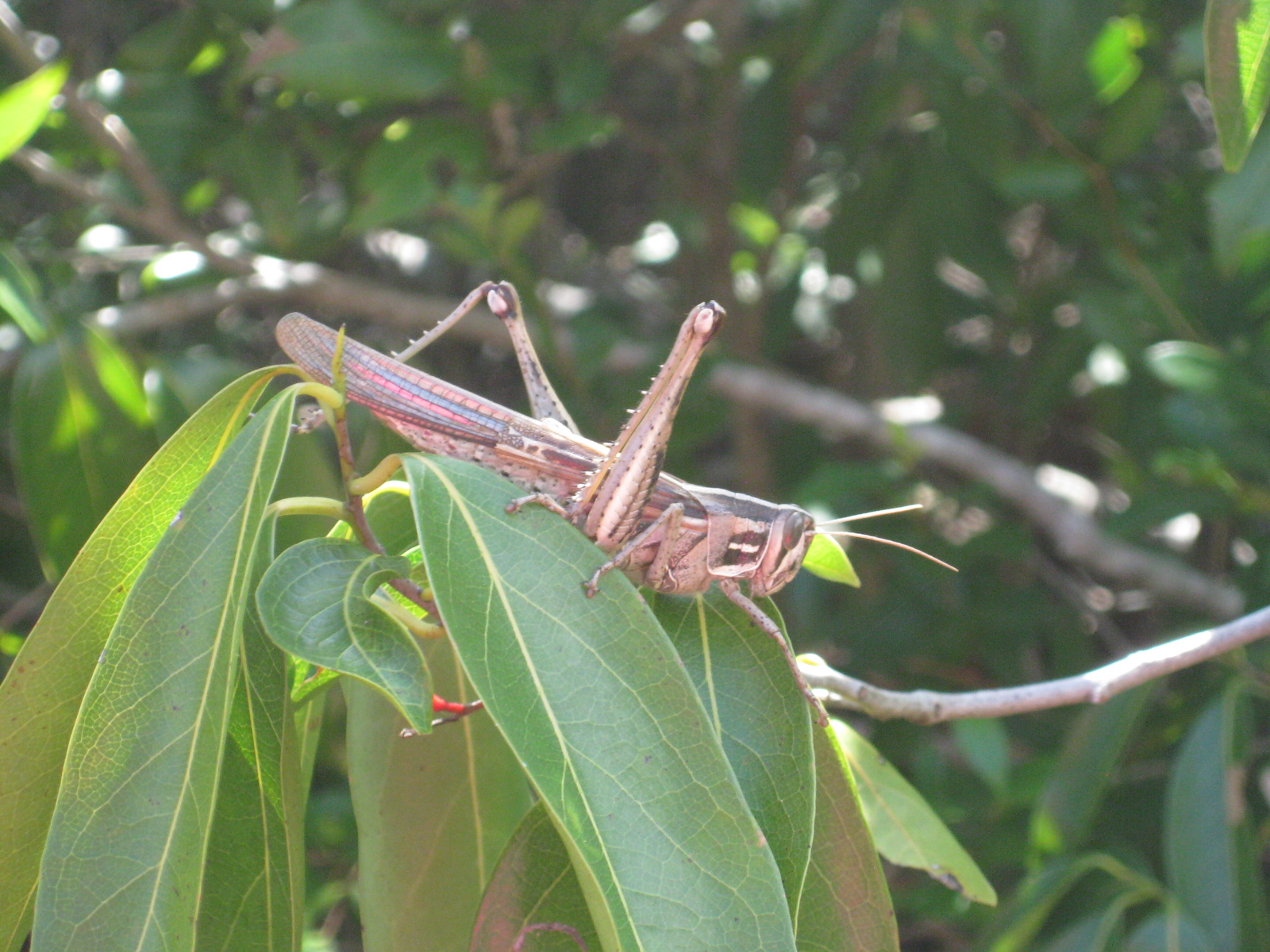
 From there, hike down to the bay.  It is really worth the little trek that is required.   Along the way, there are some beautiful trees, lovely coppice and when we went, we saw a very friendly (and large) grasshopper.

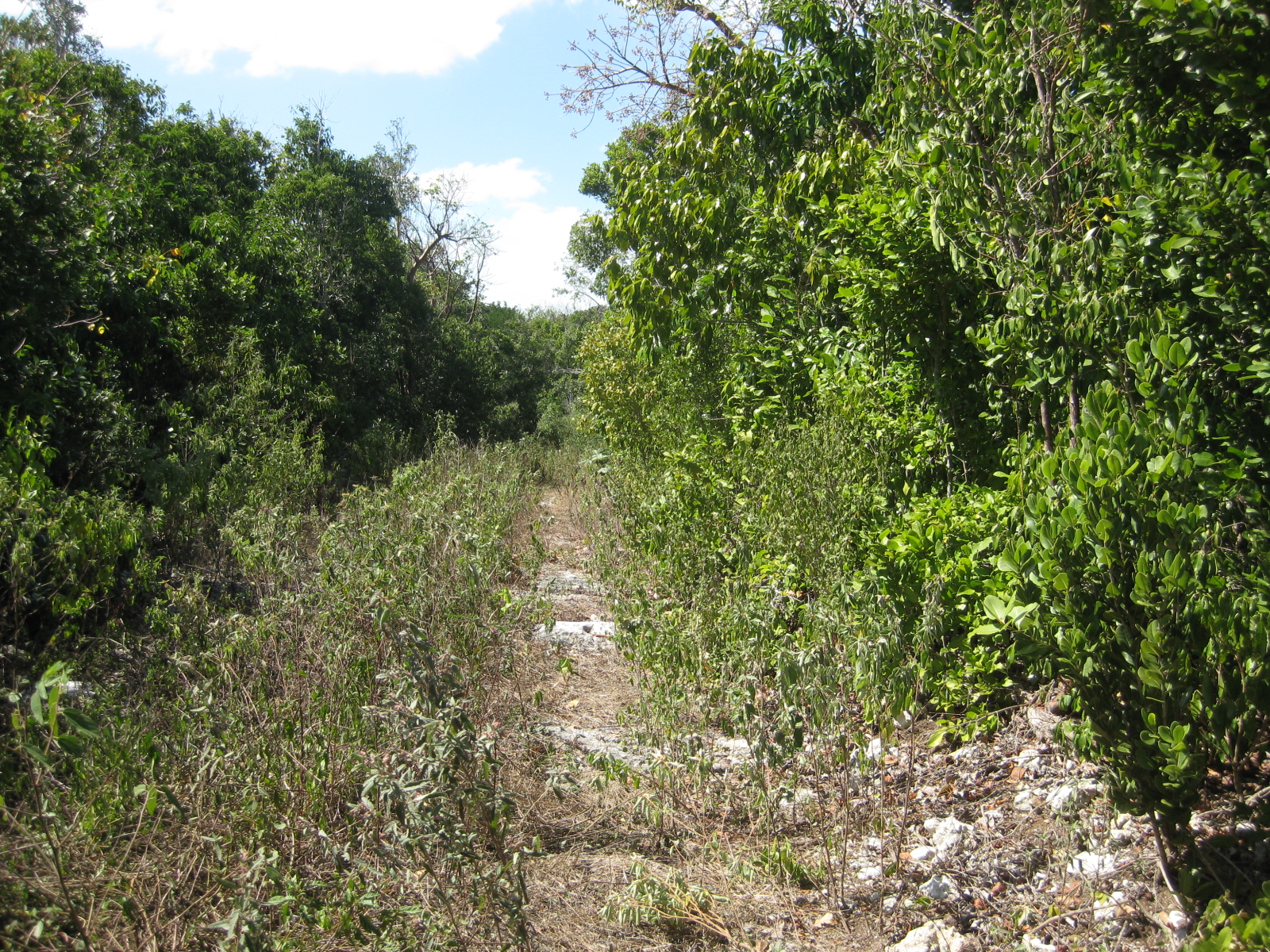
Walking path to Rolling Harbor

The trail becomes thinner and thinner until it is just a footpath, then it hits the beach.

Pretty Copice
Friendly hello from a local grasshopper.
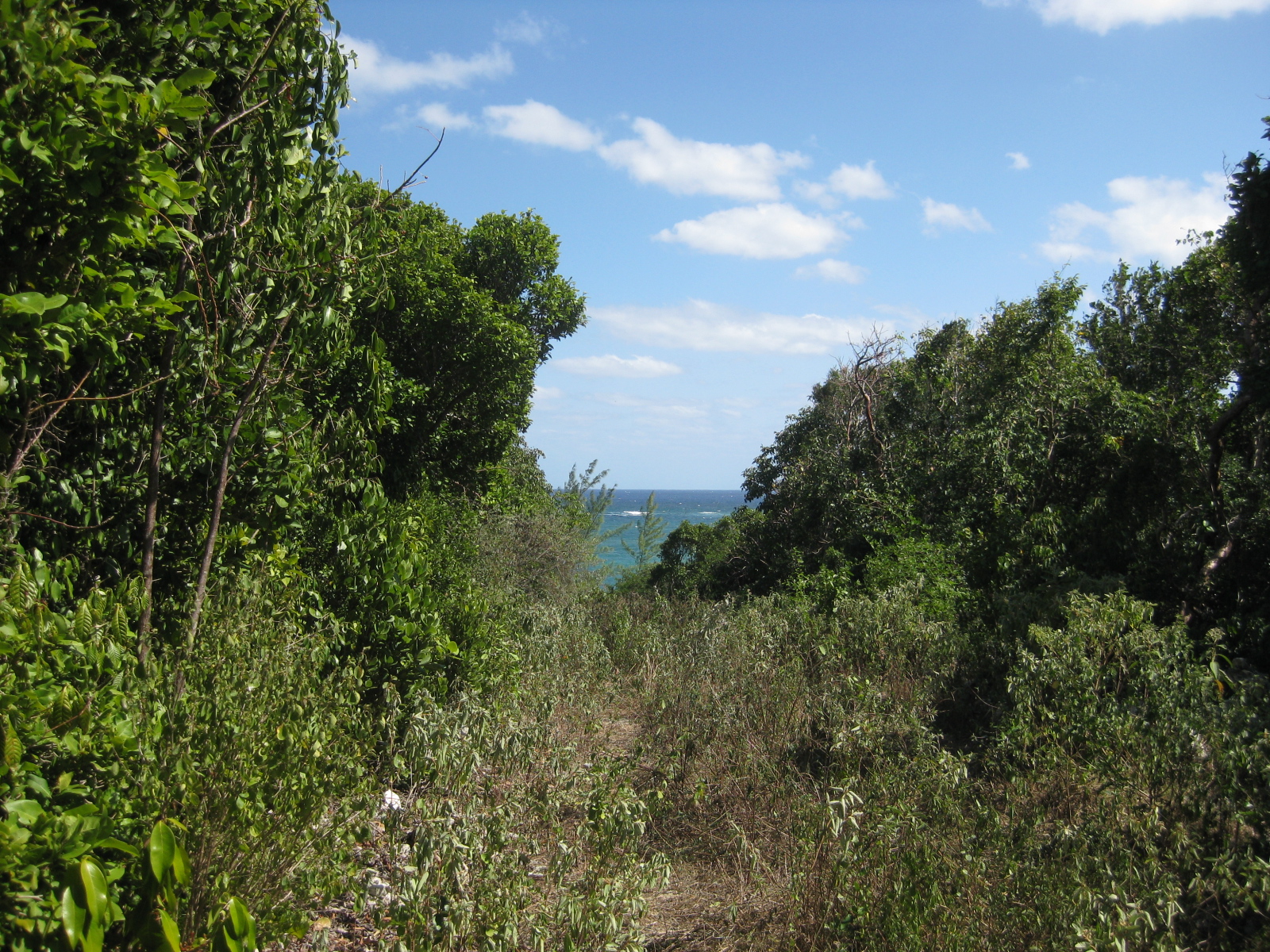
Toward the end of the hike, one sees the ocean ahead.

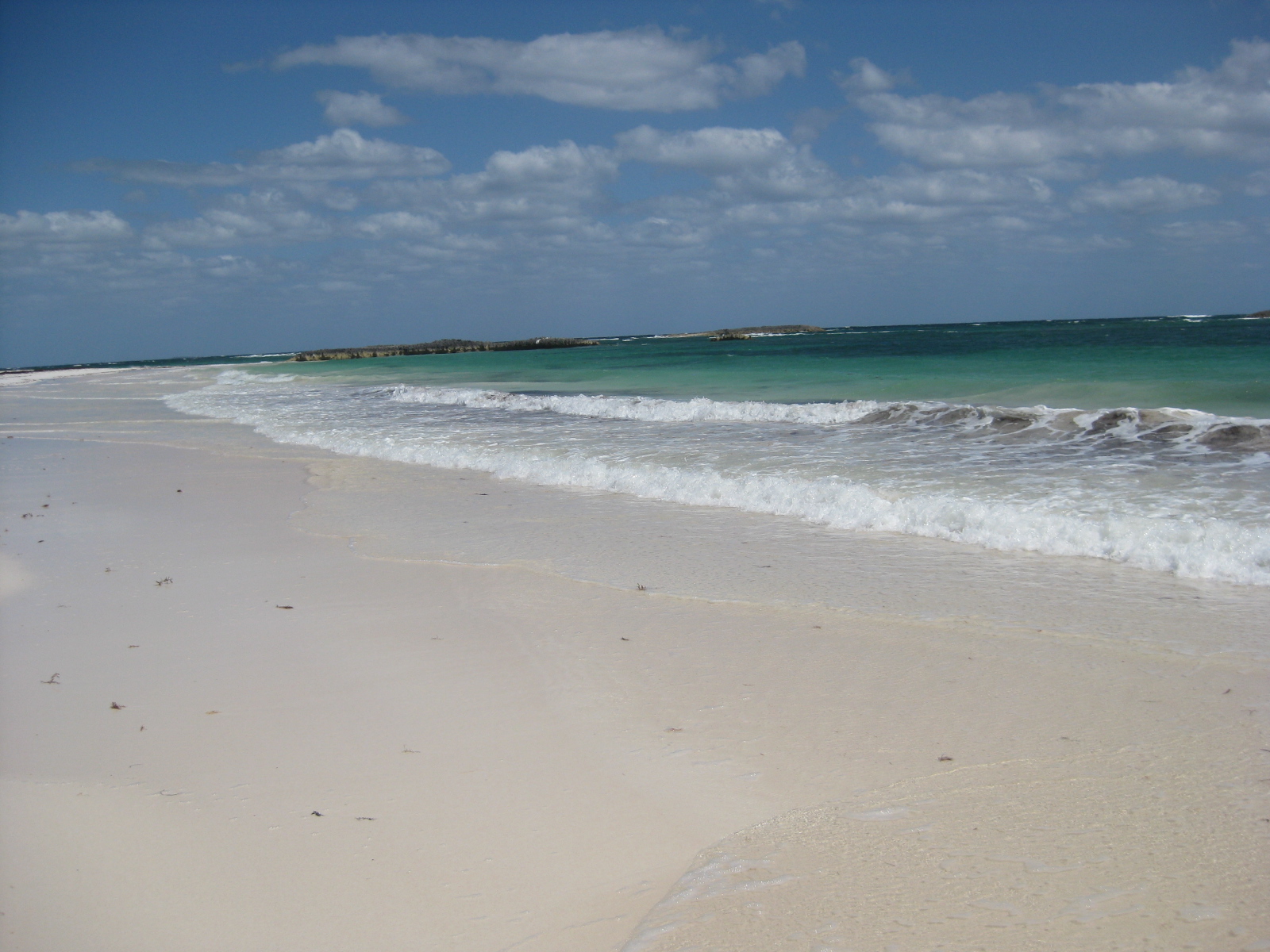
This is when the walk becomes so striking.  We step through some invasive Hawaiian Sea Grapes and  Casaurina Pines and suddenly we emerge to see a lovely, relatively small, harbor with the waves rolling in with great force.  In front of the Delphi Club, the invasive species have been removed and the view of the cliffs is very striking.  The scene is powerful and pretty.  The beach has the whitest, smoothest sand.

We walked from one end of the harbor to the other, delighting in the rolling waves, the beautiful site of the Delphi Club up above on the cliffs, and the magnificent coral rocks circling out and protecting the harbor from the big ocean waves, but not too much.

I am constantly taken aback by the beauty of the small harbors tucked in along the Abaco shores. Rolling Harbor is one trip that I think we will become a tradition for our family to visit.  It is a very special place, so nearby and reasonably accessible.  We need to encourage others to continue to use the footpath down so that it doesn’t grow over and become inaccessible.   

Rolling Harbor curvature
Stepping off the path and onto the beach
Delphi Club up on cliffs in the center of photo

This is a perfect short hike and great place for a  walk-down beach picnic.  Let’s remember to carry our bottles and papers out with us when we go. 

Another great way to visit Rolling Harbor is to call ahead to the Delphi Club and make a reservation for dinner at The Delphi Club Lodge.   Come a bit before dinner and take a walk down their lovely steps to the beach.  Then return to the Lodge and have a drink while sitting on their great porch.  Watch the sun set over Rolling Harbor.  Then step inside The Lodge for a really nice dinner, in a really great setting, with good friends. 

We are lucky to have the choice to visit Rolling Harbor through a private bone fishing club and to also be able to visit it using public access ways.  It is  important that there are options so that all of us might continue to visit and share such a beautiful place.

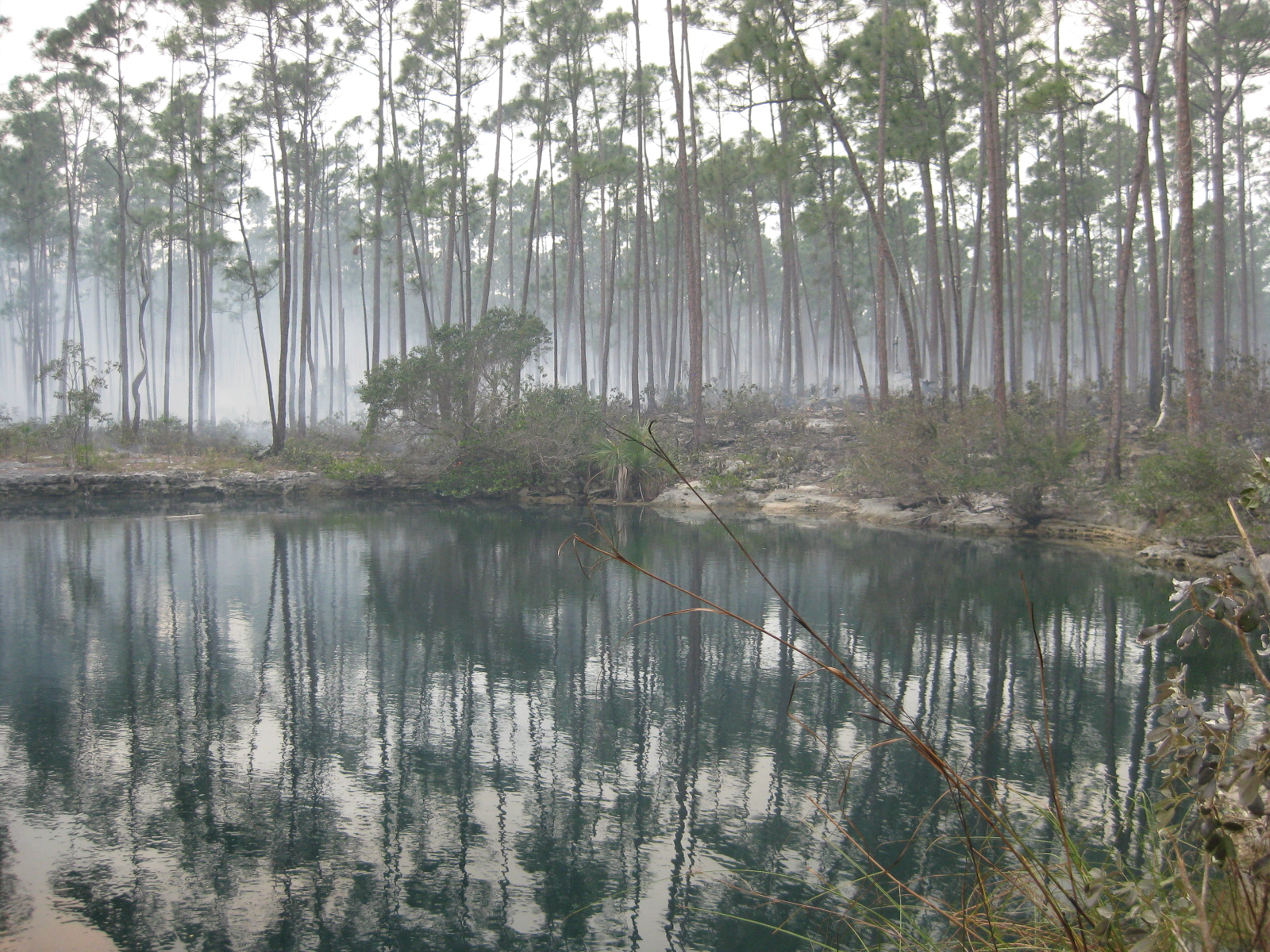
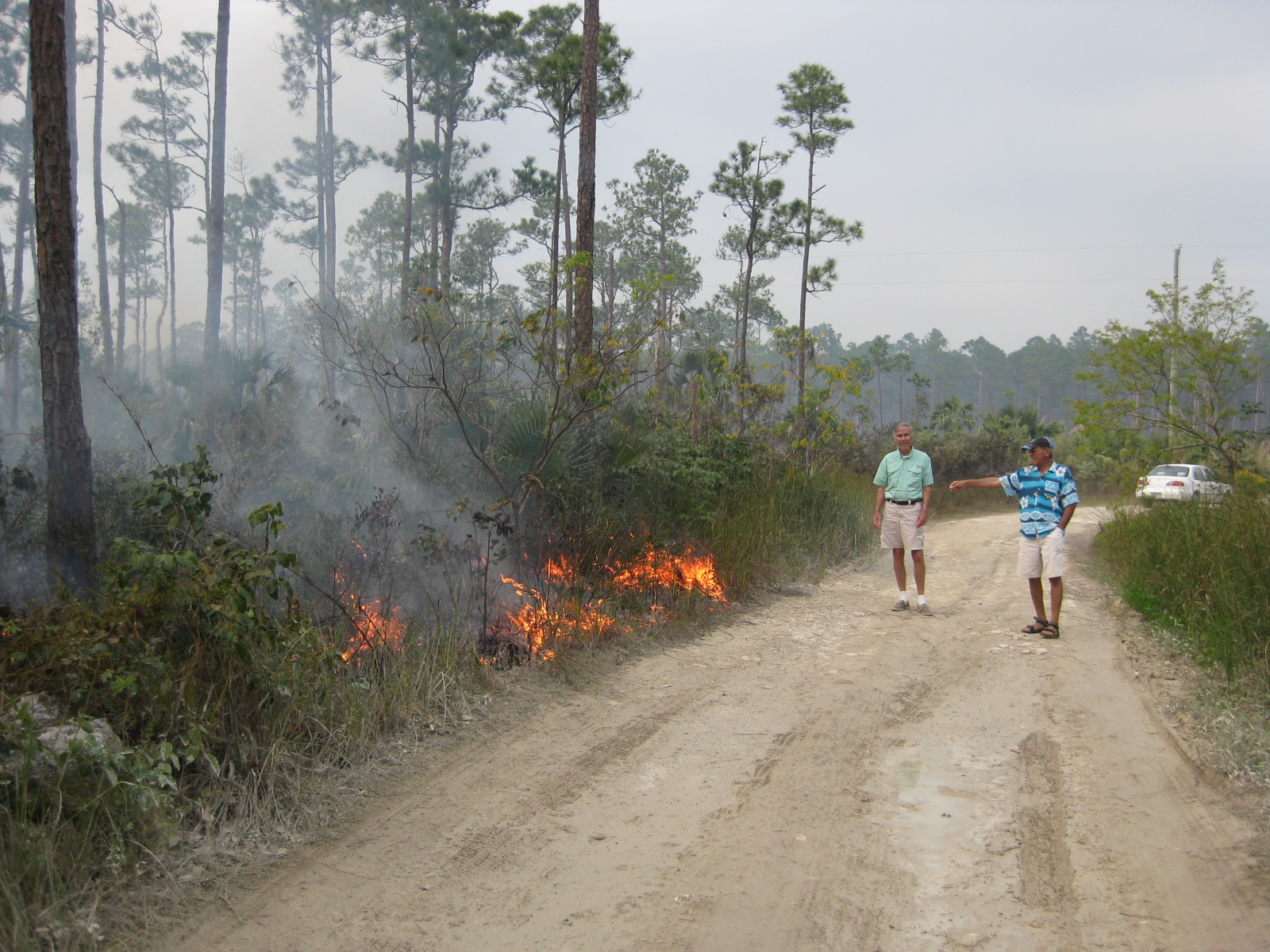
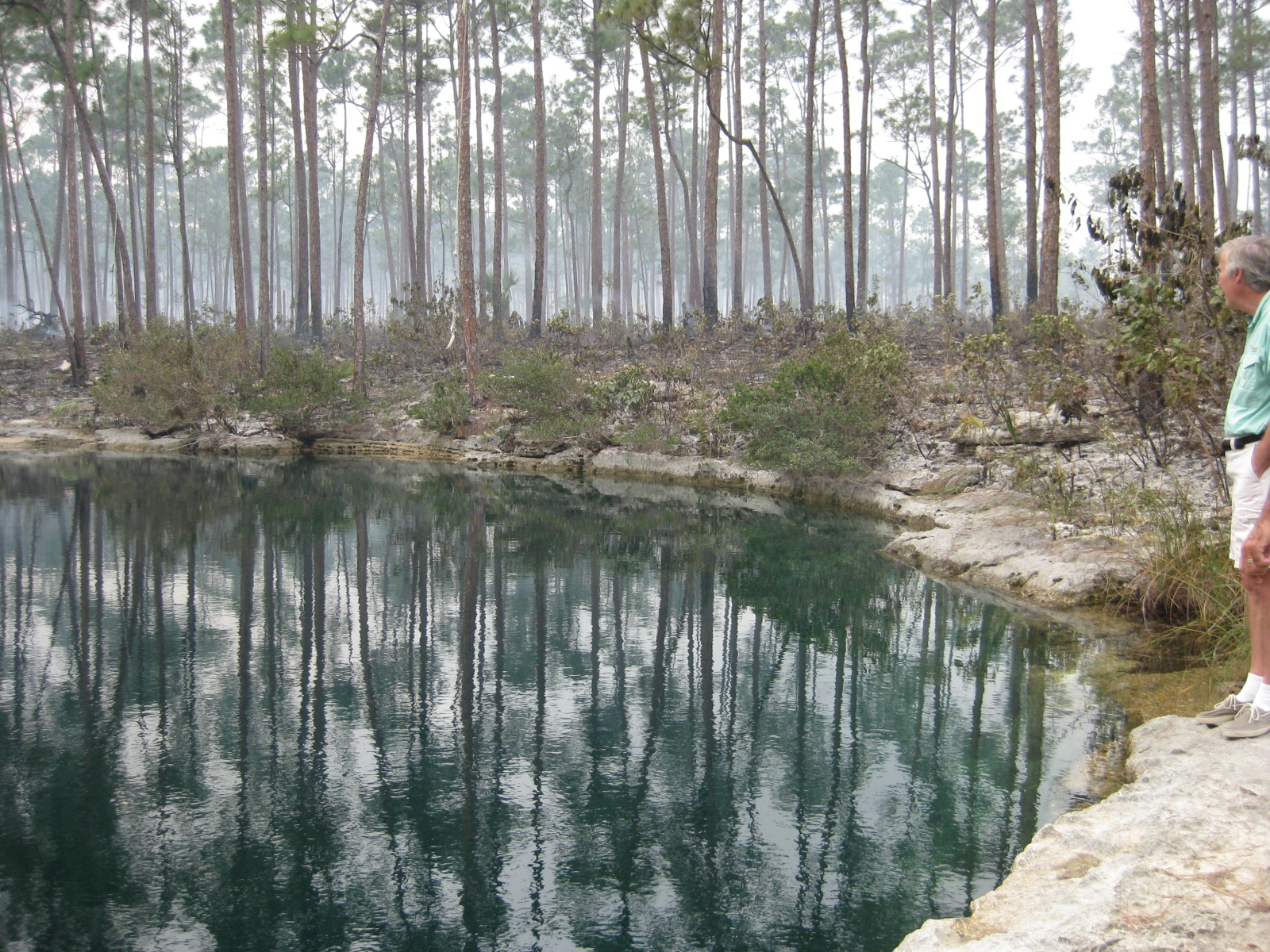
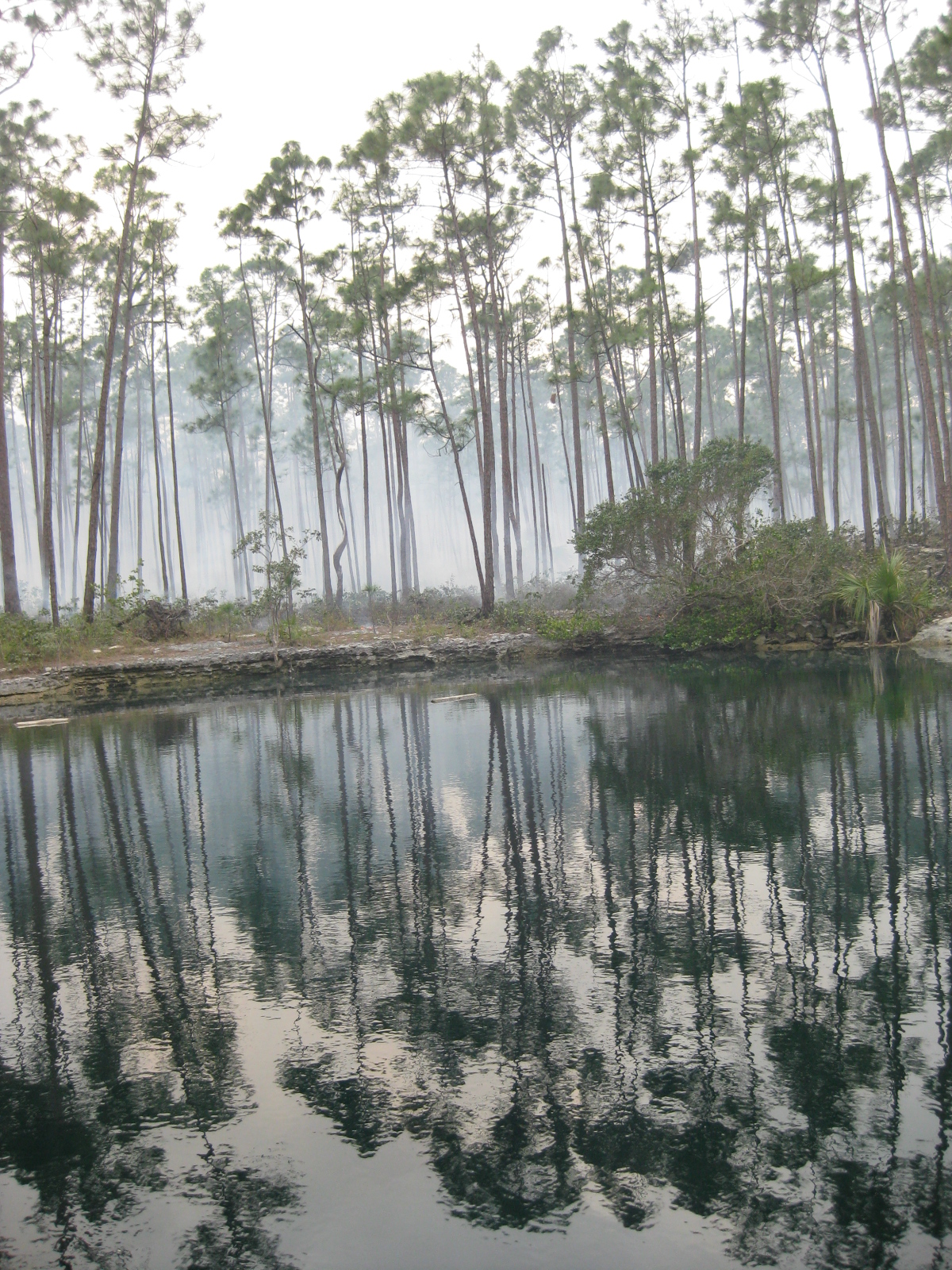
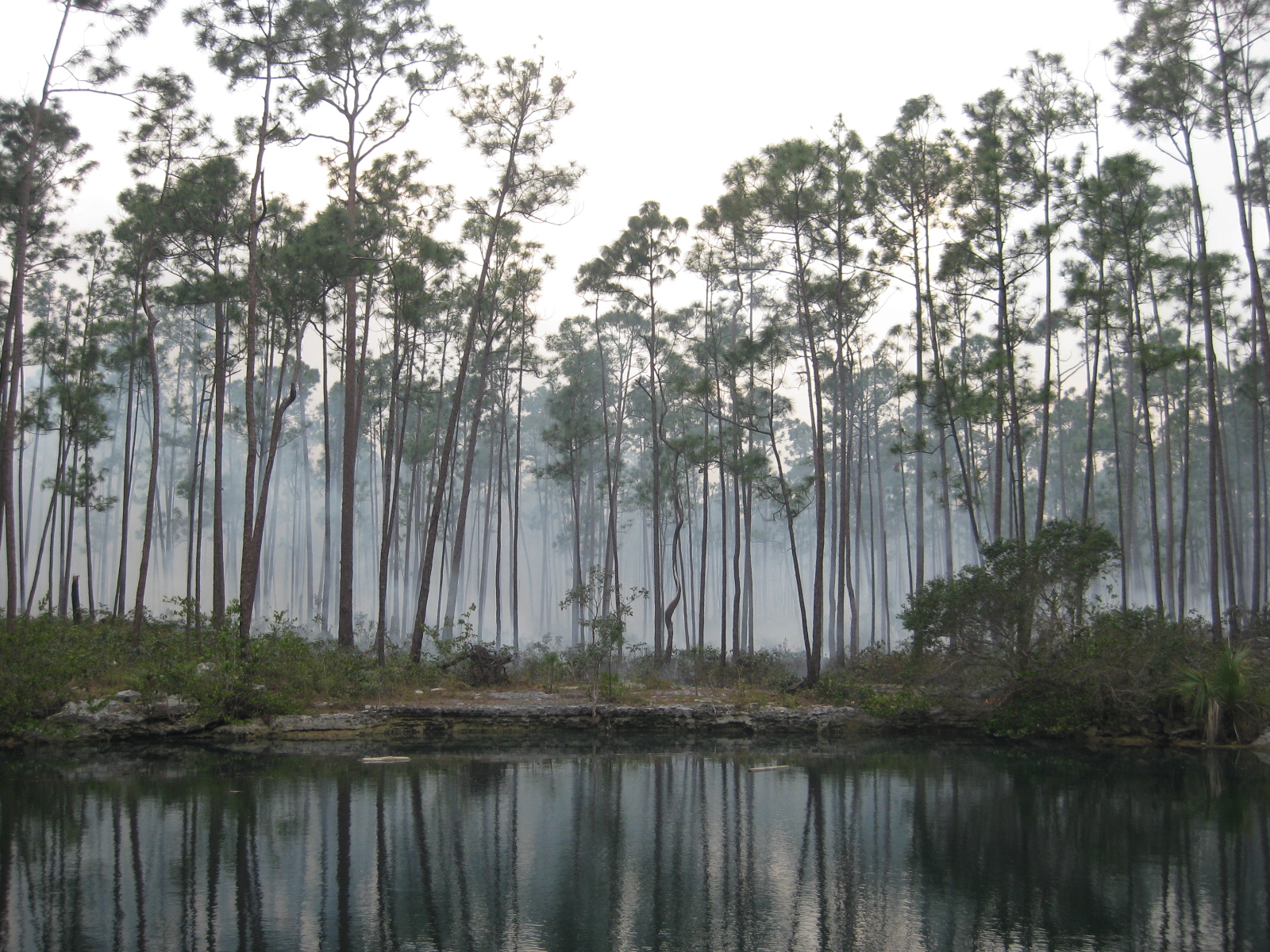
Yesterday we went up with some friends to Treasure Cay and spent some time locating the Blue Hole near there.  At first we couldn’t find it, but after asking some very helpful locals for assistance, we finally figured it out.  As we drove up the road toward it, we could see a forest fire raging in the background in the  general area where the wild horses live.  But since we were on a wide and safe road, we forged ahead.

This Blue Hole we were looking for is 3.6 miles north of the Treasure Cay road and to the left for 2.5 miles. 

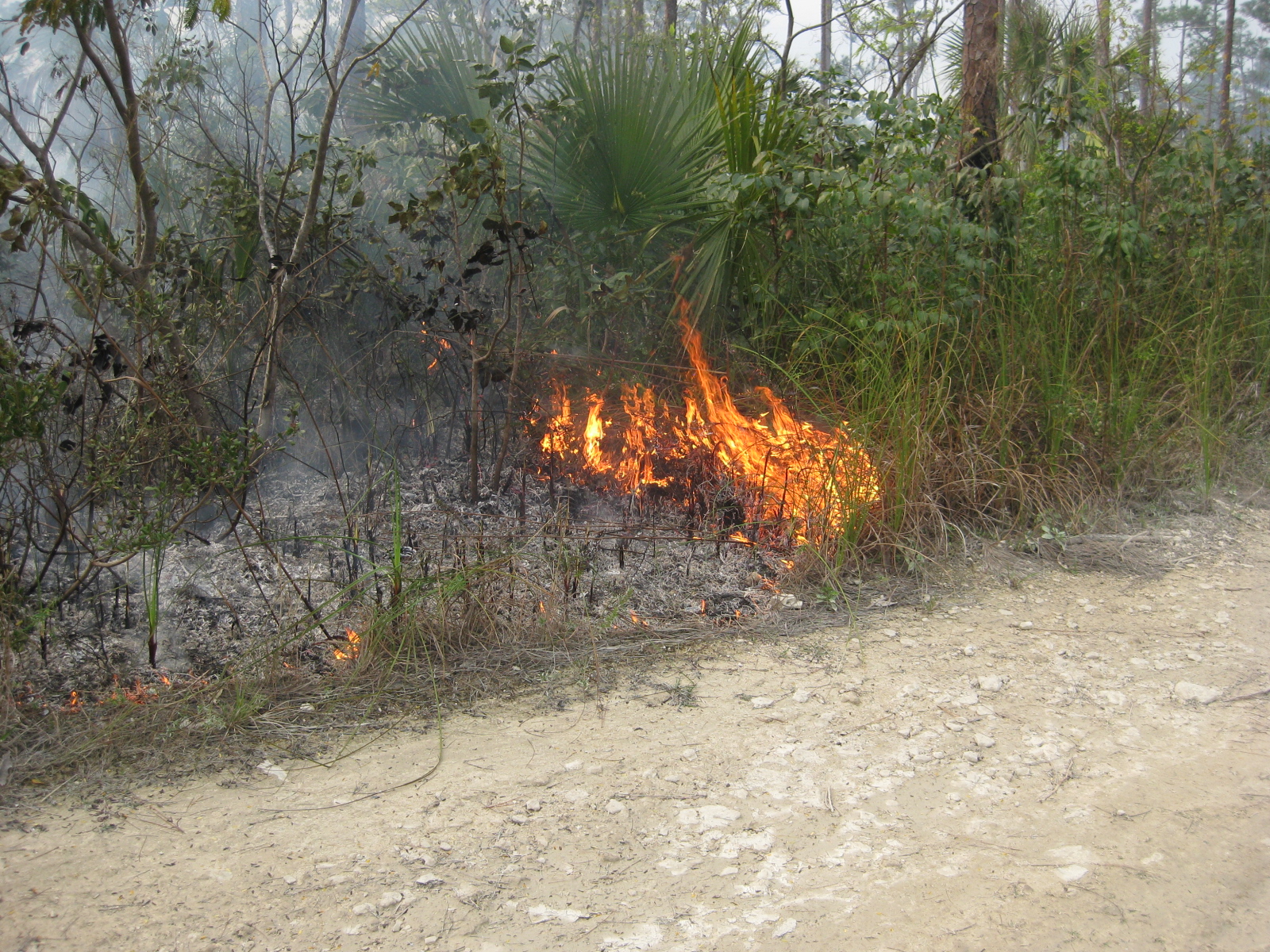
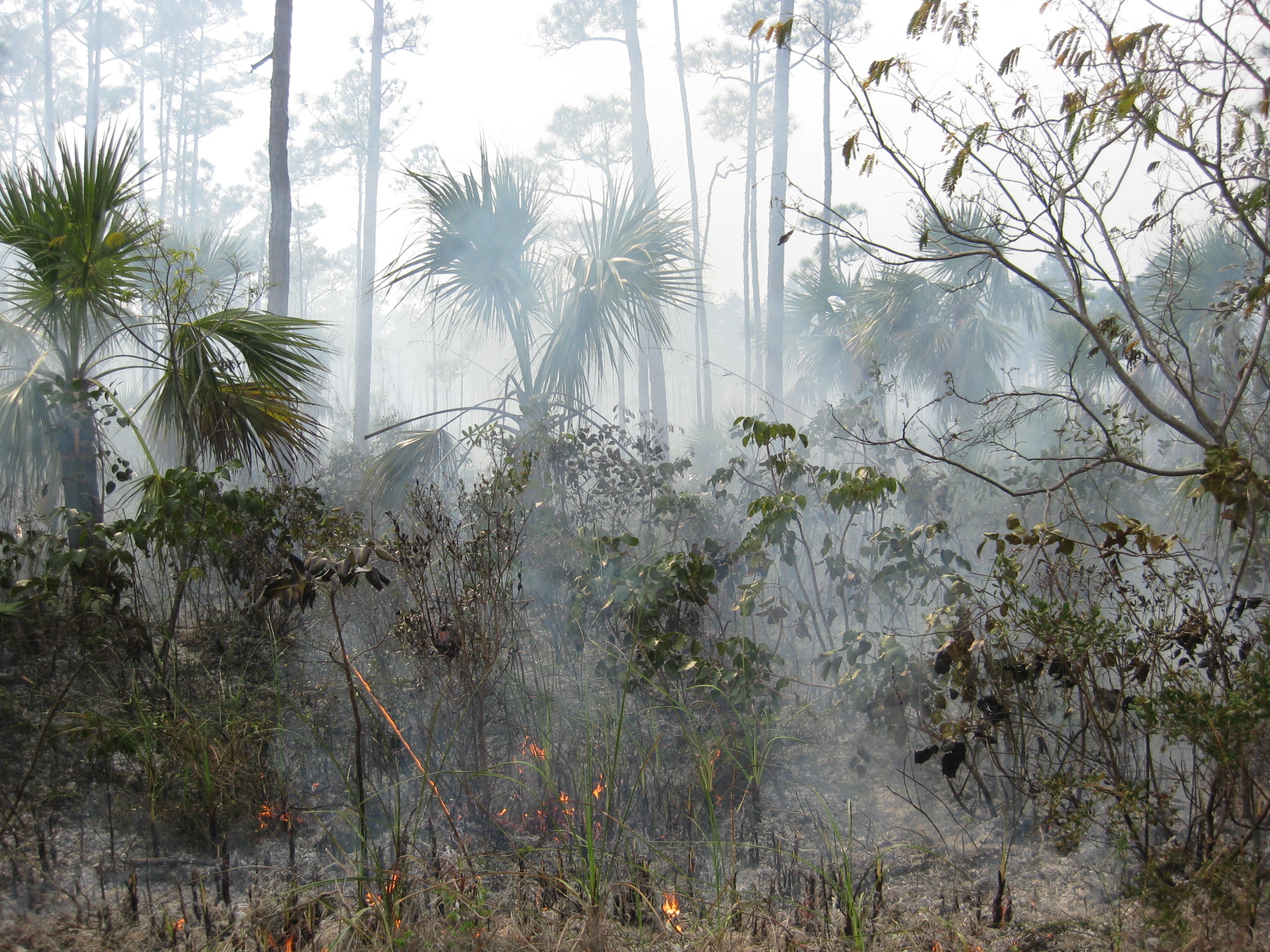
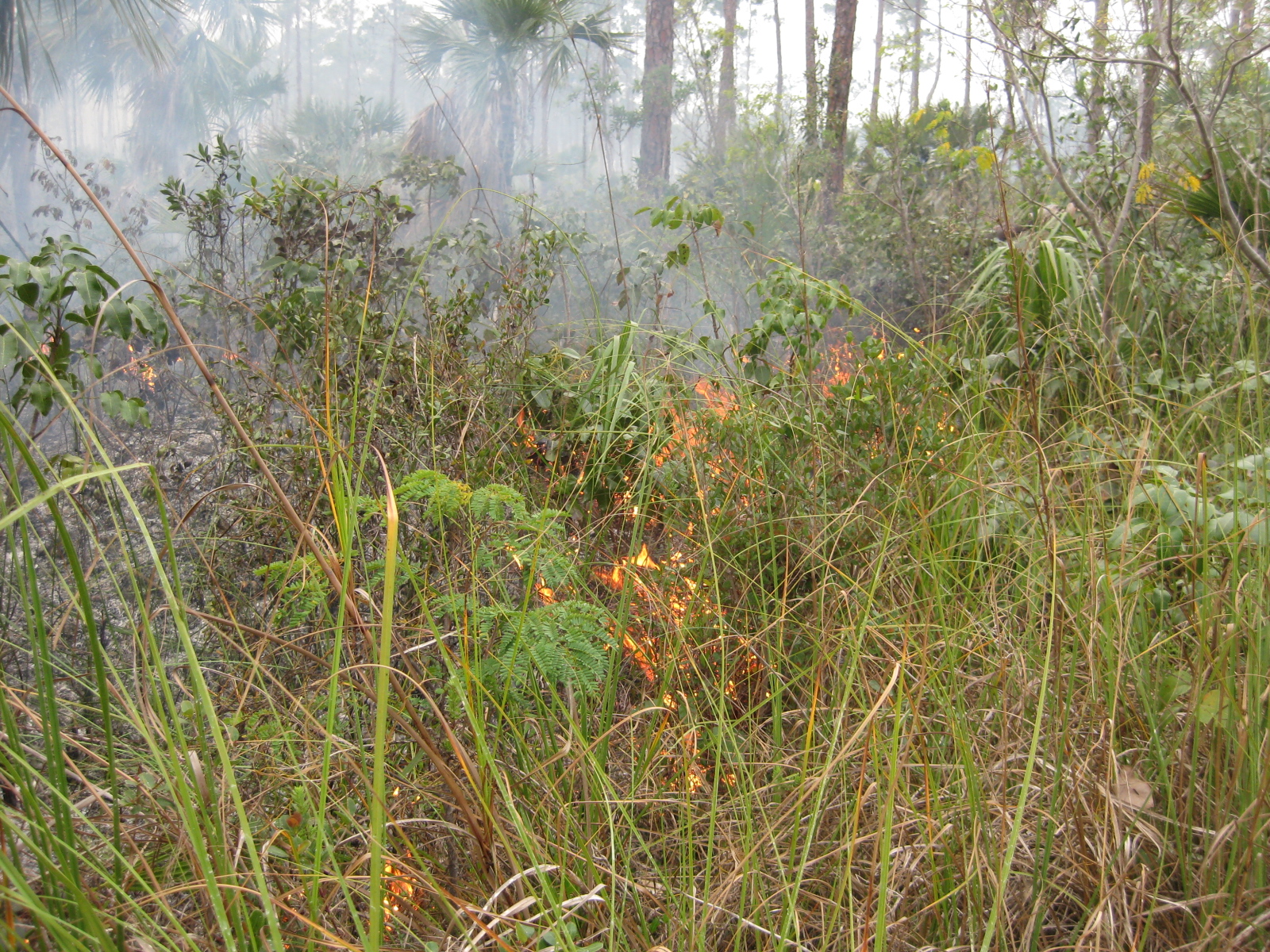
The blaze was apparent in some places.  The smell of smoke was everywhere. 

We parked on a two-lane dirt track that we thought was the road to the Blue Hole and the guys walked ahead to see if they could find it.  We followed after they shouted for us to come.  We  walked down the road past the burning grasses along the side. 

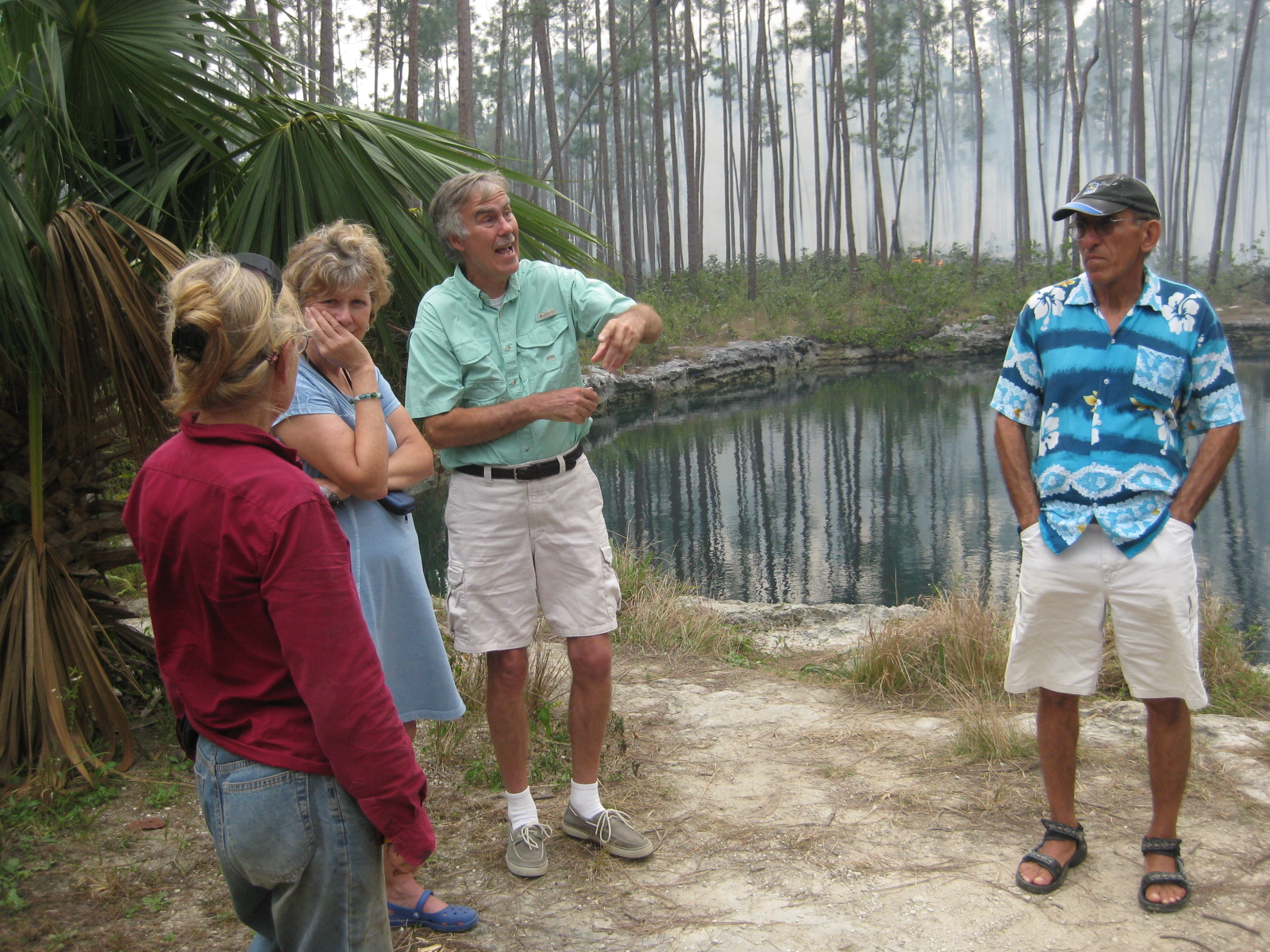
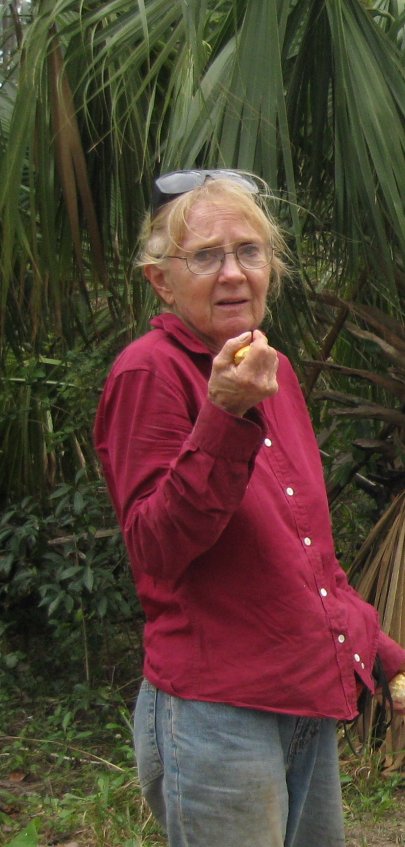
An old truck drove up and a woman stepped out. She is Milanne Rehor, a person who has dedicated her life to protecting the wild horses on the island.  She is worried that the horses will be badly affected by all this fire as they are losing their grazing areas.  We chatted with her for awhile, then she got back into her truck and left.

We stood there, listening to the crackling of small fires, amazed with the strangeness and beauty of the setting.

Milanne Rehor

It is fun to read about Blue Holes in the Abacos and there is a lot to learn about them.

They tell us that the top of the water in a blue hole is fresh water and deeper down is oceanic saltwater.  There is a  layer in-between that really doesn’t support much life.  The story of the blue holes is fascinating.

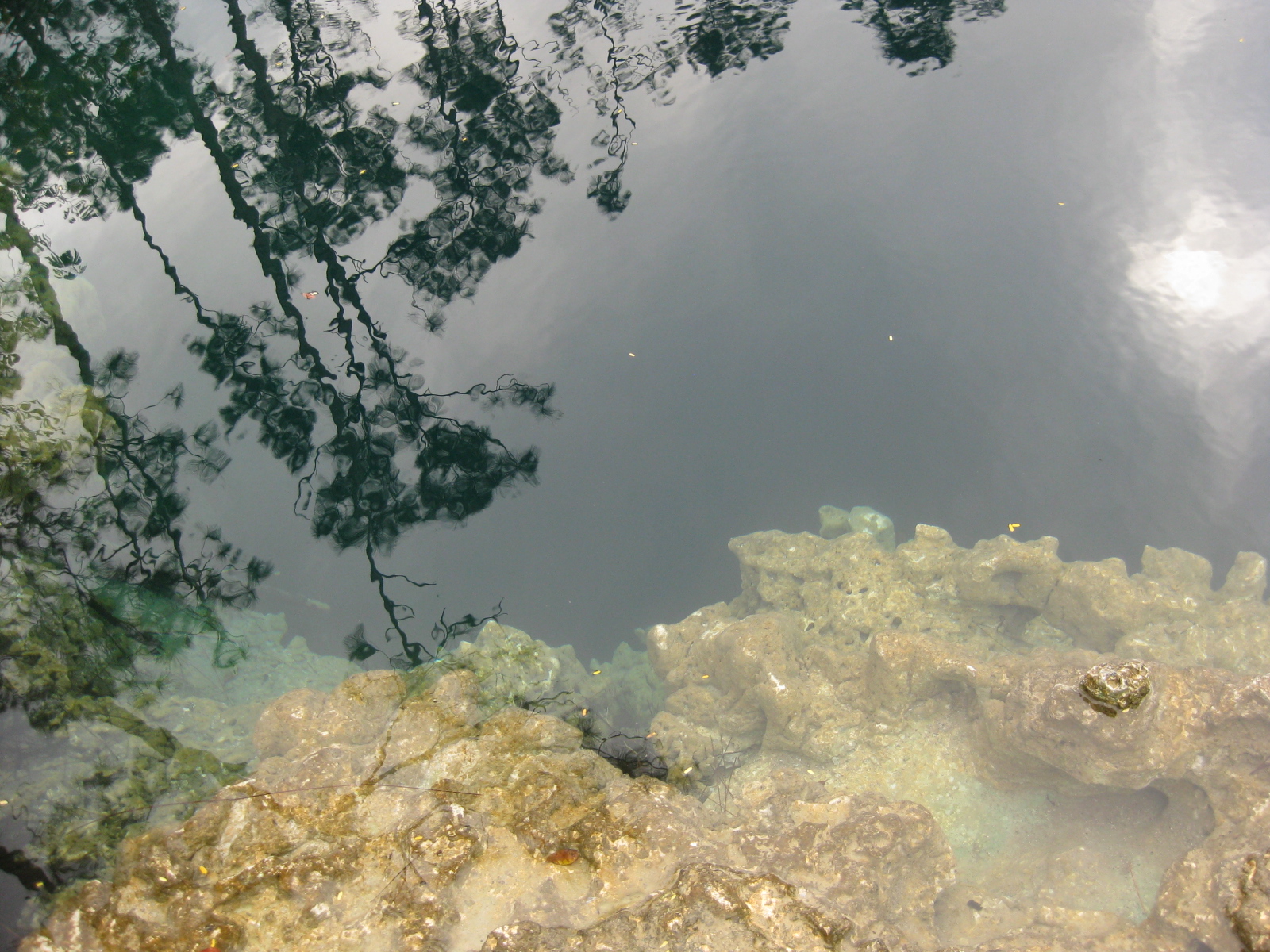
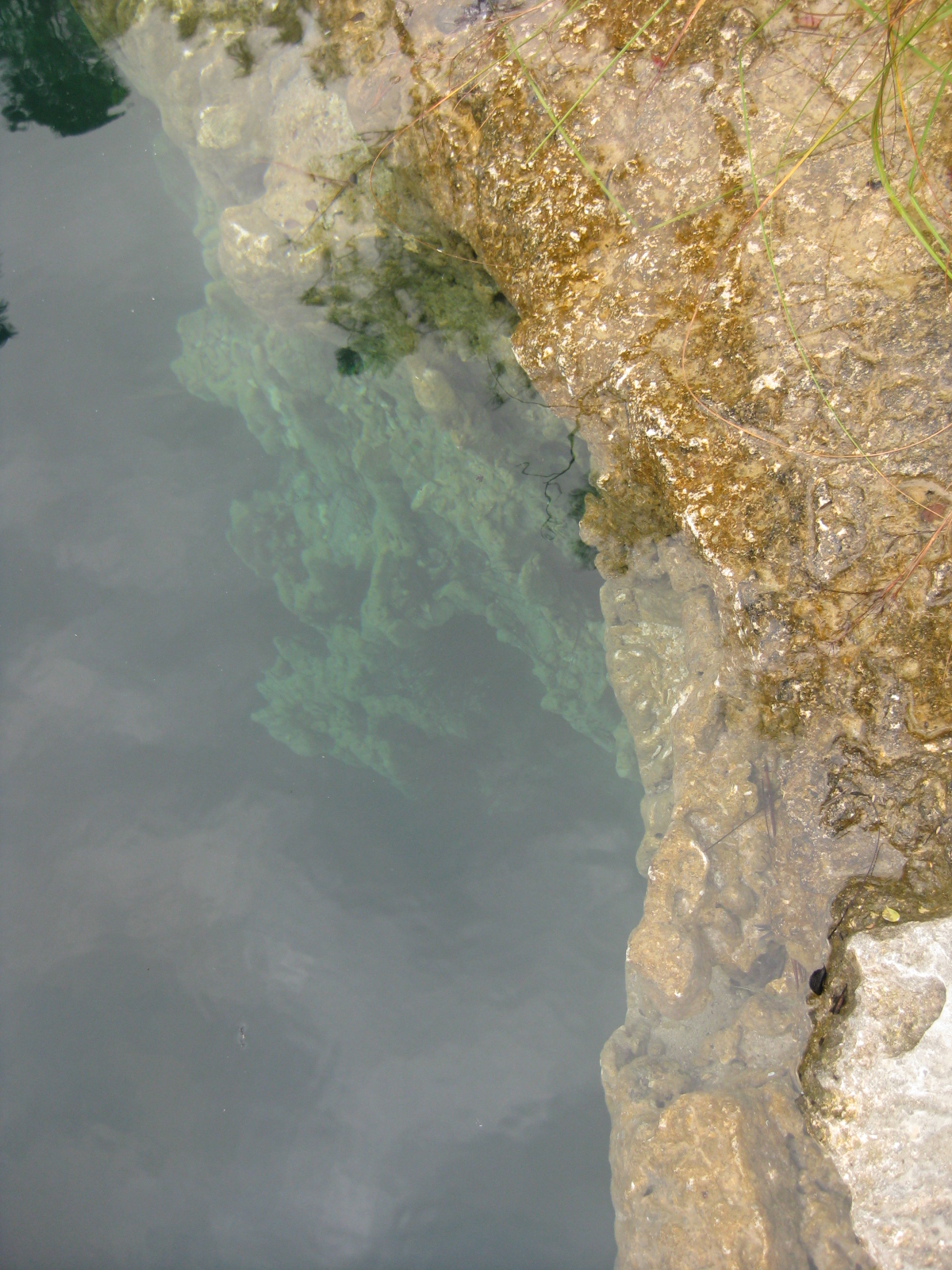
But when you really get to a Blue Hole,  it feels eerie to peer down into one. It is deep and possibly treacherous.  It feels as though if I were to fall in that I might sink and  never be seen again.

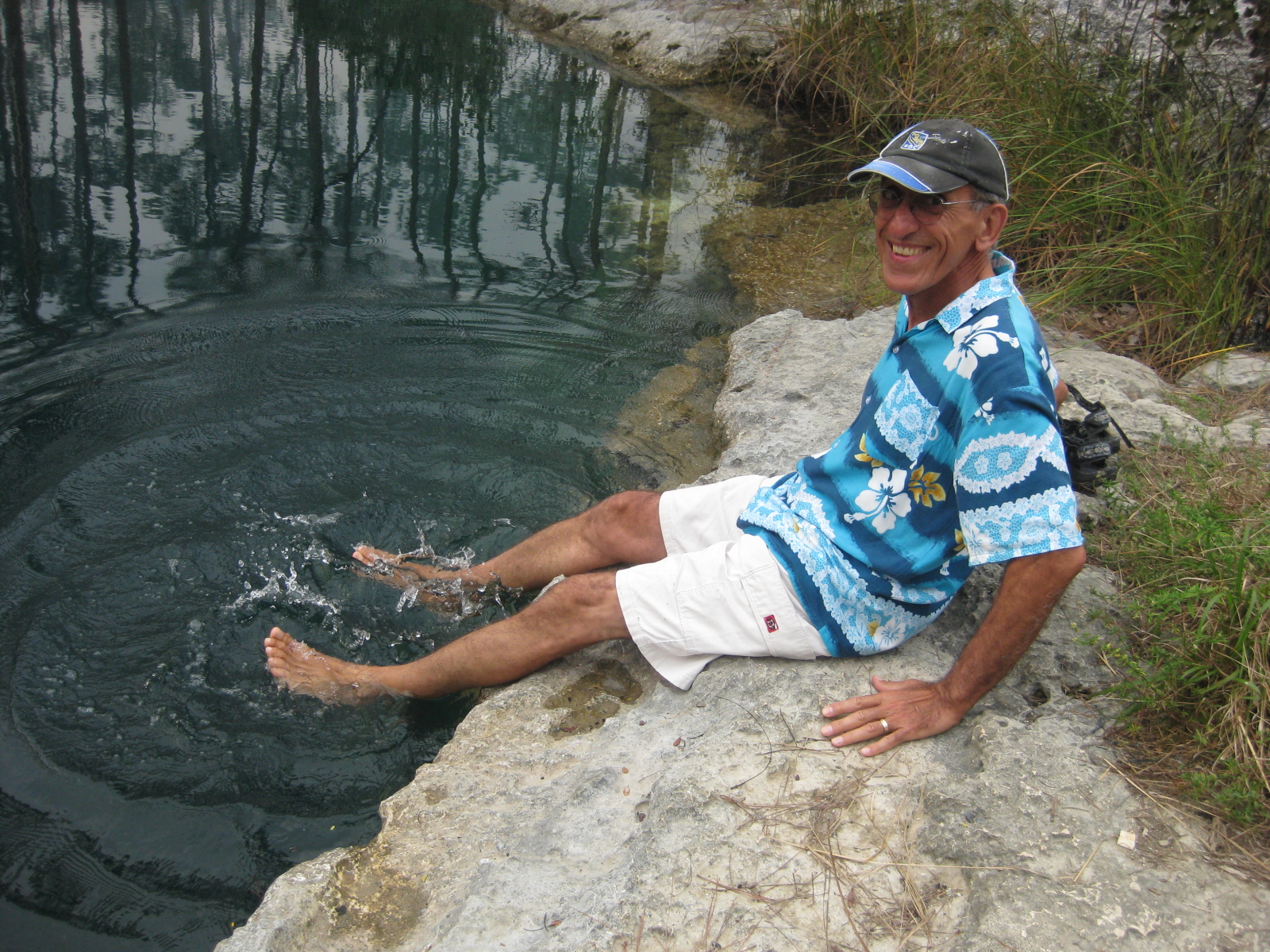
There are people who swim at this site and find it a wonderful experience.  Next time I will wear my swim suit and give it a try, but think that I will do it with a life jacket on just to appease my instincts.  If you look closely at this photo you can see the rope tied to the tree where people swing to jump into the water hole.  They tell me that the water is refreshing.

We did not exactly jump in, but one of us did check out the temperature of the water.


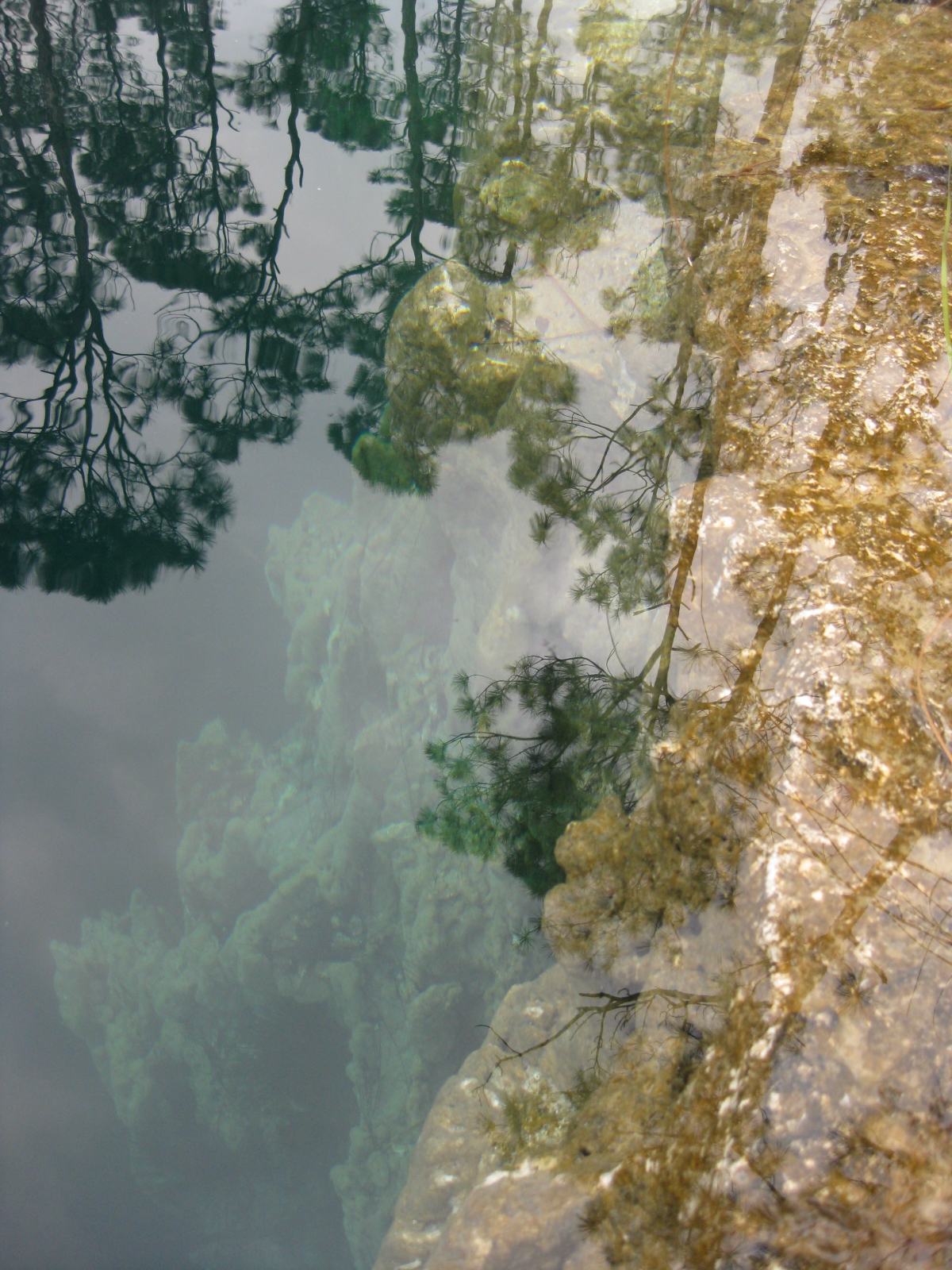
I took photos of the hole from different angles. It is an amazing site.

See how deep it is?

If you ever have the chance to go find a Blue Hole, please do.  It is well worth the effort.

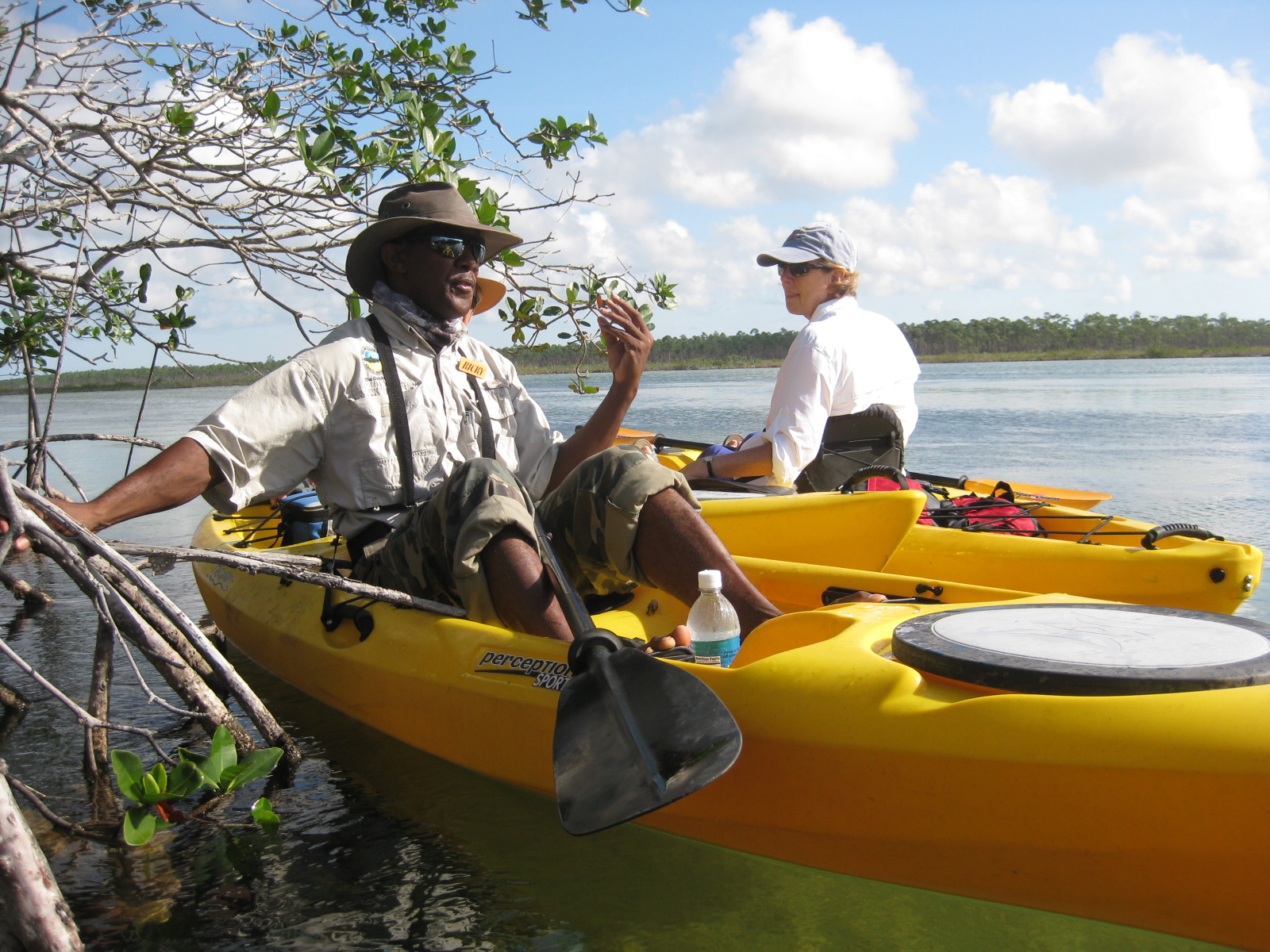
Ricky Johnson, of Abaco Nature Tours took us out for a kayak ride just five miles from High Banks.  It was a delightful tour.

He is very knowledgeable about the plants and birds and points them out as he goes along.  We learned a great deal about our local natural habitat from him, as well as stories about how Bahamians use plants for nutritional and medicinal purposes. He also advised us on a great herbal drink to give to kids who say they are too ill to go to Sunday school.  One look at the drink and they are well again.  He is informative and friendly and really kept us interested in where we are and what we are seeing around us.

A half day tour with Ricky gave me a perspective that I did not have before on the plants and birds that comprise the many micro-environments that  surround us.

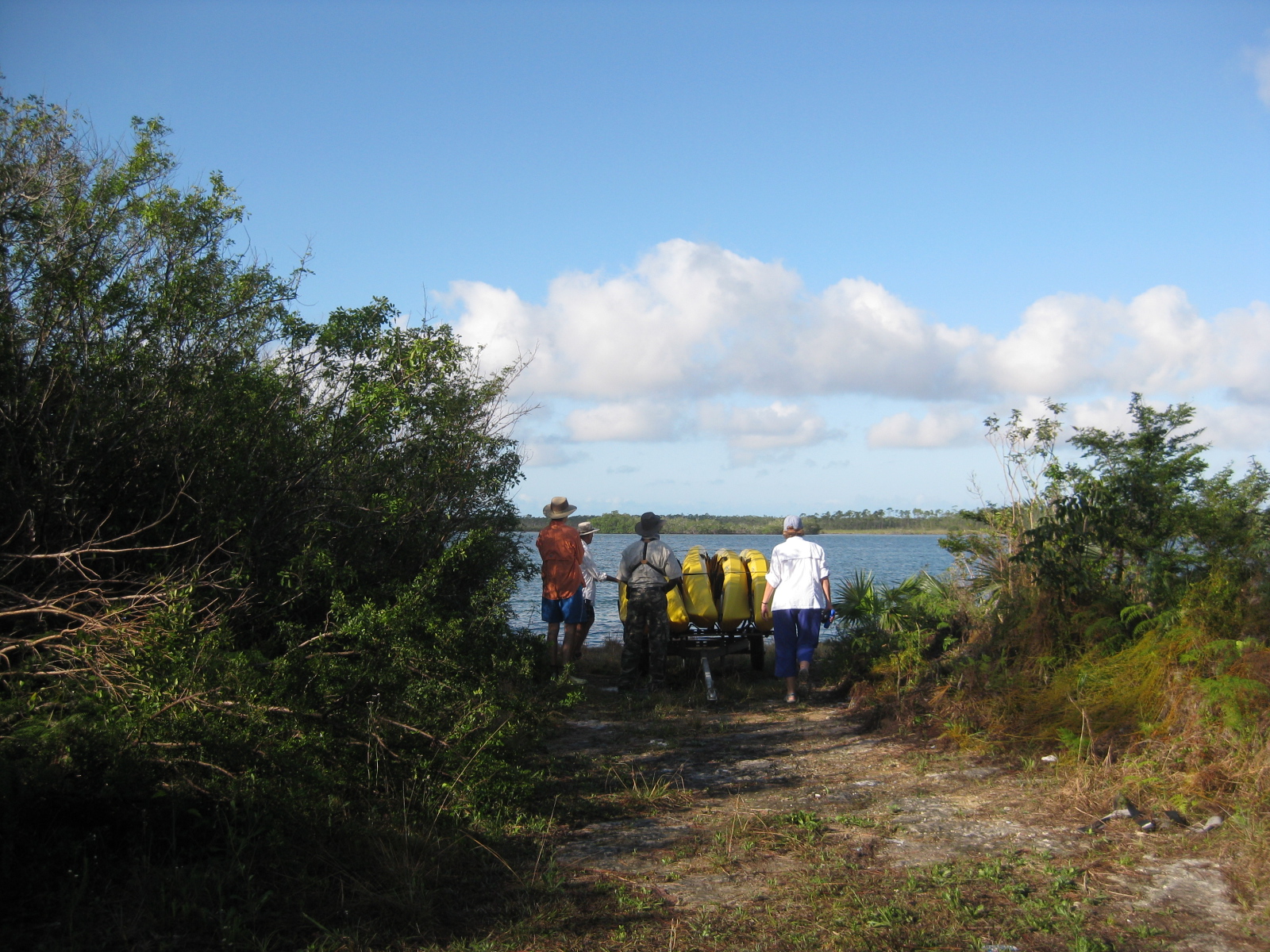
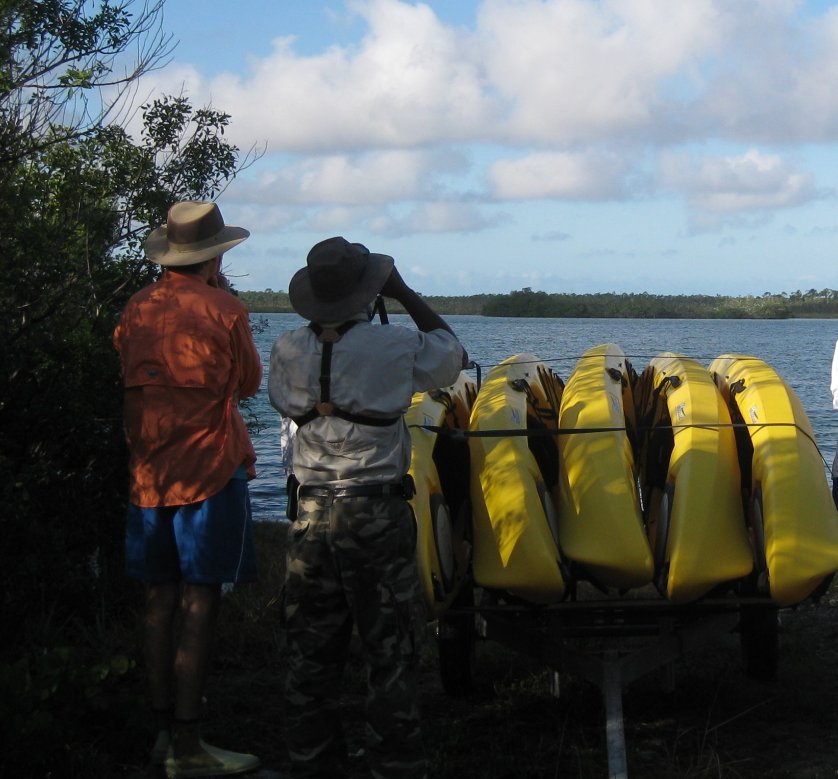
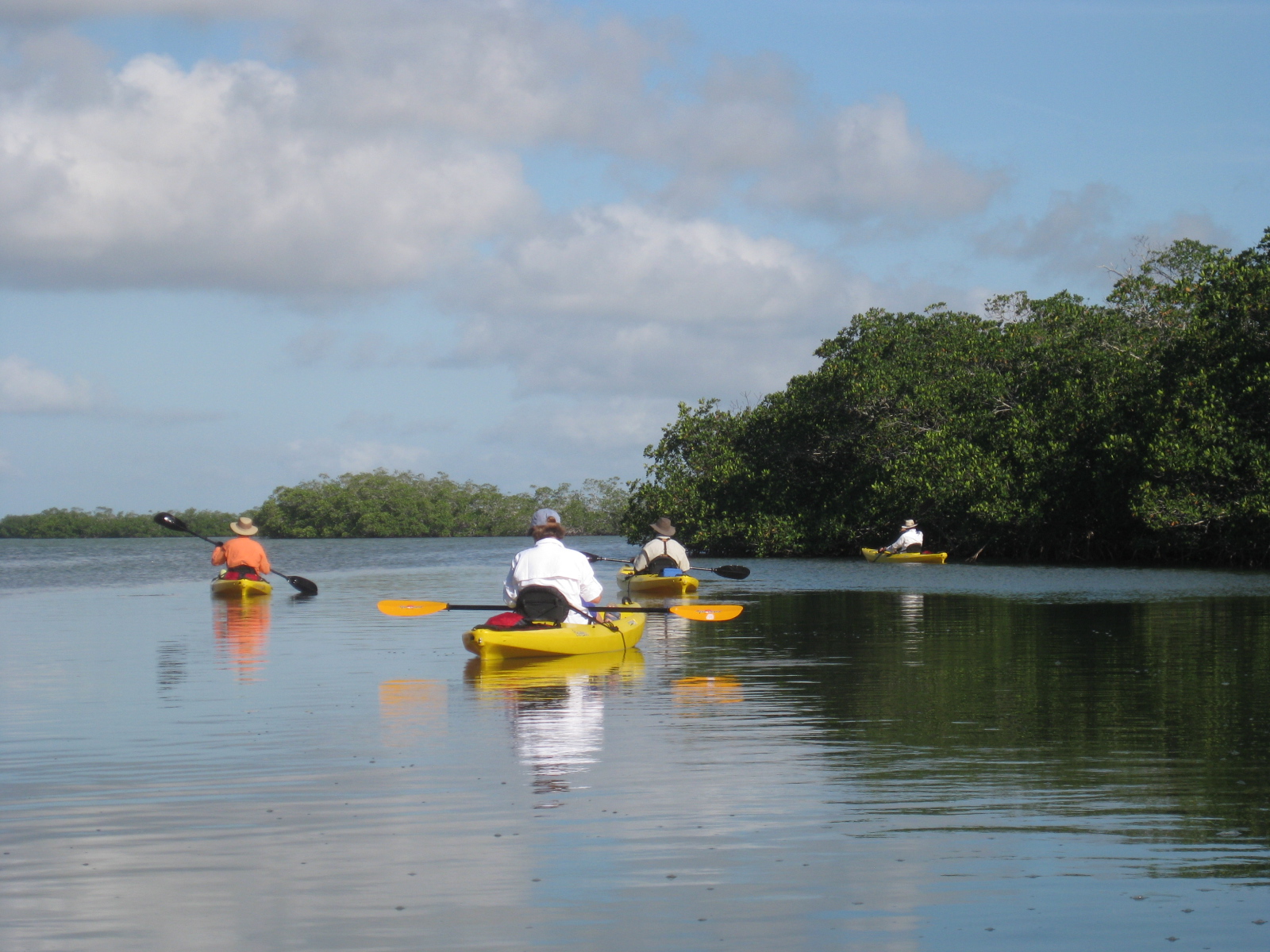
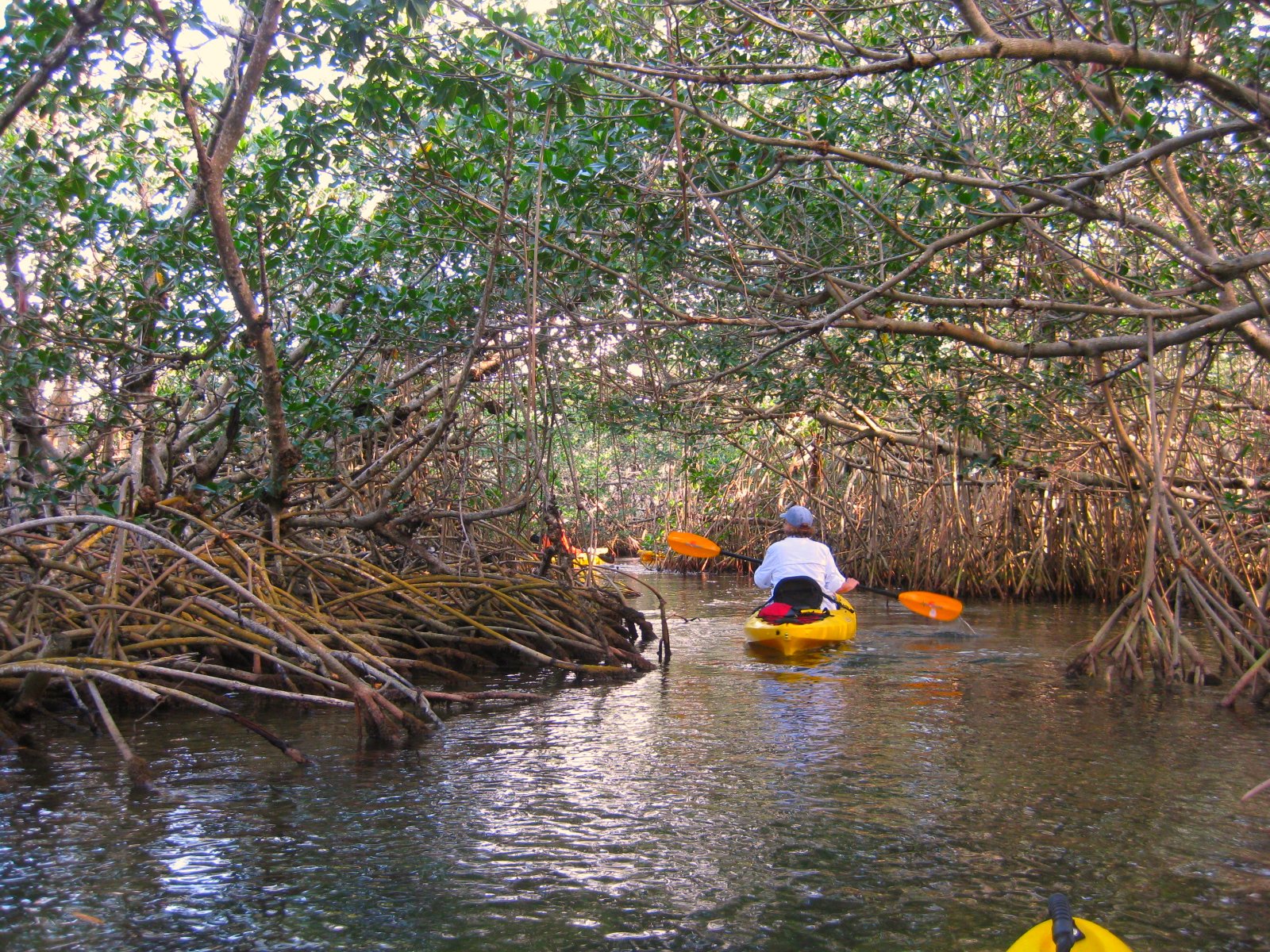
Ricky picked us up at 8am and drove us just a short distance from where we live.  He headed up the road toward Marsh Harbour, made a hard left into the woods and we bumped along on a two-tracker until we reached the western side of the island, filled with shallow lakes and canals, and marls that lead to the ocean.  The tide was on its way down, so when we touched our kayaks into the water and headed out, we had an extra push from the tide taking us out.  I figured I had better rest up, because coming back was going to take some heavy paddling.

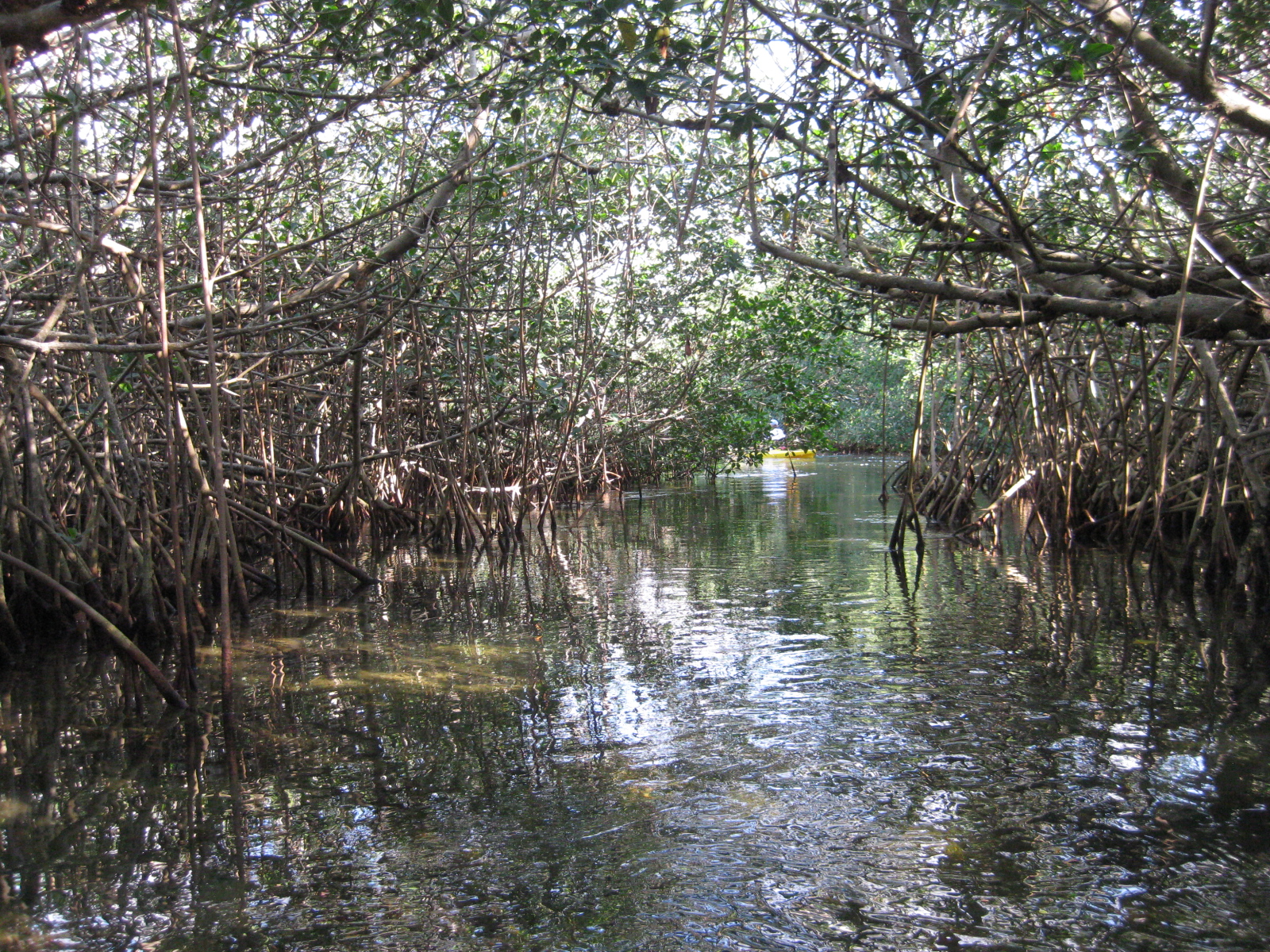
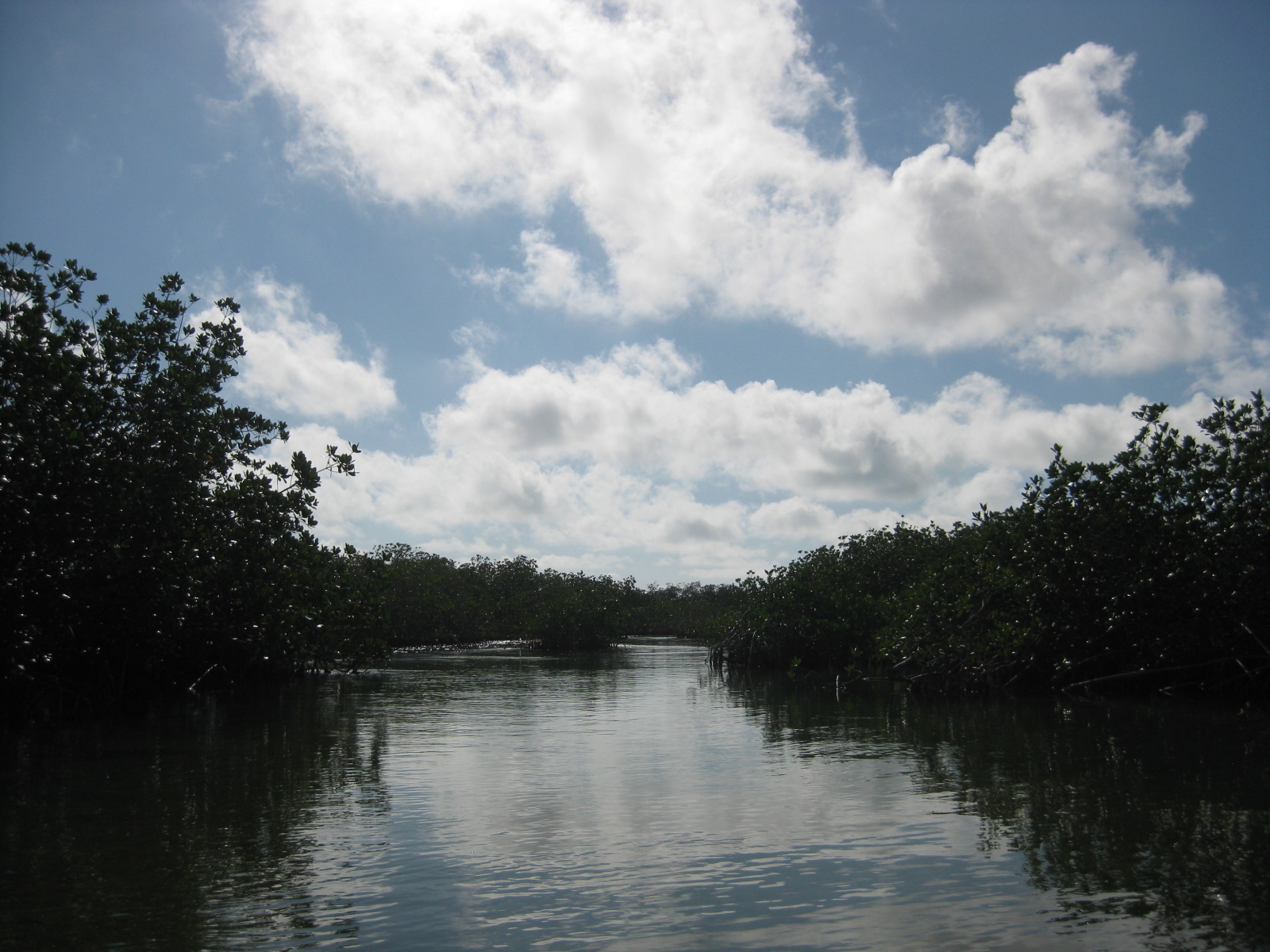
We headed across the lake toward the marls.  Then Ricky signaled for us to go right into the marls with our kayaks, into tunnels of roots that made a really beautiful canal.  We could see small fishes around us everywhere.

The water was rough and pushy on one side of the marls, and beautifully peaceful on the other.

Ricky grabbed a red mangrove root and we all joined him and sat there and chatted about where we were and what we were seeing.  We rested up, knowing that we had to push to get back.

Then we turned around and headed back to the shore to head home, through the tunnels and out into the open, wind-pushed tide-driven lake.  

He held our interest by pointing out the birds and plants of interest on the way back.

In all, we probably traveled ten miles, of which one or two of them were in the ocean water.  Yet in this short half -day trip we discovered a great guide and a very interesting tour of our area, listening and learning, and paddling.  Great fun.  I really recommend it.

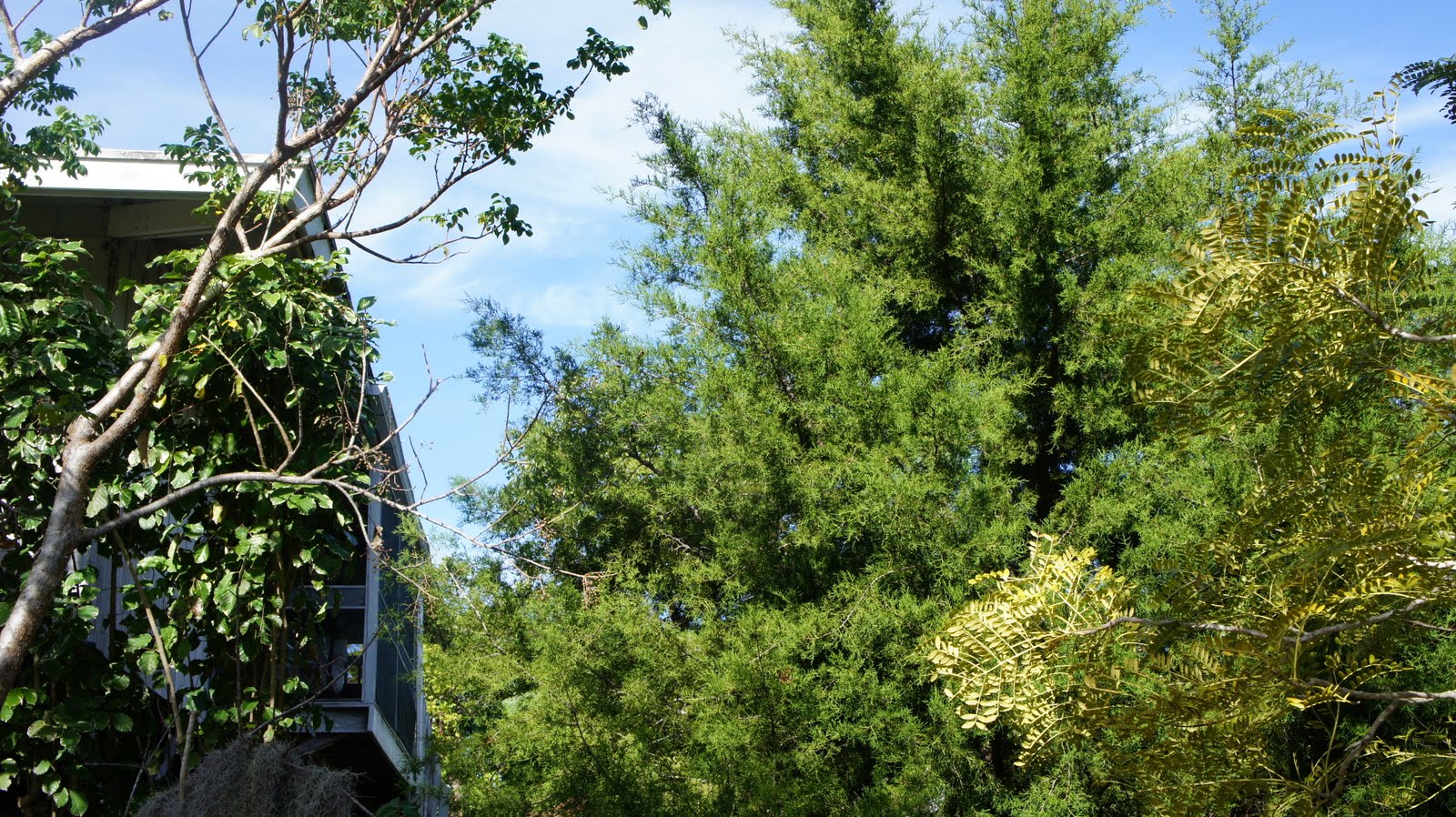
My neighbor  invited me to see how big a Red Cedar tree can get.  She knew from my earlier blog that I planned to plant one in my yard.  She had planted one a number of years ago in her own backyard and wanted me to see the size of it today.  She said that if she had known how big it was going to get, she would have planted it farther away from the house.  This is what she showed me:

Now I realize how much space I need to give this baby Red Cedar to grow! It certainly pays to plan ahead.

The tree is lovely and dense.  I think that it would be best to place it in a place where privacy is desired.
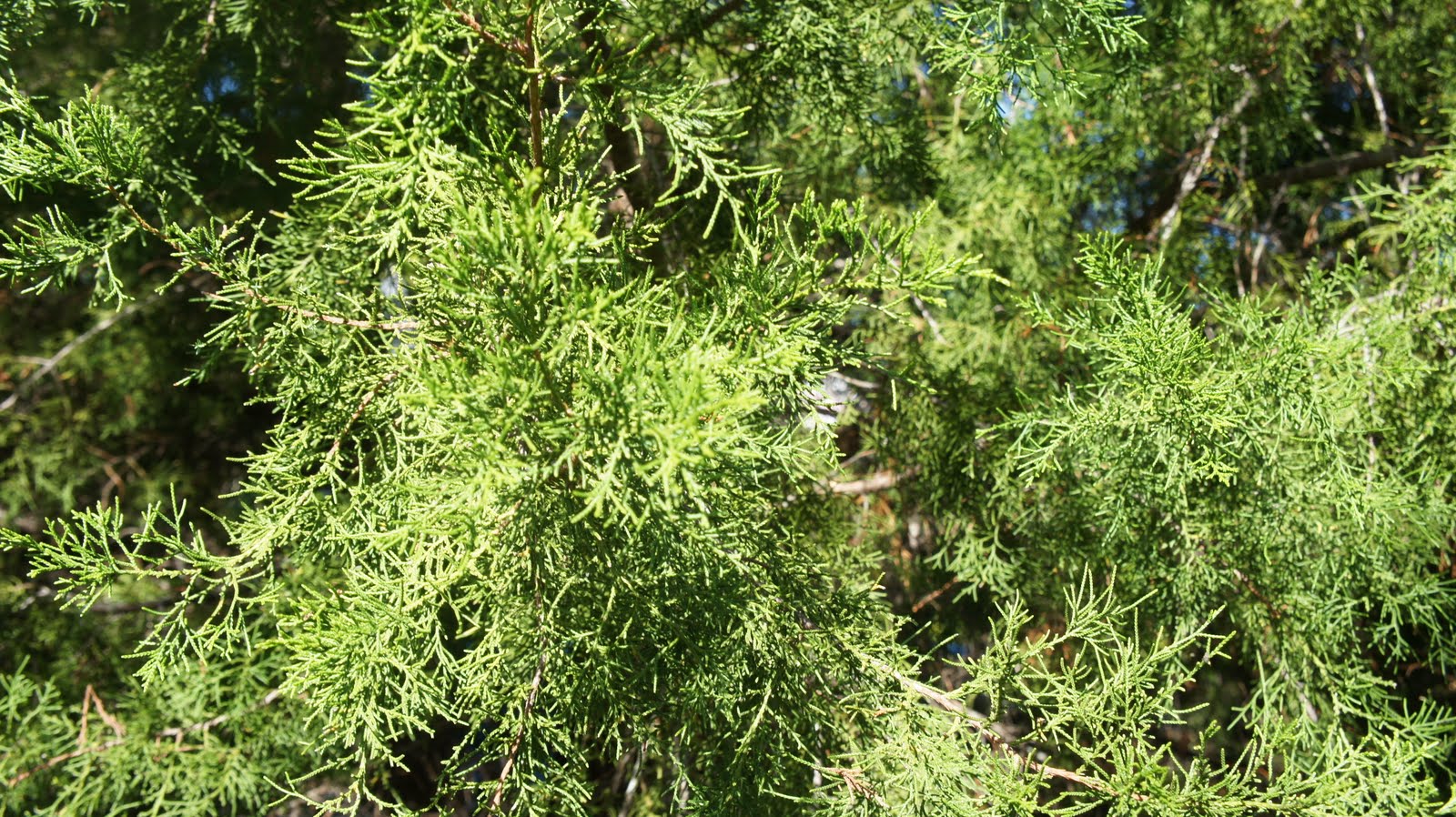
Here is a close up of its branches.

 I will plant it on the north side of our house, just as my neighbor did,  but a bit farther away.

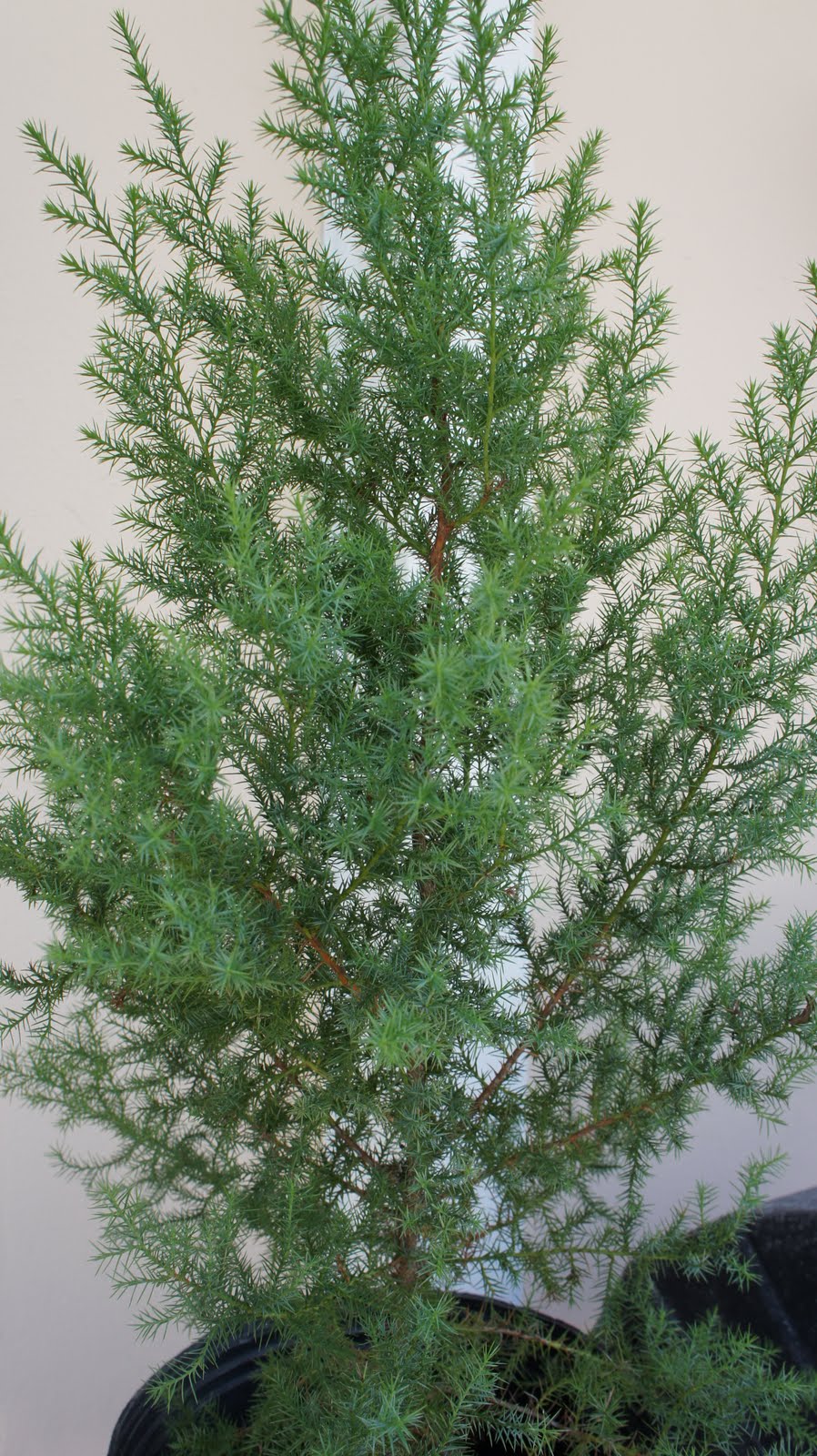
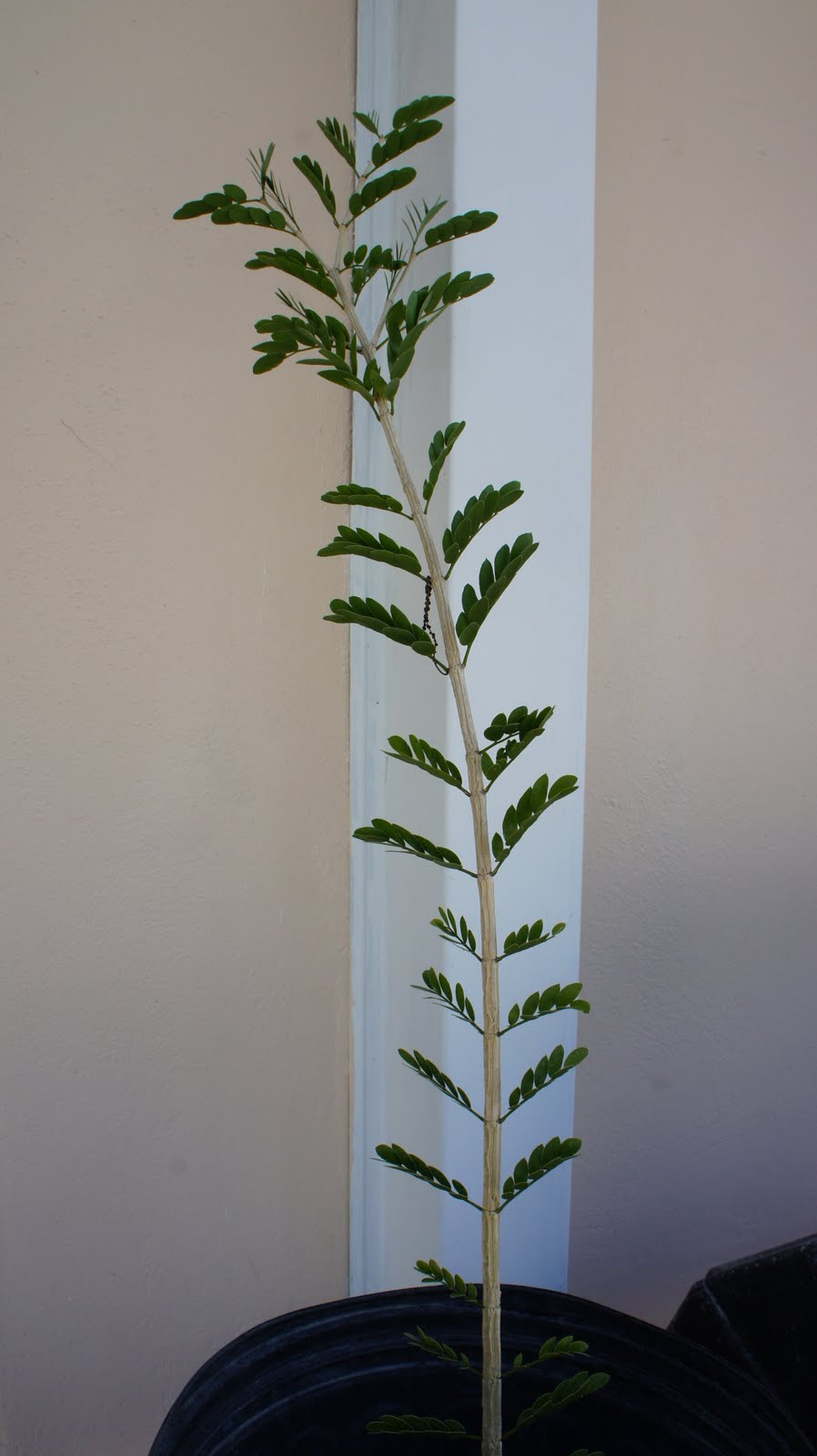
My Red Cedar in a pot, ready for planting

Rainy Day in Paradise

When it rains on this island, it rumbles.  
Last night lightening streaked across the sky, thunder woke us up several times.  Finally, early yesterday morning, it burst into rain.  We got up to watch.  Our electricity was off inside the house, but there was plenty of electricity in the sky.
Front road mud puddles
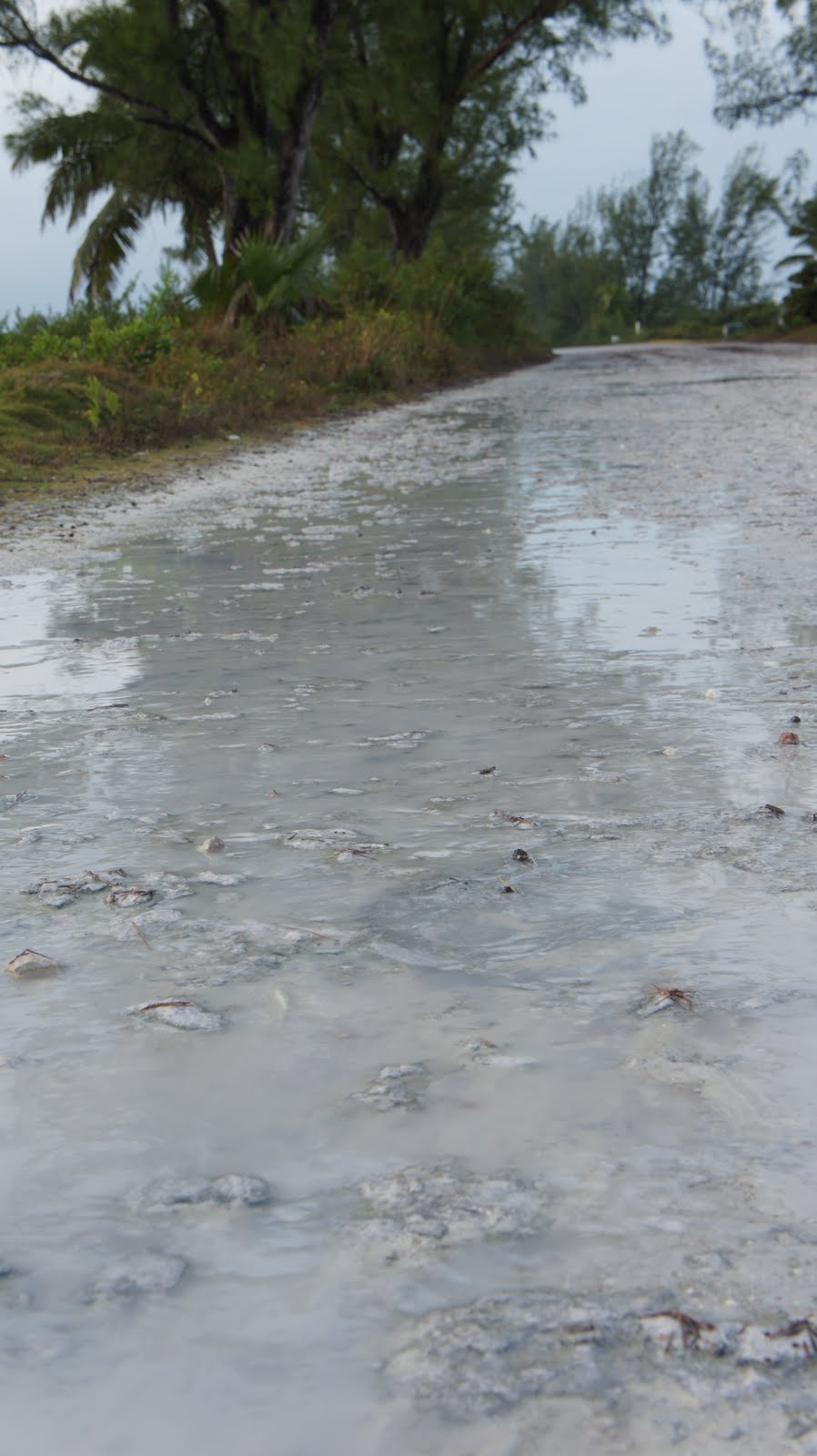
Afterward, bright grey water settled on the dirt road out front
quite different from the brown mud-puddle 
that we get in New York.  This water reflects softened coral rock.
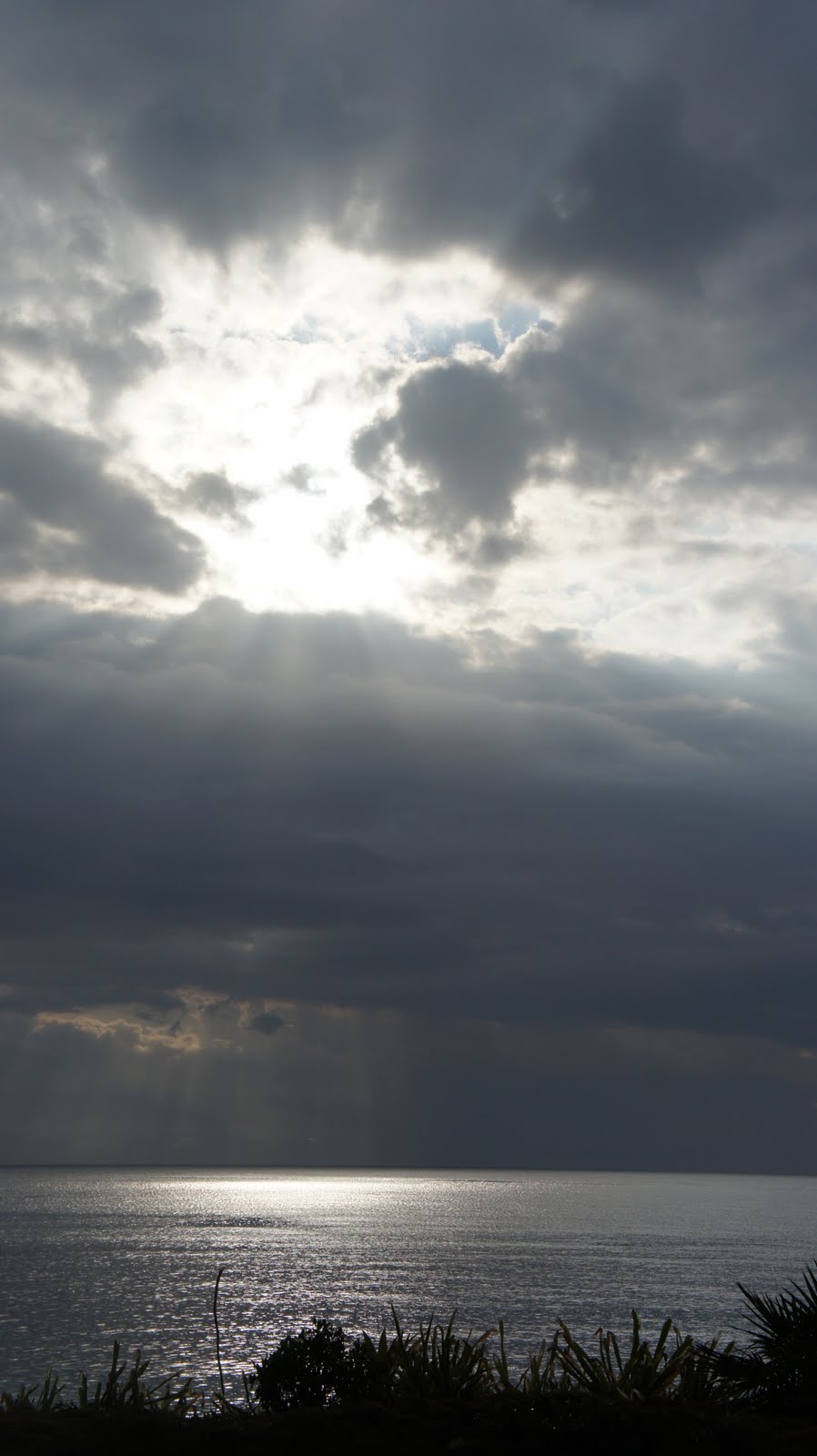
After awhile, the sky broke open with scattered light.
The ocean was still but the sky was not.

Plants opened up and started uncurling from their parched positions, relaxed with water.

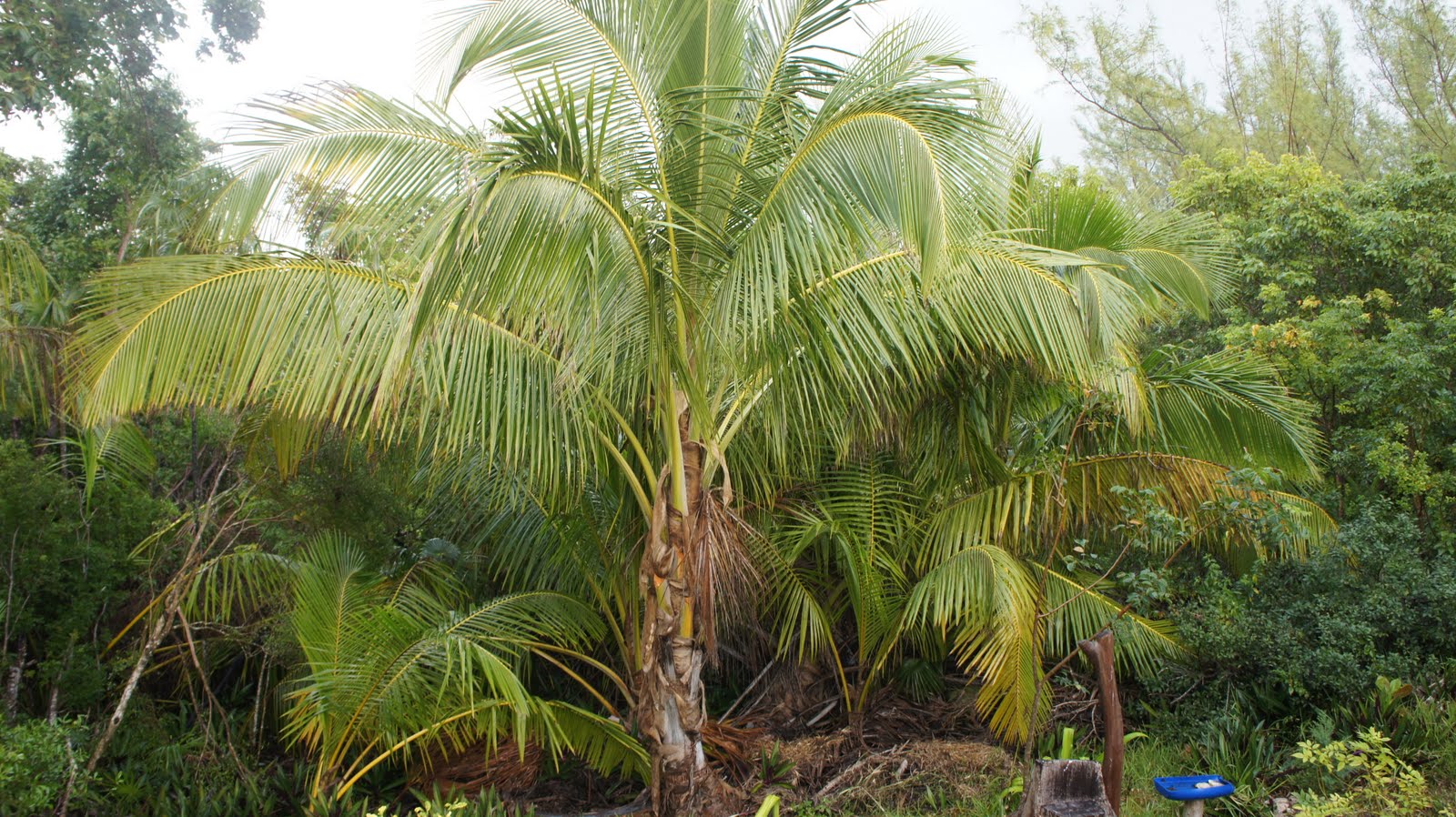
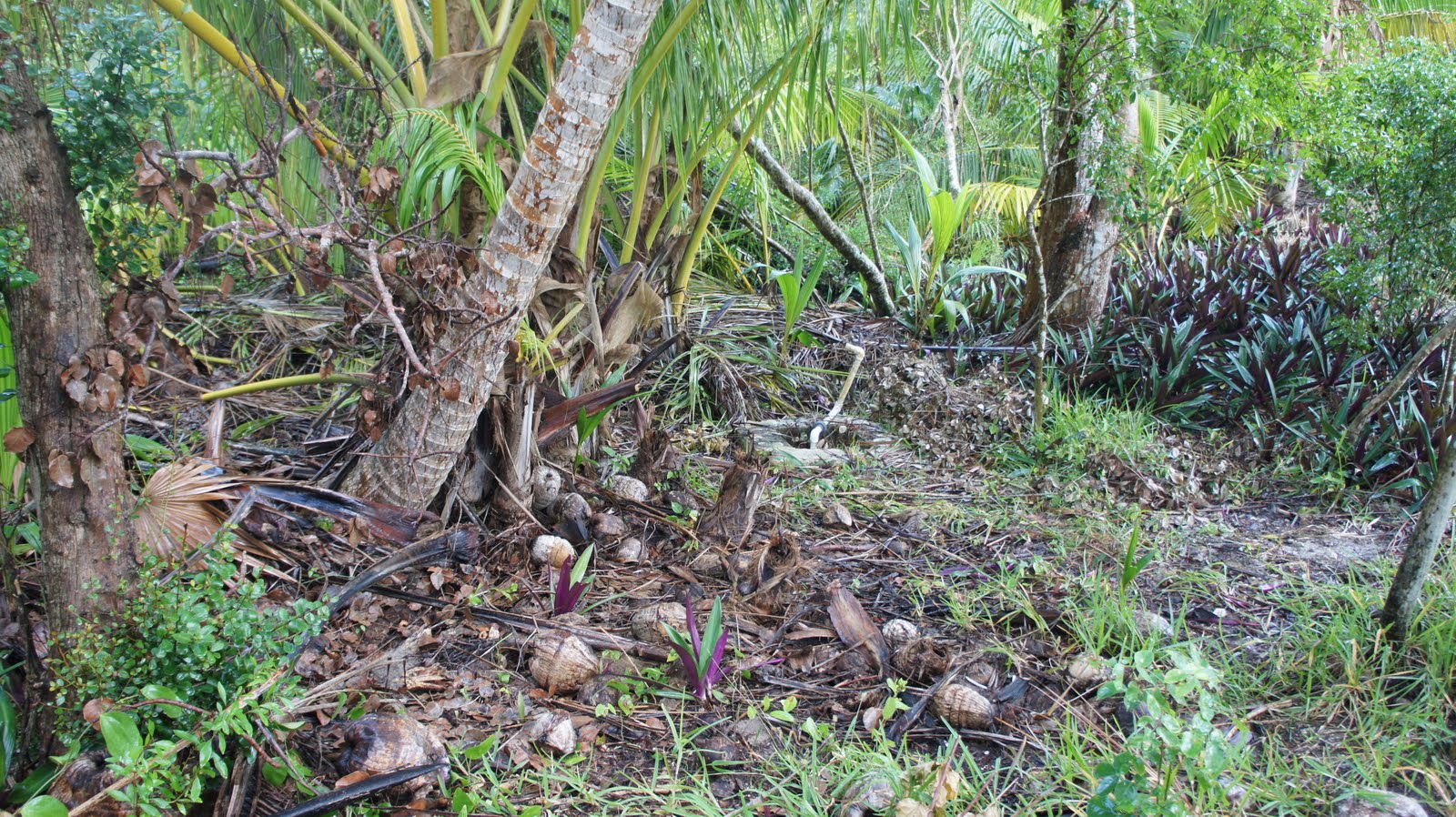
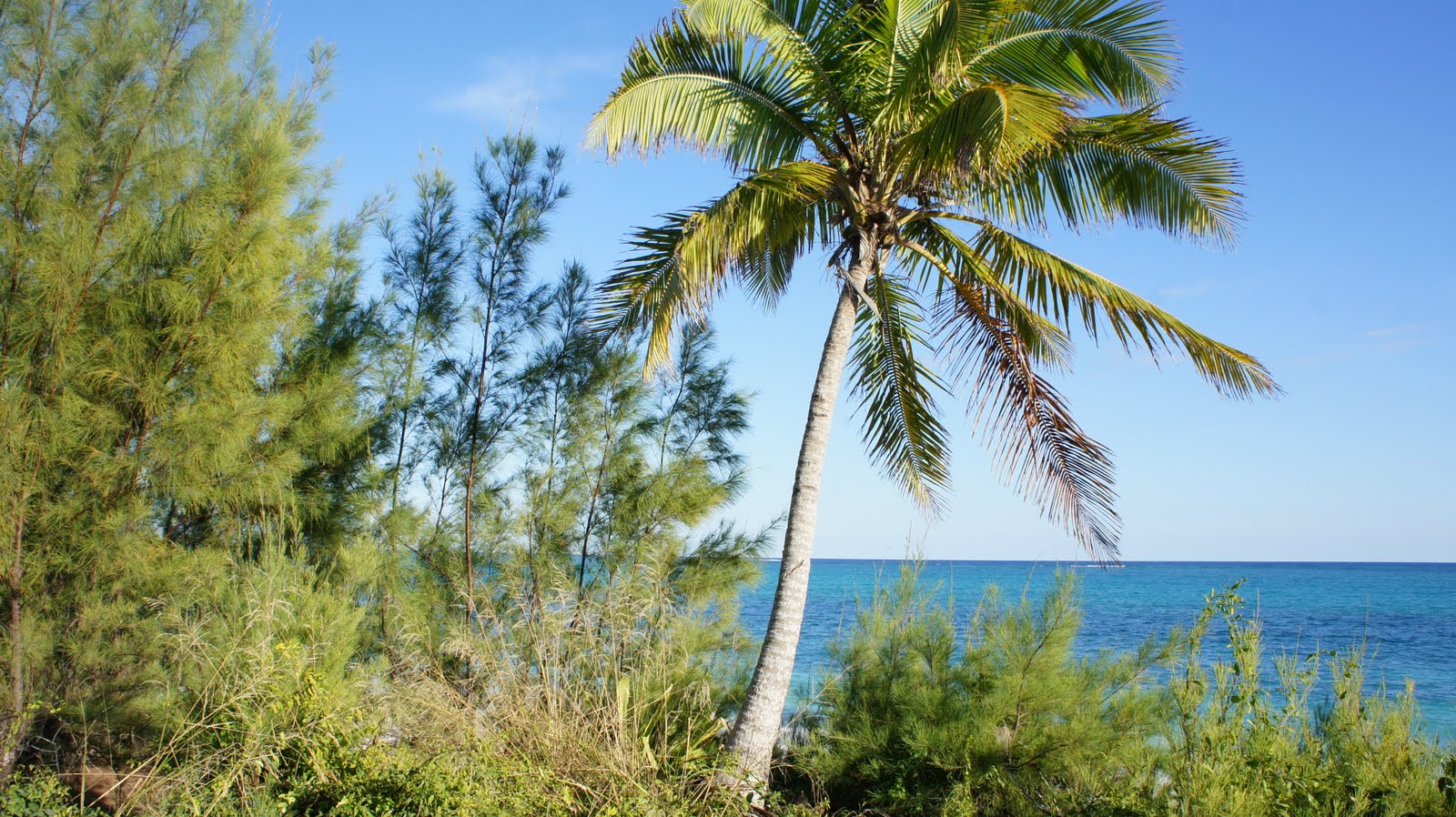
This coconut palm captured the joy of water received.

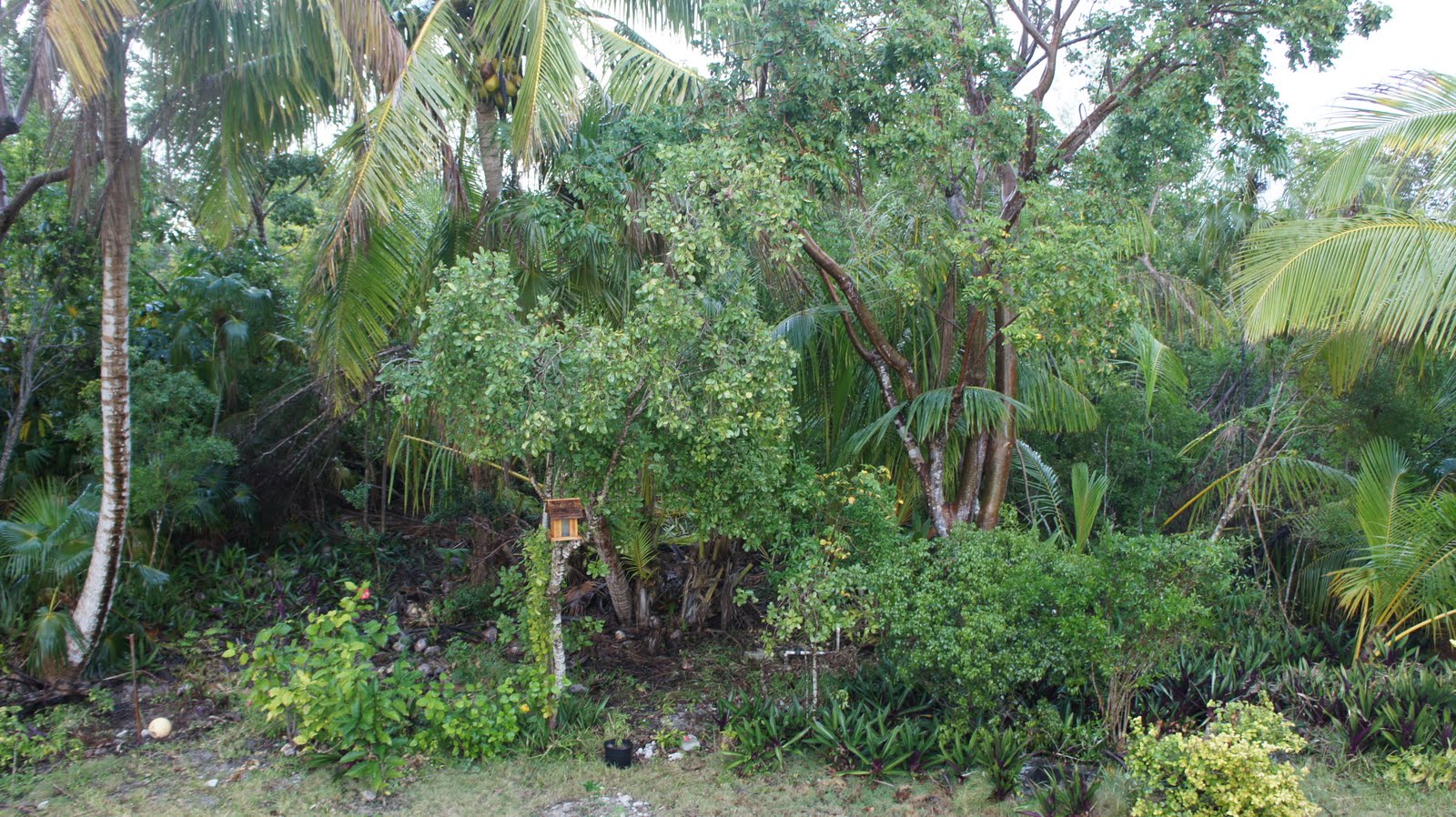
Our Birdhouse

The backyard looks greener, softer.  The birdhouse sits midst stunning greenery.

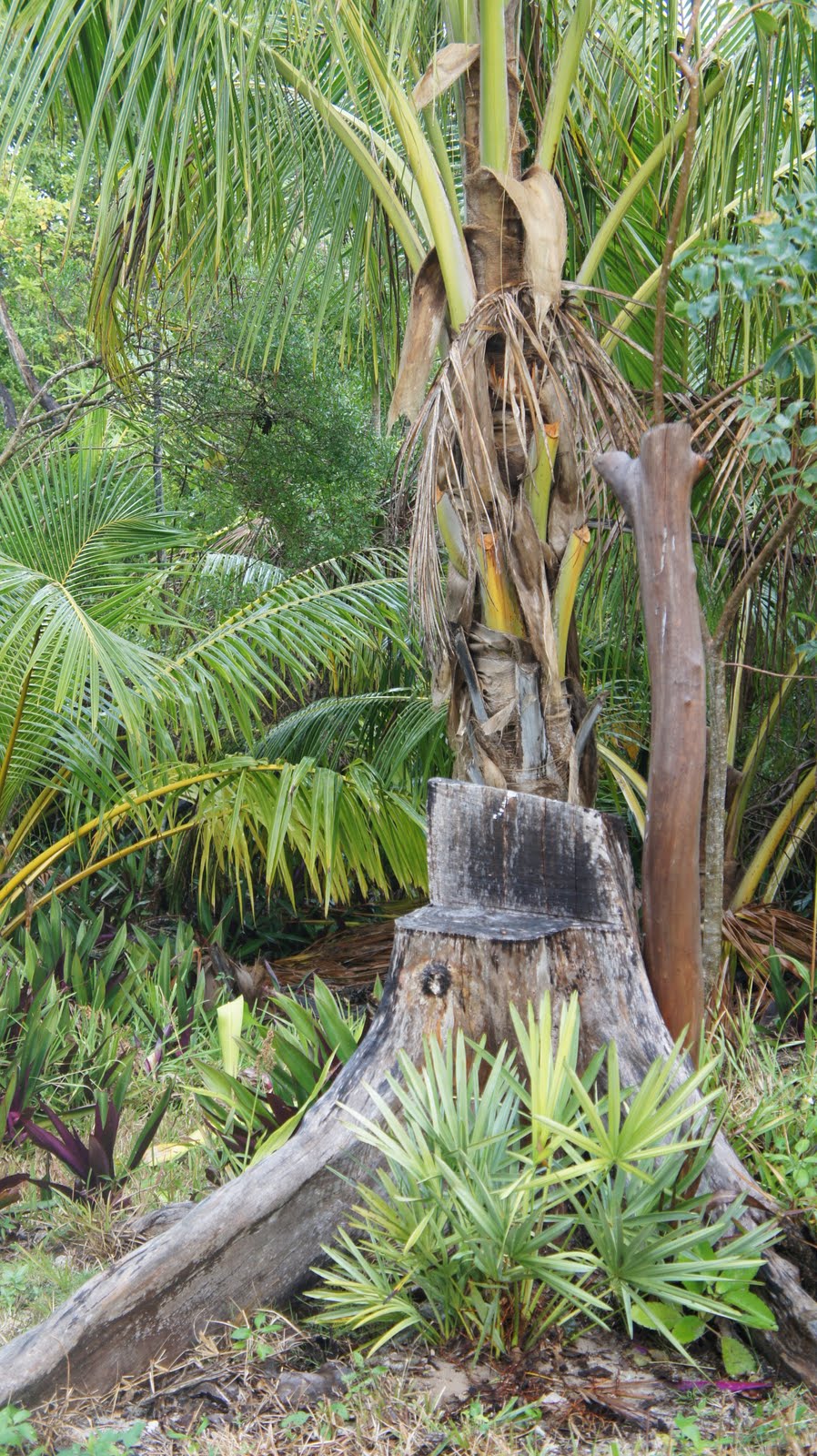
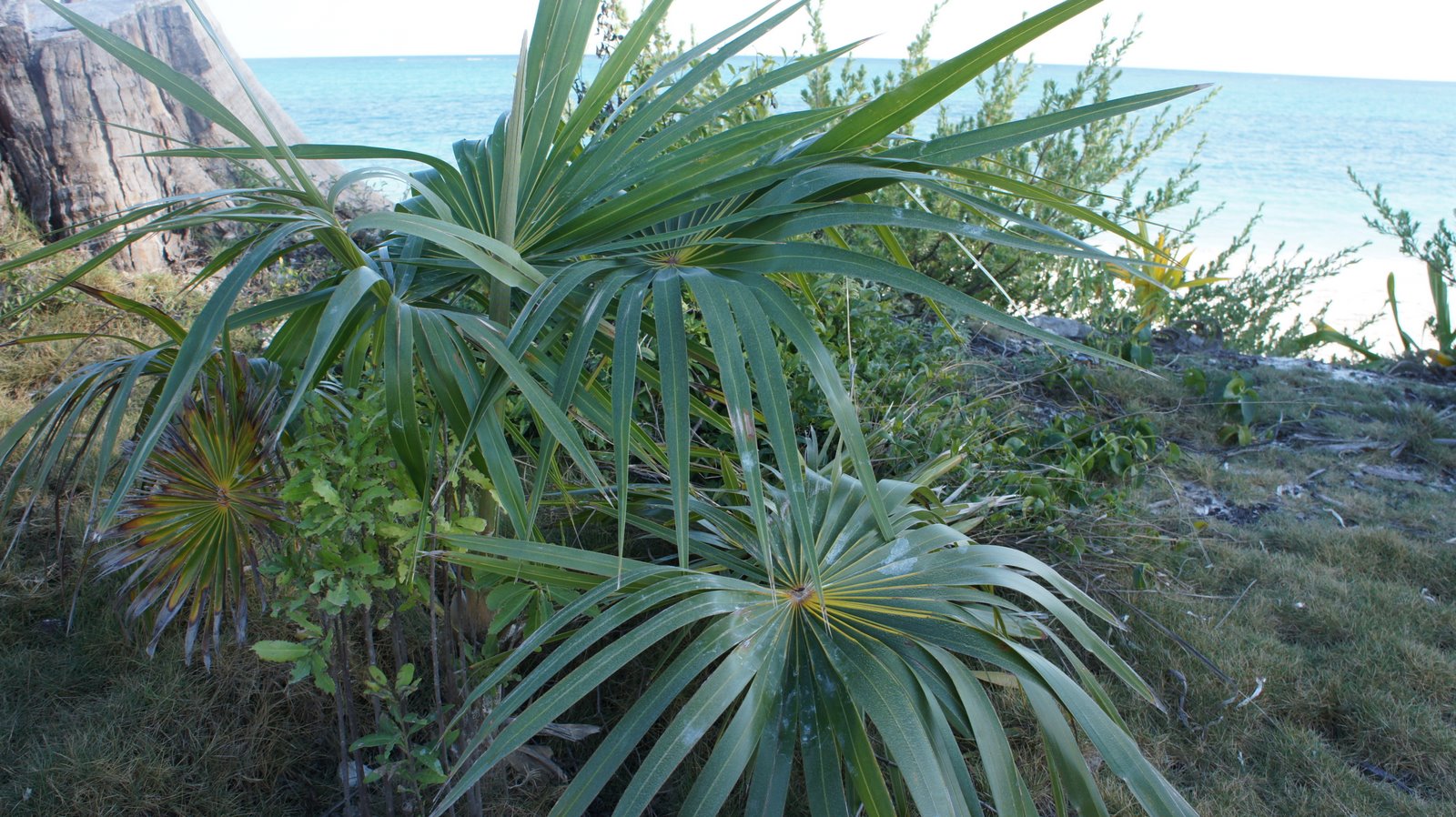
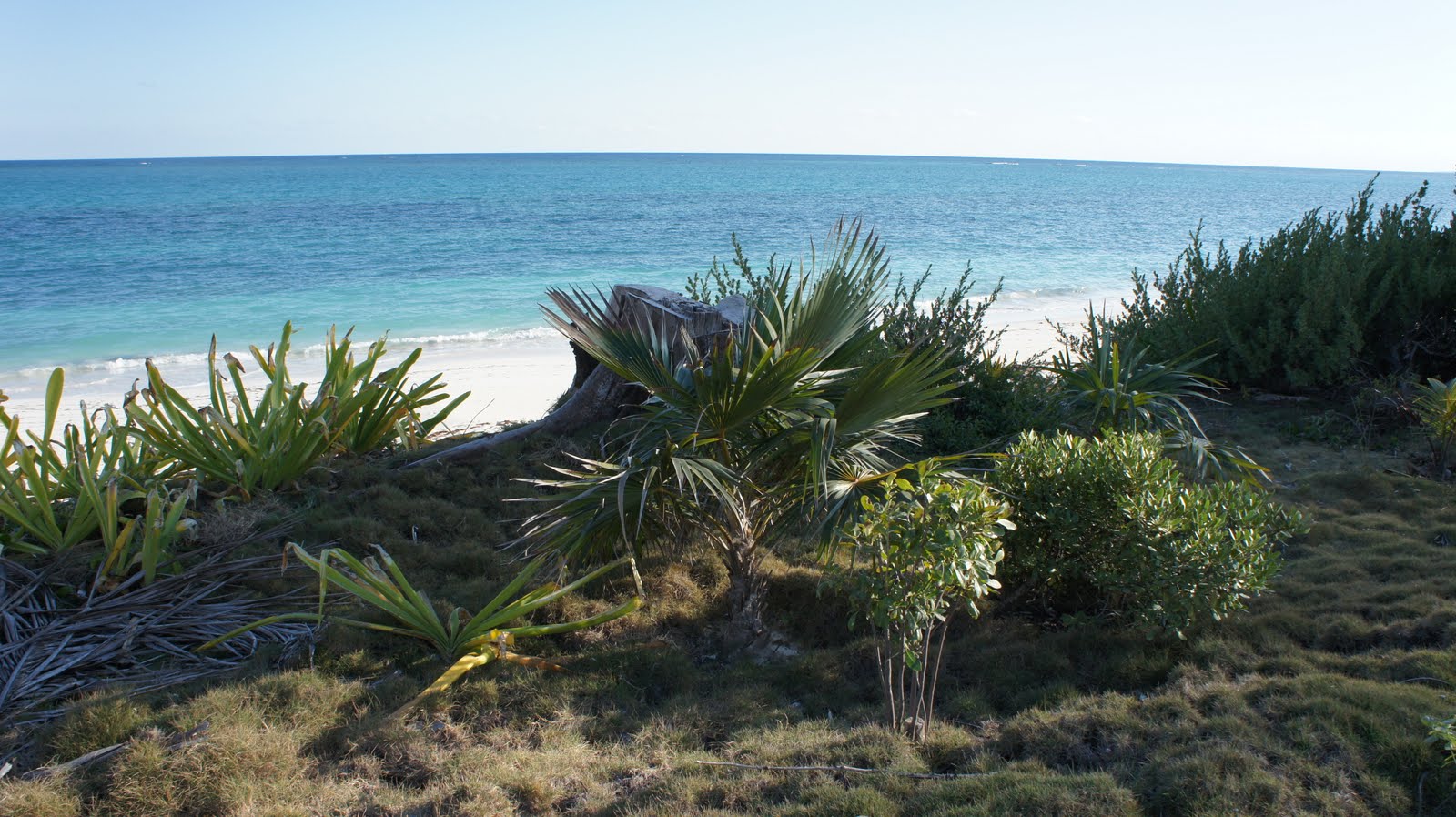
Sabal Palm tucked under old almond tree stump.
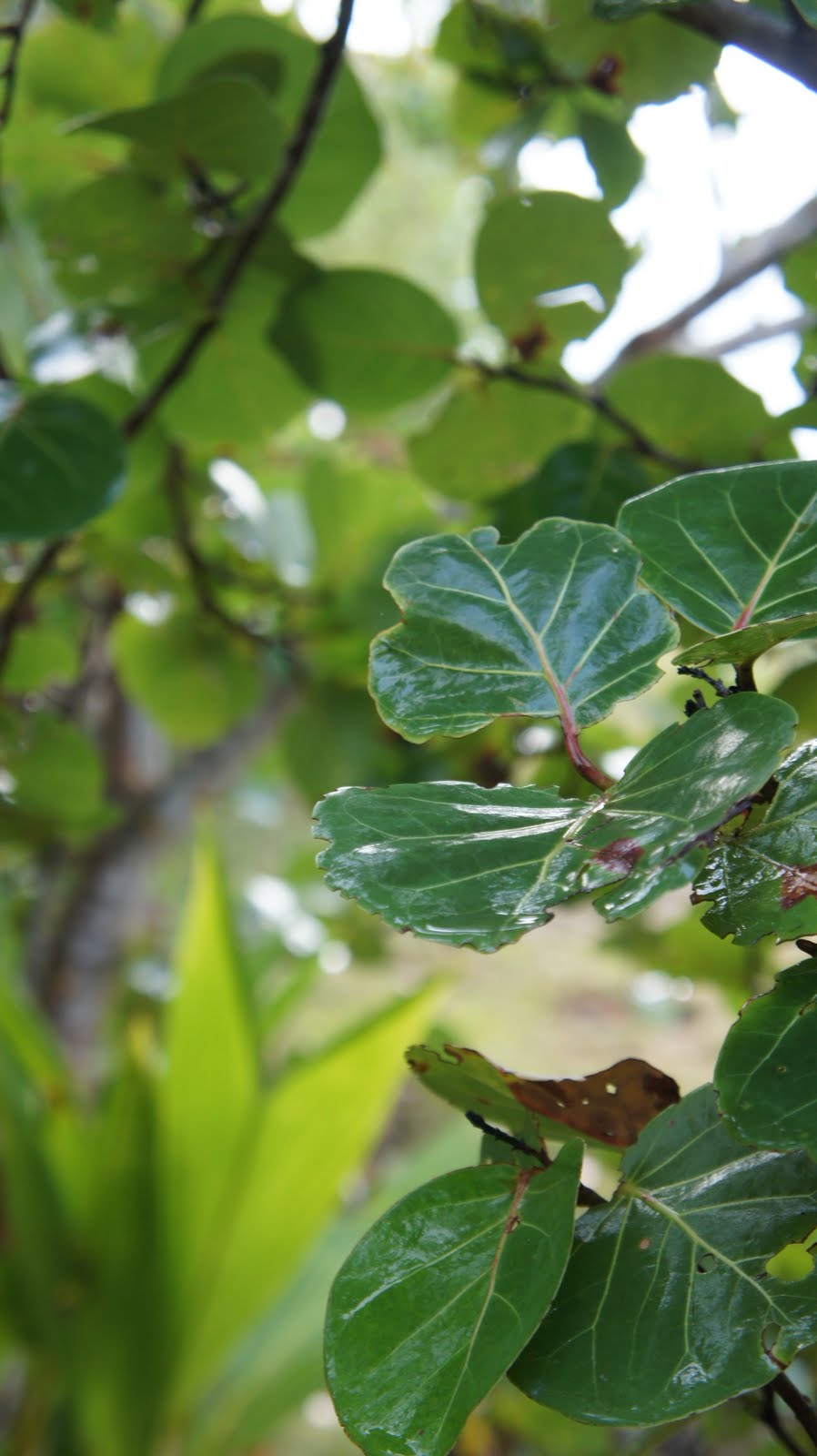
Native sea grape in rain.
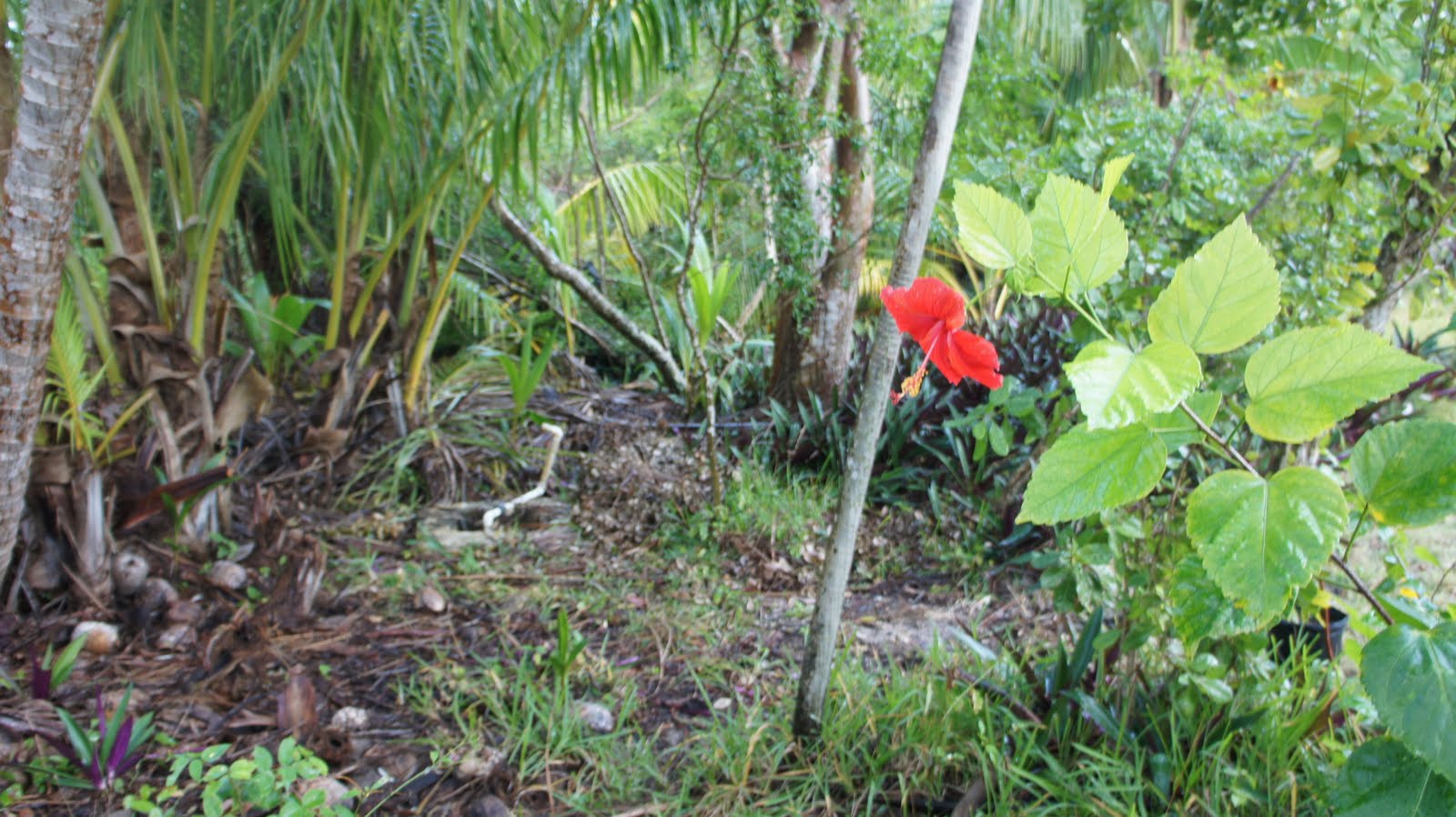
Wet hibiscus overlooks native plants.
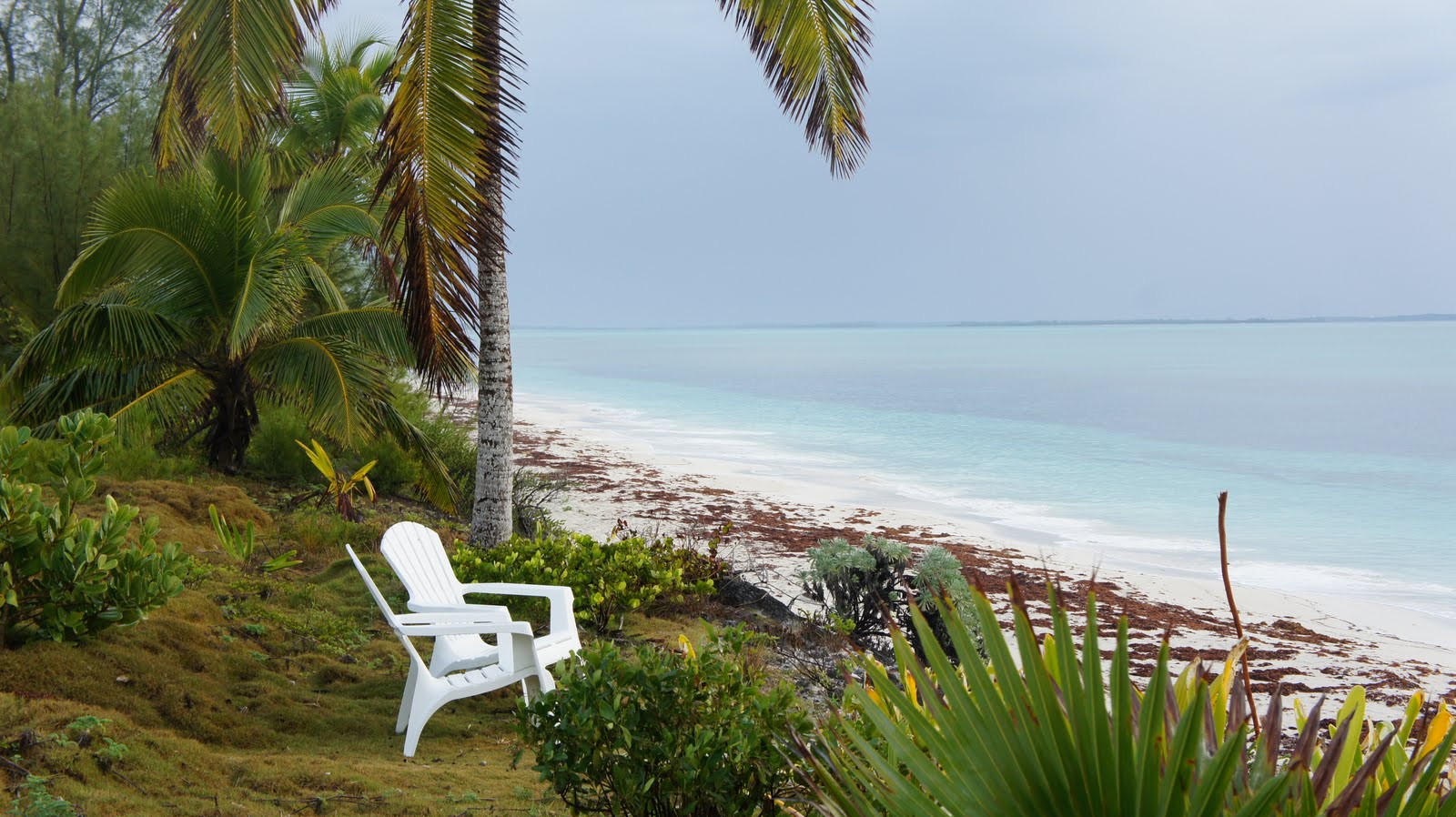
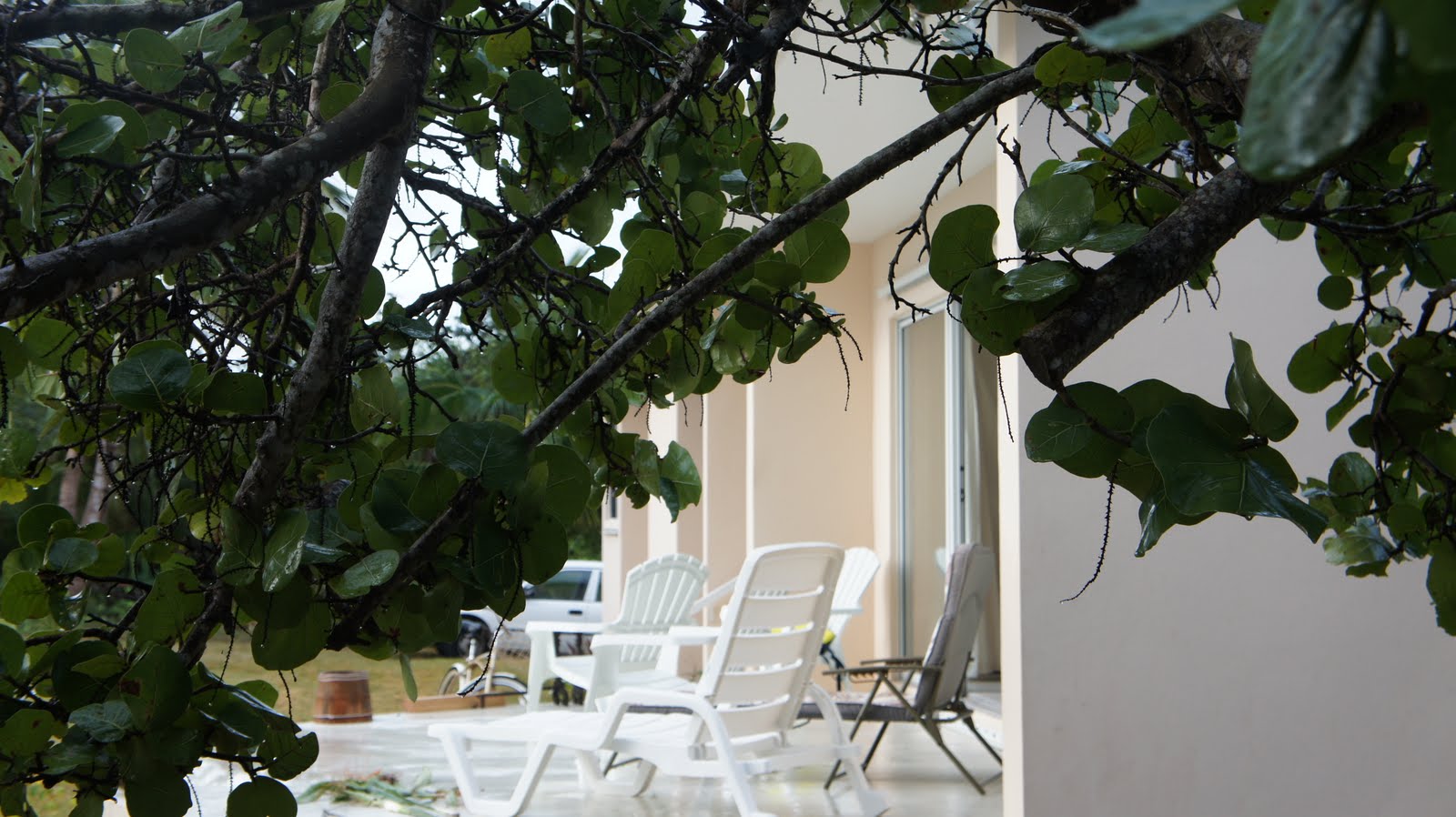
Our upper deck, as our neighbor call it, overlooking nature’s theatre.

A perspective on our home from the  point of view of the native sea grape.

Posted by PicasaWhat grows well under those pesky Casuarinas or Australian Pines?  (Latin names: Casuarina equisetifolia and Casuarina glauca).

My neighbor plans to remove the Australian Pines in front of his house and asked how to prevent erosion. He wants to try the method that Martin suggested in his blog, of cutting them down slowly, allowing undergrowth to get started. And he wanted to know, what grows under Casuarinas? 

I got out my camera and decided to photograph some of the plants growing around the stump of a giant Casuarina in an area that we had  cleared of Australian Pines.
Stage One

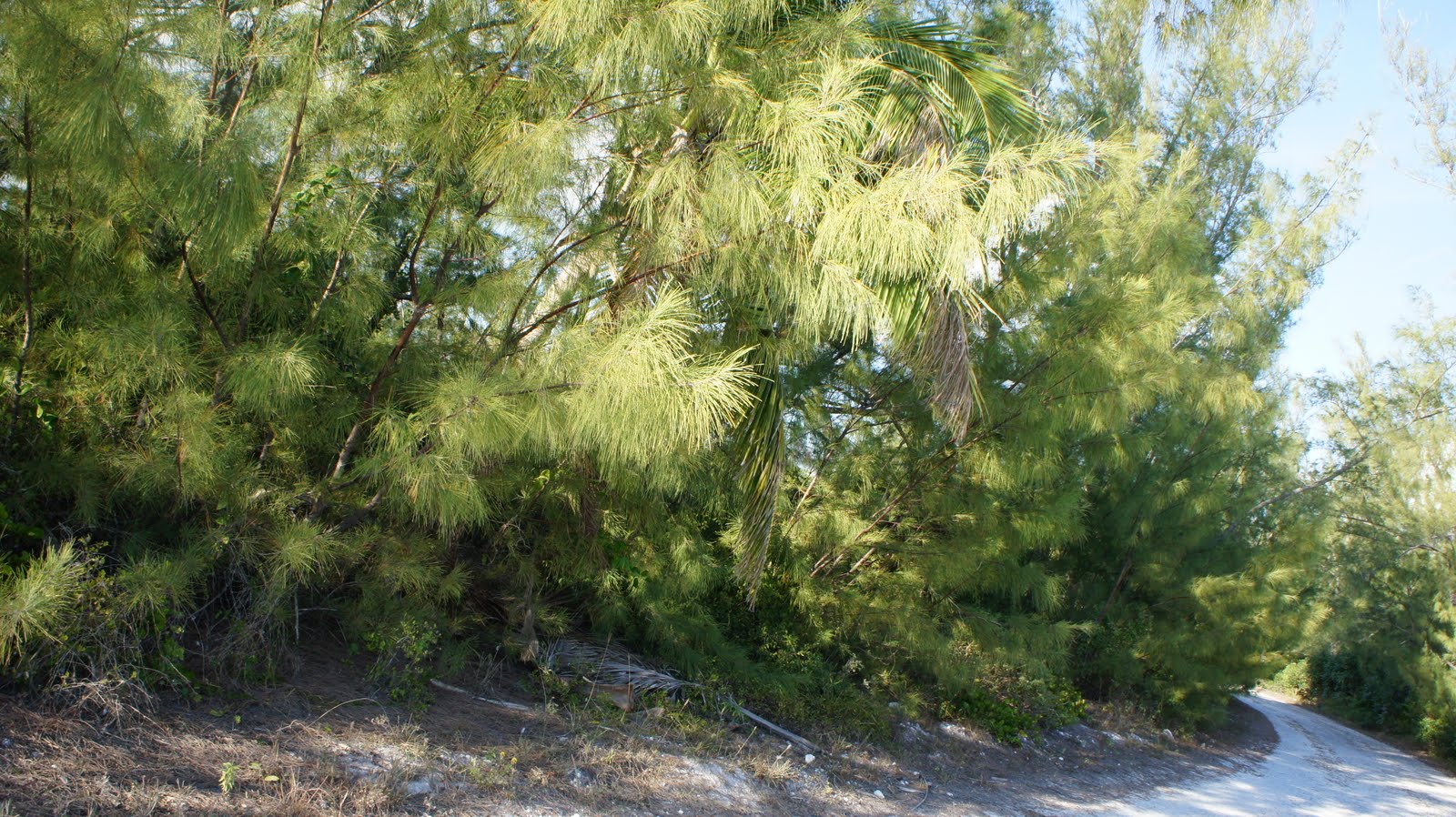
Here is what our site looked like when we started.   One could see the ocean through the Australian Pine trees, but not very well.  Although there was other vegetation, it was well hidden and certainly not flourishing.

The first year, we started to remove the Australian Pines by removing many small, baby trees.  At first, we used a machete and just cut down the 7 to 10 footers.  Then I spent a number of days pulling out smaller ones by hand, roots and all.  Most of the ones that I pulled out were three feet high or shorter.   I counted that I removed over 700 small baby Casuarina plants, by hand  while using a pickaxe to pull the root out.  It was a tiring job, but the view of the beach and the ocean was beautiful making it a pleasant work site, especially in the cool of the early morning.

Stage Two, opening up to undergrowth

After doing all this we began to see other trees emerging around the remaining Casuarinas.  Then new groundcover started to show, but not very clearly.  We got a view of the ocean.  And the baby plants got some sunlight.  But we still had more work to do.

Stage Three, New Growth

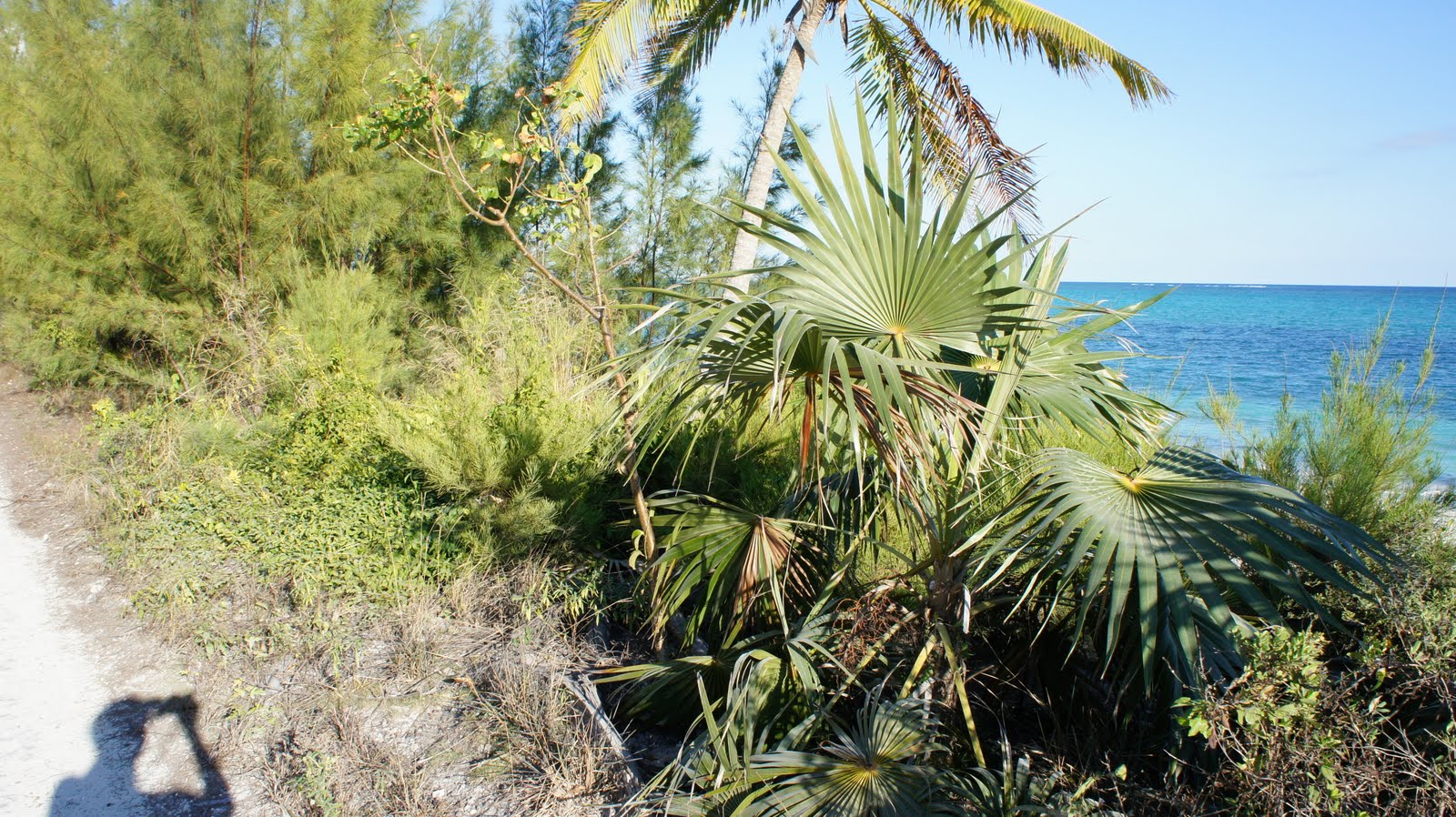
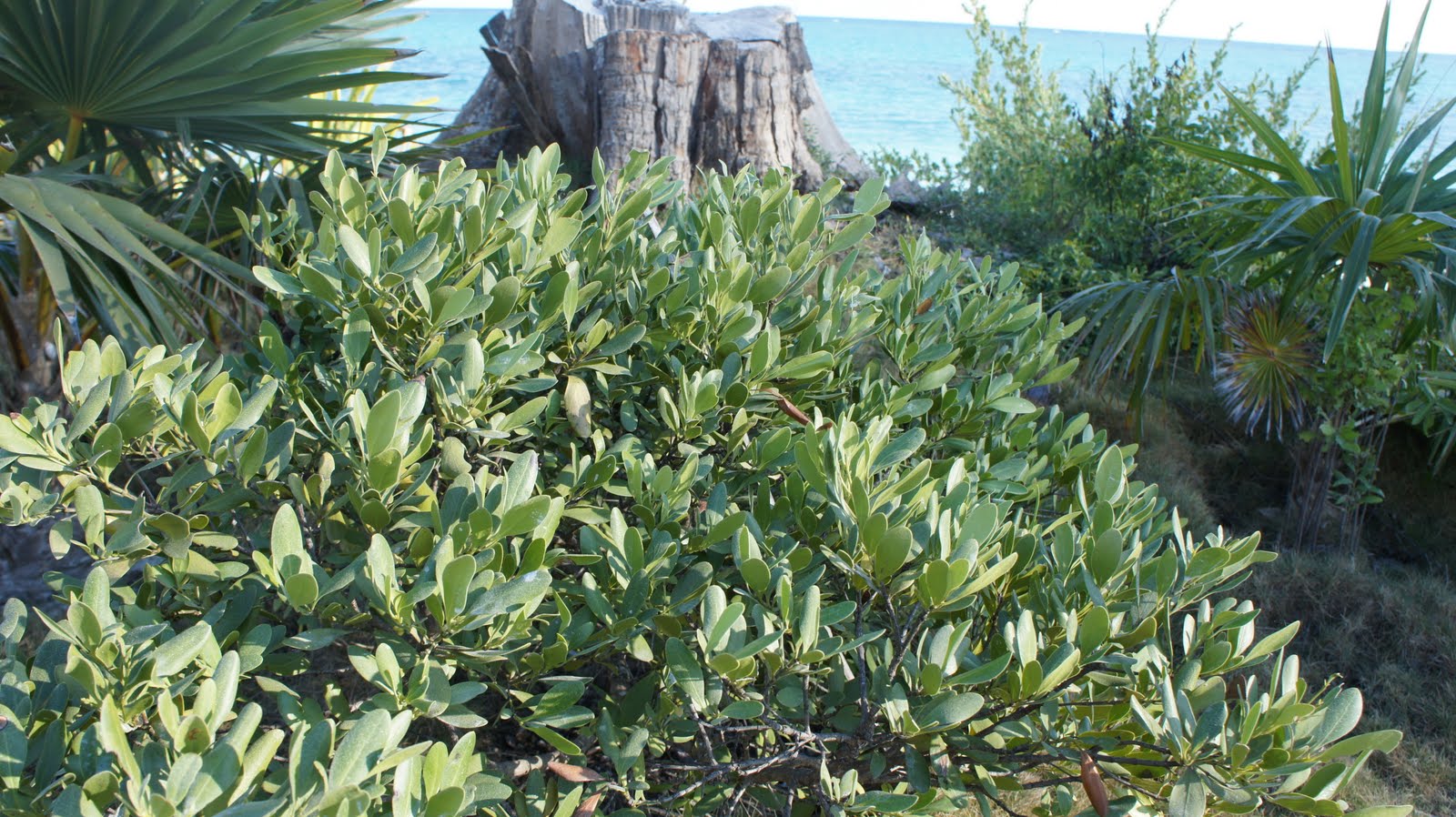
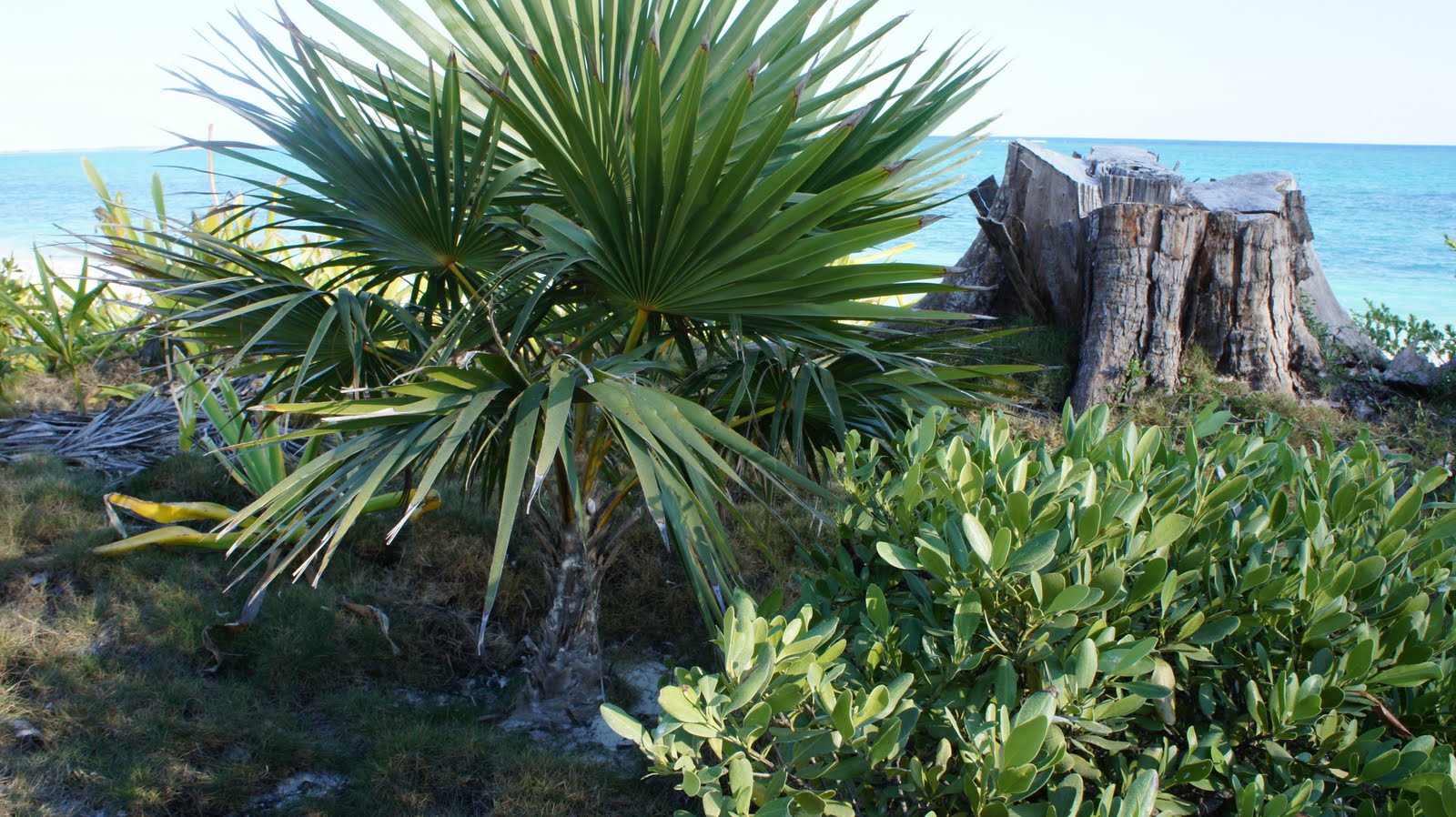
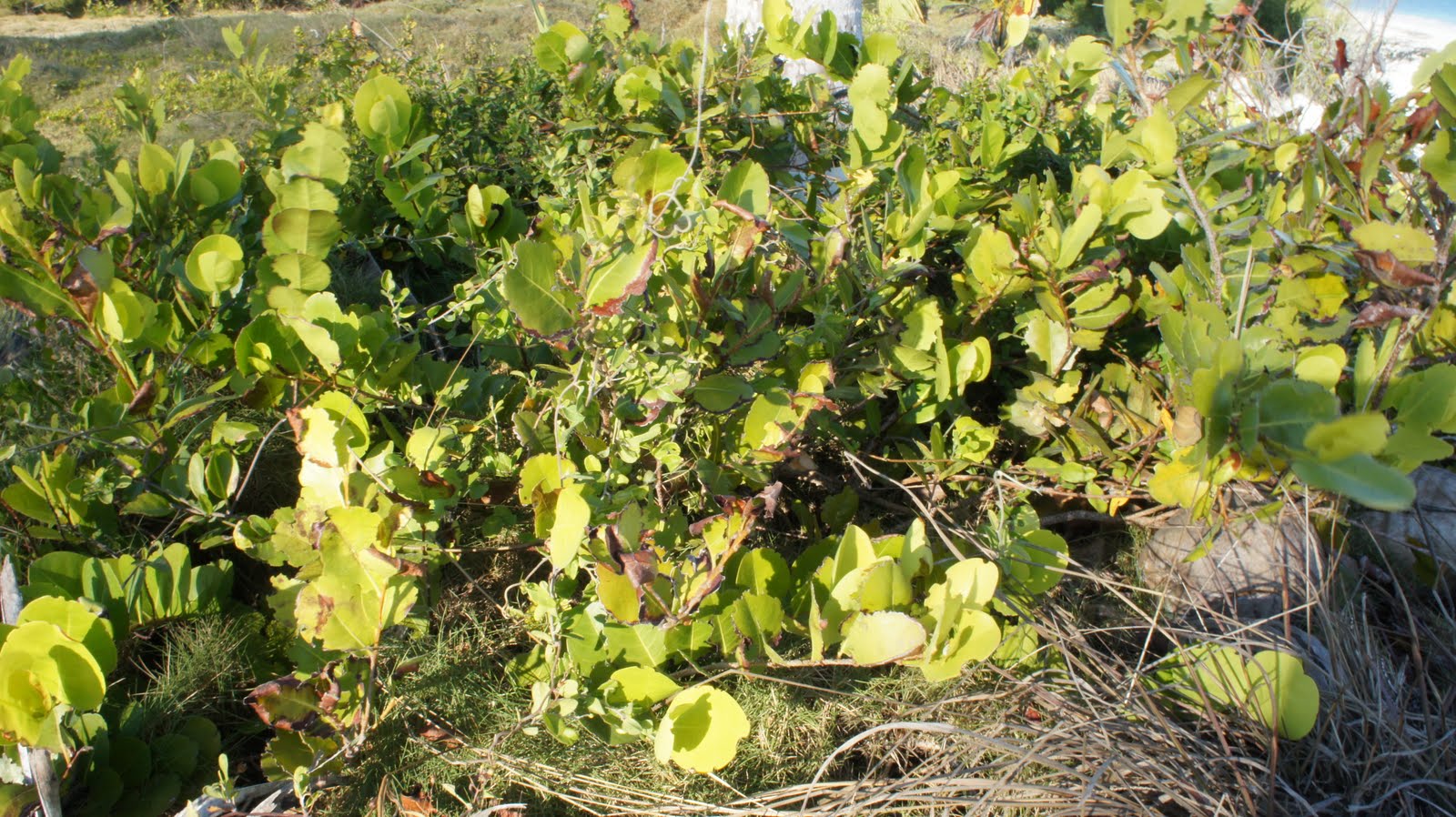
The next year, we cut down a giant Casuarina that was out in front of our house.  Now the other plants really started flourishing.  We added some Coconut Palms.  In addition, the Seagrape (Coccoloba Uvifera), Coco Plum (Chrysobalanus Icaco) and the Bay Geranium (Ambrosia hispida), among others, emerged and started to grow everywhere, on their own.  I took a series of shots below showing all the plants that now grow naturally around the old Casuarina stump.   Here they are.

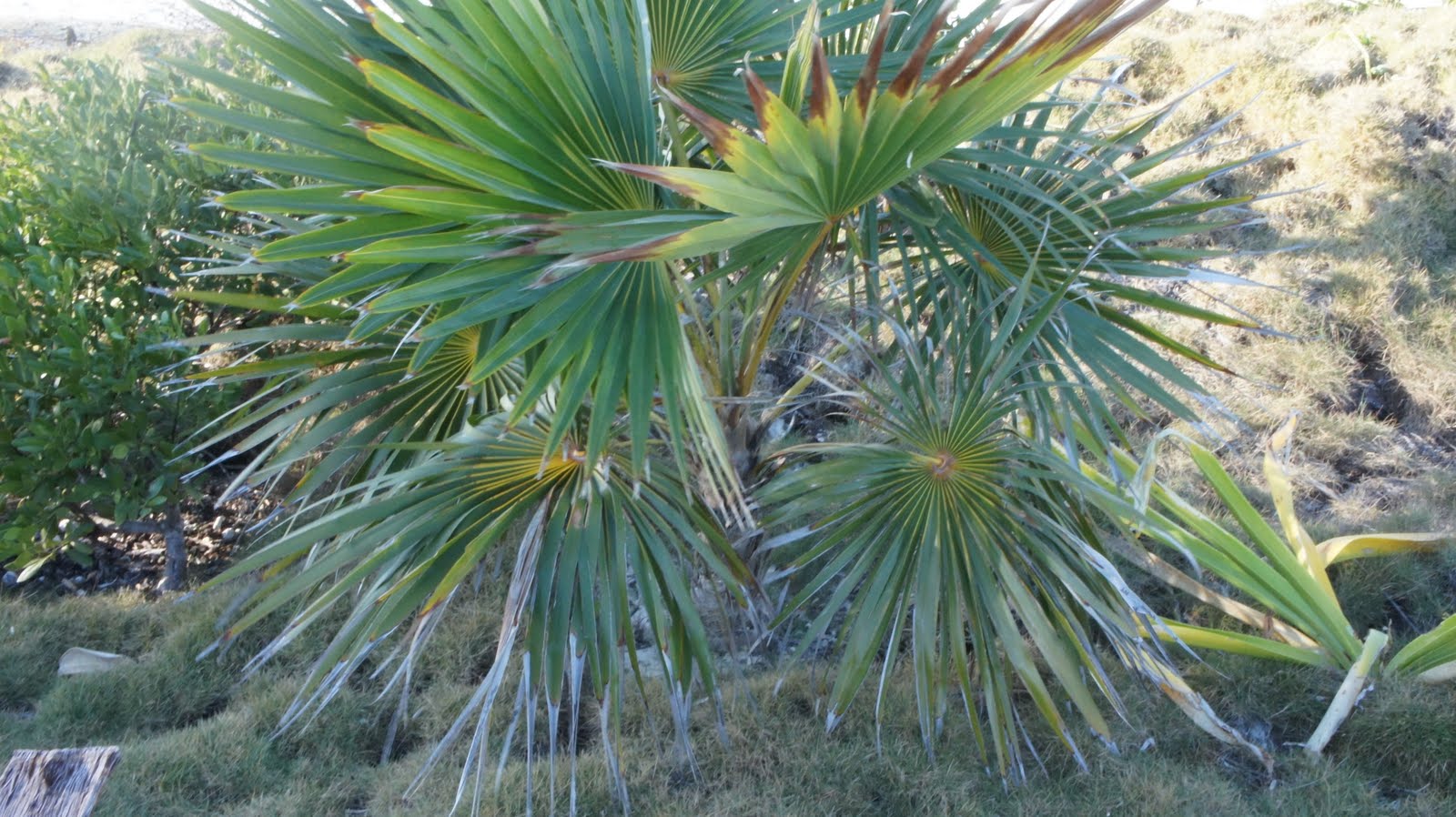
Thatch Palm
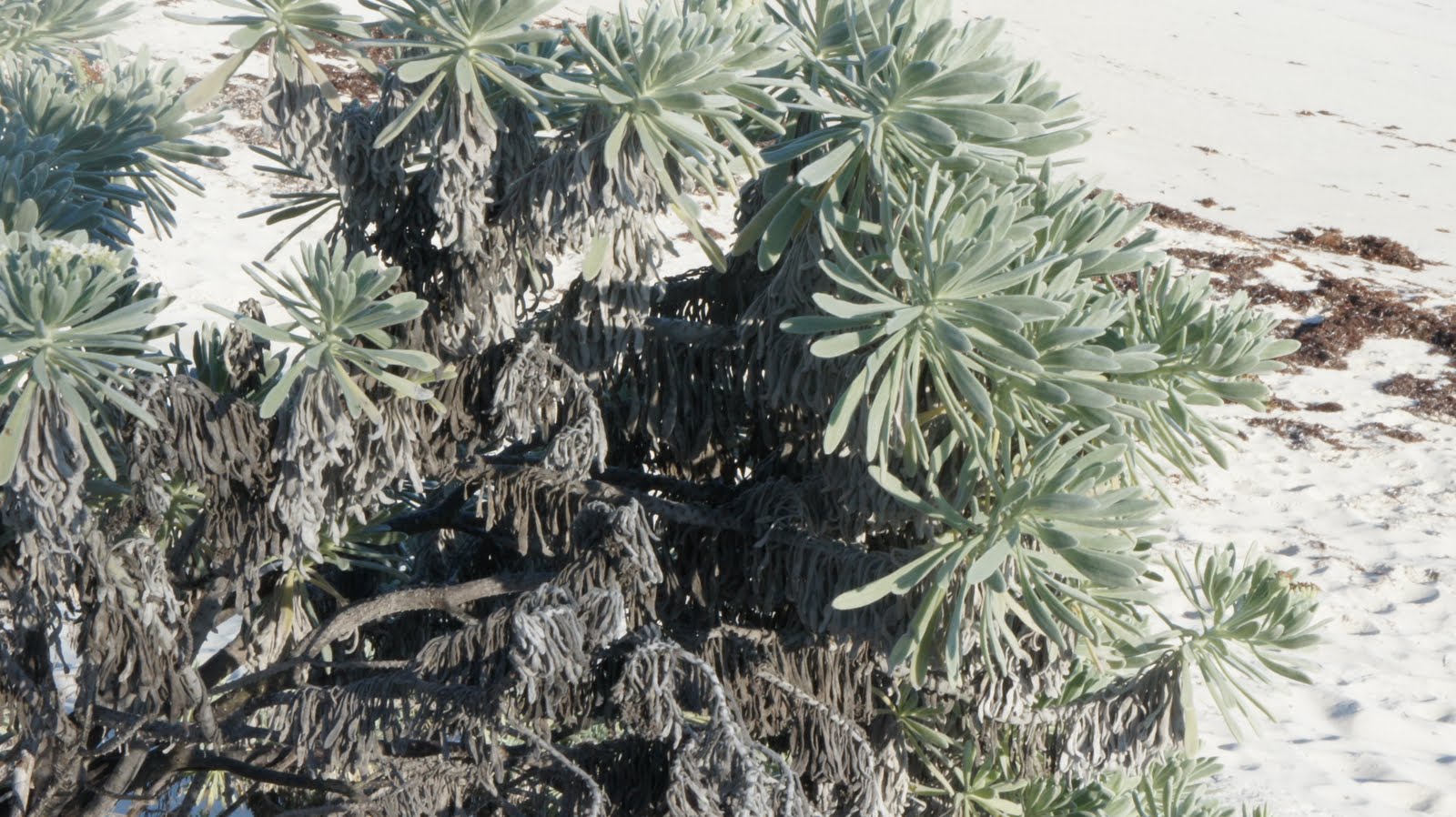
Bay Cedar  (Suriana maritima)
Palmetta Palms
Bay Geranium
Coco Plum
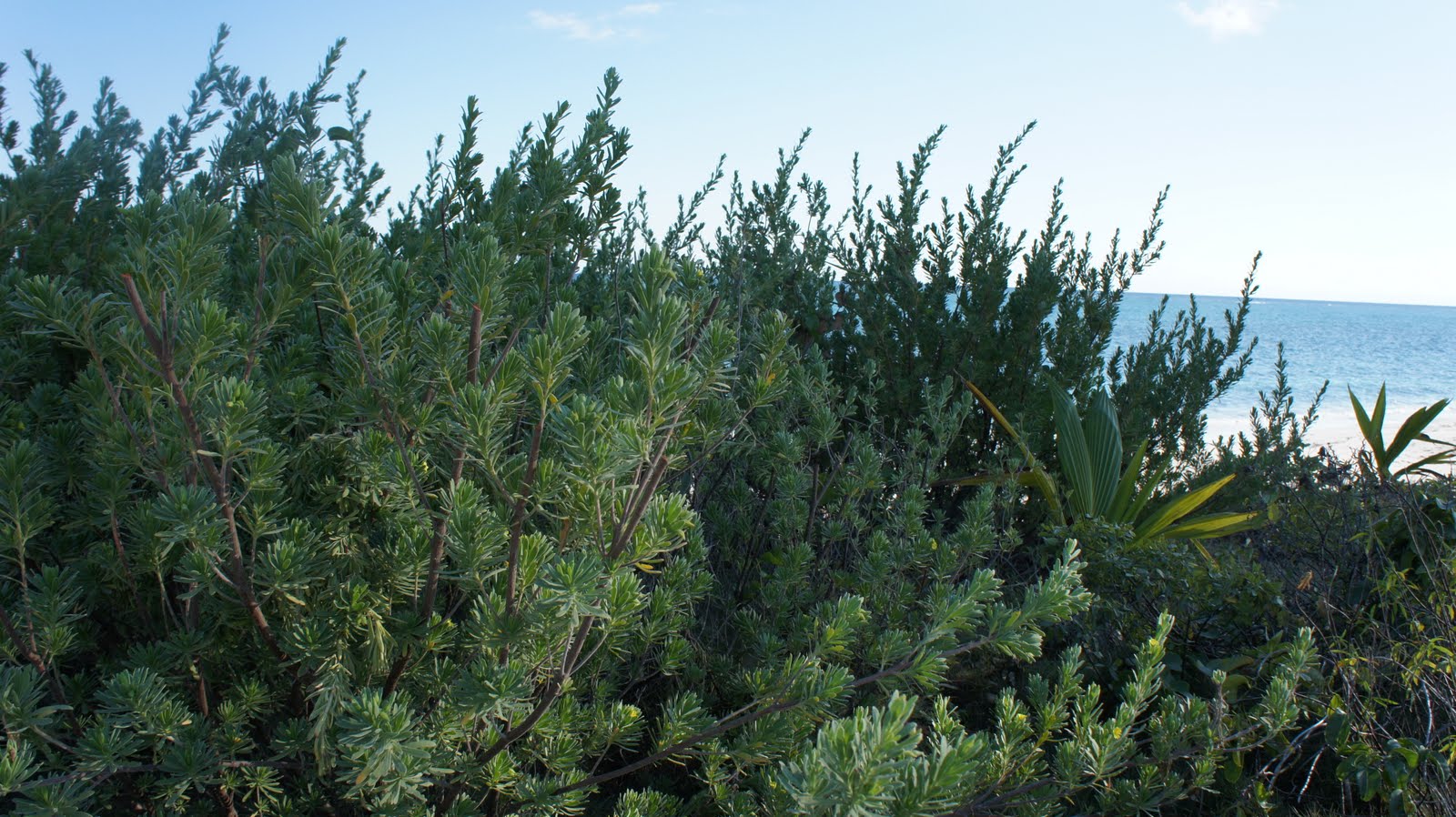
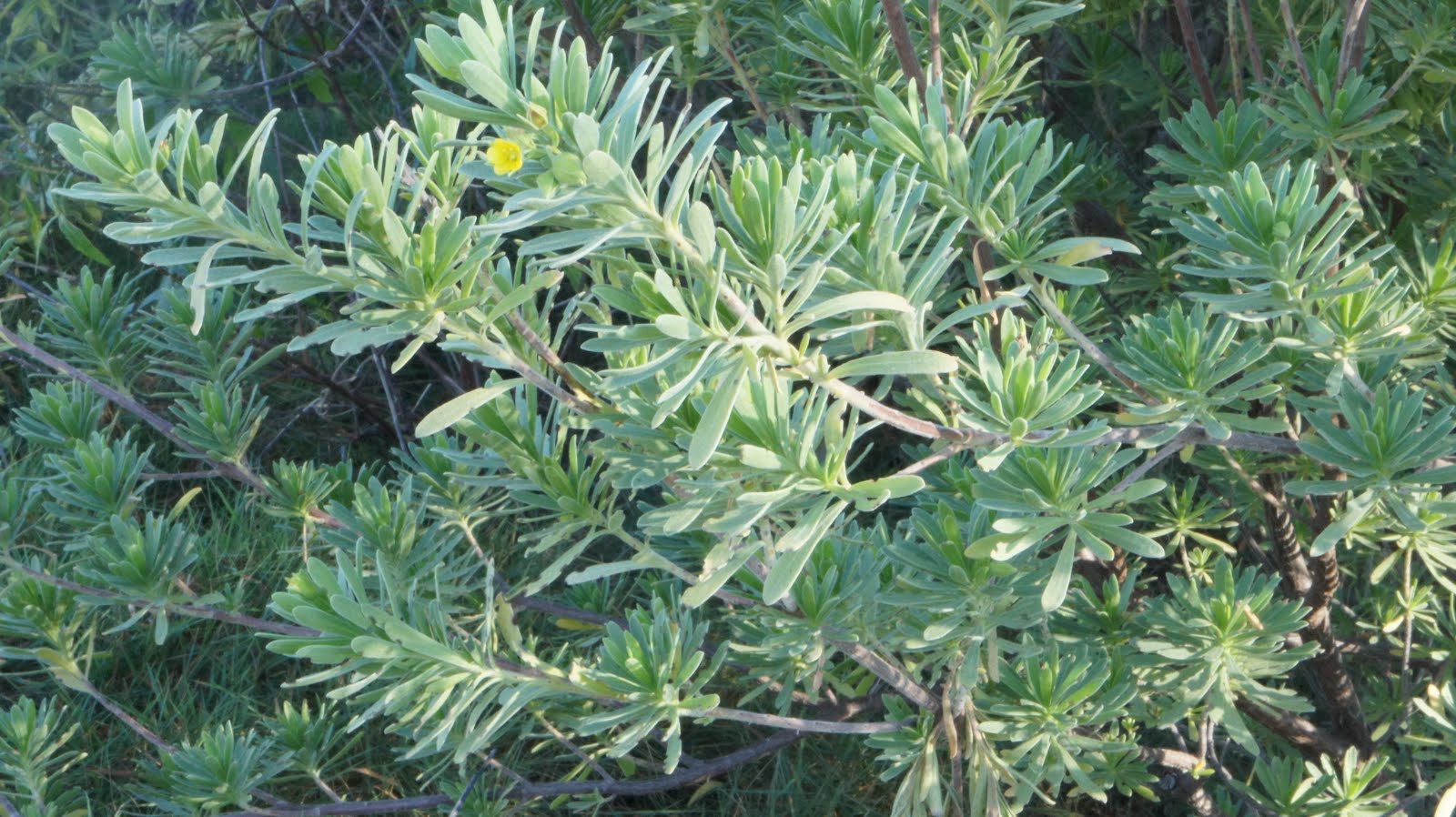
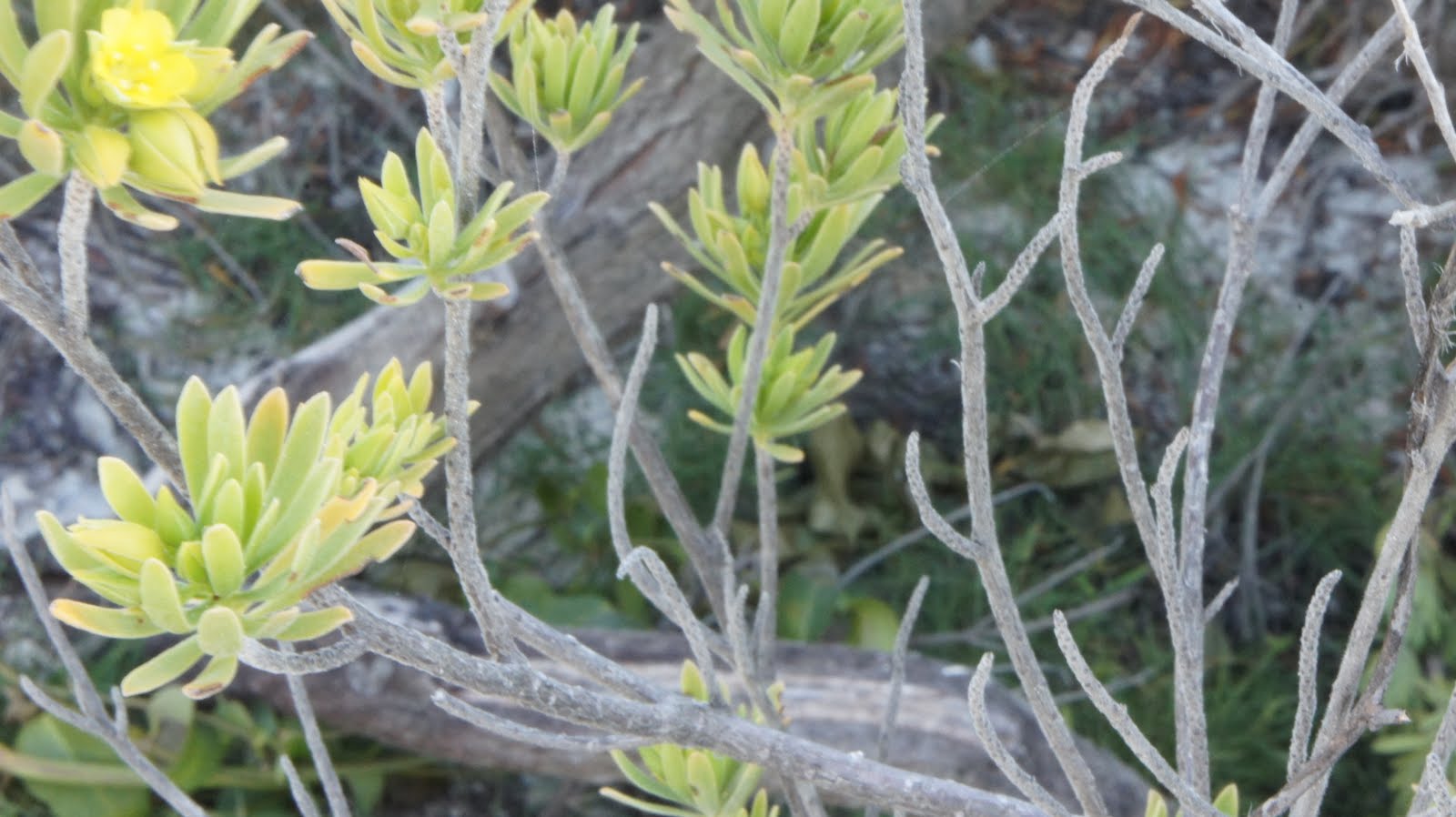
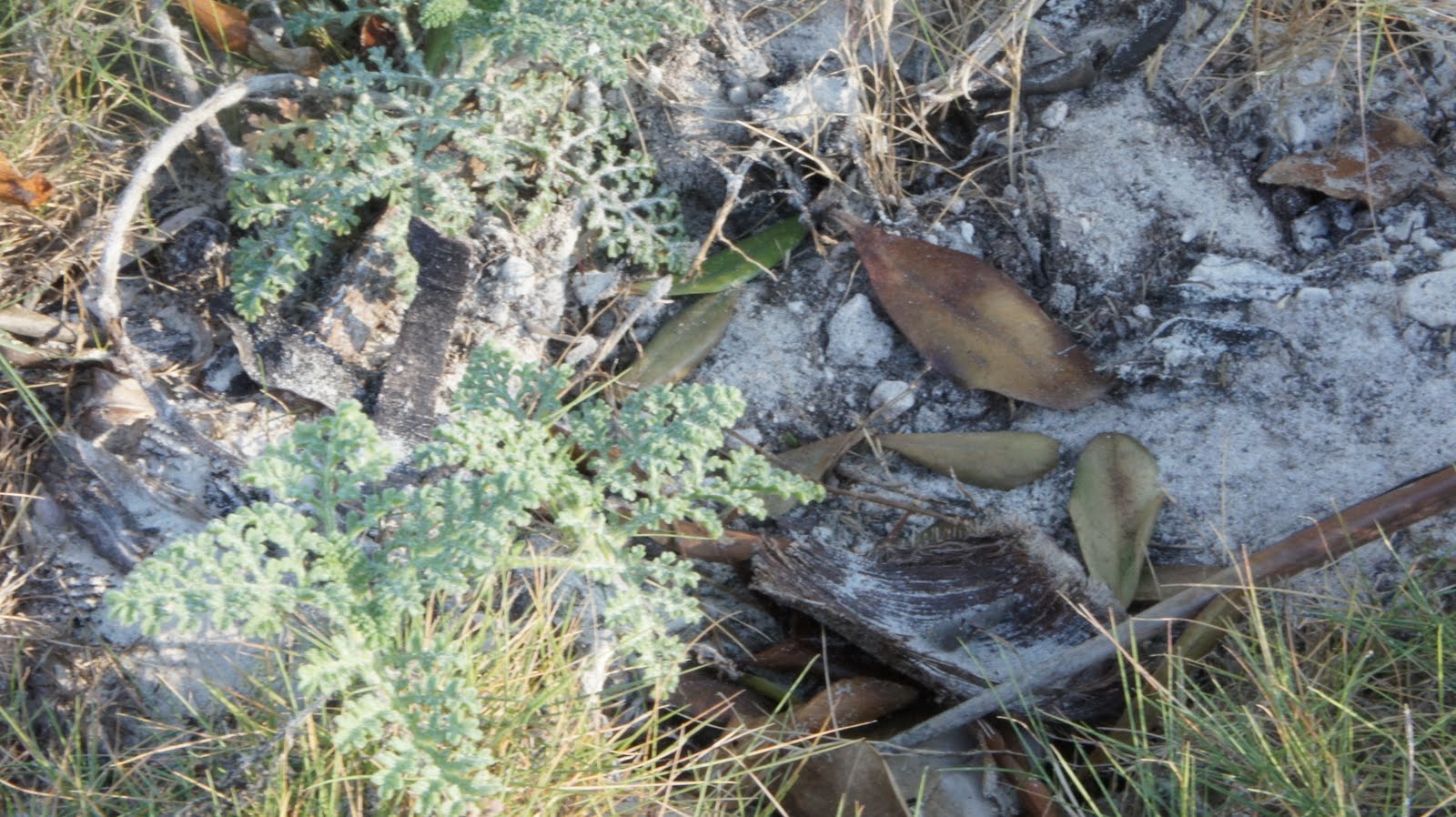
Sea Heather

It is so wonderful to have all this diversity of plant life. The birds and butterflies like it too. They flutter from plant to plant, eating seeds and lighting on them, probably enjoying the ocean view, as do we.

You can see that I have yet to learn the name of all the plants in my front yard. This is because I did not purchase them at any nursery.  They emerged naturally, once the invasive plant was fully removed. In other words, they did not arrive in containers with plastic labels showing their names. But my neighbors are teaching me the names of these native plants.   As I learn their names, I will add them to the photos.

We recently bought two additional plants that we will be putting into the ground around our house.   They are highly recommended and are great native replacements for the Australian Pine.  They are Lignum Vitae (Gualacum sanactum) and Red Cedar (Juniperus bermudiana). We just bought one of each from our local nursery called Wonderland Gardens in Marsh Harbour.  Here is what they looked like when we bought them.

Baby Lignum Vitae
Red Cedar

These two plants are natives that like the native soil, the sunlight and the ocean salt.  According to our book from the Friends of the Environment, Abaco, Bahamas called  ” A Guide to native and Invasive Plants in Abaco”, both the Lignum Vitae and the Red Cedar plant are protected trees of the Bahamas.  We will be planting them in the next few days.  For the longest time I could not find them in the local plant nurseries and was very pleased to find them available for sale this year.  

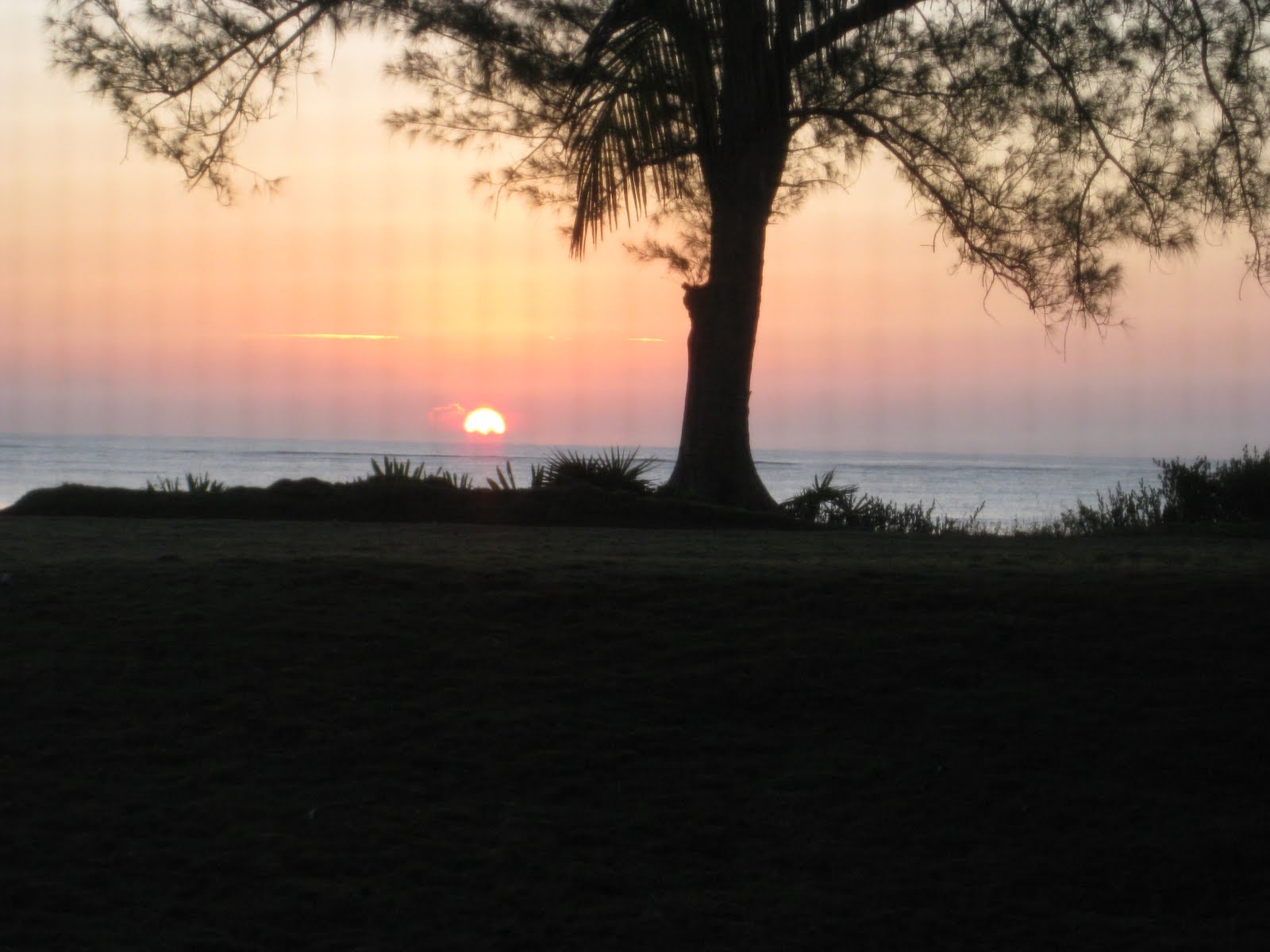
Sunrise under an Australian Pine in the Abacos

One way to control the problem of the proliferating Australian Pine tree in the Bahamas is to eat the seeds!

But I cannot find a single recipe calling for Australian Pine seeds.

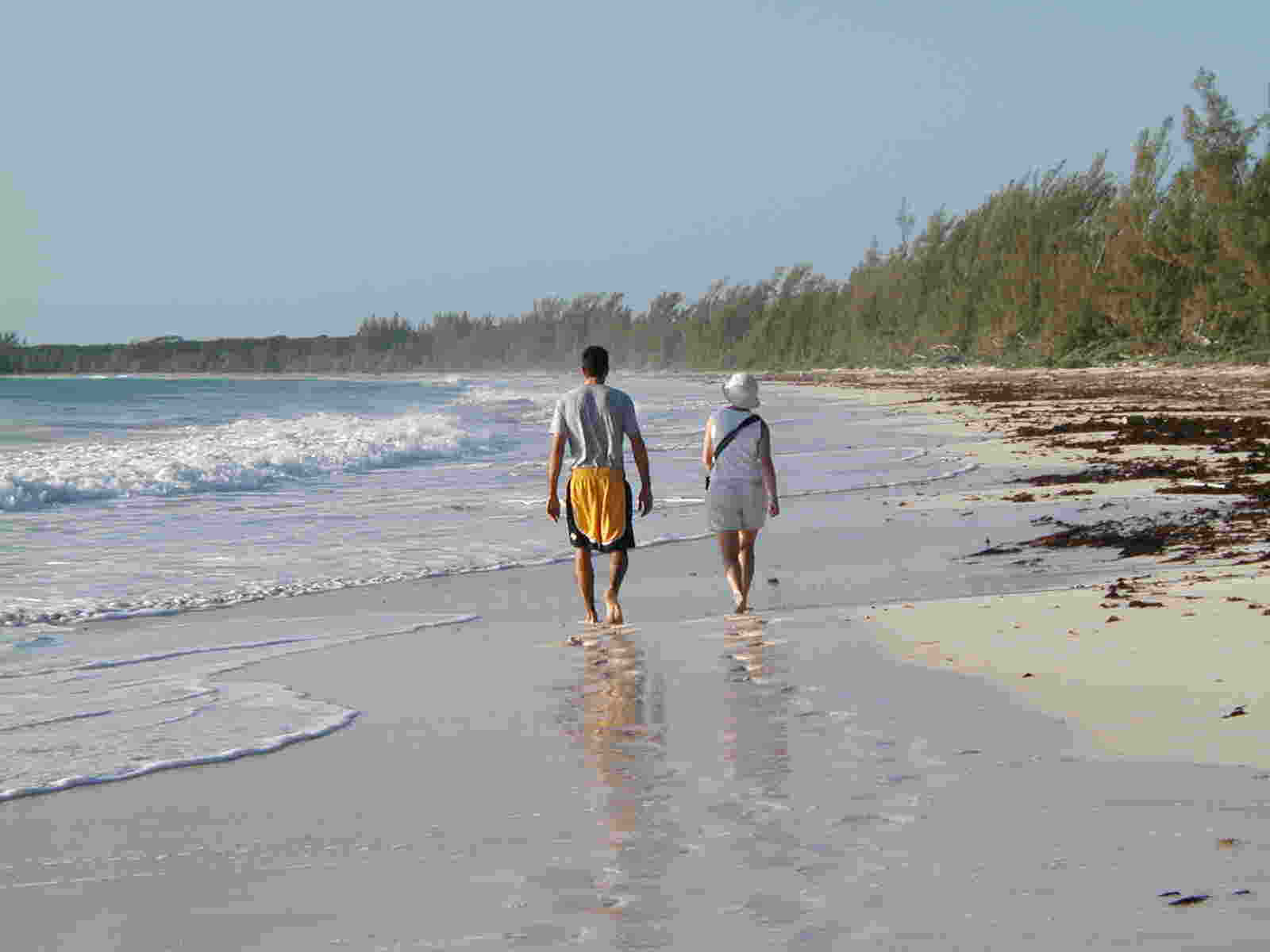
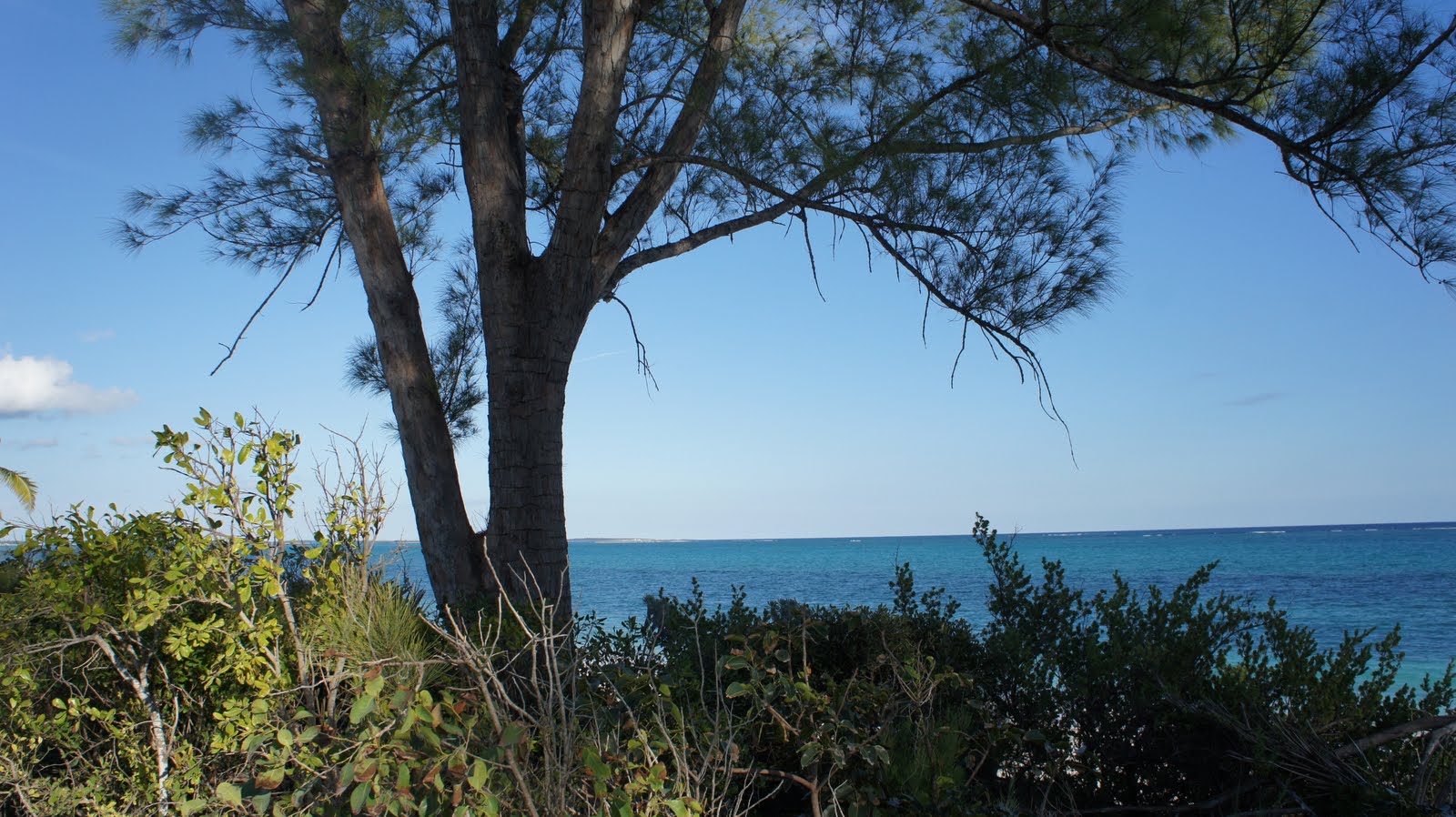
Australian Pines line the beach of Eight Mile Bay

Unfortunately, insects in the Bahamas don’t eat them either.  Thus the pines proliferate.

Australian Pines are free to reproduce in the Bahamas because there are no people or insects in our area that eat their seeds . Hundreds of thousands of these uneaten seeds are dropping to the ground and growing spontaneously, everywhere, uneaten by either humans or insects, or even fish.  Now that is a special kind of problem, a population problem.  If we could learn to control the population of Australian Pine, then perhaps we could live happily with them, mingling in their shade, burning their wood, and crafting them into tables and chairs, as needed.

A group of researchers, mostly entomologists, are hoping to find a good set of bugs that will eat Australian Pine seeds.

I am happy to report that Australians are involved in the research project.  In my opinion, it makes sense to have them collaborate with us on this problem since they are the culprits who, several hundred years ago, sent us these trees.  I figure they ought to know a lot about them or at least might have a few pine seed recipes that they could share.

But now we have another problem.  Australians don’t necessarily have the same issue with the trees that we do, because in Australia, there are a group of insects all eating Australian Pine seeds, thus controlling the size of the Australian Pine tree population. We, on the other hand, acquired the trees without the natural controls.  This helps explain why Australians like their pines and we don’t always share their viewpoint.

Which bugs eat Australian Pine seeds and how do we get them?

Wait a minute, not so fast!  There is a bit of work to do before one takes a new bug into our environment.  For example, we have to make sure that something eats the bug and that it doesn’t become yet another invasive problem.  We also have to be sure that that bug over there in Australia is going to like the specific “Australian Pine” seed that we now have here in the Bahamas.

Until this is resolved, and we decide who or what is going to eat the seeds, I ask:
What can we do with Australian Pines? 
Stay tuned. 

The Australian Pine

Recently, I asked  Martin,  an Australian friend of mine to write in his blog about how Australian Pines might be used here in the Bahamas.  The Australian Pines, or “Casuarinas”  have the reputation of being “invasive plants”, rather unmanageable and growing everywhere, with and without permission, thus being largely viewed in the Bahamas and in Florida as giant weeds.

He replied with some very thoughtful commentary.  Here is what he said:

Thank you, Martin, for your thoughtful remarks.

Let’s see if we can’t get some additional good ideas about how to manage and use these pines from both sides of the world.

Less apocalyptic than the blank that I first put up.