Feeds:
Posts
Comments

And what changed?

I like painting from different perspectives, each one more abstract than the last.
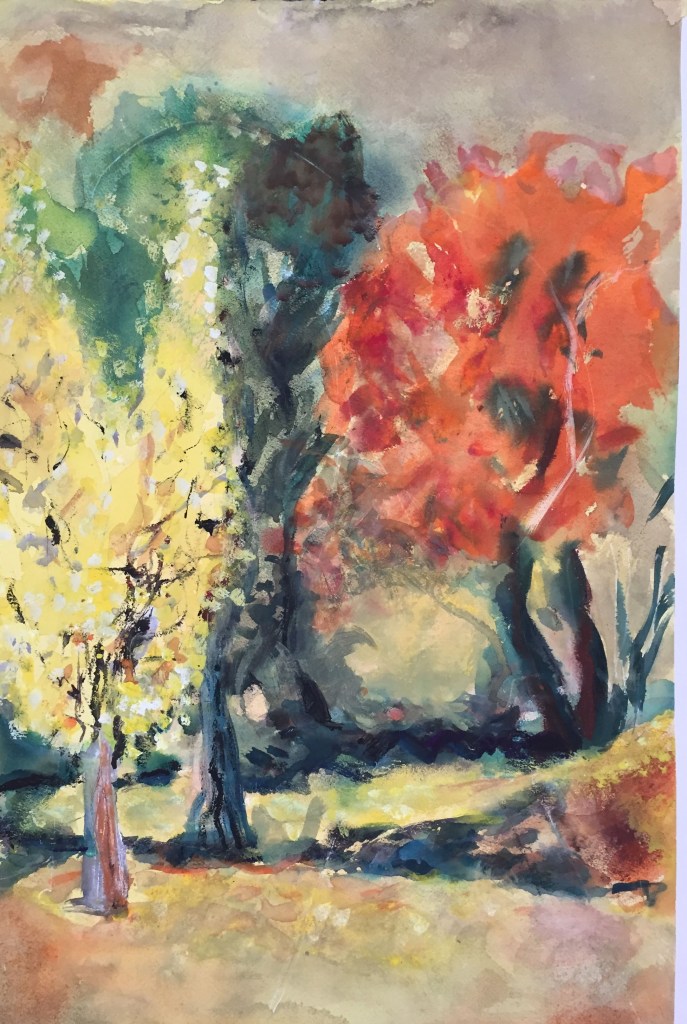
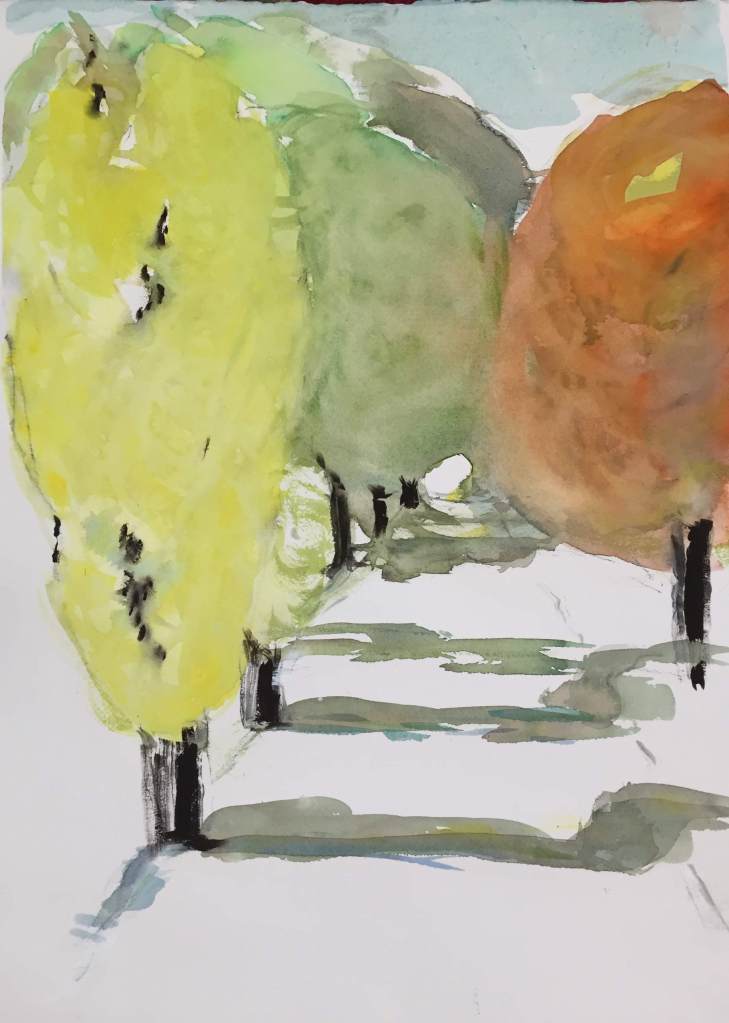
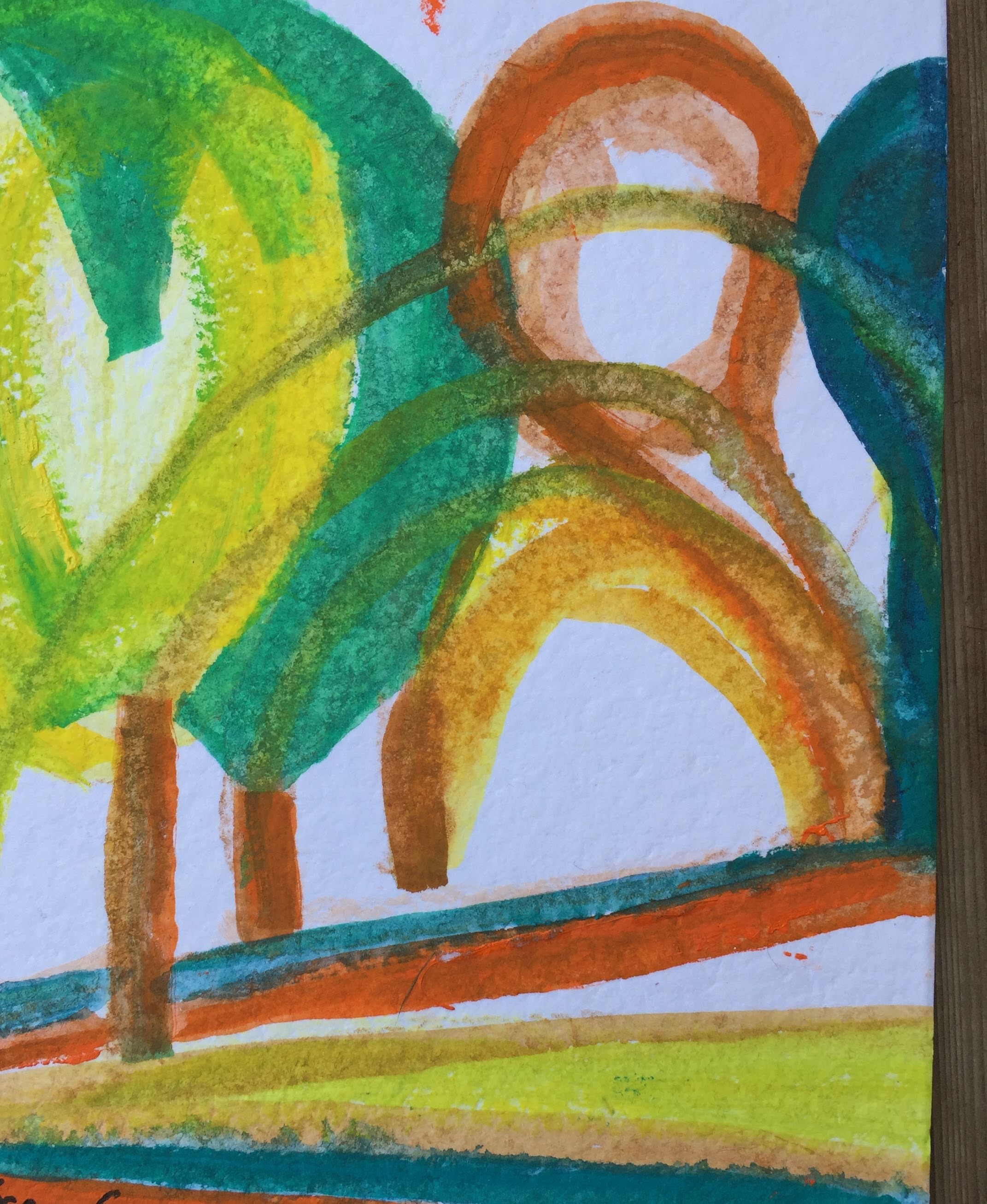
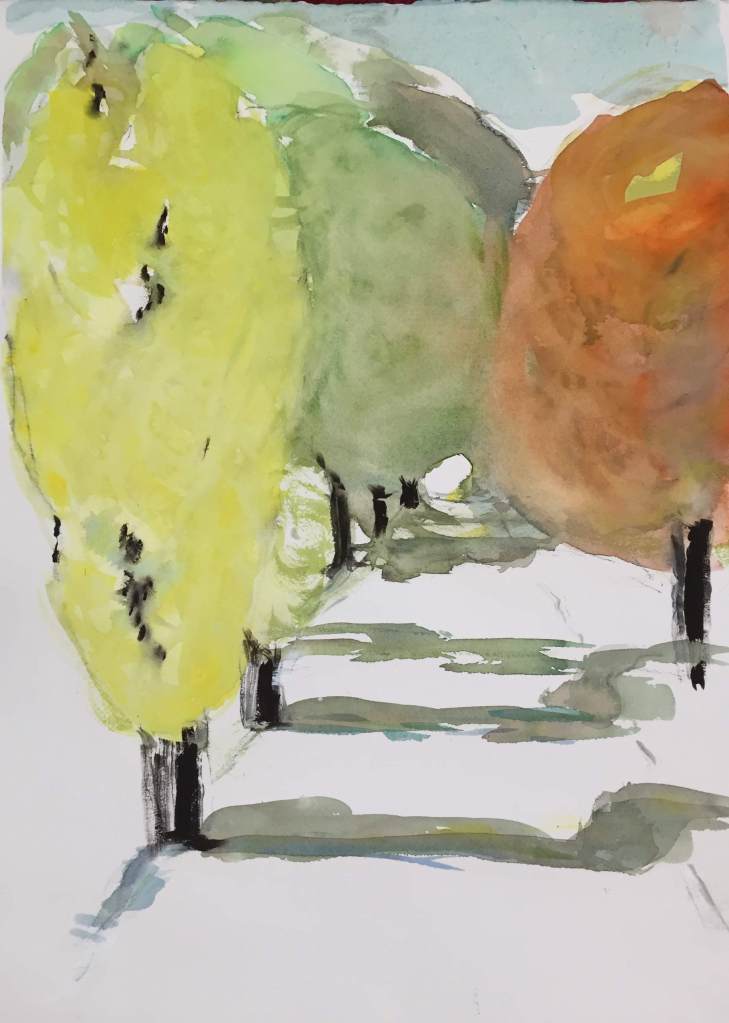
These three are titled “Overhang”, watercolours by MJ Chamie

First, I draw or paint a scene in some detail, doing pencil sketches, or painting while working with values, shadow, color, choice of detail.  At some point, I stop.

Then I may do a second painting using pens or brushes and focus on the overarching theme, letting imagination do the rest.  

Finally, I shape these ideas into a single thought and paint something that is closer to a symbol, like a hieroglyphic.

This is my usual approach to art, and it feels like I am having a discussion with the painting while doing so.  If I ever come back to a place that I have painted, it feels so familiar and welcoming to be back.

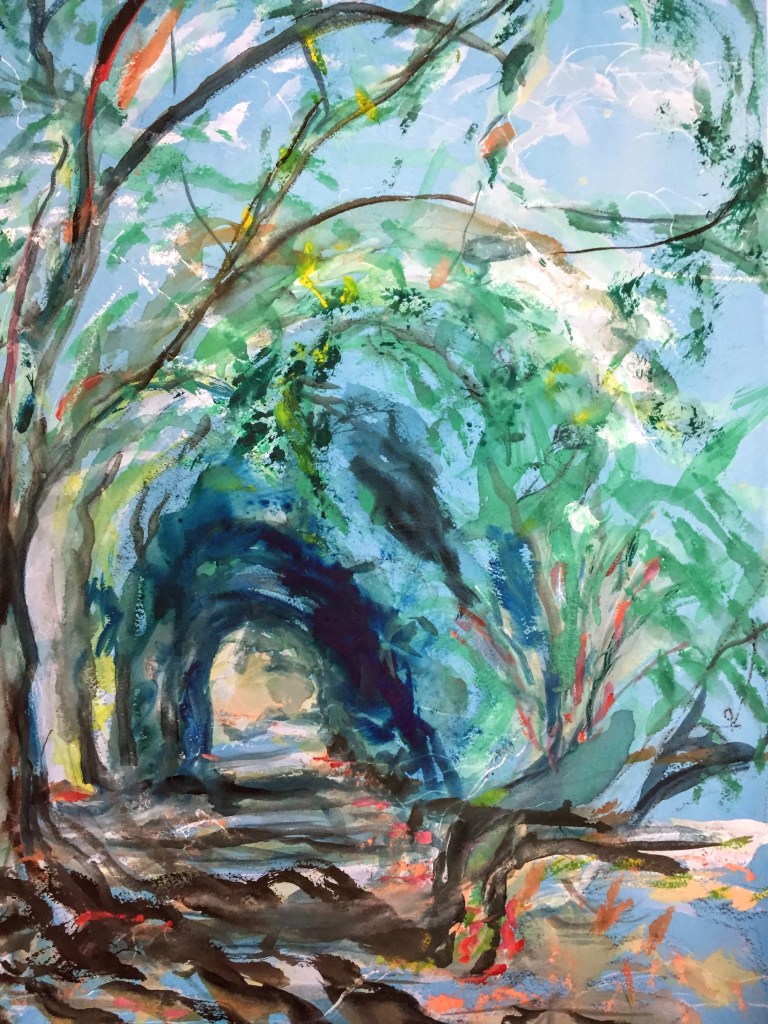
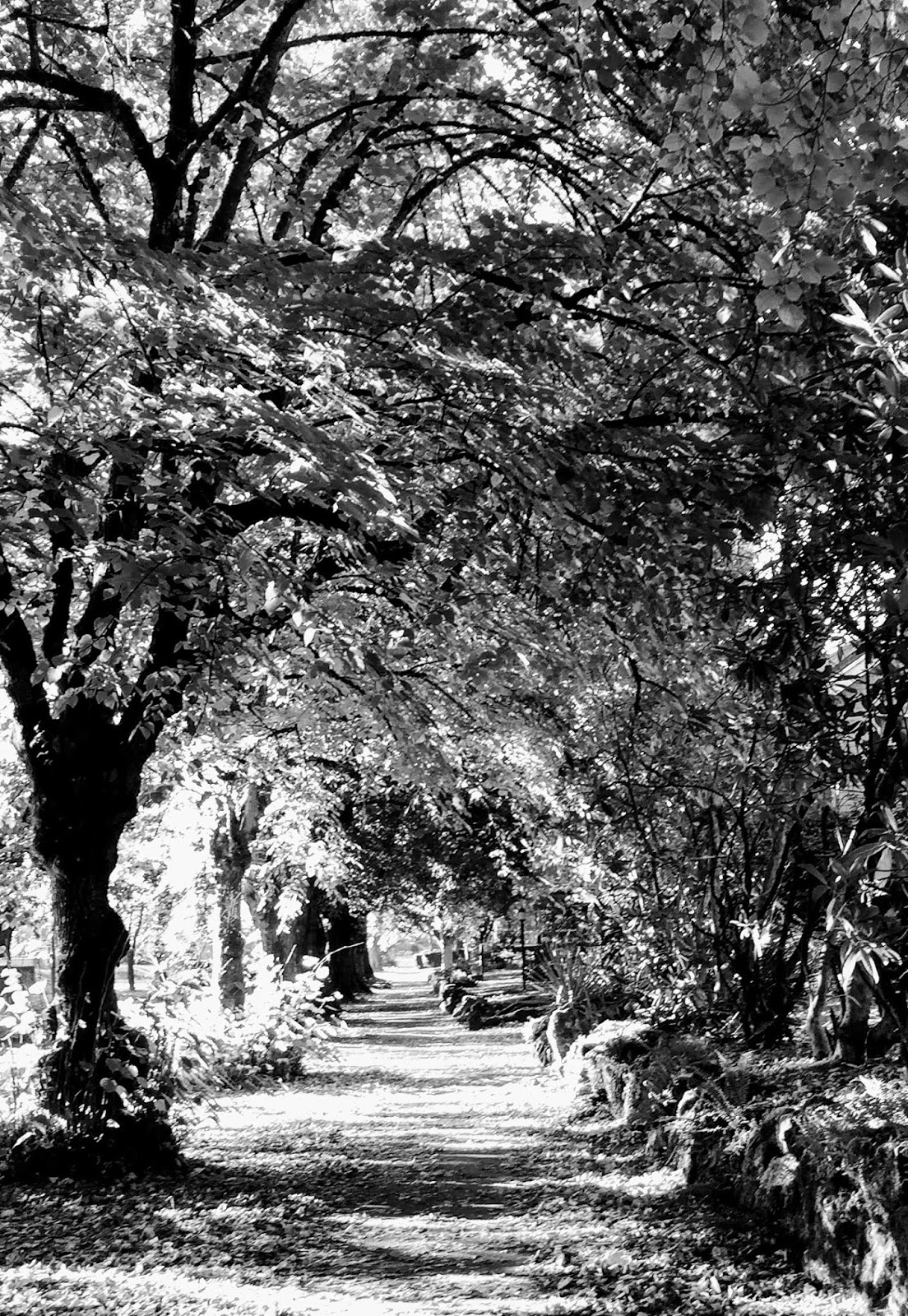
In the examples below,  fascinated by the arches of trees over the walkways of South East Portland,  I walked through a place that I chose to paint.   At this location, it felt as though the trees were communicating, whispering, as they arched over the walkway.  

It is one thing to capture the detail, and another to capture the feeling.  
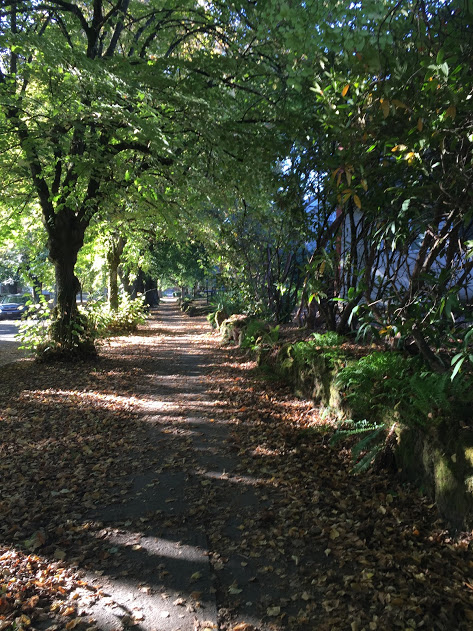
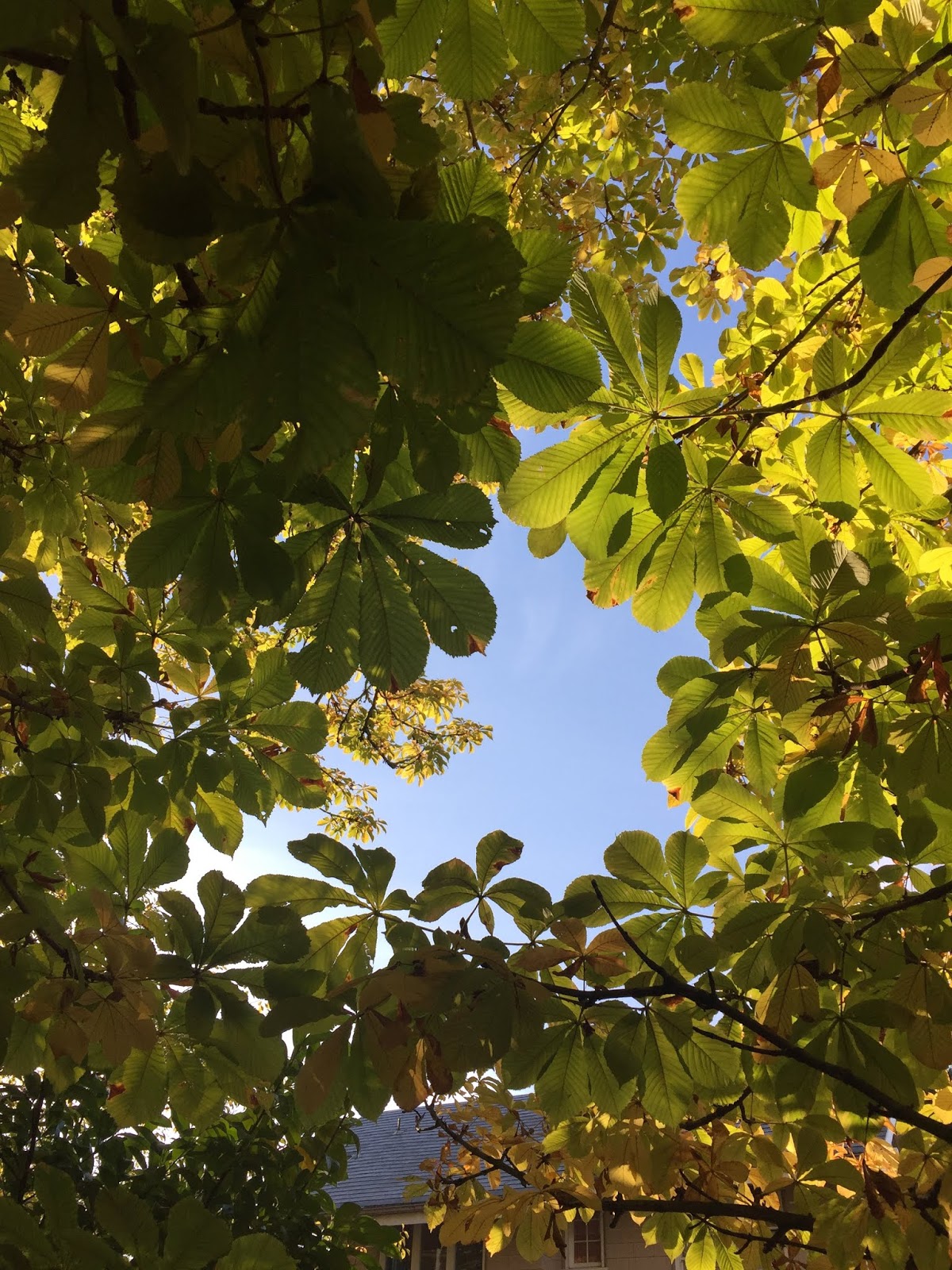
IMG_6901

Photo taken by MJChamie.

Dark overhang of trees in South East Portland, Watercolor by MJChamie.

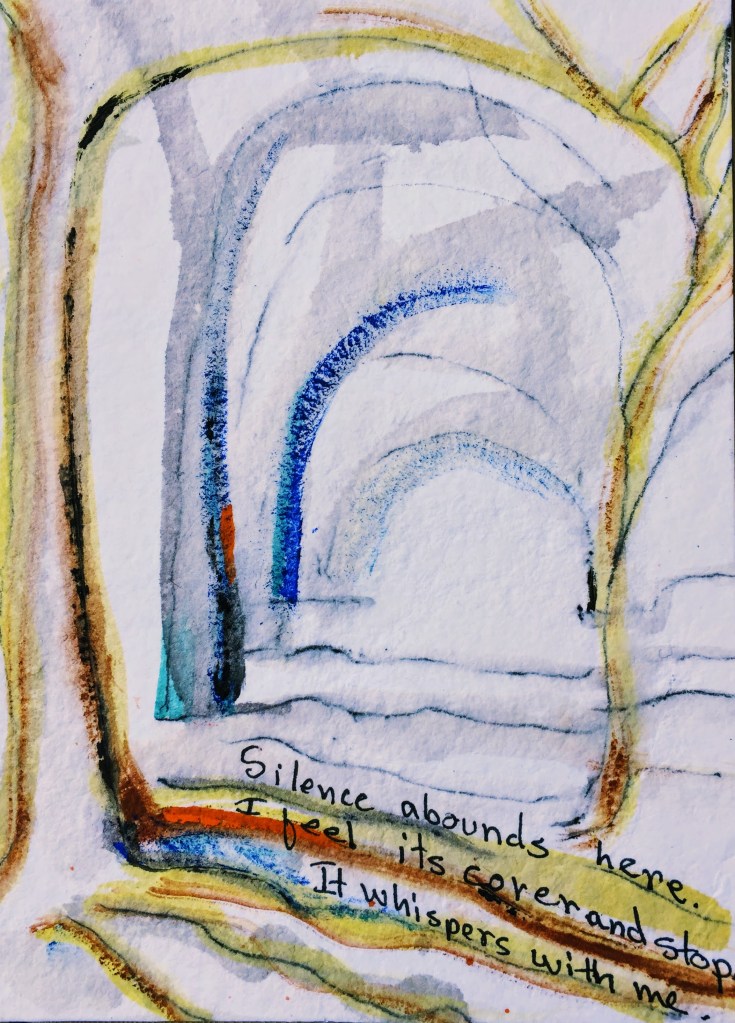
This thought resulted in a Haiku poem and watercolor that I painted. It says,  “Silence abounds here. I feel its cover and stop. It whispers with me.”

Setting the tone and level of detail in any painting is part technique and part personal judgement. I like the struggle of figuring this out, while knowing it is clear that there is no exact right or wrong to this.
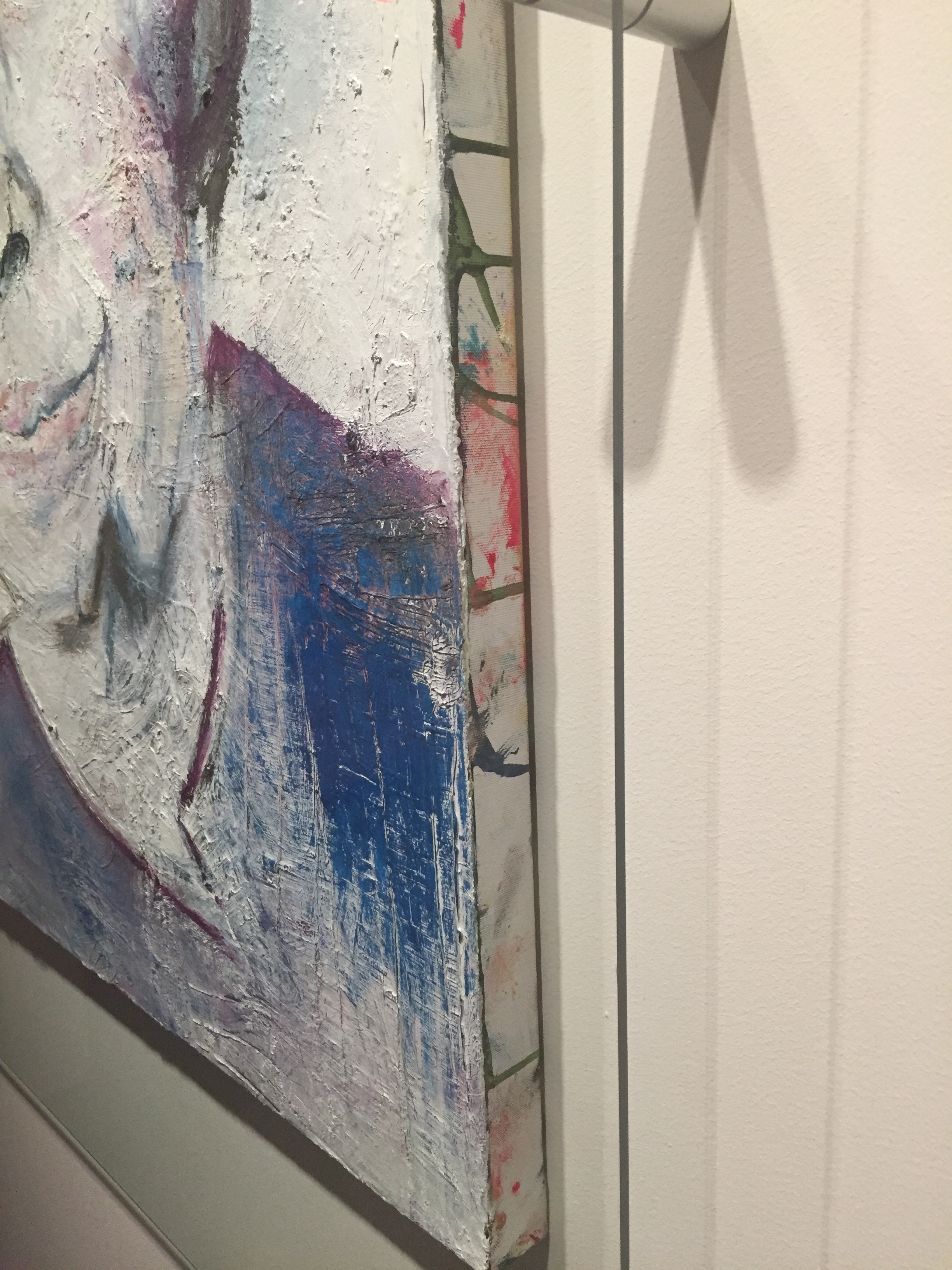
I like the drips and drabs that occur on the sides of paintings, before they are cleaned up and framed.  The side patterns suggest the artists’ level of enthusiasm.  They also show the timing of the oil’s placement on the canvas through the layers of paint left dripping over the sides.  For example, the artist may have done the paint mixing on the canvas itself using various brushes and strokes, rather than through mixing oils beforehand and placing the color on to the canvas.  These differences would be more clearly seen on the unfinished sides.

The sides of canvases may be more influenced by gravity rather than brush strokes and are essentially happy accidents of the artist, capriciously highlighting the color palette.  The drips and drabs of  along the sides may also complement that painting itself, acting as a frame.

Below is a mixed media painting on canvas on display at the New York Historical Society. When I saw this painting by Karen Schwartz, I stopped to appreciate her work, and then spent additional time looking at the sides, thinking about her wonderful approach to painting this picture of Eleanor Roosevelt.

I particularly like the way the dripping sides of the canvas have framed the oil painting and am glad that the artist did not cover it, or paint over these designs, but rather considered it part of the painting itself.

What do you think?

Source of painting: https://www.nyhistory.org

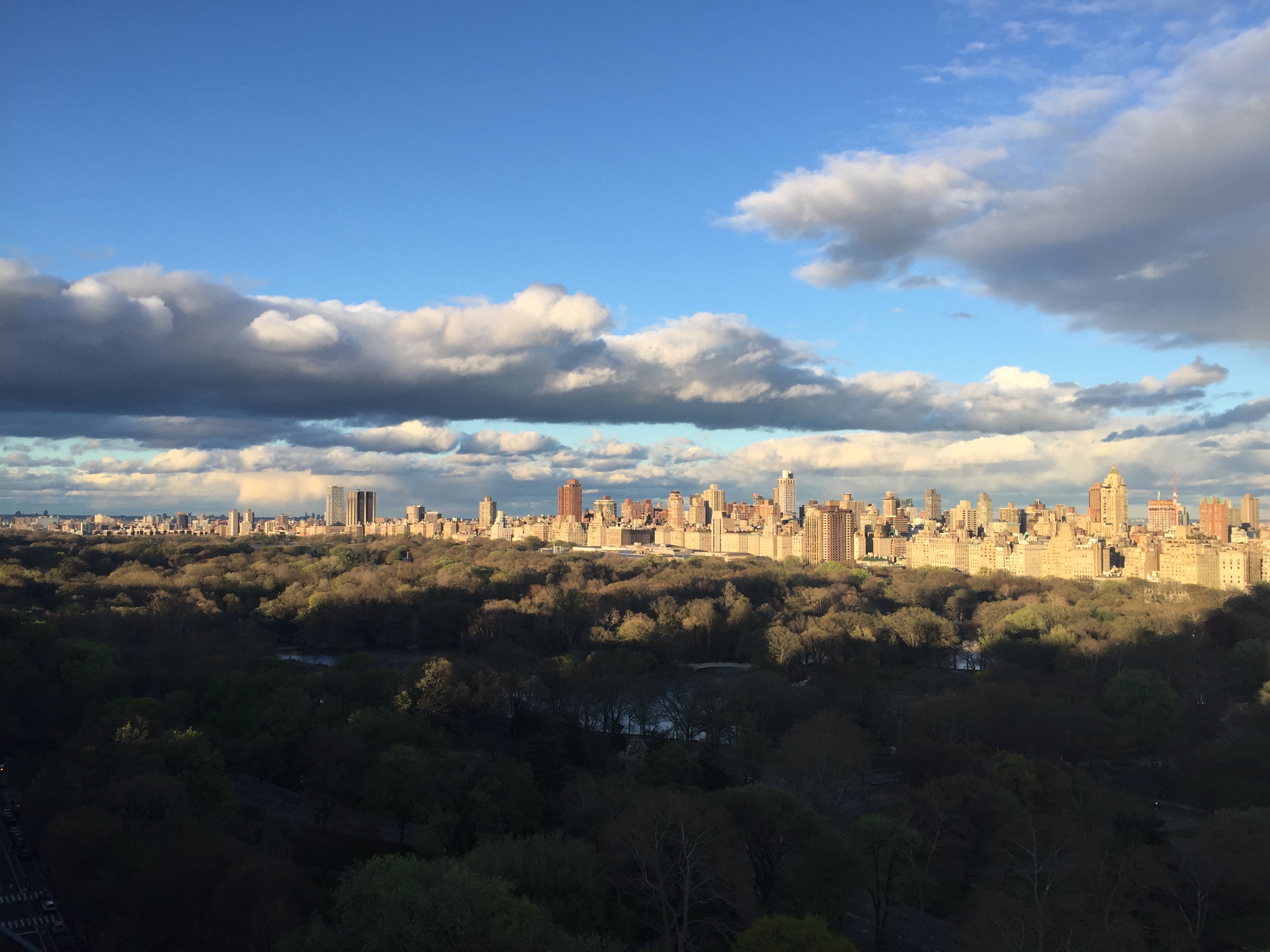
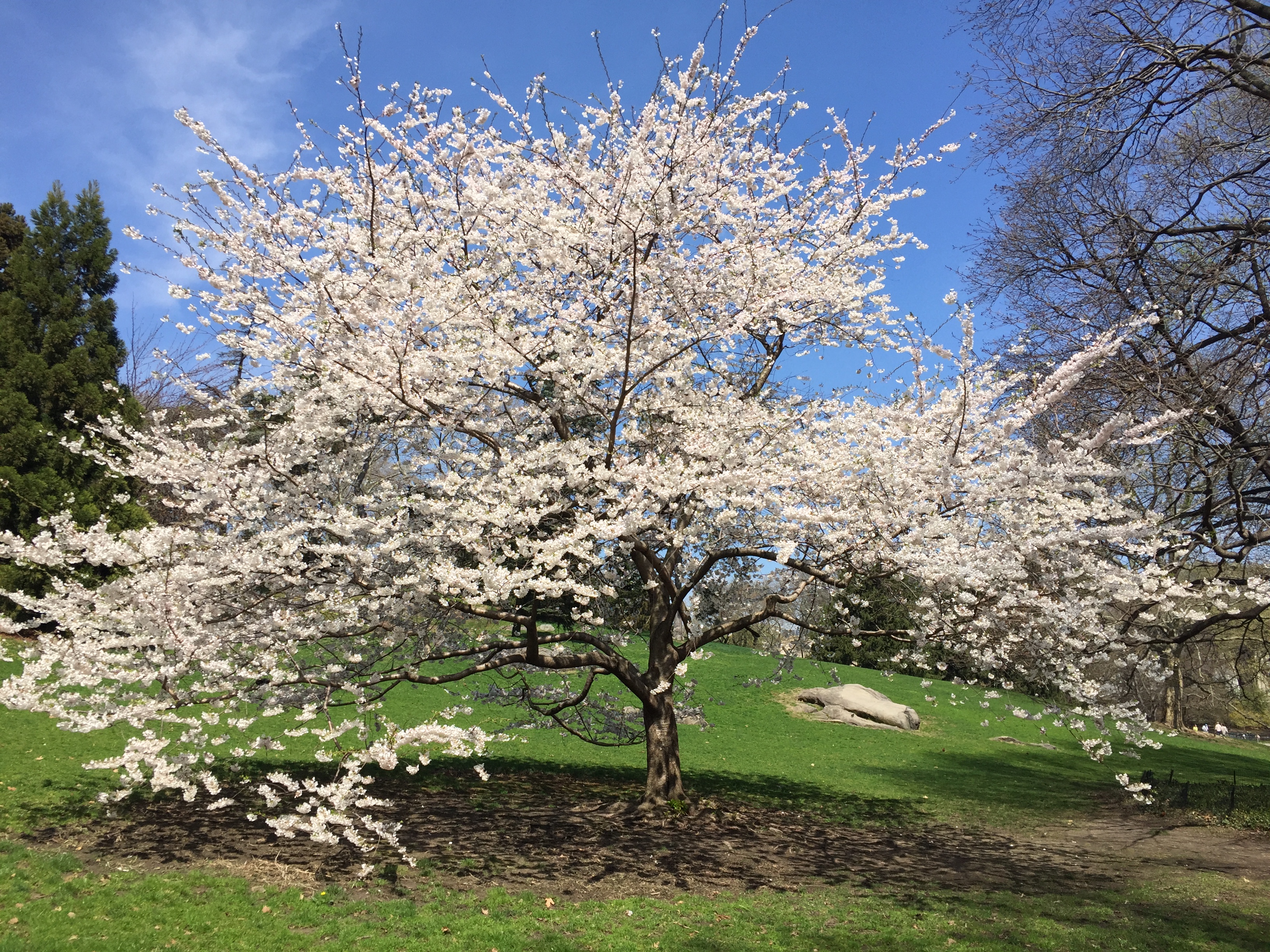
Manhattan, Central Park, New York City. 


Waters off the coast of the Abacos, Bahamas.


fullsizeoutput_222f


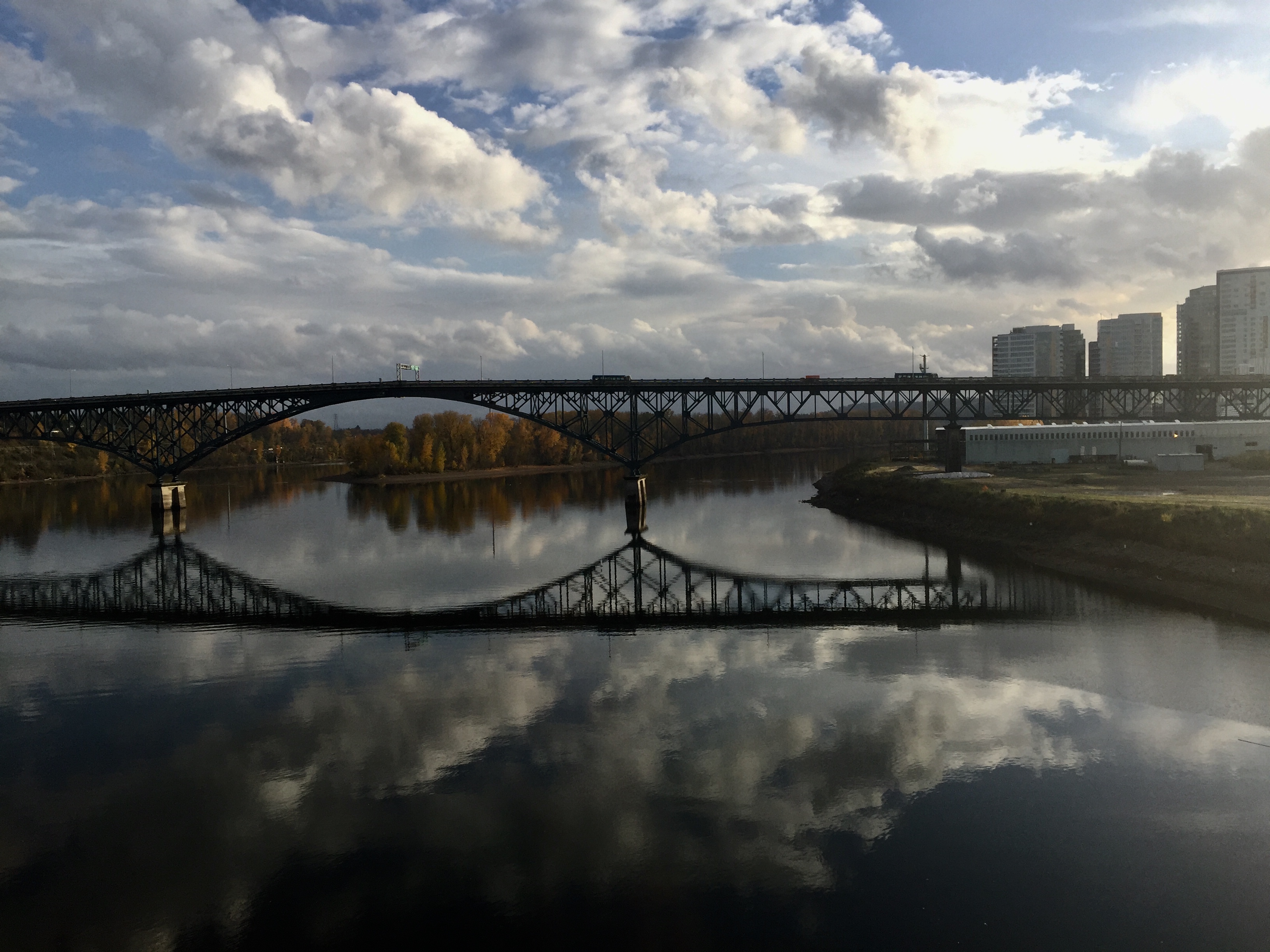
Bridge over the Willamette River, Portland Oregon.

Wishing you all a very festive, joyous,
springtime, wherever you are.  

Springtime

Grasses yellow-green bright, leaves are just buds, blooms appear unexpectedly, and the result is spectacular. I react with raw emotion, reminded of happy times past, hopeful of things to come.

Life Change

Trivial moments spiral,

arriving nonsensically,

angst driven.

What is the catch, the trigger

turning sadness to joy and laughter?

Maybe a long, satisfying walk,

vigorous bike ride,

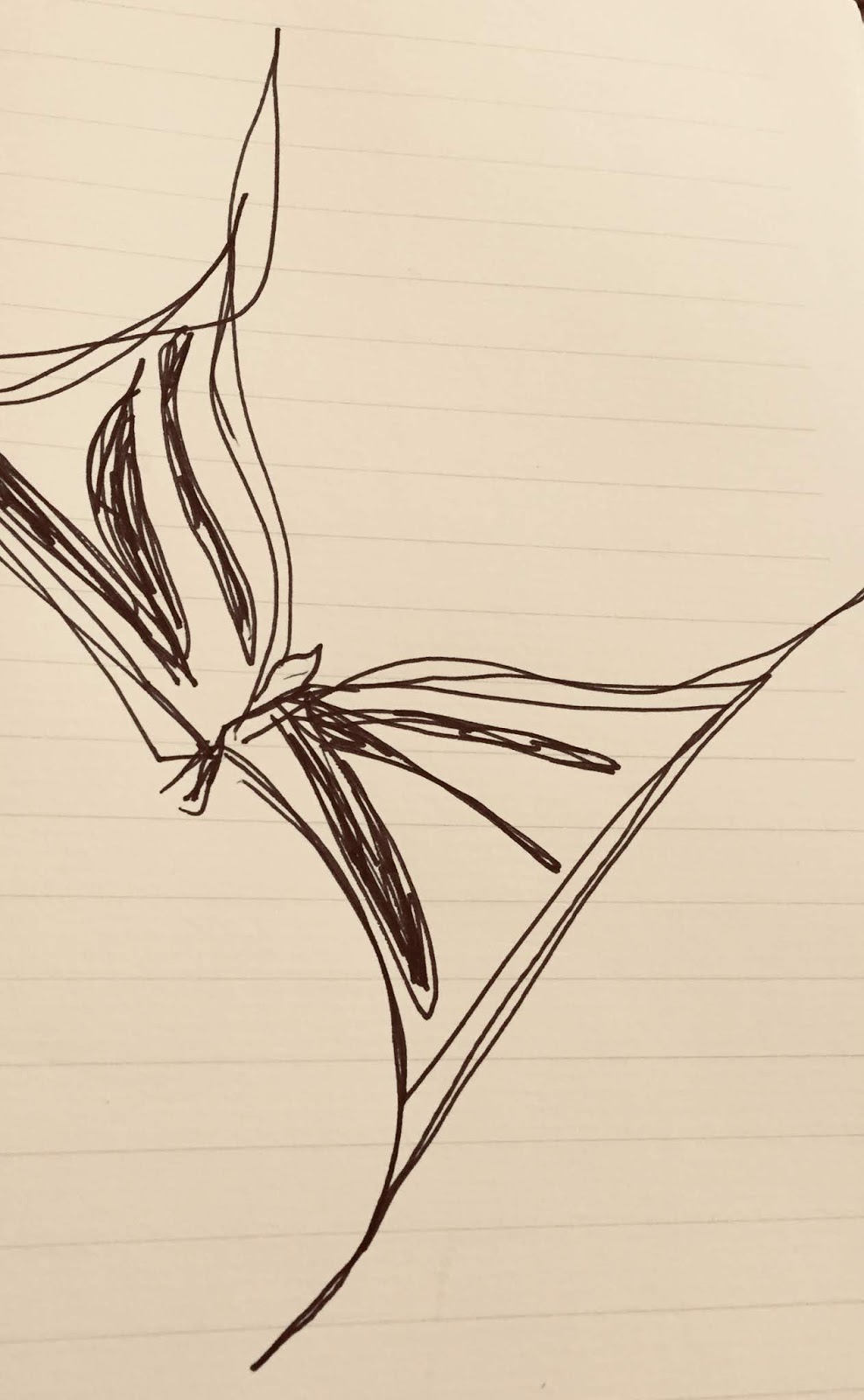
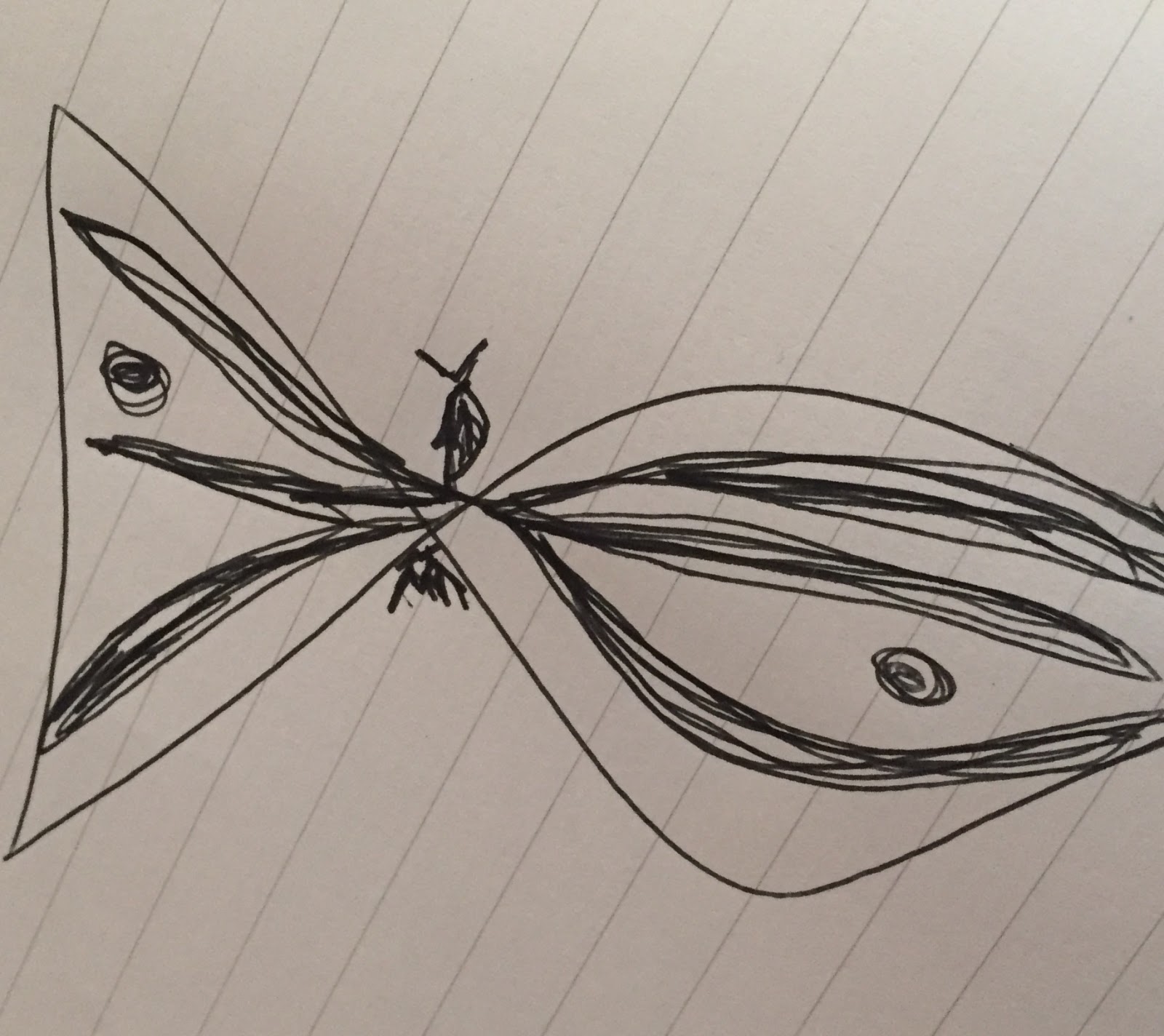
or a child speaking or a butterfly slipping by.

Nothing much, but awareness.

Poem and sketches by MChamie

Canopies of Glory

Branches arch streets and sidewalks,
offer shade from hot sun,
sigh in soft winds saying no relief to roots.
Time for cement to go, loose
dirt to tickle tree toes, share nutrients
and shade, softness, glory, shelter, quiet,
now shifts to autumn to show new glory.

Watercolor, 2018 by MJC

Trees I Have Met

Swaying beauties, oft dismissed
columns emptily treaded around.
Look up and see their capes, the 
soft shade embracing color shape design
food shelter comfort.
Shouldn’t we take better care of them?

img_6992

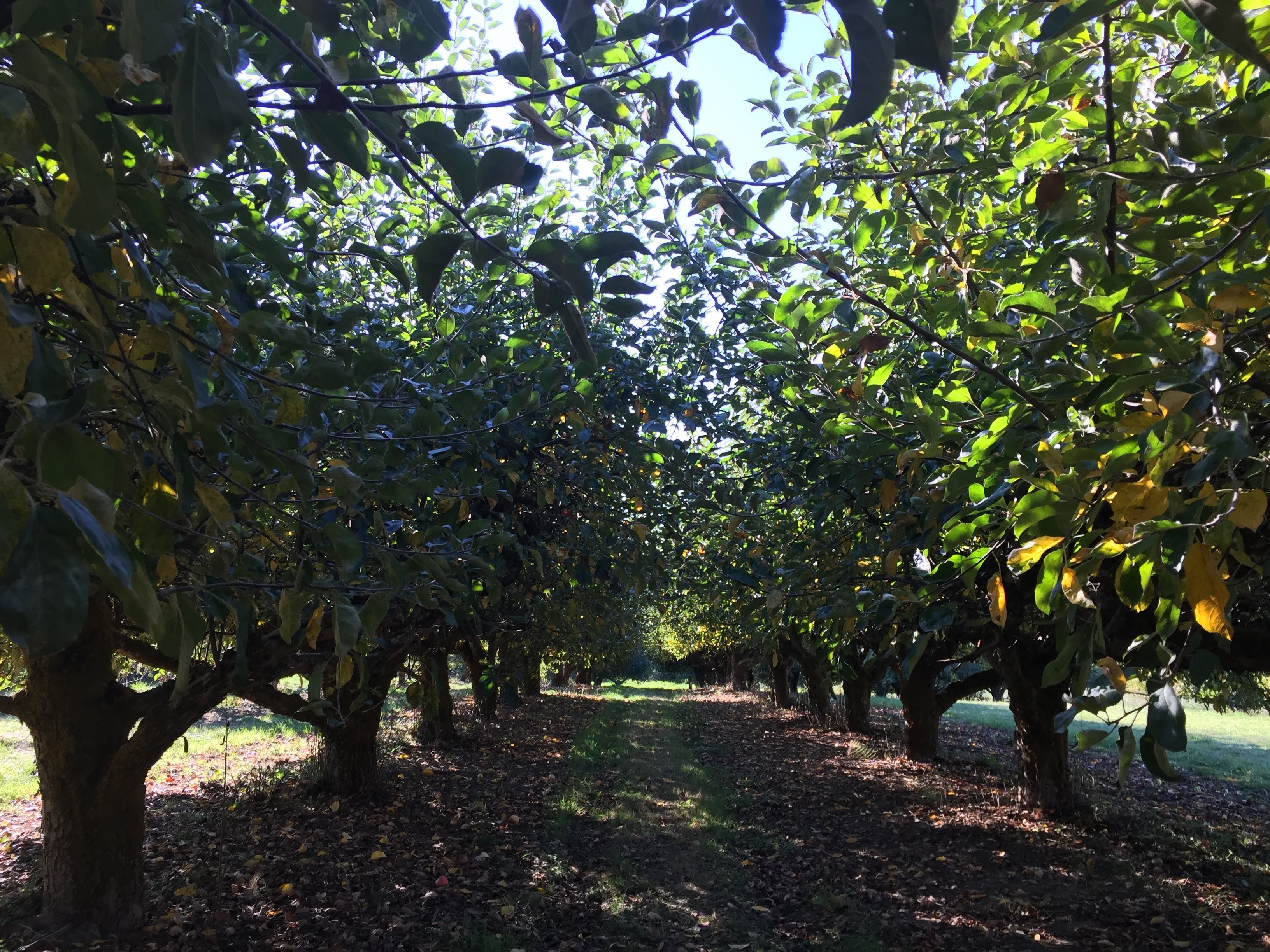
The aisles are large, the fruit is fresh and on a beautiful sunny autumn day, the mood is glorious.

It’s time to pick some apples.

img_6970

Writing with Children

Micrasterias.jpg

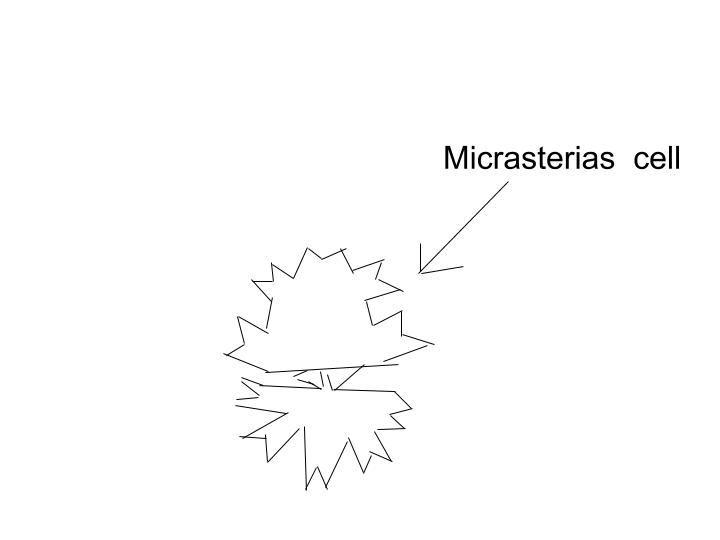
Sketch drawn on-line by my grandson.

Just this last week, my grandson asked me to help him with an article he wanted to write.  He had discovered a pretty colored single-cell plant called Micrasterias in a Smithsonian picture book for children and wanted to learn more about it.

How hard could it be to write up the life of a single-celled plant?

It sounded like fun, so I helped him out by posting articles to him about Micrasterias Denticulata (the name of the cell).

As a joke, I said he was writing an article on “Mike Rasterias and his friend Den Ticulata.”  Mike and Den.

He spent a week writing the article, and asked a number of questions as he went along.  What was its shape, its size, how did it move?  What color was it, and  where did it live? Did it have skin?  How did it eat? We had a great time exchanging ideas on where to find out more information on this little one-celled plant.  I googled and found scientific articles, photos and videos that he earnestly reviewed and summarized his ideas, placing them carefully into his essay.

He discovered some interesting things.  It comes in colors of bright blue and green, turning ponds bright green when it grows in them.  It lives like a plant by collecting sunlight and turning it into energy.   He was amused that it moves via excretion of slime (what a perfect story for an eight year old boy). He also found out how to locate it in ponds and streams and how to make a slide of pond water with micrasterias in it for use in a microscope.

“I want everything on one page,” he told me.  He worked to condense his ideas until they all fit.  He typed it up on his own, learned how to use spell check in the process, and successfully got it all on one page.

After that, I asked him to present it to me first by reading it aloud and then again, by looking me straight in the eye and  summarizing his ideas to me.  I used my I-phone to video him presenting both ways, and then we discussed how his voice and presentation changed according to these two types of visual presentations.  It surprised him to see how his voice and pronunciation changed when he went from reading it aloud, to orally presenting it without any notes.

What started as a simple exploration of a one-celled wonder, became a fun process of learning for us both.  I like what he said in his last paragraph the best.  He said,

“From doing this I have learned how to use a computer better and I even learned that such a little thing can be so complicated and interesting to learn.”

There we have it again, simply complicated.

Trees hover, leaving shadows,
dance of light, reflecting branches.
Coffee cup in hand,
I stumble over awkward sidewalks,
erupted by roots,
enjoying the beauty.


Photo and poem by MJC