Feeds:
Posts
Comments

Archive for the ‘Gardening’ Category

Rainy Day in Paradise

When it rains on this island, it rumbles.  
Last night lightening streaked across the sky, thunder woke us up several times.  Finally, early yesterday morning, it burst into rain.  We got up to watch.  Our electricity was off inside the house, but there was plenty of electricity in the sky.
Front road mud puddles
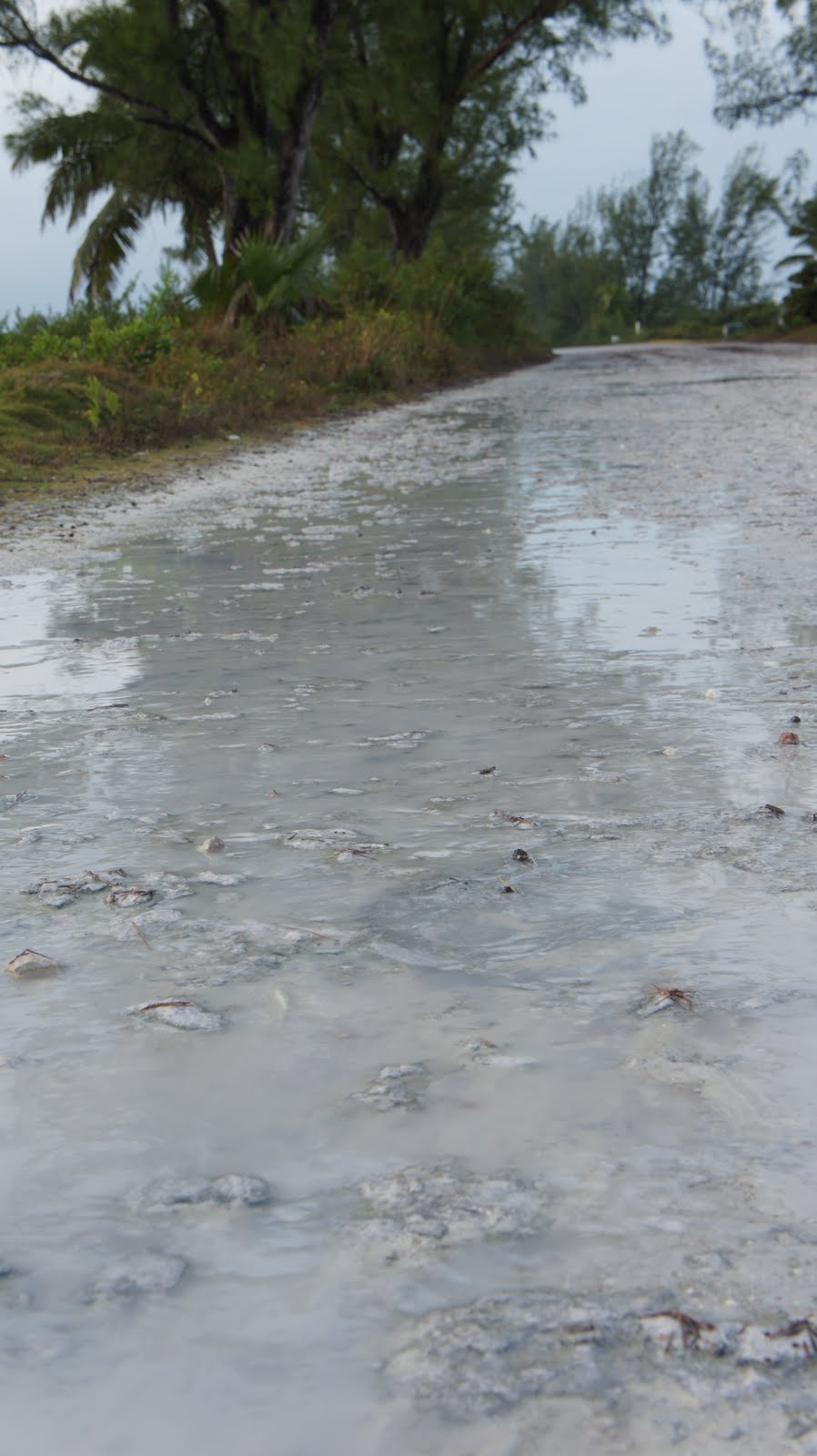
Afterward, bright grey water settled on the dirt road out front
quite different from the brown mud-puddle 
that we get in New York.  This water reflects softened coral rock.
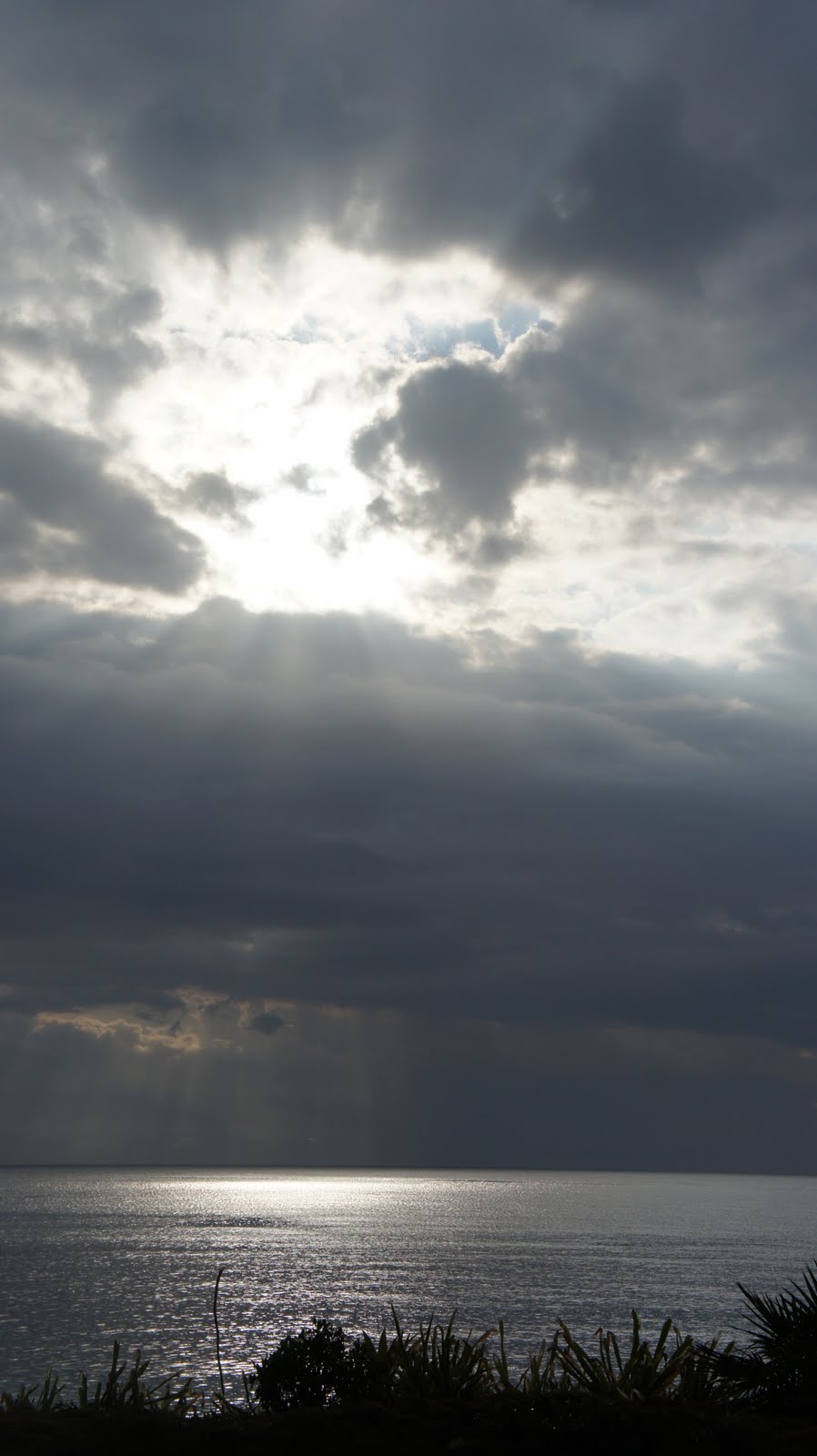
After awhile, the sky broke open with scattered light.
The ocean was still but the sky was not.

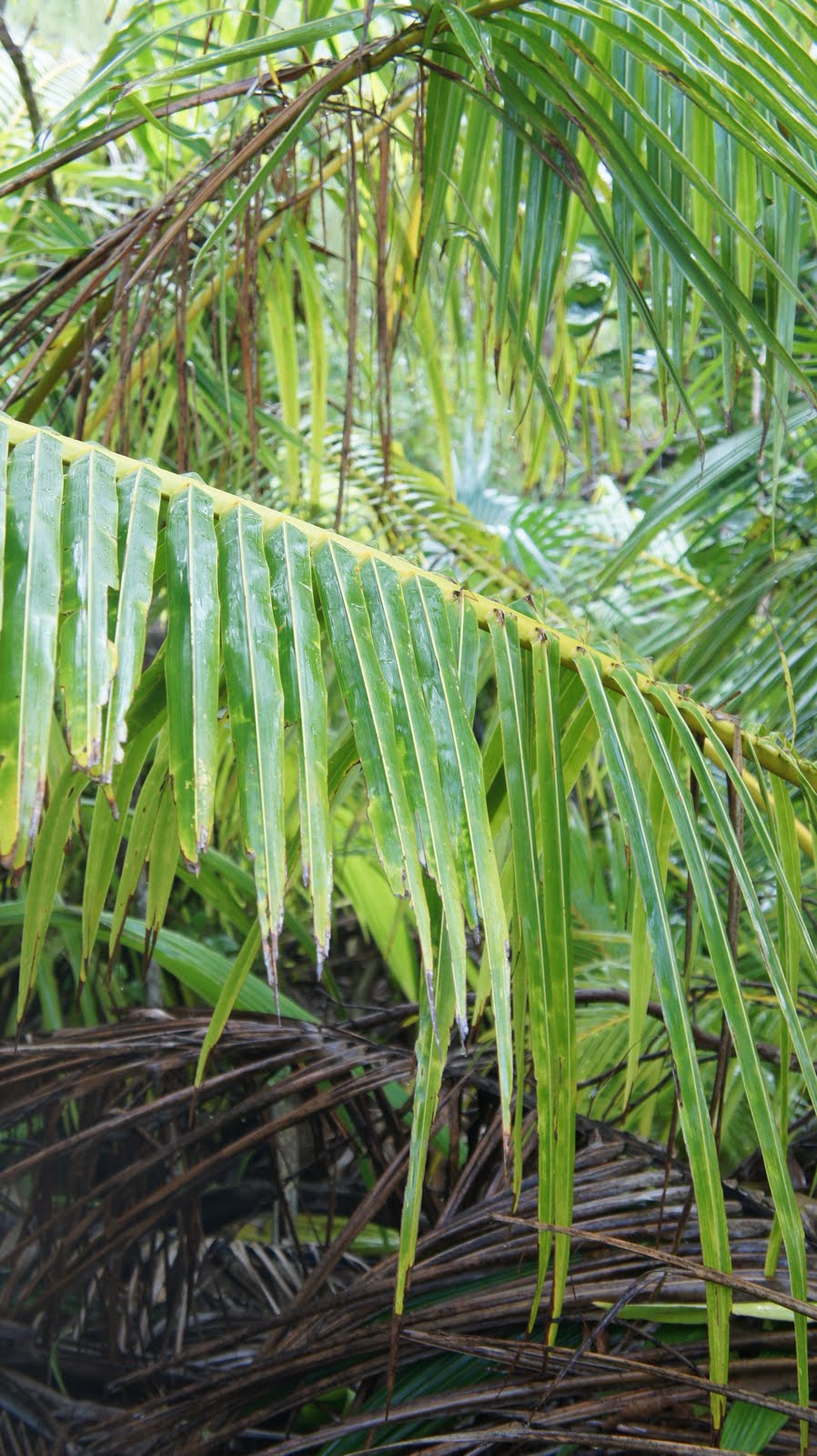
Plants opened up and started uncurling from their parched positions, relaxed with water.

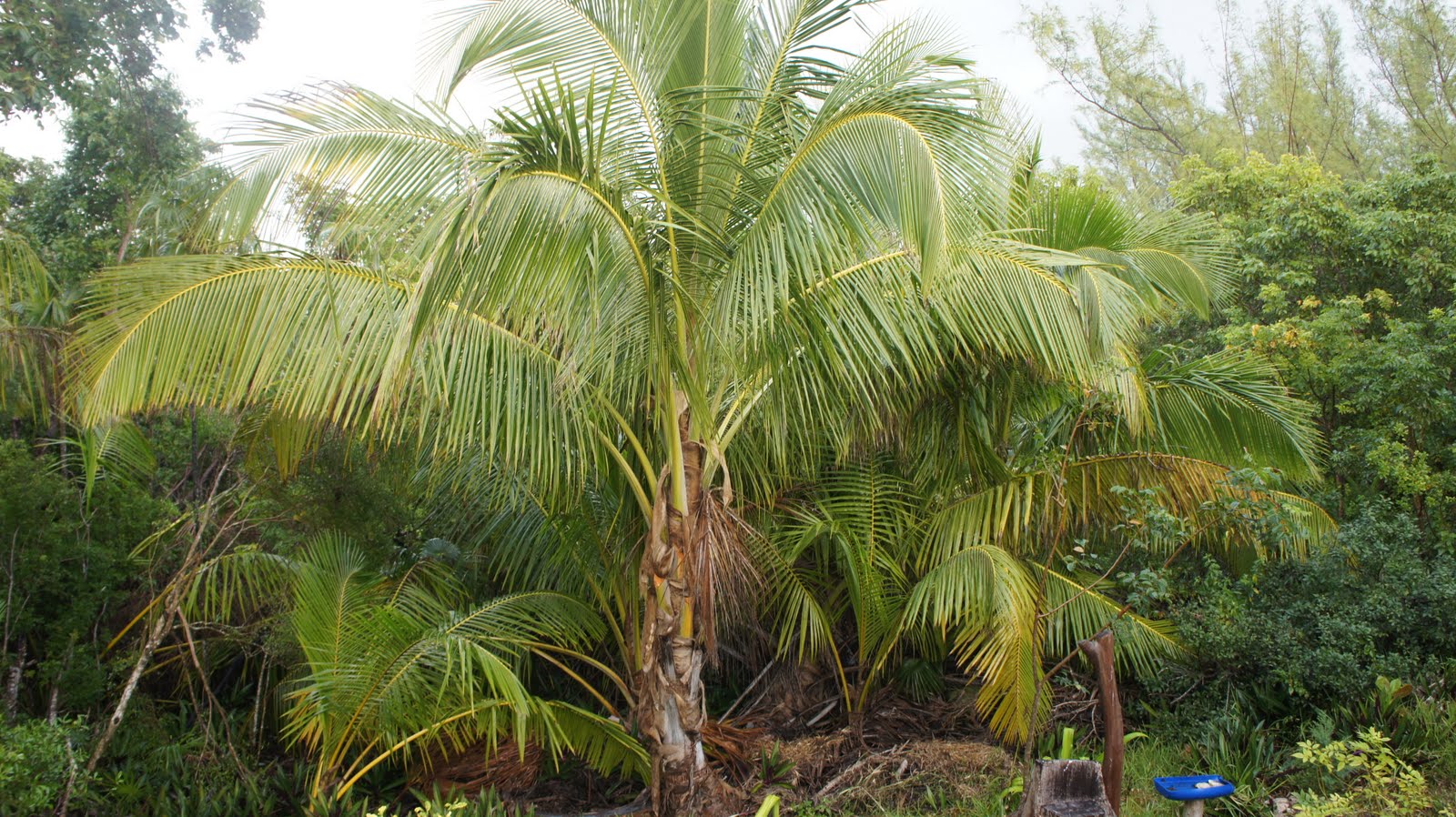
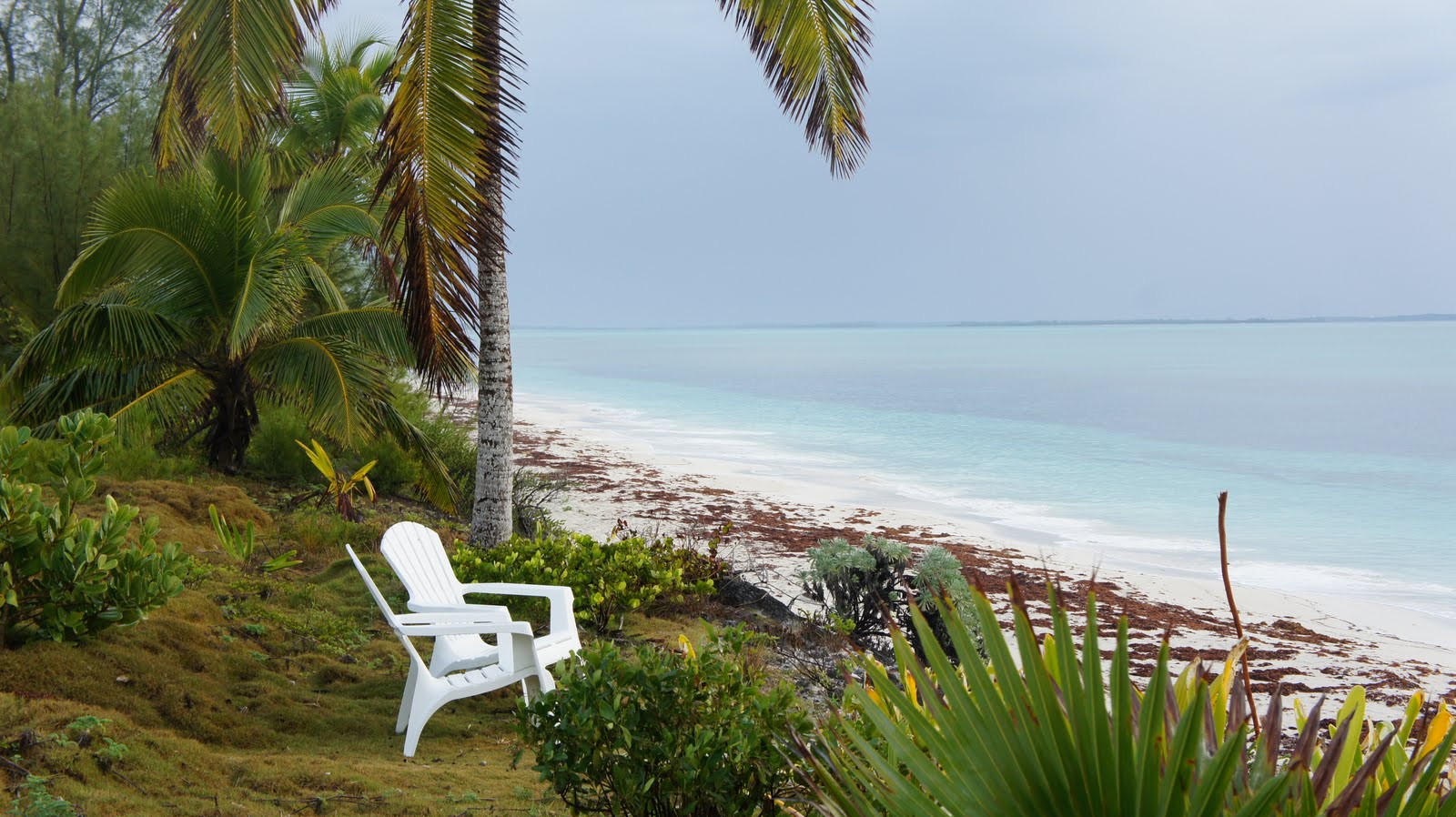
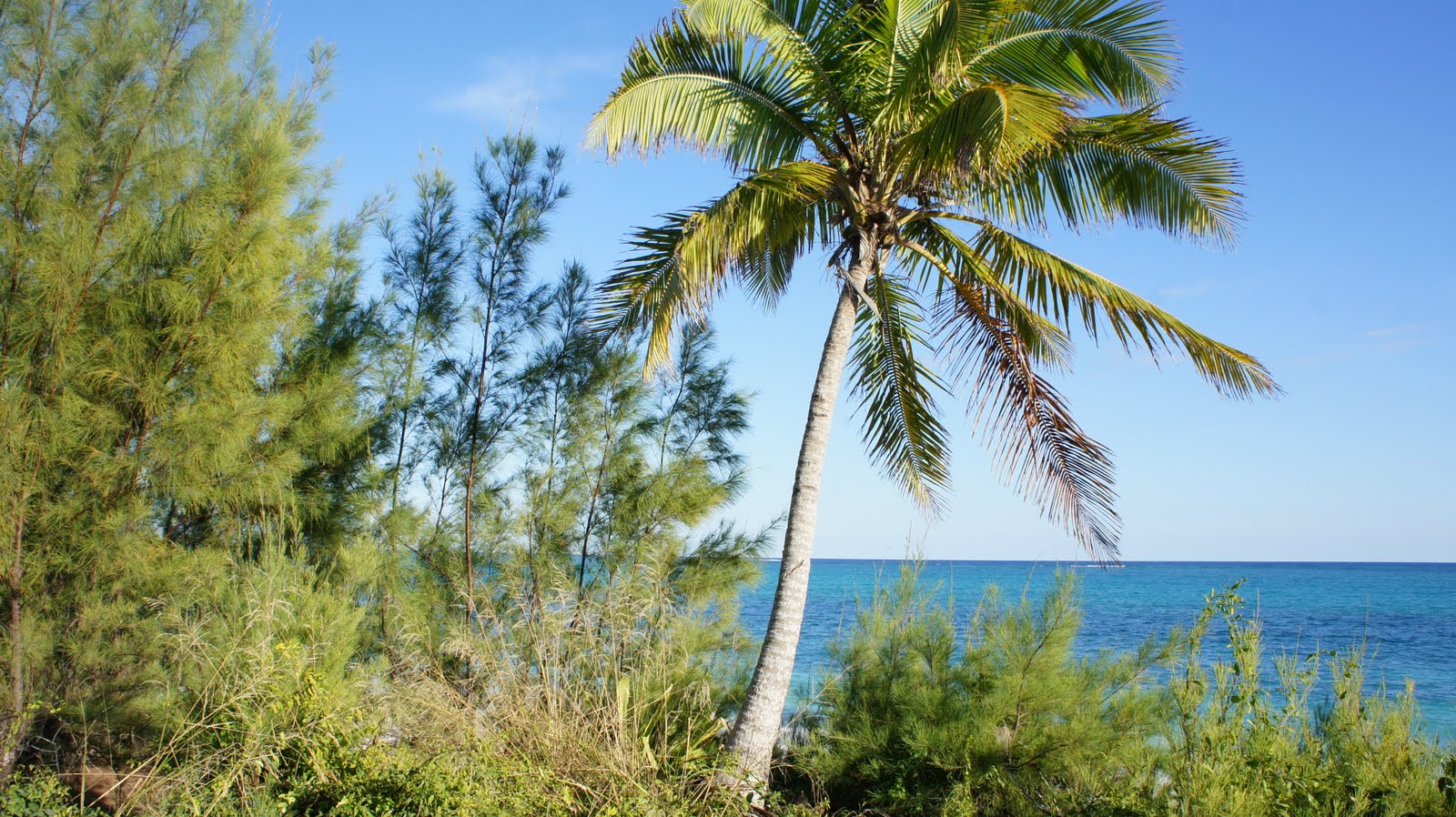
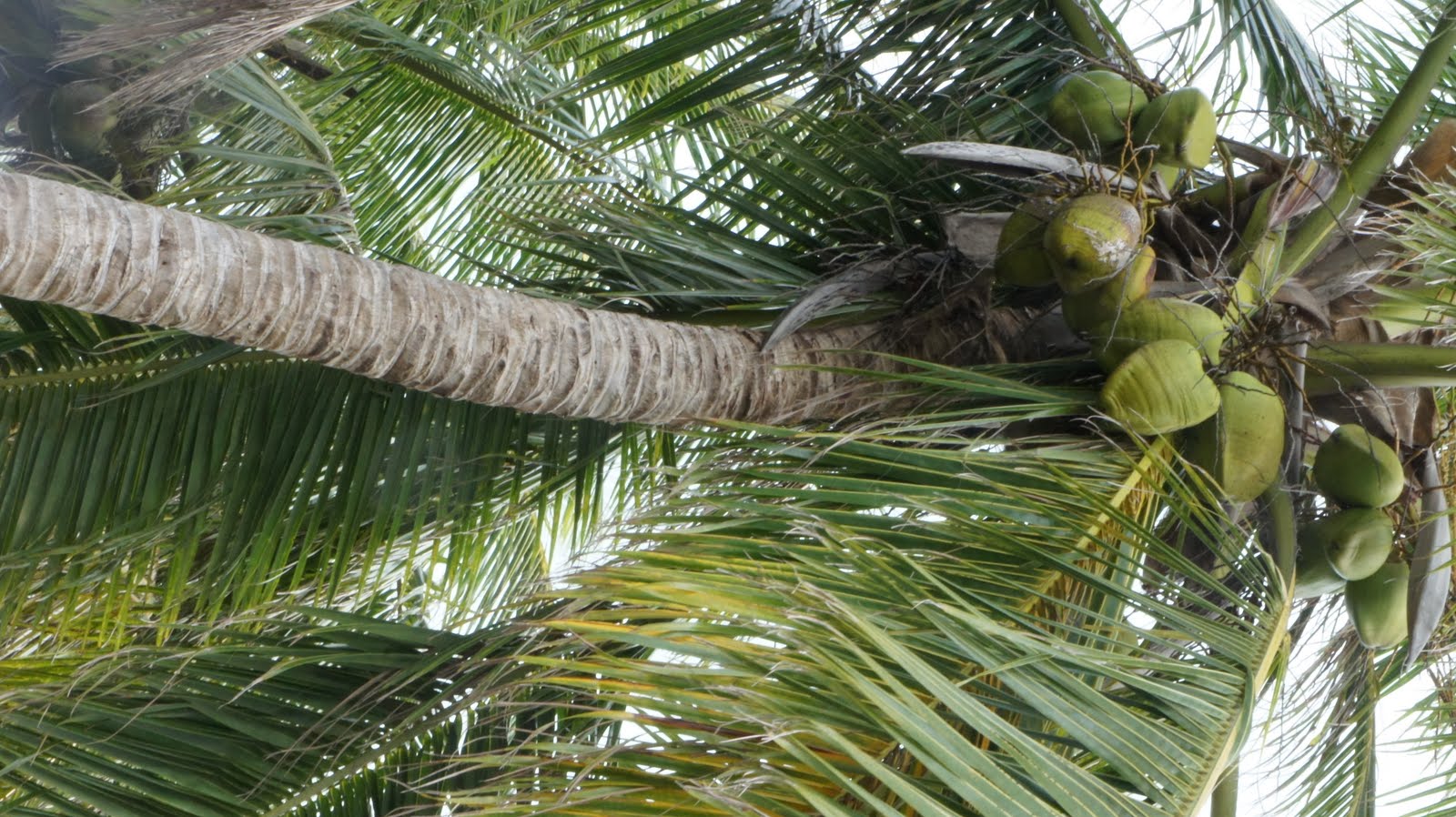
This coconut palm captured the joy of water received.

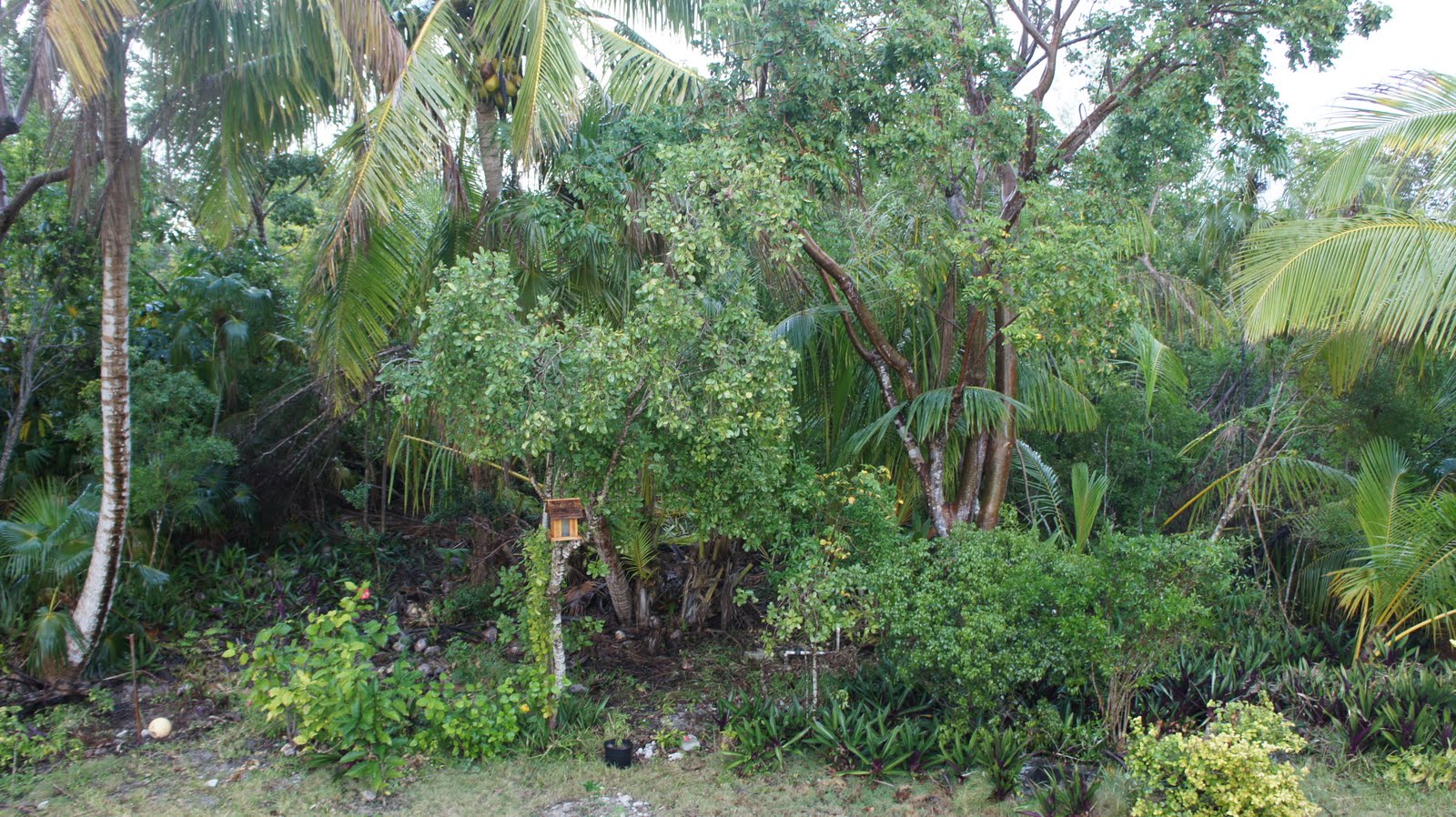
Our Birdhouse

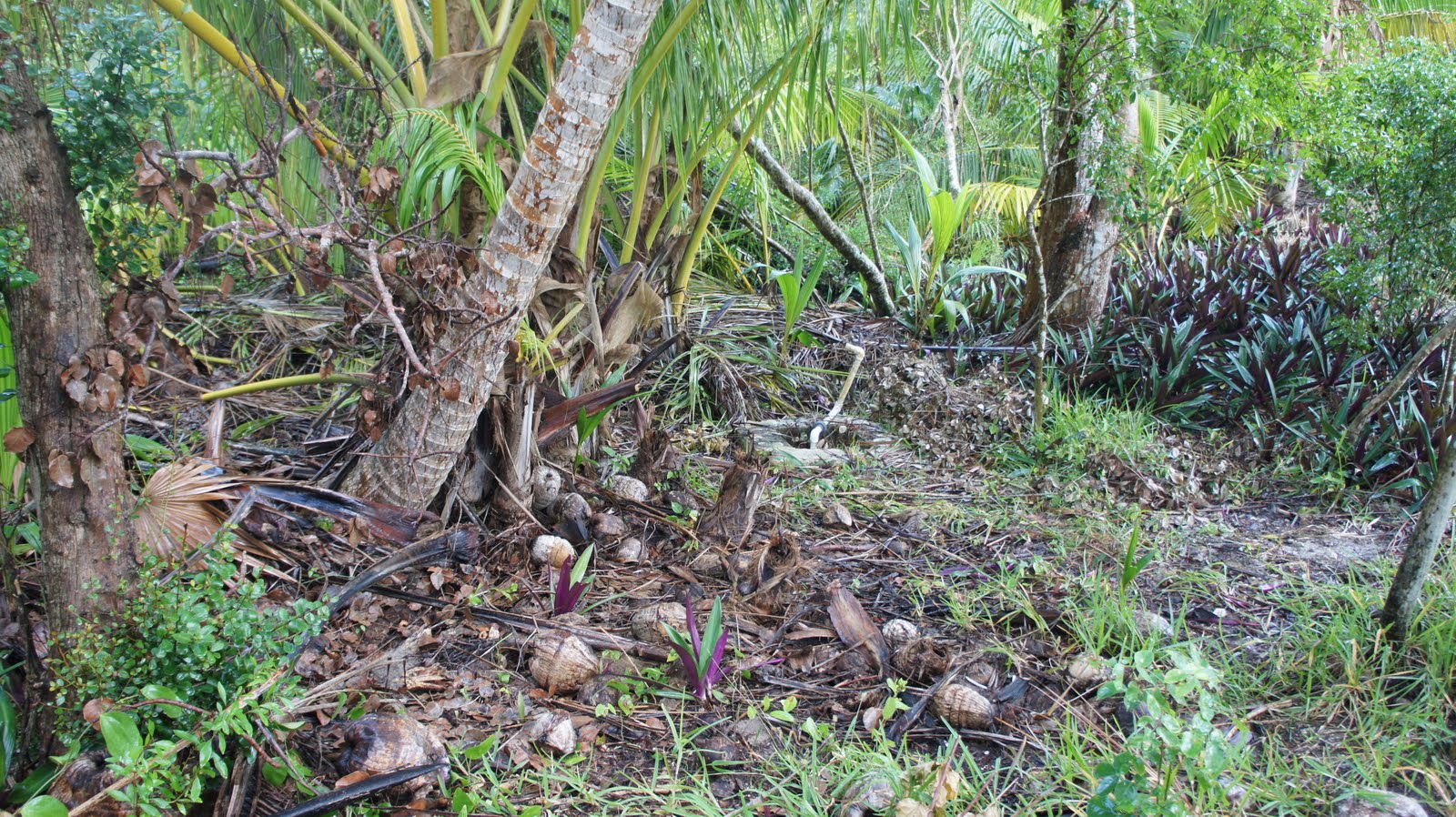
The backyard looks greener, softer.  The birdhouse sits midst stunning greenery.

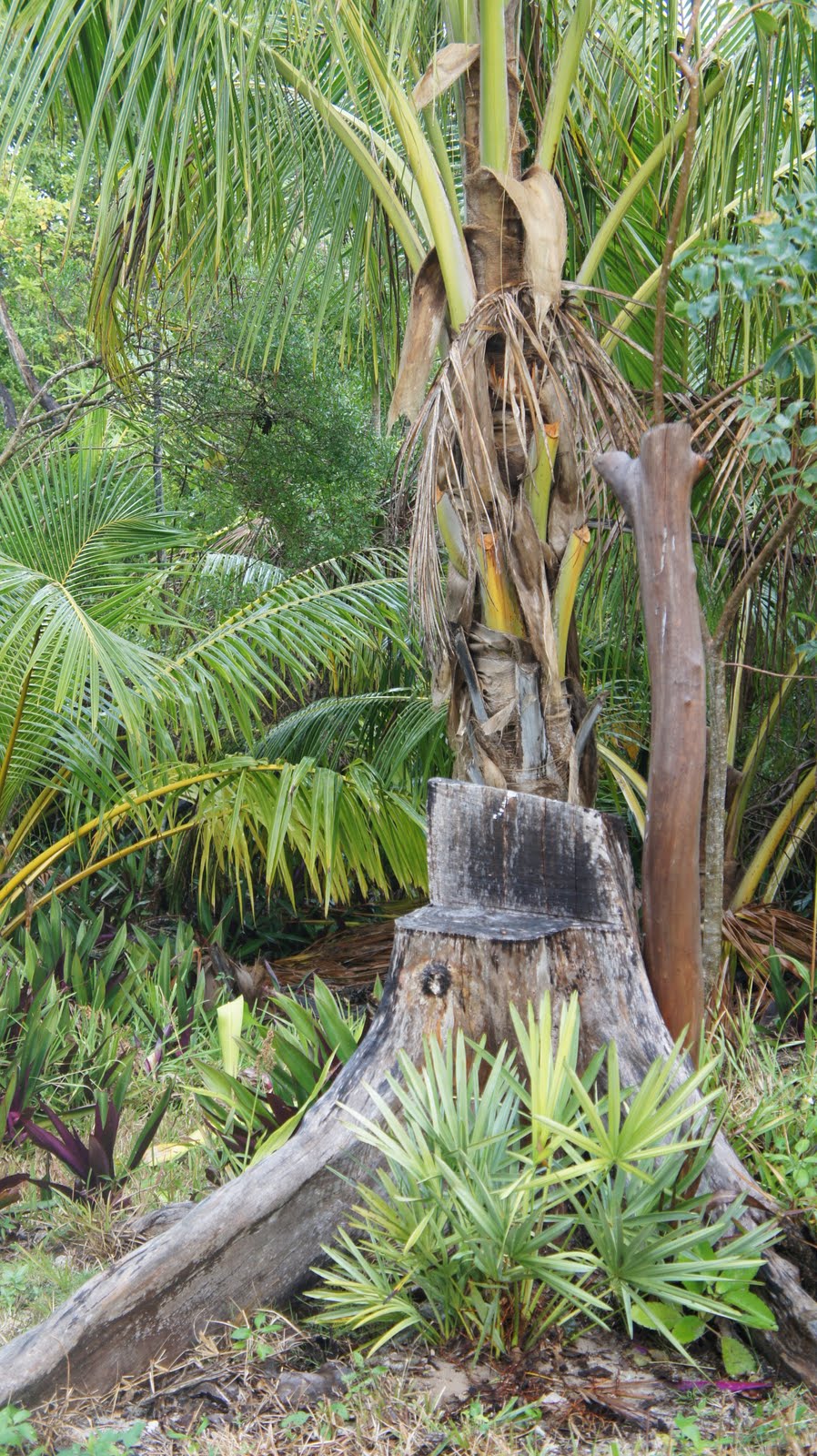
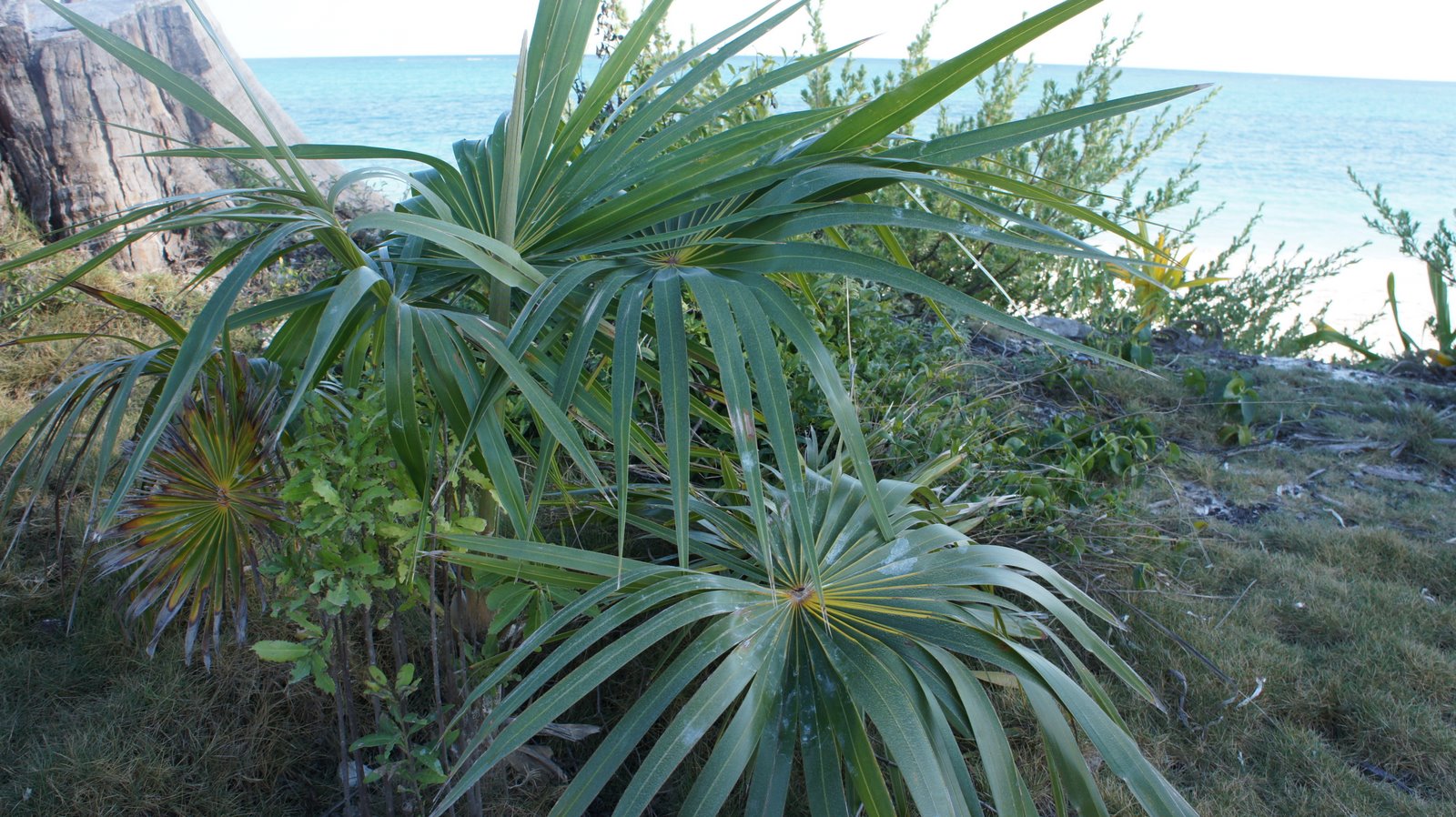
Sabal Palm tucked under old almond tree stump.
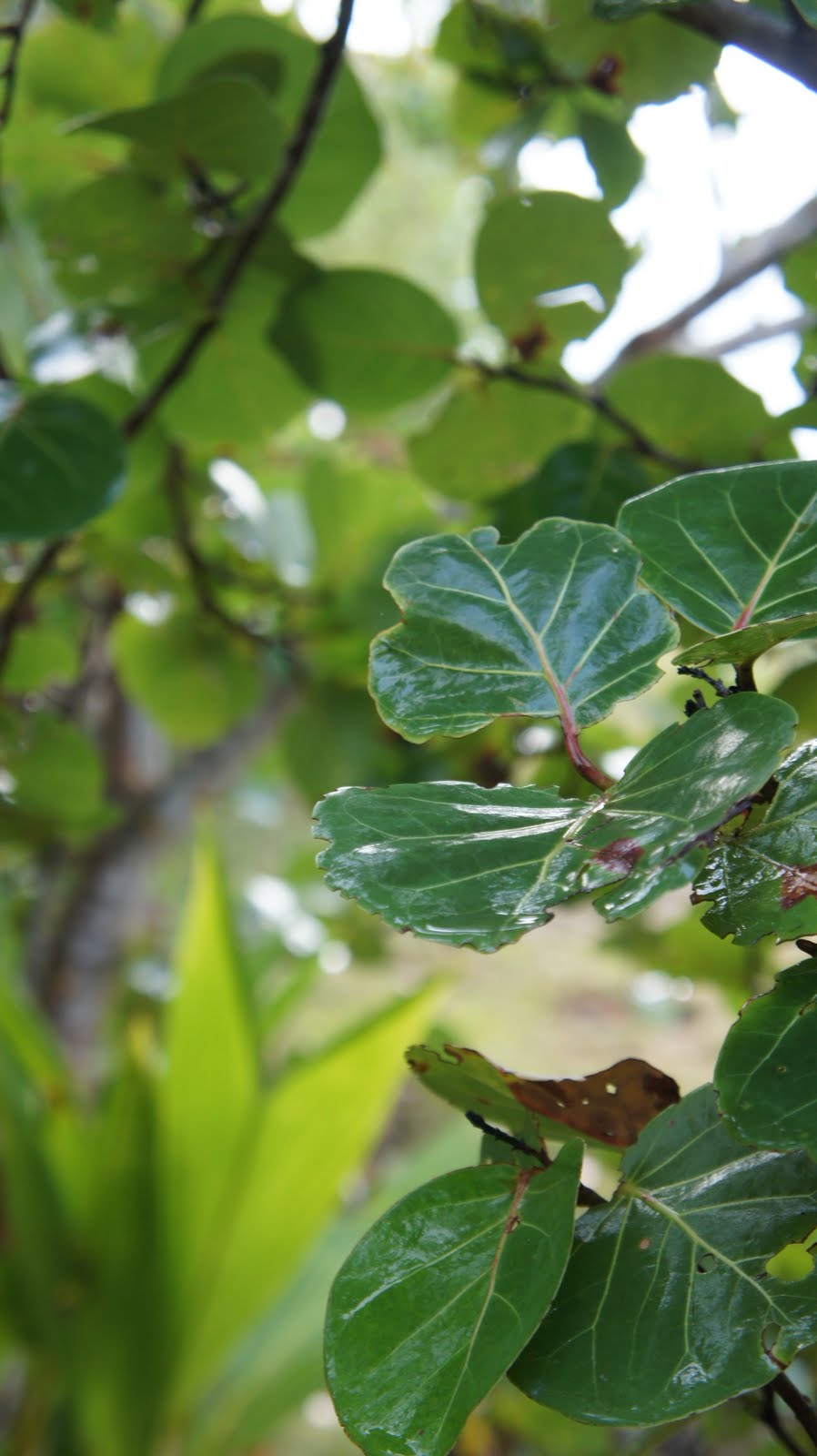
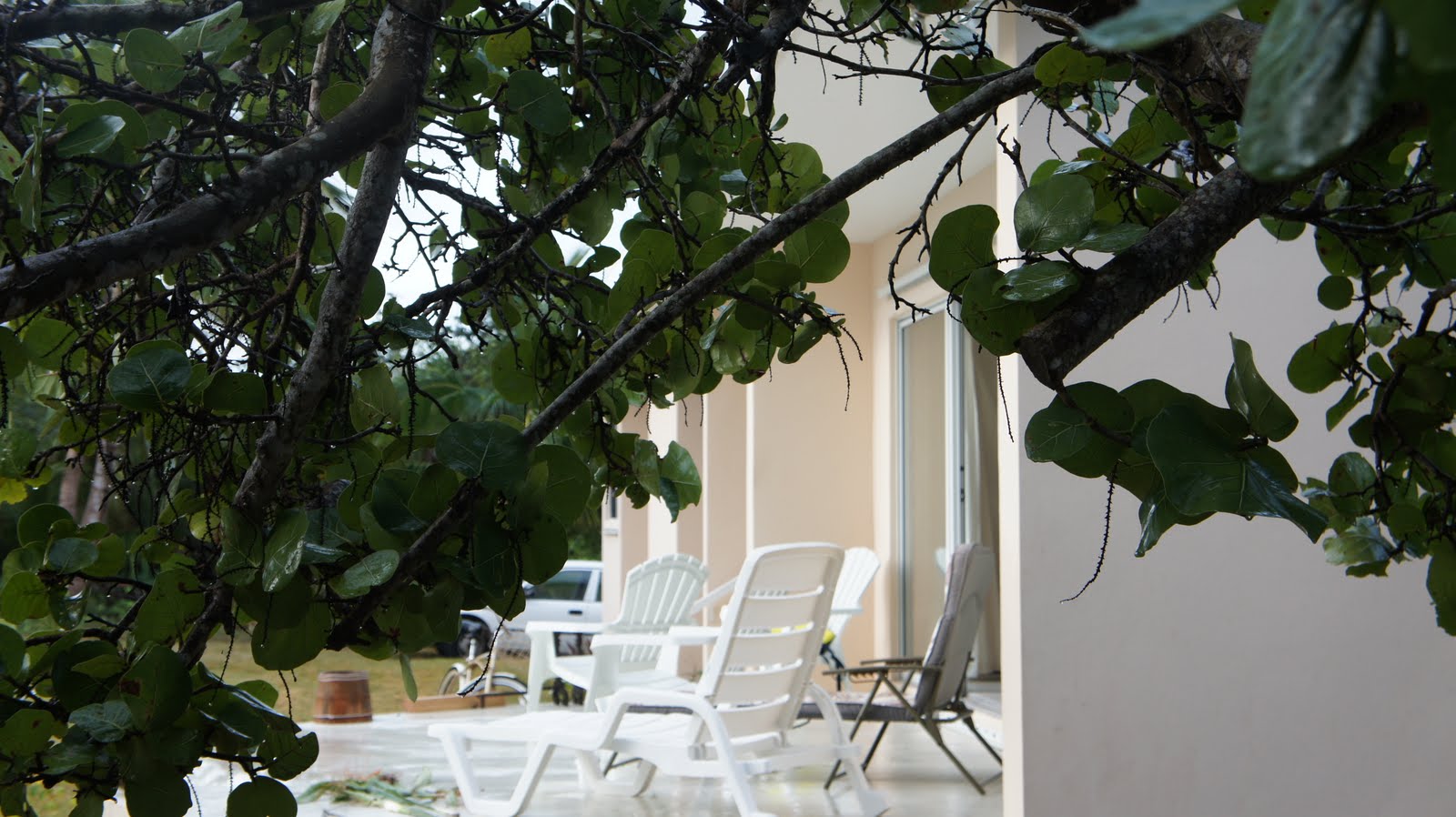
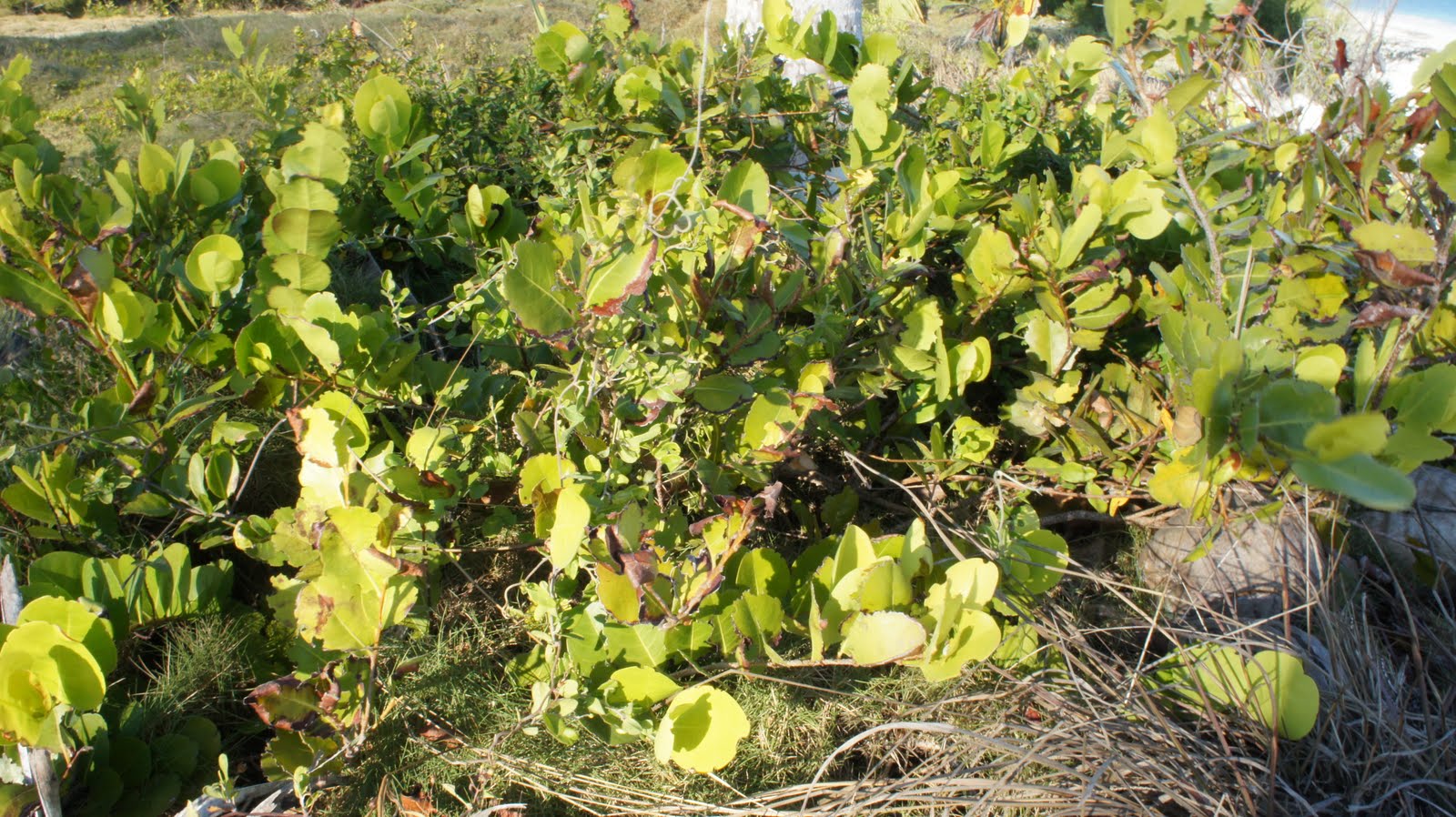
Native sea grape in rain.
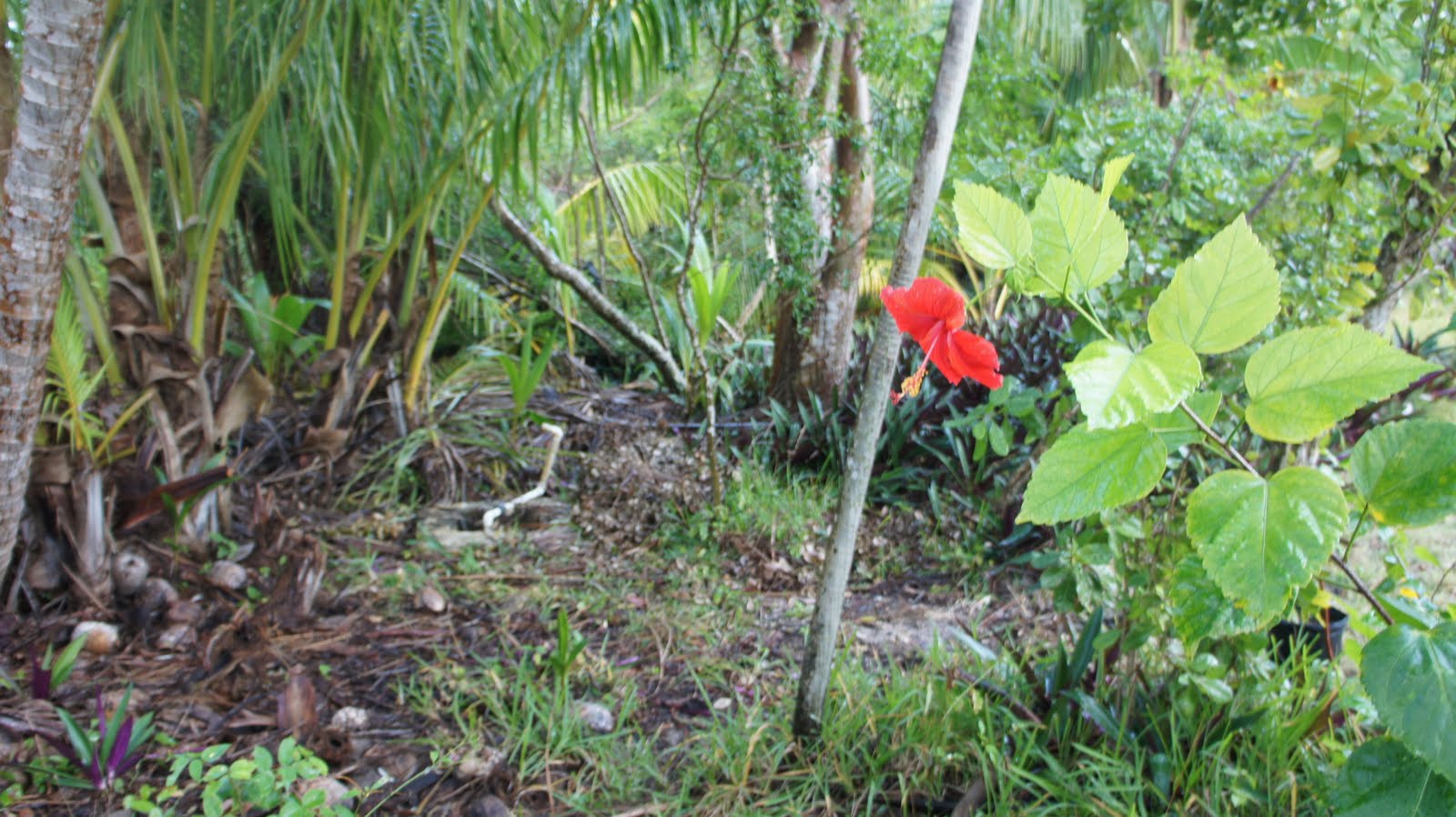
Wet hibiscus overlooks native plants.
Our upper deck, as our neighbor call it, overlooking nature’s theatre.

A perspective on our home from the  point of view of the native sea grape.

Read Full Post »

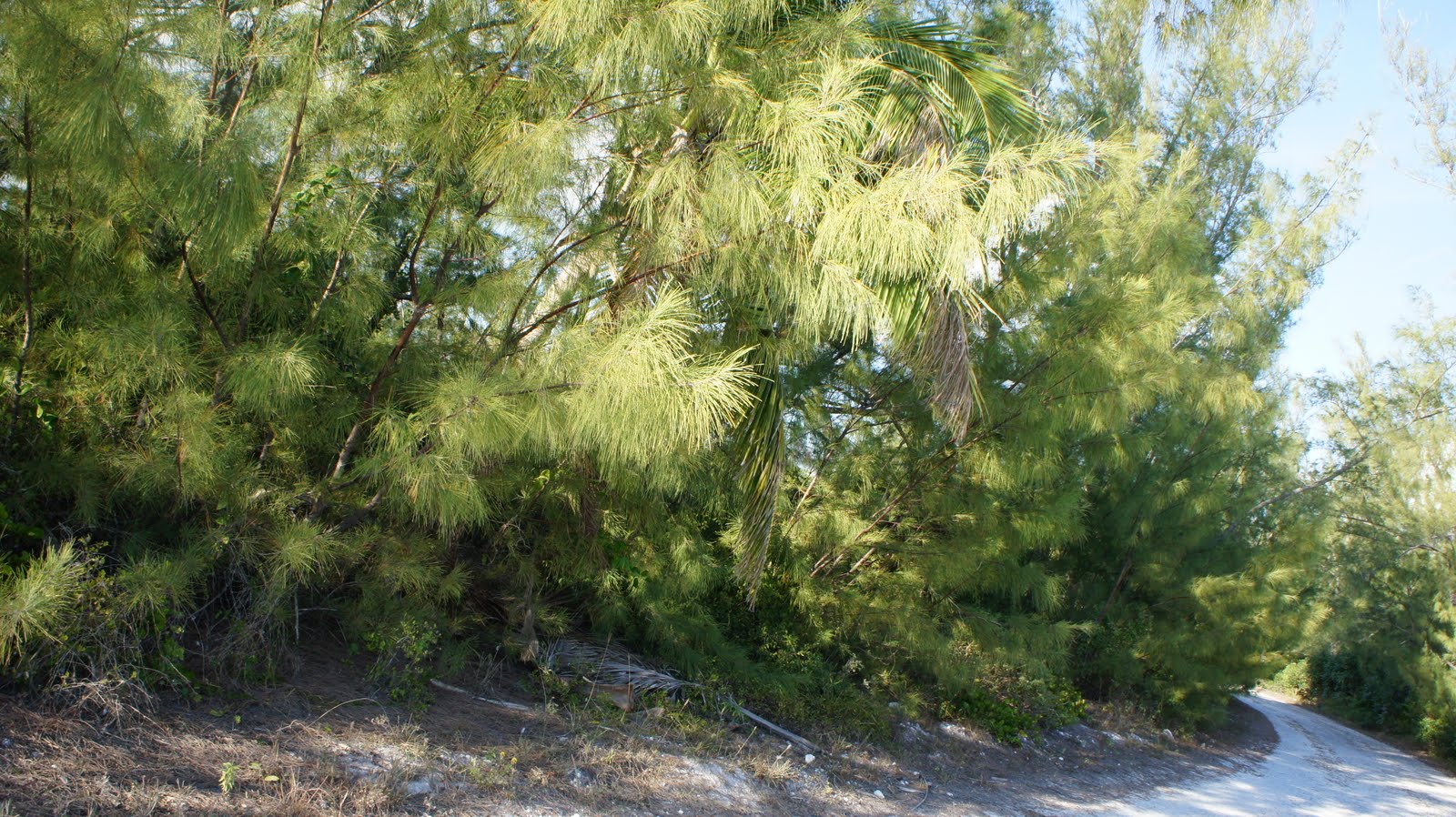
Posted by PicasaWhat grows well under those pesky Casuarinas or Australian Pines?  (Latin names: Casuarina equisetifolia and Casuarina glauca).

My neighbor plans to remove the Australian Pines in front of his house and asked how to prevent erosion. He wants to try the method that Martin suggested in his blog, of cutting them down slowly, allowing undergrowth to get started. And he wanted to know, what grows under Casuarinas? 

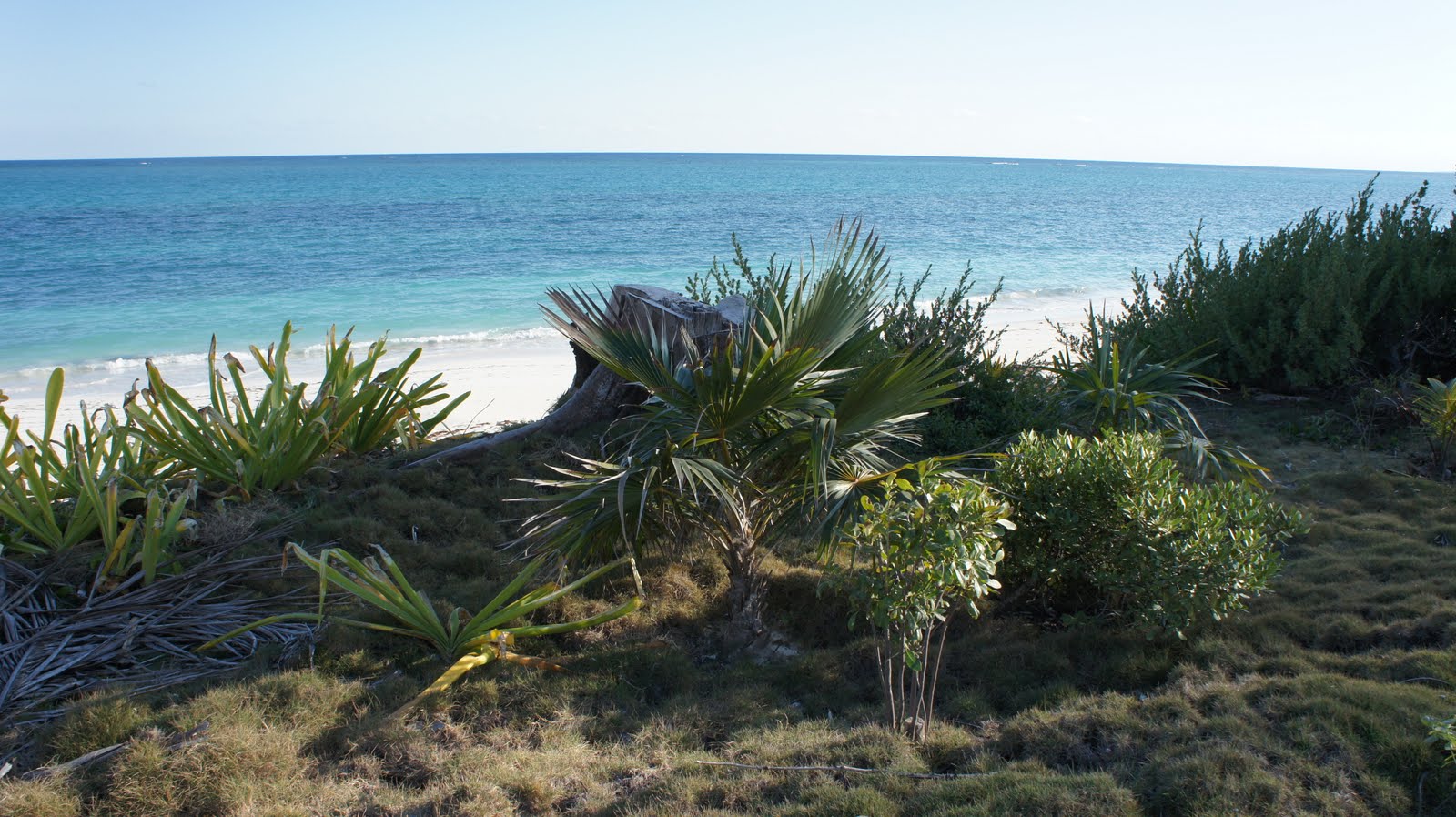
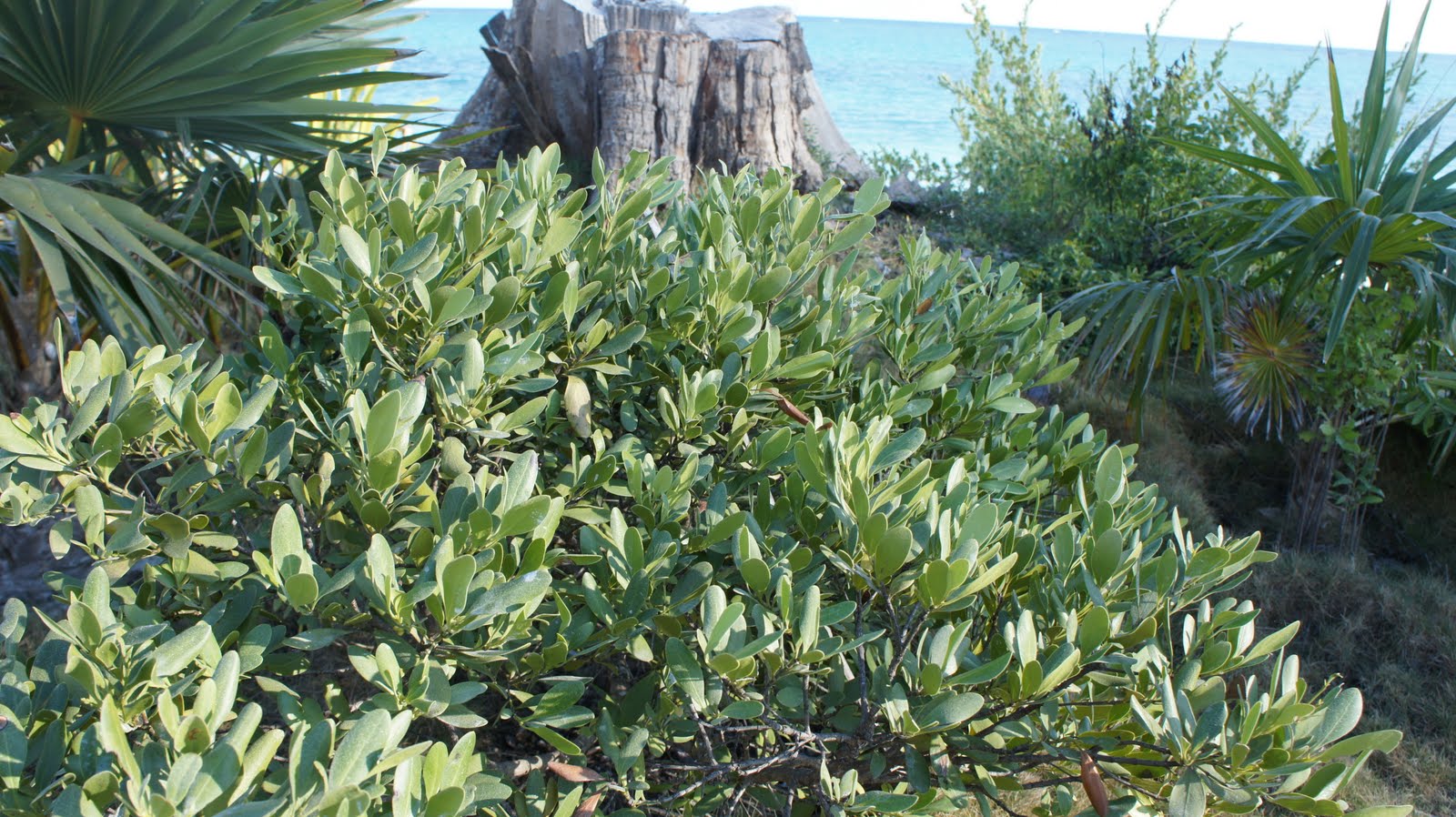
I got out my camera and decided to photograph some of the plants growing around the stump of a giant Casuarina in an area that we had  cleared of Australian Pines.
Stage One

Here is what our site looked like when we started.   One could see the ocean through the Australian Pine trees, but not very well.  Although there was other vegetation, it was well hidden and certainly not flourishing.

The first year, we started to remove the Australian Pines by removing many small, baby trees.  At first, we used a machete and just cut down the 7 to 10 footers.  Then I spent a number of days pulling out smaller ones by hand, roots and all.  Most of the ones that I pulled out were three feet high or shorter.   I counted that I removed over 700 small baby Casuarina plants, by hand  while using a pickaxe to pull the root out.  It was a tiring job, but the view of the beach and the ocean was beautiful making it a pleasant work site, especially in the cool of the early morning.

Stage Two, opening up to undergrowth

After doing all this we began to see other trees emerging around the remaining Casuarinas.  Then new groundcover started to show, but not very clearly.  We got a view of the ocean.  And the baby plants got some sunlight.  But we still had more work to do.

Stage Three, New Growth

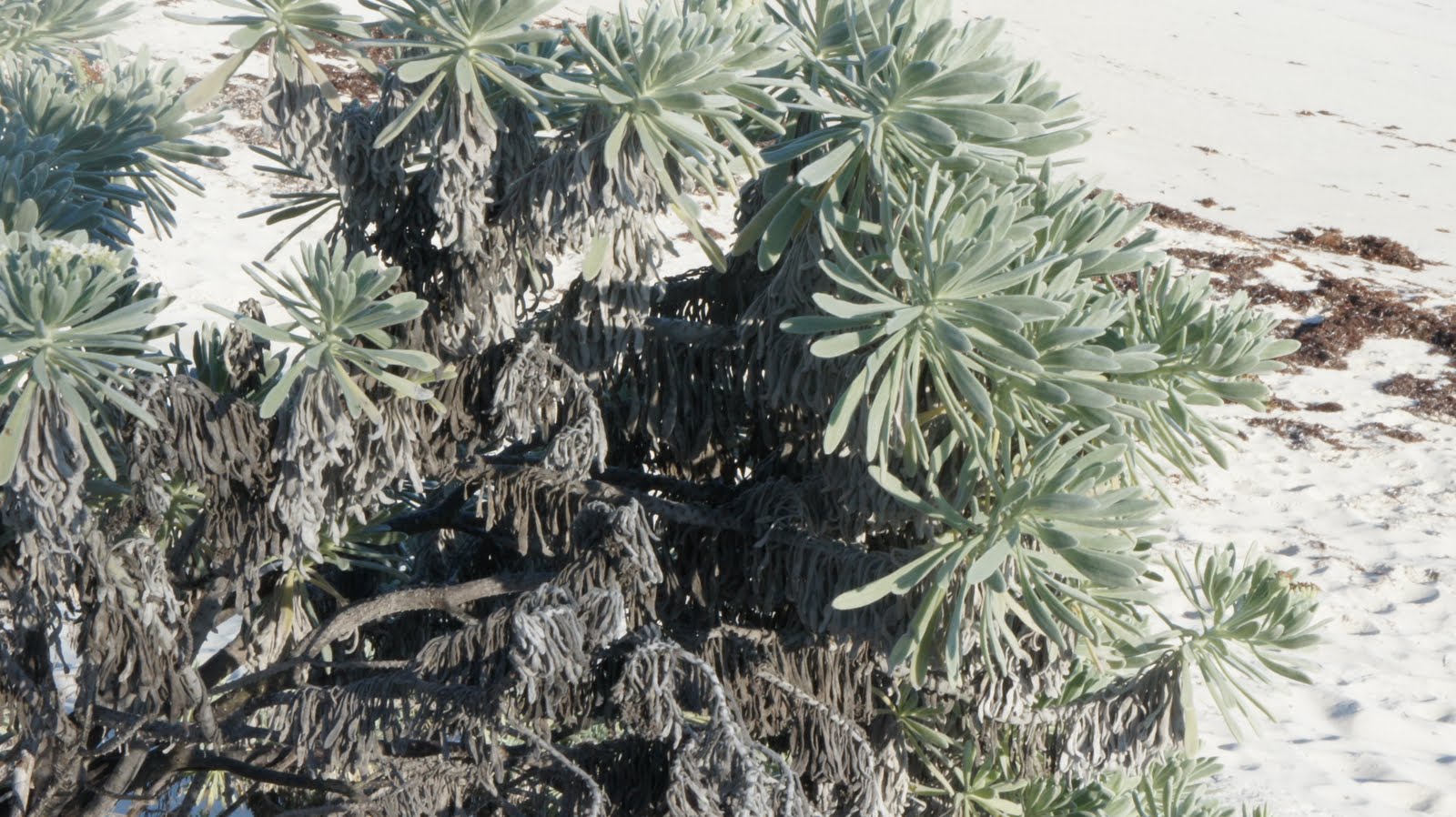
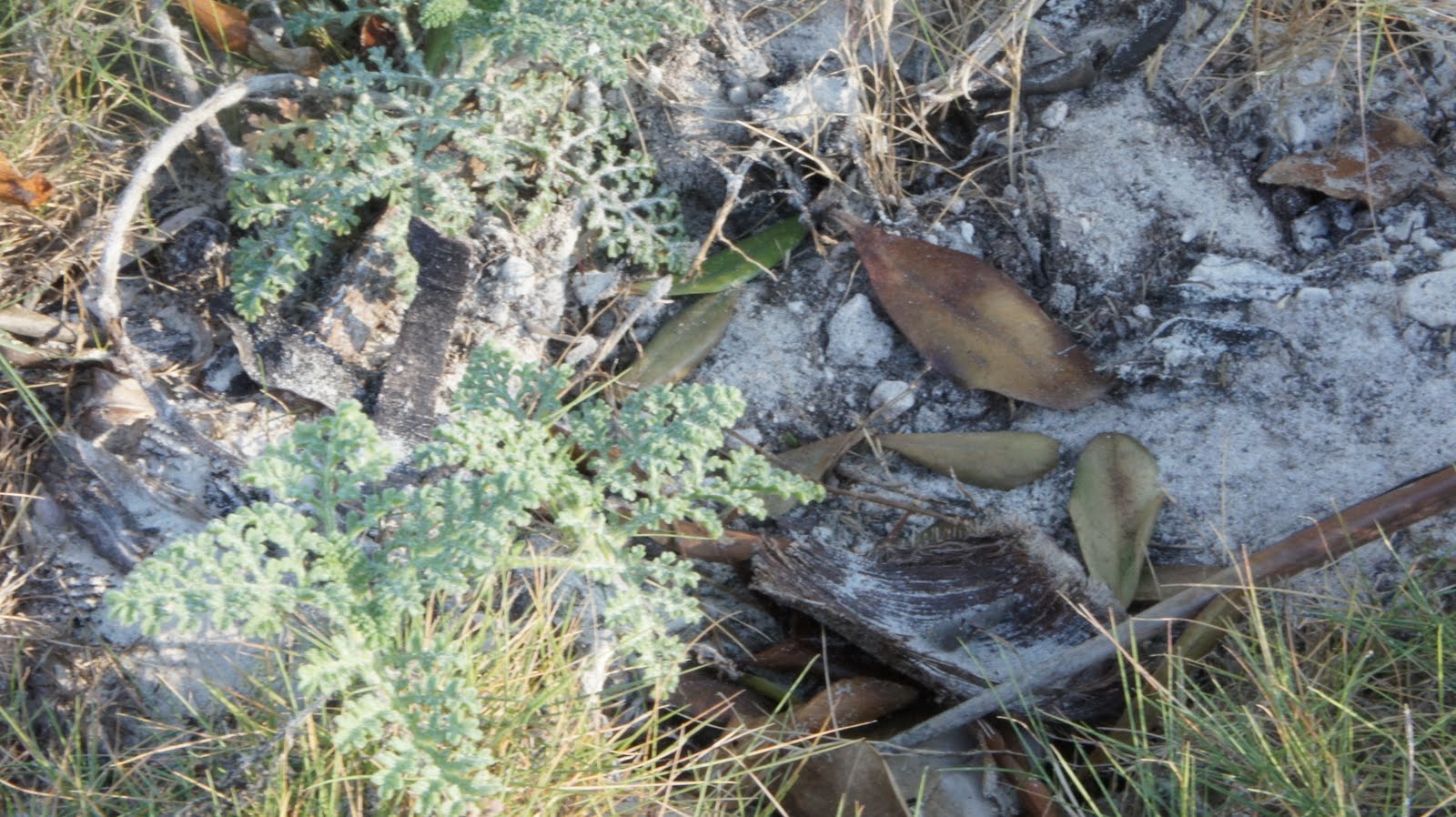
The next year, we cut down a giant Casuarina that was out in front of our house.  Now the other plants really started flourishing.  We added some Coconut Palms.  In addition, the Seagrape (Coccoloba Uvifera), Coco Plum (Chrysobalanus Icaco) and the Bay Geranium (Ambrosia hispida), among others, emerged and started to grow everywhere, on their own.  I took a series of shots below showing all the plants that now grow naturally around the old Casuarina stump.   Here they are.

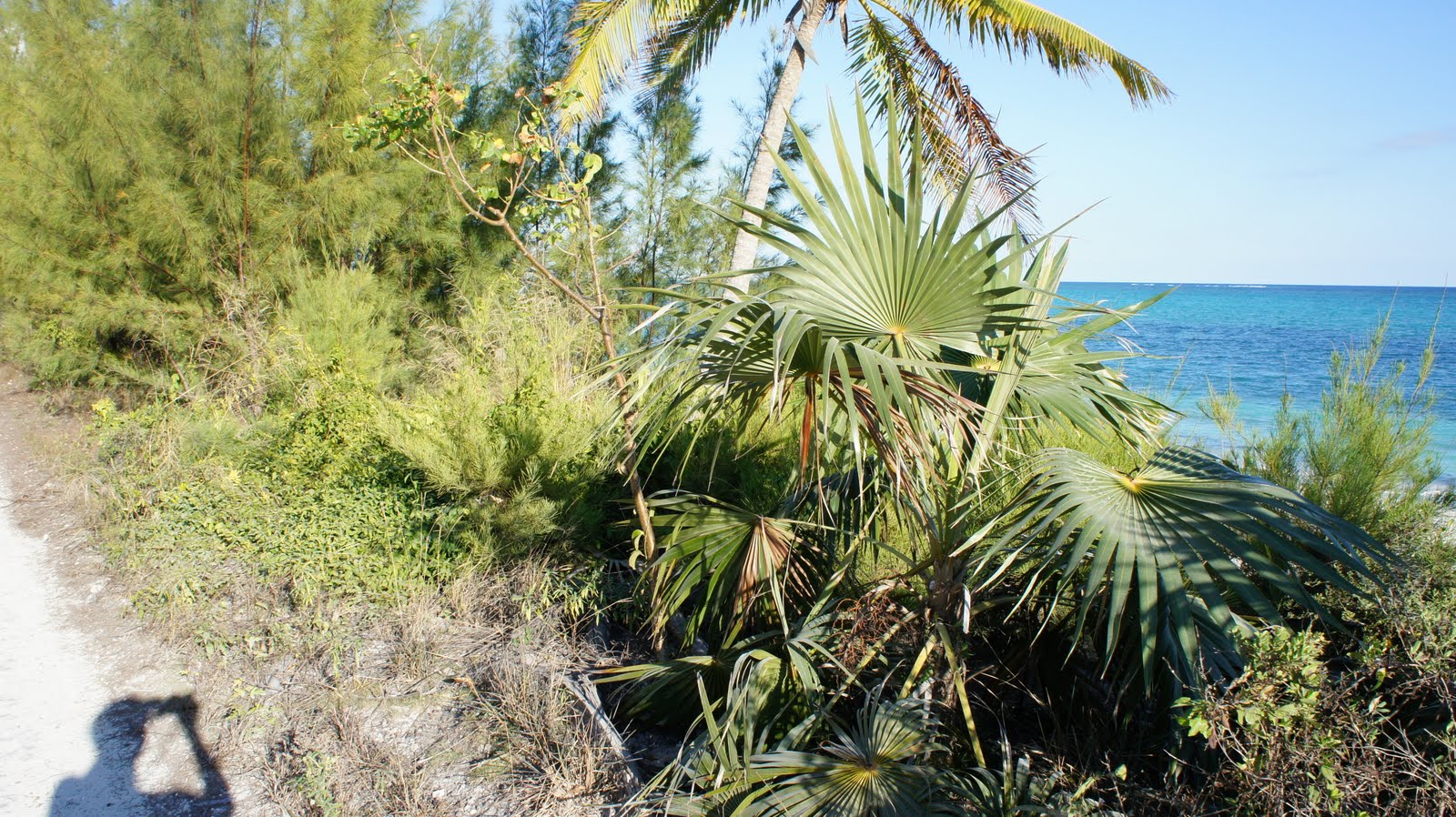
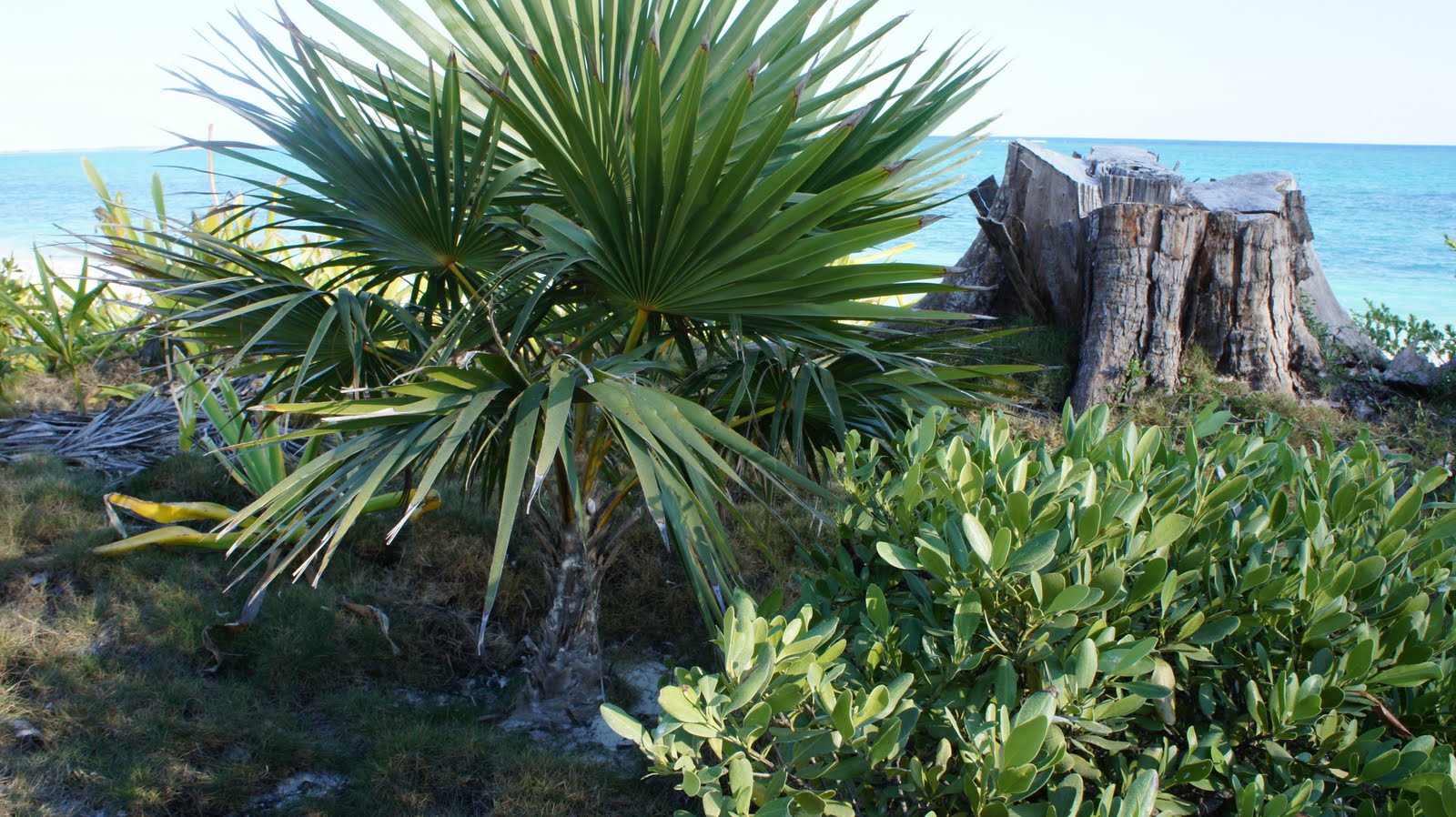
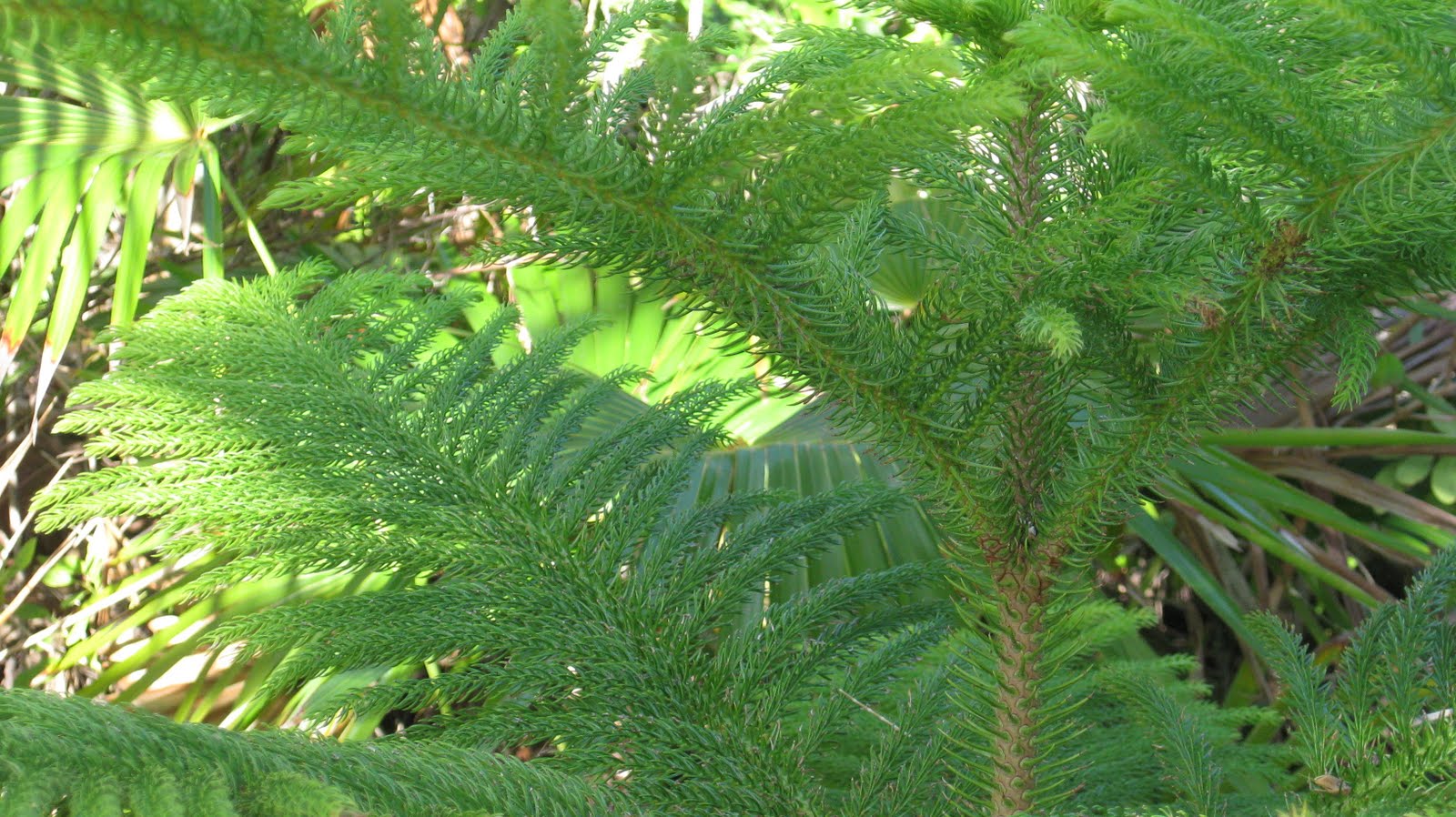
Thatch Palm
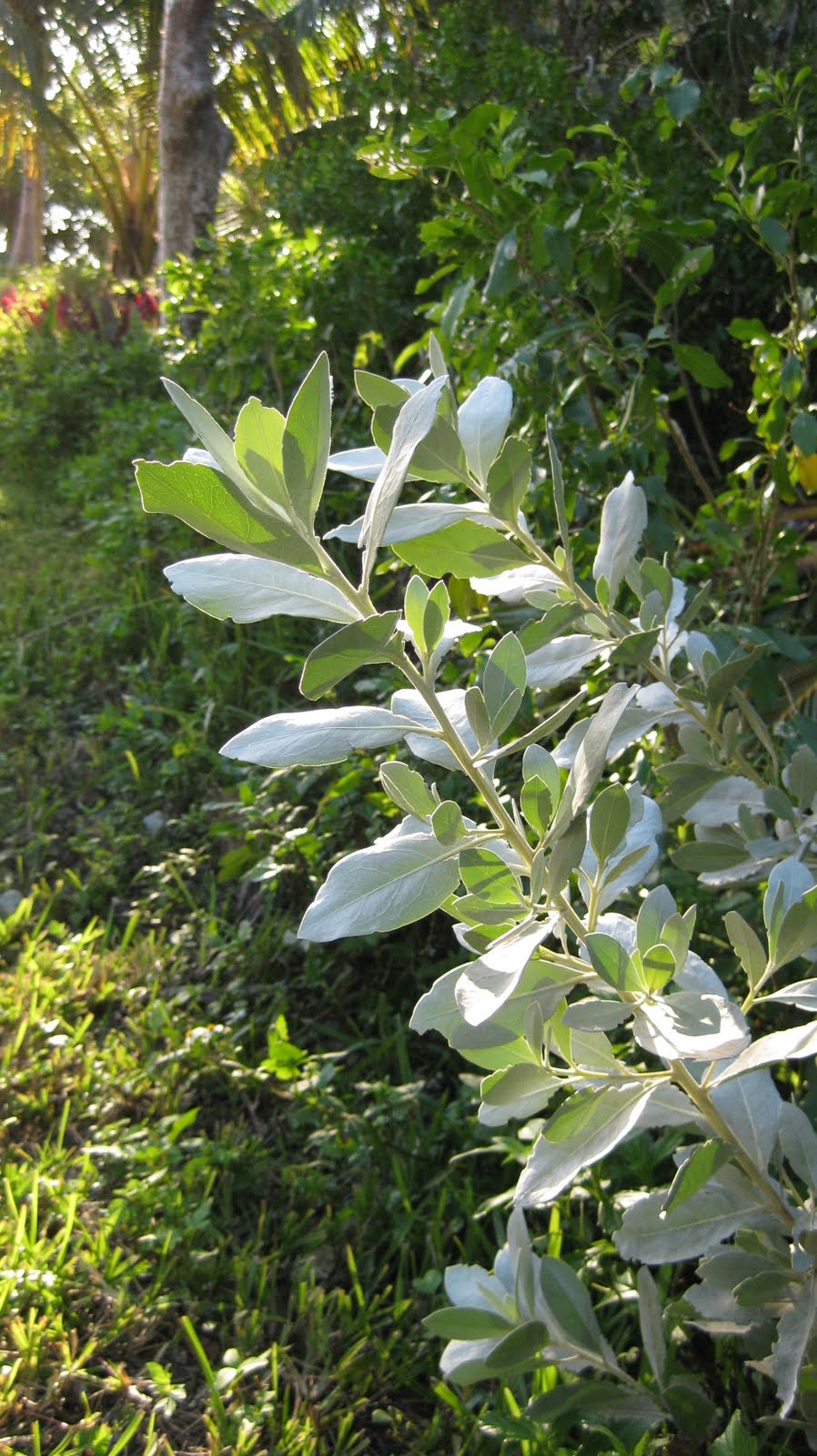
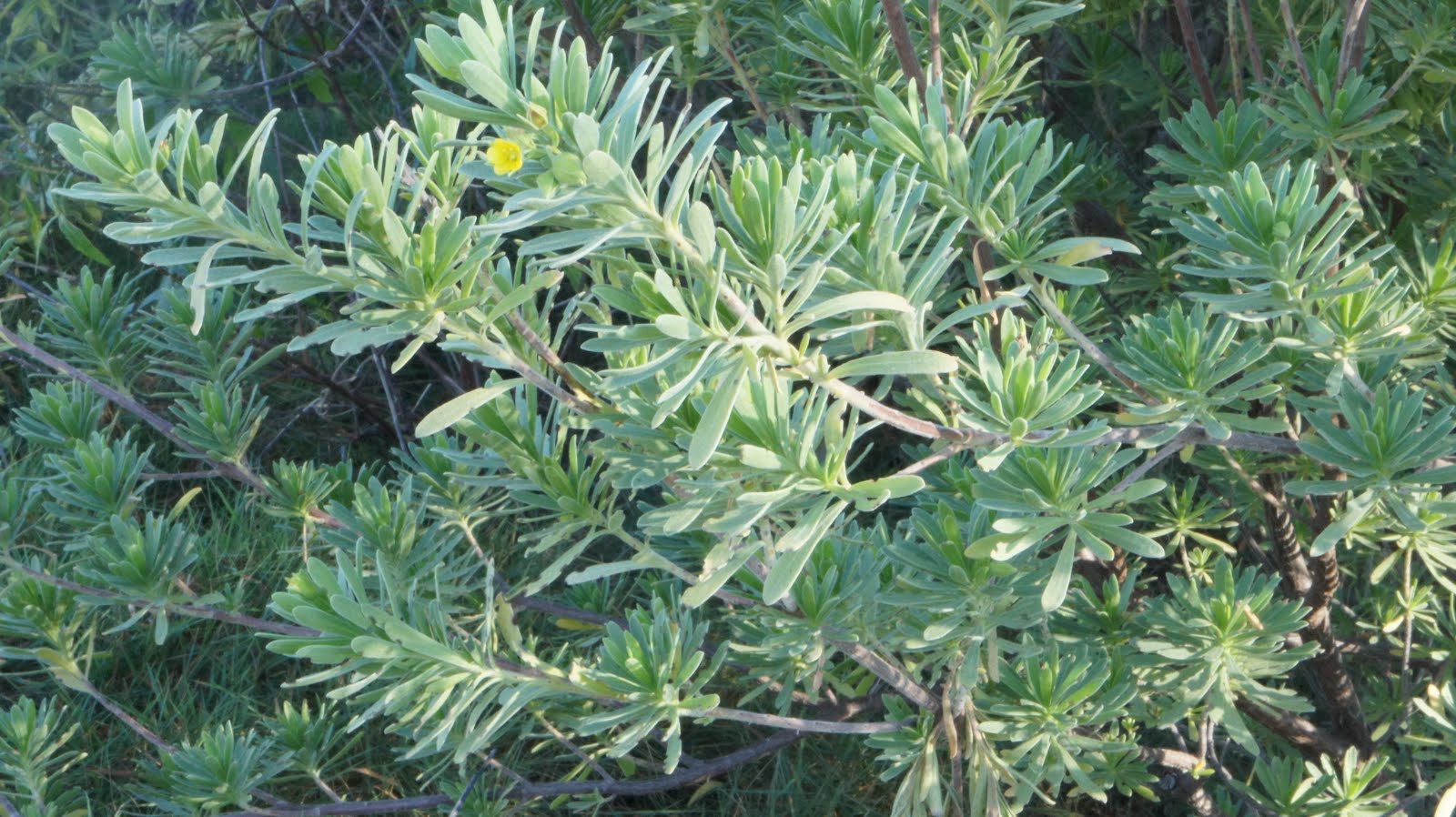
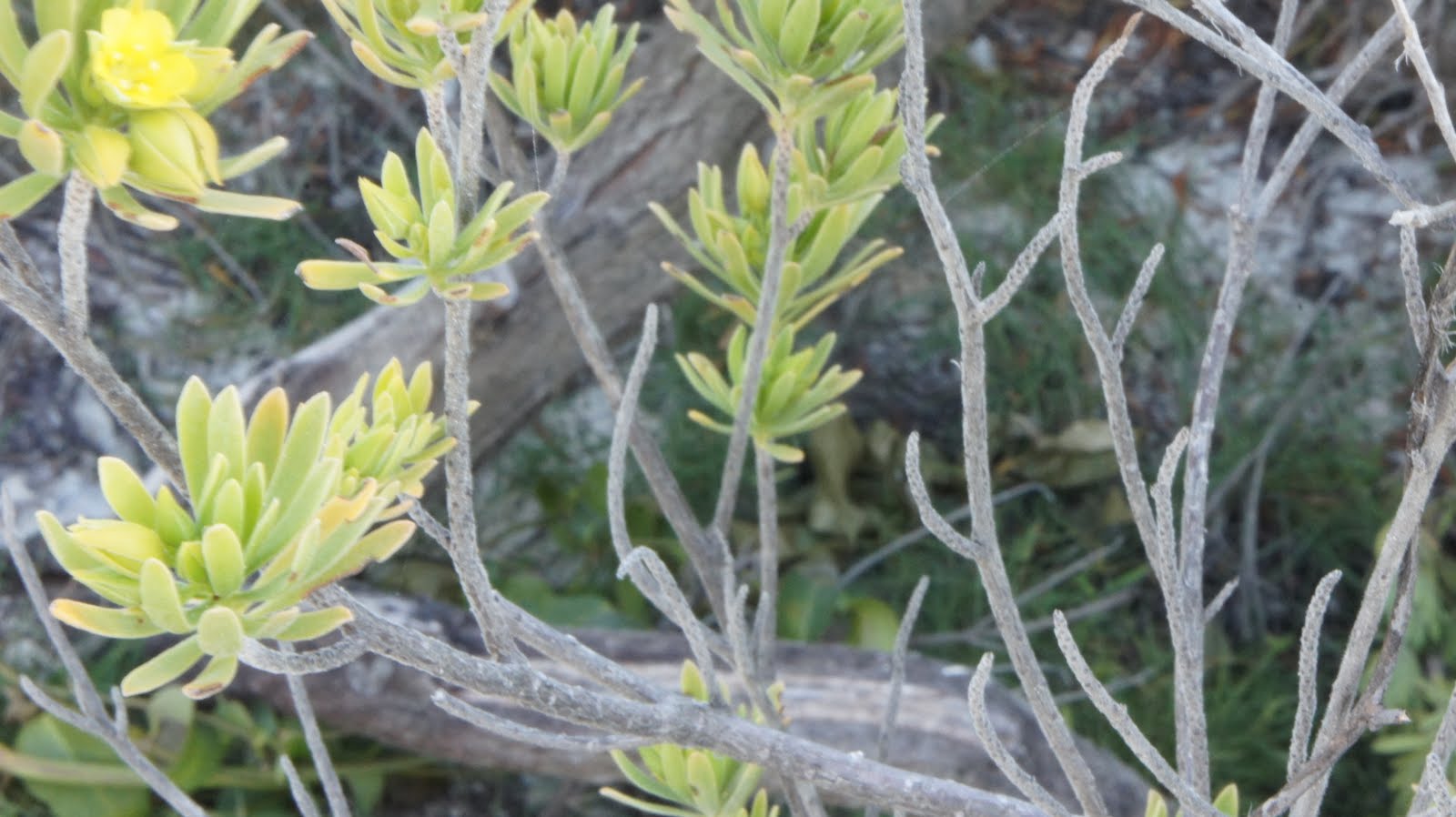
Bay Cedar  (Suriana maritima)
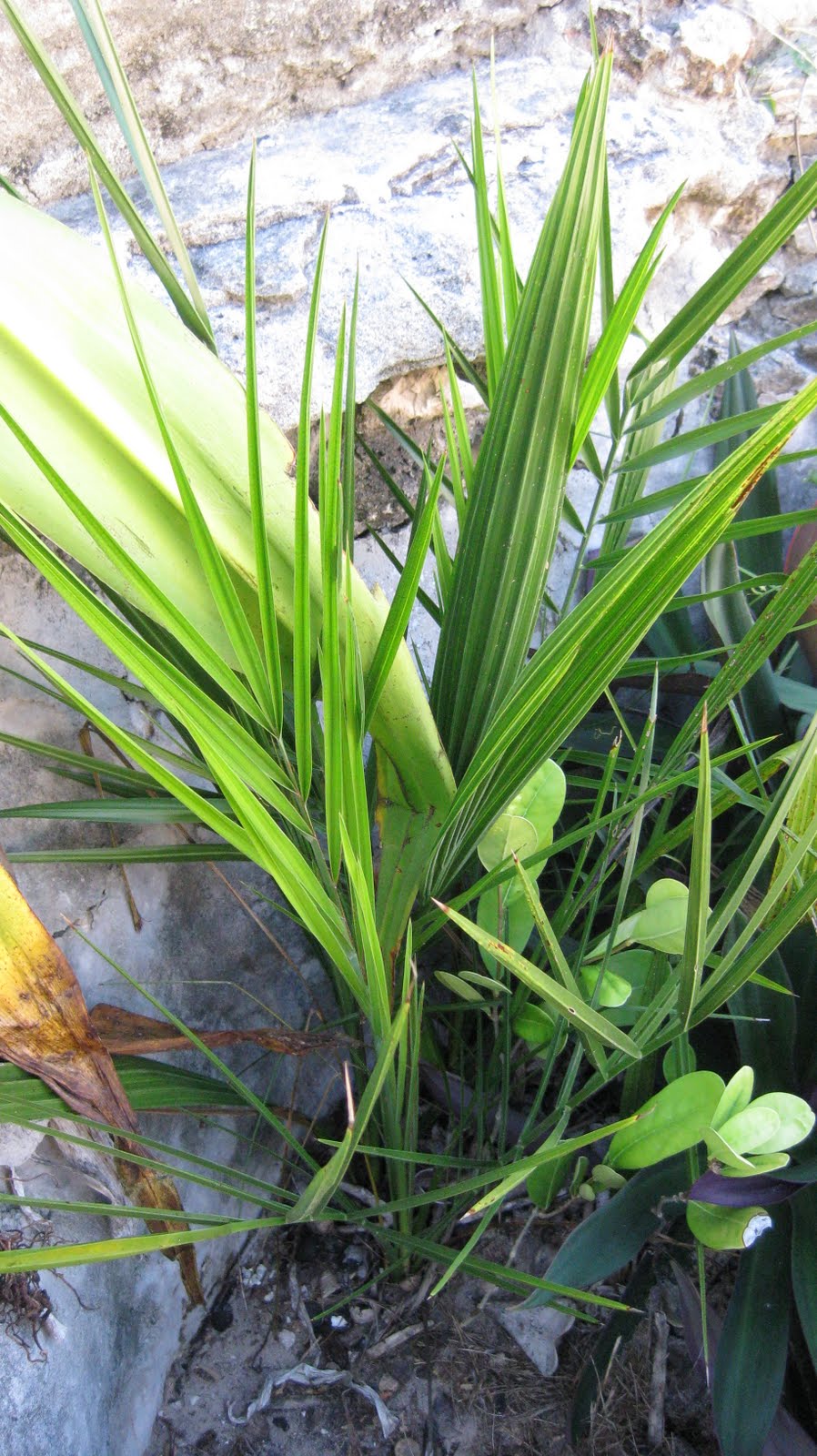
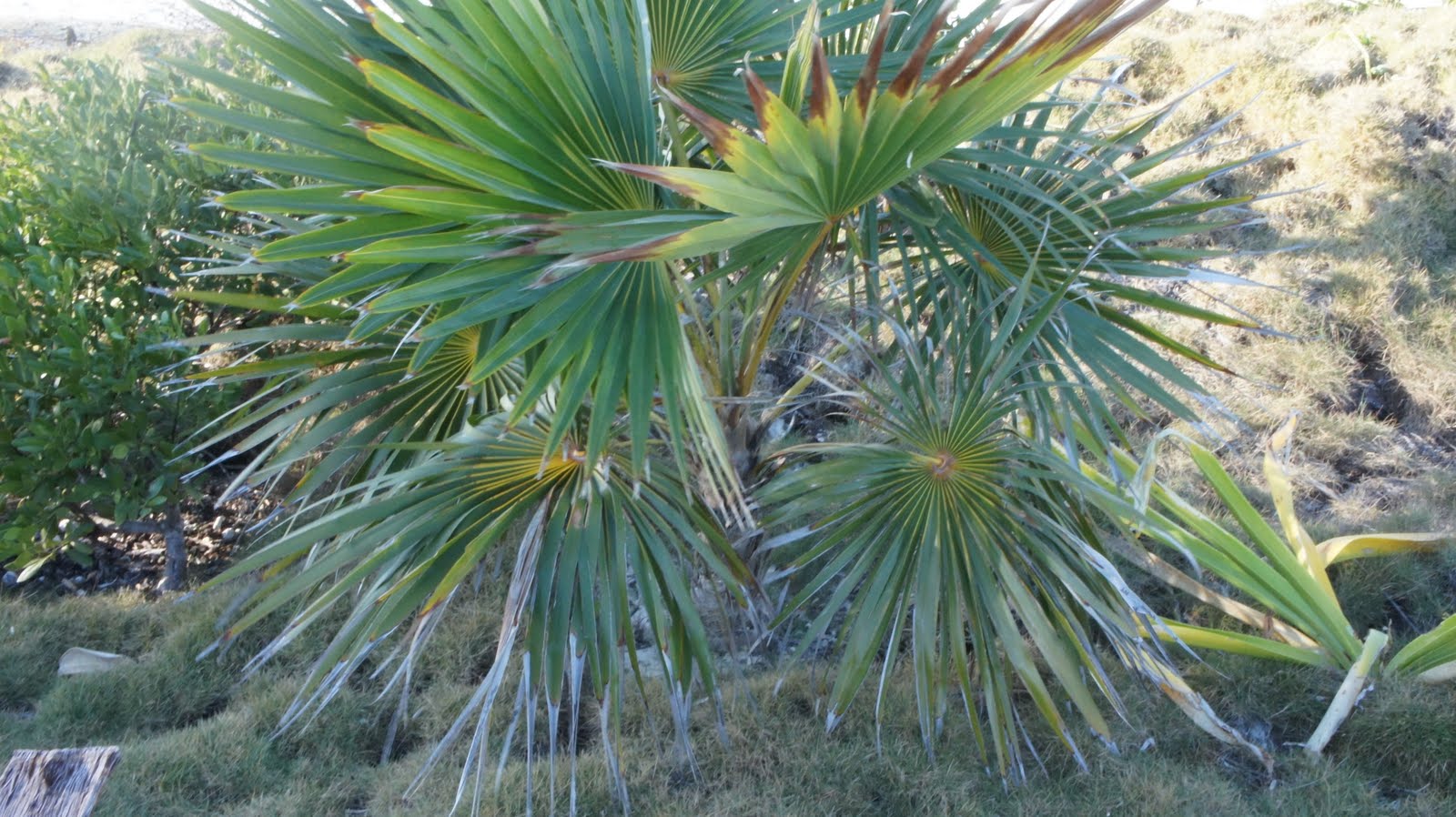
Palmetta Palms
Bay Geranium
Coco Plum
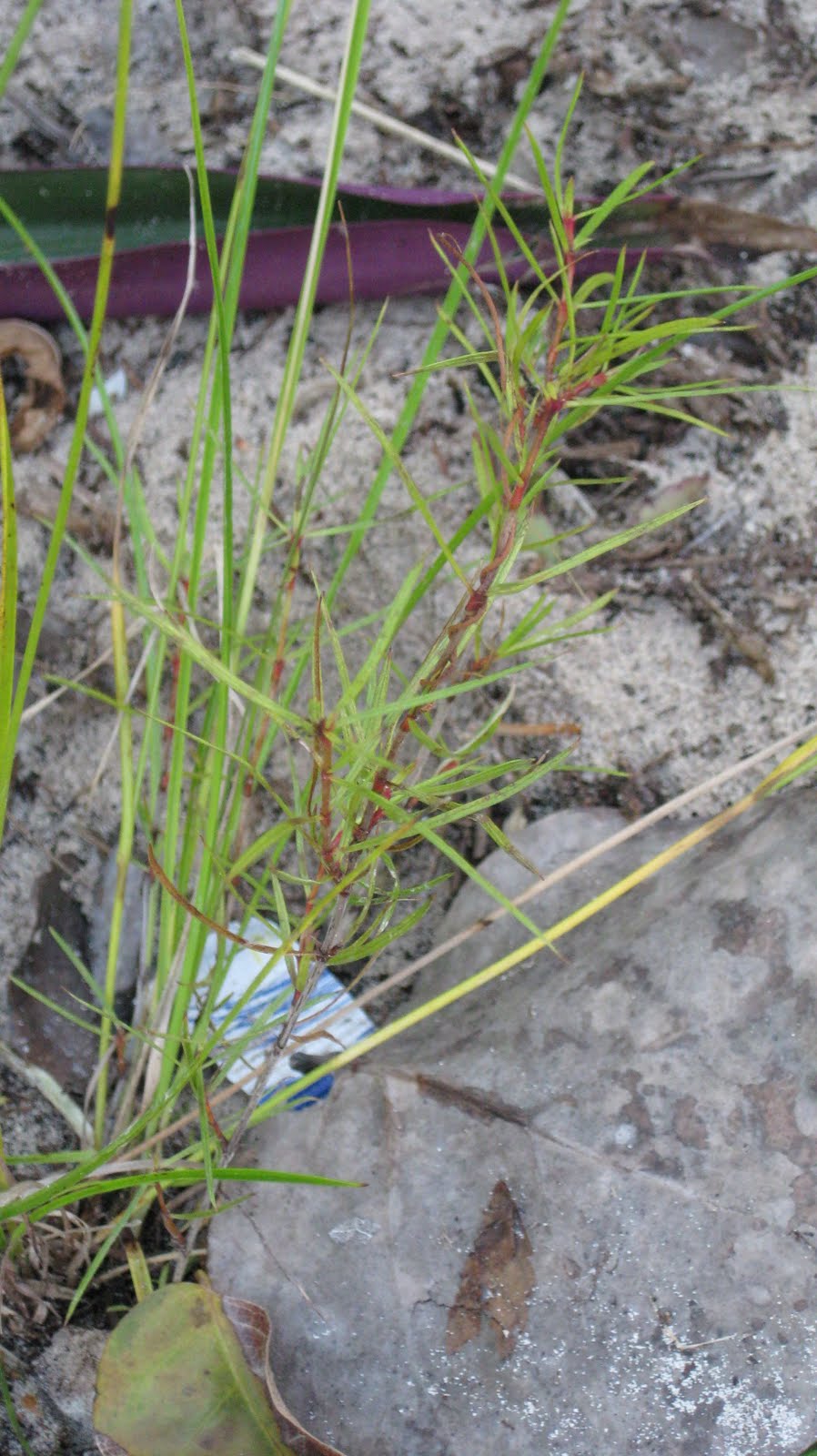
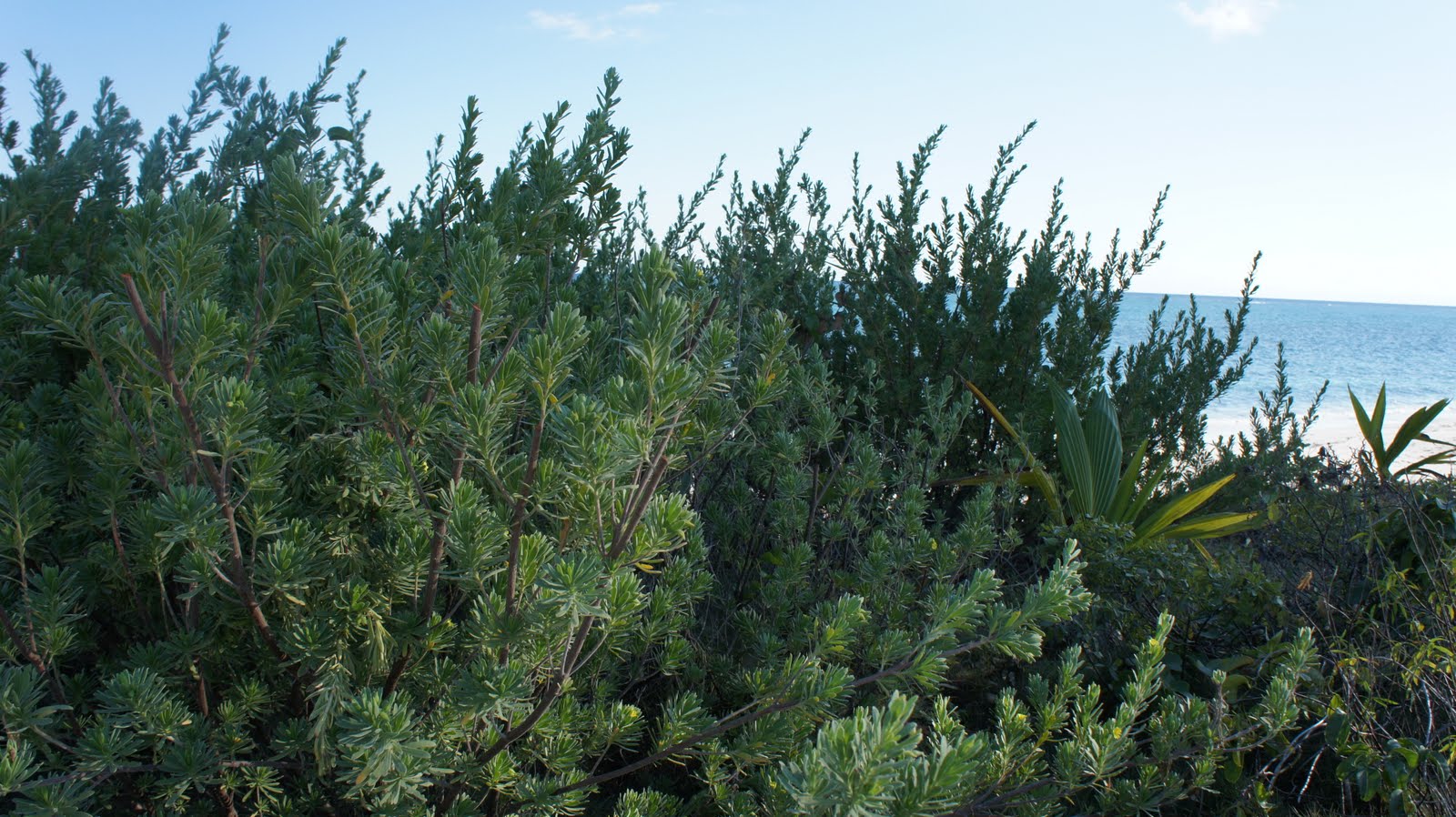
Sea Heather

It is so wonderful to have all this diversity of plant life. The birds and butterflies like it too. They flutter from plant to plant, eating seeds and lighting on them, probably enjoying the ocean view, as do we.

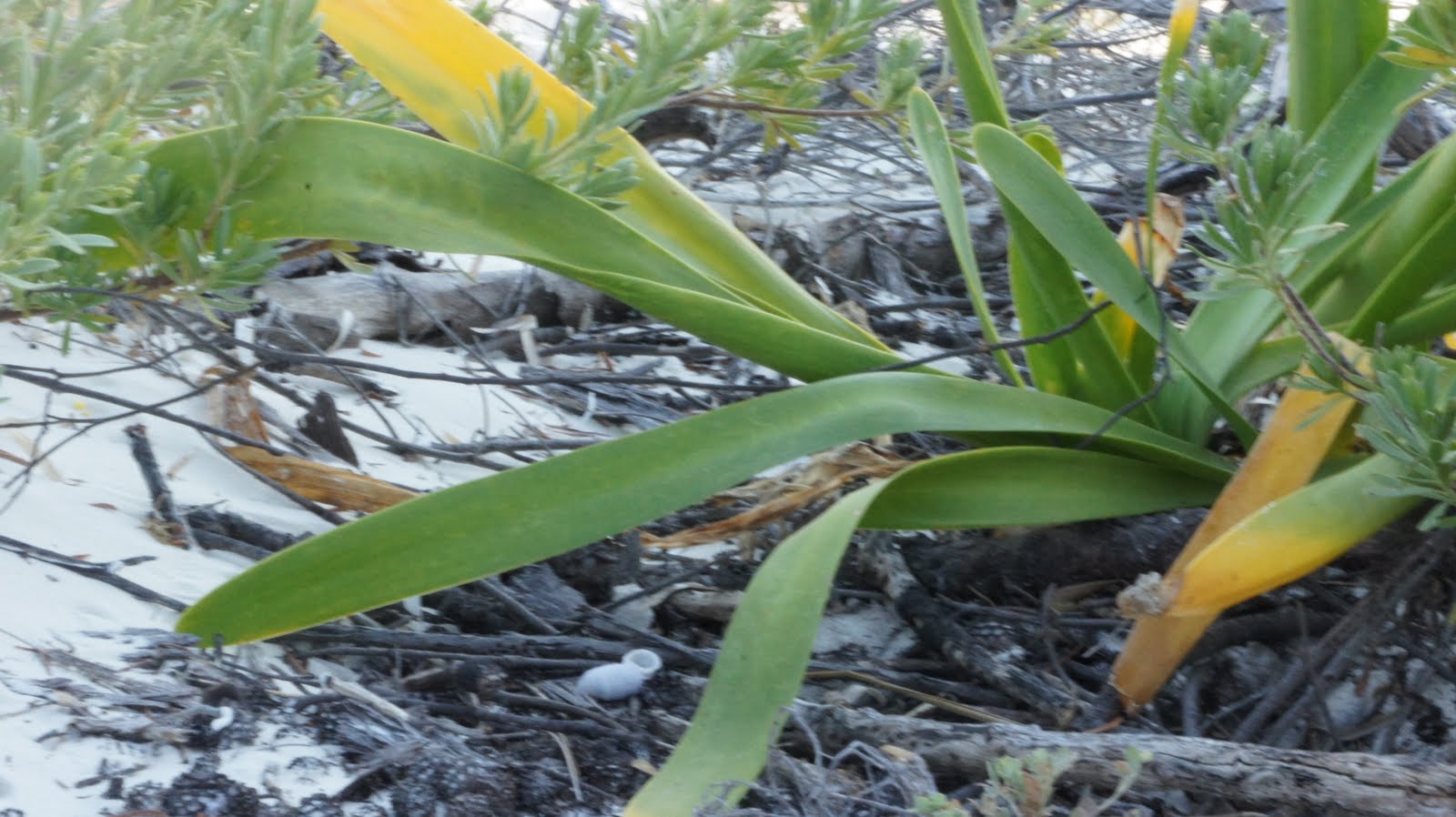
You can see that I have yet to learn the name of all the plants in my front yard. This is because I did not purchase them at any nursery.  They emerged naturally, once the invasive plant was fully removed. In other words, they did not arrive in containers with plastic labels showing their names. But my neighbors are teaching me the names of these native plants.   As I learn their names, I will add them to the photos.

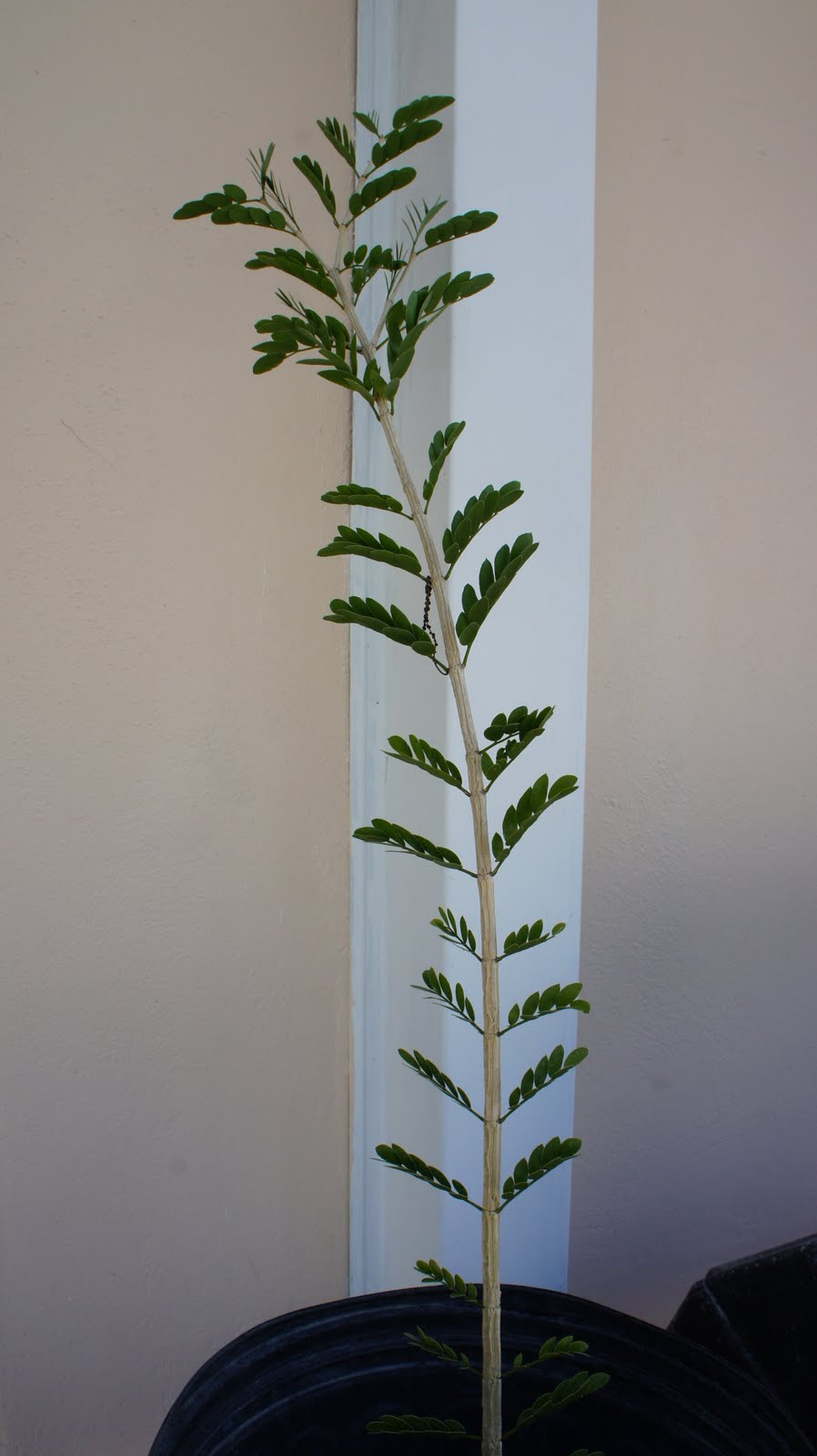
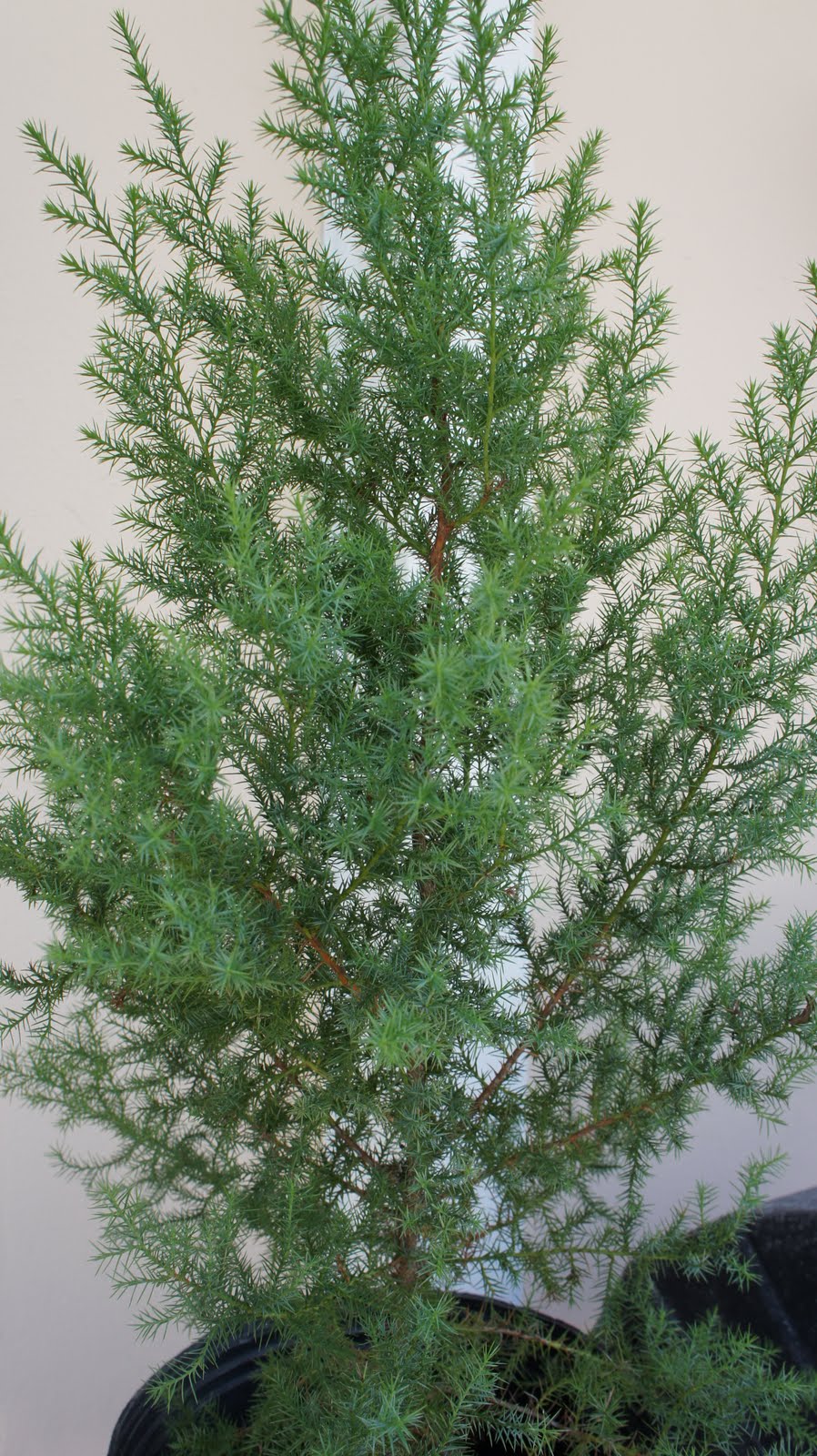
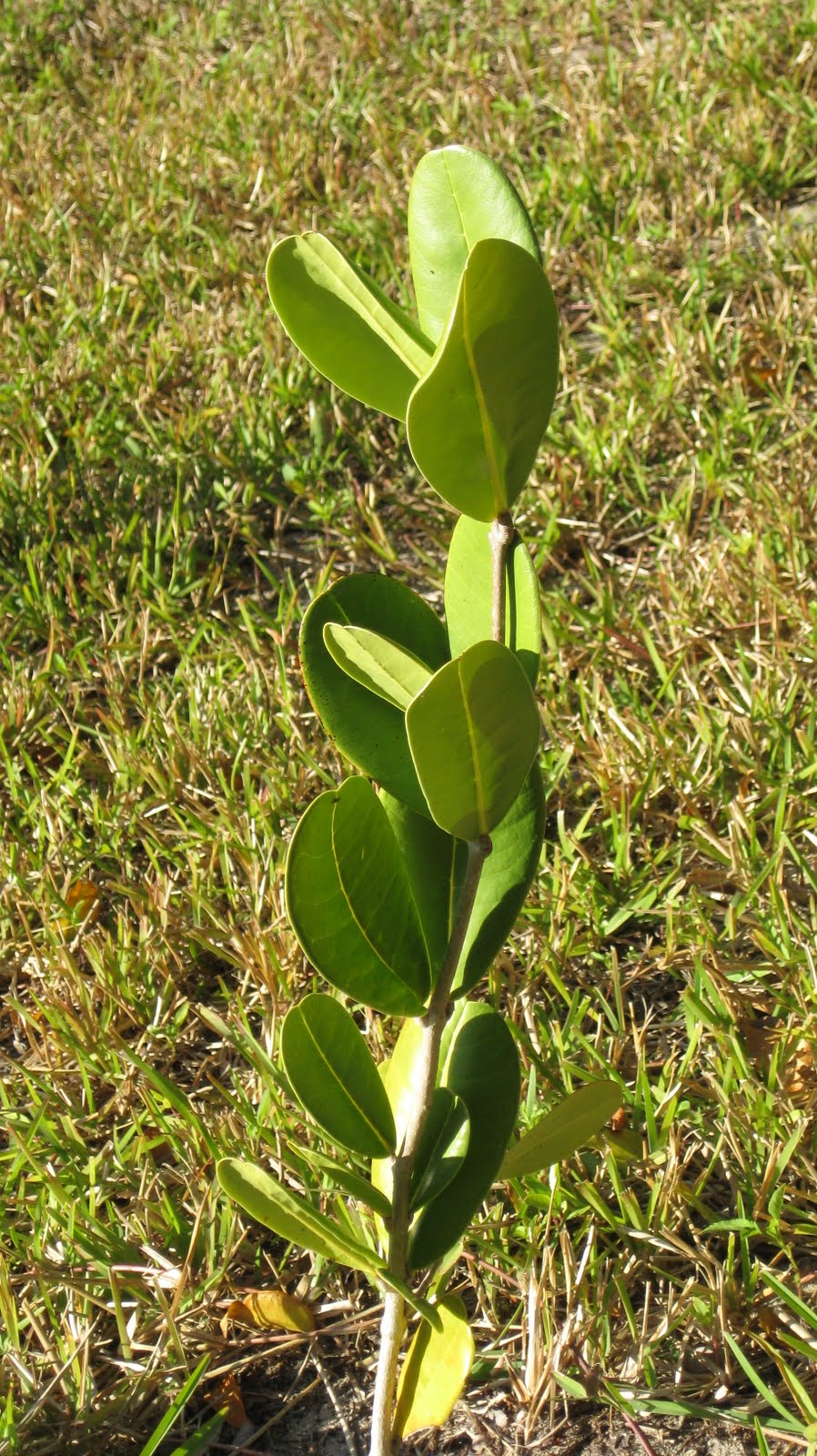
We recently bought two additional plants that we will be putting into the ground around our house.   They are highly recommended and are great native replacements for the Australian Pine.  They are Lignum Vitae (Gualacum sanactum) and Red Cedar (Juniperus bermudiana). We just bought one of each from our local nursery called Wonderland Gardens in Marsh Harbour.  Here is what they looked like when we bought them.

Baby Lignum Vitae
Red Cedar

These two plants are natives that like the native soil, the sunlight and the ocean salt.  According to our book from the Friends of the Environment, Abaco, Bahamas called  ” A Guide to native and Invasive Plants in Abaco”, both the Lignum Vitae and the Red Cedar plant are protected trees of the Bahamas.  We will be planting them in the next few days.  For the longest time I could not find them in the local plant nurseries and was very pleased to find them available for sale this year.  

Read Full Post »

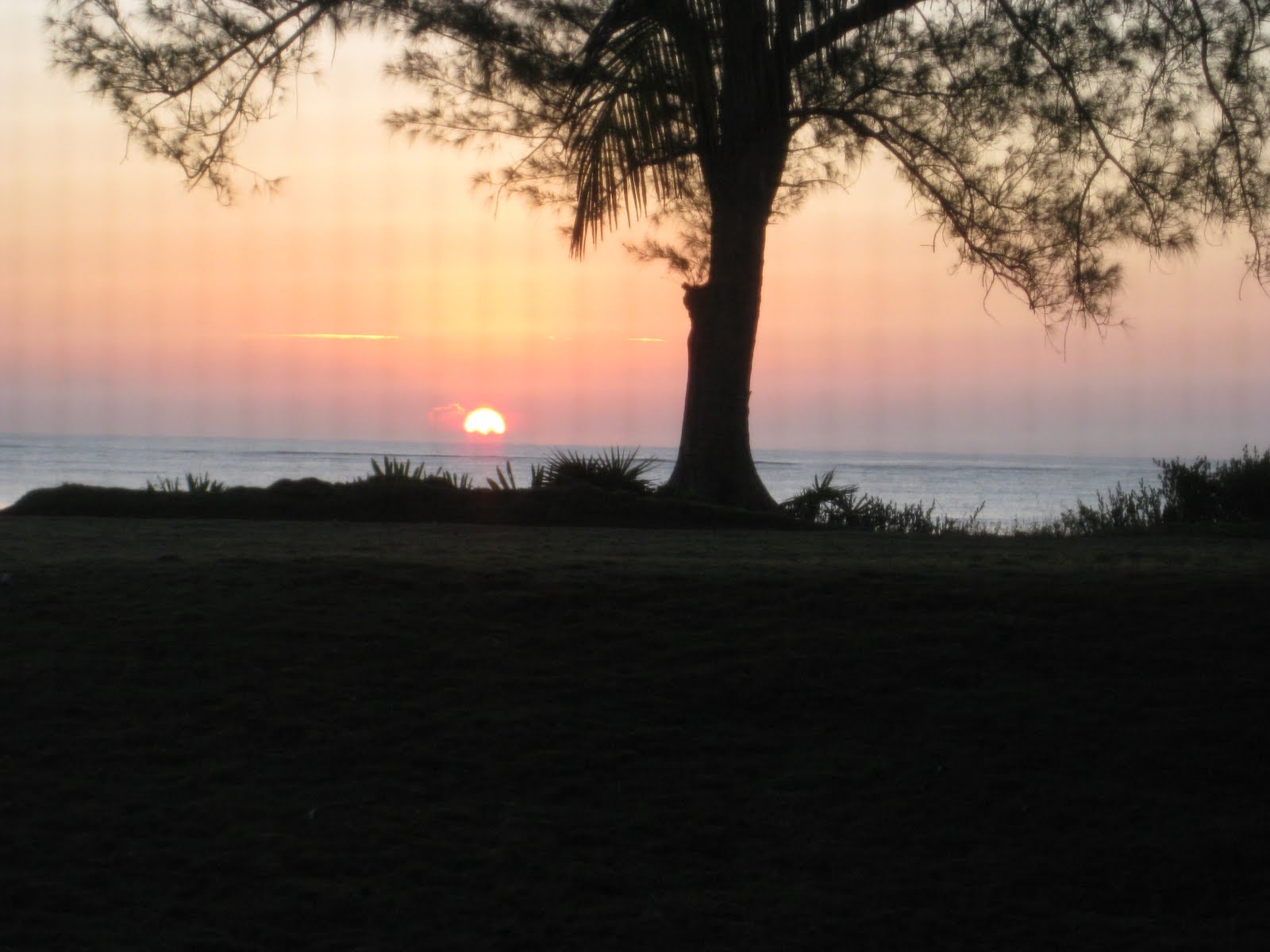
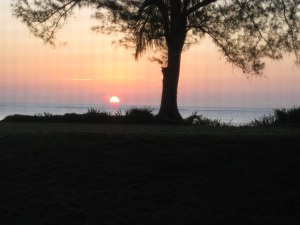
Sunrise under an Australian Pine in the Abacos

One way to control the problem of the proliferating Australian Pine tree in the Bahamas is to eat the seeds!

But I cannot find a single recipe calling for Australian Pine seeds.
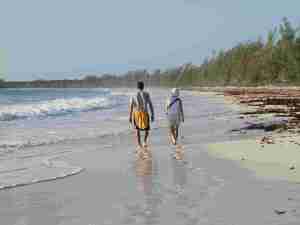
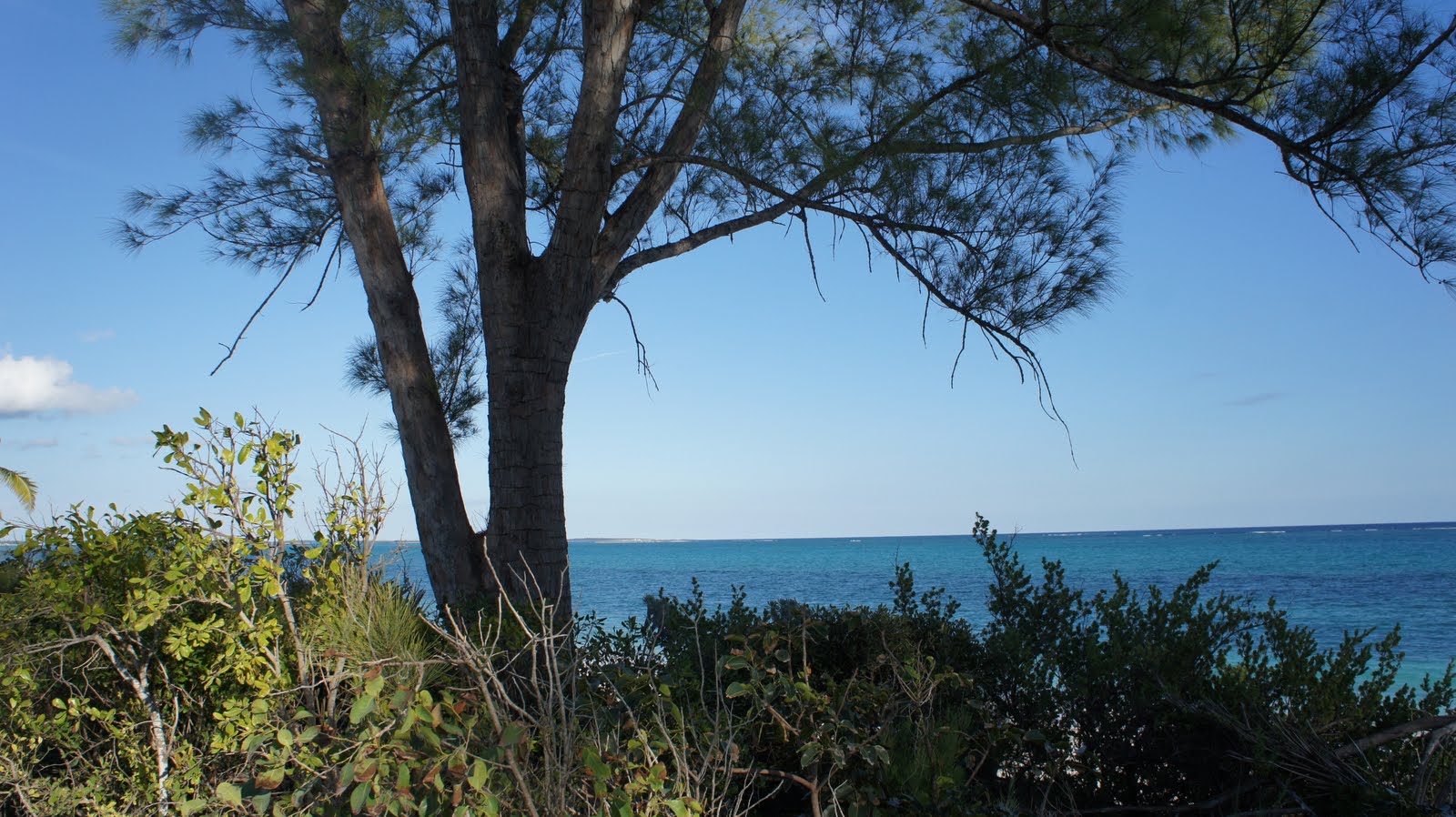
Australian Pines line the beach of Eight Mile Bay

Unfortunately, insects in the Bahamas don’t eat them either.  Thus the pines proliferate.

Australian Pines are free to reproduce in the Bahamas because there are no people or insects in our area that eat their seeds . Hundreds of thousands of these uneaten seeds are dropping to the ground and growing spontaneously, everywhere, uneaten by either humans or insects, or even fish.  Now that is a special kind of problem, a population problem.  If we could learn to control the population of Australian Pine, then perhaps we could live happily with them, mingling in their shade, burning their wood, and crafting them into tables and chairs, as needed.

A group of researchers, mostly entomologists, are hoping to find a good set of bugs that will eat Australian Pine seeds.

I am happy to report that Australians are involved in the research project.  In my opinion, it makes sense to have them collaborate with us on this problem since they are the culprits who, several hundred years ago, sent us these trees.  I figure they ought to know a lot about them or at least might have a few pine seed recipes that they could share.

But now we have another problem.  Australians don’t necessarily have the same issue with the trees that we do, because in Australia, there are a group of insects all eating Australian Pine seeds, thus controlling the size of the Australian Pine tree population. We, on the other hand, acquired the trees without the natural controls.  This helps explain why Australians like their pines and we don’t always share their viewpoint.

Which bugs eat Australian Pine seeds and how do we get them?

Wait a minute, not so fast!  There is a bit of work to do before one takes a new bug into our environment.  For example, we have to make sure that something eats the bug and that it doesn’t become yet another invasive problem.  We also have to be sure that that bug over there in Australia is going to like the specific “Australian Pine” seed that we now have here in the Bahamas.

Until this is resolved, and we decide who or what is going to eat the seeds, I ask:
What can we do with Australian Pines? 
Stay tuned. 

Read Full Post »
The Australian Pine

Recently, I asked  Martin,  an Australian friend of mine to write in his blog about how Australian Pines might be used here in the Bahamas.  The Australian Pines, or “Casuarinas”  have the reputation of being “invasive plants”, rather unmanageable and growing everywhere, with and without permission, thus being largely viewed in the Bahamas and in Florida as giant weeds.

He replied with some very thoughtful commentary.  Here is what he said:

Thank you, Martin, for your thoughtful remarks.

Let’s see if we can’t get some additional good ideas about how to manage and use these pines from both sides of the world.

Read Full Post »
Many Ways to Use Those Coconuts!

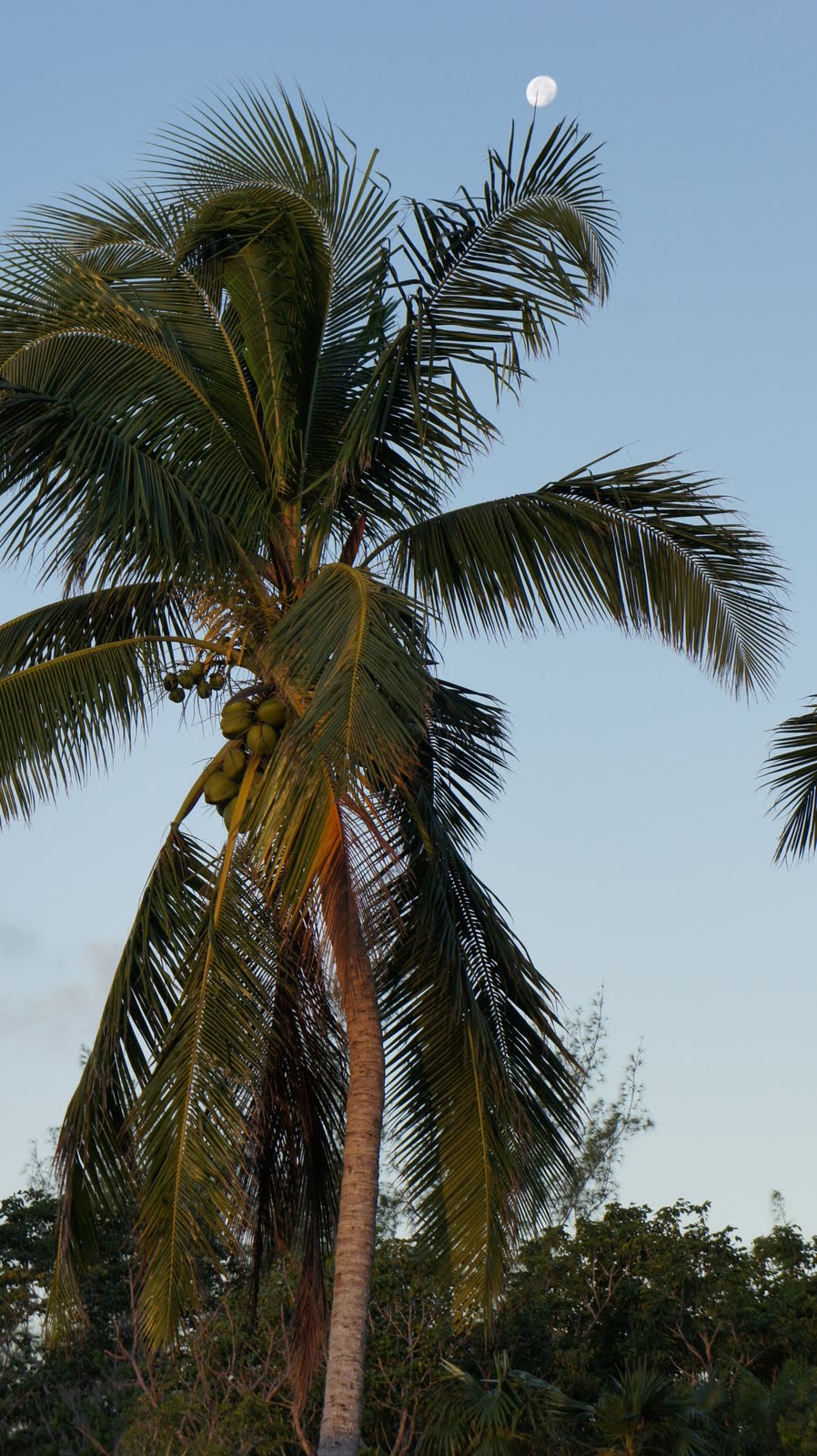
Coconut palm in our backyard.

Every year we try to get better about using all the coconuts that fall in our yard in the Abacos.

Here is what we have tried to do with them thus far:

  • cooking projects
  • arts and crafts
  • drinks
  • garden composting
  • landscaping
  • more will follow, no doubt.
Whatever you do, DO NOT stand under these formidable plants and look up.  
Yikes!
The first problem I encountered, after conquering my fear of being hit by one, is this: 

PUZZLING OVER HOW TO OPEN UP A COCONUT

According to a youtube film I watched, this technique really works. First, take off the exterior layer
Use a knife or your teeth. This fellow can do it  with his teeth in 11 seconds!

Try This!!

That looked so easy!  Let me give it a try.
To be continued…….

Read Full Post »
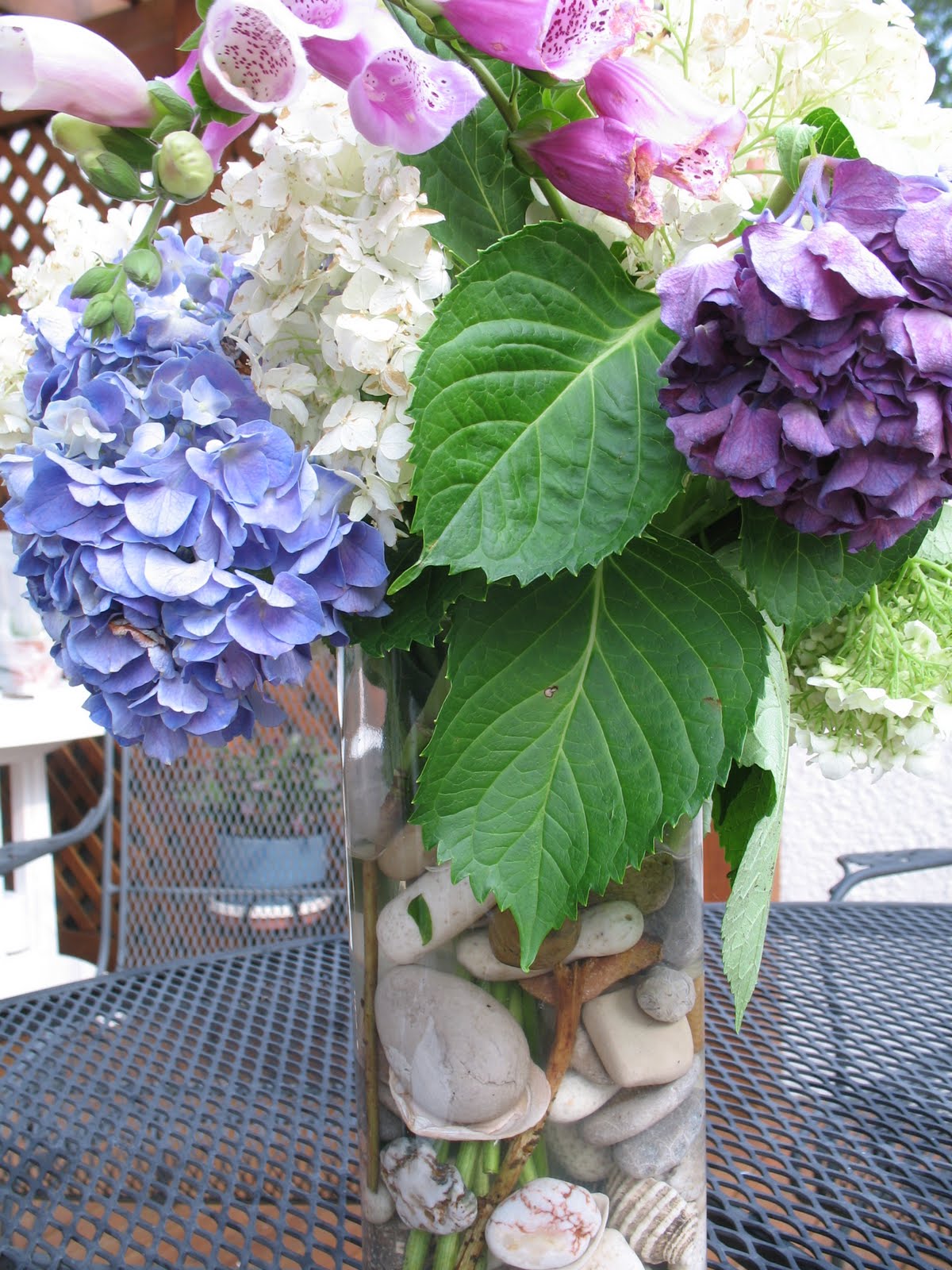
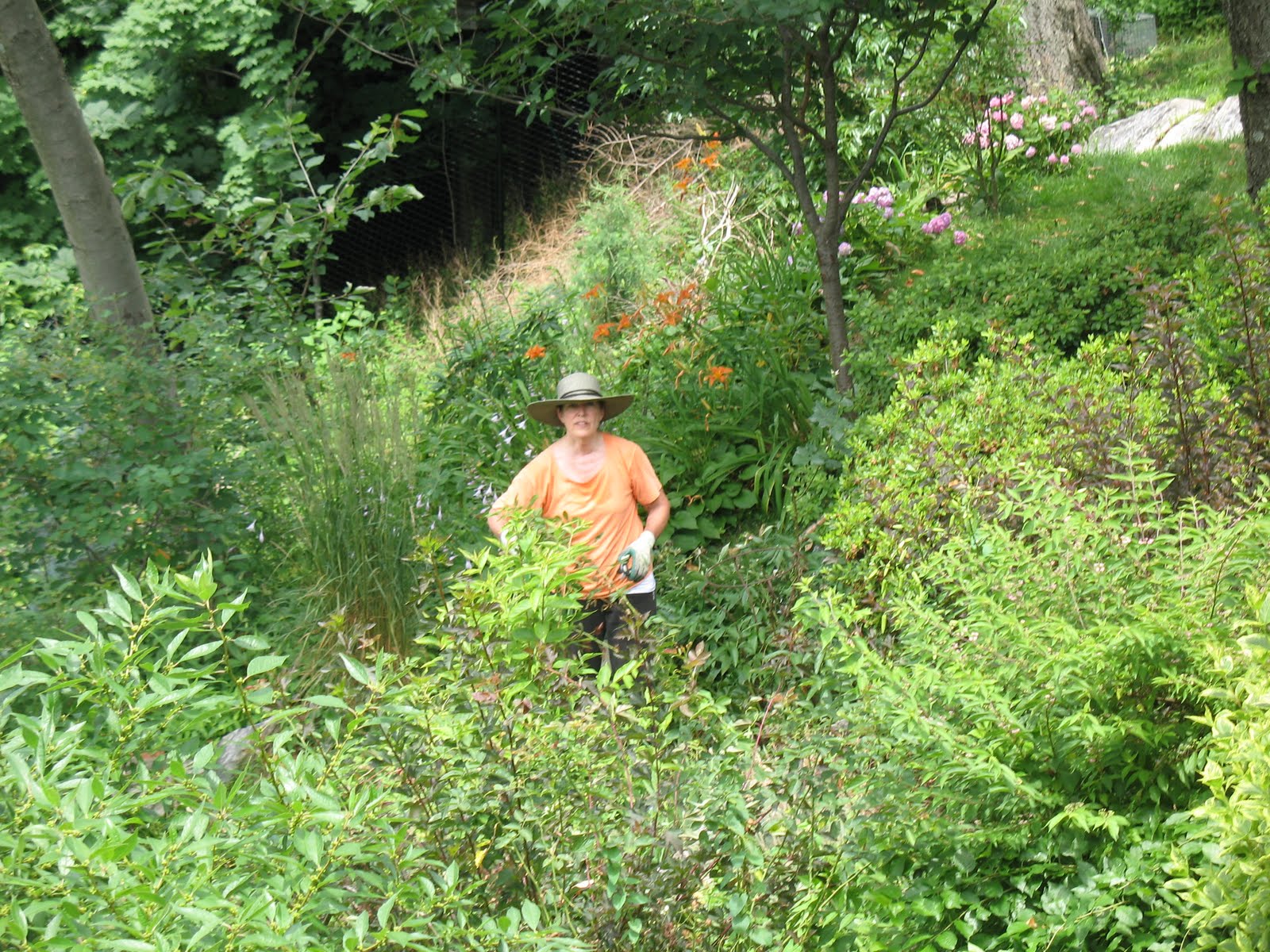
I love putting fresh flowers together from the garden.  It dresses up everything, except me.

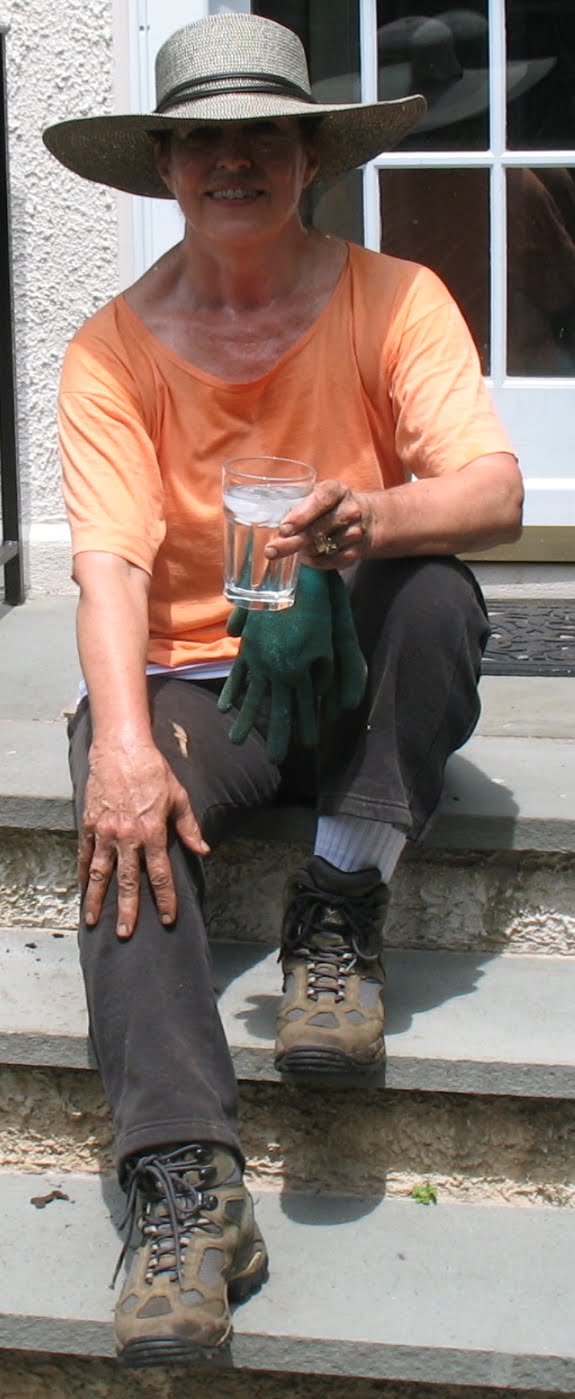
I used to wear formal suits and heels but now my work dress is “garden casual”.   I  wear a pair of old hiking boots with white sports socks, worn out shirts, baggy pants covered with paint stains.  To top it off, I wear a big hat the covers my face and protects me from the hot mid-day sun.

Here I am on the steps getting ready to head out to the garden.
My office
Project Number 1
Typical work site for Project # 2
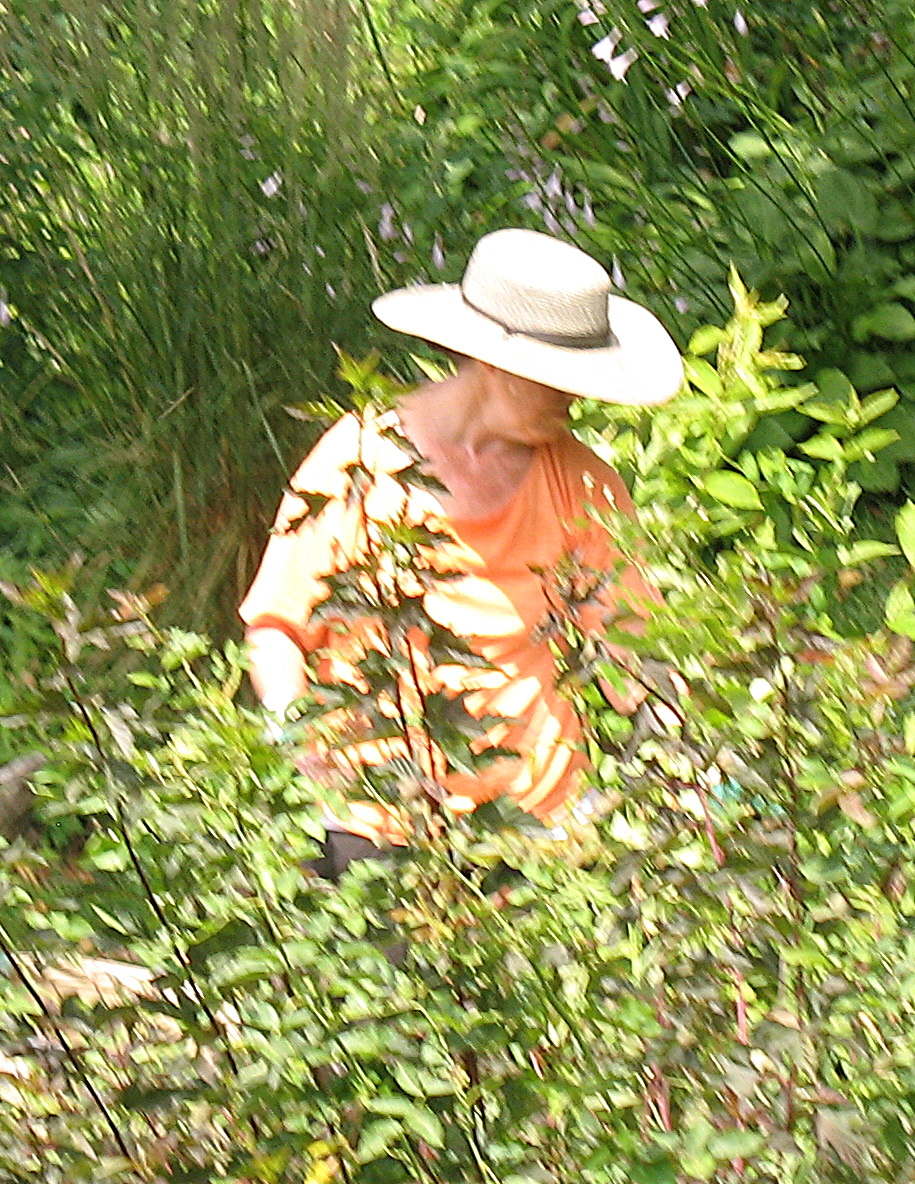
Staff meeting – just the way I like it.

Read Full Post »
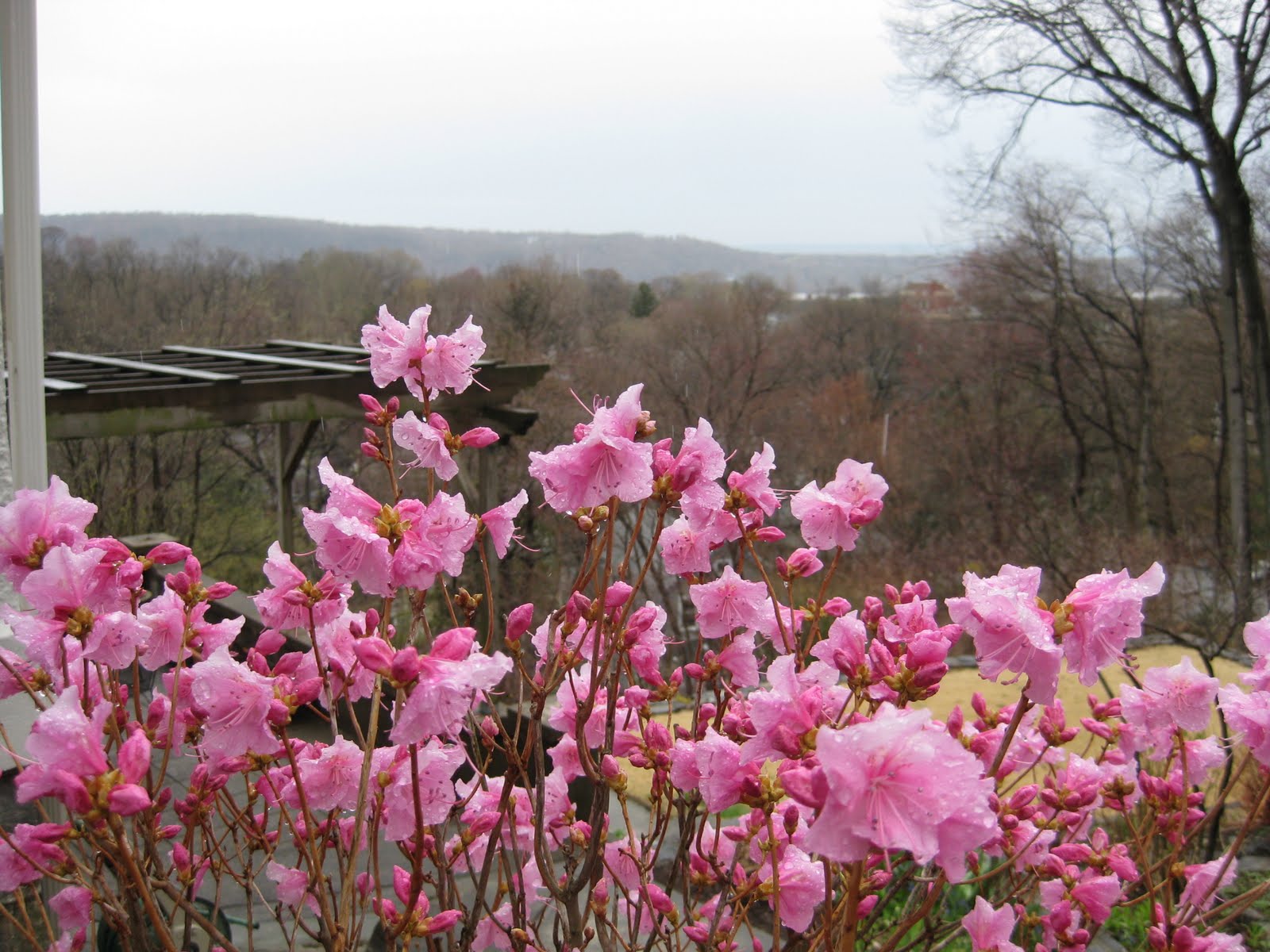
 When this Azaelea bush is in bloom, I know that for sure, spring is here.  It is such a splash of color, just before everything else comes out in bloom.  Without exception, it is the first bush in our yard to be in full color and always contrasts with the brown bushes and trees that will bloom a few weeks later.

The giant peony is also set to bloom, and looks lovely with the tulips tucked underneath.

Read Full Post »
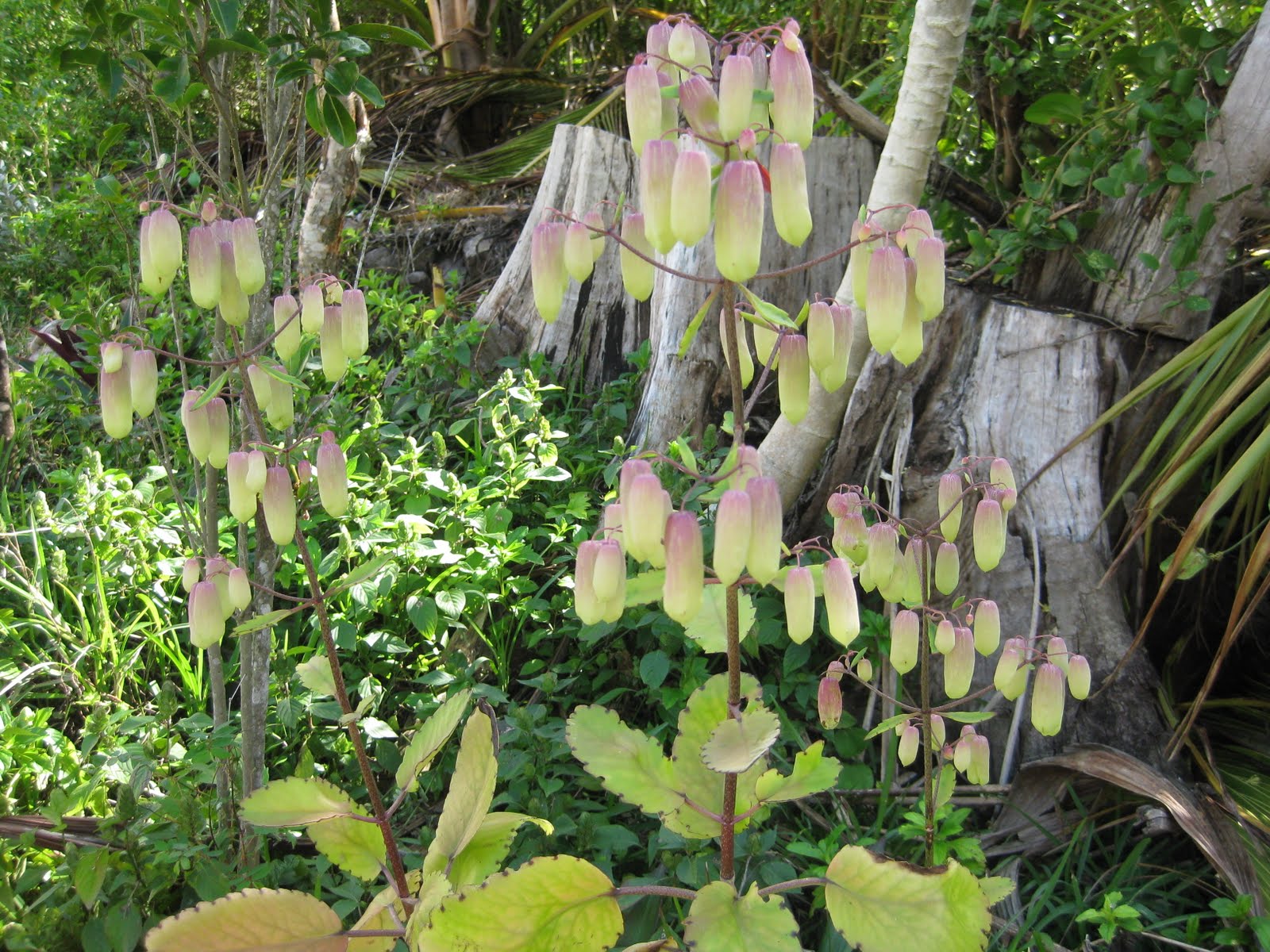
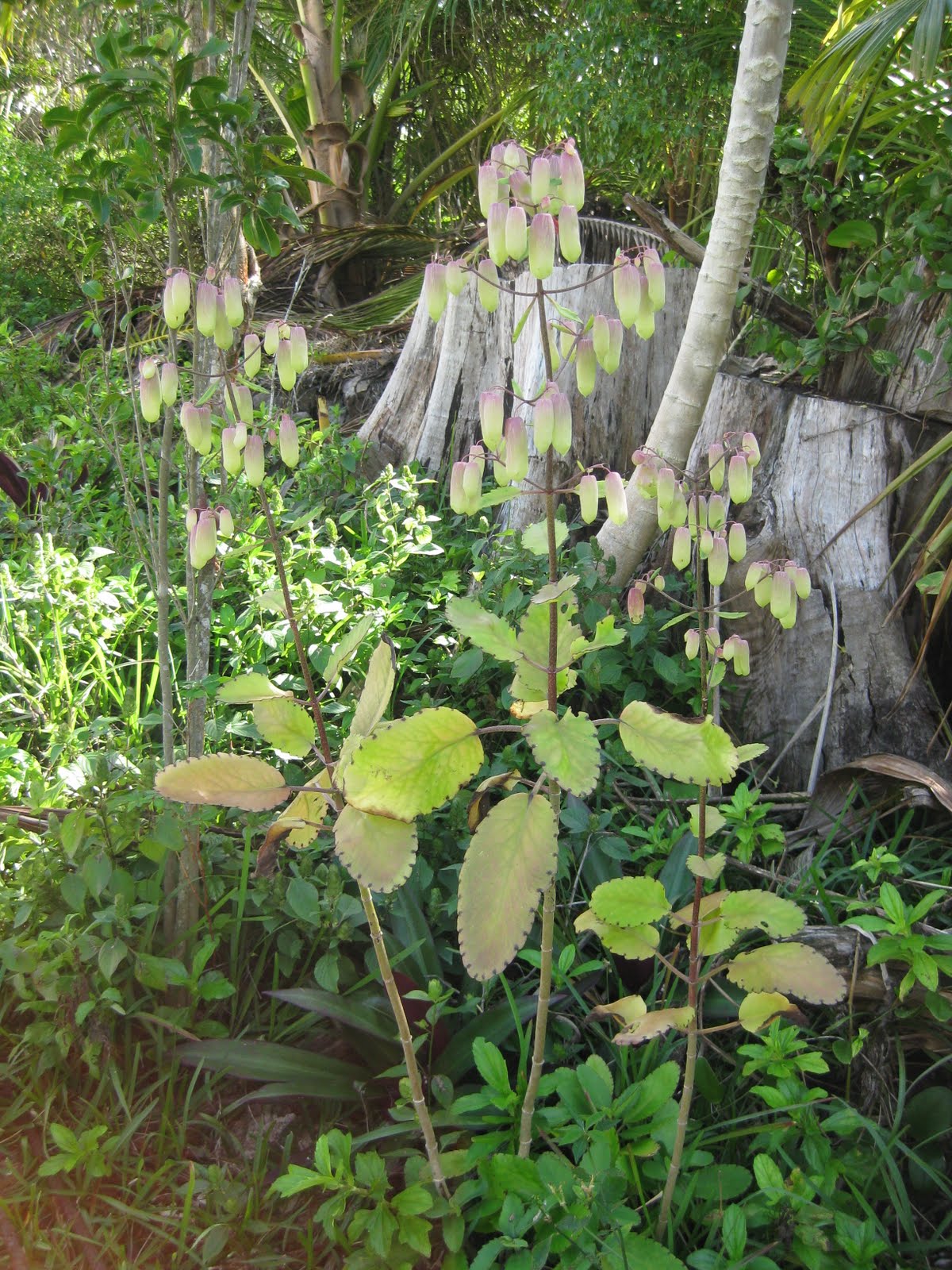
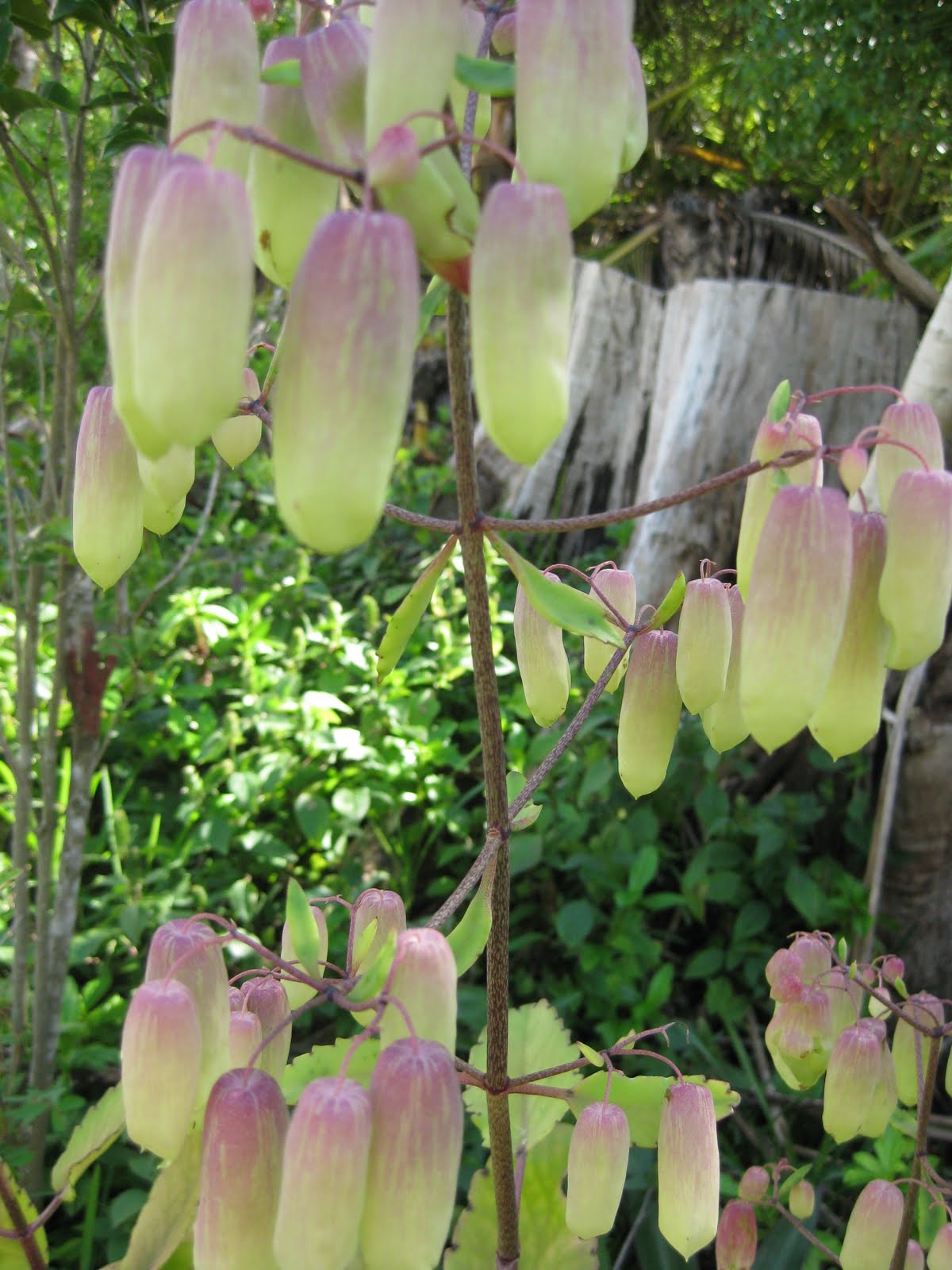
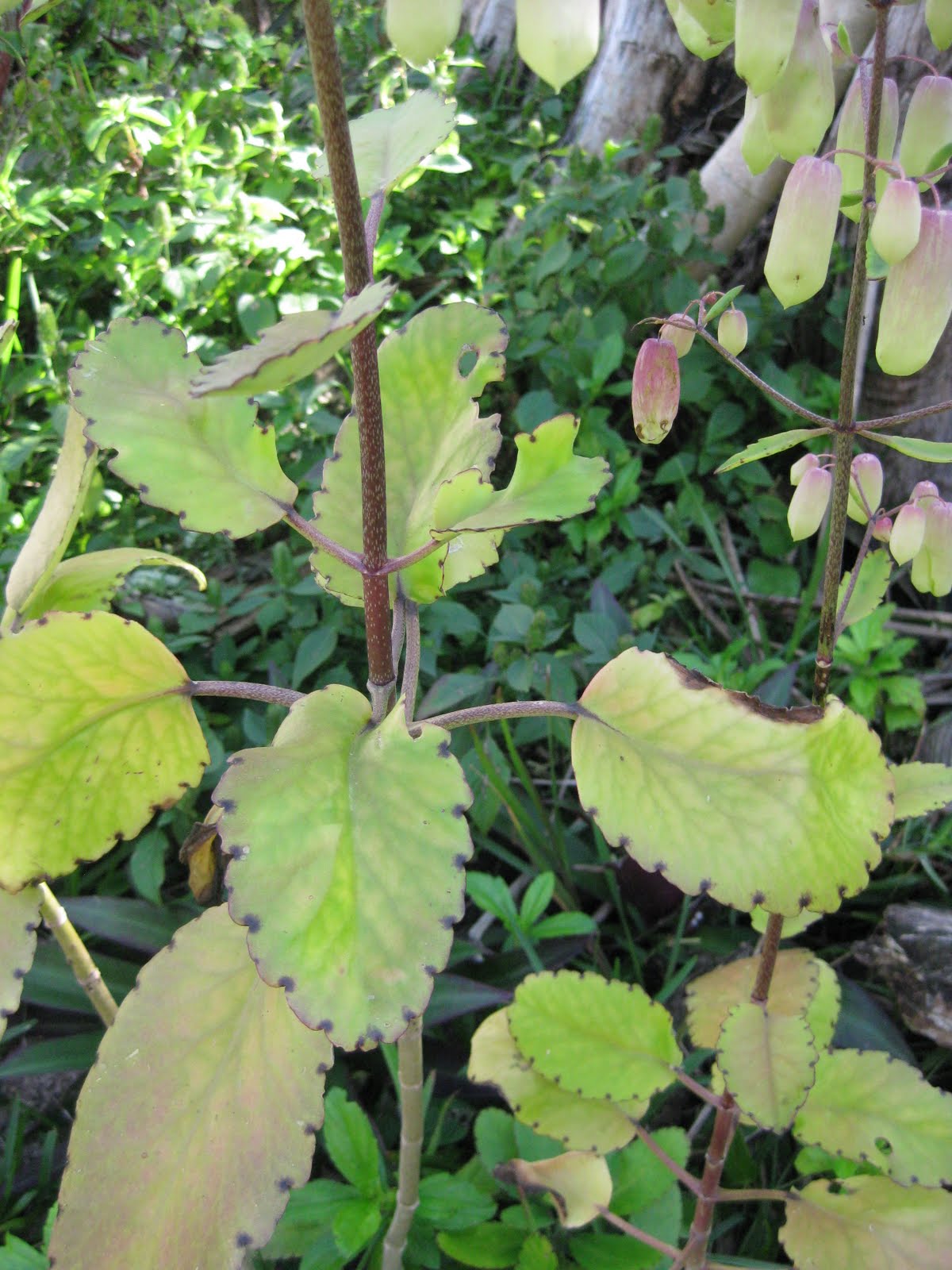
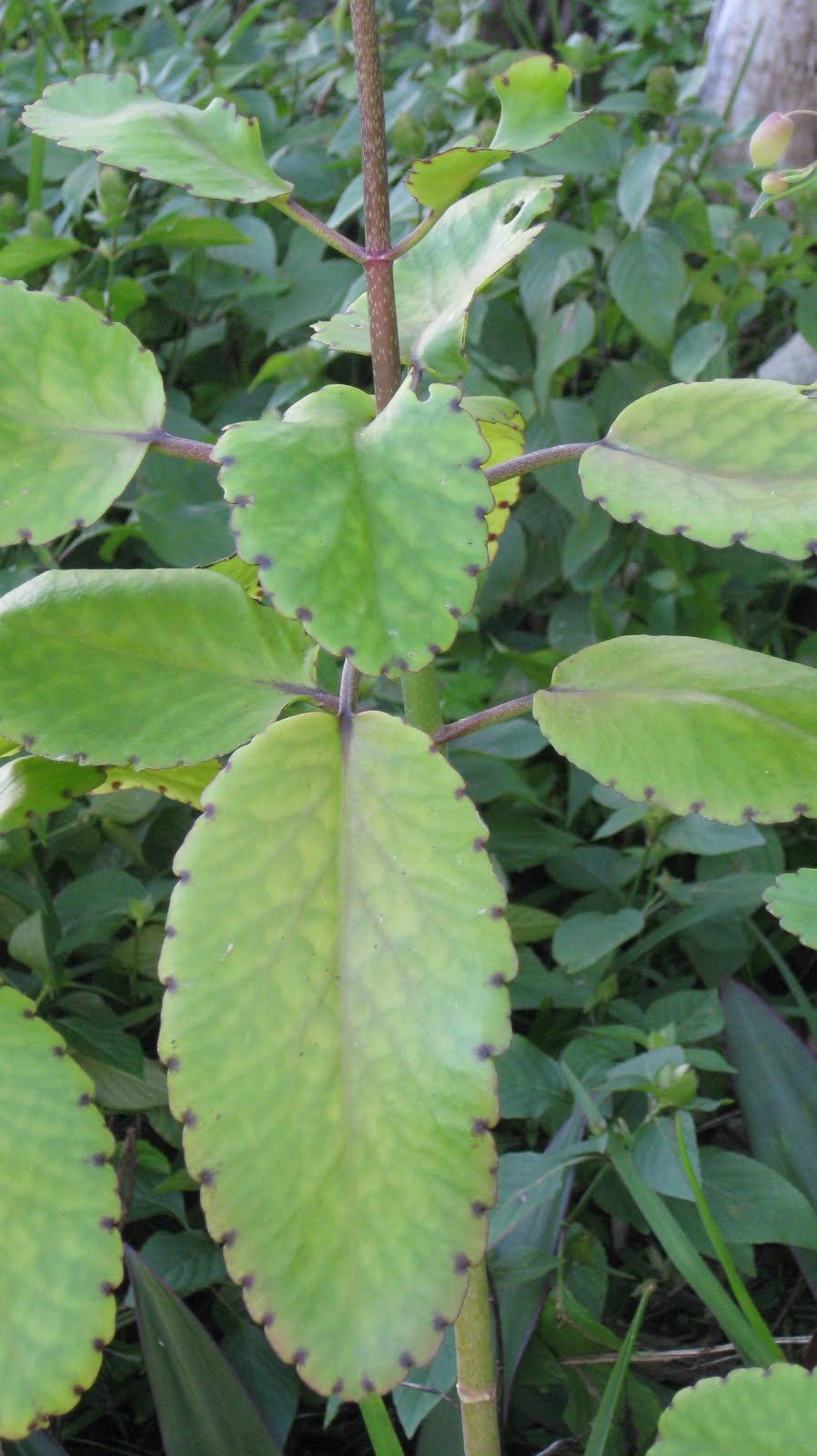
It grows along the edges of our back yard  between sun and shade.  Right now it is in bloom.

The leaf looks as though it were embroidered along the edges.

It is simply beautiful.

Added on 20 February:  Since writing this page I have found detailed information about this plant. It’s Latin name  is Kalanchoe pinnata and is said to be used in the topics for medical purposes.   We are also warned that it can be invasive in some locations especially where the soil has been disturbed.  It is also said to be a popular house plant.

Read Full Post »
Carribbean Gardens

The New York Botannical Gardens (NYBG)  is having its Caribbean Gardening show from Jan 15-February 27 of 2011.   At the NYBG Website it says:

 ” While enjoying the balmy atmosphere in the Conservatory, be sure to keep an eye open for special signs pinpointing the location of some of the Caribbean’s most important plants, including the dramatic chalice vine, butterfly orchid, and Bougainvillea; delicious pineapple, coconut, mango, banana, chocolate, and vanilla; and plants with delightful names like ice cream bean, flamingo flower, Panama hat palm, lipstick tree, and autograph tree.”

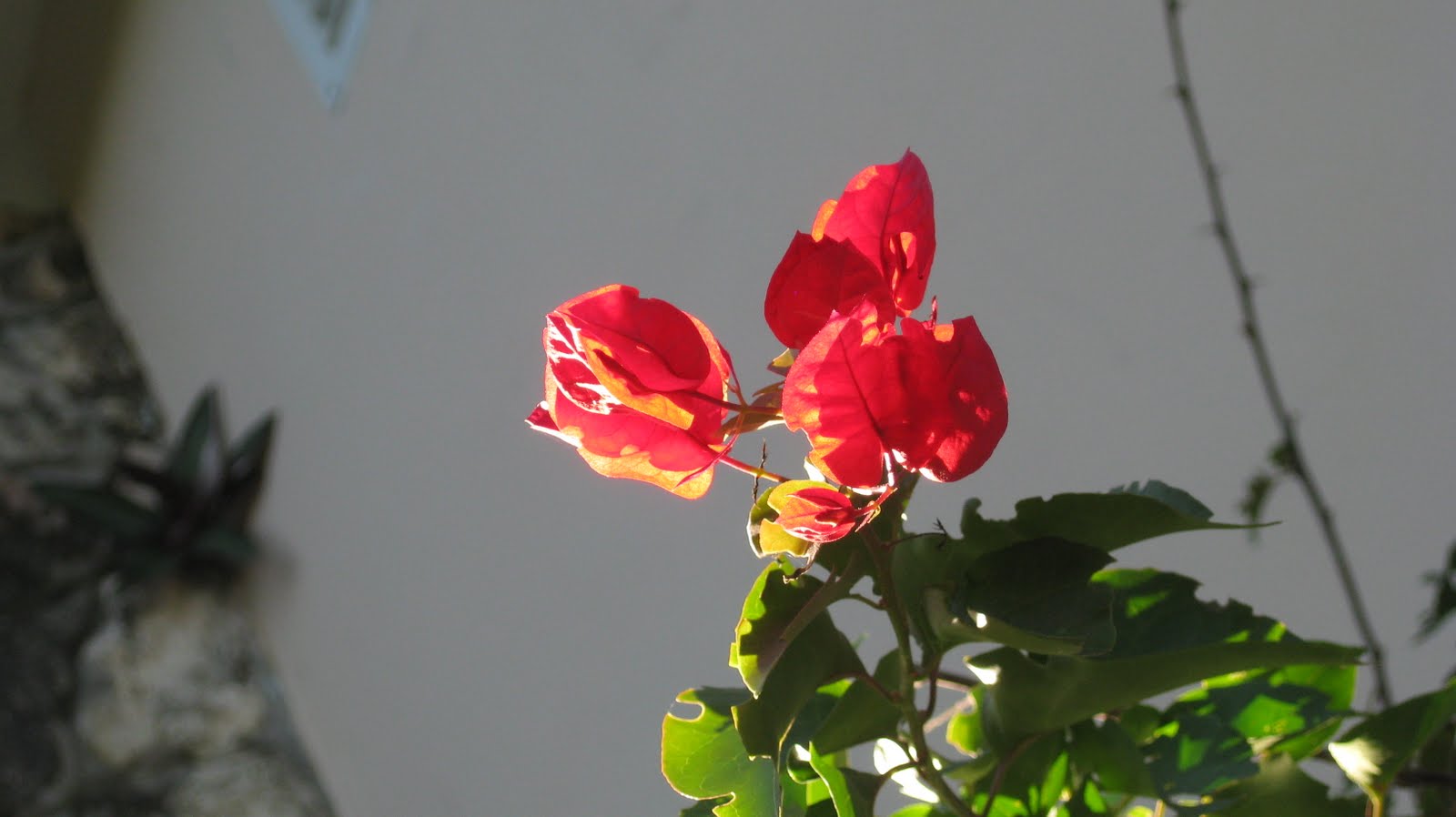
This should be so interesting to visit and compare the plants we see there with the ones we find in the Abacos.  Of the ones mentioned above, we already have Bougainvillea, coconut and banana in our yard.  Here are some additional examples of the plants we have in our yard that I hope to identify  when visiting the upcoming Caribbean Garden show of the NYBG

First, is this lovely palm tree that has started spontaneously in our yard.

.

We have decided that it cannot be a coconut palm, because it has a soft, white root and all our coconut palms emerge from coconut seeds. 

 Here is another self starter that gets a lovely white orchid-like flower when it is in bloom.  The grass is only about 4 to 5 inches high.  When I find one in bloom I will add it to this site.

 Here is another interesting native plant. 
We call the one above a “Silver Button”, and it is expected to reach a maximum height of about 15 or 20 feet.
The one above is called a “Wild Hibiscus”.  It has pretty small red flowers.  
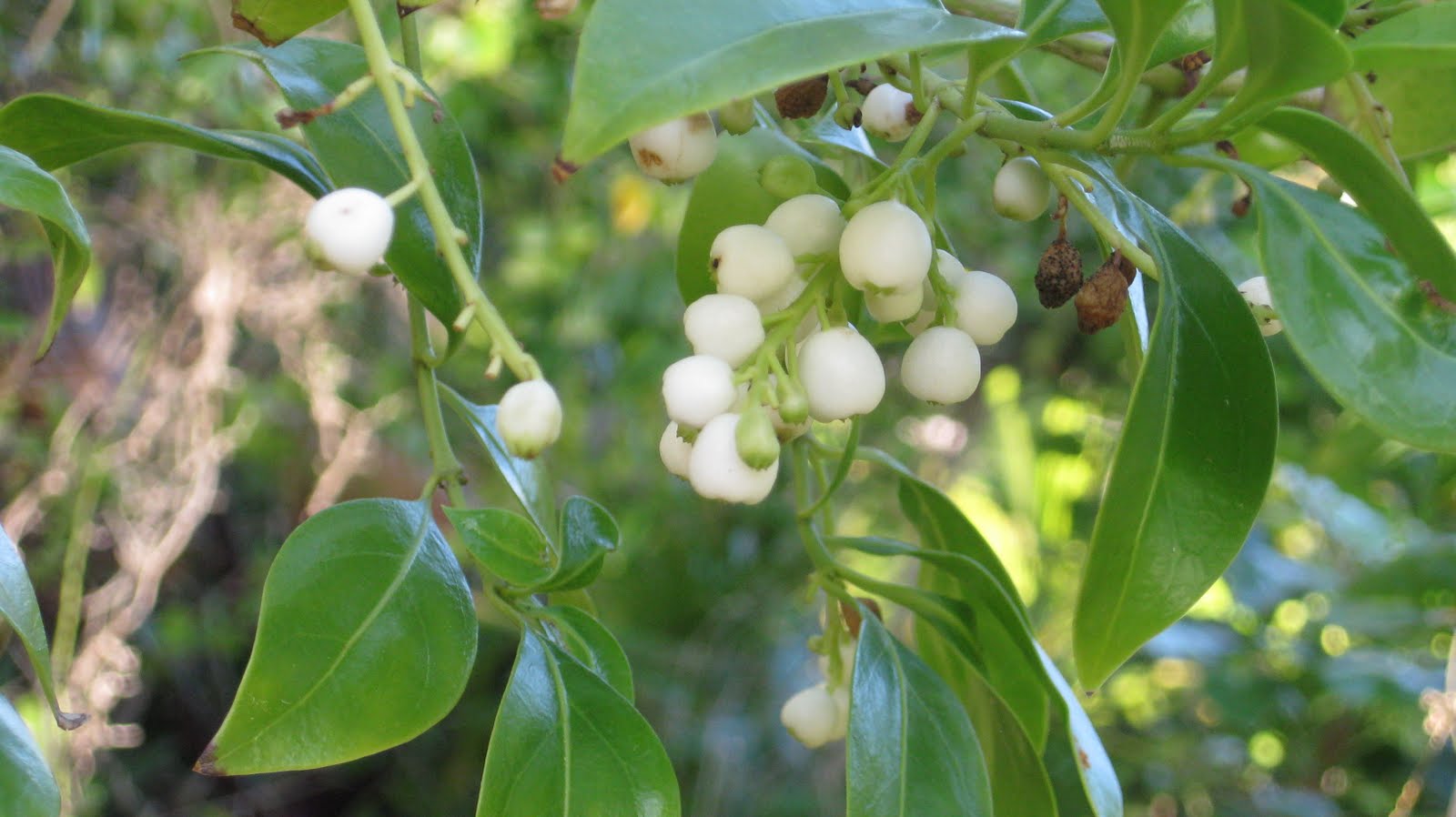
The two examples below are from very small, bushy trees that provide berries popular with the birds in our area.  

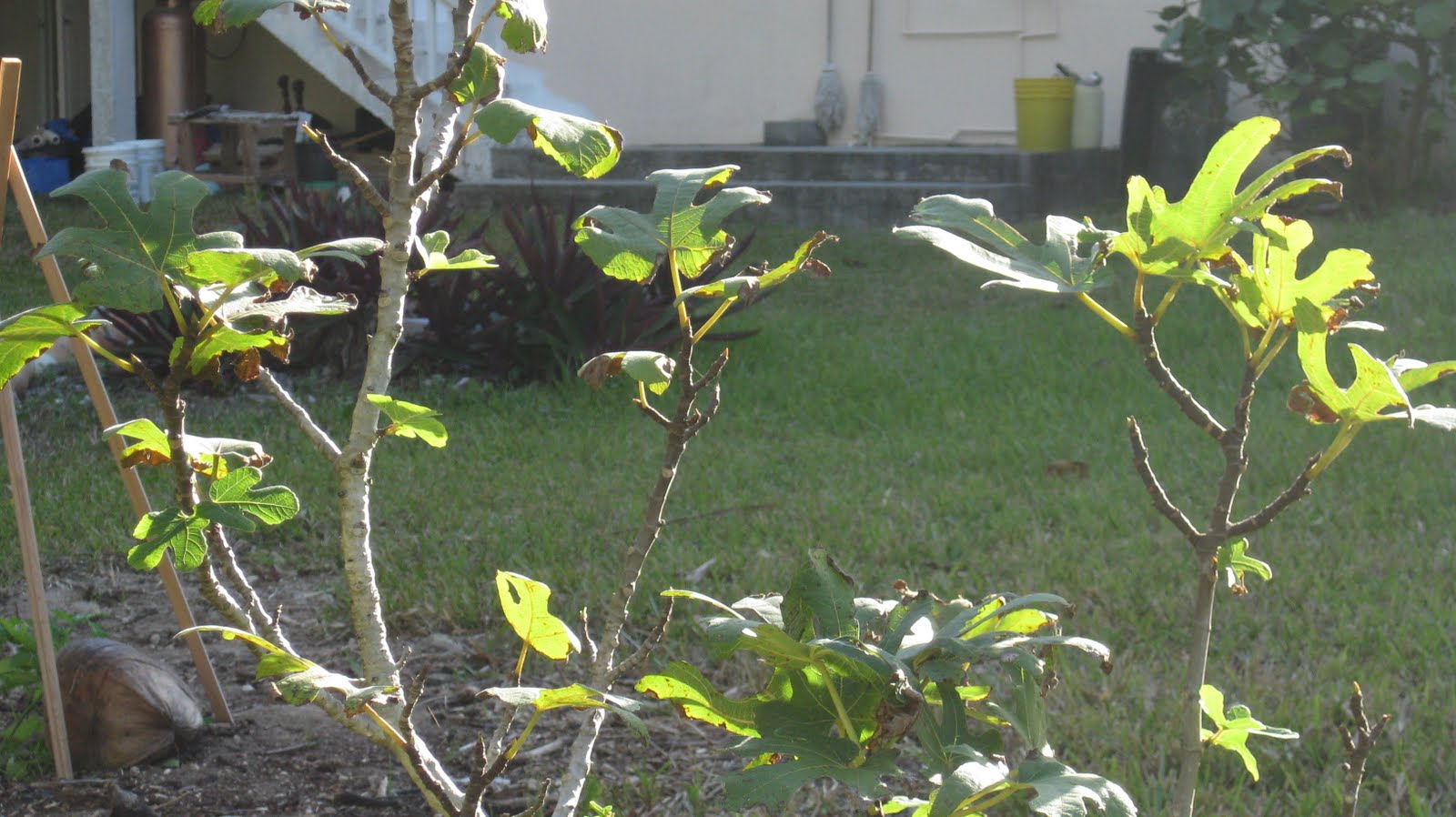
And may I introduce you to our baby fig tree?

Our fig tree is now three years old, and just starting to take hold. .

People around here call the one above the “Life Leaf”.  It has a lovely white flower when it is in bloom and is a delicate plant that grows around the edges between the “bush” and the “yard”.

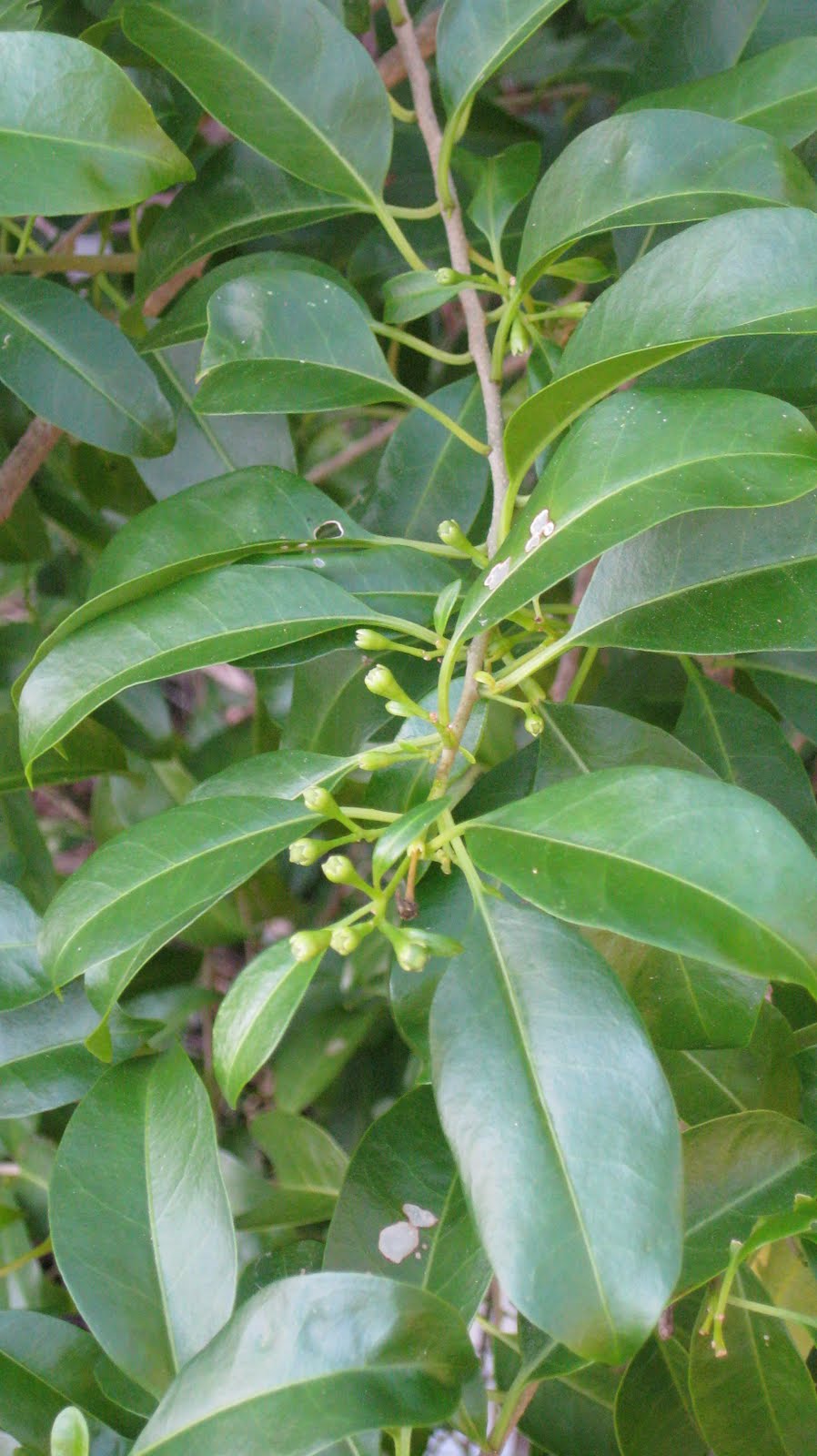
This last tree below is called by many the”Madeira Olive” tree.  But when I look up the “Madeira” Tree, I do not see this kind of leaf and also, the “olive” on this tree is much smaller than the one shown in the book for a Madeira.  The parrots love the olive from this tree.  Last year, on one of our larger trees of this kind, we found over 50 parrots all hanging on the tree, eating the “olives”.

I must confess that I lack a lot of knowledge about the plants in my yard down here, but hope to become much more knowledgeable about them in 2011.    


Read Full Post »
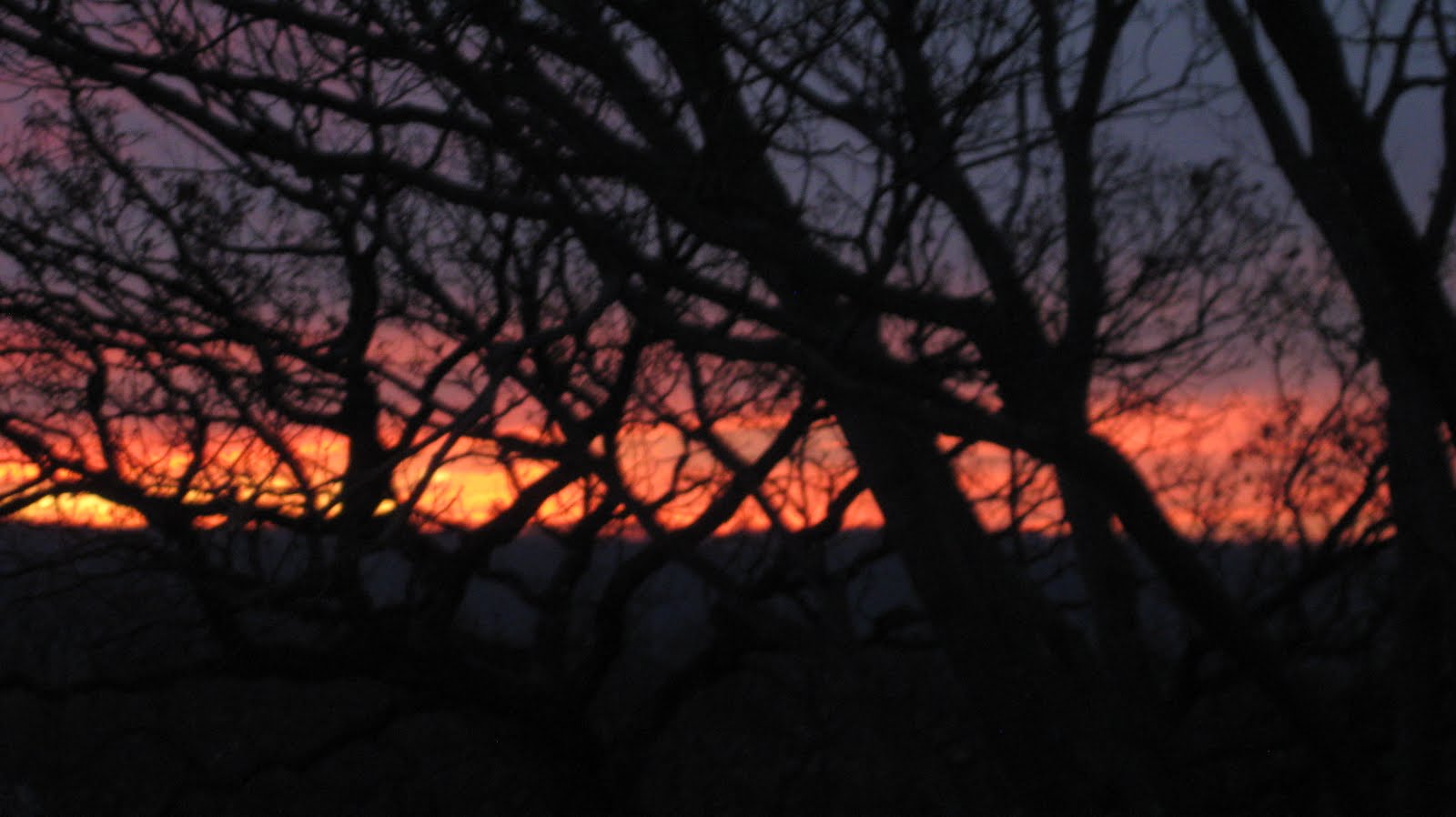
New York Sunset.
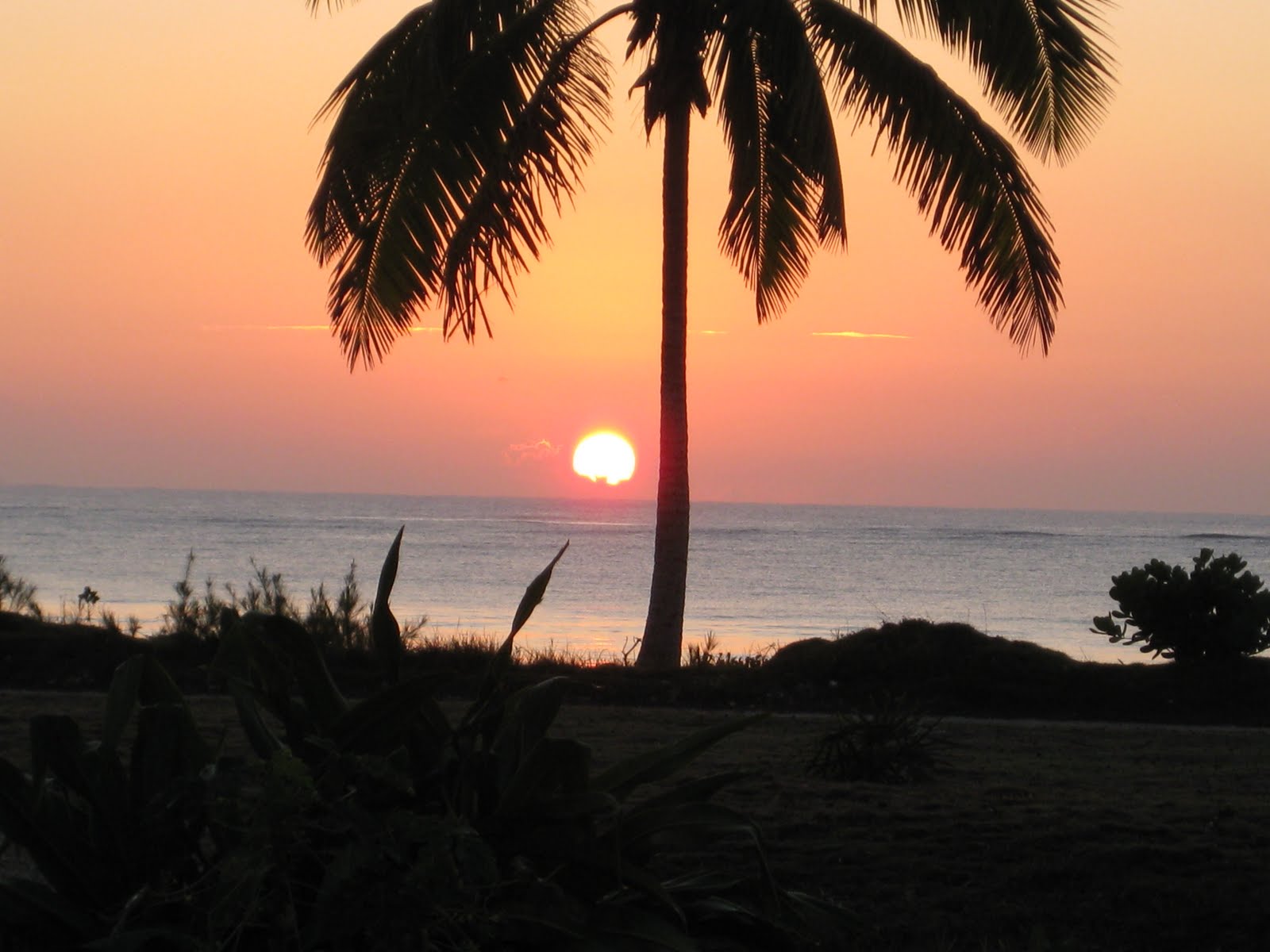
Abaco Sunrise.
Starting tomorrow,  I am  moving to the Abacos for the winter months.  I wonder if there are any bananas on the banana tree?

Read Full Post »
« Newer Posts - Older Posts »