Feeds:
Posts
Comments
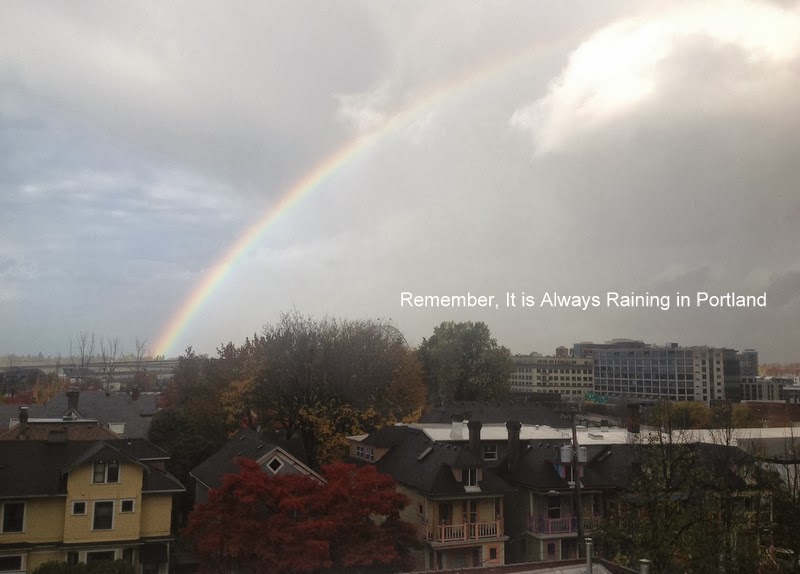
Just about everybody plans to move to Portland Oregon, so it seems.  But I must tell you something up front, from the beginning. Carefully think about this before you start packing.  Remember that it is always raining in Portland, Oregon.
We recently moved there ourselves, into our newly acquired 100 year old condo in North West Portland, walking distance to just about everything. We don’t own a car, but instead use public transportation or our bicycles. Because we are “Honored Citizens” meaning we are older than 65 it costs us $1.00 to take the Max train to the airport.  Streets are well marked for bicycles and we can safely use them to go shopping, to the library, the hardware store.  Buses are well managed and comfortable.  The streetcar runs around the downtown area and is very dependable.On those very unusual times when we want a car, we just rent.
People in Portland are young at heart, eclectic and tend to be environmentally sensitive. There is a lot of creativity and a great number of people who have chosen the entrepreneurial route, and who are designing and running very interesting small businesses.  They are easy to meet and tend to remember your name the next time that they see you.
I expected to have so many young people dismiss us from the conversation because of our age, but thus far, this is not what has happened.  We join conversations that are lively and interesting, and have made friends from the age of 30 and upward thus far into the 70s, with ease.  People see and greet you.  Cars stop for EVERYBODY to cross the street, and not just when there is a red light.  When we first arrived, we just stood there in disbelief at a street corner when cars stopped to let us cross even when there was no STOP sign.    My husband and I have decided that when we go back to the East Coast, our biggest danger is that we will forget that cars don’t stop for pedestrians and are likely to be hit.
Oregonians converse about many things with a calmness that just amazes me.  They have a habit of allowing people to finish their sentences before replying.  In indoor environments, they speak in relatively quiet voices.  I have a favorite coffee shop that I visit and enjoy sitting there listening to calm low toned voices speaking with each other, avoiding shouting and sharp, disruptive tones.   It reminds me of places like cafes in Paris and small shops in Sweden.  Stores and restaurants in Portland still have excellent service, much like the US had in the late 1950’s.  Clerks come up and ask us if we need any help, and actually provide assistance when asked for it.  Waiters check to ensure that we got what we ordered before taking off to the kitchen.  This is happening so consistently that we have finally decided that we are not confronting aberrations, but truly a different culture.
It is not without its problems, of course.  Homeless persons are found here, as they are across America.  Poverty is a problem especially in our newly formed 1% economy.  Food lines for hungry people can be long.  There are numerous opportunities to volunteer and help out.  Volunteerism is strong out here.
I hope that this delightful place where the trees are hundreds of years old and have enormous diversity of leafage, even on city streets, survives the ongoing transition we witness. We see cranes and new development everywhere.  Urban housing boards are arguing with developers over how high buildings can be, and how close to the road, how sustainable the building should be, debating building construction environmental definitions and classifications.   It is not clear to me how long Portland can survive this onslaught of construction and new development, but time will tell.
Some of the new developments that transitioned old industrial areas to new living and shopping arrangements are truly marvelous.  They are architecturally pretty and have used old structures to the max.  Newly designed buildings fit beautifully with the old, and blend well into very lovely neighborhoods with good character.  Excellent restaurants abound. The food is very fresh, organic and delicious.

By the way, did I tell you that it is always raining in Portland?
Okay now.
I see it all the time.
The purpose of this BLOG is to get you to:
 ooops, my keys are stuck.

Here are TEN critical things one must know before going outside to play:

  1. Infinity is a short amount of time repeated over and over.
  2. Death is a big part of life.
  3. Disease is a small part of global health.
  4. Fun doesn’t hurt, most of the time.
  5. Life expectancy is increased equal to the amount of time spent exercising. 
  6. I think, therefore I am, I think.
  7. I am, therefore, I think I am, I think.
  8. Friends for life are limited by life expectancy of either themselves or you.
  9. Infinity is just a short amount of time repeated over and over.
  10. And ten?  What was it?


I get it.
It is time to go outside and play
and get off this internet.
Bye.

Our lake is of two minds.

On the weekends it is a party place,roaring with motor boats and groaning with jet skis, people shouting and laughing sometimes in the middle of the night in the middle of the lake not realizing all of us can hear every word they say, radios blaring.

Our closest bird neighbor, the Blue Heron, looks a bit irritated as he flies by, lands on a tall branch and just sits there waiting for everyone to leave.

On Monday through Friday, the lake is characterized by peacefulness and silence, where birds fishing and people kayaking prevail.

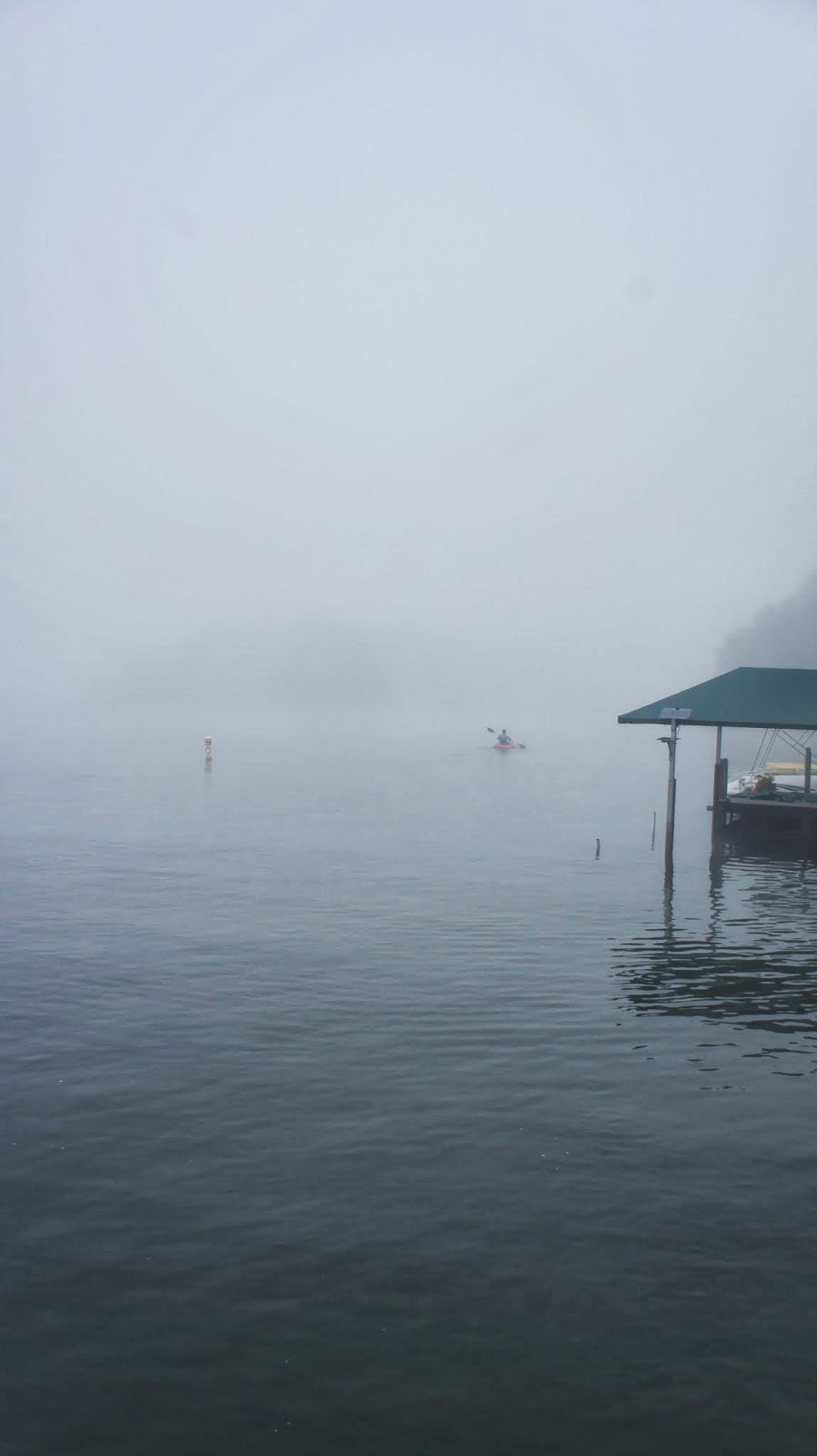
Early Morning Kayaking


On Saturdays and Sundays we listen to 20 foot boats roar, motors gulp and rip as they lurch from place to place in the water, sometimes making so much noise that we have to stop talking to wait for them to go by.  When this happens, our guests often ask why there are no noise regulations for the motor boats on this lake. We say we don’t know why, but we think it might have something to do with the fact that a whole lot of marinas profit from boat use on this lake.

Sometimes we giggle at the ridiculousness of an oceanic boat trying to use the lake for recreational purposes, looking a bit like a hippopotamus in a bathtub, hugely out of place with the size of the lake.  Then we talk about how happy we are with the new regulations that are stopping such big boats from using the lake now that there is a 26 foot limit, even though these older already licensed gigantic boats are grandfathered in.

Water skiers fly by behind roaring motor boats  with boom boxes on full blast from the boats, sounding like large roller skating rinks, then kids wave to us as they scream by on their inner tubes pulled by groaning motor boats, waves from the boats splashing noisily against the beach.

I wonder whether they ever wonder what nature sounds like when they are not here?

Luckily there is an 80 foot rule from our shore which discourages boats from entering into areas where we swim.  But even then, we still have to listen to their motors . Starting on Friday when people clean off their decks by turning on their leaf blowers to rid them of the 7 or 8 leaves.each one painstakingly attended to while the leaf blower roars like a lion blowing each tiny leaf into the water along with tiny branches and pieces of dirt that might have accrued over the week.  God forbid that weekend company should touch a leaf with their feet.

We take our late afternoon swim out front hearing the roar of engines, screaming jet skis going crazily in circles to nowhere, all causing huge tidal waves to hit the waves hit the shore, splashing and flipping contents against the dock.

We  know that the weekend is coming to a close when we hear that familiar jet skier who, for at least the past  five years  finishes off his weekend by going round and round in circles, full blast, jet ski roaring, the jet ski burping and belching as it tries to swallow all the water caused by this crazy fellow just  steering the jet ski round and round in circles, going nowhere fast.  Eventually he gets tired (or perhaps dizzy or bored?) from doing this and he gives up and goes home.  We all say, “ahhh, he’s finally done.”  Sometimes our guests ask us, “what is this man thinking about when he goes round and round in circles?”  None of us really have a good answer for that  We have no idea.

It does look joyful on the weekends. Big, showy umbrellas are placed on docks for friends to gather and sip drinks.   Children splash with buckets along the shore.  Dogs lap water from the edges, barking at the waves and at each other.. Everyone is having a good time and they think that this is Candlewood Lake.  And it is.

But it is only one of the Candlewood Lakes that we have.  There is another one.

We wake up on Monday mornings to a beautiful,quiet lake, with birds soaring above, lake waters sitting still, perhaps small waves lapping quietly, a calm breeze softly roughing it up but only in spots.  This is a lake of kayaks and sailboats, and for large parts of the time, no boats of any kind at all. Neighbors speak with neighbors from the lake shore without shouting.  Muskrats sometimes swim by, sniffing and snuffling in the water.. Birds swoop and dive between the trees.  Our Blue Heron sails by, finding a nice rock to stand on and peers over the water hoping to see a fish.

Our lake is just one hour and 20 minutes from New York City. Imagine what it must endure.  On the weekends, it is taken over by those who have rented boat moorings at nearby marinas, or clubs added to the people like ourselves who own property and have numerous weekend guests, on or near the lake.

I have been told that on the weekends we can have up to 3,500 boats trying to use this little lake for recreation.  Now that really is a traffic jam. But compared to the traffic jams in Manhattan, this area feels rural, or at least forested or significantly more close to nature.

We have wild turkeys, coyotes and even black bears roaming nearby, blue herons, flocks of geese fly by as well as condors that sit on big rocks and look for fish and big red tailed hawks circle overhead.  When I get up early in the morning and go down by the water, I see fish over two feet long just hanging out by the edge of the lake and snakes coiled up and resting on rocks over by the island, swallows and yellow Baltimore Orioles flitting from tree to tree at the edge of the water, truly a lovely setting.

We have now learned to roll with our schizophrenic cottage life.   We used to try to ignore the boat noise.  This is impossible.  So now we just embrace it and say, “here come the boats”.    On the weekends, we smile and wave at the people going by in their noisy roaring boats, we smile and laugh at the inner tubes full of children  screaming and shouting as they careen behind the family boats sometimes children tipping over and having to be retrieved, we chat with the families watching their children jumping off the rocks and hanging out in their boats over at the nearby islands. We kayak between them, they joke with us about “want a race?” and we always say, “sure”.

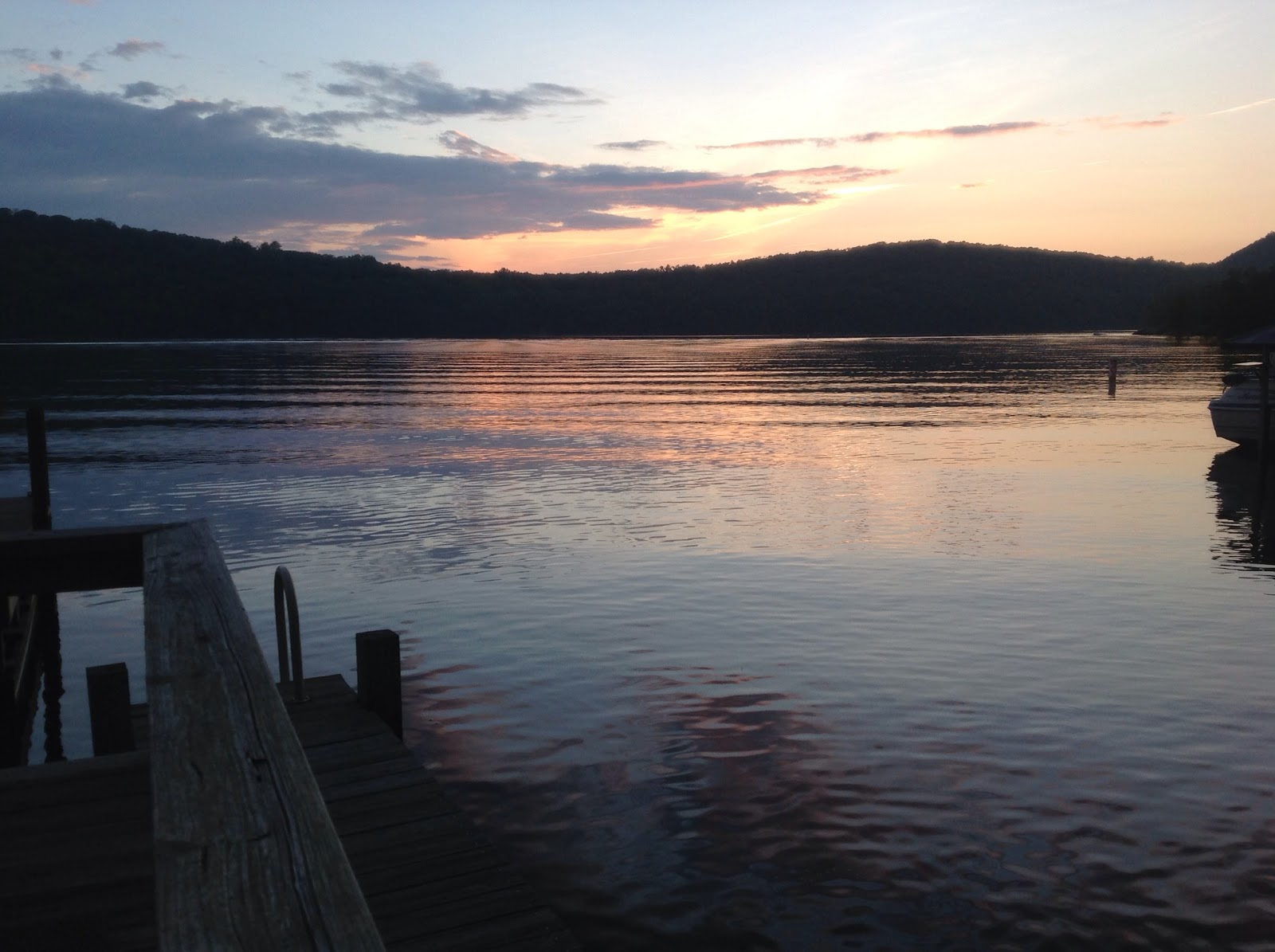
On Sunday evening, toward sunset, we get a glass of red wine, some chips and sit down and watch hundreds of boats as they head back to their moorings, sounding like a major battalion leaving a battle ground, knowing that we will not hear from them again for the rest of the week.

We wake up on Monday morning to silence.  It is wonderful.  We are now a little cottage on a quiet lake in northwestern Connecticut, at least for the next five days.

When do we need our brain stimulated?

Is it better after breakfast or before?
Is later in the evening more effective?

Should we stimulate the brain while reading our emails or during chat moments, or after our bike rides?  Before swimming or after yoga?
While taking our morning shower or after we finish the gardening?

Should we go on our dementia prevention program after taking the grandkids to the park or before?
Is it better to stimulate our brains during our volunteer work at the hospital with or without coffee?
How many months of alzheimers can I prevent if I walk five miles rather than three on a daily basis?

What stimulates the brain?
Cooking meals and mopping floors?
Coffee?
Computer work?
Puzzles?
Conversation?
Exercise?
Caring for grandchildren?
Thinking out loud?
Writing poetry?
And does it matter whether I am doing brain stimulation alone or with a friend?
This is just too difficult to figure out.
Excuse me, but gotta go.
I’m too busy to bother with it anymore.

It boils down to steely nerves.

You start by going into a room and  looking at every item in that room.  Ask yourself, “What is it?  How long has it been there?  When is the last time someone used it?”

Then put it into one of two piles:   (1) keep it; and (2)  remove it.

There.  That wasn’t so bad, was it?  Did you end up with anything in the “Remove it” pile?

If you did, then you are on your way.

After having taken that first brave step,  it gets a little complicated

Ask yourself, when looking at the “Don’t want it” pile, whether there might be someone else who would like to have it?  This part is actually fun, sort of like being “Santa Claus”, or “Robin Hood”.  Is there a special little friend, like a neighbor’s child who would really love to have that teddy bear?  Would a neighbor like your extra bed that nobody ever sleeps in?  How about those old pajamas with clouds all over them.  Would they make an entertaining gag gift for a friend?  And that bottle of rum that has been sitting in the basement for over twenty years.  Time to share it with a neighbor?  And all those sweaters that your kids left when they went to college.  They boy next door might like that green one.
Now with that list of items in your hand of things you no longer need or want, allow yourself the freedom to divide the “Remove it” pile into smaller, more detailed piles.  For example,

REMOVE IT PILE
Pile Number 1.  Things to sell.
Pile Number 2.  Things to give away.
Pile Number 3.  Things to recycle or compost.
Pile Number 4   Things to put in the garbage can.

One way to enlarge the size of the “Remove it” pile  is to again look over the things that you already decided to keep  the things that you use every day, or every holiday,  that you like and want to keep because you need them.

But wait a minute.  If you keep looking at that purple vase in the cupboard and realize that you haven’t used it in several years, and suspect that you are just clinging to it out of habit, or that if you thought about it, you really don’t need  it or use it any more because you have two purple vases, then add the vase (or maybe both purple vases) to the “Remove it” pile.

Now we have a new problem on our hands.

What to do with the “Don’t Want It or Remove it” pile?

Keep on piling.

Divide the stuff to be removed from the house into smaller, more manageable piles:

Pile Number 1, things to sell, are those items that you really wish you could keep but you don’t need them any more like furniture and electrical equipment like radios and stereos, for example, but they are too good to just give away, and besides if you sold them, you could use the profits to get what you actually need.  Have a garage sale or work with a consignment shop to get them sold.

Pile Number 2, things to give away, includes all the things you didn’t sell at the garage sale, or that the consignment shop wouldn’t take,  but just couldn’t brave up and throw away, but you don’t really need and really don’t want.  It includes old records, books, games, toys, clothing, and other items that you tried to sell at your garage sale but no one bought or took away.  Find a friend who wants it and give it to them, of put it in a box on the street with a sign that says “Free” and count the minutes before it disappears.

Pile Number 3, the recycling and composting pile is probably the easiest to identify.  It includes broken boxes that would be difficult to reuse, newspapers and magazines, empty wine bottles, extra glass jars, outdated paper calendars, rotting food, and the like.

Pile Number 4 goes to the dump as garbage.  It includes all those things that you don’t need, can’t use, couldn’t sell, and that cannot be recycled or composted.  Hopefully, it is a small pile.

There now, that didn’t hurt a bit, did it?  In fact, it was actually fun.  Try doing a room per day and see what happens.

But watch out, it gets infectious. Soon you will find the neighbors joining in and adding things to your piles of things to be removed from the house, while they also take some items for themselves from your “give away” piles. Just make sure that you give more than you get.

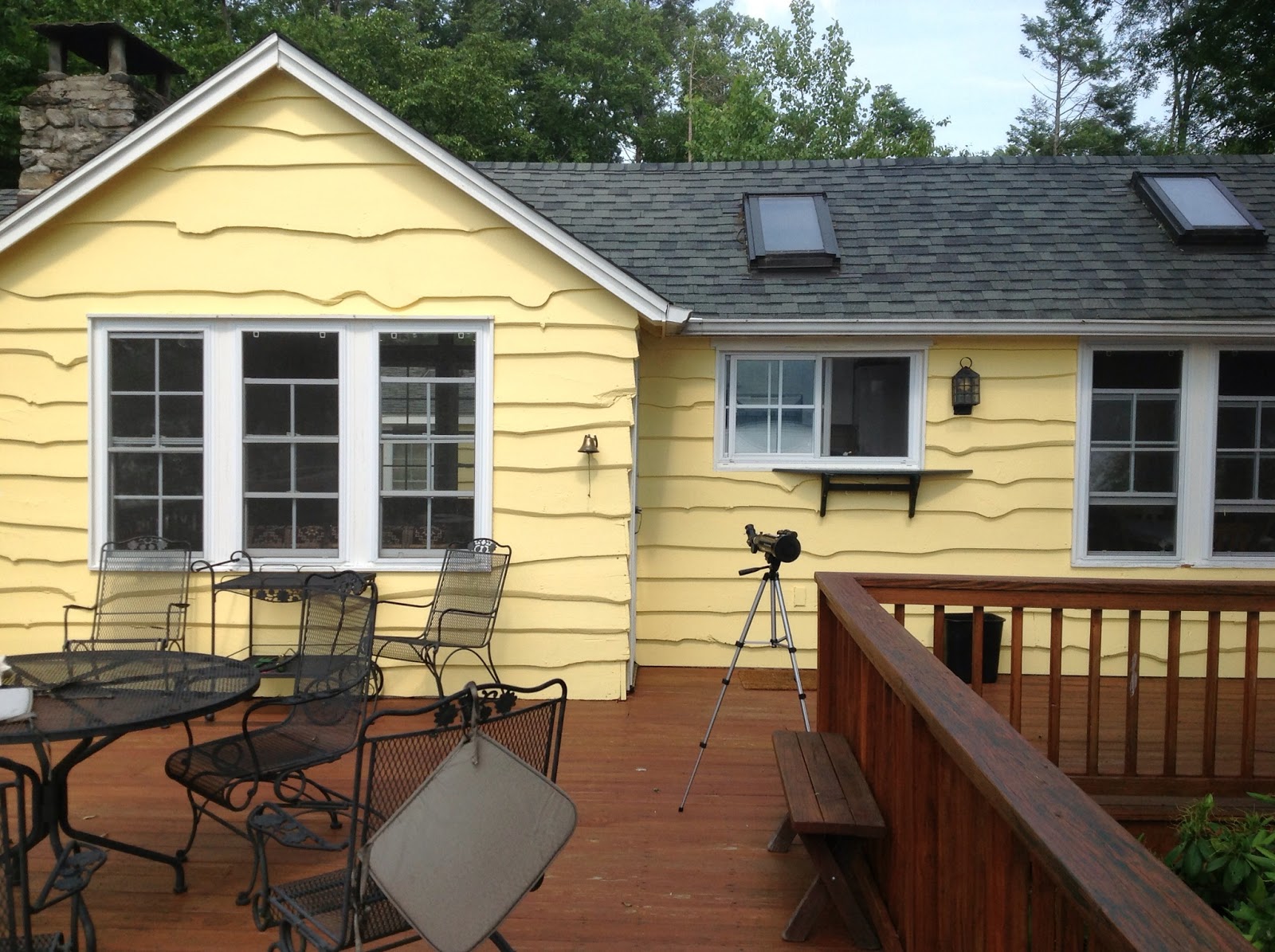
Facing our retirement head on and looking toward a simpler future, we sold our New York home of 30 years and downsized to a much smaller residence. We now live on a lake in Connecticut in a 500 square foot cottage that has a 200 square foot guest cottage behind it, surrounded by forests.  In our cottage we have what we need.

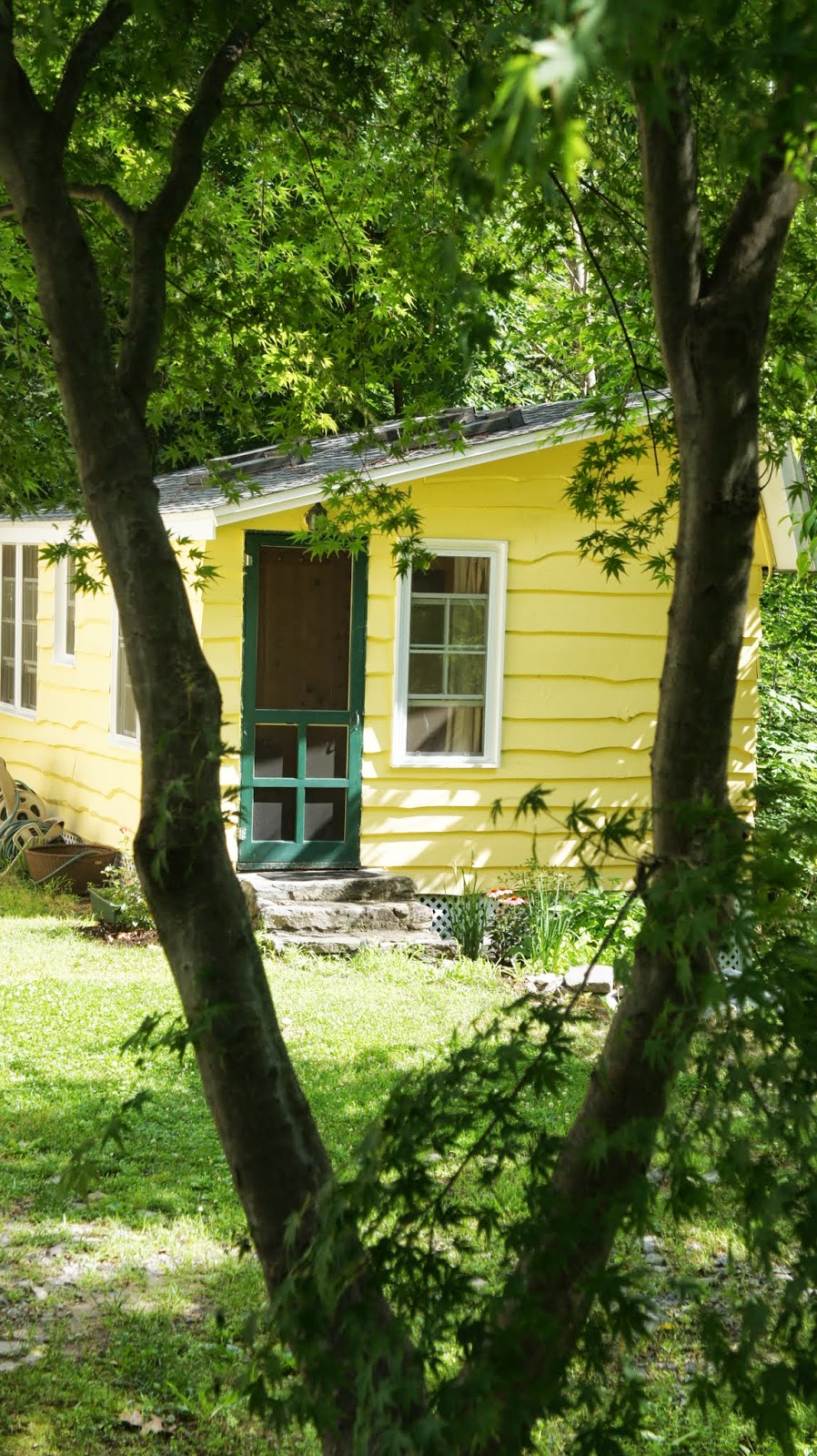
Guest Cottage

While making this decision I followed a blog called Home Free Adventures telling the story of a couple who sold their California home of many years, put their furniture into storage and became world travelers, choosing to have no permanent residence. Instead, they live months at a time in various places throughout Europe and other selected regions of the world, carrying their clothes on their back and keeping money in their pockets while writing about their experience.

They are minimalists of a different sort than we, but still minimalists.

What we have in common, is that their choice of minimalist life style places little value on owning things and more value on experiencing things.

What attracted me to follow their blog is the exciting possibility of  traveling to new places, and visiting interesting sites, making new friends, having adventures and continuing to keep ones’ passport alive and usefully active. 

I do love to travel.  Our professions took us overseas for almost three decades and we constantly traveled. In addition to traveling all over the world for work, were were also stationed and lived for almost a decade in South and Western Asia. Two of our three children were born in Asia.

You might say that we are “traveled out”.

Even when we returned to the United States and moved to New York,  I practically lived out of a suitcase.  In my 30’s, 40’s and 50’s, our clientele were all over the world and as part of my job, I traveled to meet with them in very interesting locations, urban and rural.  Also as part of my job I visited the Great Wall of China, the home of Gandhi in Mumbai, the castles of Europe, the pyramids of Egypt, the beautiful caves of Petra and the mountains of Afghanistan, the slums of many countries and the war zones of others.  I cherish all that I learned in this process.  It was a great job.

Between the two of us, my husband and I were absent from the home almost 6 months per year. Our children stayed home while the two of us took turns rotating in and out, one of us traveling and the other staying with the children. Our entire family culture centered around world maps and story telling about our various adventures.

Our travel hours were longer than some people’s work weeks.  We really did not want to be traveling quite that much, again, as part of our retirement.

One thing we knew for certain, in our retirement, we wanted a light footprint.  We did not want to worry about frozen pipes, broken furnaces, mowed lawns and snow-covered driveways. We also did not want to keep clutter, thousands of old books, shoes just in case we might need to wear them in some future year, outgrown suits, old sweaters and the like.  We also have a bit of hippy blood in us and because of this, our son-in-law says we belong in Portland, Oregon,that it would fit out life style well. We like to ride bikes, hike, keep small herbal gardens, cook our own food and constantly work to minimize our use of water, electricity and oil.

As you know, there are many different kinds of minimalists.   Part of the fun of retiring for us is redefining what a minimalist is.  Being a minimalist with a family is different from that of an older couple.  We need much less, now.

Some of our neighbors are minimalists of a different type, keeping a grand home with very little in it. For example, nearby is a retired physician and well-known artist/photographer, who keeps a minimalist home up here in Litchfield County, Connecticut that makes our little cabin, by comparison, look cluttered.  Thus, the idea of minimalism needs to be made operational to our needs.

After considerable debate, and partly through serendipity and because we want to be near our three children and their families, here is what we have chosen to do to keep our traveling skills in order and yet to stay put and be with our families:  we reside in three major locations that maximizes the time we will spend with our adult children and our grandchildren:  the Caribbean; the East Coast and the West Coast of the United States.  Operationally, we divide our time between our beach home in the Bahamas, our little cottage in Connecticut and our recently acquired condo in Oregon.

We will see what we will see.  Our adventure officially began in early 2013.

What are the problems associated with this new lifestyle?  Probably one of the biggest problems we have is remembering where the spatula is.  I am grateful that at least we have limited it to one of three possible locations:  the spatula is most likely on top of the counter in a jar in the Bahamas; in the drawer to the left of the stove in Connecticut; or it is hanging on a magnet in Oregon.

One happy result of all this downsizing is that we see a whole lot more of our children and grandchildren, and in a more casual and every-day way.  What a pleasure to have one of our children stop in for a cup of coffee without a six hour plane ride.   In addition, we only own 1/18th of a furnace as part of our condo, for which we are very grateful. We are  making new friends and discovering new places to visit, within a reasonably circumscribed area.  We no longer worry about frozen pipes or broken pilot lights on the furnace, nor do we care if it is snowing.

When we travel we do not take much with us because we keep what we need at each of the three selected locations.

We divided up our New York clothing, shoes, important cookbooks and other goods to put in one of three places and gave away the rest of our furniture and odds and ends to Goodwill, a nearby consignment shop or local recycling station.

It feels so good every time we remove something from our place and give something away.

Our goal is to have one of what we need, placed strategically where it ought to be.

Let’s see how it goes.

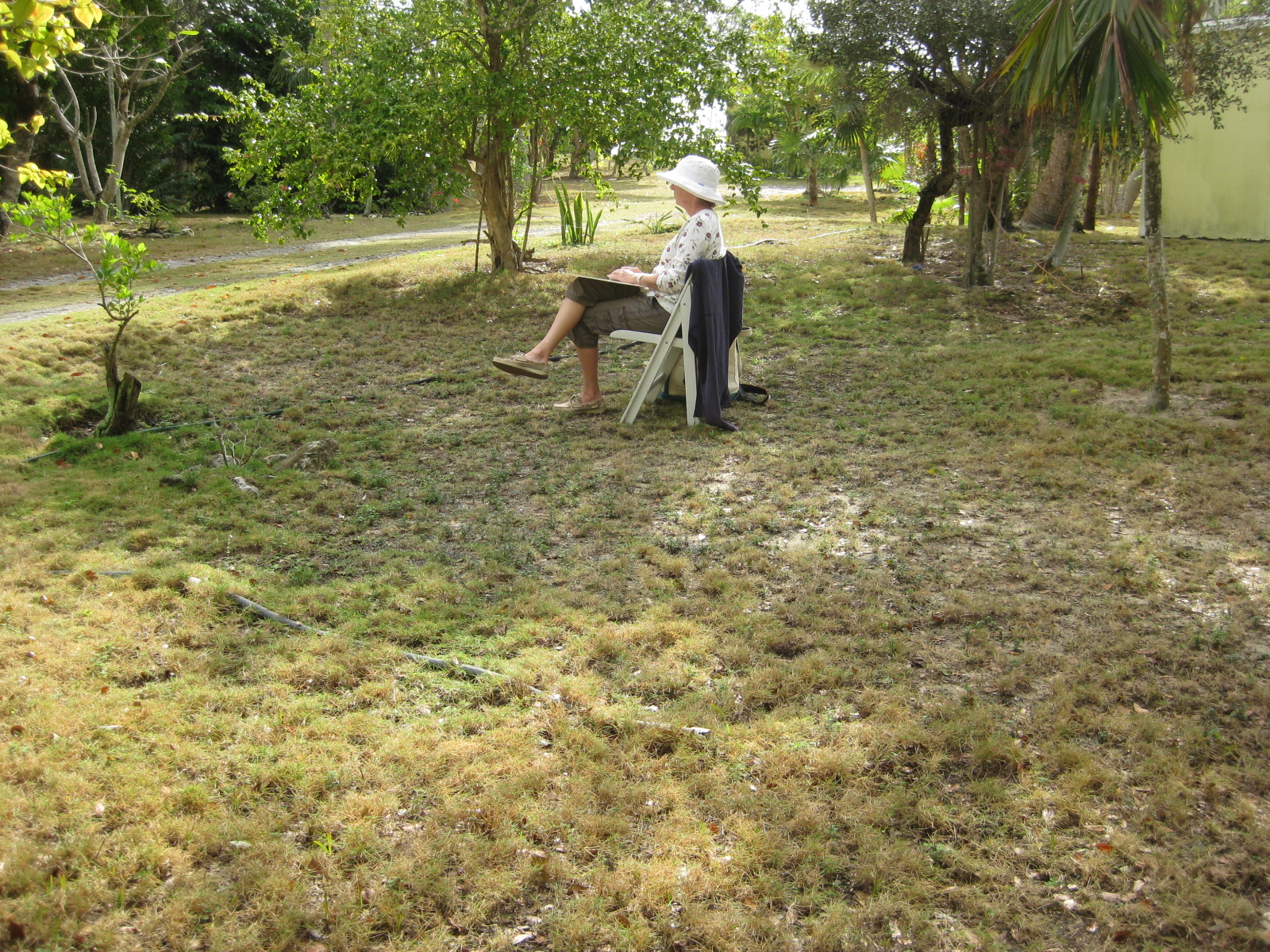
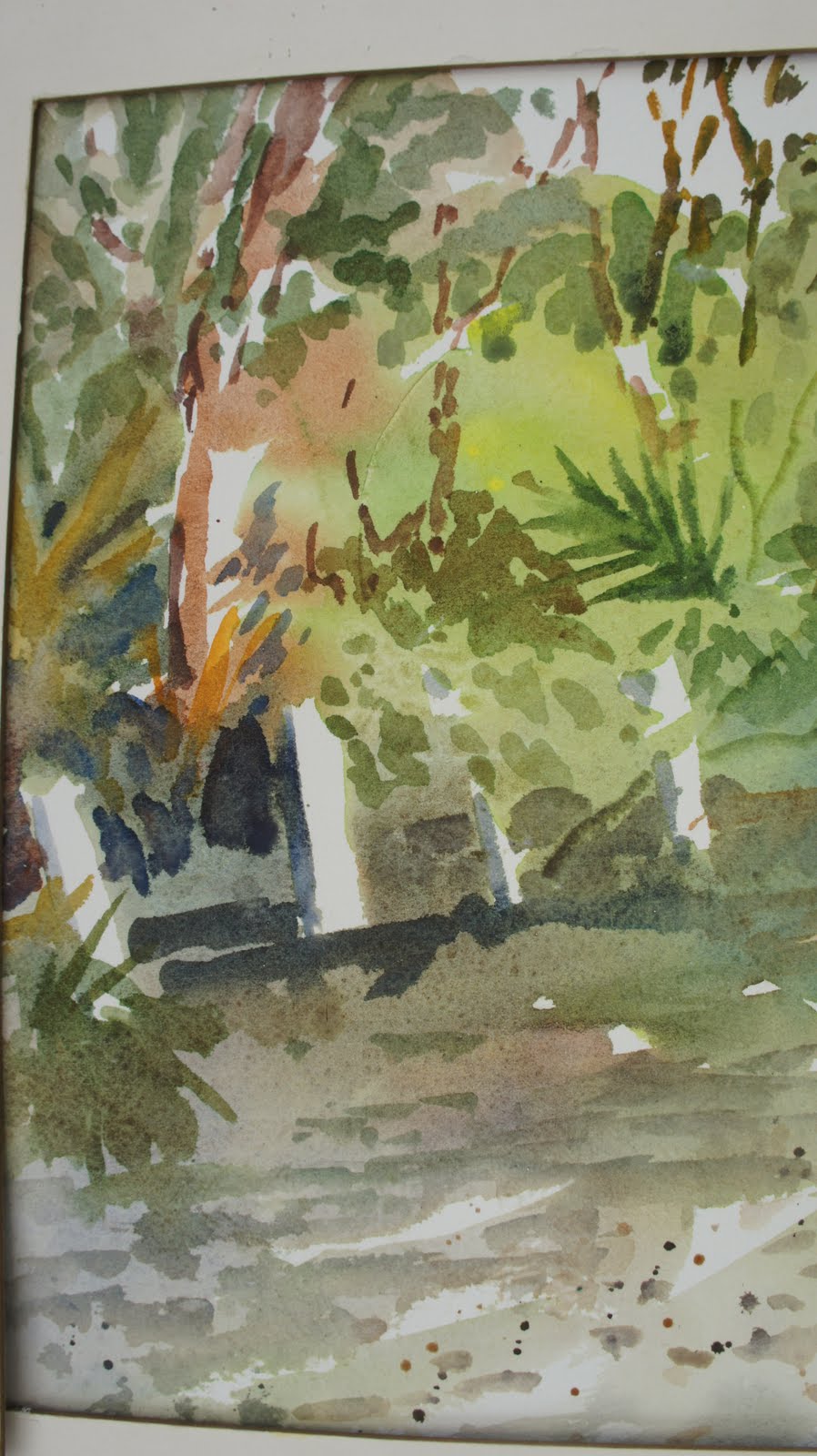
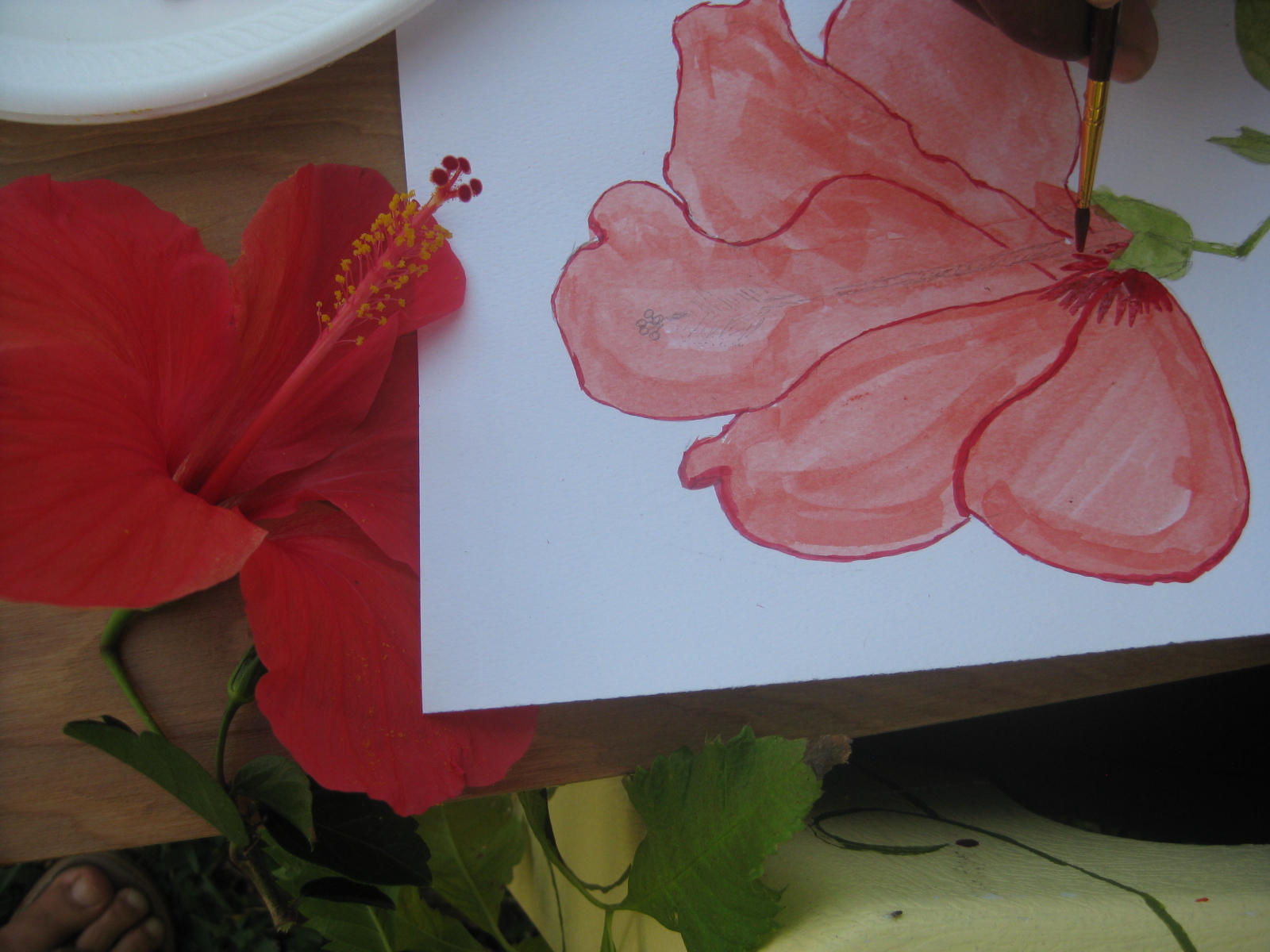
The High Banks Art Group has been meeting weekly for almost two years now.

It started so simply. Several of us wanted to learn to paint.  We had a neighbor friend who was an experienced artist and we asked whether we might sit next to her and paint. She was in the habit of sitting outdoors and painting natural scenes. We learned from her that part of the fun was choosing the site for painting.

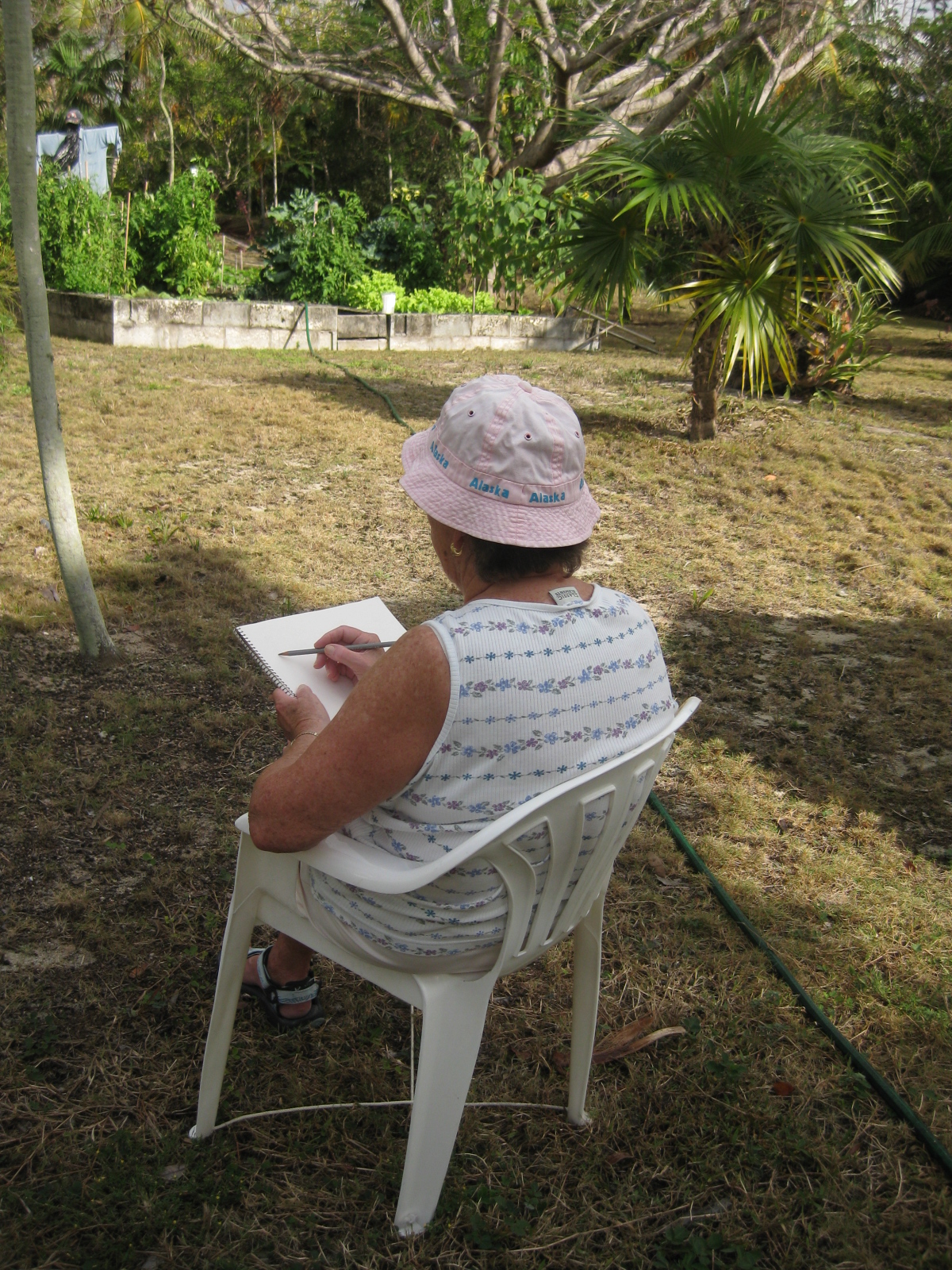
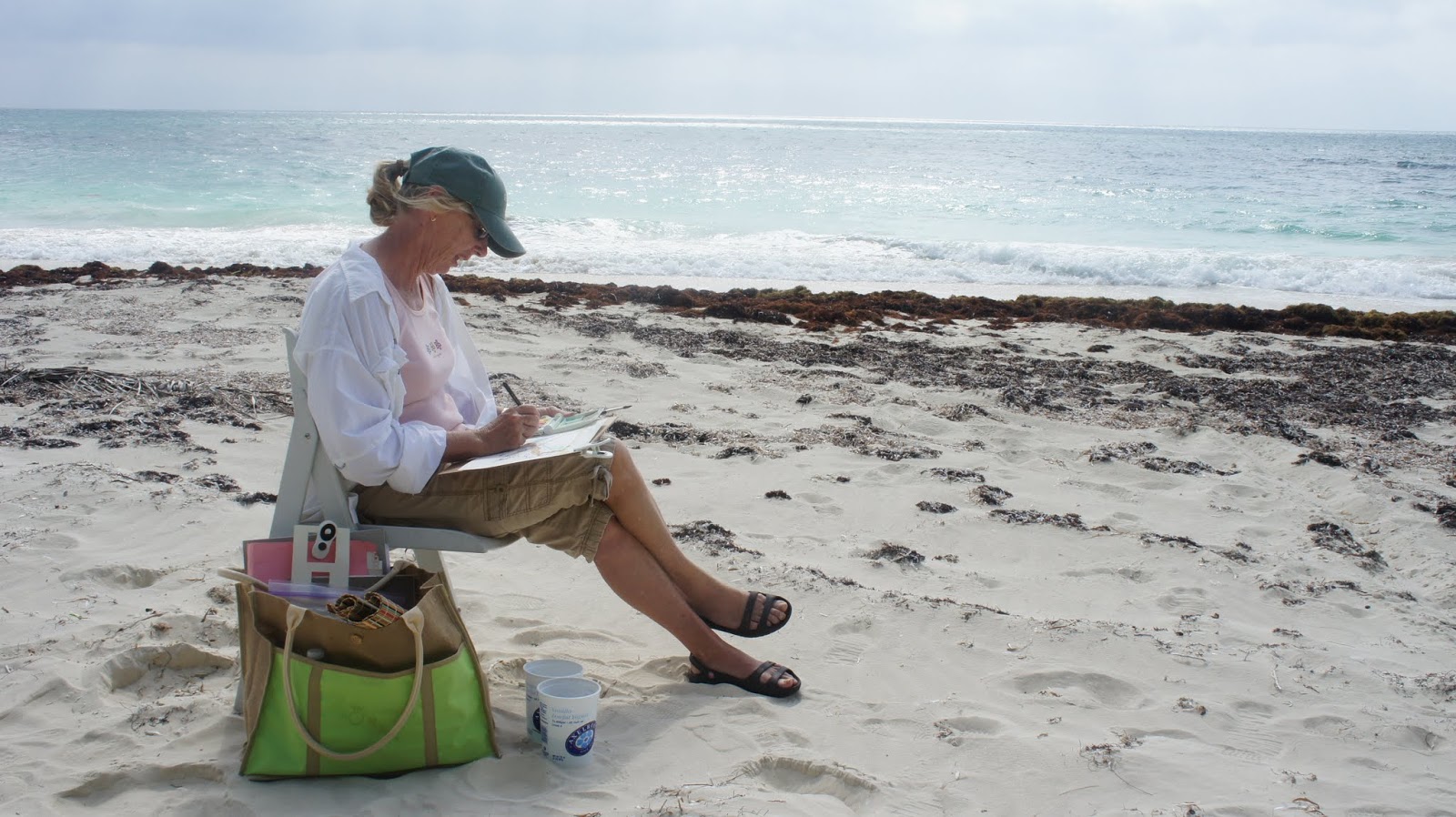
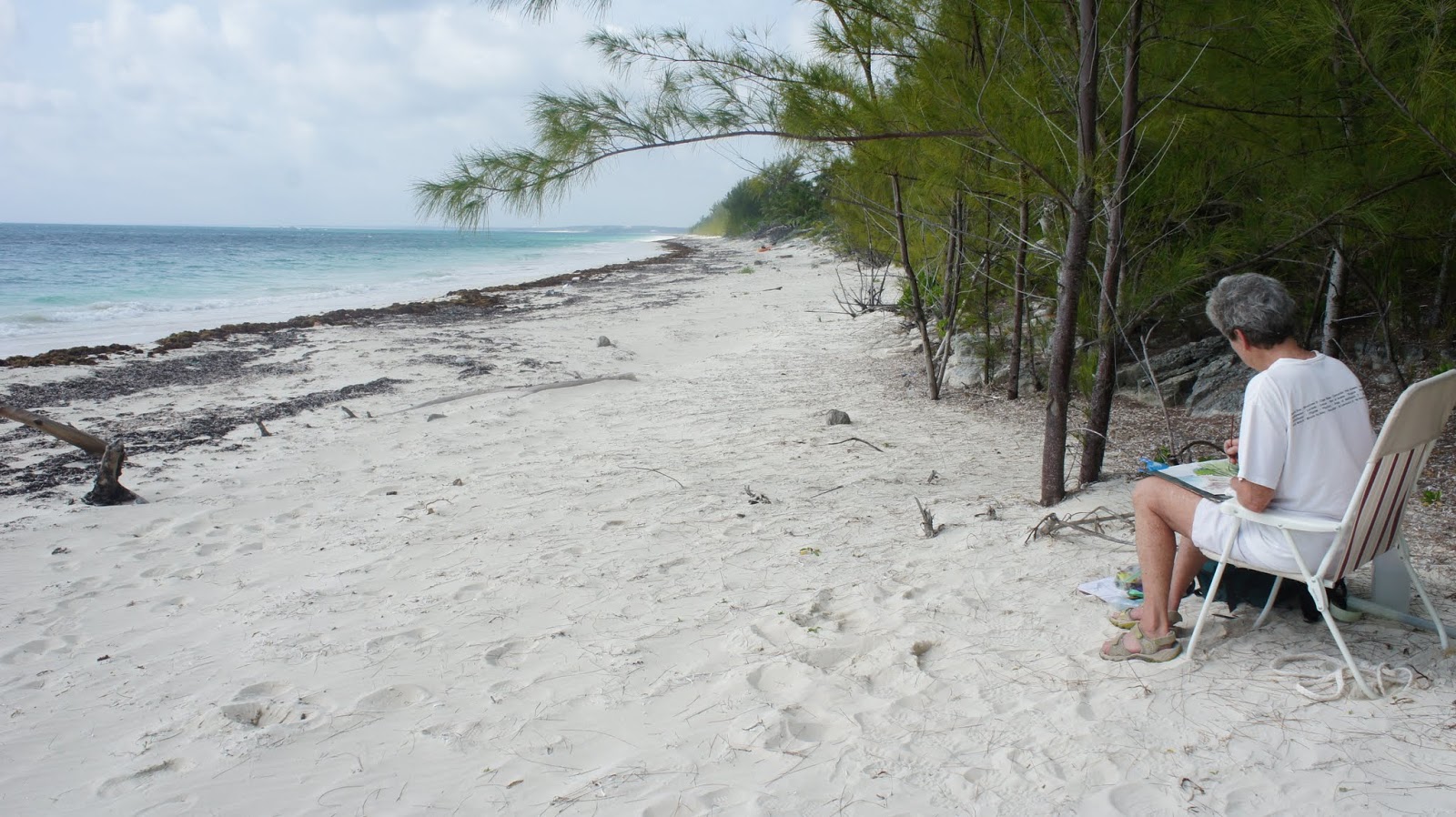
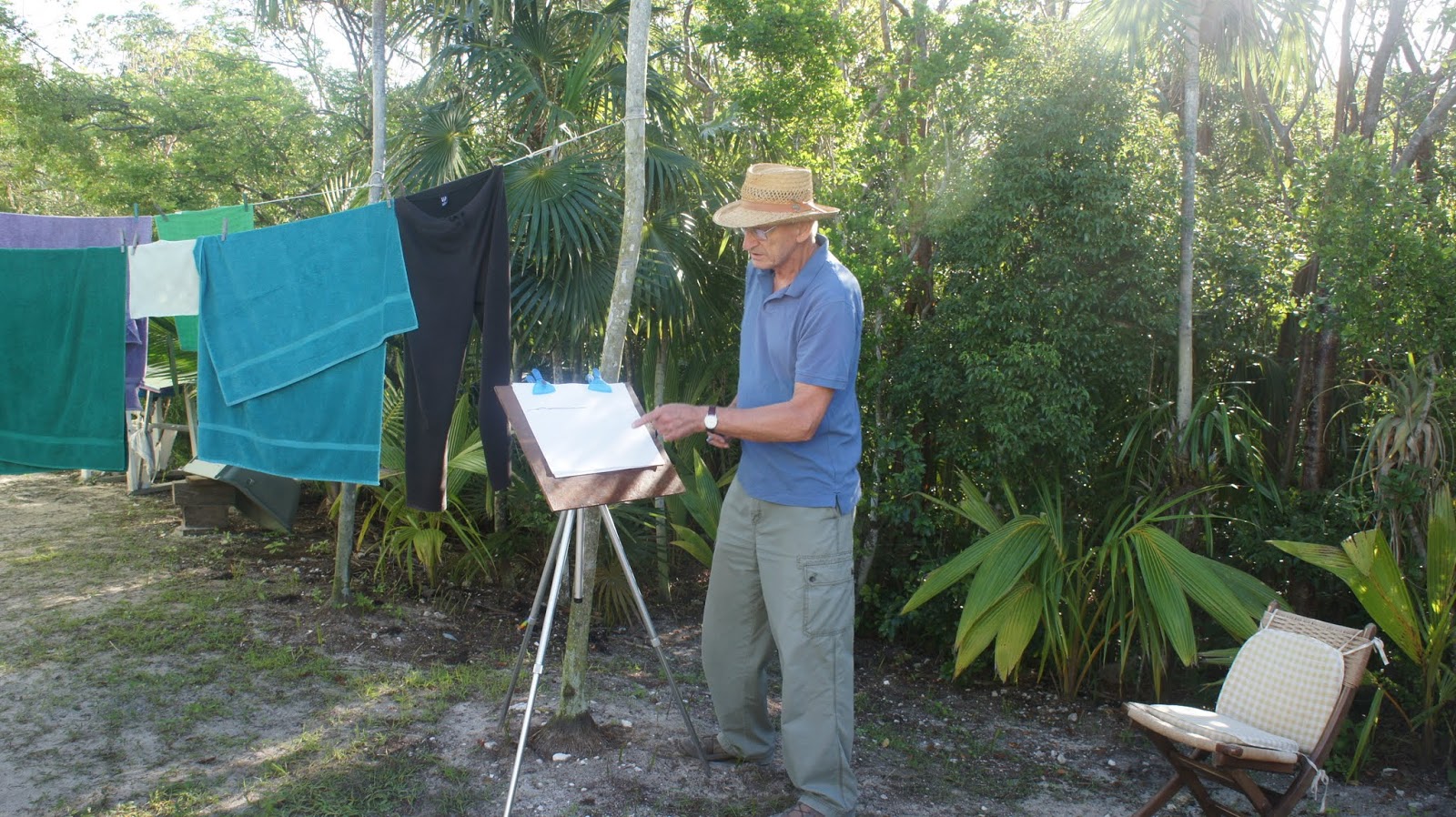
We meet outdoors on Wednesday morning at a certain site, bring our own chairs, paper, art supplies, bug spray, sunscreen, and choose a quiet place to paint.

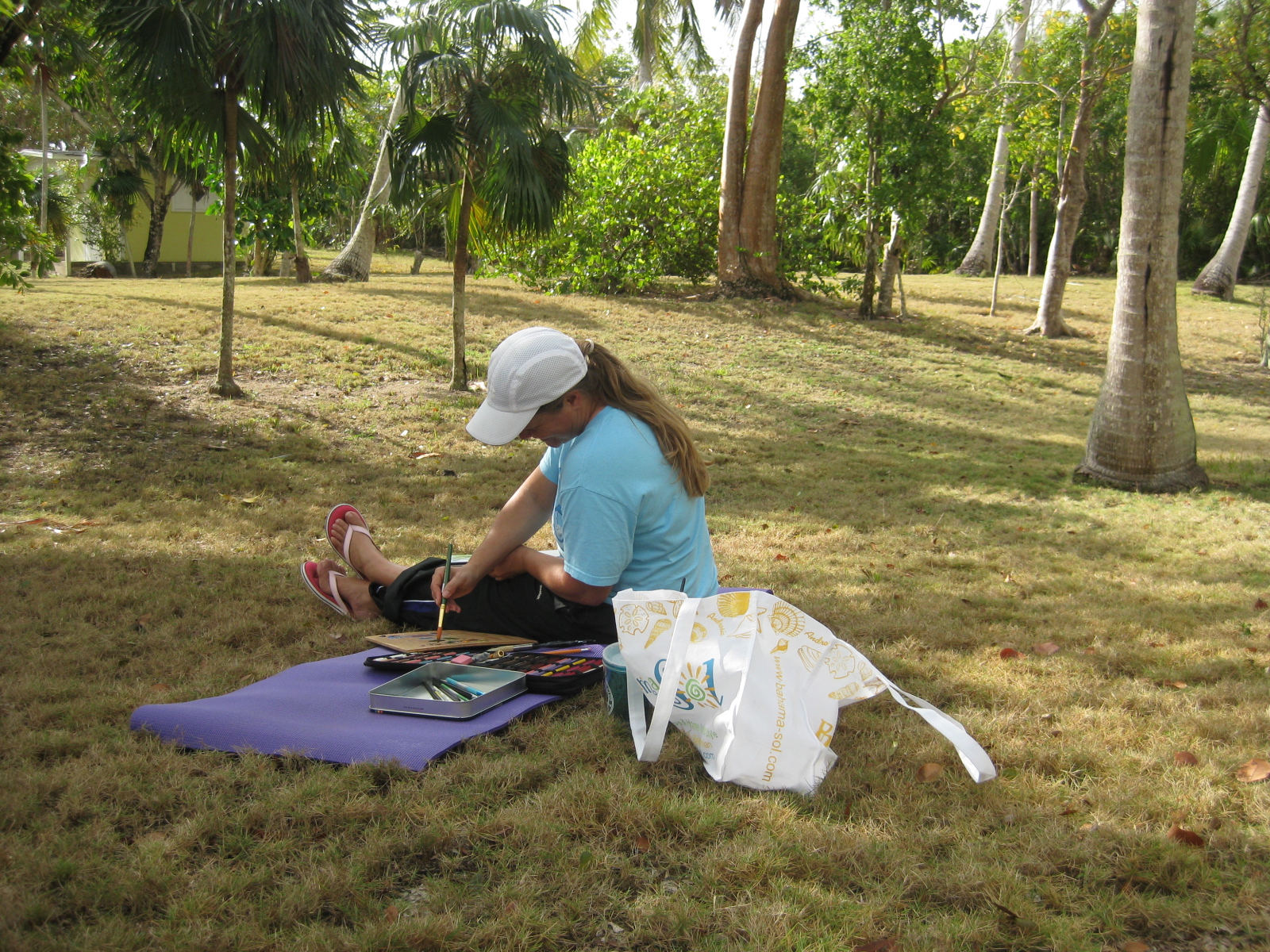
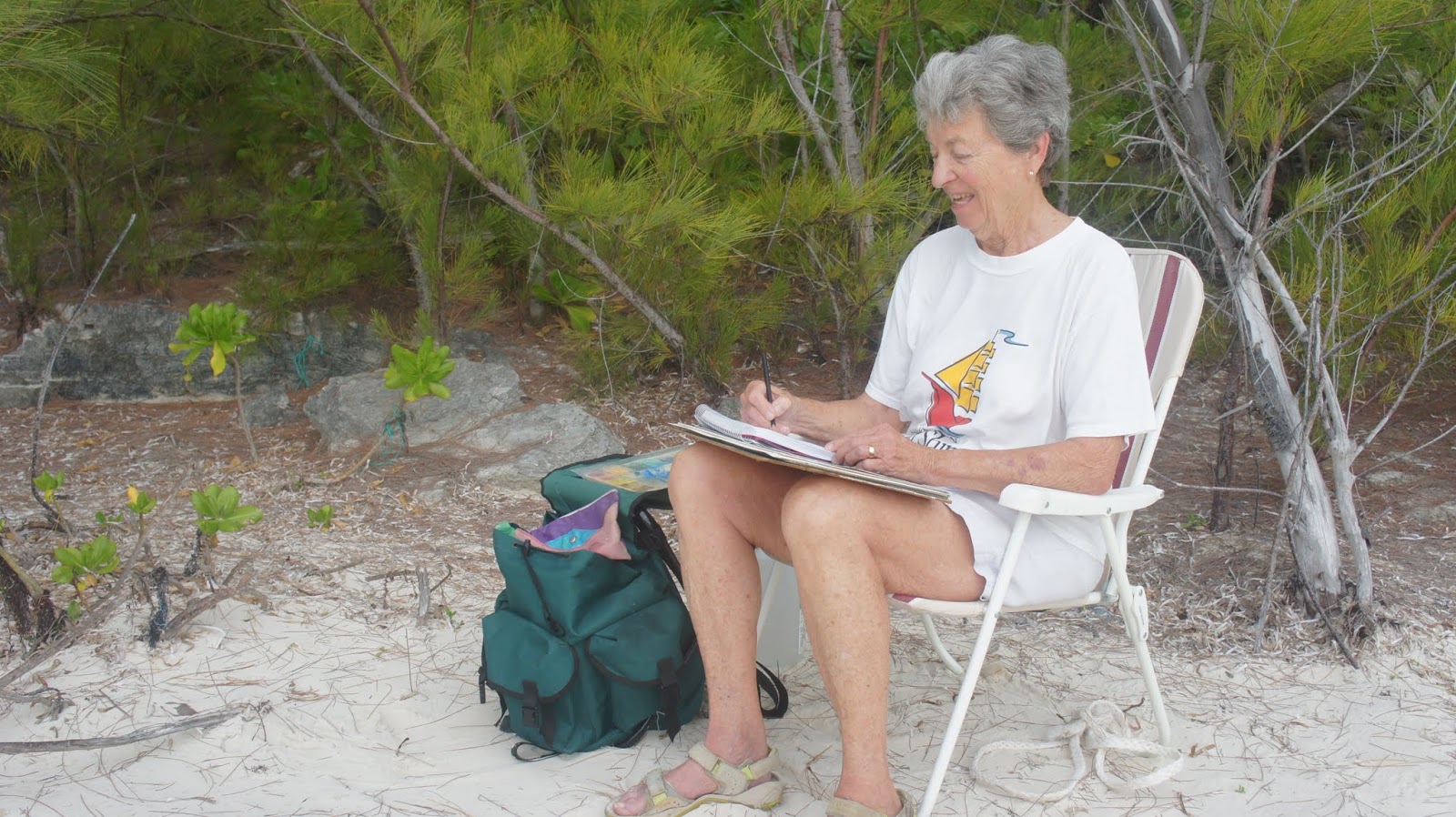
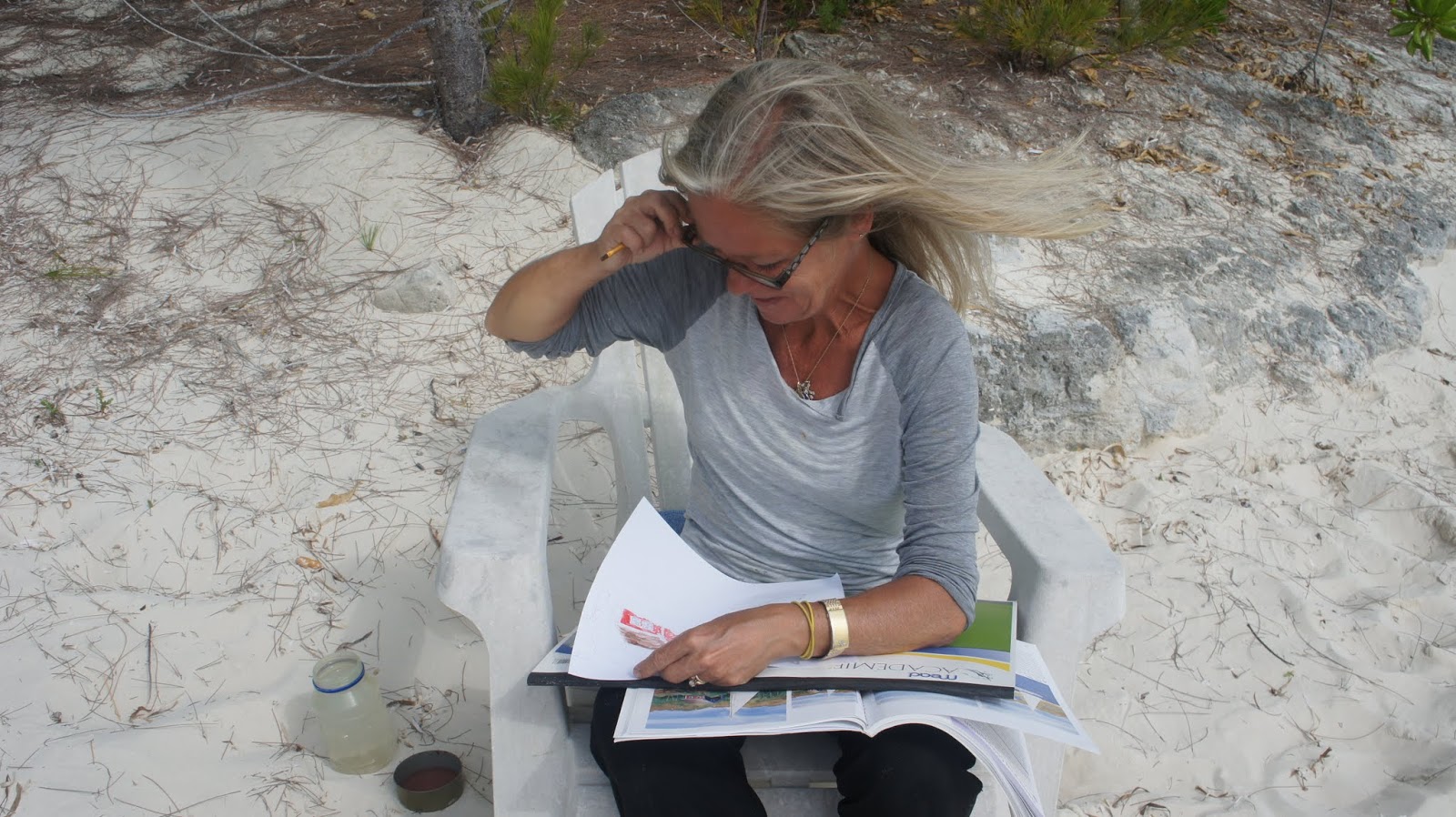
Melanie Rees at work

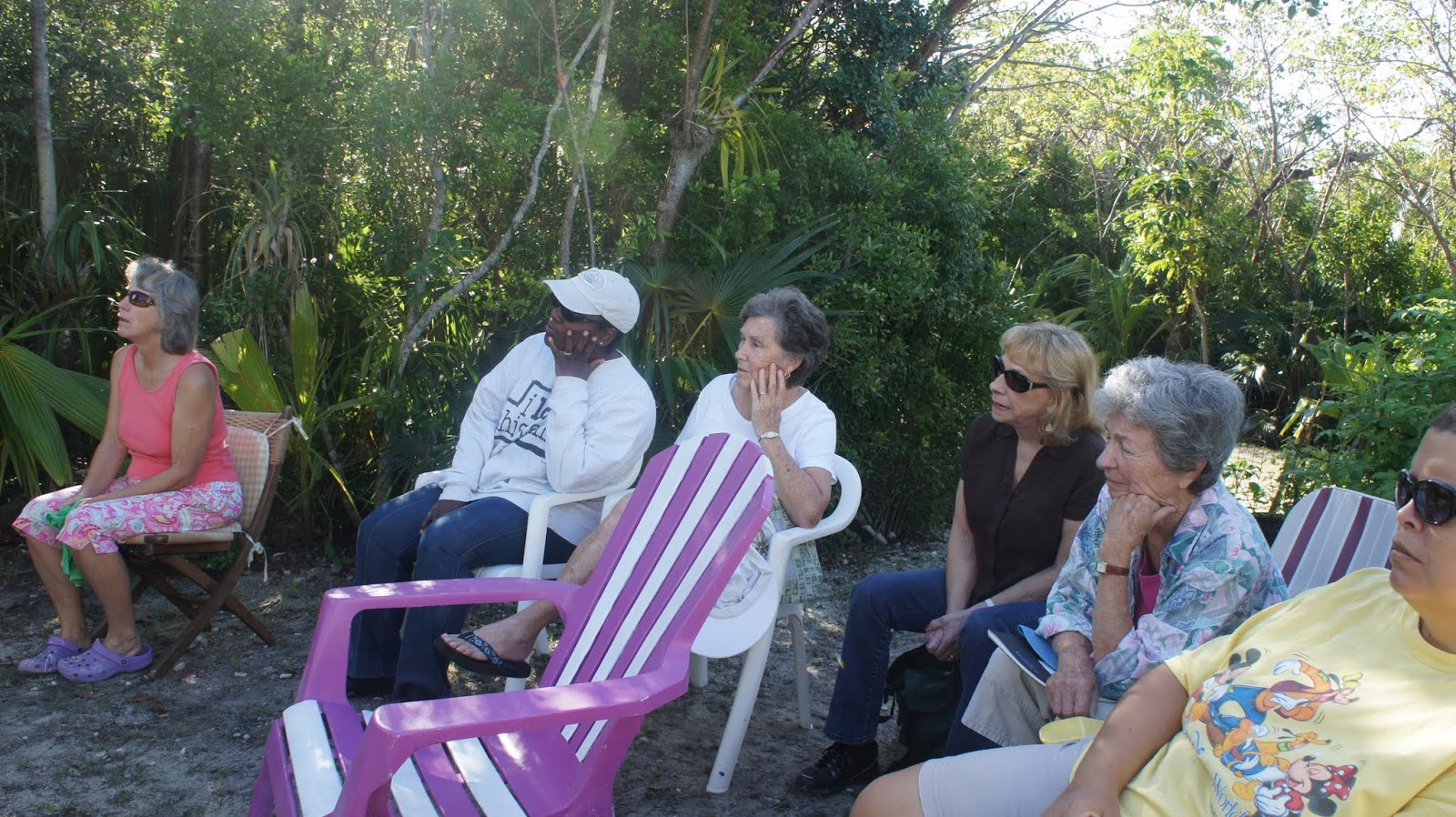
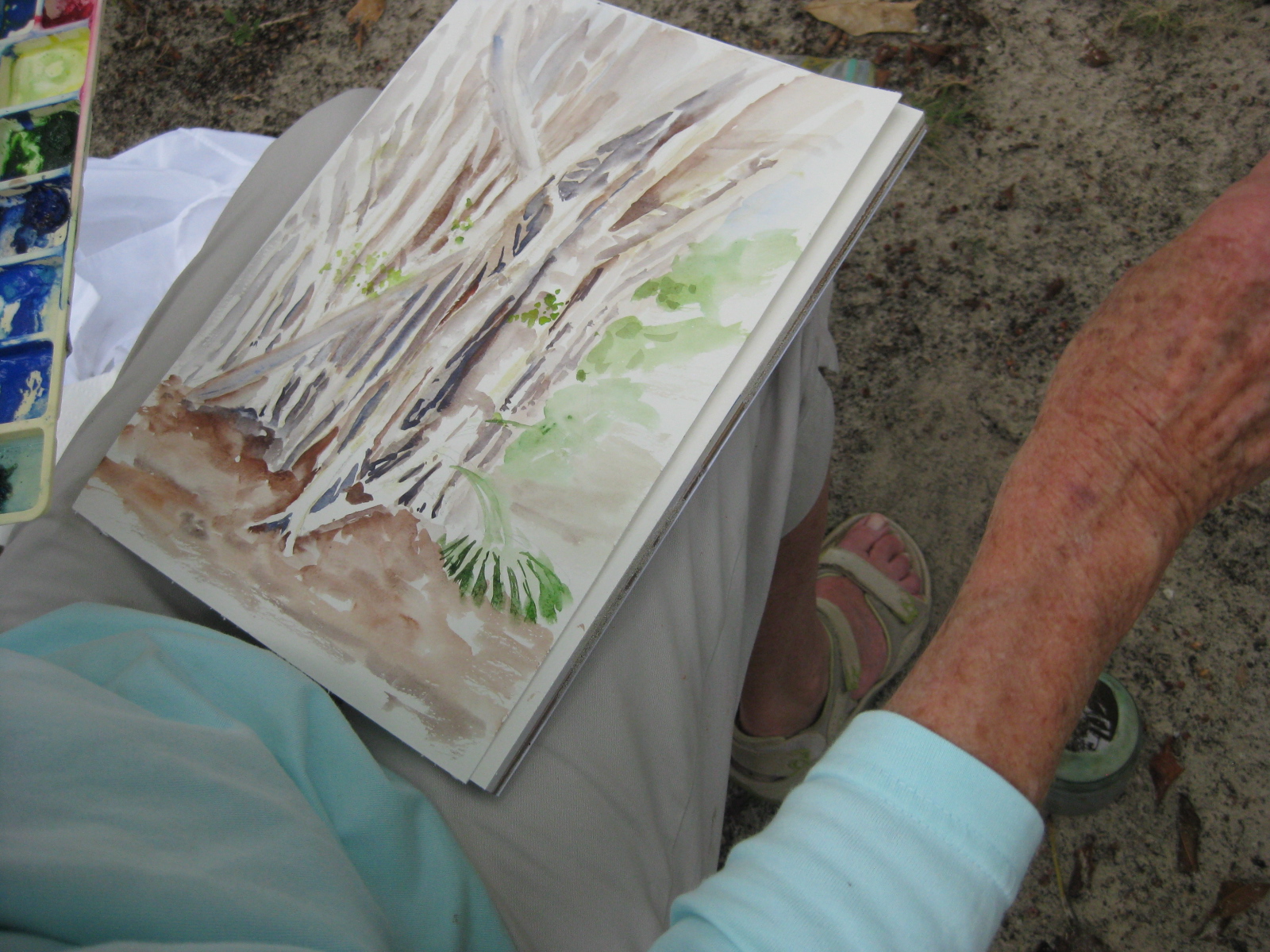
At first we were a bit shy, but in time, we learned to relax, chat for a bit, think about what we want to sketch or paint, walk around to place the chair in a good position and quietly set to work painting for several hours.  The peace and quiet in the setting are wonderful. We settle in to a comfortable group silence that lasts up until around noon.

Tara Lavallee at work
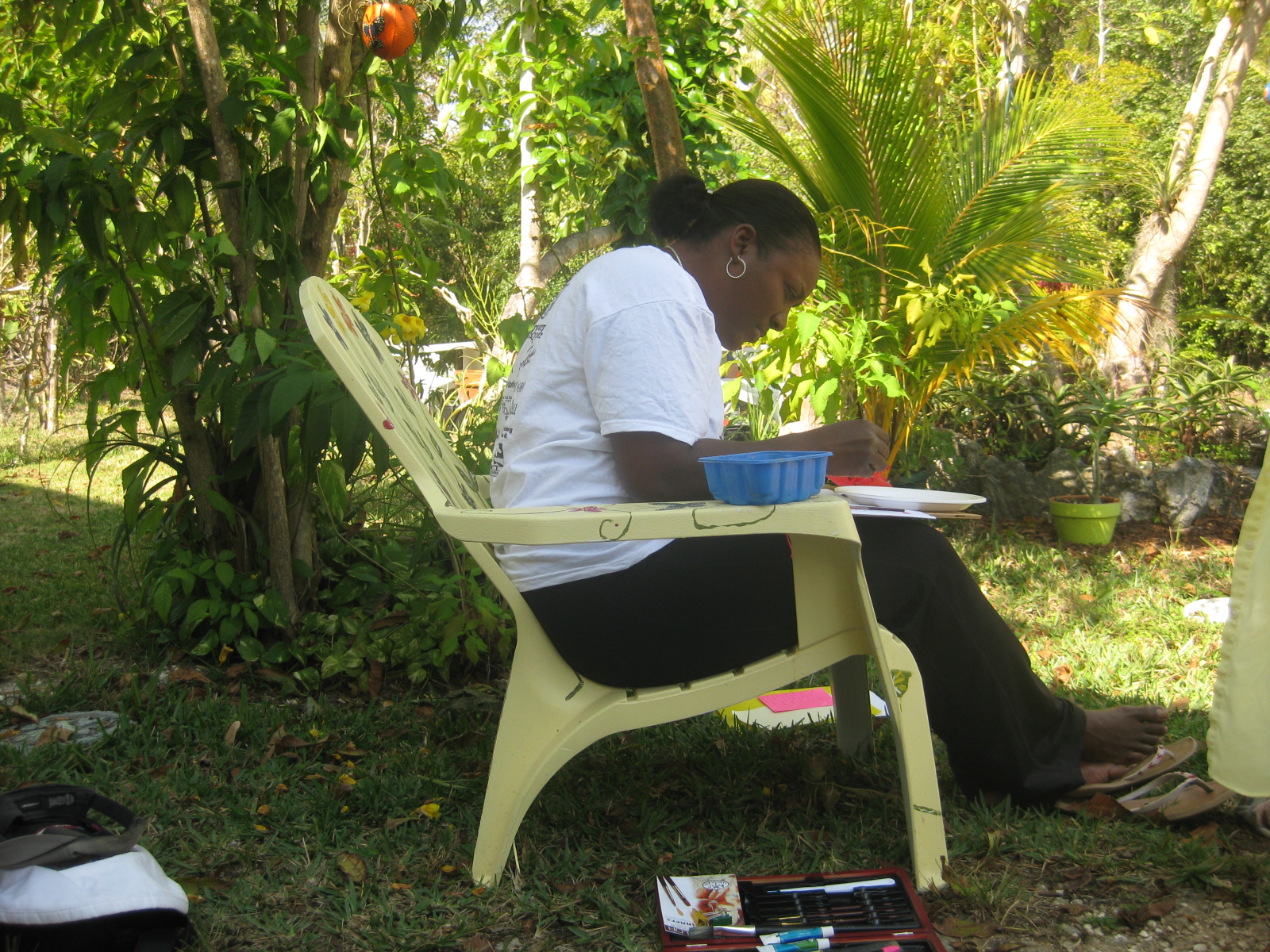
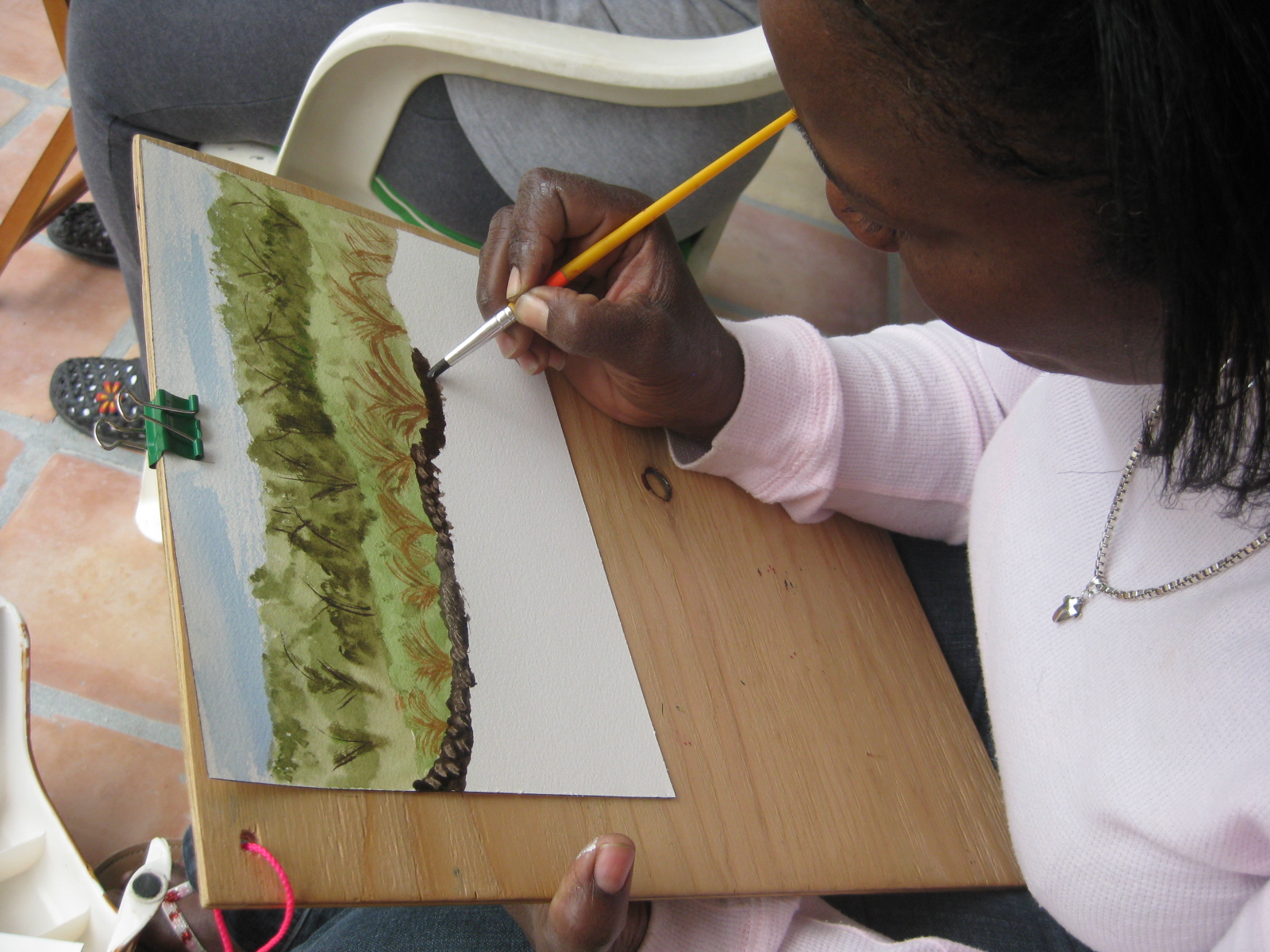
Lavonda Smith at work
Jake Jacobson and Marcia Fearing’s garden
Ann Capling, experienced artist
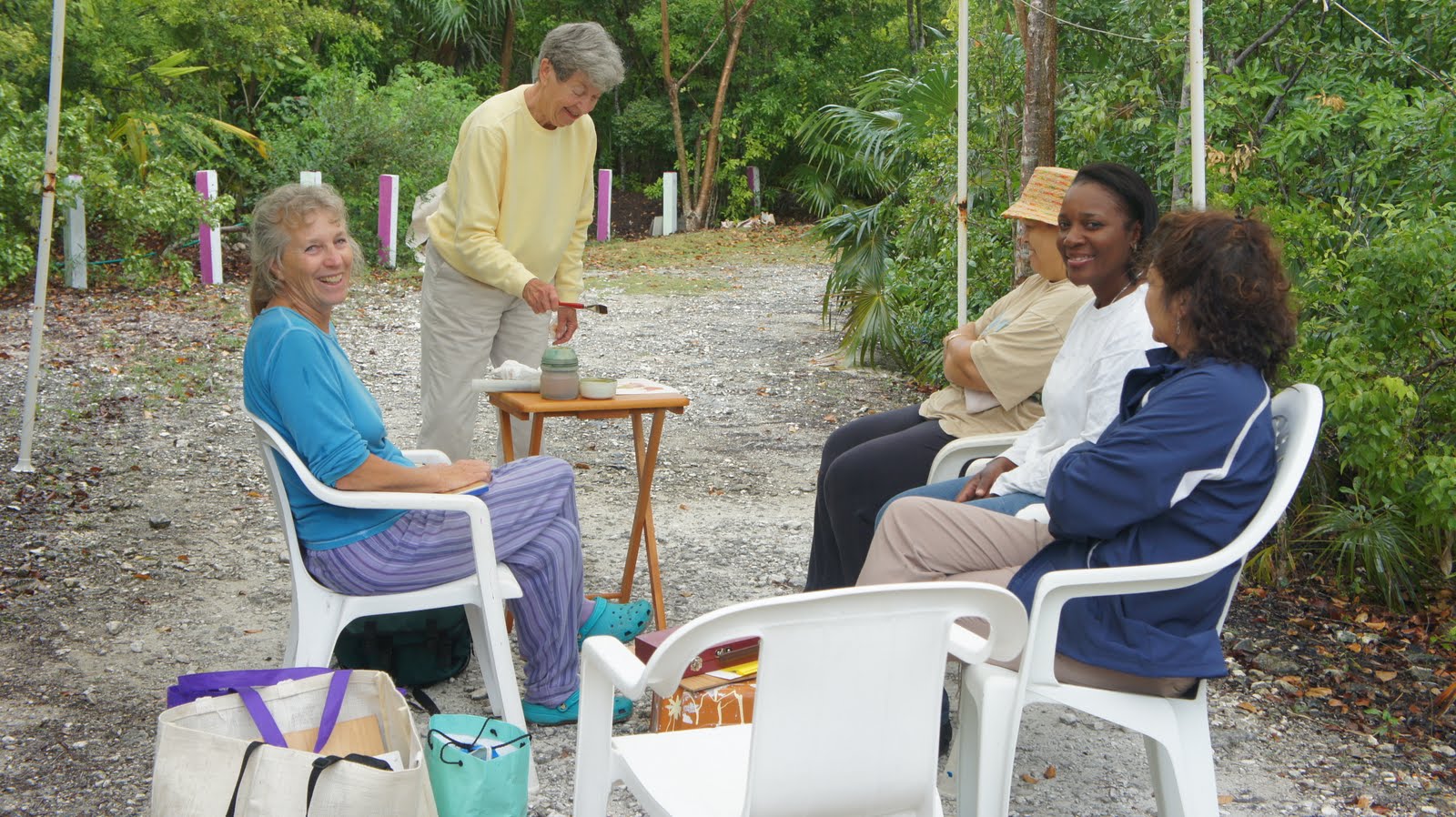
Under Marcia’s and Jake’s tent in the rain are Marcia Fearing, Ann Capling, Liz Key, Lavonda Smith and Mani Goulding
Brush techniques
Mani Goulding at work
Liz Key
Ann Capling
Eleanor Bruce
Marcia Fearing
Mani Goulding
Liz Key
Lavonda Smith
Eleanor Bruce
Lavonda Smith
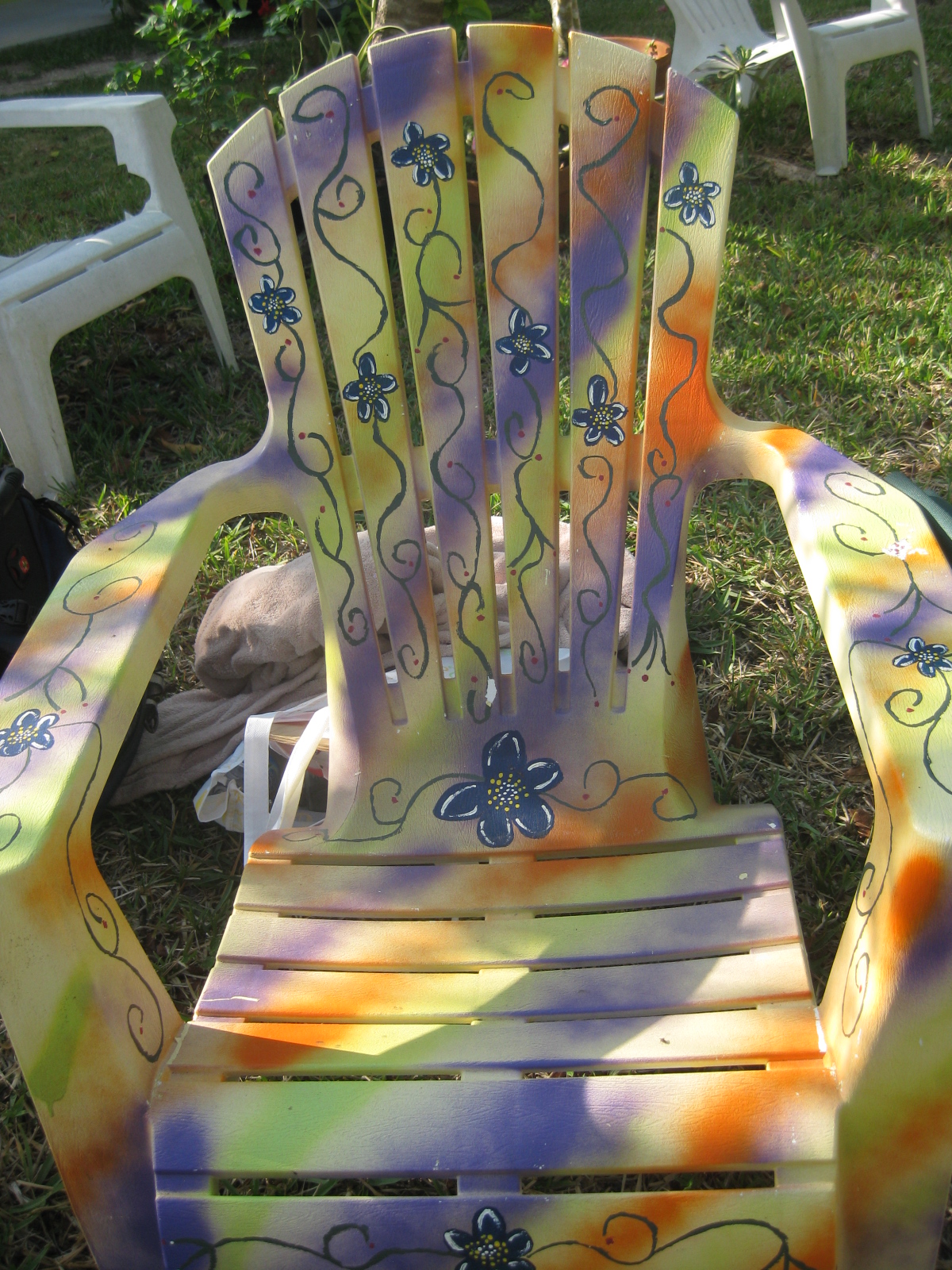
Painted Chair
 
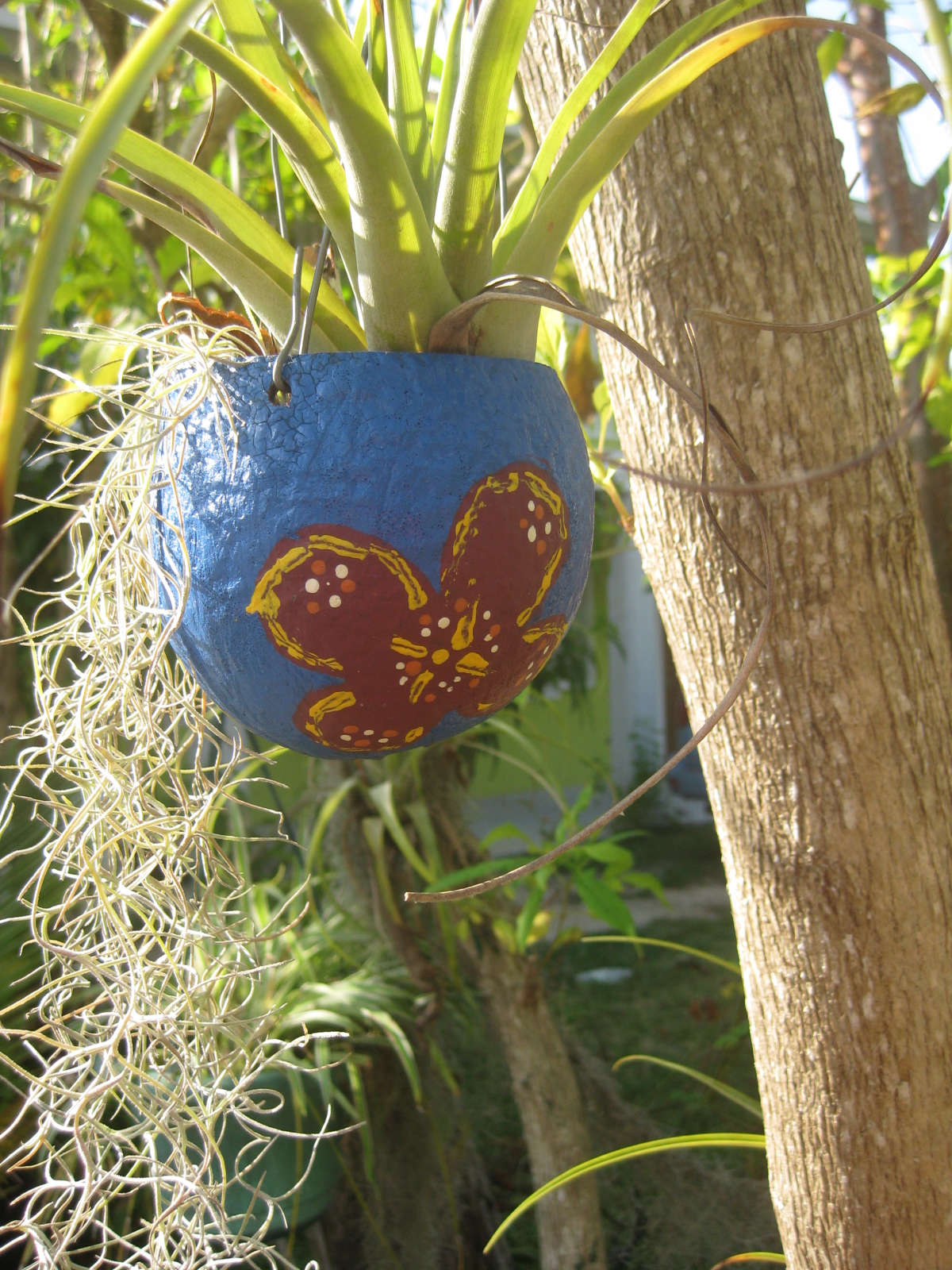
Lavonda’s hand made coconut plant holder
Lavonda and Bruce Smith’s Home
And garden
Melanie’s Home

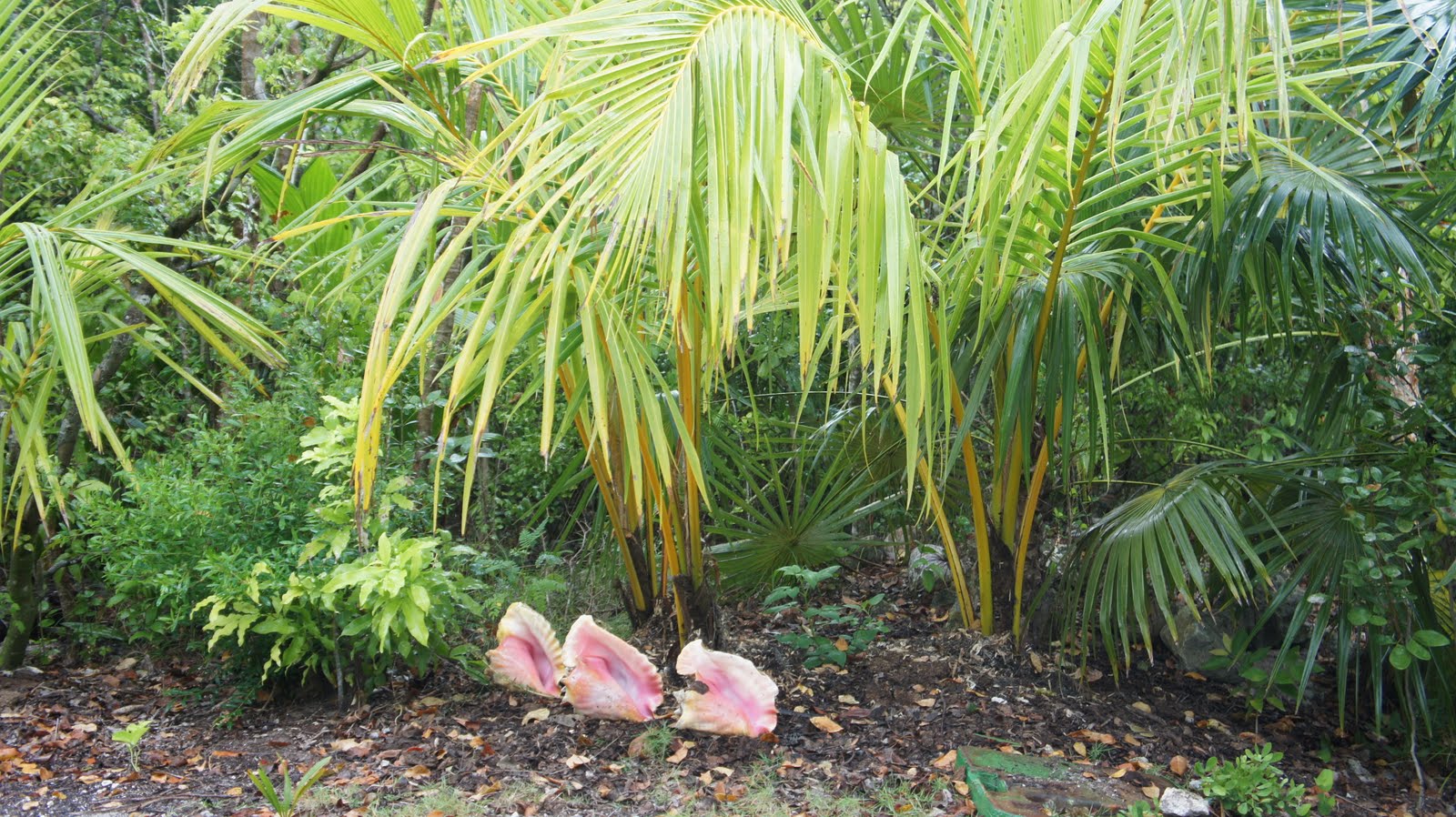
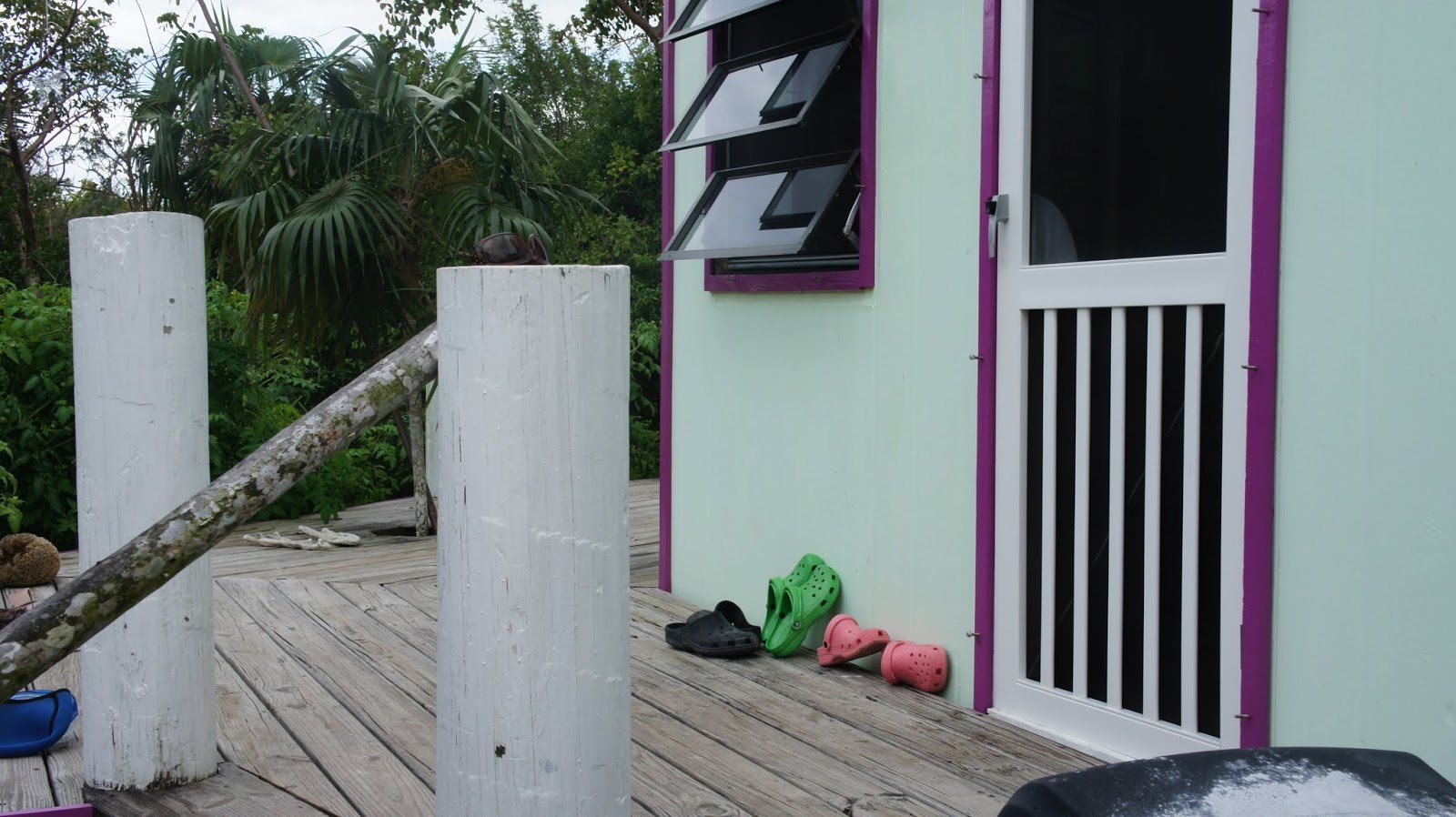
Our High Banks neighbors have interesting points of architecture, unique gardens, great trees, striking fences, friendly dogs, amusing automobiles.  They kindly agreed to allow us in their yards and on their porches with chairs, paints, and trampling feet. 

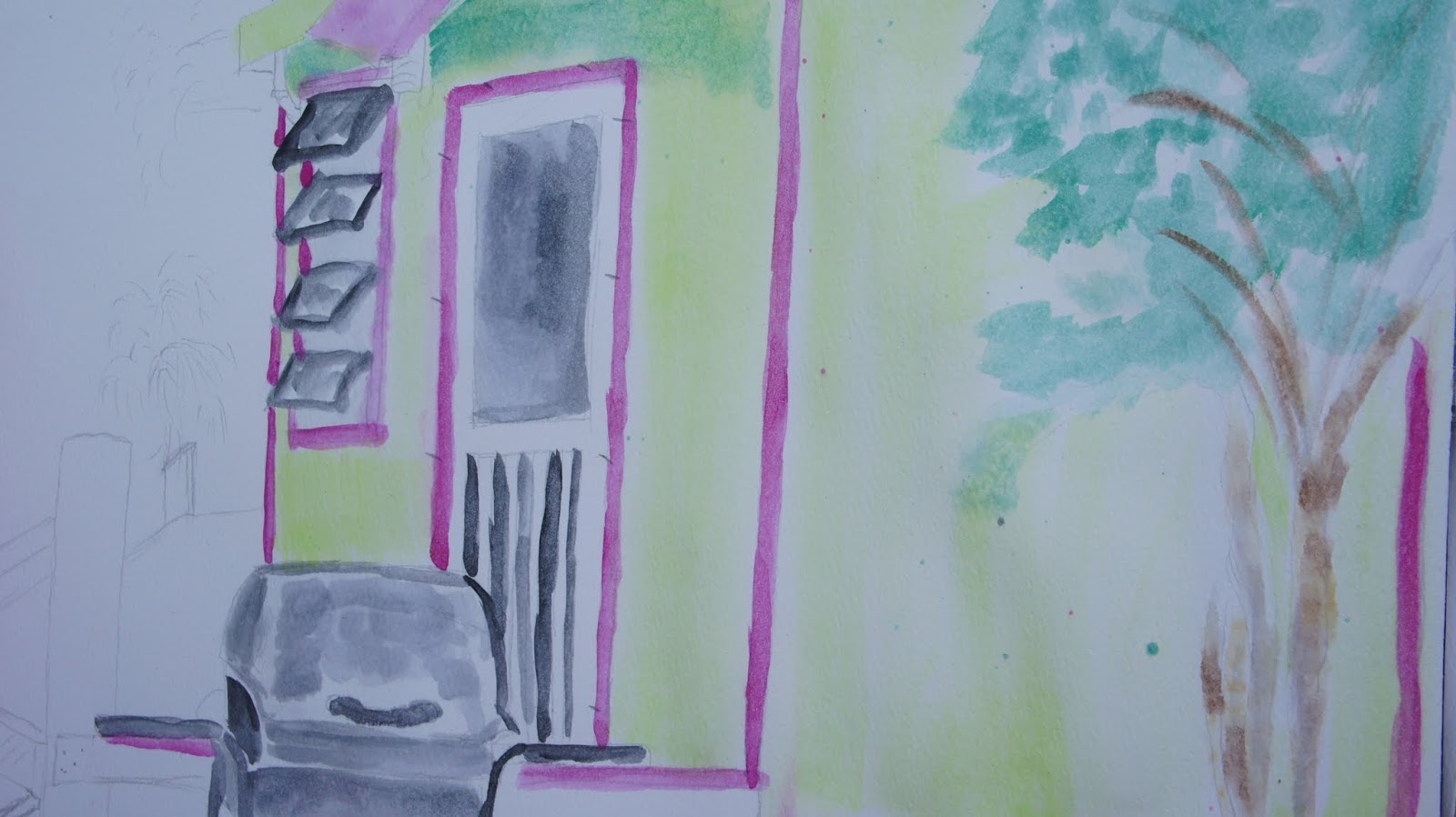
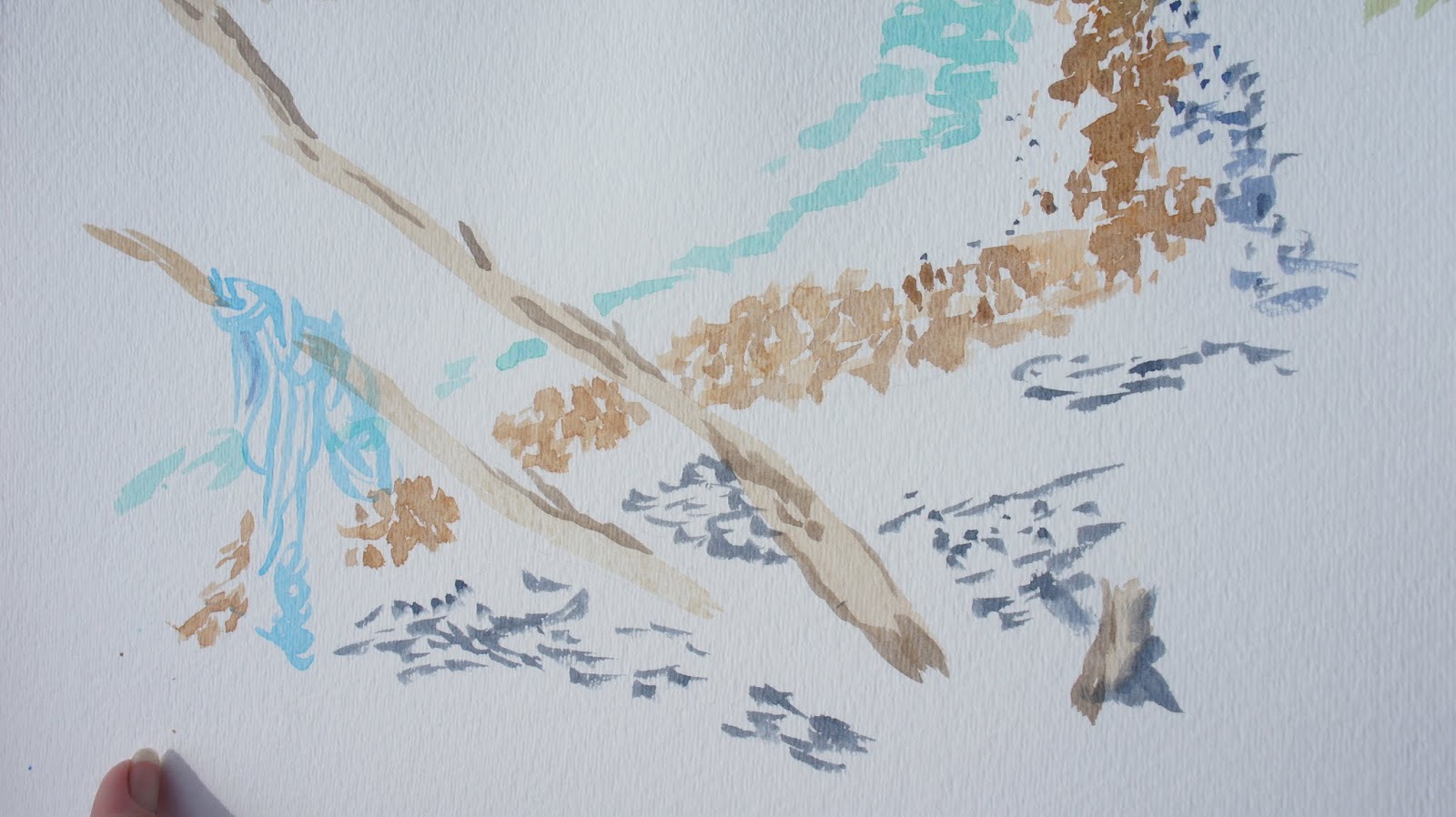
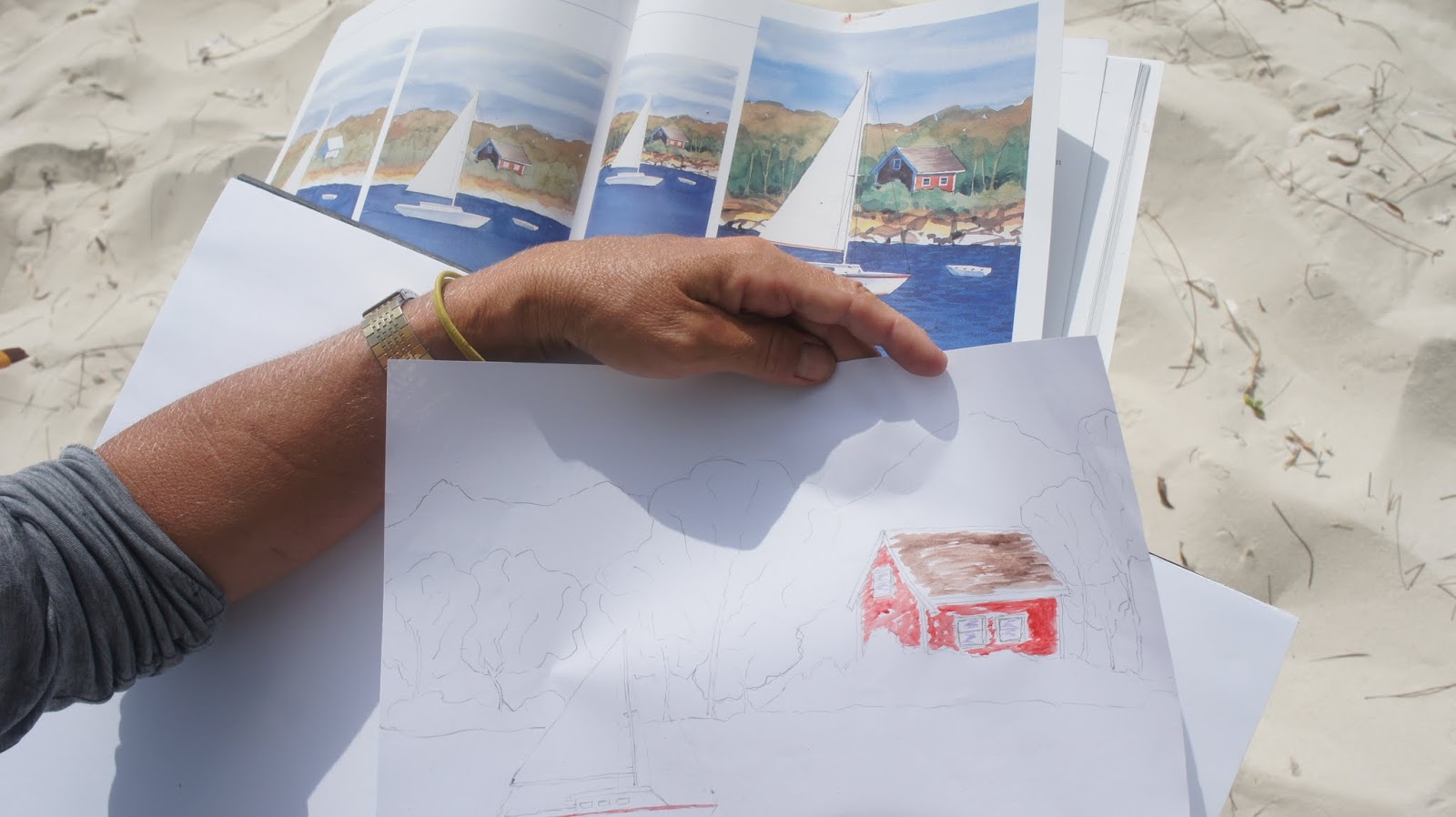
It is good for us to meet up on a weekly basis because in the process we have established a system and a structure useful for learning water color techniques.  When we wonder what another artist is doing, we ask and they explain.  When we see someone doing something interesting and perhaps out of the ordinary, we take time out learn about it and try doing it too. It becomes a very likable sharing of ideas, techniques and experiences and we all benefit from this exchange.

One of our cooperative models at Melanie’s garden

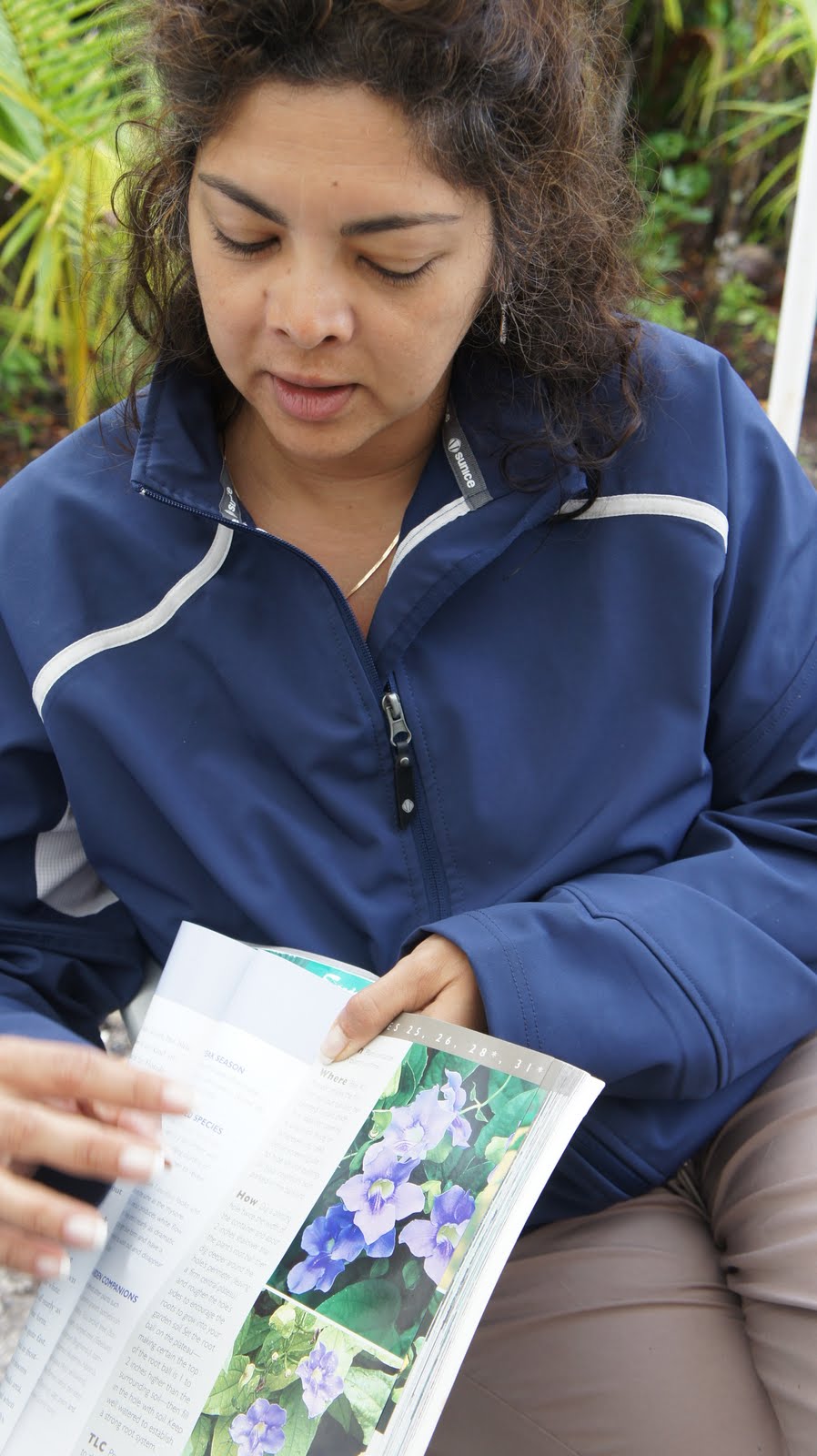
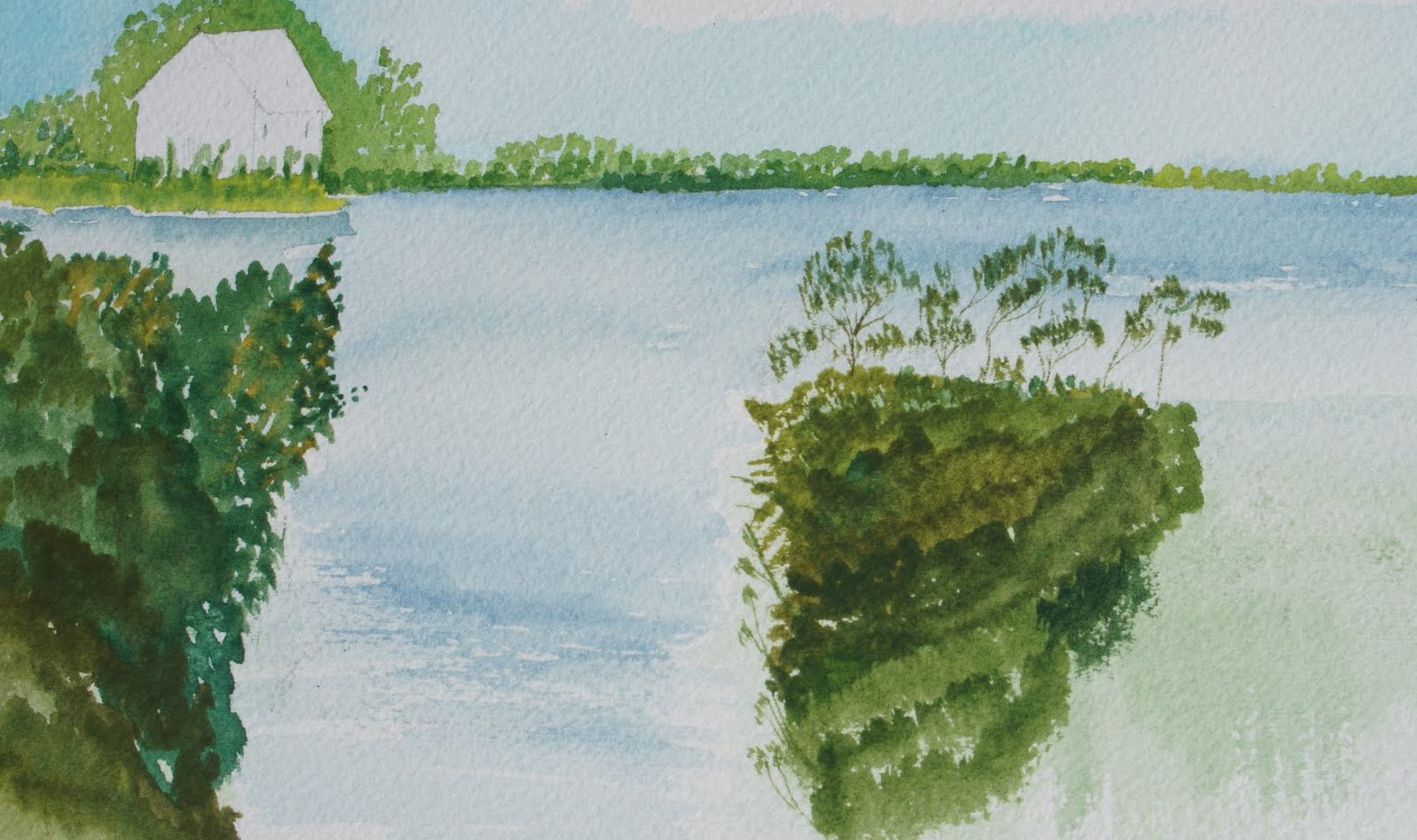
We visit homes, gardens and the beach for the purpose of painting them and it leads to very interesting discoveries of great gardens, unique plants and visual imagery. We have great times visiting and learning more about our neighbors in a way that is not usually done, that is, by sitting in their yards or other natural settings and enjoying a specific tree, flower, fence, or appreciating their footpaths and backyards and noting how the shadows touch their steps.

Marge and Earl Hamilton’s Garden
Eleanor Bruce at work
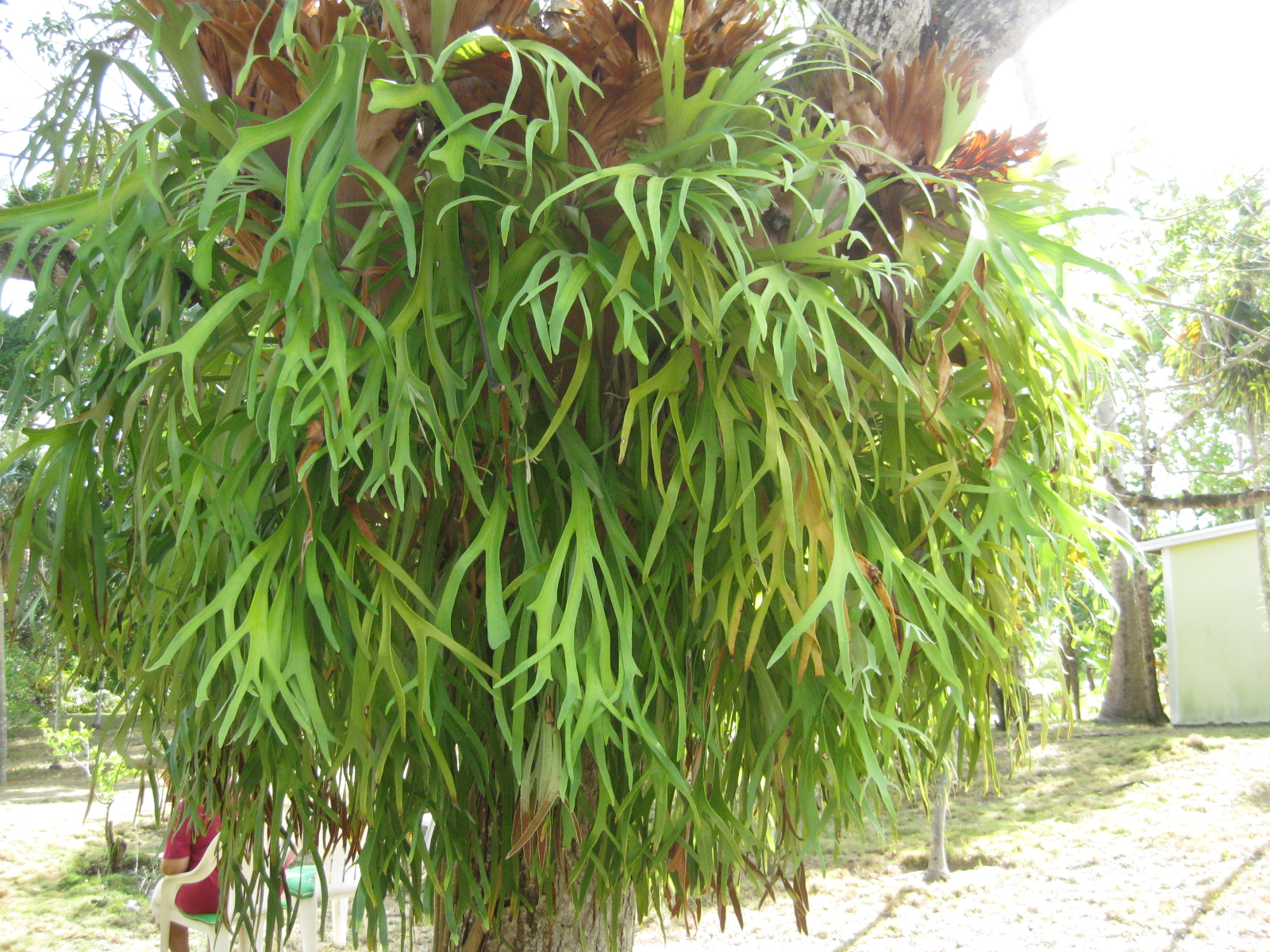
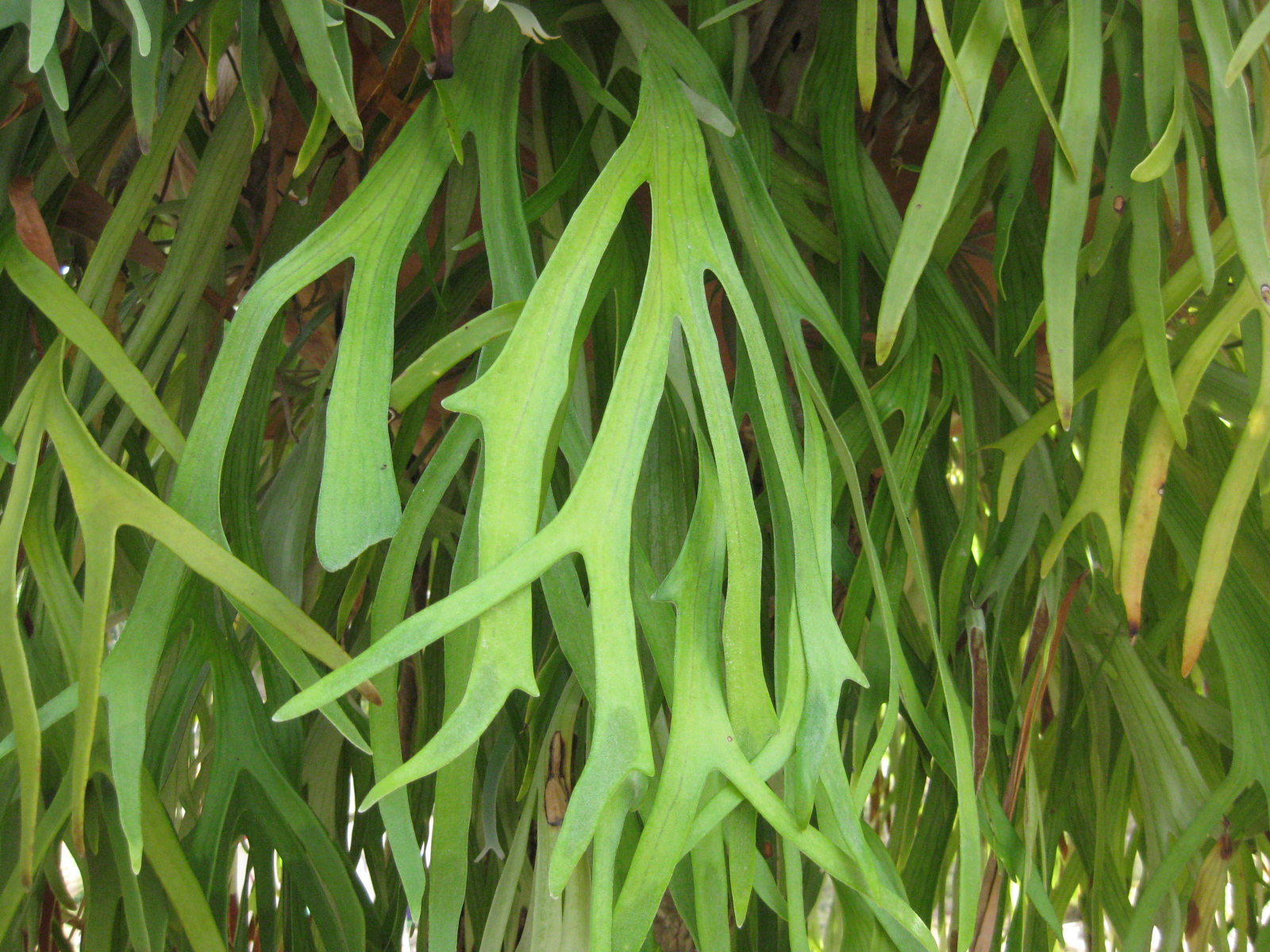
Striking staghorn fern in Marge and Earl Hamilton’s garden
Liz Key
Jimmy and Liz Key’s home
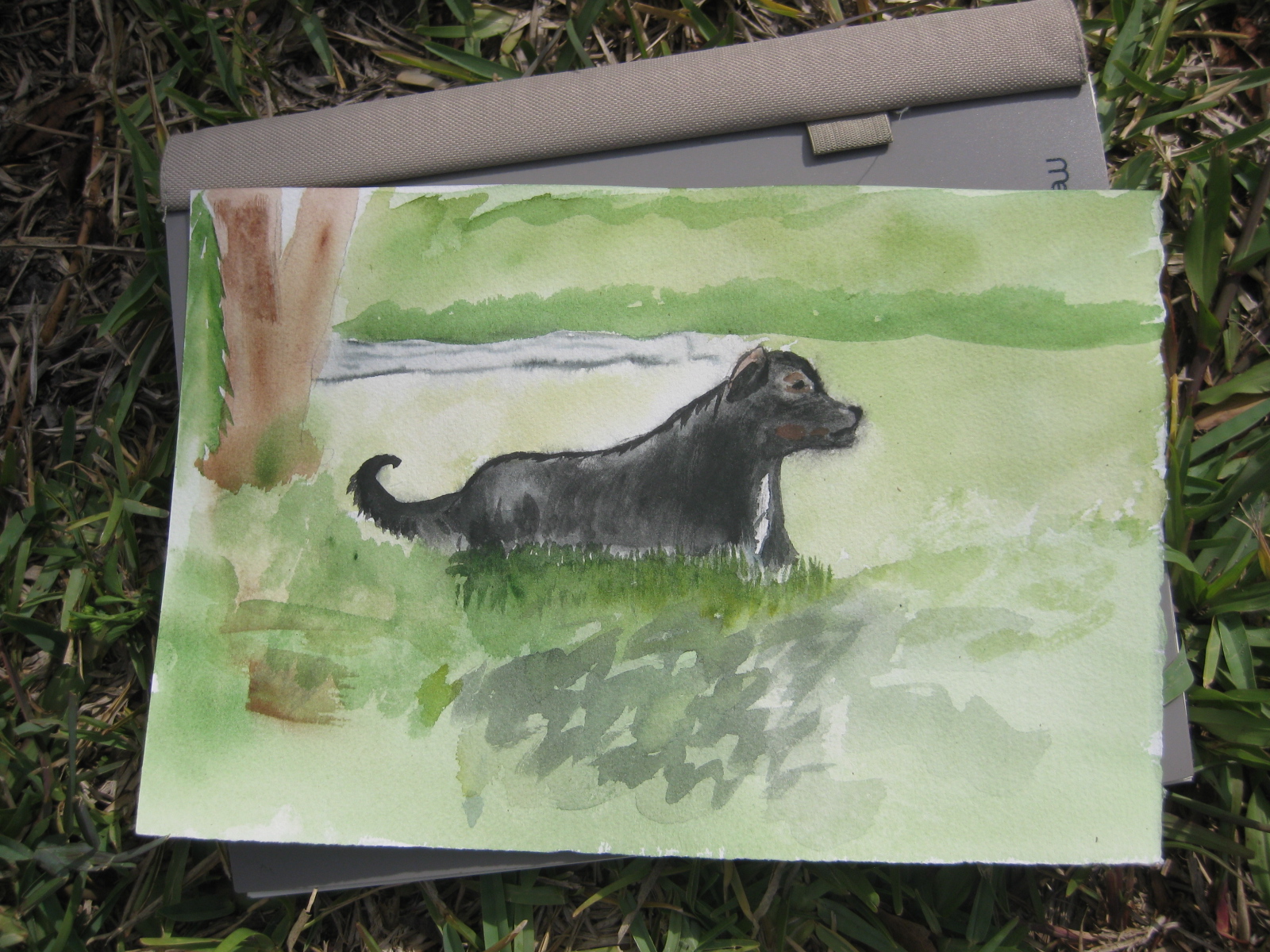
Tara Lavallee paints Liz’s dog
Anne Capling’s tree

We have agreed that all are welcome to participate in our art group.  There is no formal structure, no invitations, no requirements to join and everyone is welcome.  Under these conditions, we meet and meet again.

Our meeting usually begins at 8:30 each Wednesday morning.  We agree on where to meet outdoors.  We gather at the designated place and speak with each other for a few minutes when we first arrive.  We then casually disperse, carrying our chairs and our art supplies to various locations nearby, walking around to find a place to put our chair and establish a point for painting.  We next pull out our paper and paints, our pencils and erasers,brushes, and set to work.

If there is a newcomer to the group, we offer them paper, paint, pencils, a chair, or whatever they need to get started. If someone just wants to sit and watch, they too, are welcome.

From time to time someone shows up just to walk through and see what we are doing.  We greet them, then return to our painting.  They watch and then slip away when they are ready to go.

Merle Askeland
Art Capling draws a building
We listen to ideas
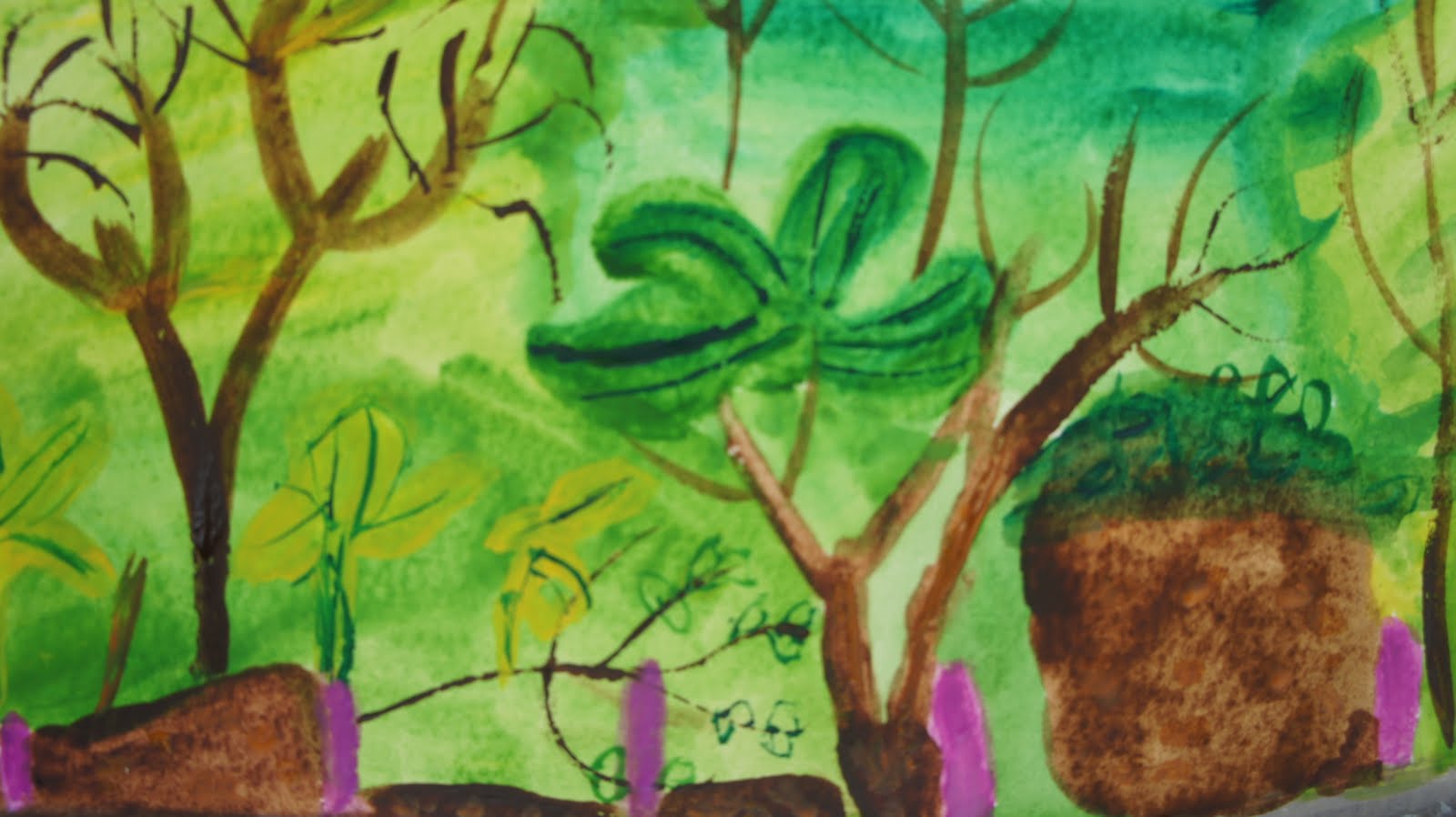
And paint our own perspectives of buildings.  Painting by Tara Lavallee
Jake and Marcia’s place

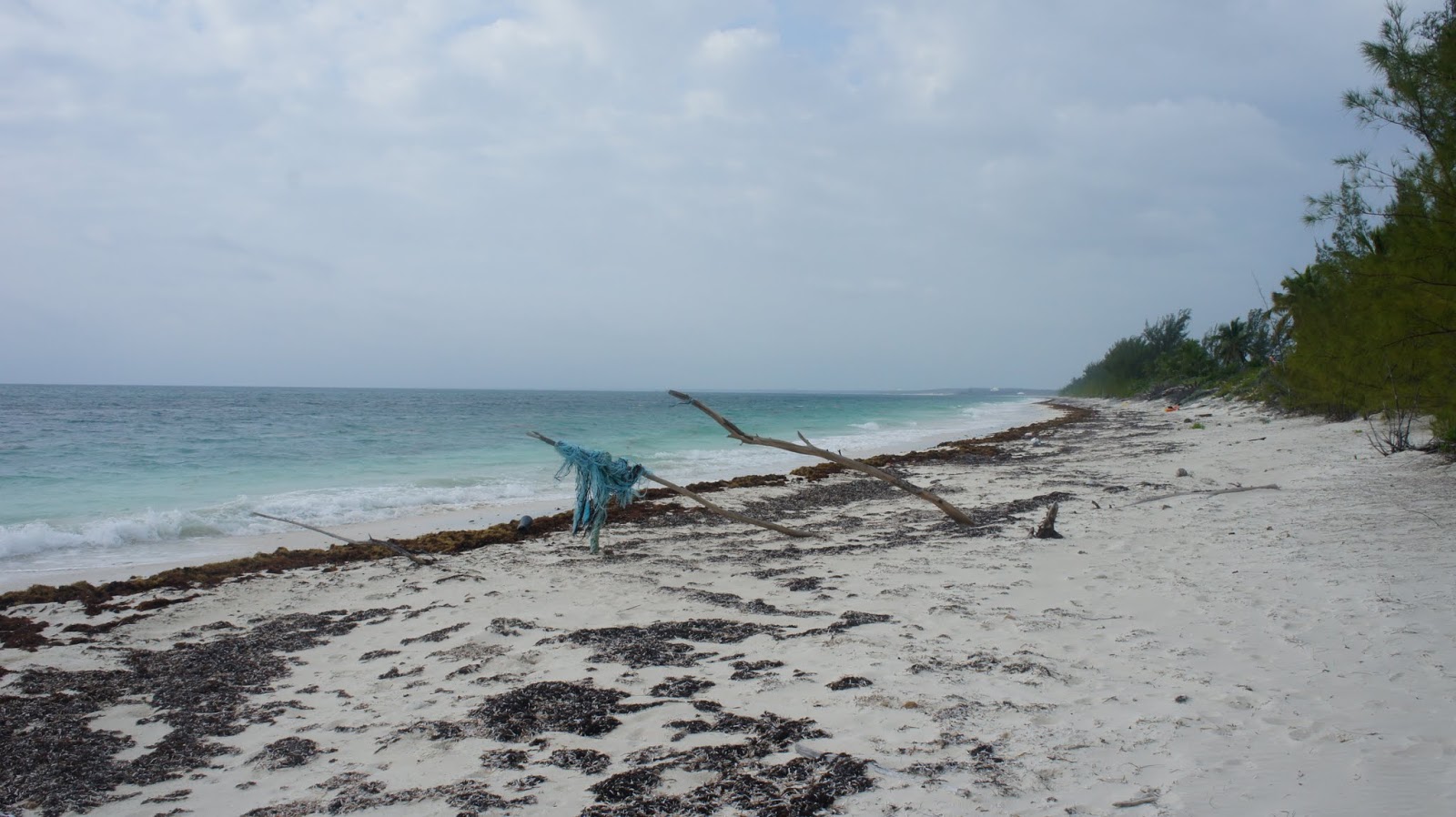
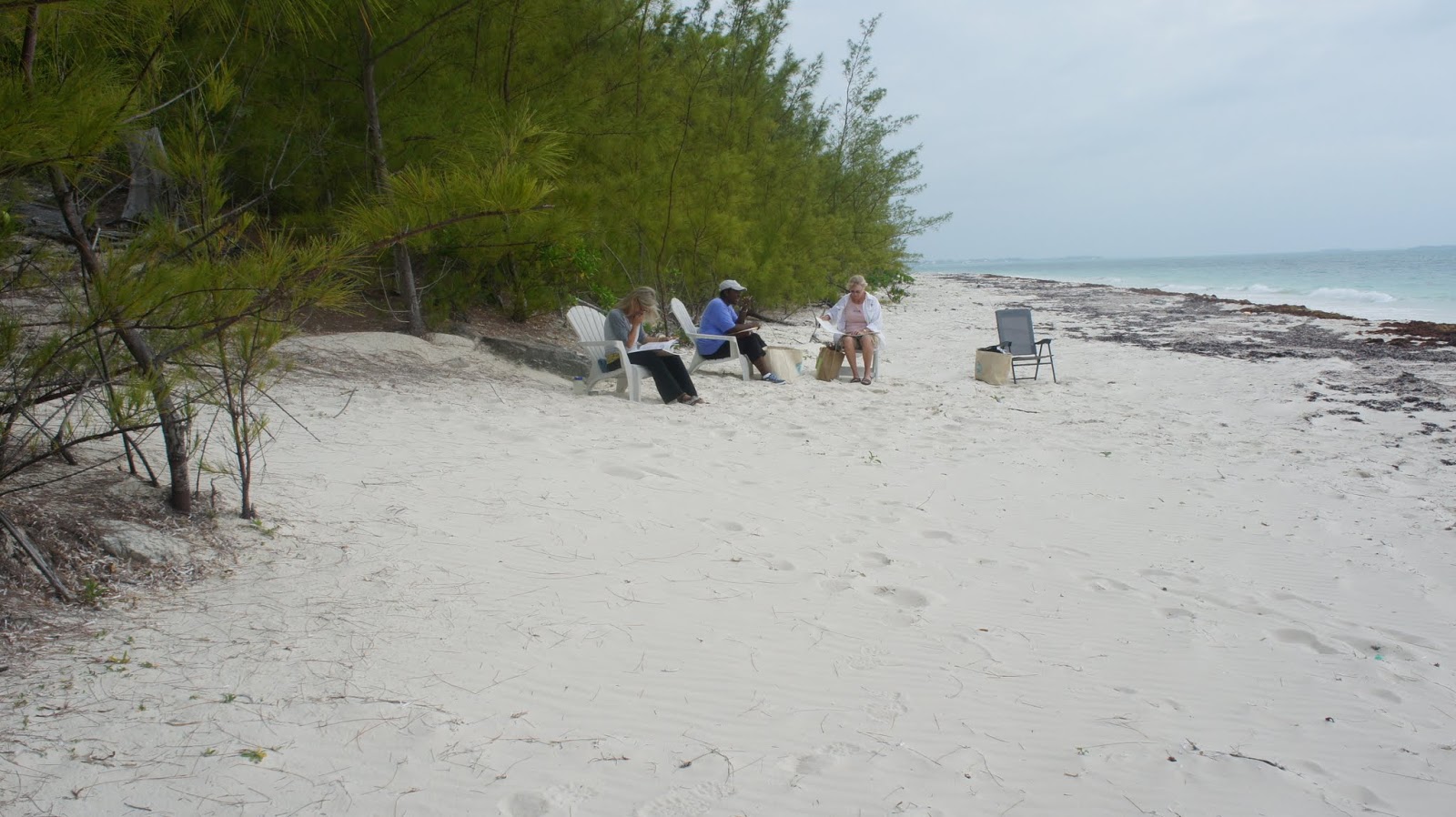
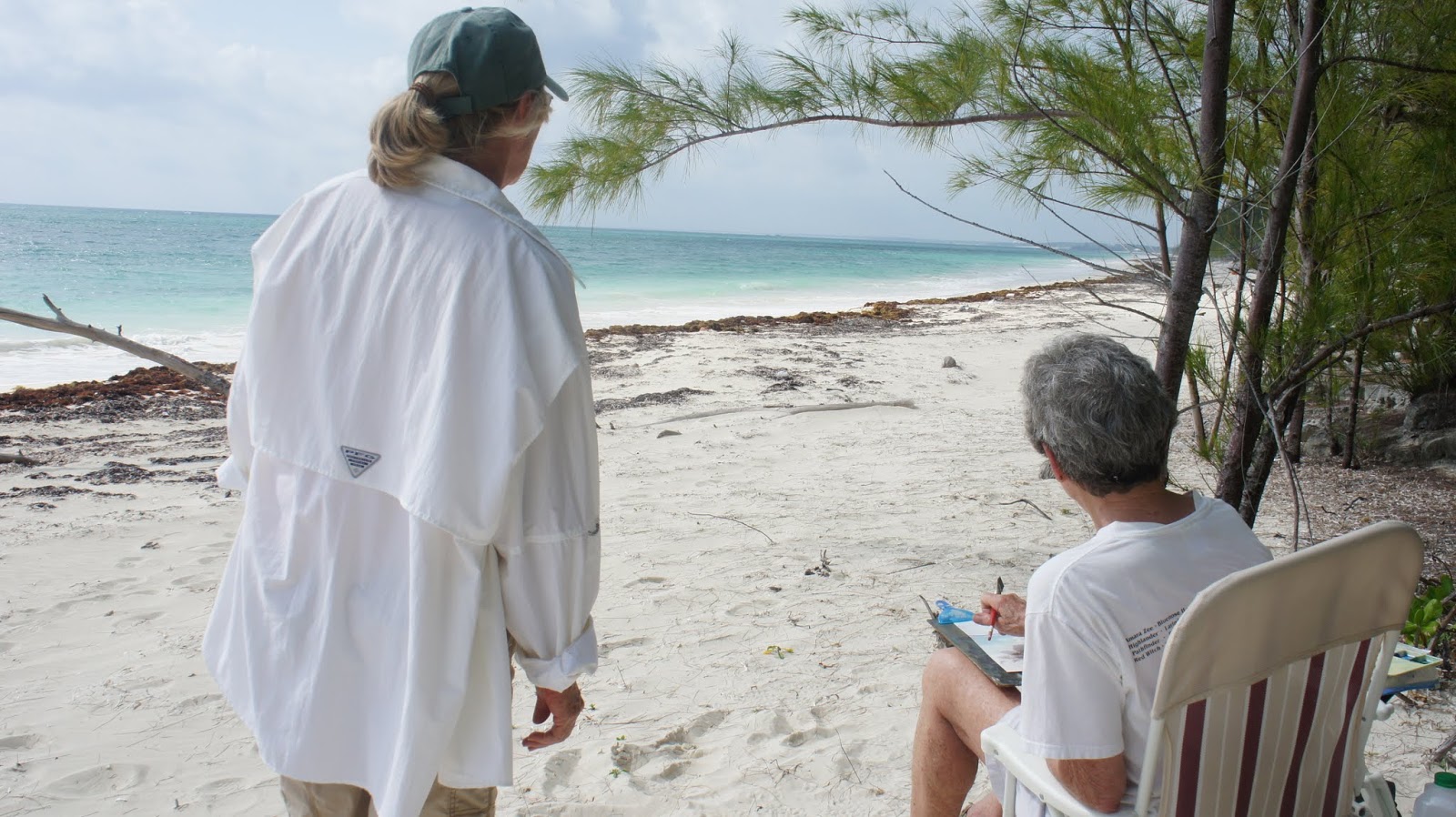
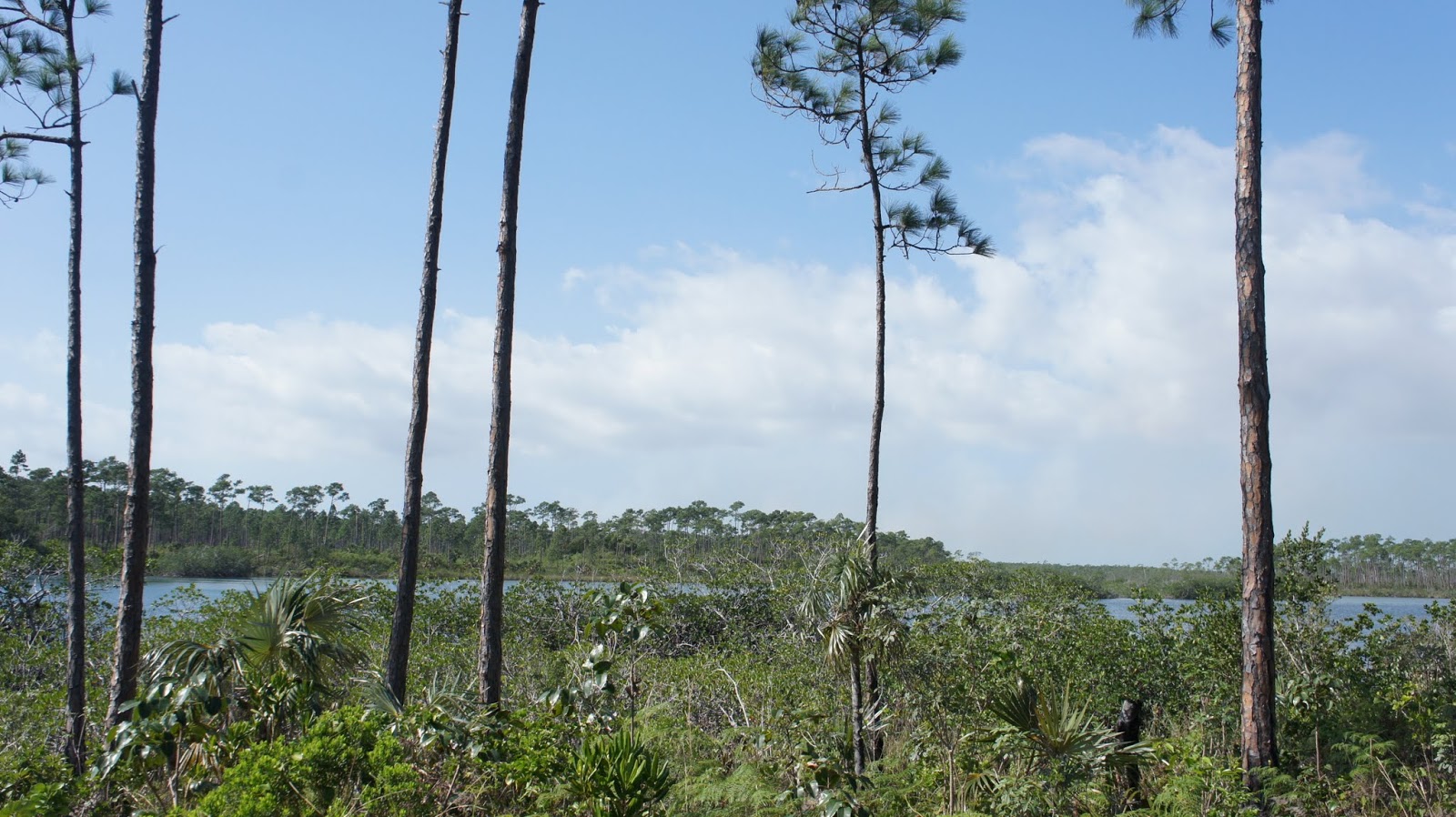
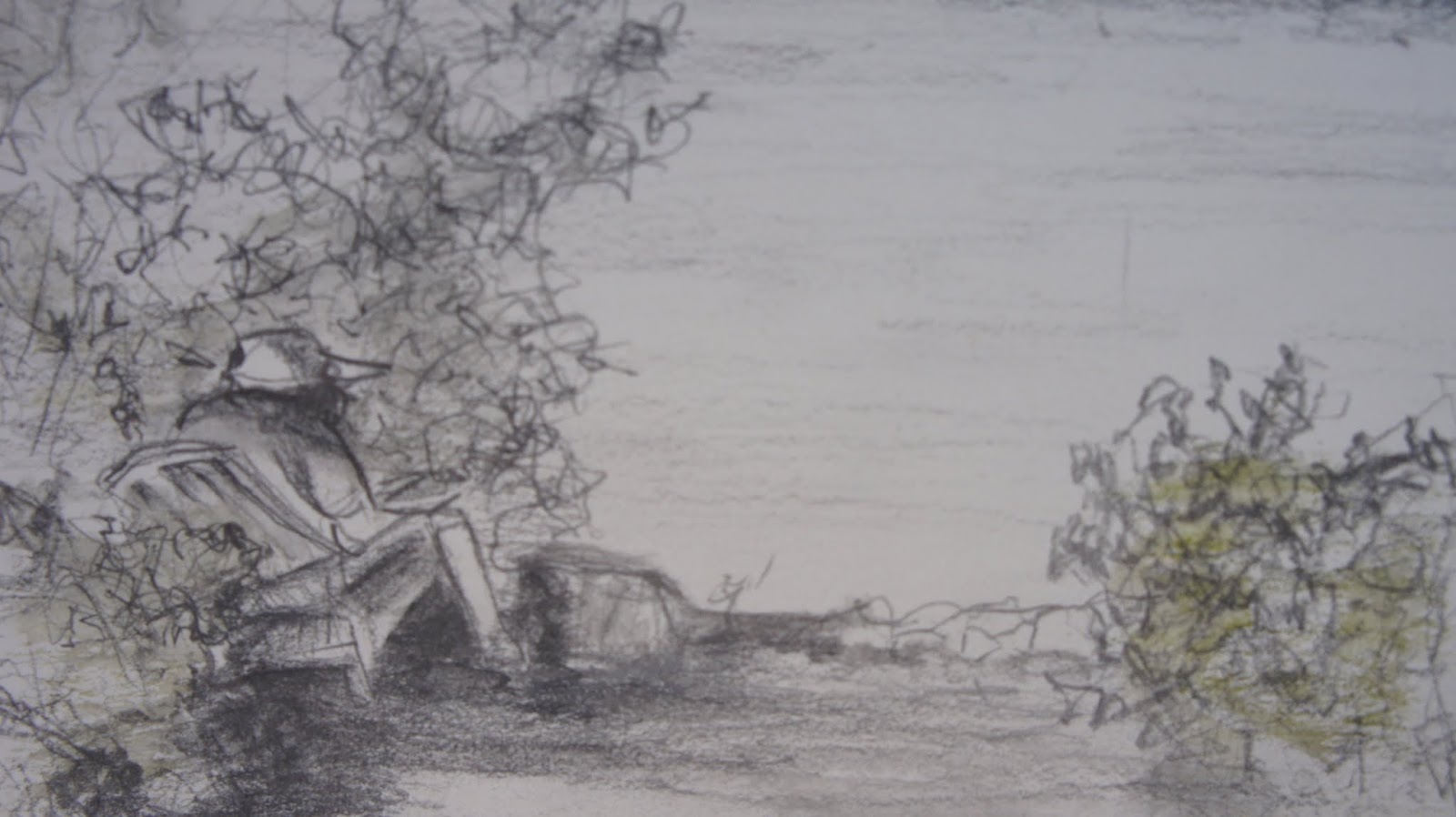
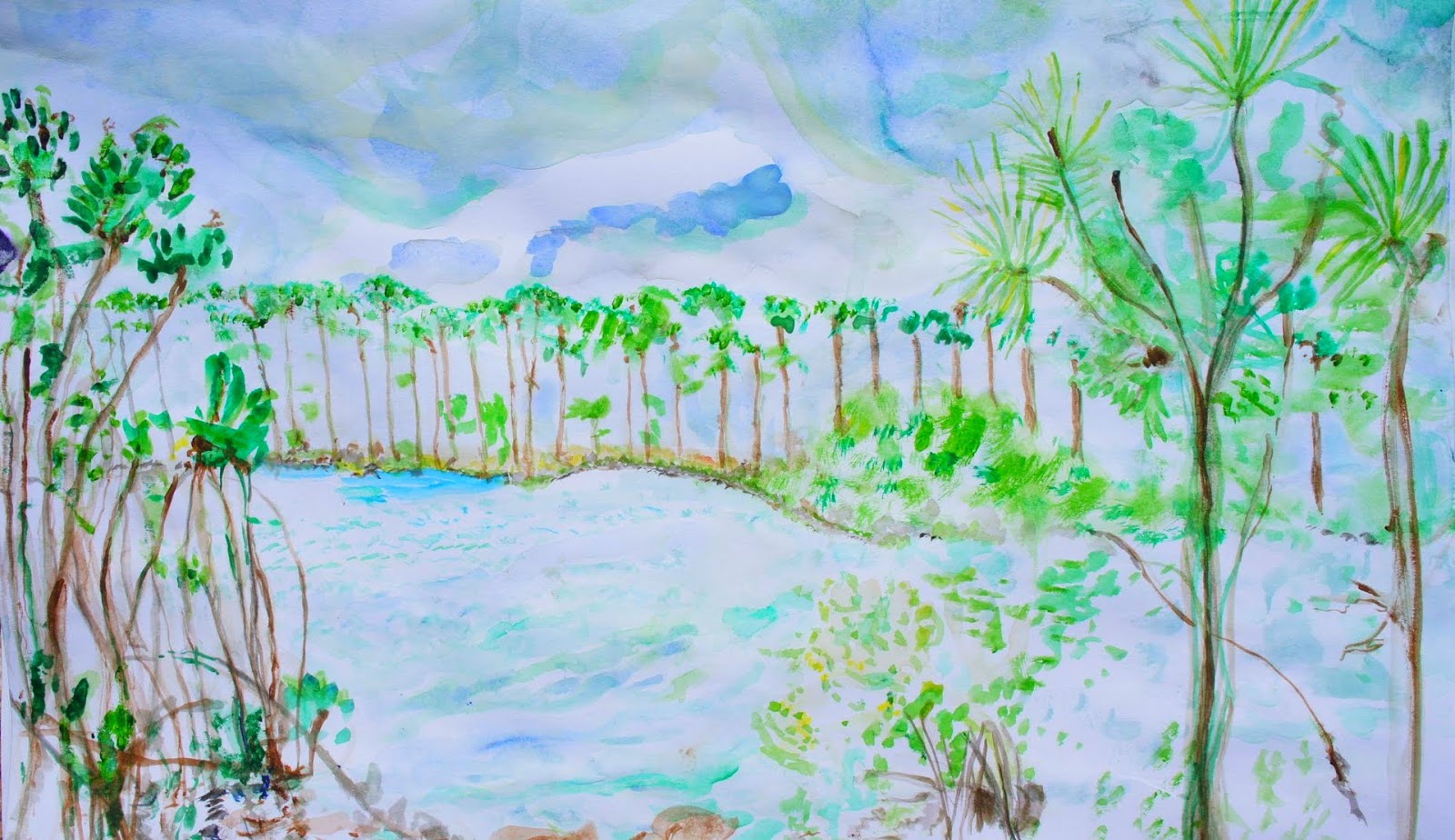
More recently, we head outside to very interesting locations such as big beaches, marshes, ponds, old roads and paint there.  It is usually quiet for several hours, as each of us works on sketching and painting.  We photograph the setting in which we are working so that we can revisit the colors we choose, the structures and shapes we draw. After an hour or so of quiet, we begin walking from one place to another, looking at each person’s work and commenting on what we see, asking questions, or comparing approaches to our work.

Karon Teasedale chooses an interesting location for painting
On the beach ,Eight Mile Bay
Group setting on the beach
Melanie Rees
Susie Lill
Melanie Rees on the beach
Susie Lill’s first painting
Ann Capling
Melanie Reese and Ann Capling
Over by the River
Ann Capling’s perspective
Karon Teasedale’s perspective
Mary Chamie’s perspective
Lavonda Smith’s perspective

We take photographs and make albums and share them showing what happened each time that we met.

Liz
Liz Key, Melanie Reese, Lavonda Smith, Ann Capling, Maxene Tanner

At the end of the session, when people have begun to stand up and stroll around to look at what others have done, we then meet in a circle to discuss each other’s work, consider techniques we might want to learn, and to plan the next meeting.

We then disperse and head home, refreshed and relaxed from the quiet and productive morning.

We are fortunate to have so many neighbors and friends who show their love of art by sharing their gardens and yards and the crafts and paintings that they make.

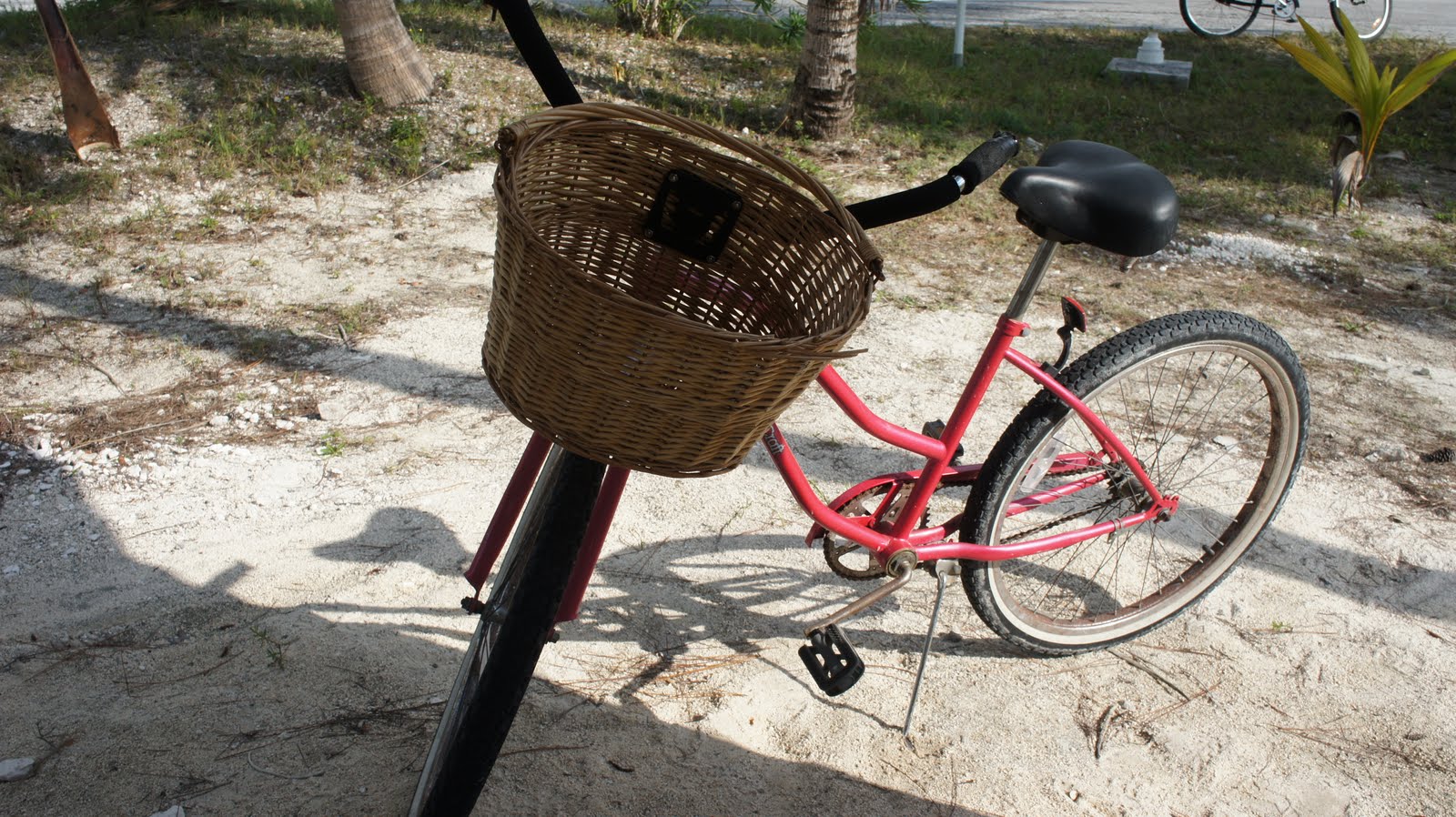
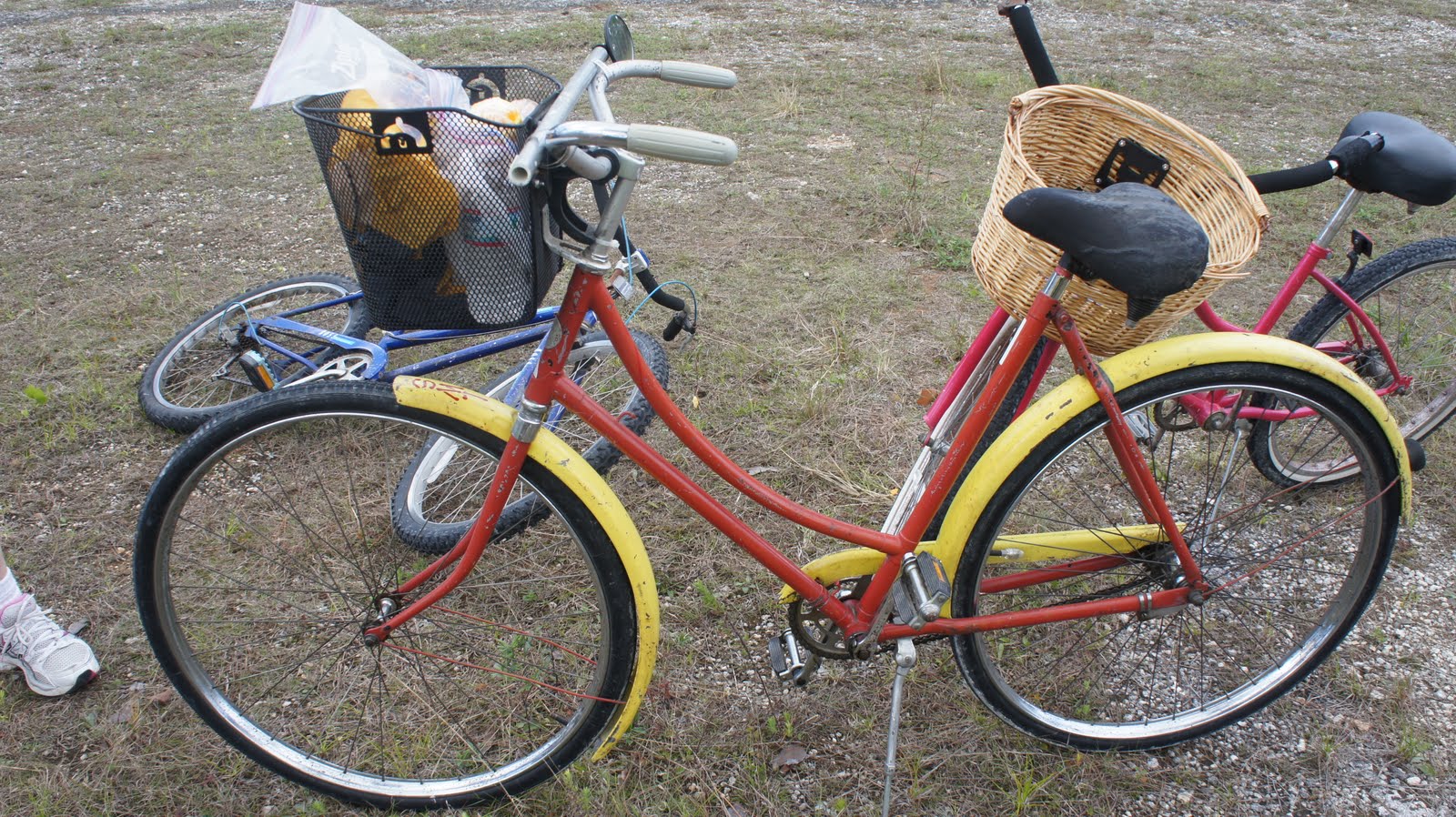
We don’t really need complicated gears on our bikes in the Abacos.  What we do need are wider wheels to take on dirt roads and baskets to carry food and drink.  Most of the island is flat. It is perfect biking for people wanting a simple, quick and quiet way to get from one place to another, in most cases.

An essential piece of gear for our bikes is the rear view mirror to help us keep track of cars and for ourselves, helmets.  Both are available in local hardware stores in Marsh Harbour, as are the bikes and the baskets.

 
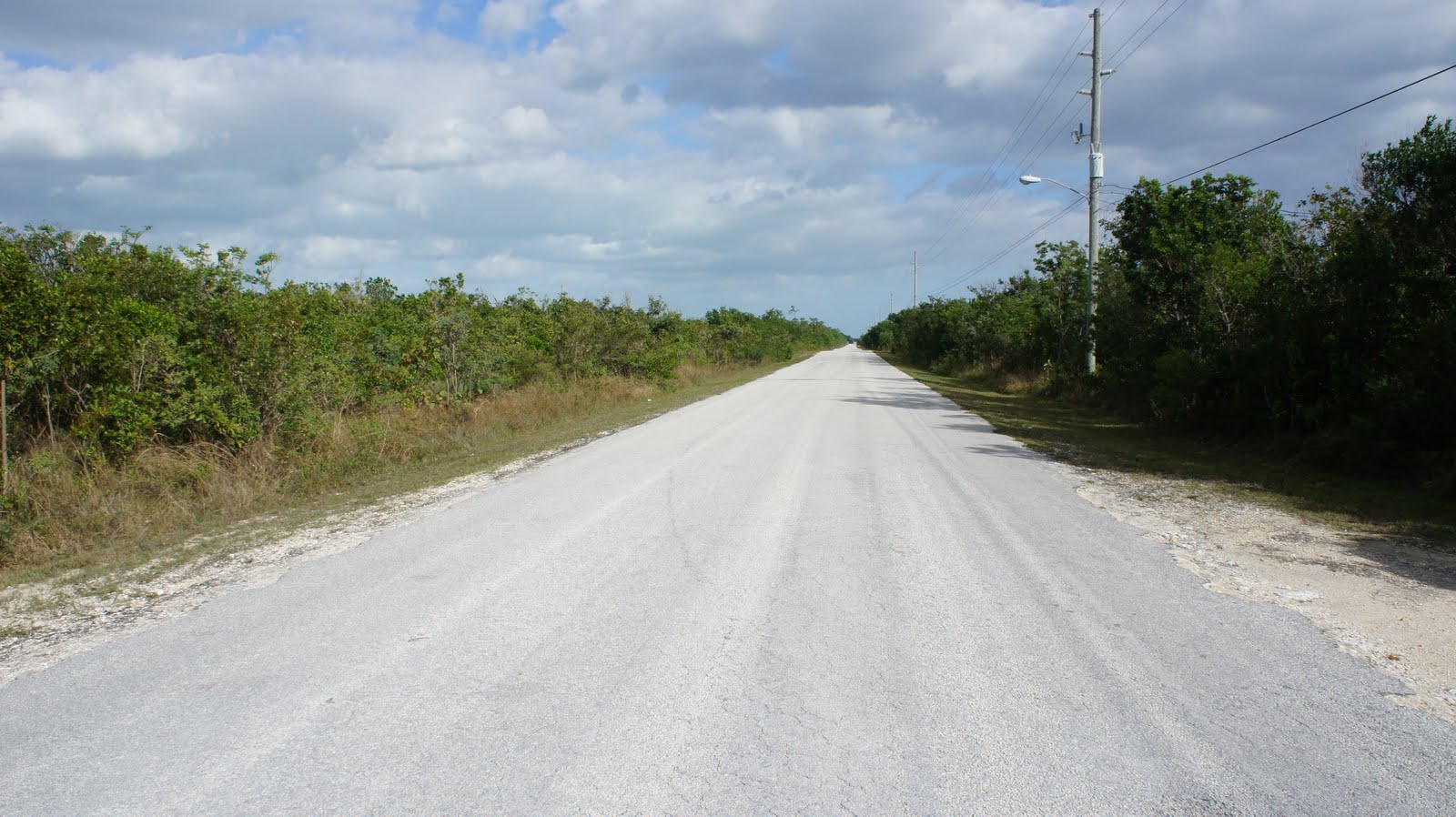
Recently, we started to ride on the major highway and Sunday morning is an exceptionally good time to ride.  There are very few cars on the road.  Traffic looks like this.

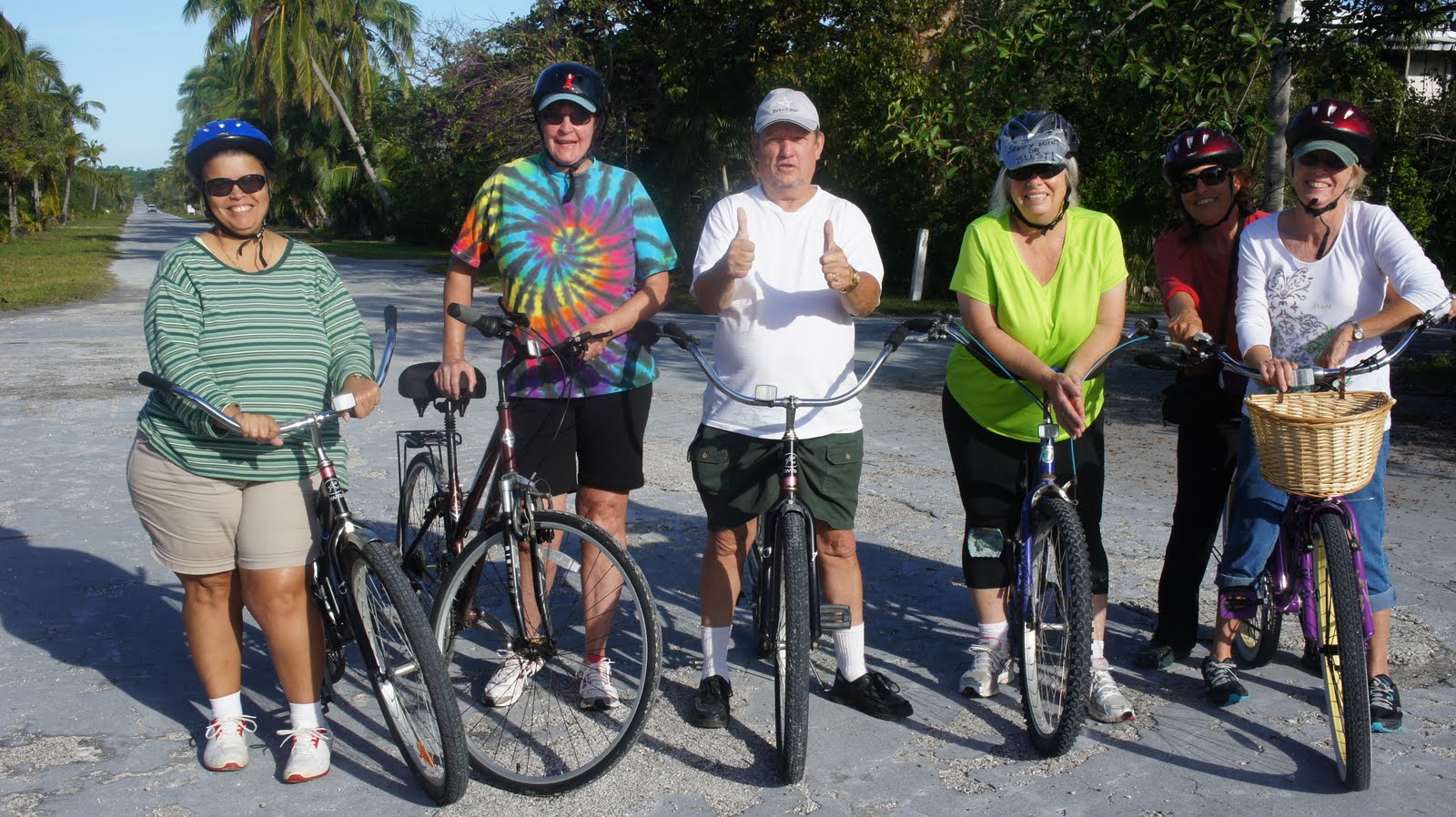
Liz, Marge, Jimmy, Merle, Mary and Melanie

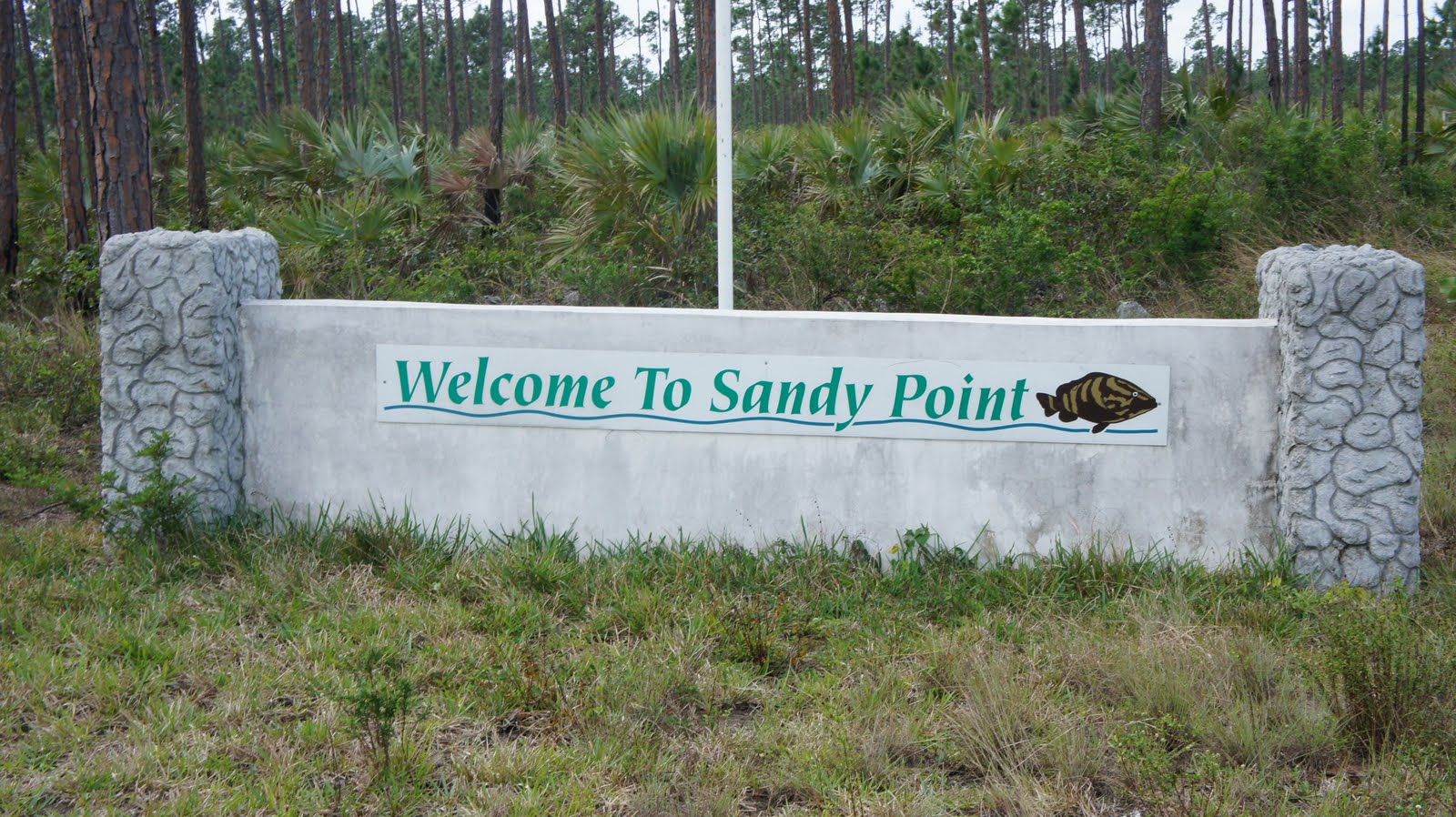
As a challenge, we decided to take a 30 mile ride from the Esplanade of Bahama Palm Shores to Sandy Point.  Since the start of the New Year, in preparation for the longer trip, we have been riding daily with a group of friends for 7 or 8 miles.

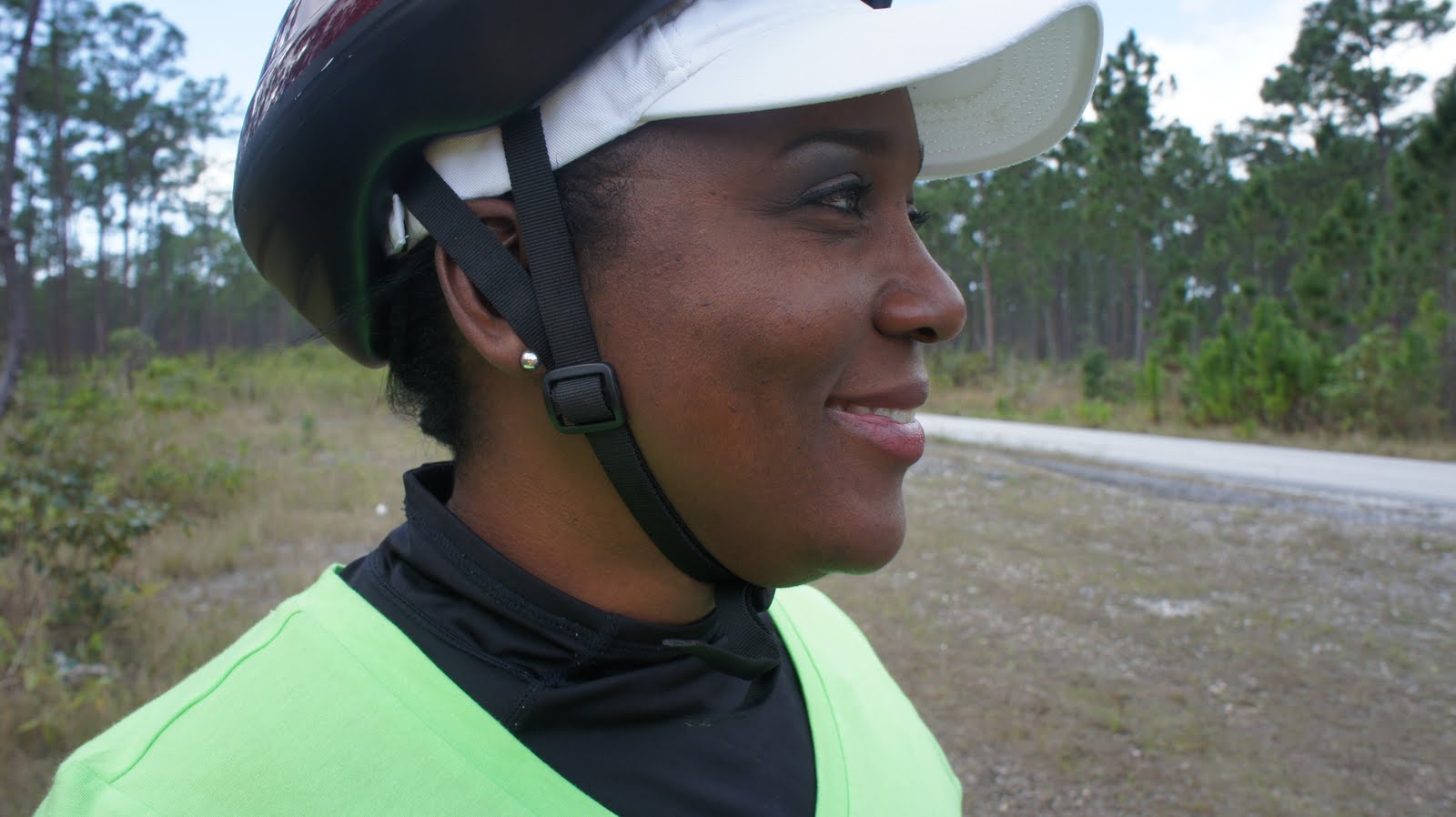
Today was the day for our thirty mile trip.  Three of us took off this morning at 8 am for the big ride.  Our husbands photographed us at the starting point.  It was a surprisingly cool morning and we headed out actually wearing light jackets and sweatshirts, which is unusual.  We more typically wear shorts and a t-shirt.

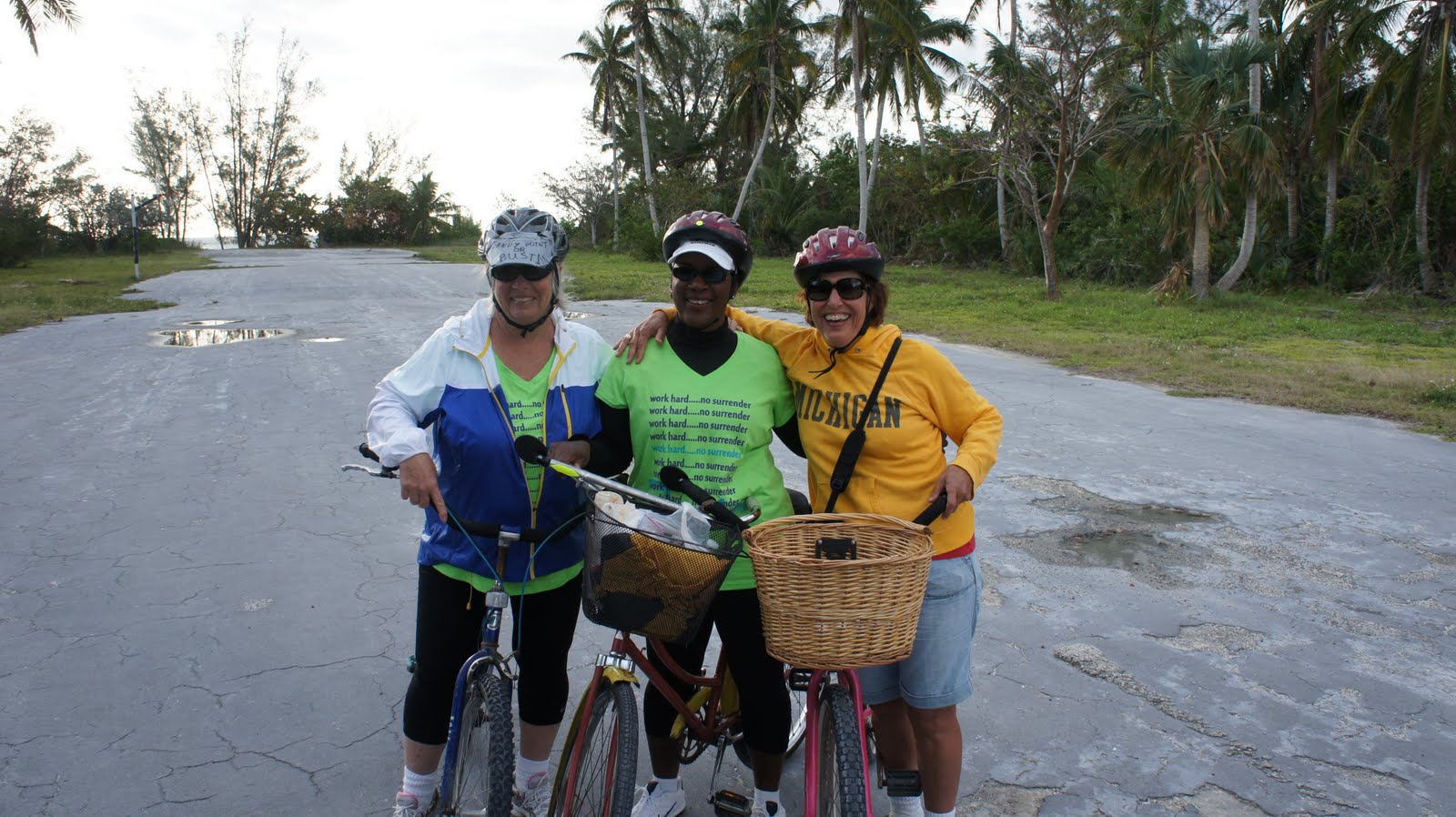
Merle, Lavonda and me.

 I carried a small can of juice and my camera in my bike basket.  In contrast, my well prepared partners were carrying oranges, bananas, water, and some delicious raisins and nuts that a neighbor packed for us. They kindly shared their stash with me.

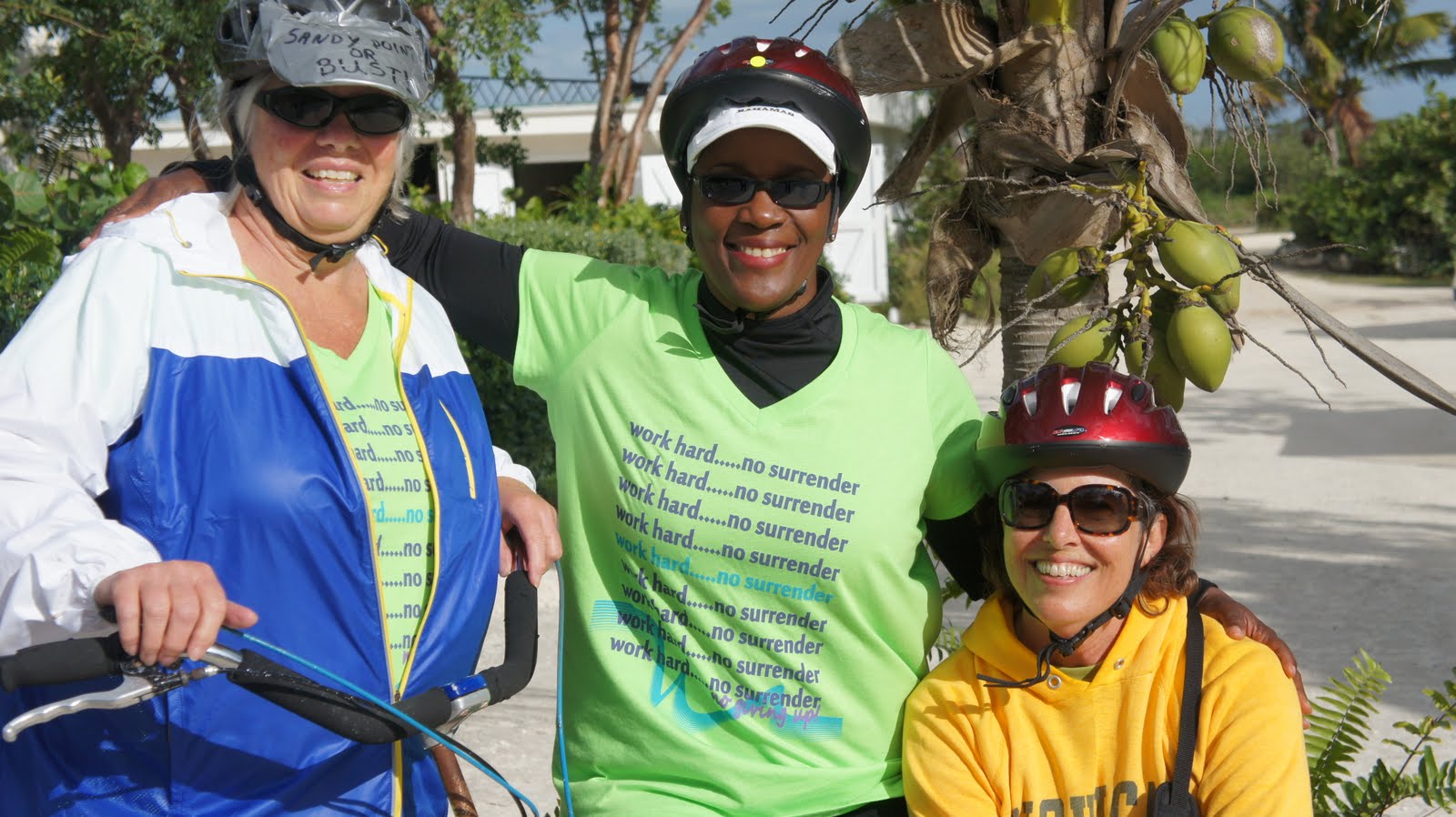
One of our bikers, Merle, was wearing a special helmet that her husband Pete had prepared for her.  She was concerned she might not be up to making the whole trip.  Pete duct taped a special hat on the front of her helmet saying, “Sandy Point or Bust”. 

He also contributed shirts to encourage us to complete the trip that say ” “Work Hard…..No Surrender….No Giving up!”

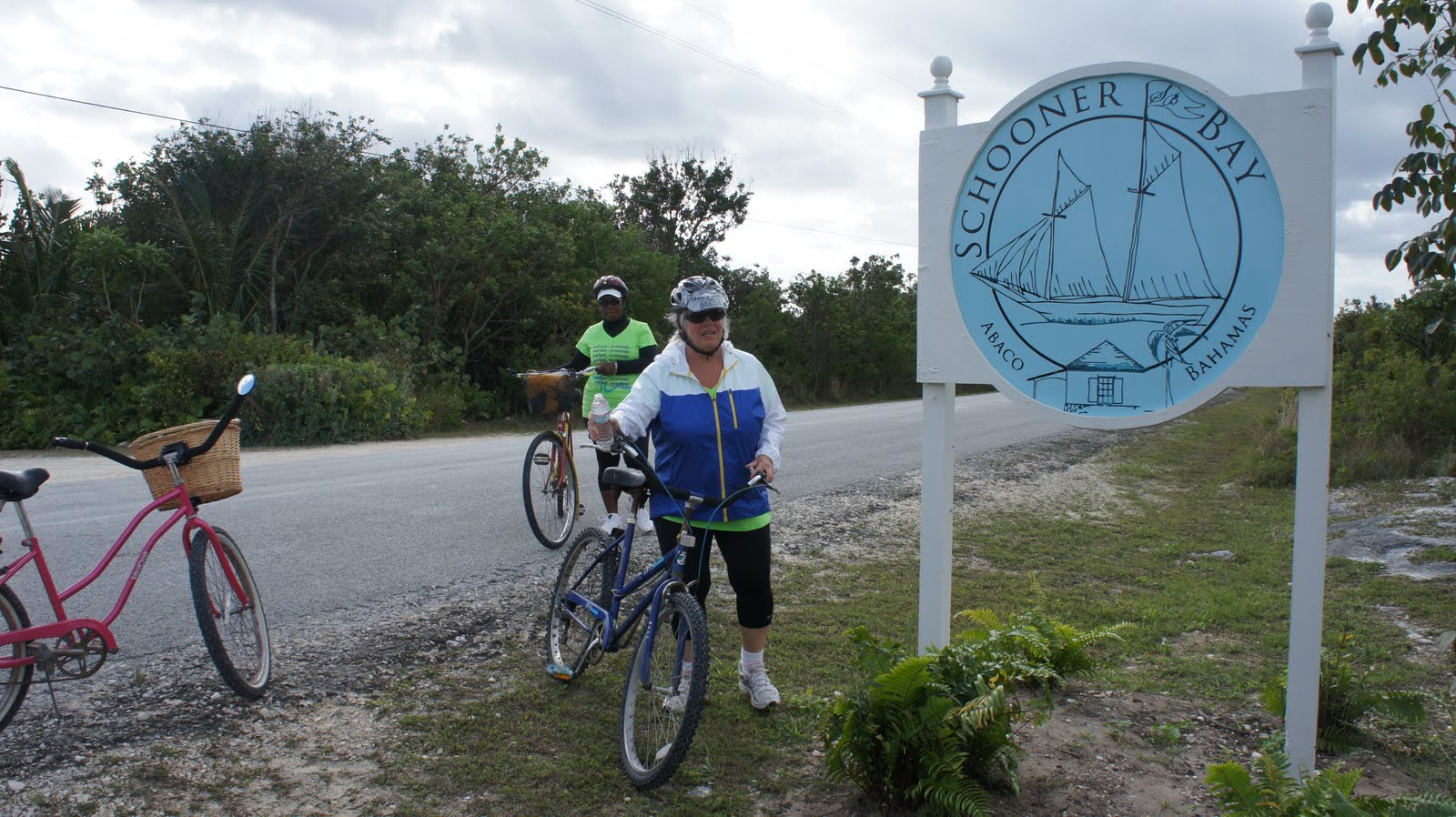
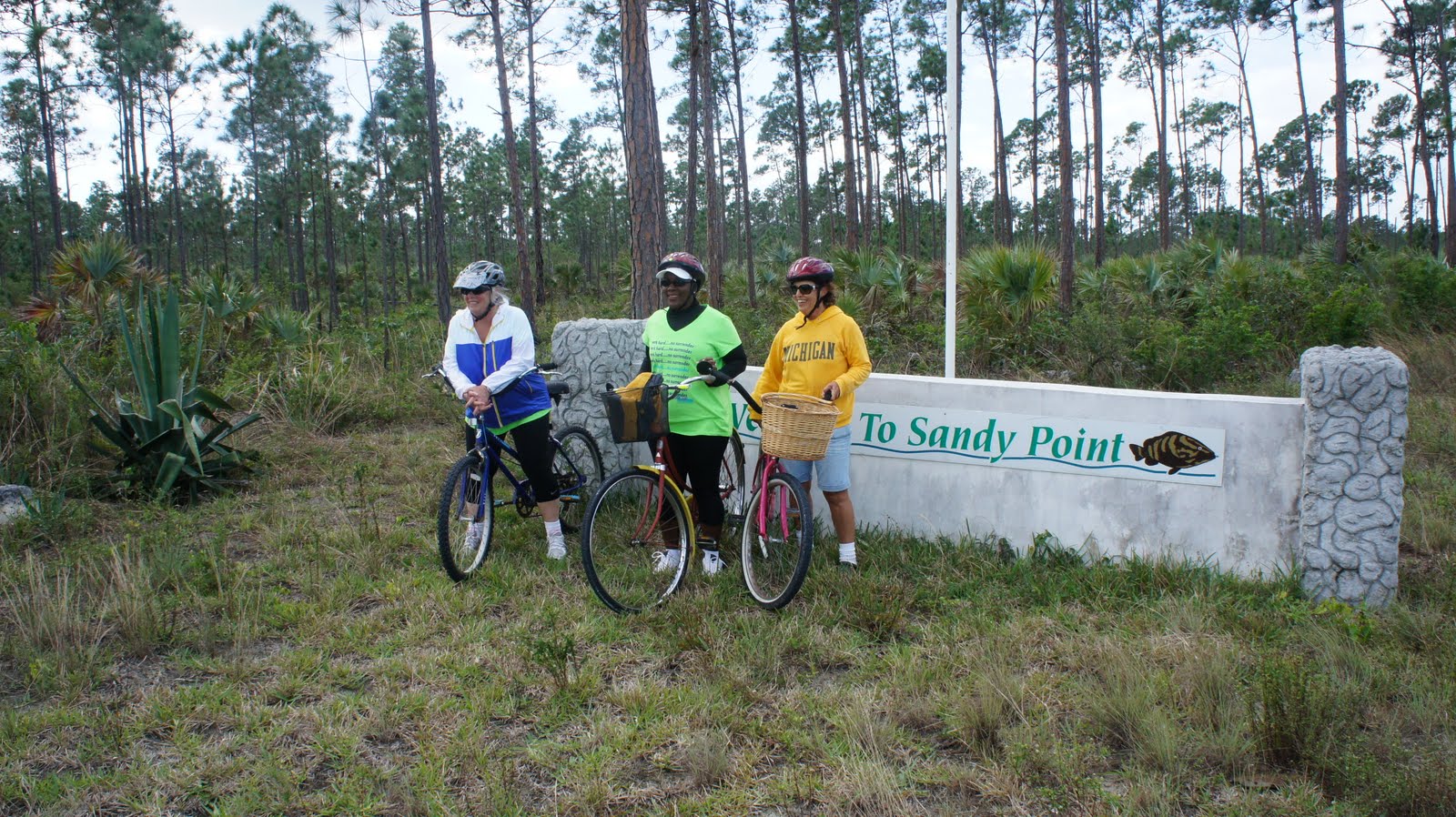
We took off down the road from the Esplanade and made the 10 miles to Schooner Bay in less than one hour, which pleased us to no end.  We were riding fine.  We stopped at the sign to celebrate and take some photos.

The guard at Schooner Bay kindly agreed to take our photo at the 10 mile point and here we are. 

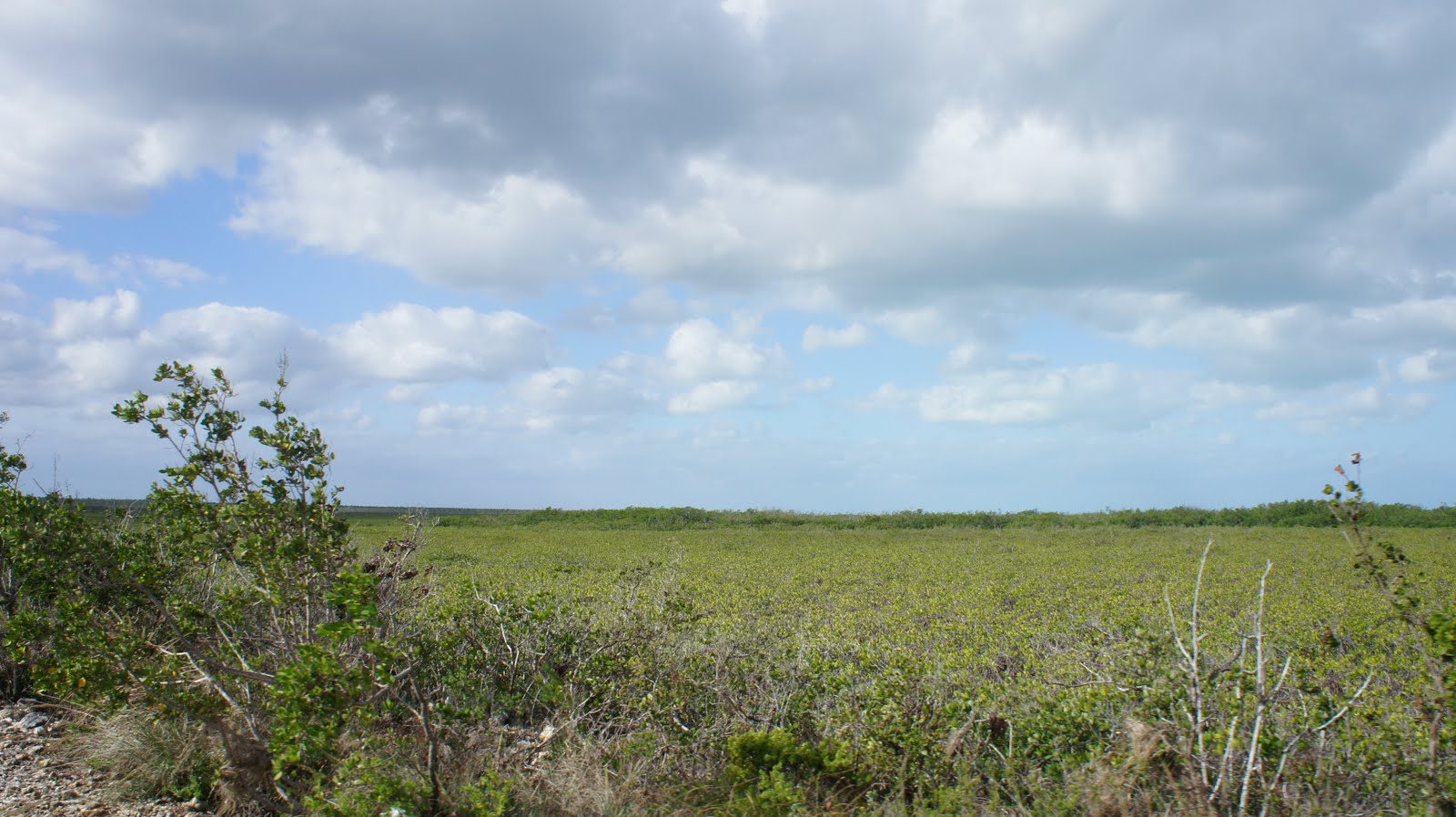
We soon realized it was time to get serious and get back on those bikes until we hit the 20 mile mark, our next stopping point at the turn off to Hole-in-the Wall.  The next part of the trip was particularly beautiful, because we were headed through Crossing Rocks, an area where the island is least wide.  Birds and butterflies are everywhere, and the marsh is very pretty.  

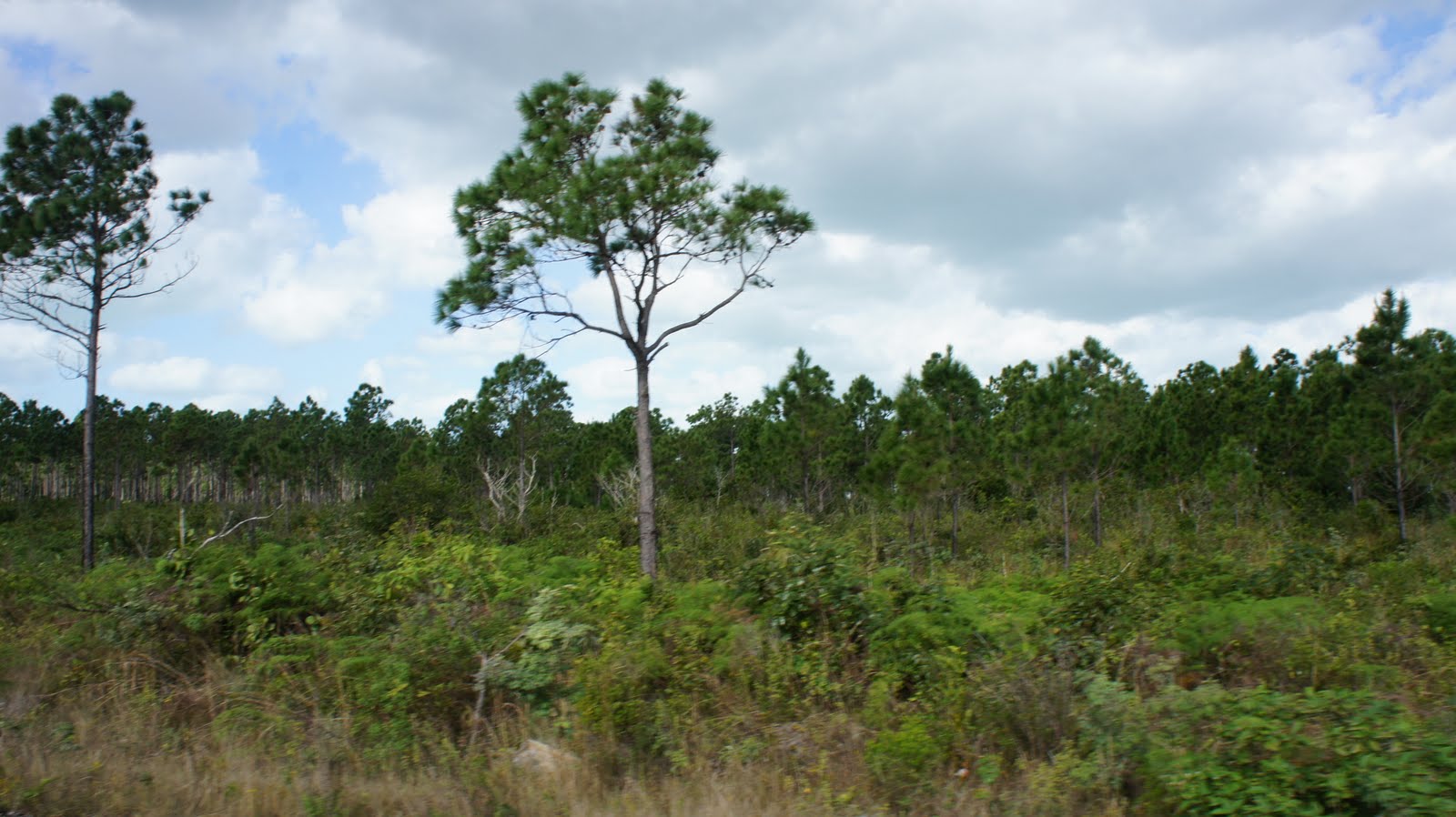
From there we actually took a little hill before it leveled out and we quietly cycled our way through the Abaco National Forest.  I never tire of looking at the wide variety of palms and trees on either side of the road.,

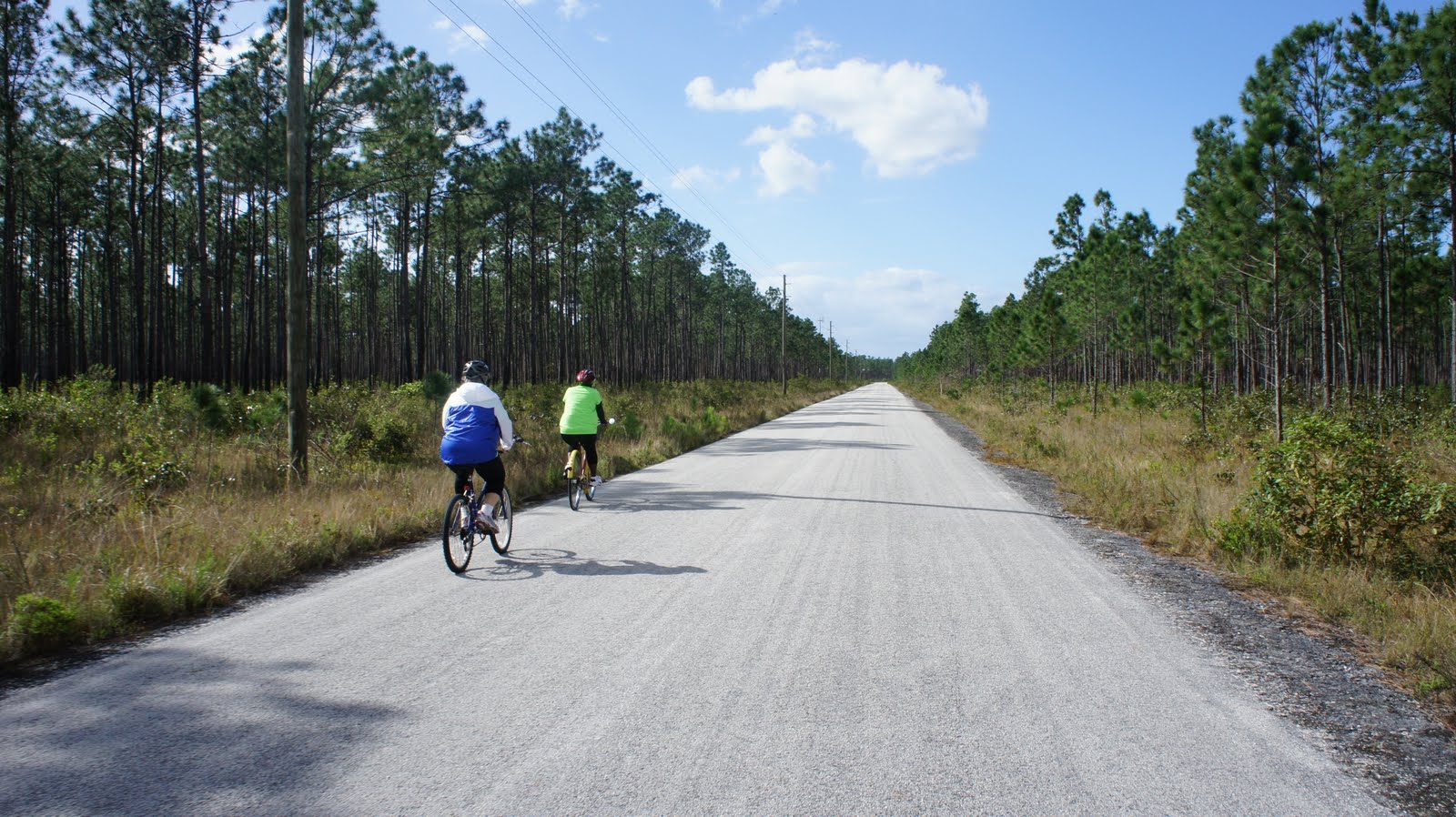
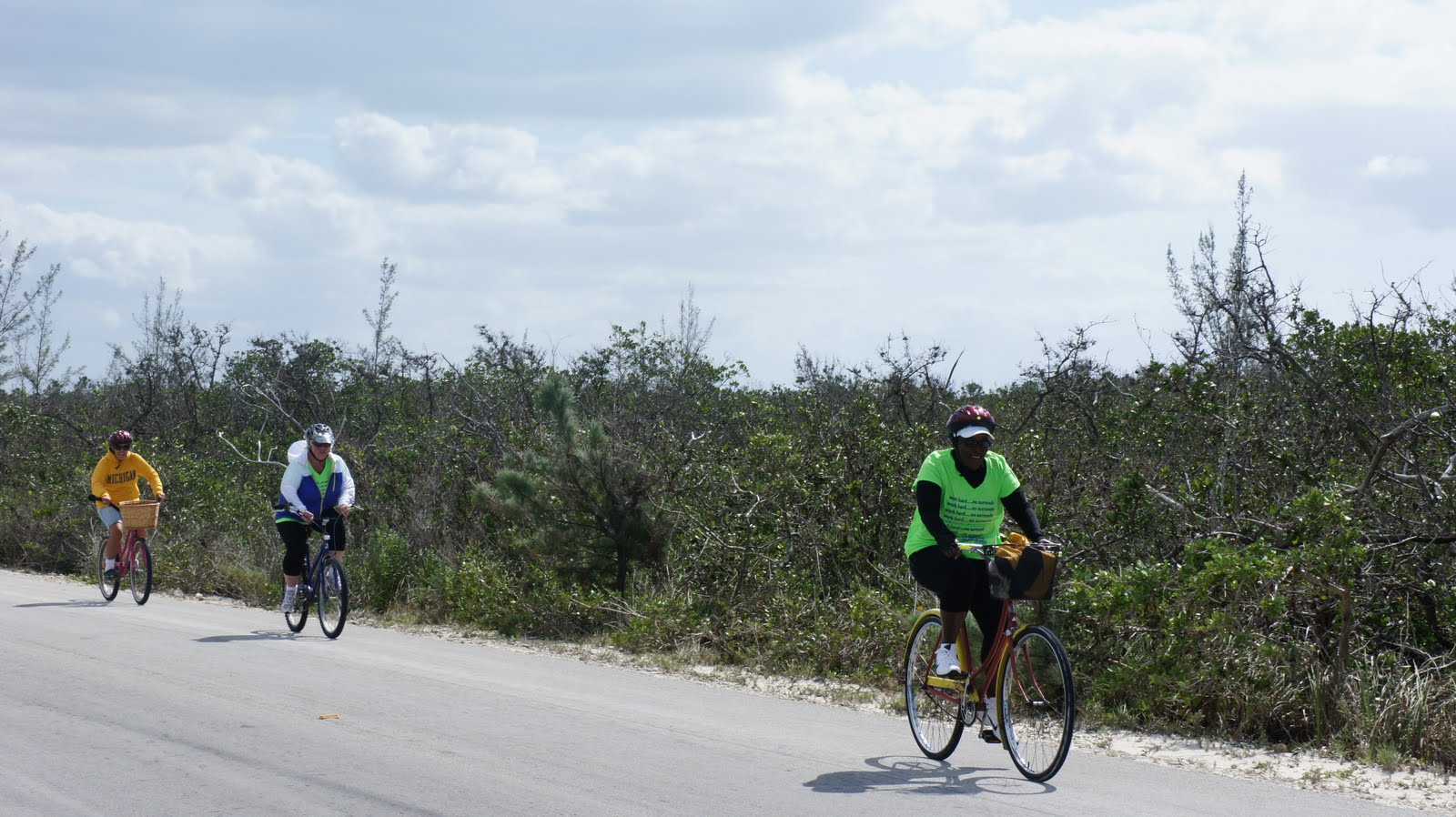
We pedaled steadily for the next hour, usually one cyclist following the other on the left side of the road.

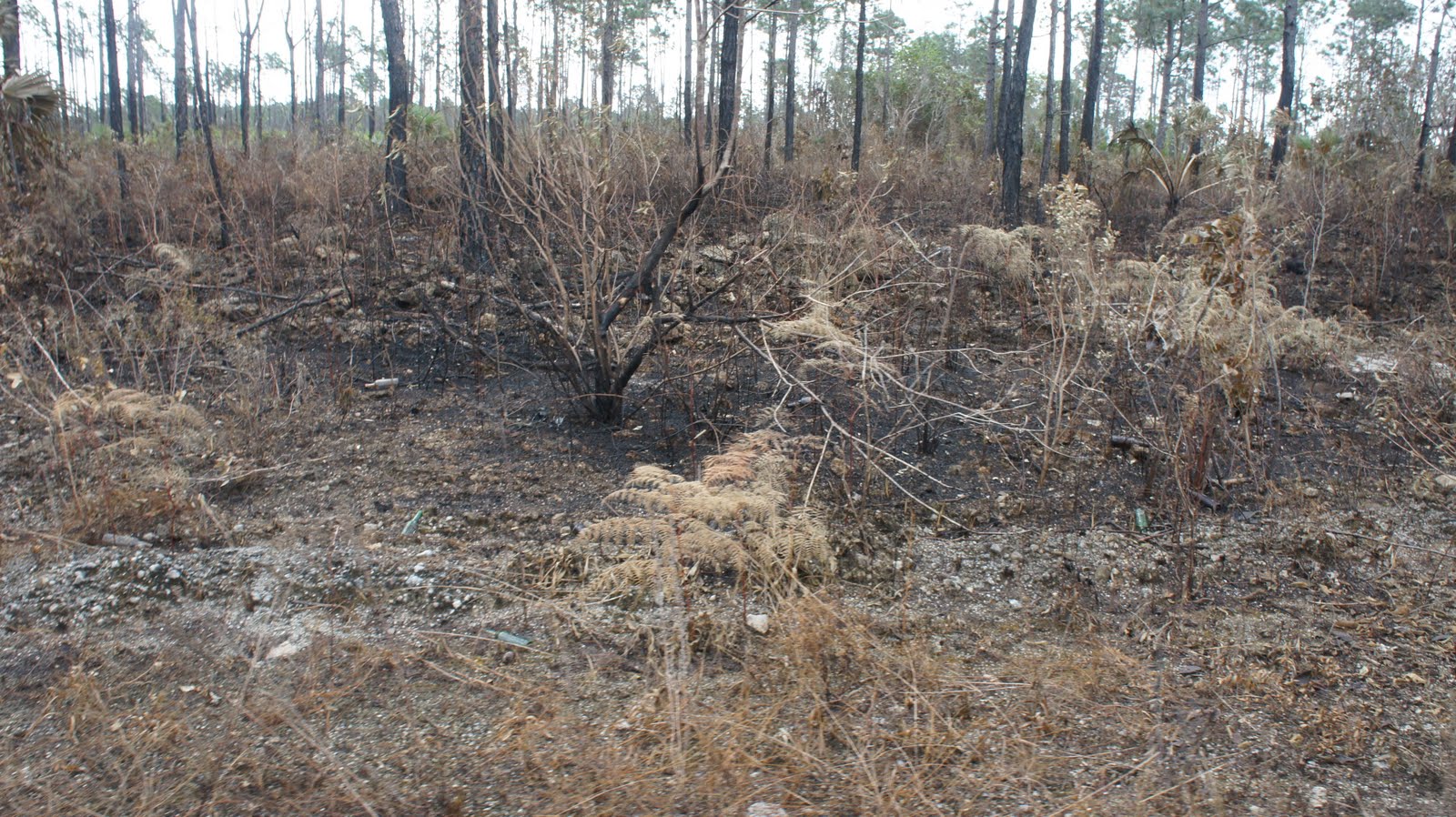
There were several miles where we cycled through an area where there was a forest fire, just a few days ago.  In parts, some logs were still smoking. Luckily it just rained and the fire is essentially out..

In what seemed like a relatively short period of time, one hour, we made it to the 20 mile mark where we stopped long enough to peel an orange and eat a banana, then get back on our bikes and head on down the road for the 30 mile mark..

After the fire

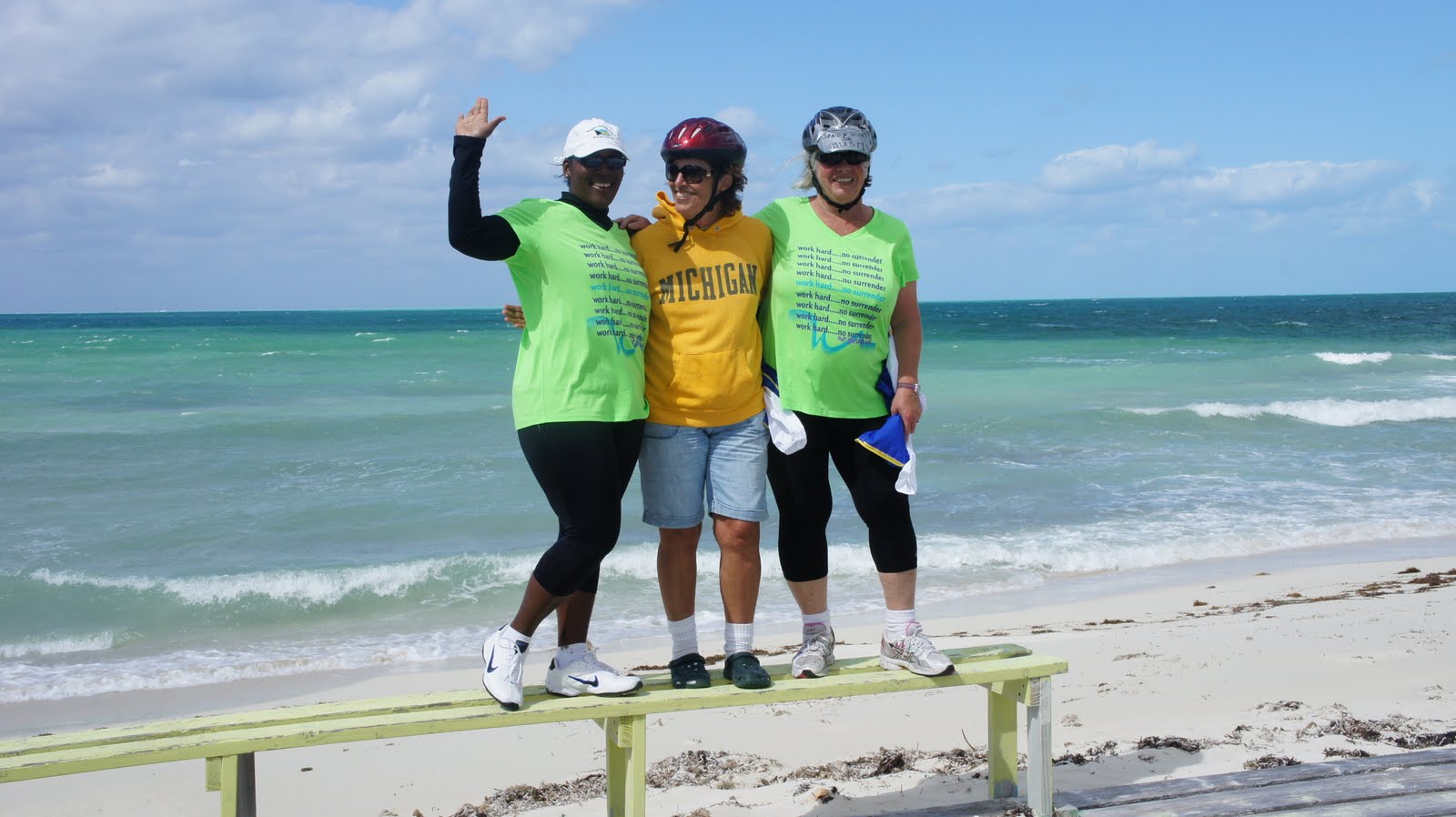
Before we knew what happened, we were at the 27 mile mark, just outside of Sandy Point, where we were met by our husbands and some friends who cheered us over the line.  We stopped for some photos then headed on into Sandy Point to the beach.  

At that point, we hit the wind head on and really had to push to make it the last few miles.  If we were going to be punished by weather, that was a reasonable time to have it happen.  We were already over the finish line and headed to our stopping point.

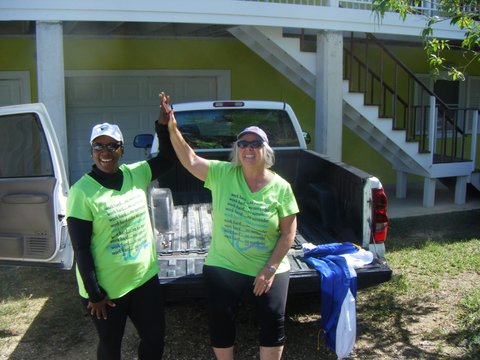
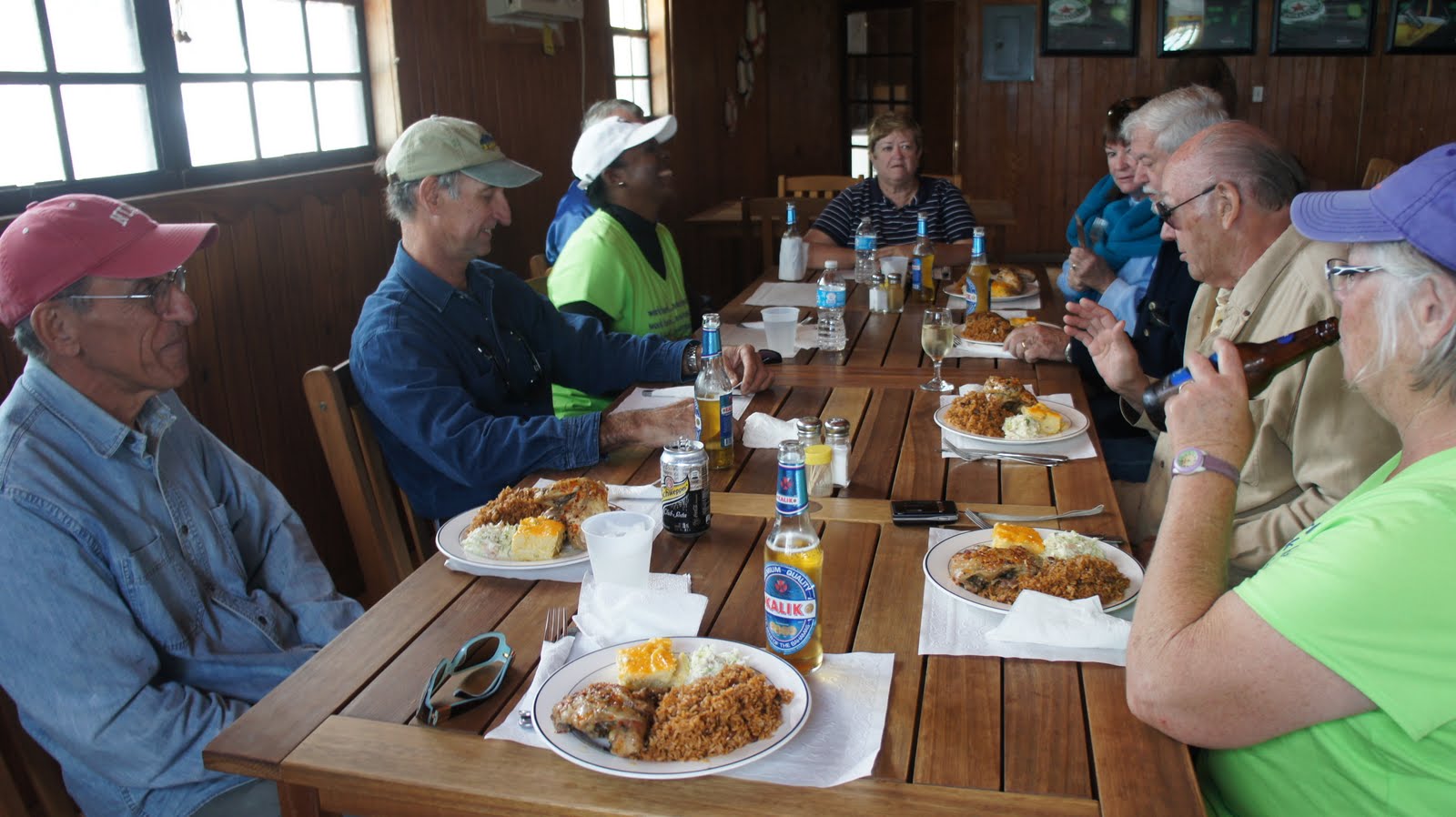
On top of having a great trip, we had the pleasure of meeting up with our husbands and friends who threw our bikes on a pick up truck and took us to Nancy’s for a delicious lunch.  That was a terrific reward for our efforts and will keep us on the path to new adventures here on the island. 


A Friend Passes Away

A friend passes away silently one morning
just as
the sun touches his window
one last time

The grass wet with dew still
breeze just beginning
clouds accumulating
palm trees sway
boughs bend

Palmettas flash their silver sides
over the insect-infested, bird-filled marshes.

The night heron marches away,
this time not screeching.

What happened to 2012?

                                                                                                                              
We thought we had things figured out for 2012.  We were just going to steady the course, keep everything as it is, and just coast for my husband’s first year of retirement. 
Instead, in our usual fashion, we changed our minds.  We decided instead to downsize and hit the floor running by announcing to our surprised children in January that we were thinking of selling our New York home of 30 years.  Then, after we decided that we should sell our home, we also decided that it was a good time to renovate our 500 square foot seasonal cottage at our lake.  Then we decided to renovate the 200 square foot guest cottage so that there would be sufficient space to have kids visit in the summer months.
Having just about filled up every waking moment with the job of examining our closets and bookshelves, throwing things out, making runs to our local  library with book donations, then driving over to Goodwill with some of our belongings, then having a garage sale for some of our furniture, and then readying our home for sale, then completing our transactions with the various contractors who did the renovation,  we decided that we should also begin looking for a condominium. 
We looked everywhere.Then we decided just to skip getting a condo.  Then we changed our minds again, and we picked up a condo in Portland, Oregon.  
By the end of 2012, we managed to sell our New York home of 30 years and complete the cottage renovation.    
I really did not believe that we could have packed much else in this first year of my husband’s retirement!  Looking back at the year that I retired, I guess we did something almost equally crazy.
With respect to 2012, we are grateful for our children’s patience, for their love and support, and for our loyal group of grandchildren, who always manage to make us look on the bright side of life.  
This is best summarized, perhaps, by one of our grandsons when he and his family visited us at the cottage this summer.  He sneaked out of the main cottage where he slept with his Mom and Dad and baby sister, to knock on the door of the small wooden guest cabin to visit his Grandma and Grandpa who were sitting in bed together for their morning cup of coffee.  He crawled into bed with us, where we were surrounded by boxes, blankets and items stacked in the corner while the renovation was being completed.  The early morning sun was coming through the windows. 
He looked around and said, “This is my favorite cabin in the whole world.” 
For a couple of doting grandparents, it doesn’t get any better than that.