Feeds:
Posts
Comments

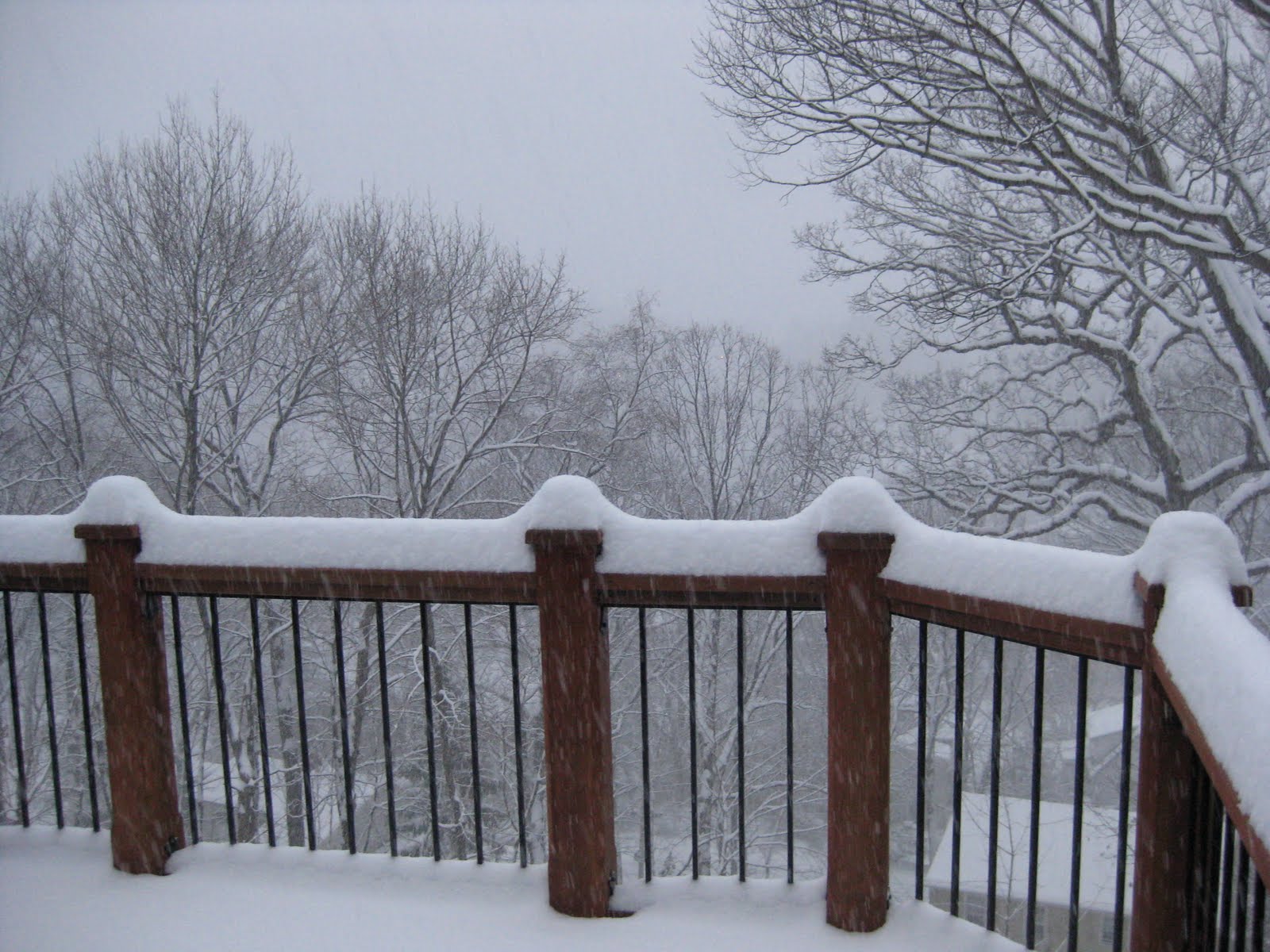
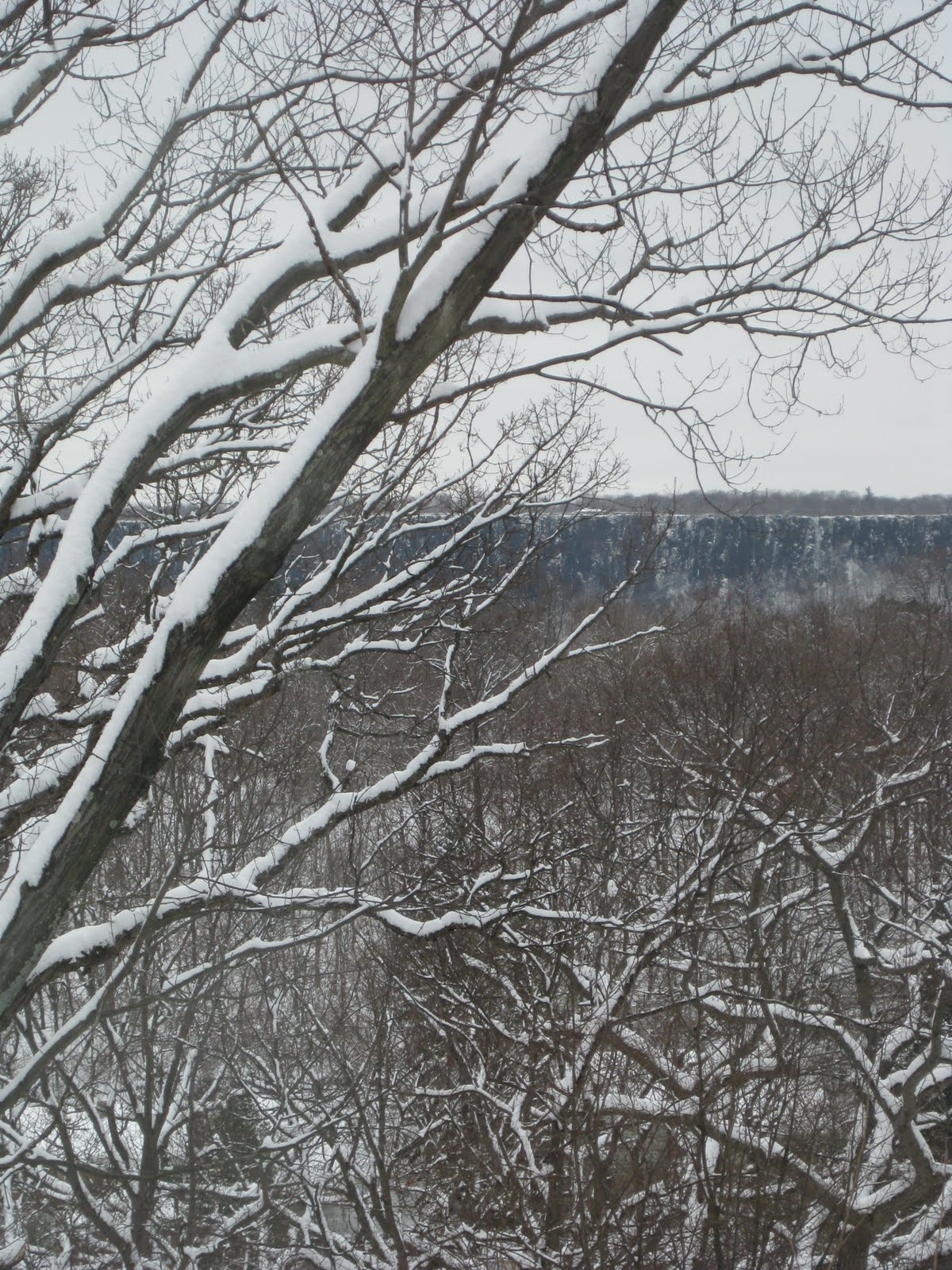
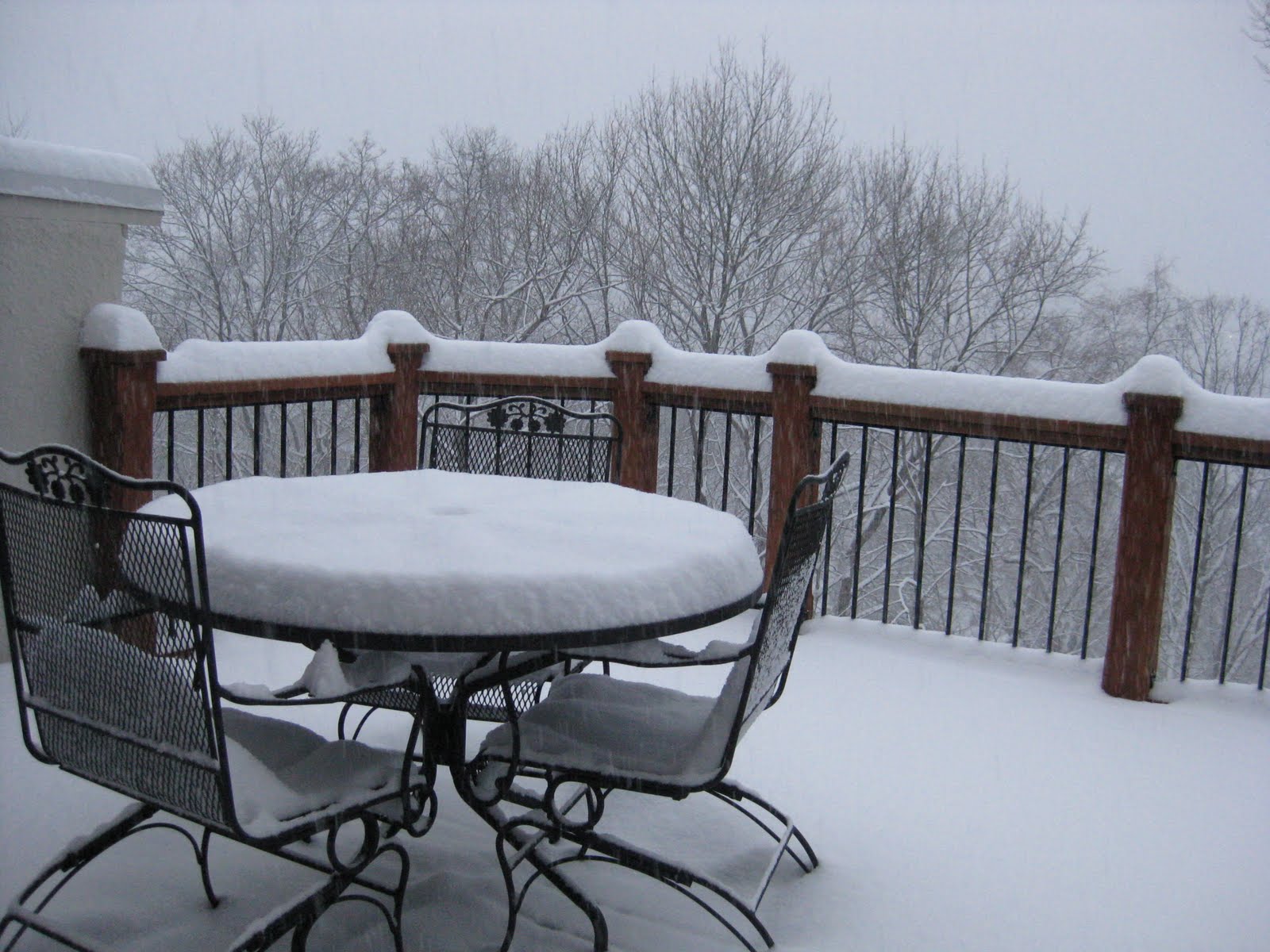
This morning I woke up early to the sound of the snow plow rumbling by and opened the curtain to find out what was going on.  Snow was silently falling everywhere.

It is the kind of day that used to bring shouts of joy from our kids when they turned on the radio to find out that it was an official “snow day” and school was canceled.

The local school system is closed but not because of snow.  It is because it is Presidents Day, a national holiday, and many people are on spring vacation.  However, the public library  is supposed to be open today, but it  is closed owing to all the snow.

 I hope that this is the last blast of winter before spring sets in.

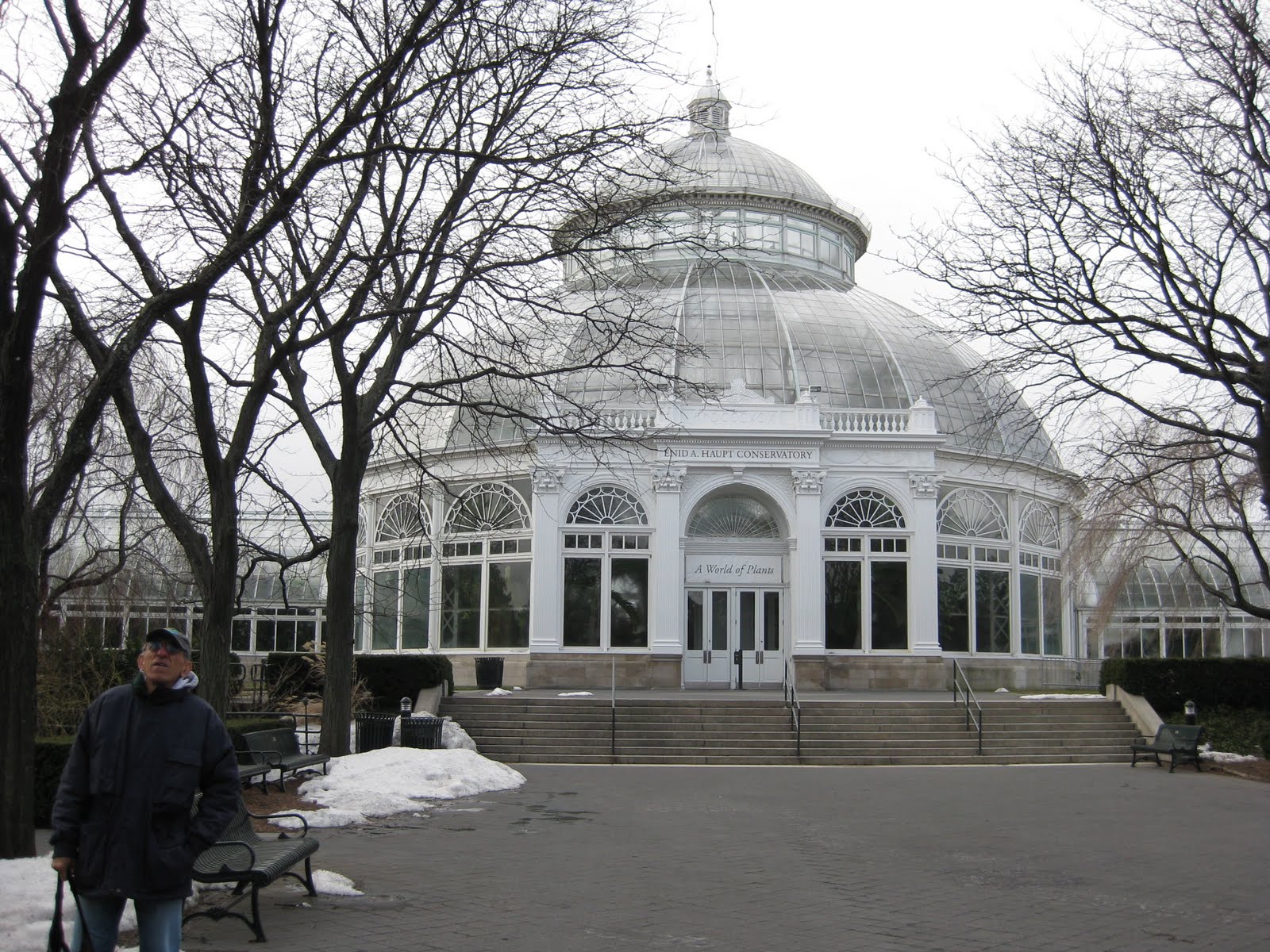
We went to the Caribbean Garden Show at the New York Botanical Garden this last Saturday.  I wanted to see whether I could identify some of the plants that we have in our yard in the Abacos.  The Show had a lot of the plants that we have, for example, cocoplum, banana and papaya trees, a variety of palms including the sago, coconut palm, royal palm, the thatch palm and the common Palmetto (a type of Sabal palm).  However, the plants that I wanted to identify were not in the show.  Alas, back to work on identifying them.

One person suggested that we stop in Miami and visit the Fairchild Tropical Botanical Garden and that we might have a better chance of getting into the details and nuances of tropical plant life down there.  It is now a new item on my Bucket List.  

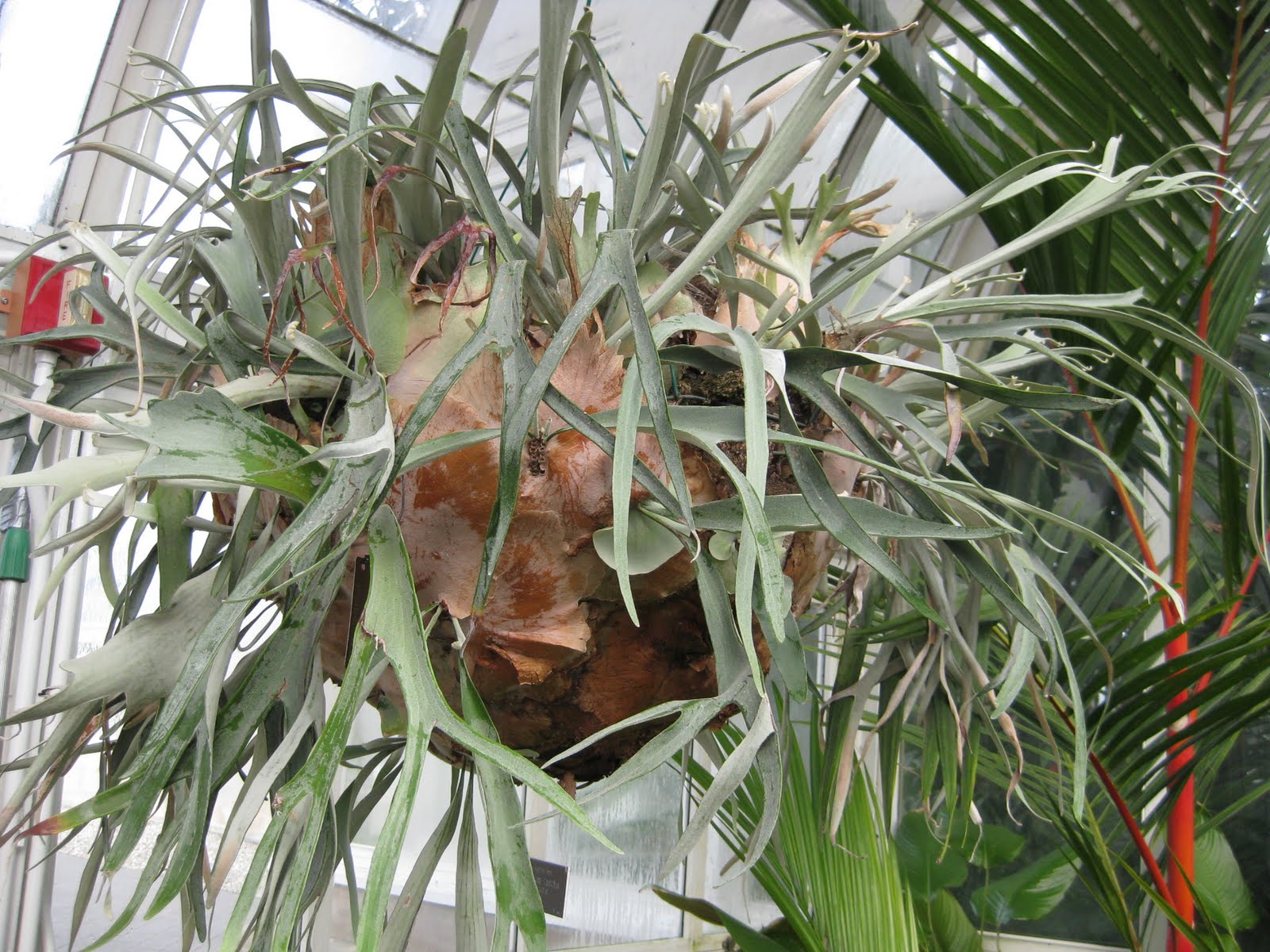
Our friend the staghorn was highlighted at the show.

Even though we didn’t identify our plants this time around, the garden show was wonderful and we had a great time except for the part of walking between the car and the show.  The winds were blowing hard and it was unusually cold.  Ah well.  I think I am still missing the warmth of our Abacos.

As of February 13, we returned to New York.
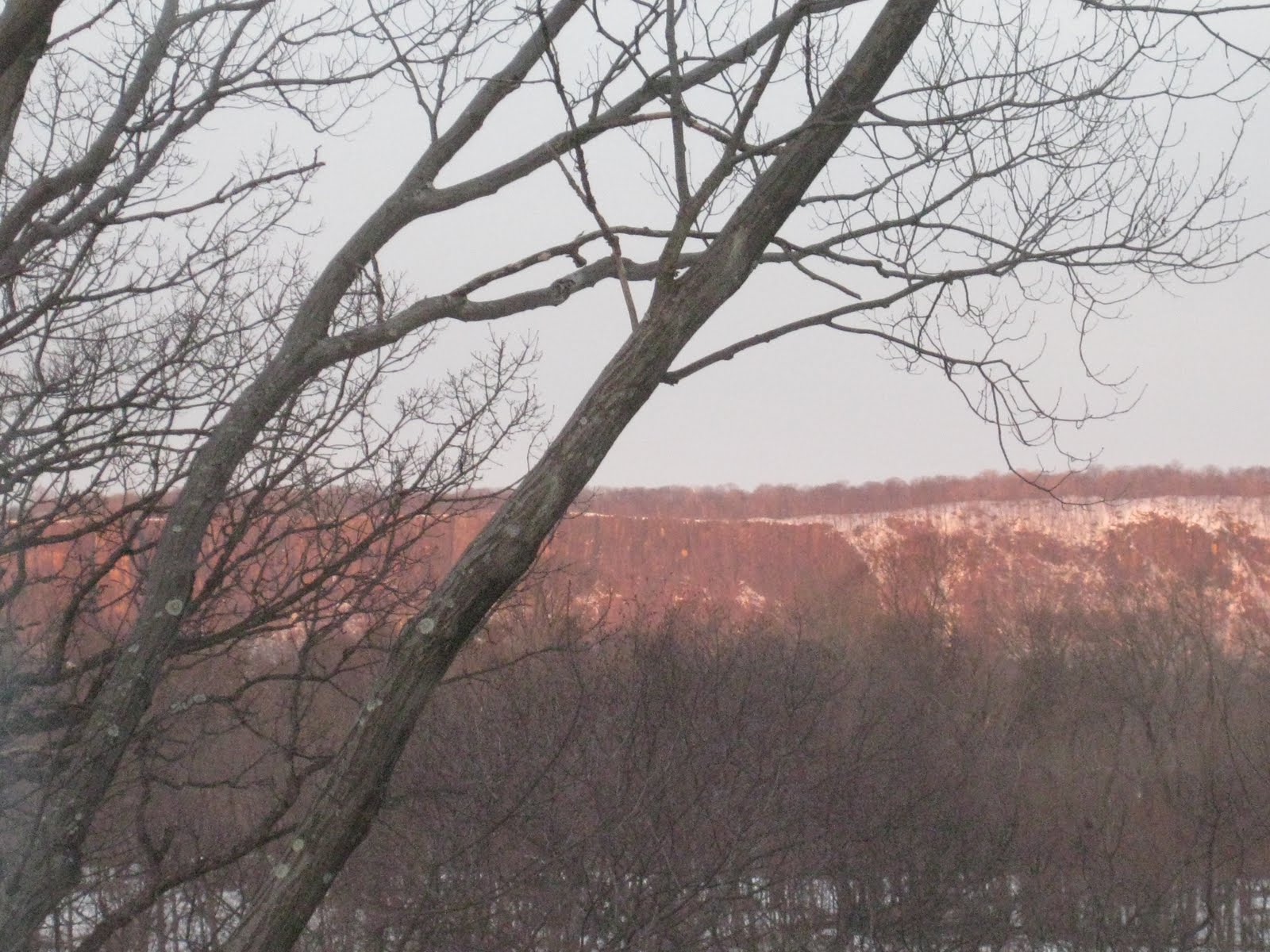
Our scenes out the window in the morning, shifted accordingly.

The temperatures were chilly  when we got here but have been warming up ever since.

Probably the most complicated part of shifting back and forth between the Bahamas and here is remembering which side of the road to drive on, and to remember where the spatulas are in the kitchen.

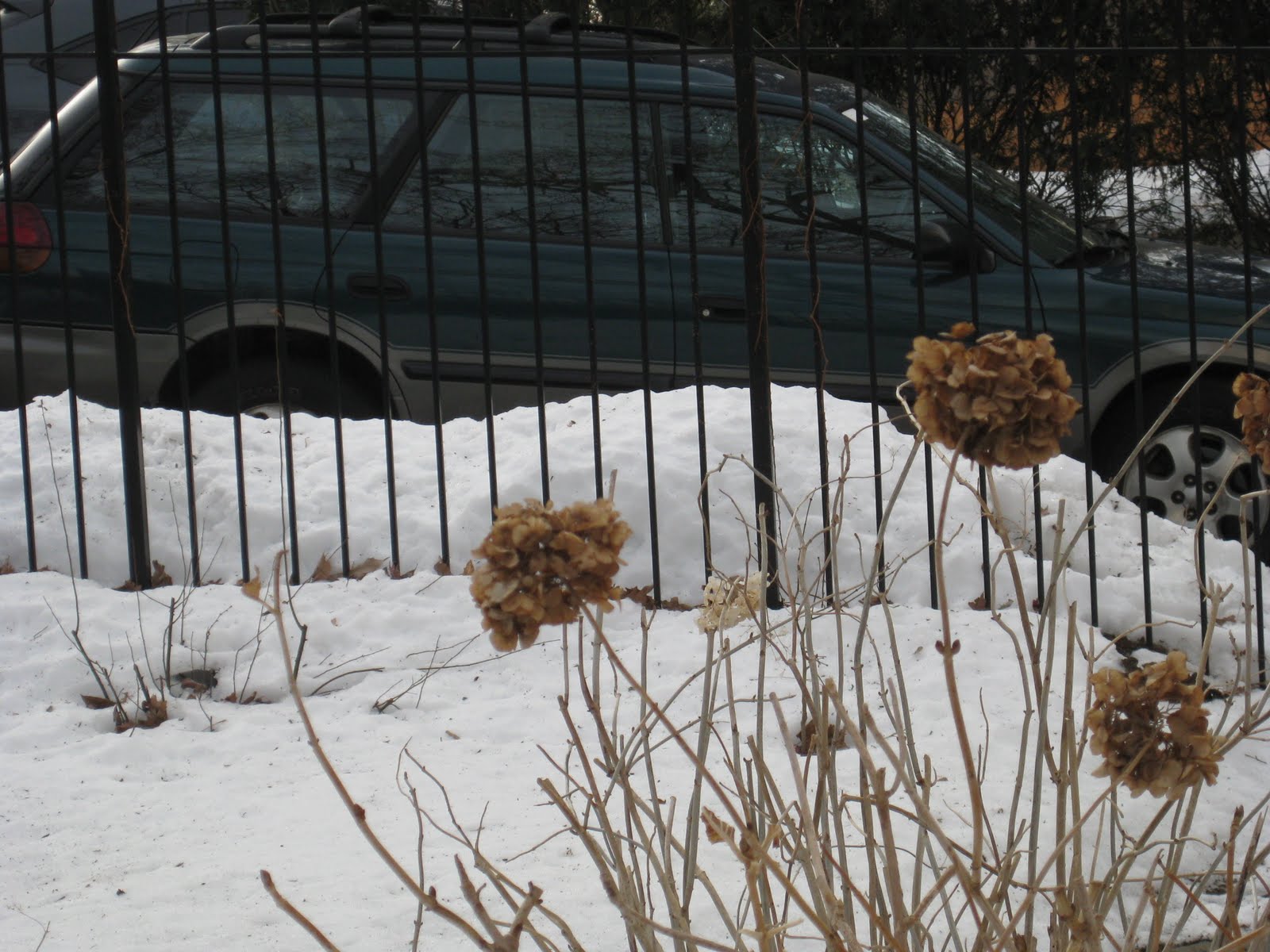
The snow is still piled high in many places.

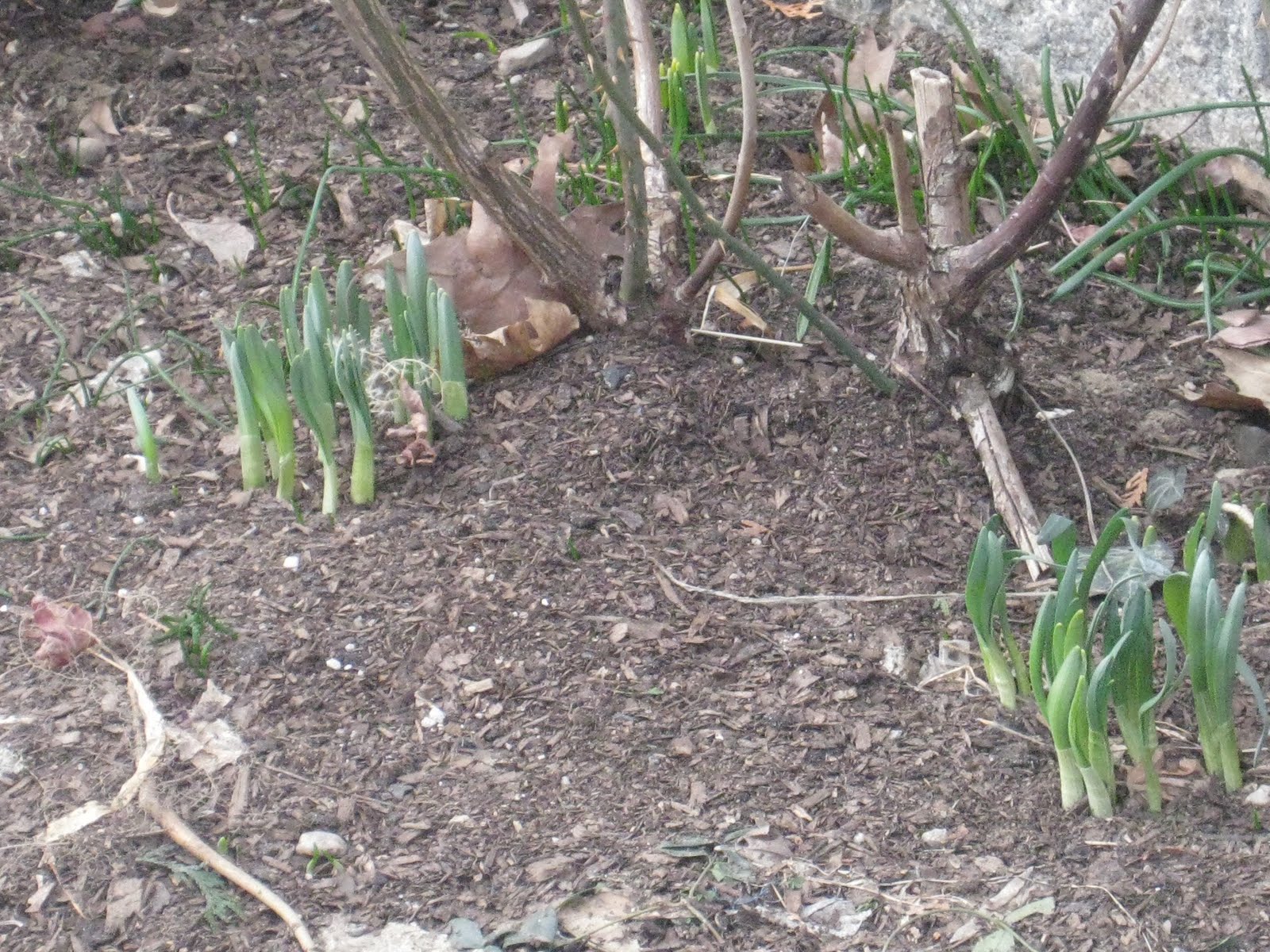
But there is much evidence that spring is on the way.  
There is not much one can do outside yet, other than take daily walks.  Because of the constant melting during the day, black ice is a consideration and one must walk cautiously across it to keep from slipping.
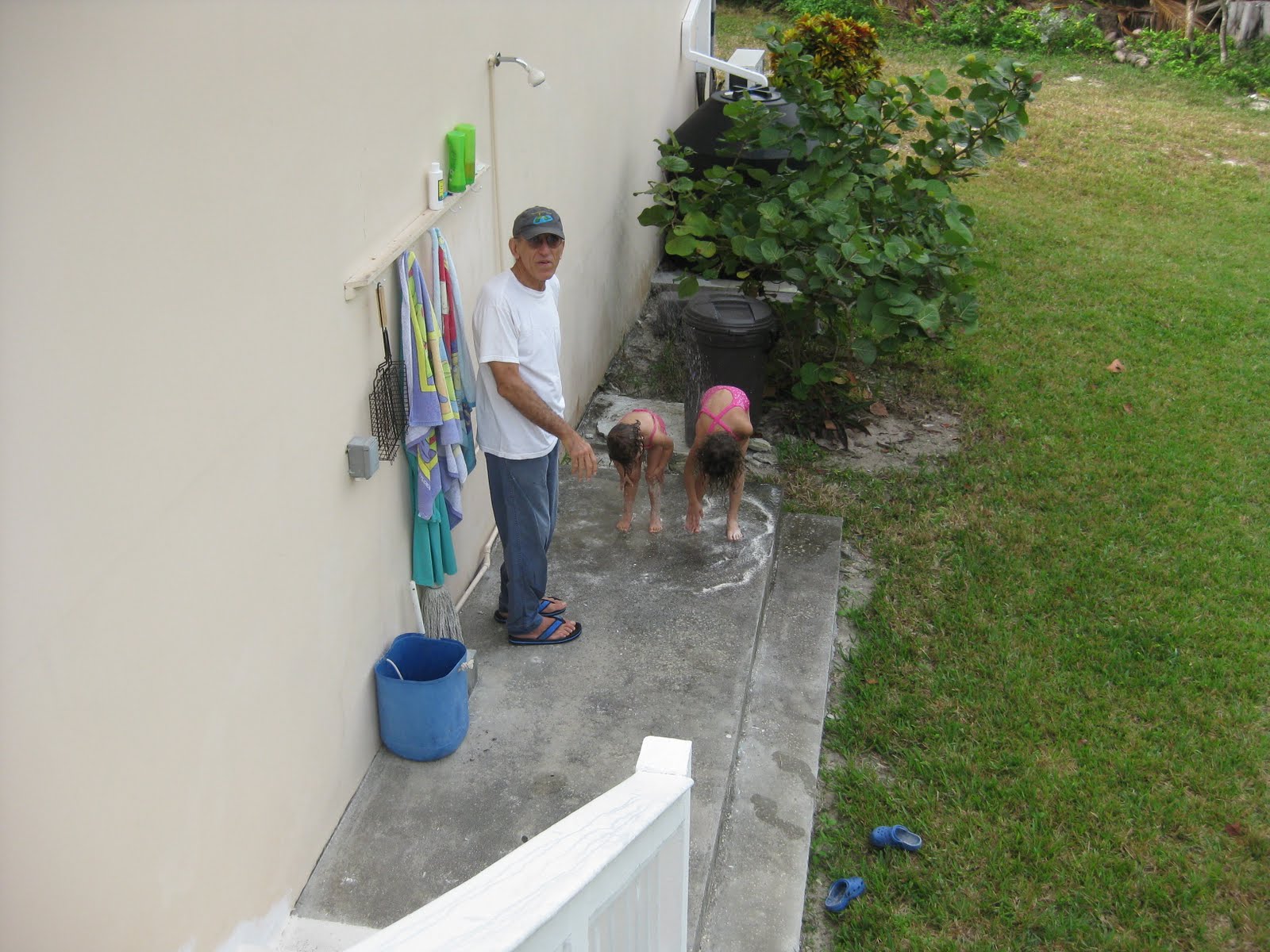
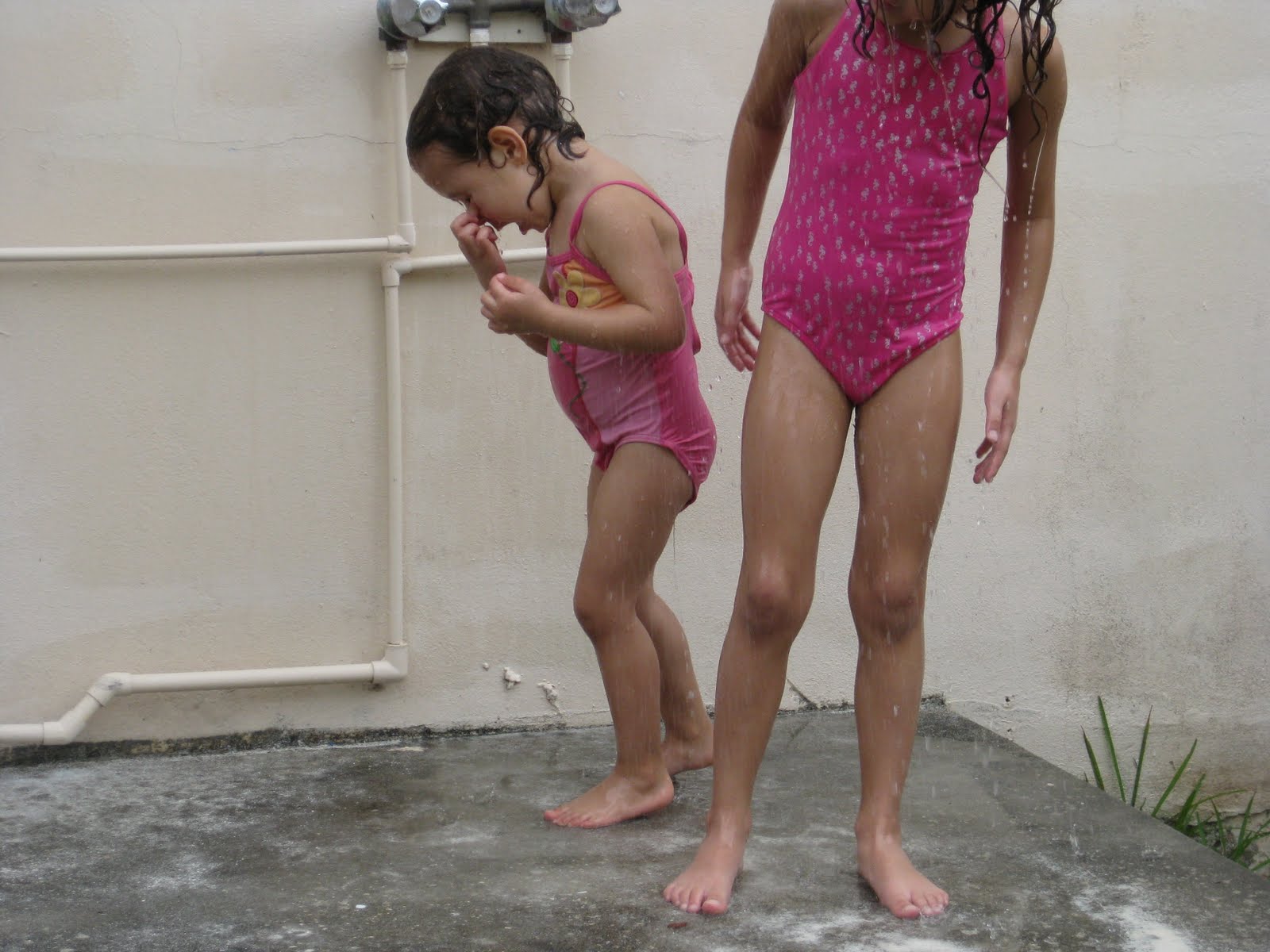
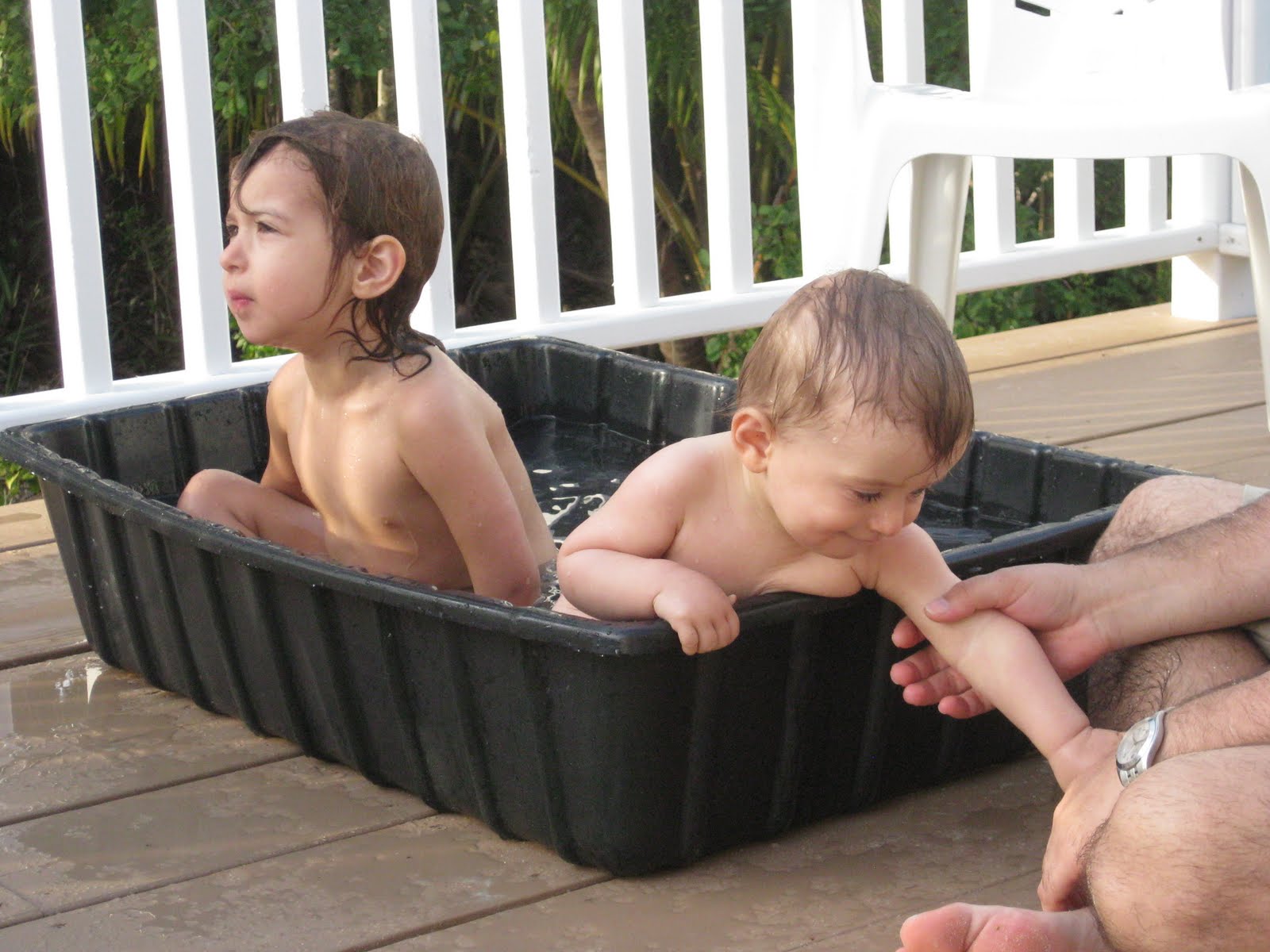
Take a relaxing outdoor shower.

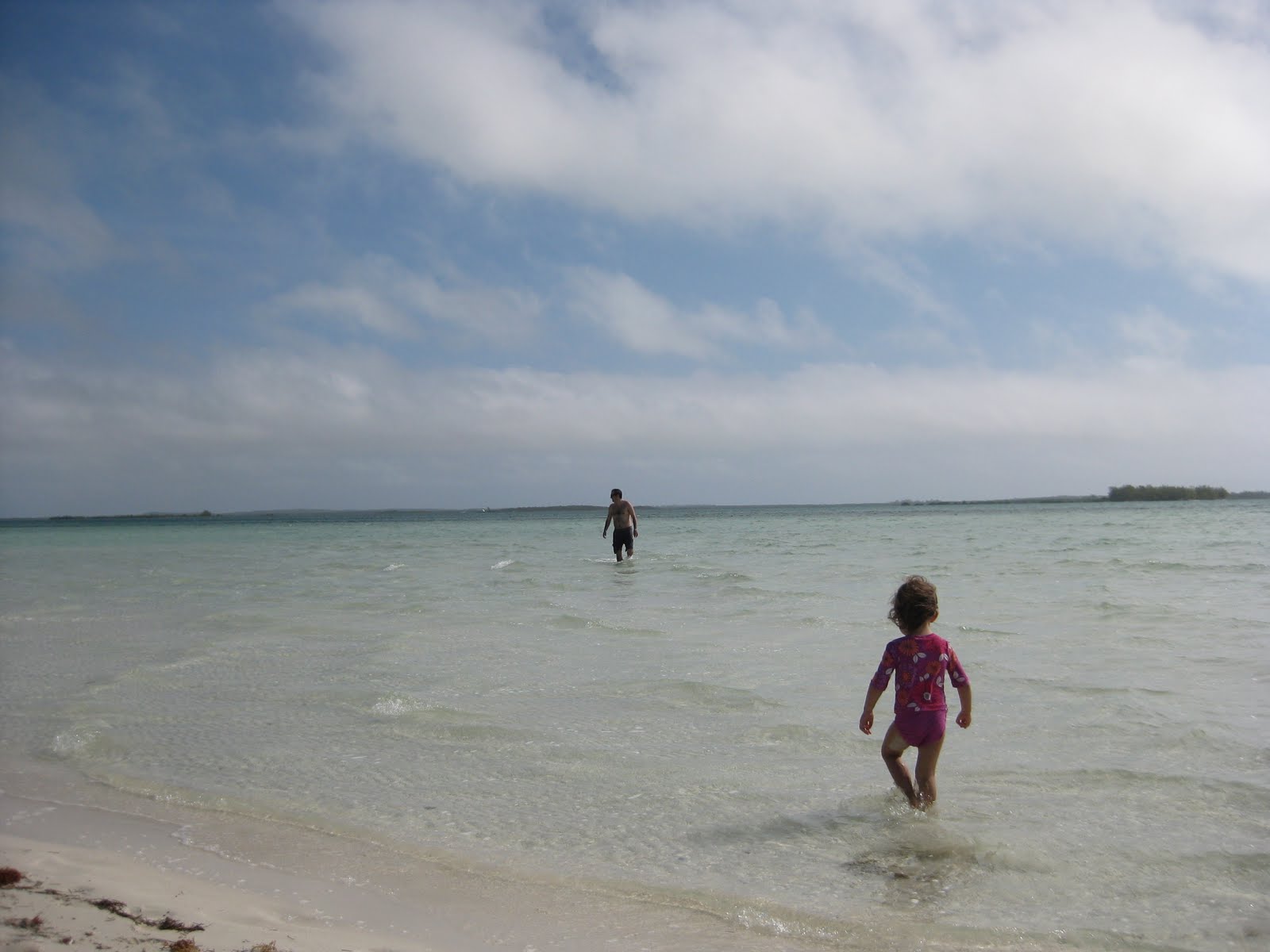
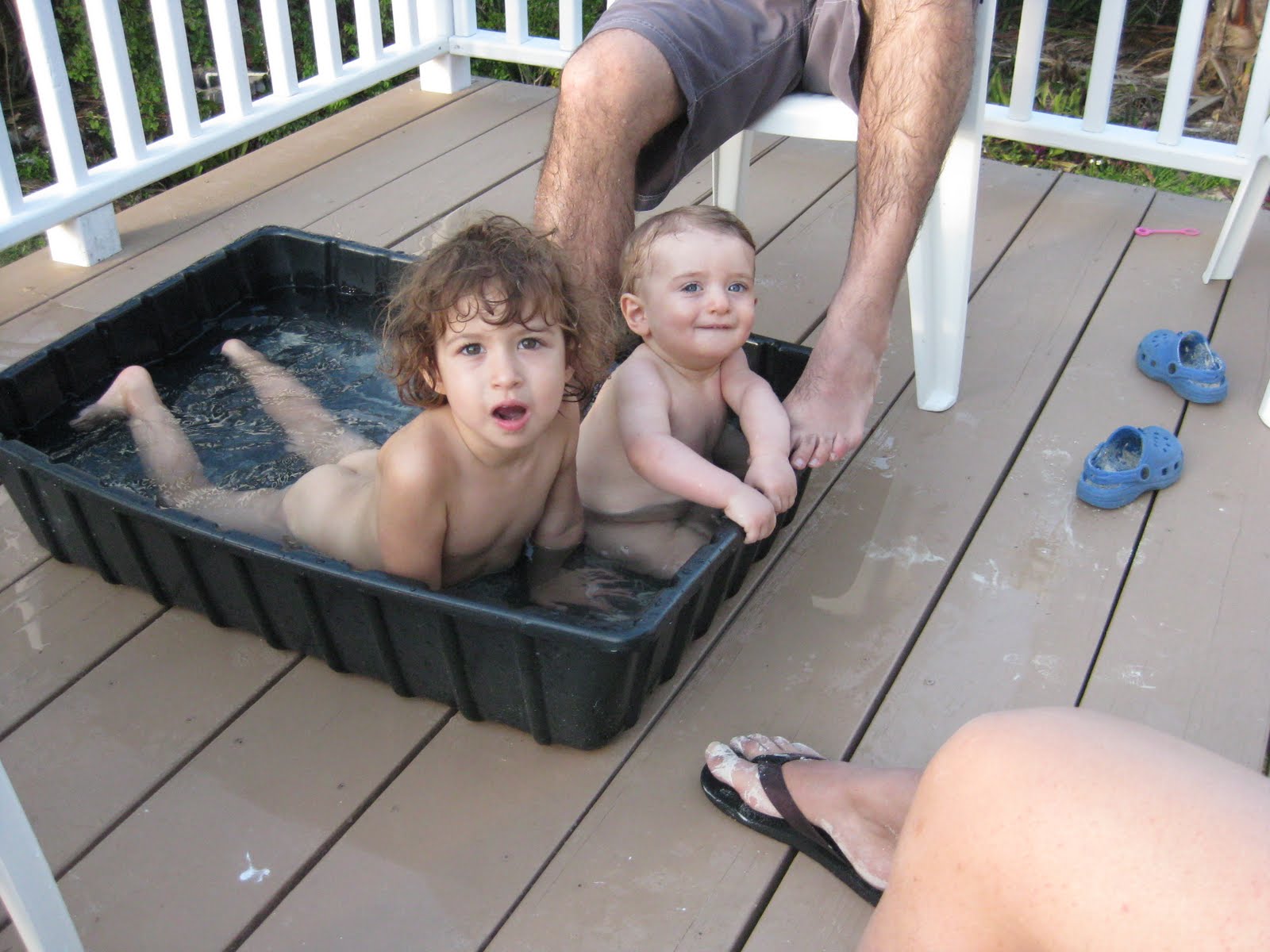
Swim in the local pool.

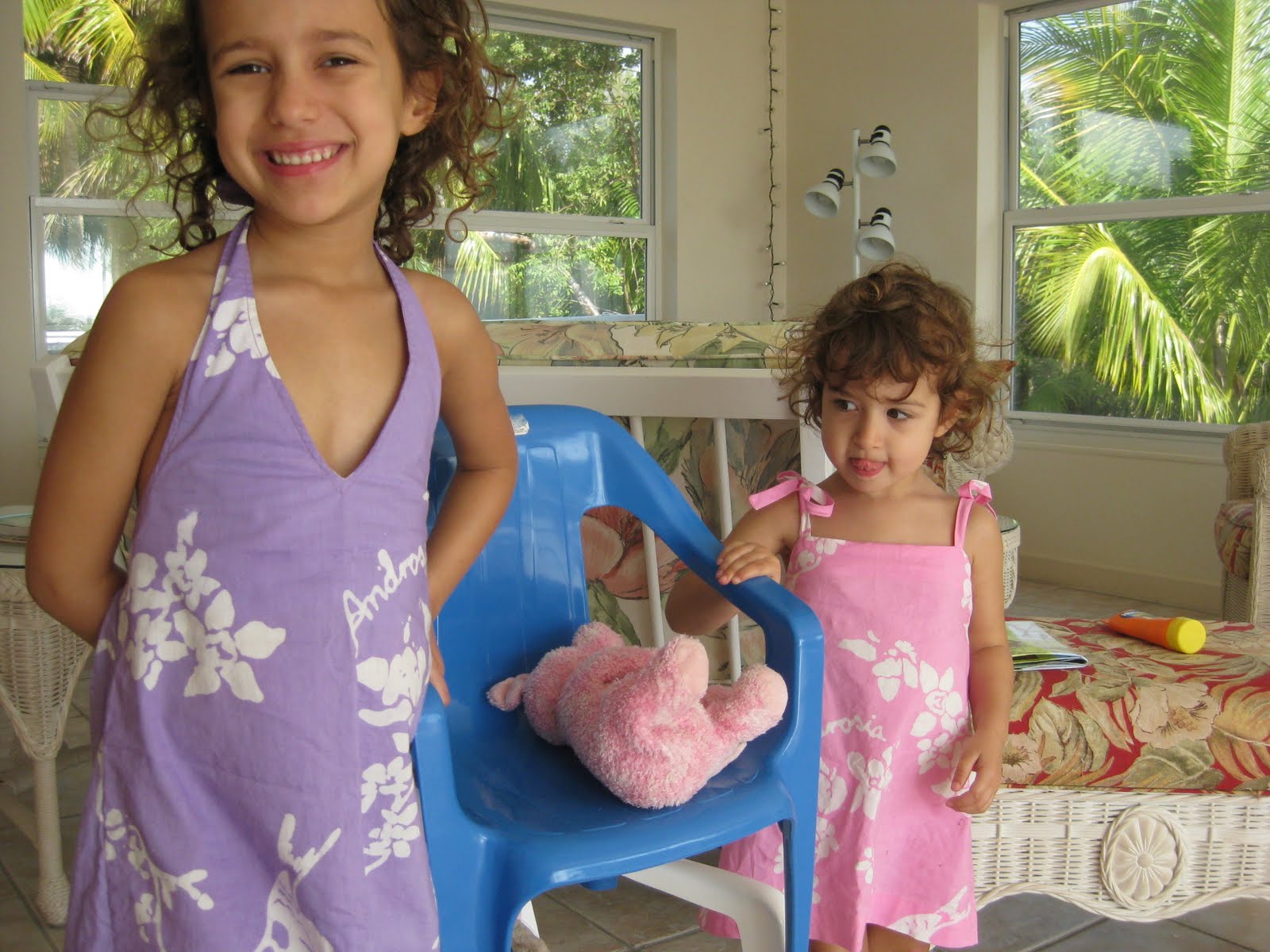
 Try out our new summer dresses “Made in the Bahamas” of Androsia cloth.

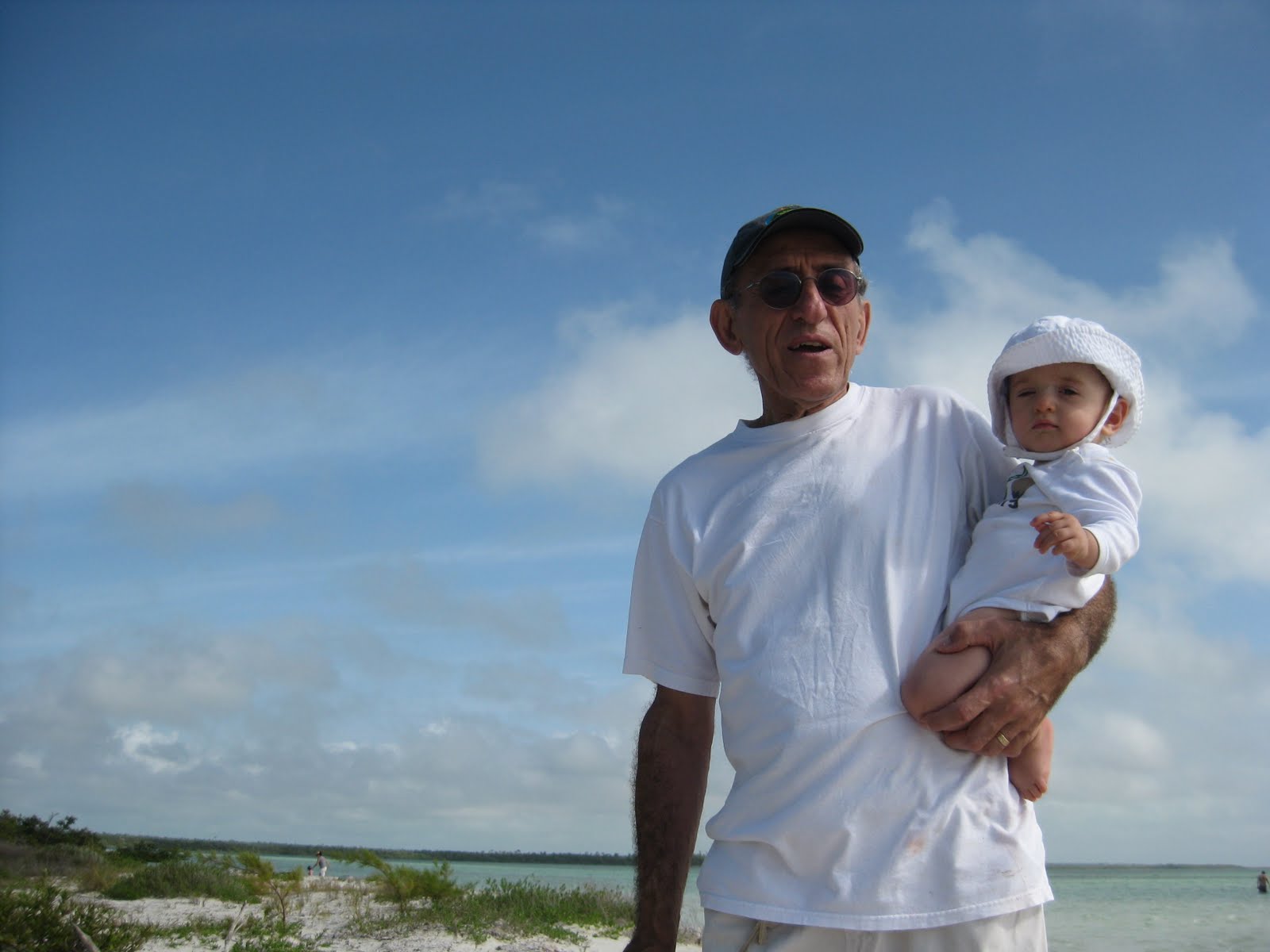
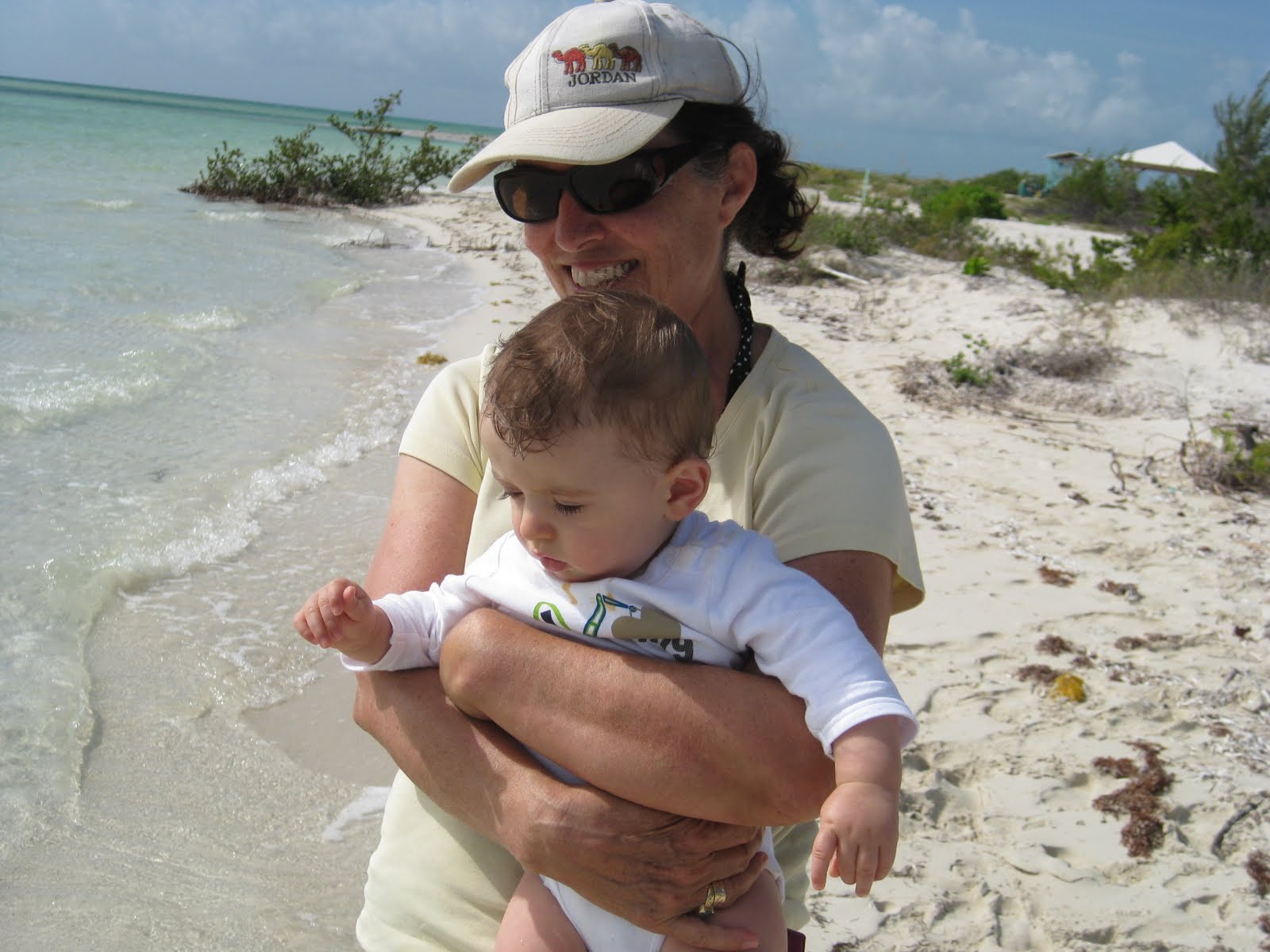
 Take a walk with Grandpa and Grandma.

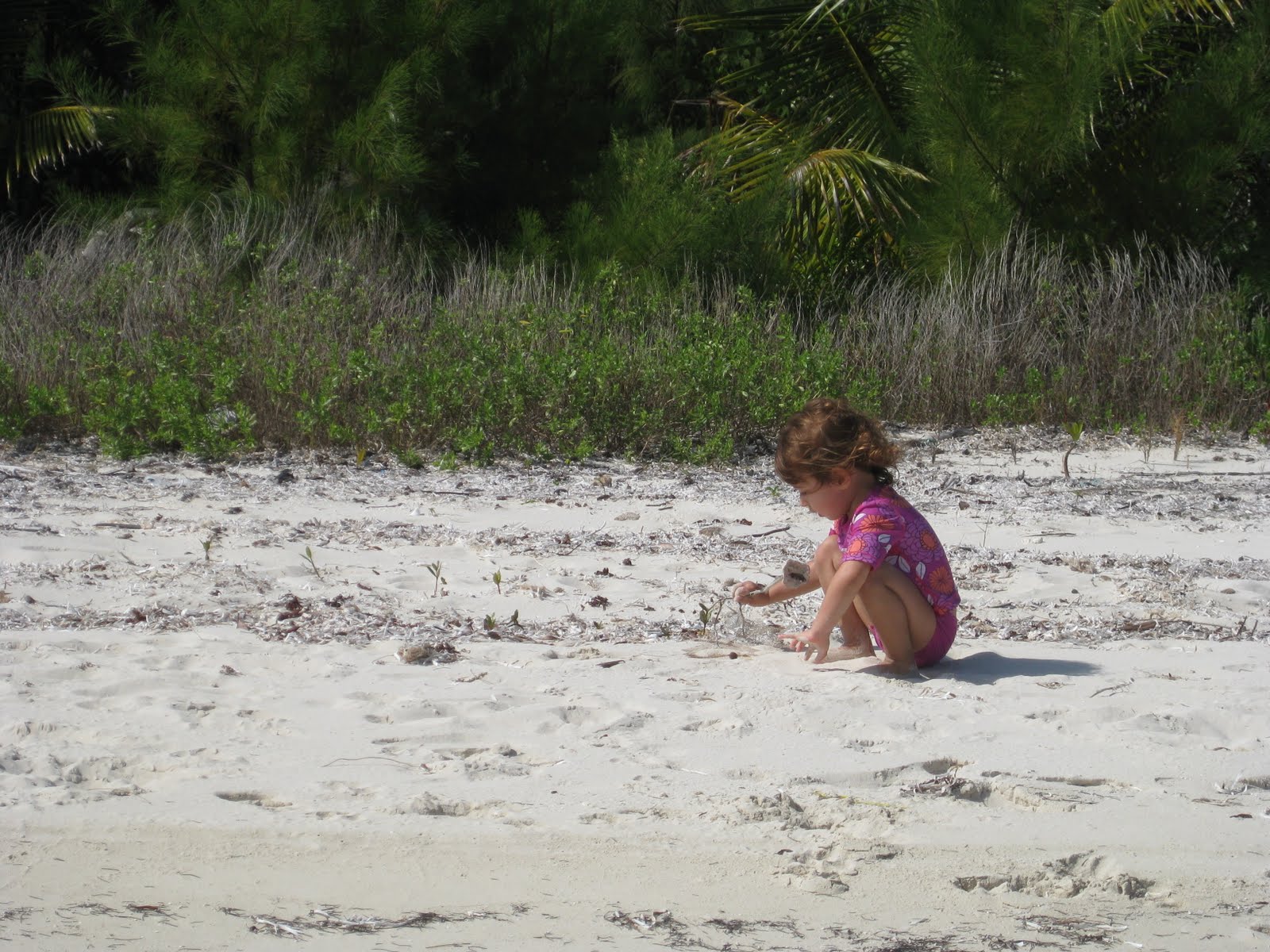
Search for sea stars.

 Find a sea shell.

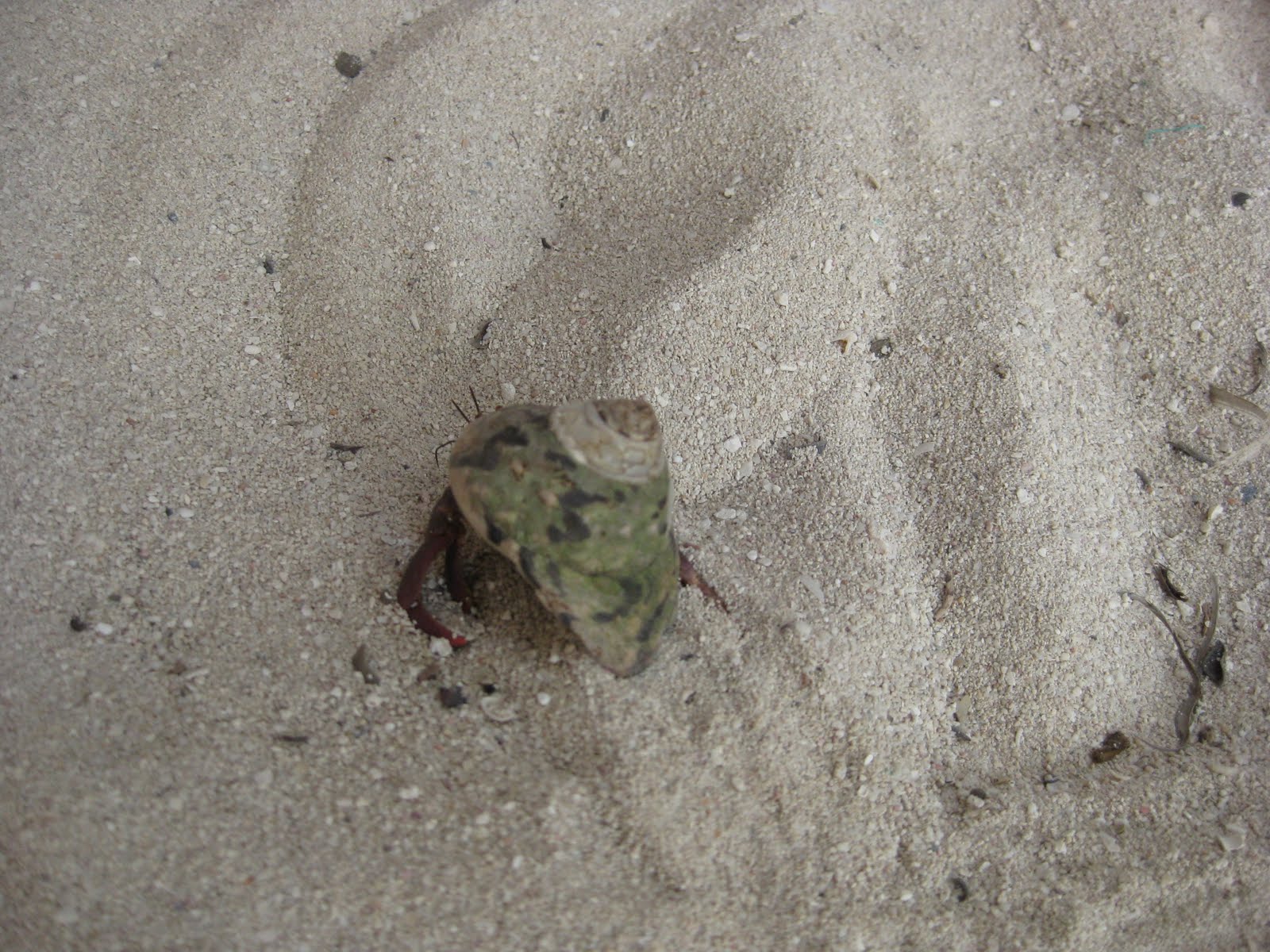
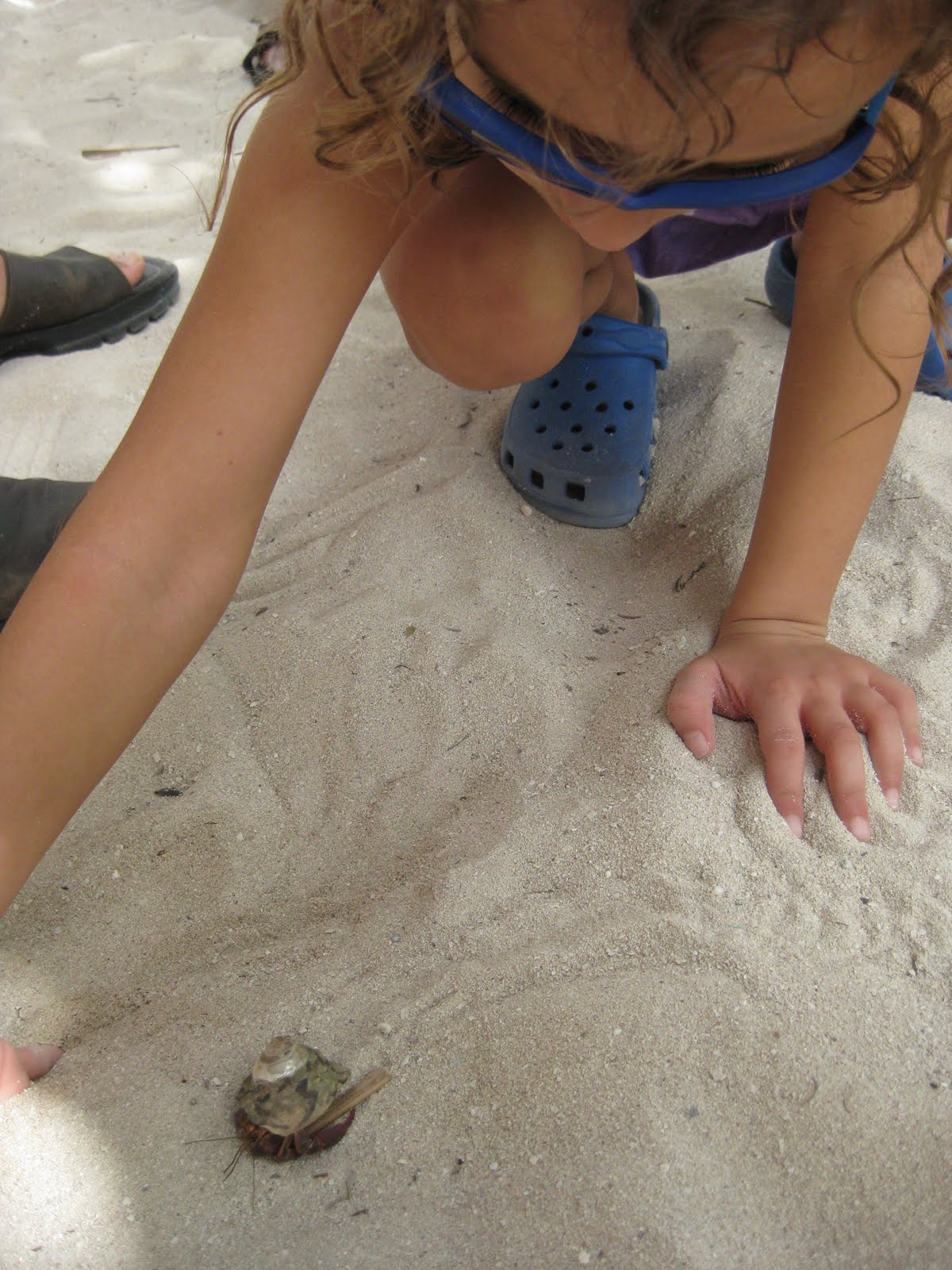
Follow a hermit crab on one of his walks.

C

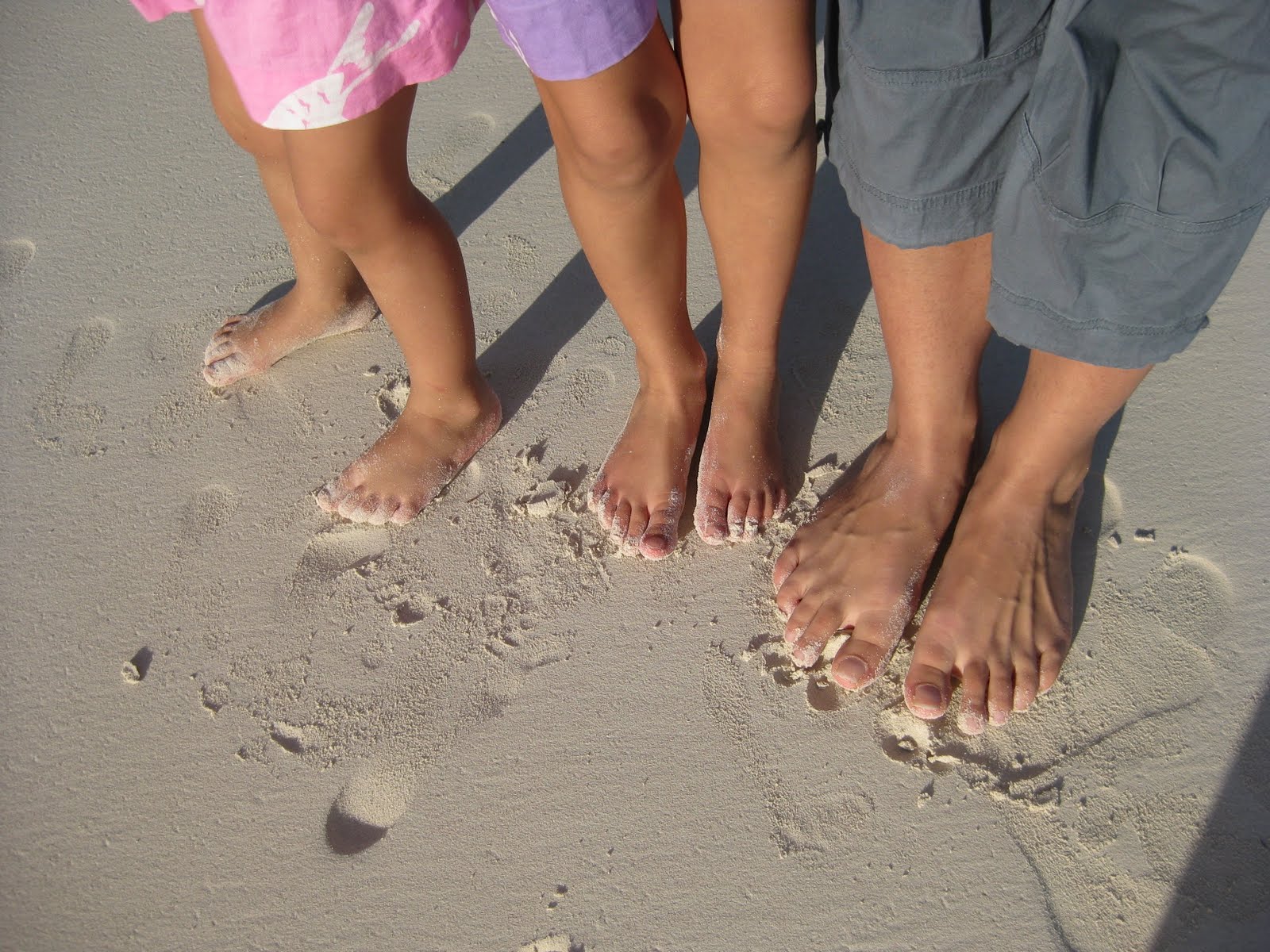
 Compare sizes of footprints in the sand.

Take another swim in the local pool with water warmed by the sun.

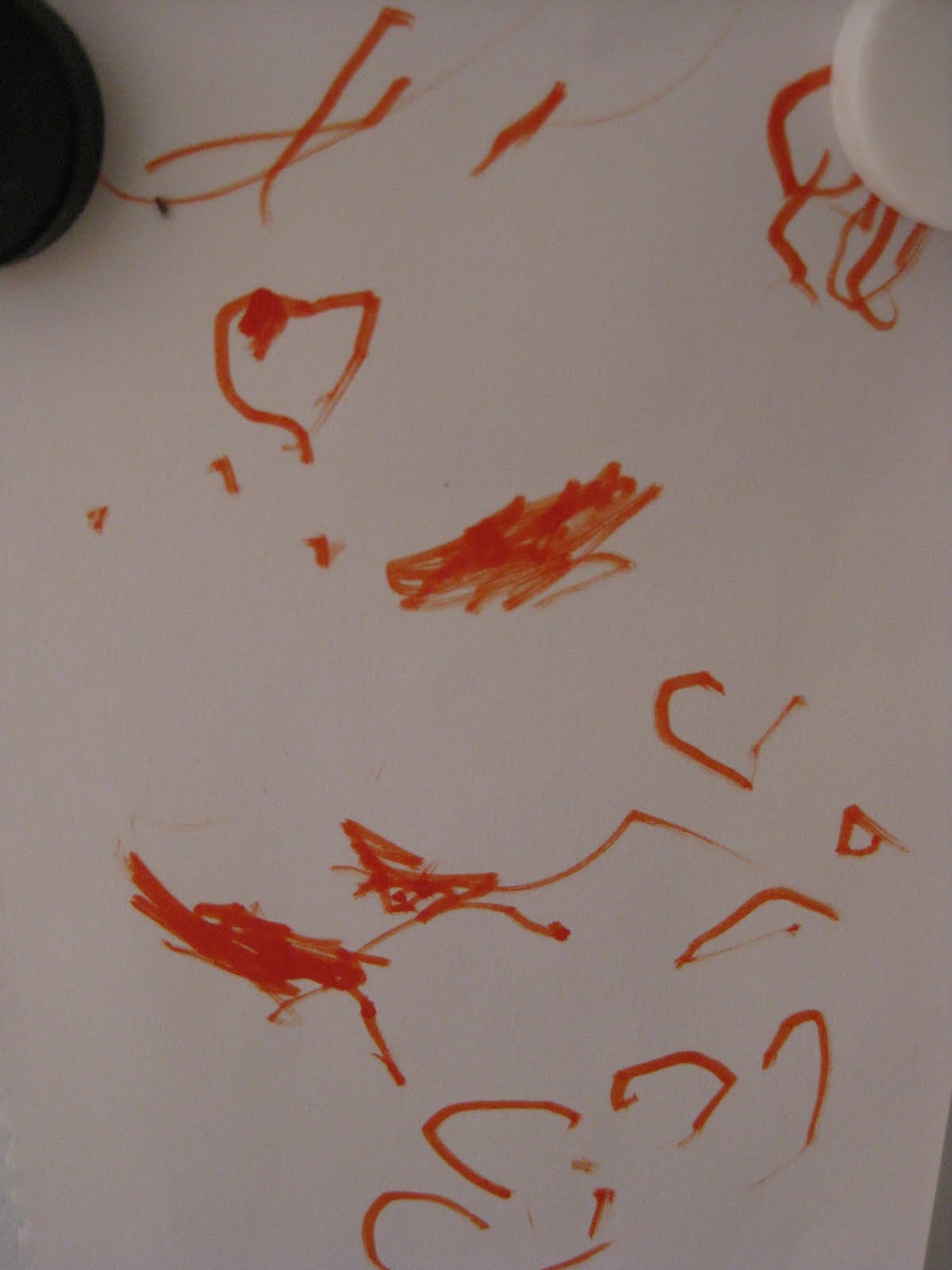
 Draw a picture for Grandma and Grandpa to hang on the wall.

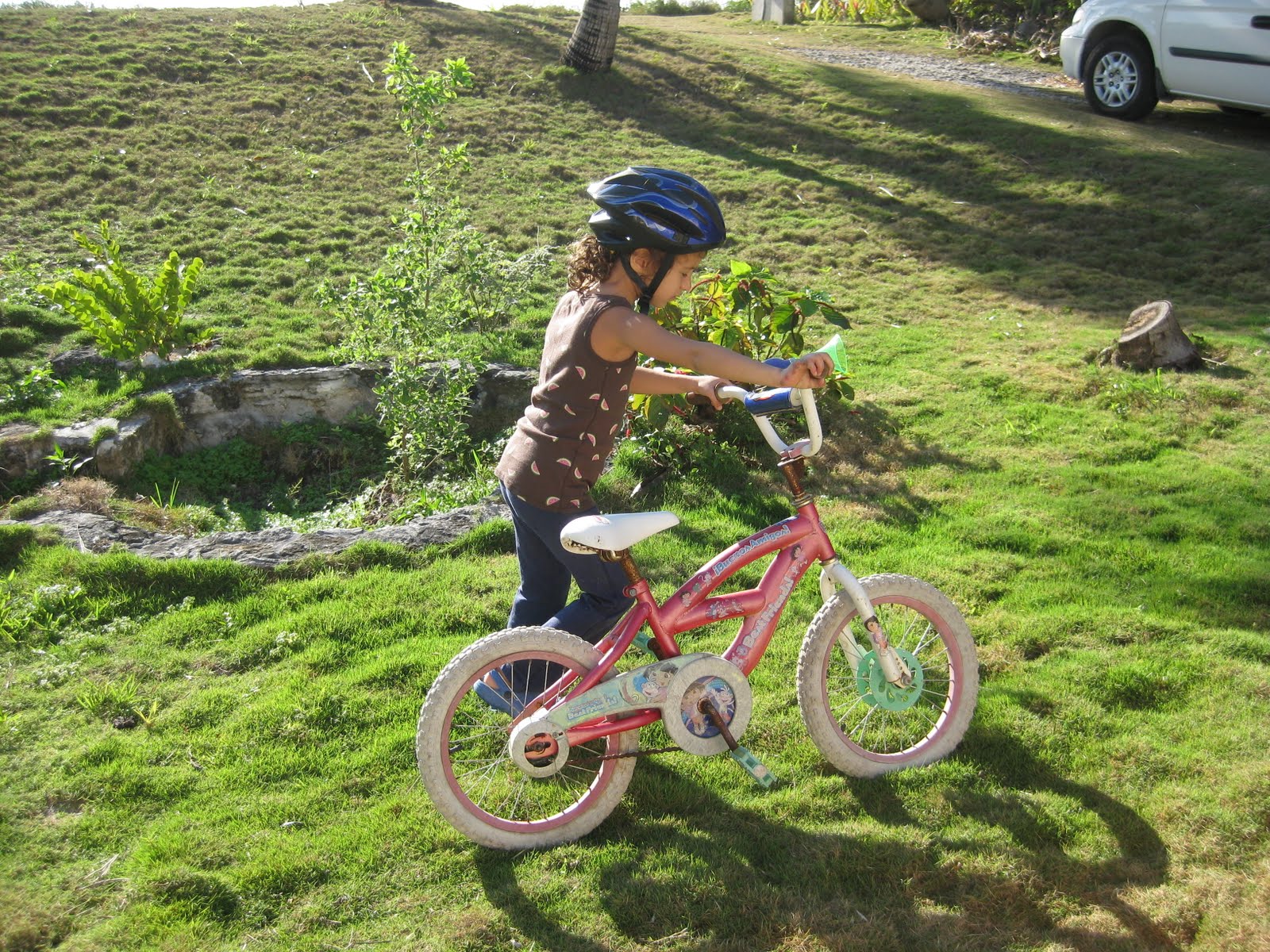
 Ride a bike.

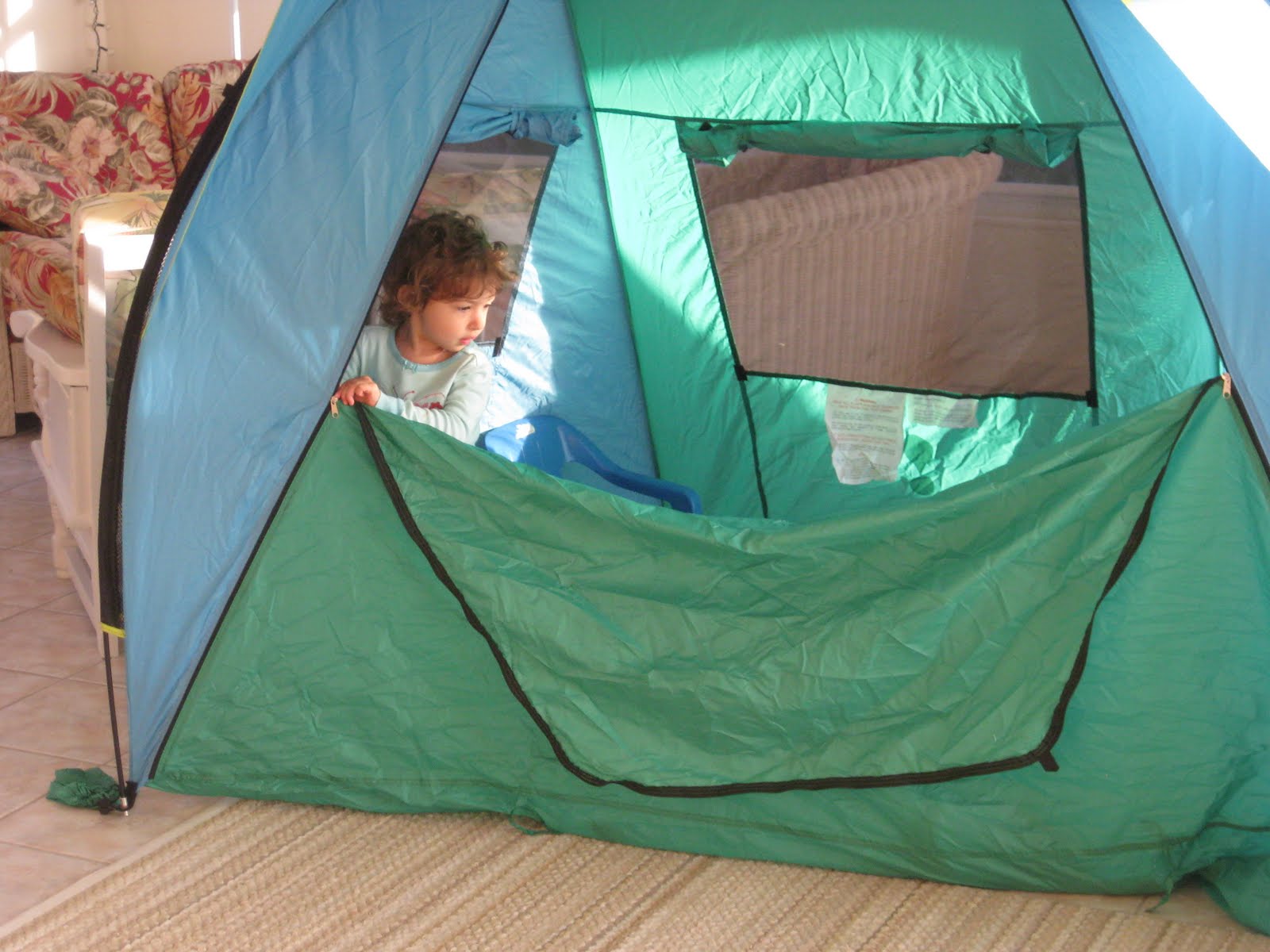
Camp in the living room.

 Good lord, how many sisters do I have?

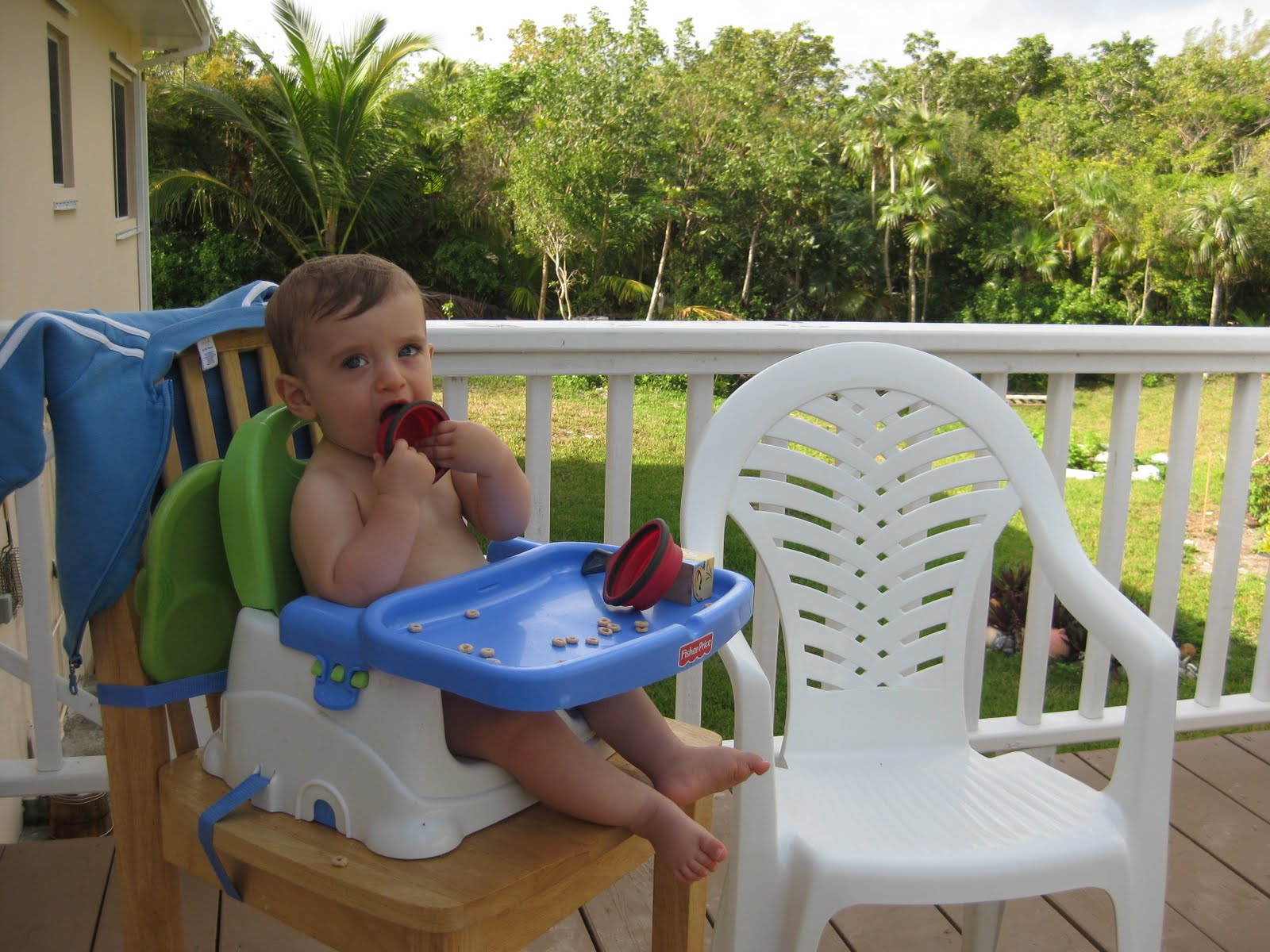
 Eat outdoors on the patio.

 Play with a ball.

 Look pretty in our new dresses.

 Read a book.

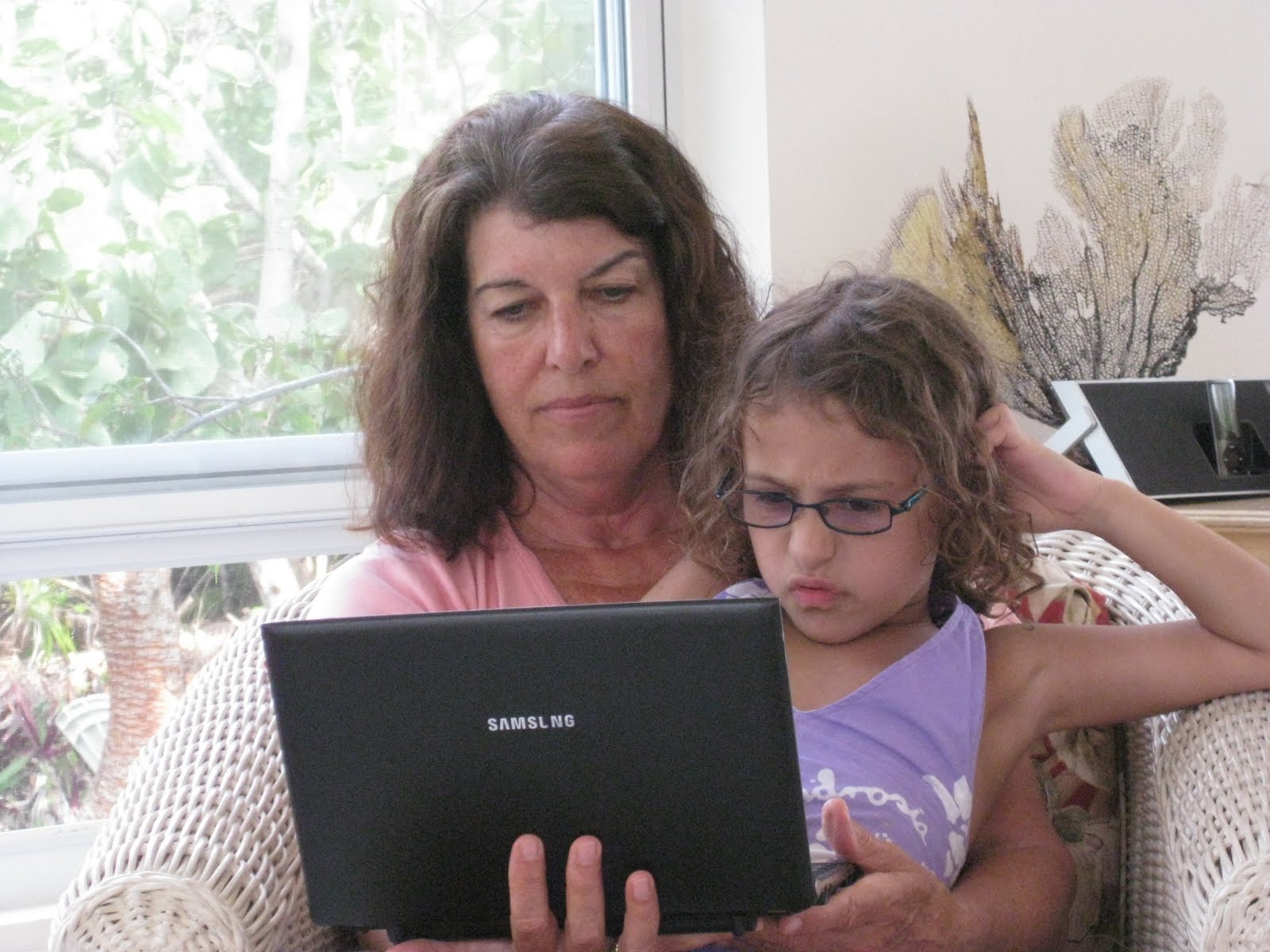
 Check out information on the computer.

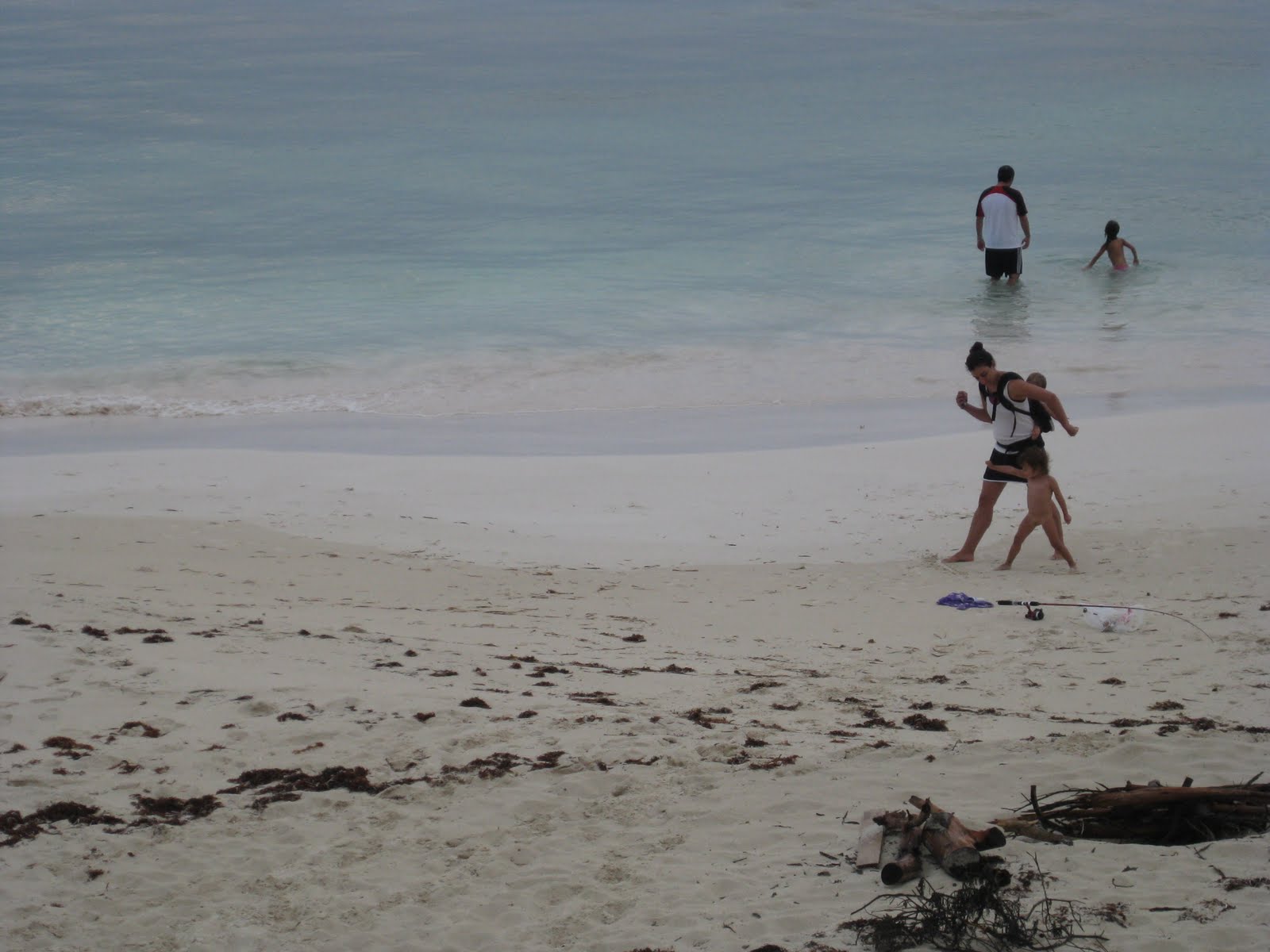
 Run a race with Mom, go swimming with Dad.

 Just chill.

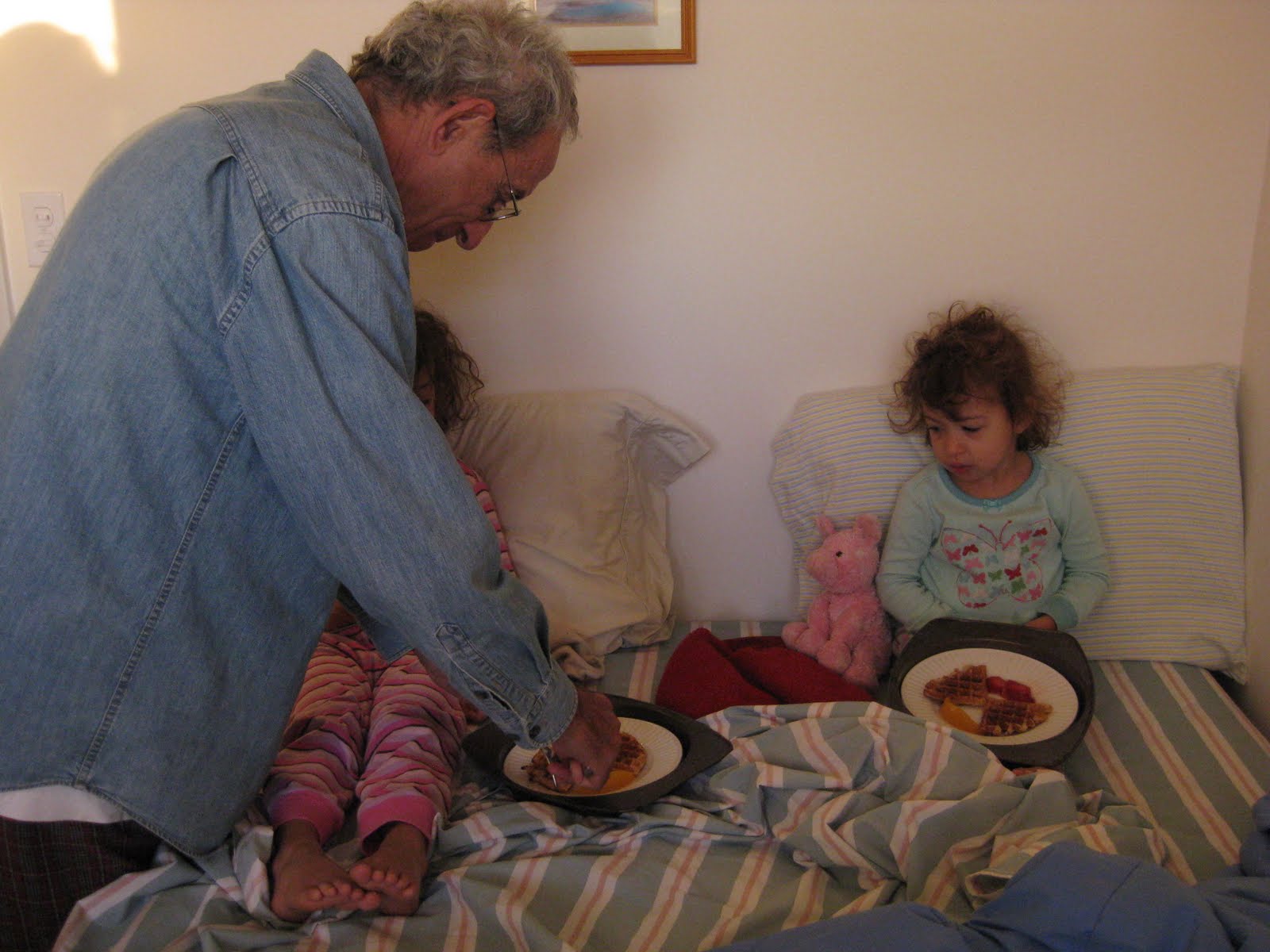
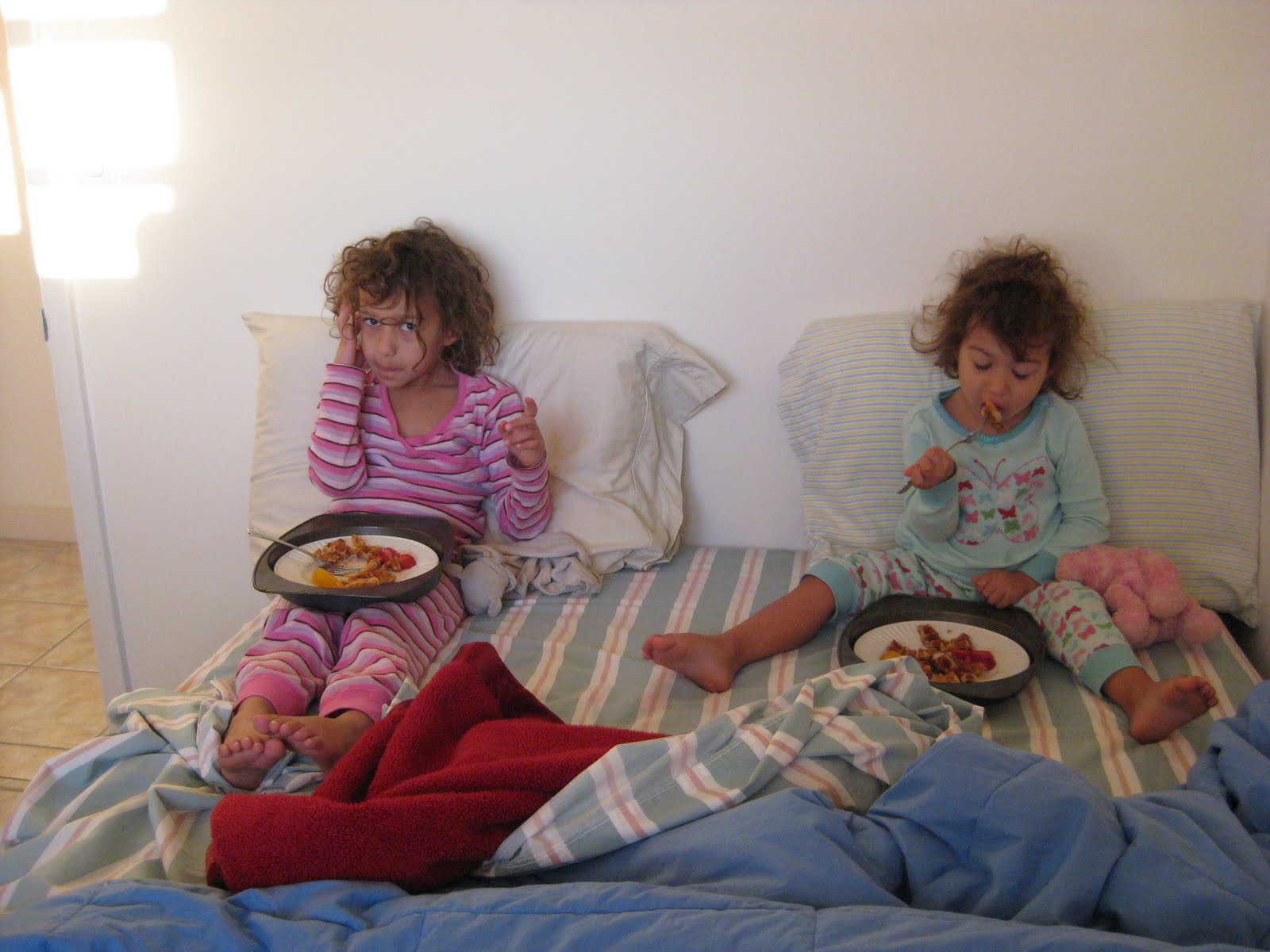
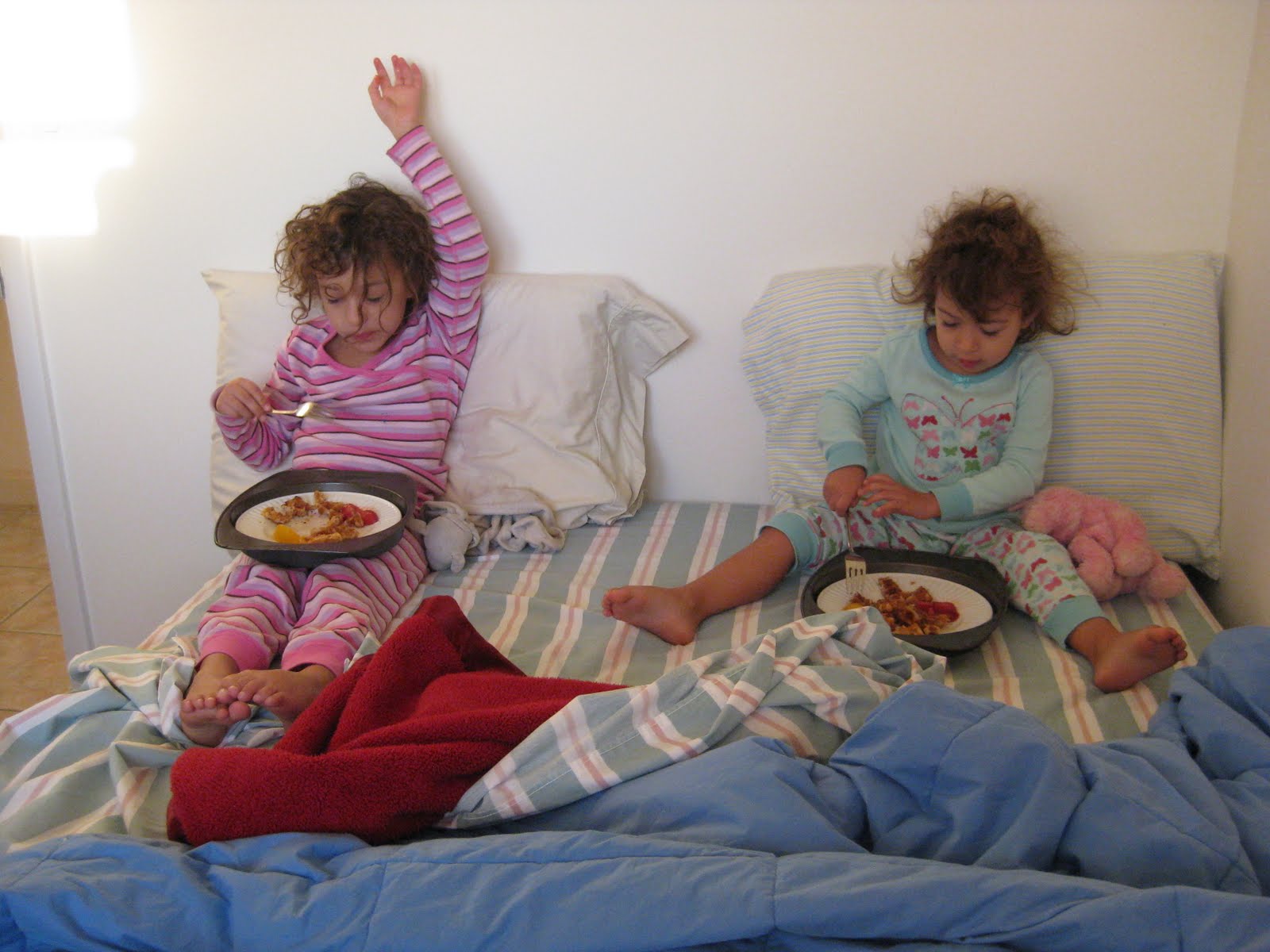
Our grandchildren visited us in the Abacos.  They were kind enough to bring their parents with them.  Grandpa Joe offered them breakfast in bed.  As our eldest grandchild declared, “Mom and Dad have had breakfast in bed probably five times  This is my first breakfast in bed, ever”.

The baking  pans managed to keep the waffles, strawberries and syrup in place.  No spillage occurred.  They had a wonderful time, as did we.

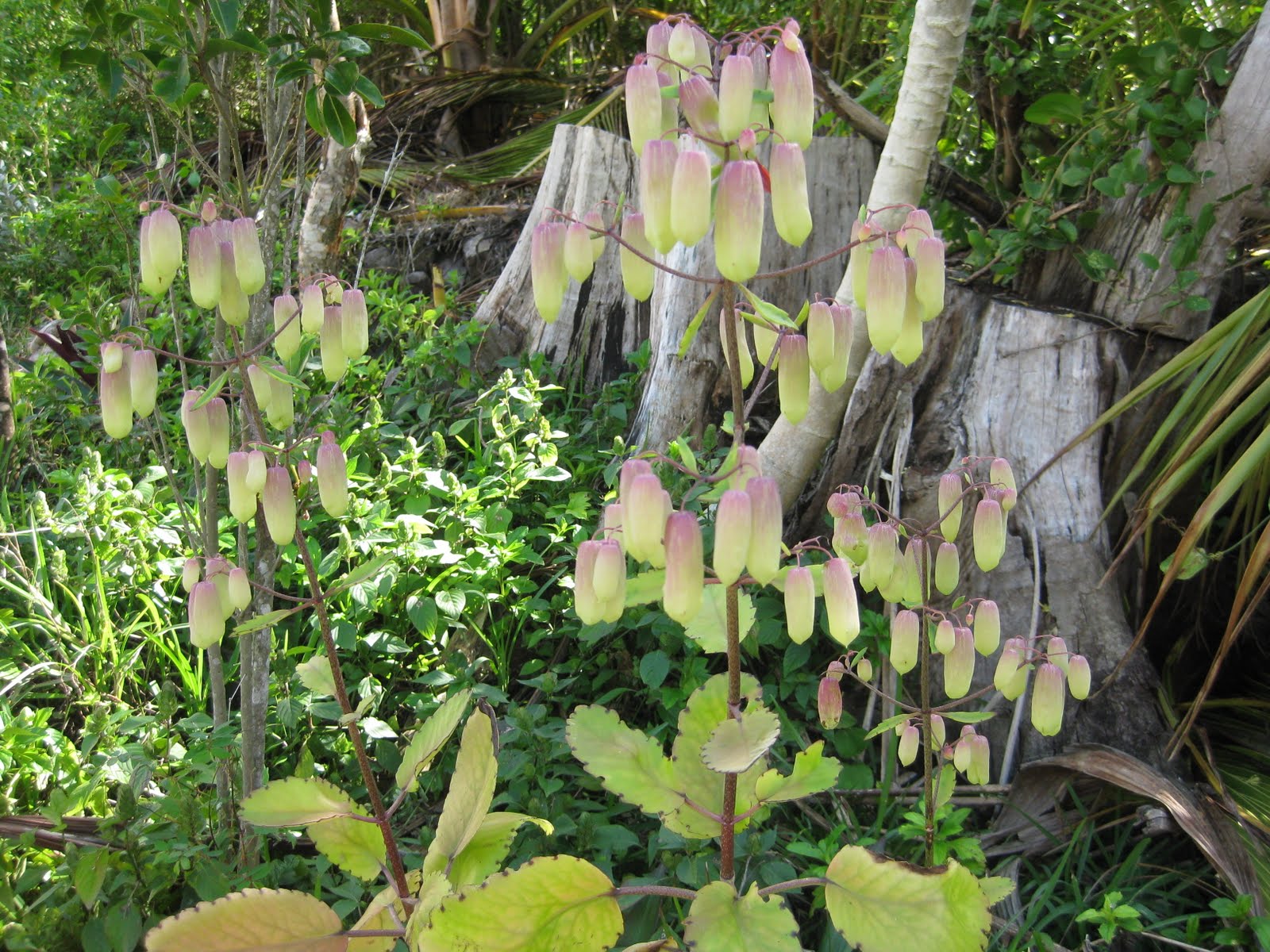
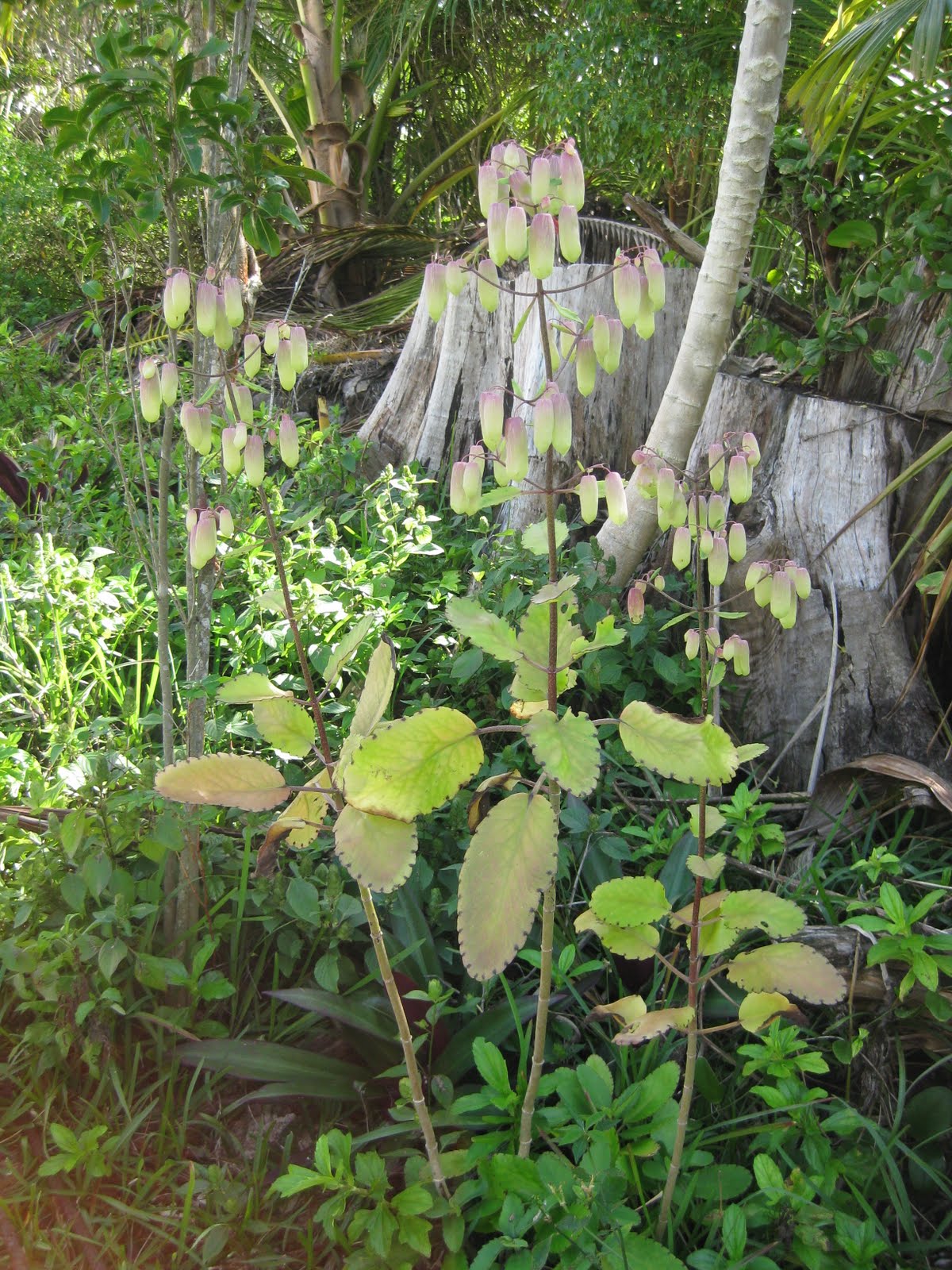
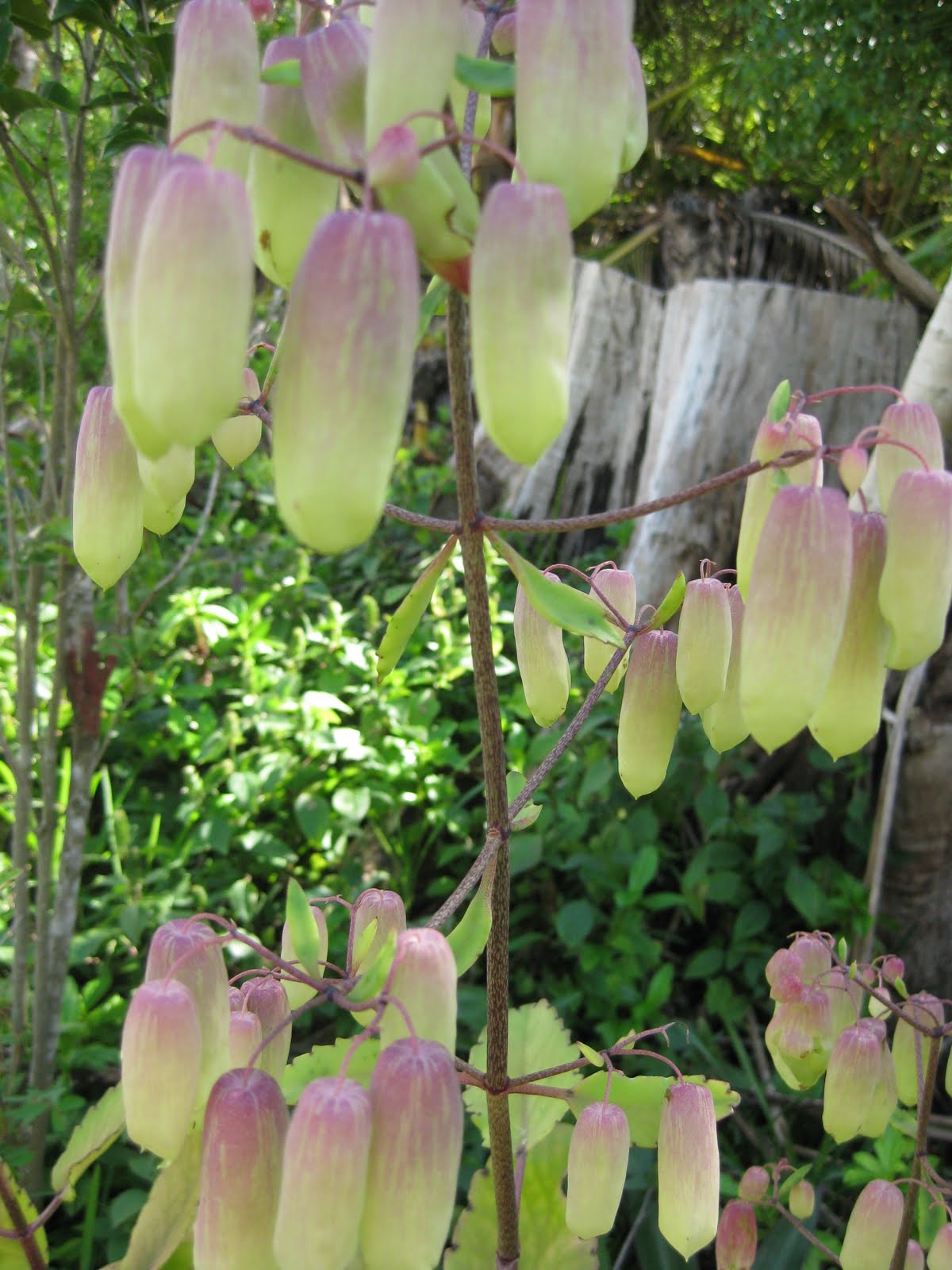
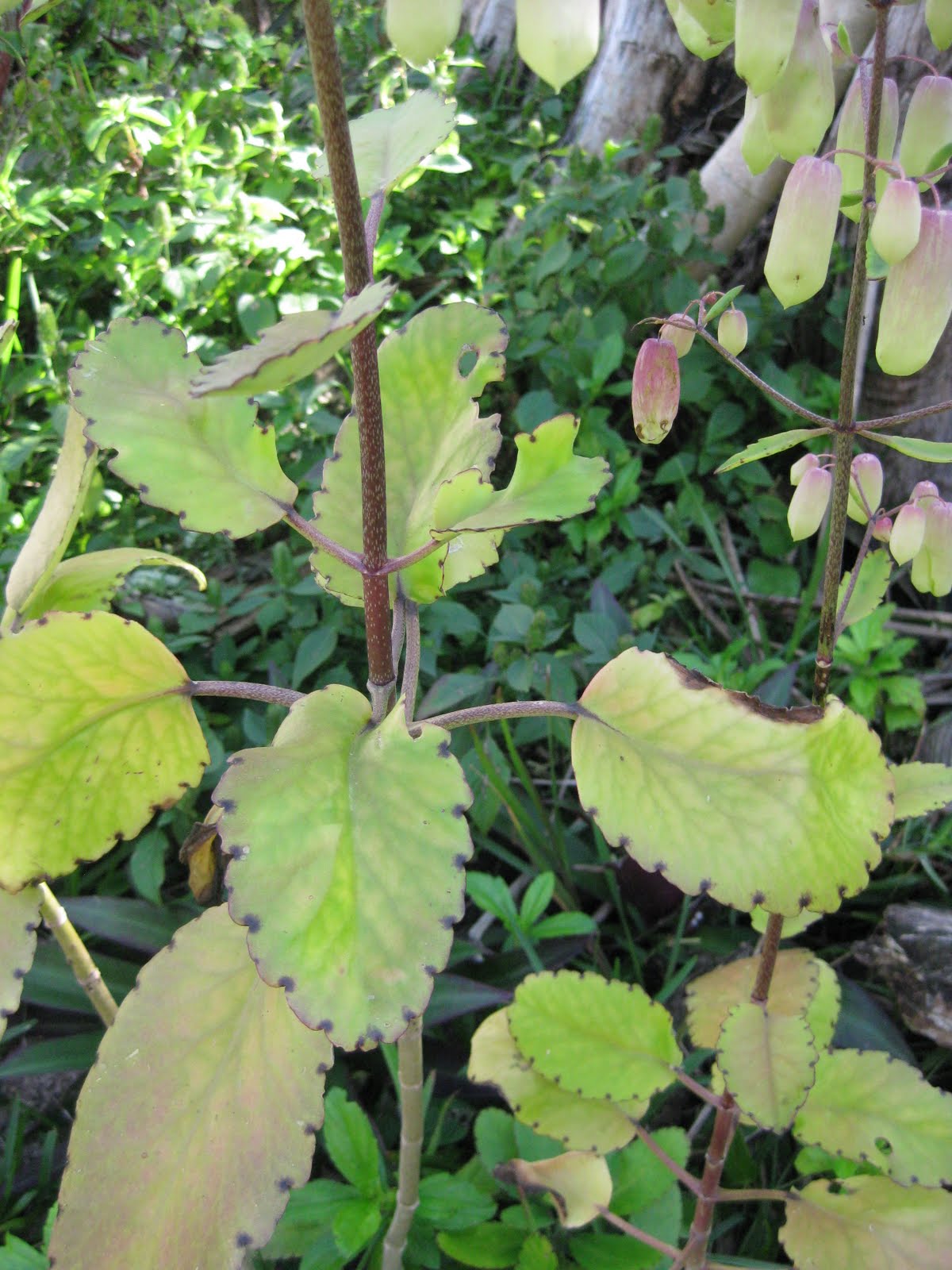
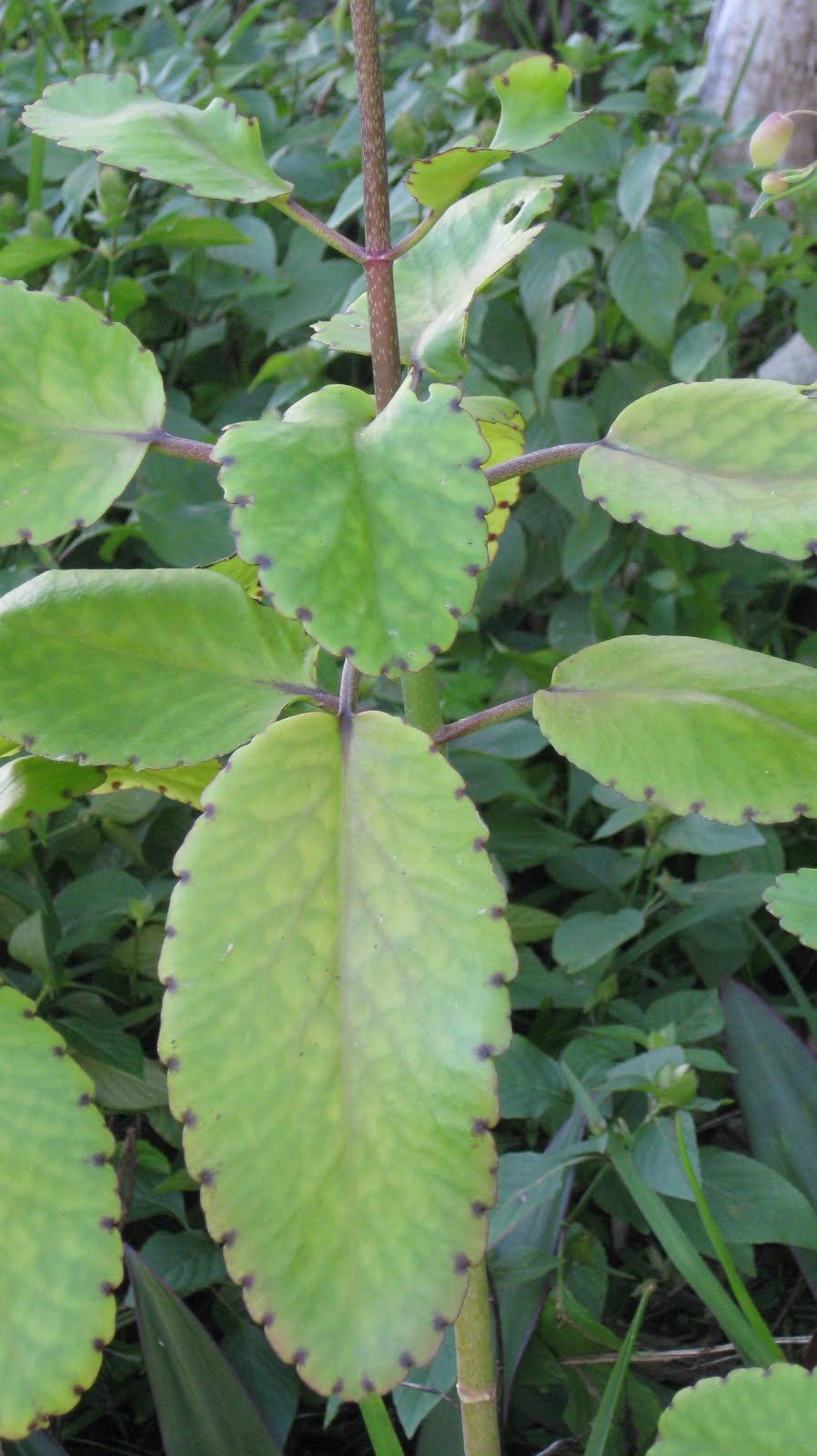
It grows along the edges of our back yard  between sun and shade.  Right now it is in bloom.

The leaf looks as though it were embroidered along the edges.

It is simply beautiful.

Added on 20 February:  Since writing this page I have found detailed information about this plant. It’s Latin name  is Kalanchoe pinnata and is said to be used in the topics for medical purposes.   We are also warned that it can be invasive in some locations especially where the soil has been disturbed.  It is also said to be a popular house plant.

A Walk to Remember

Almost everyday I take this walk.  It is a guaranteed three miles worth of exercise.  It doesn’t need captions.  Just take a look.

The walk starts on the main road that leads to a cut off going to the beach.  From there, I walk past a small community area where our neighbors build their bonfires.  The log seats are still in place, waiting for them to come back for another fire, some hot dogs and marshmallows.
Then on I go past beautiful clear waters until I reach Old Kerr’s at the end of Eight Mile Bay.  At one point, I go past an old car that is almost completely “naturalized”.  Just had to take a photo of it.
It is one of the most beautiful walks in the world.

Finders Keepers

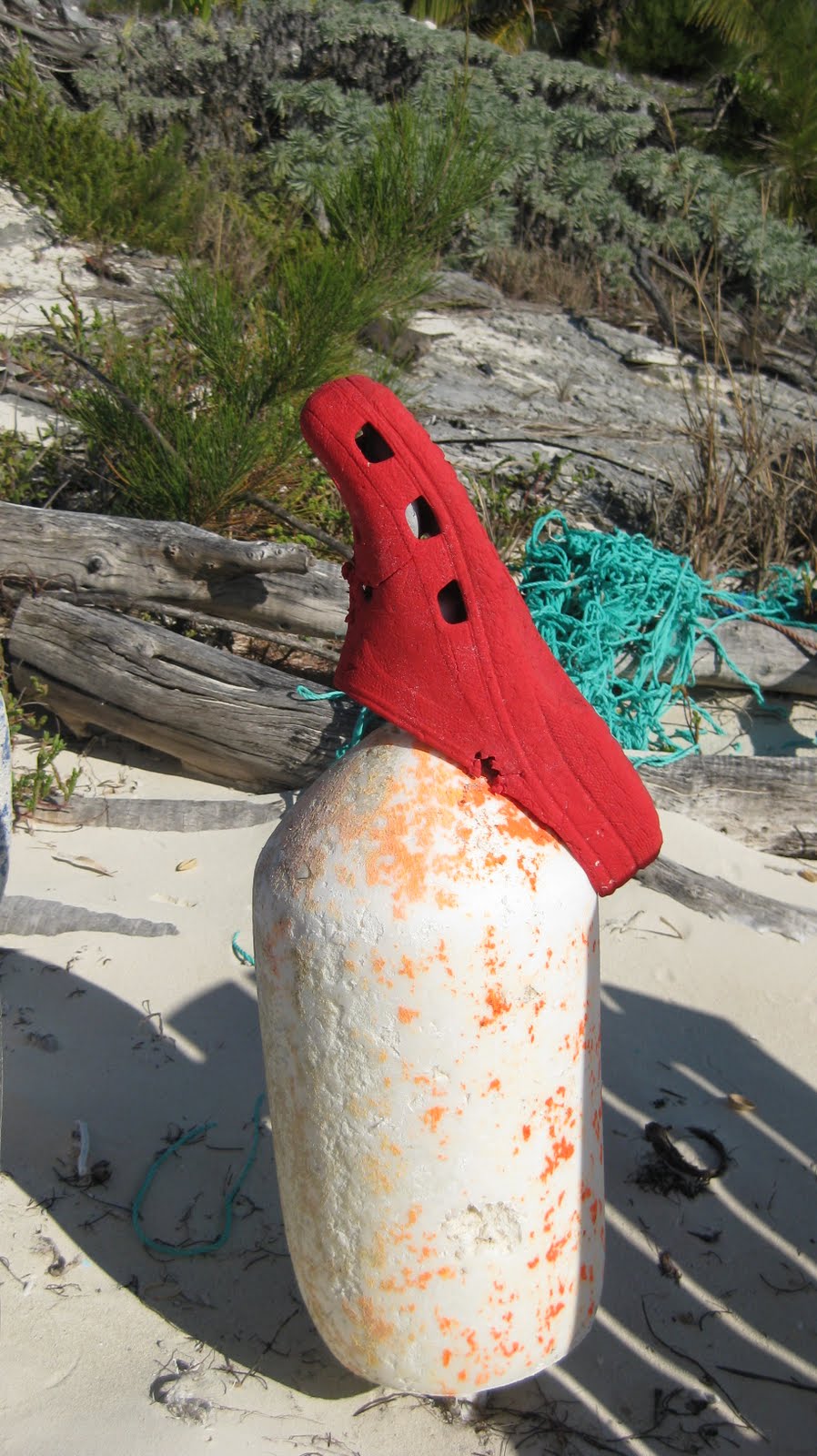
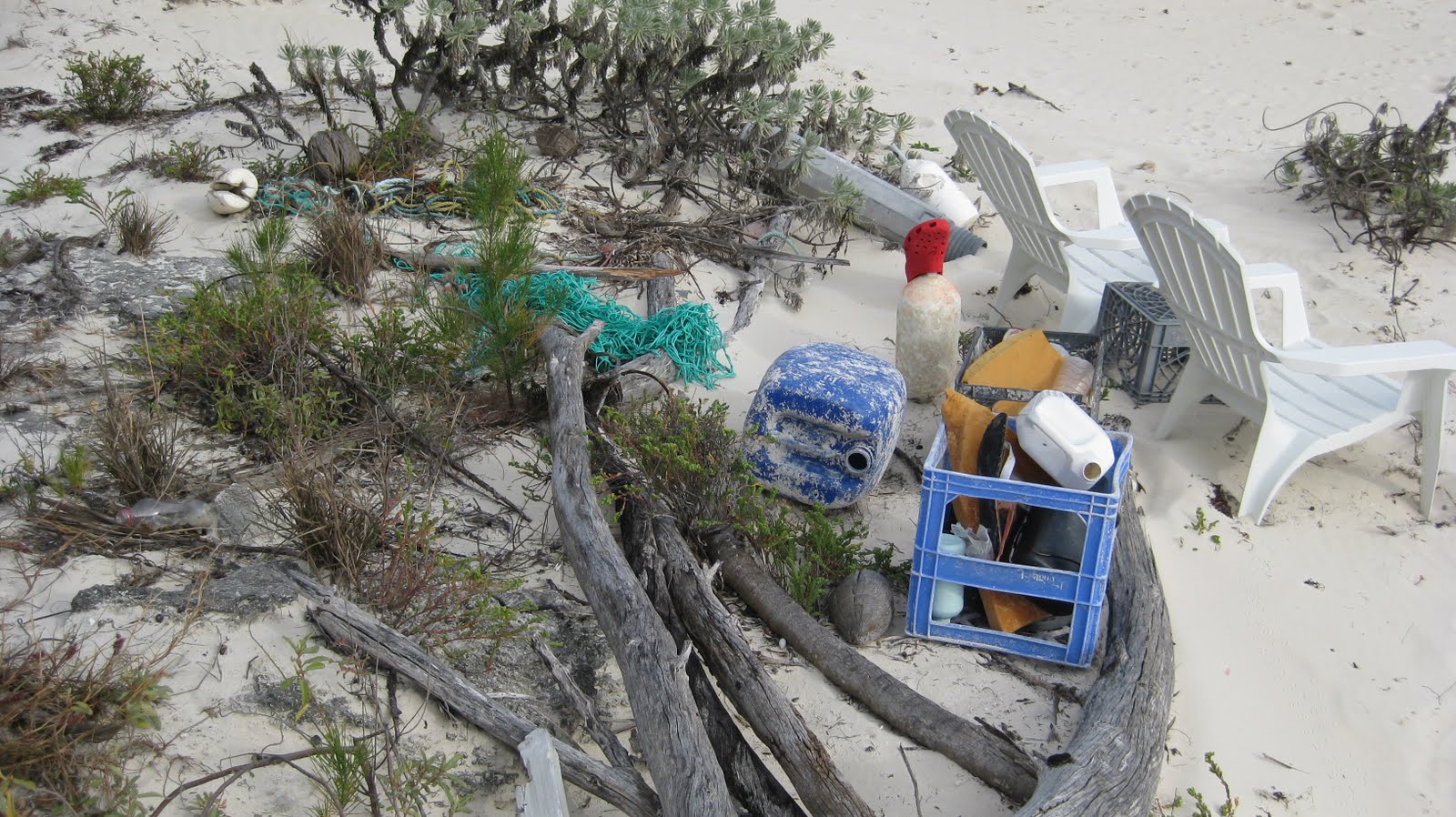
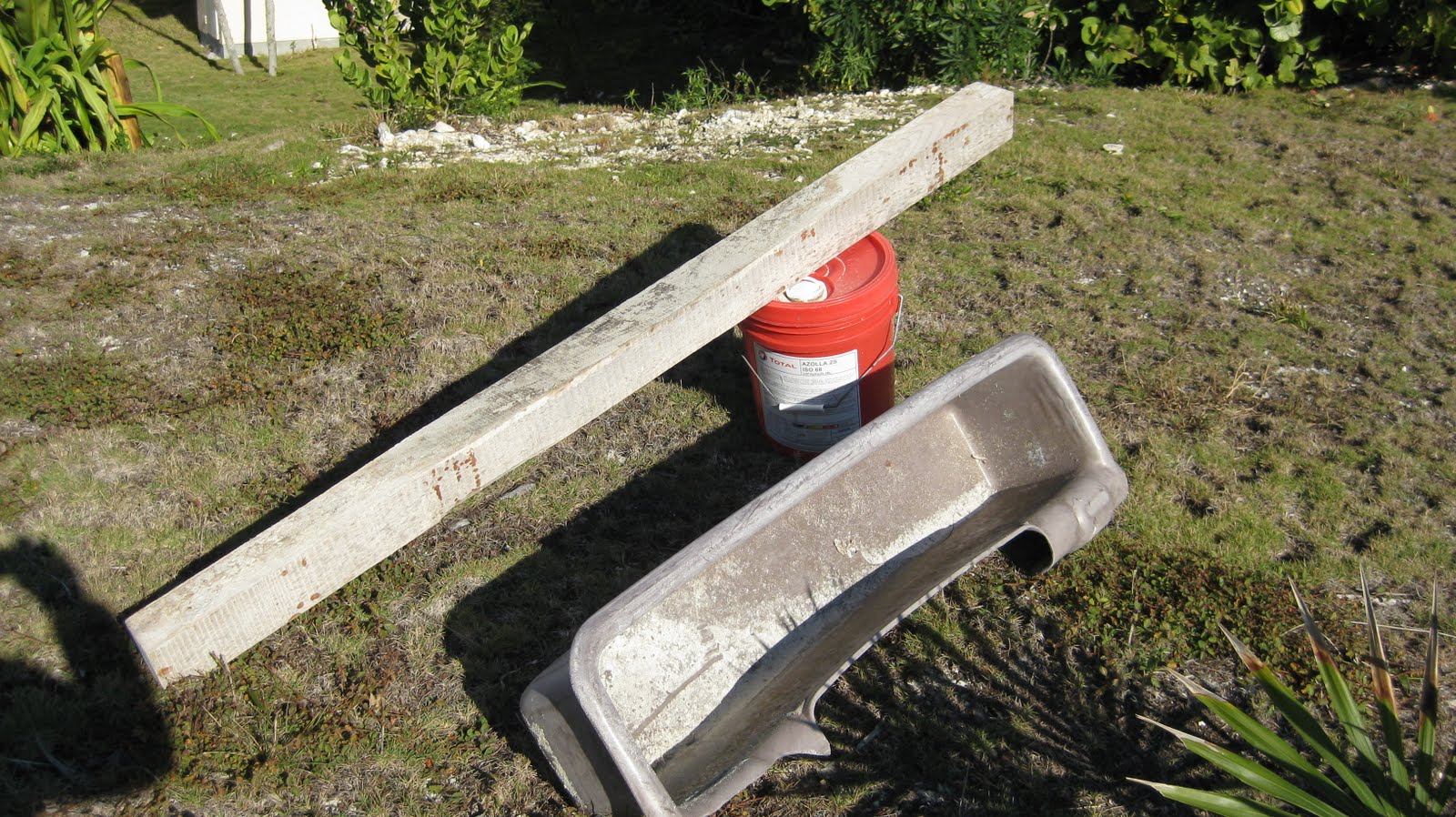
People throw things into the ocean.  The ocean drops all kinds of things onto our beach. We pick up shoes, boards, jugs, rope, toilet seats, bottles, glass balls, crates.  What we don’t use, we carry to the dump. Then, we find things at the dump.  I will do a separate piece on things we find at the dump.
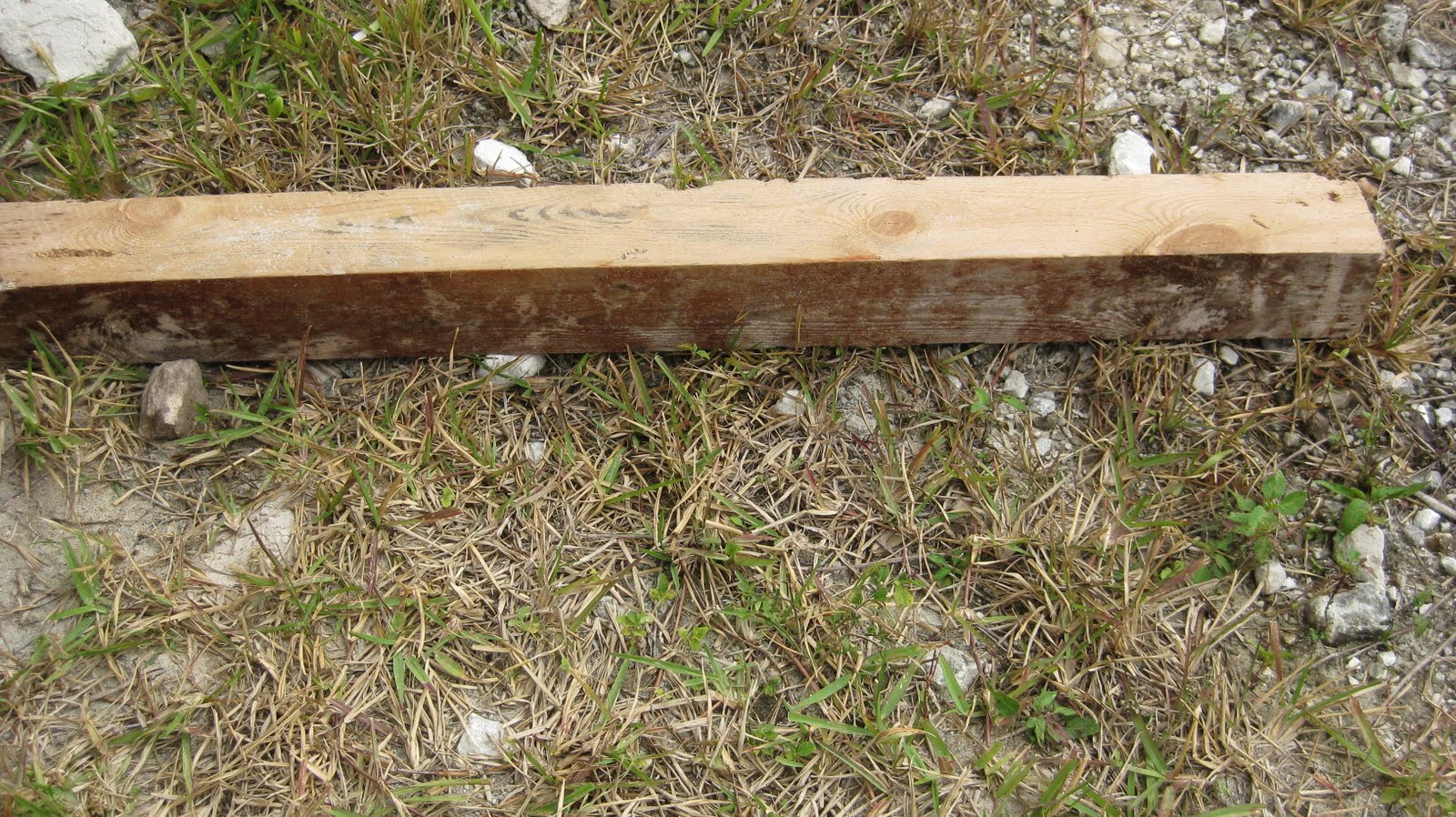
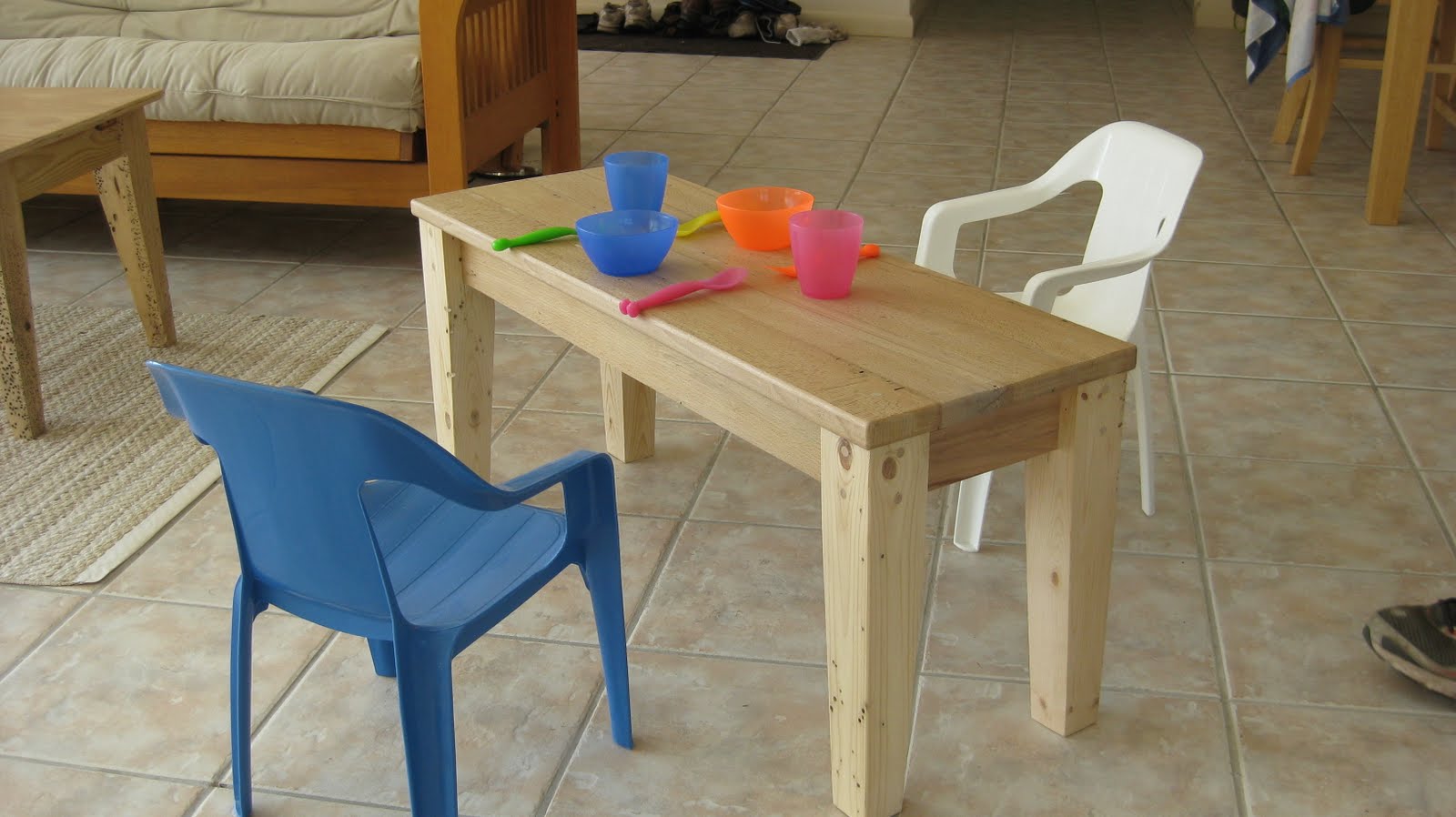
Above is a board that floated in.  It was so heavy that I dragged it most of the way home rather than picking it up.  The last photo in today’s blog shows how it looks after we cut it up and made something with it.
Anyone missing a shoe?
We keep crates that we found on the beach for collecting all the detritus.
We use what we find, if we can. Buckets are used for mopping our floors and are made into wastebaskets.  The plastic bin is going to become part of our garden, sunk into the ground to hold herbs.  What we cannot use goes to the dump.
More stuff
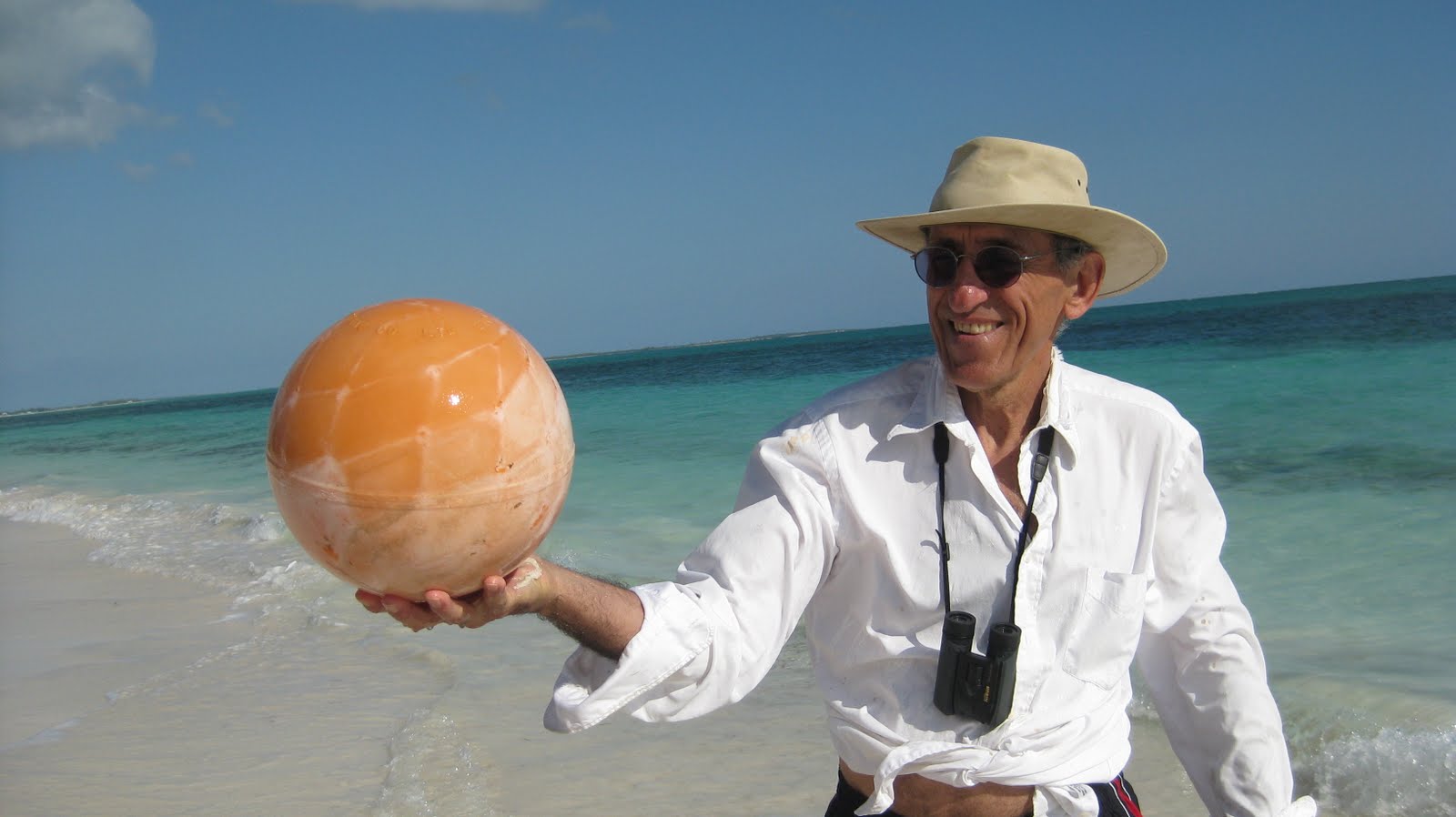
Joseph shows off his find.
Here is a particularly pretty find, a large ceramic ball used in the fishing nets, made in Japan.
WHERE THEY ARE NOW
That big plank I showed you in the beginning is now the top of a children’s table. The legs of the children’s table are also made from boards that we picked up on the beach.  This is a 100 percent “found it on the beach” table. 
We have an old saying down here, “If you really need something, then take a walk and you will find it on the beach.”

Carribbean Gardens

The New York Botannical Gardens (NYBG)  is having its Caribbean Gardening show from Jan 15-February 27 of 2011.   At the NYBG Website it says:

 ” While enjoying the balmy atmosphere in the Conservatory, be sure to keep an eye open for special signs pinpointing the location of some of the Caribbean’s most important plants, including the dramatic chalice vine, butterfly orchid, and Bougainvillea; delicious pineapple, coconut, mango, banana, chocolate, and vanilla; and plants with delightful names like ice cream bean, flamingo flower, Panama hat palm, lipstick tree, and autograph tree.”

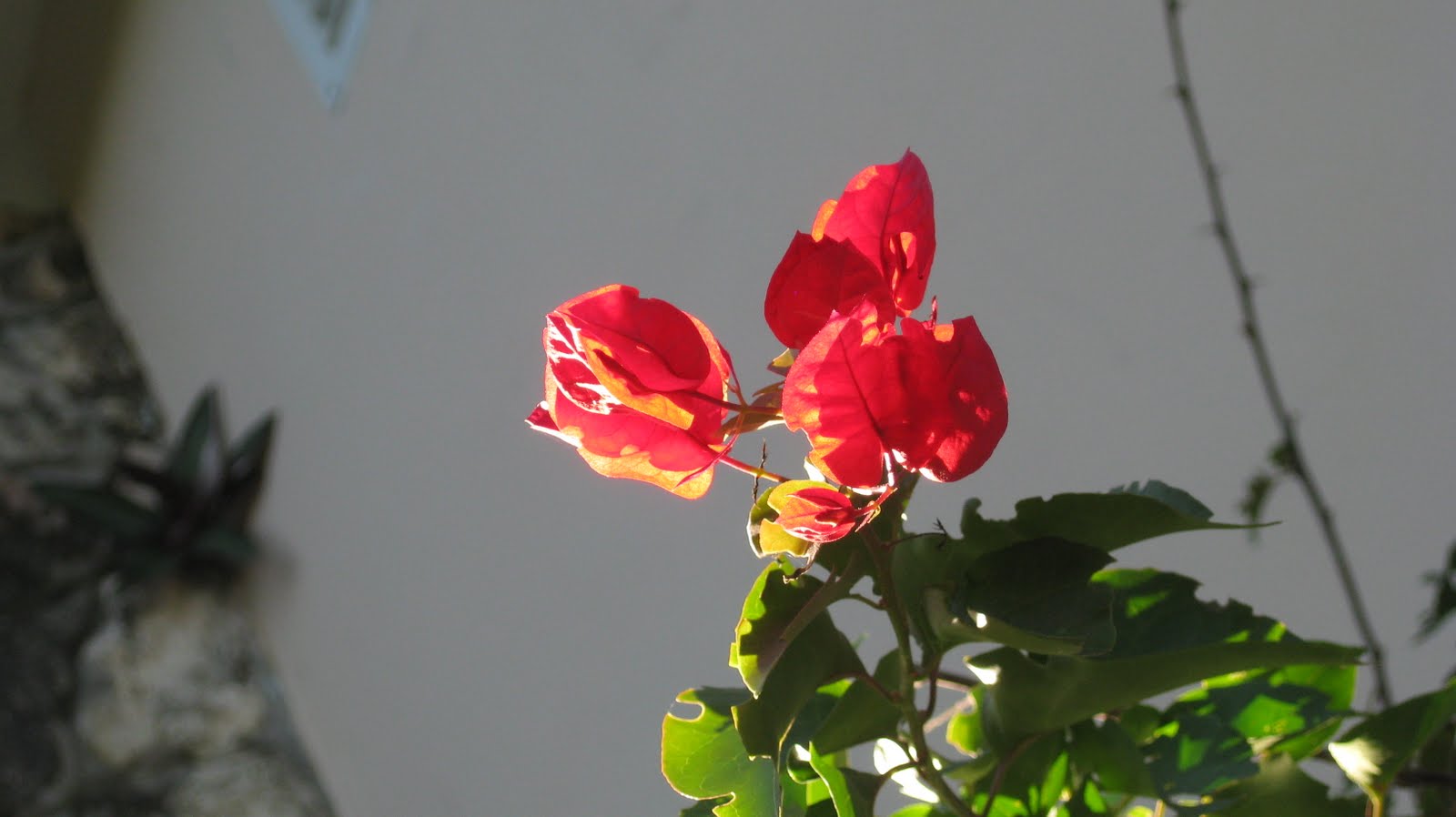
This should be so interesting to visit and compare the plants we see there with the ones we find in the Abacos.  Of the ones mentioned above, we already have Bougainvillea, coconut and banana in our yard.  Here are some additional examples of the plants we have in our yard that I hope to identify  when visiting the upcoming Caribbean Garden show of the NYBG

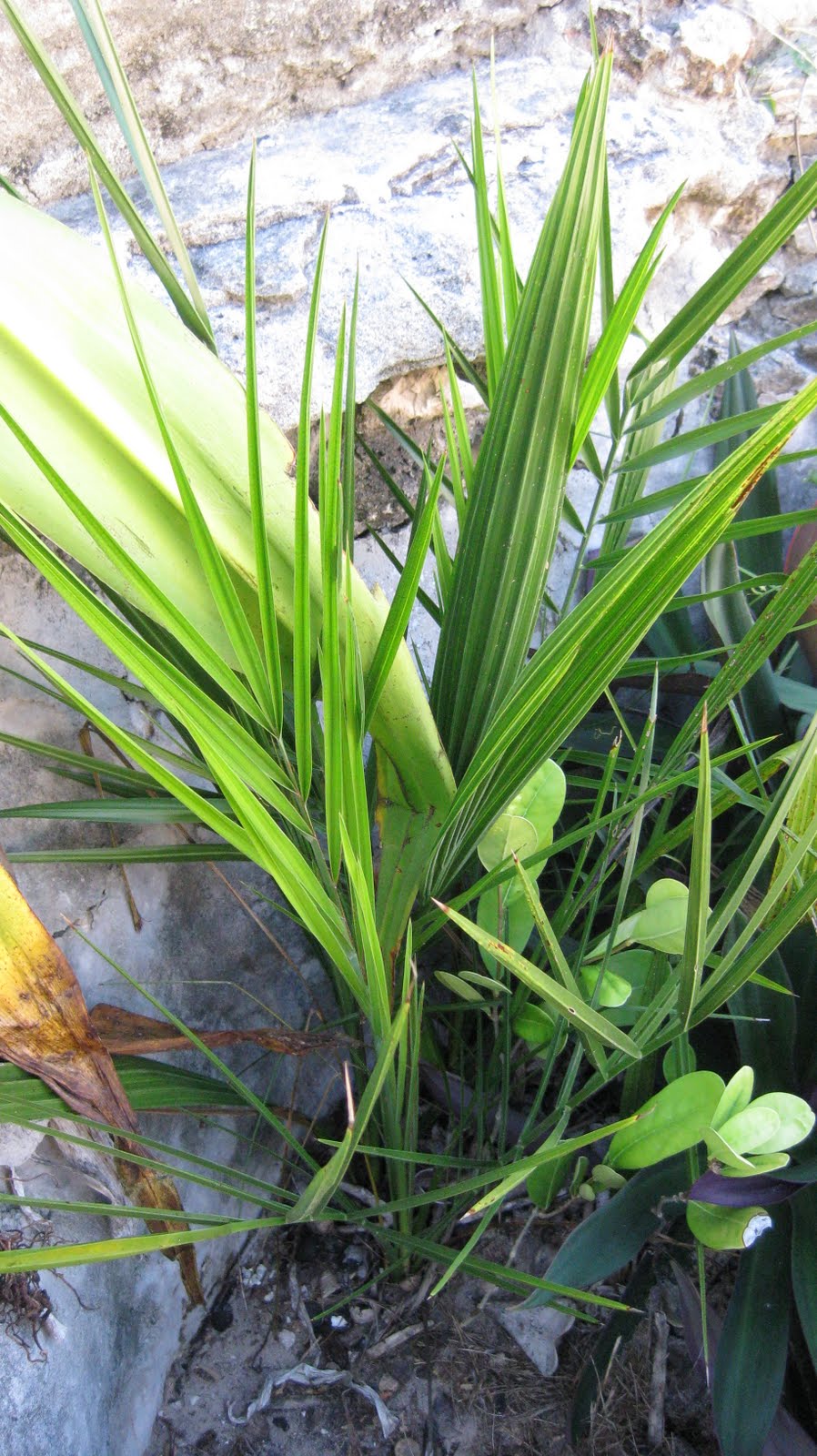
First, is this lovely palm tree that has started spontaneously in our yard.
.

We have decided that it cannot be a coconut palm, because it has a soft, white root and all our coconut palms emerge from coconut seeds. 

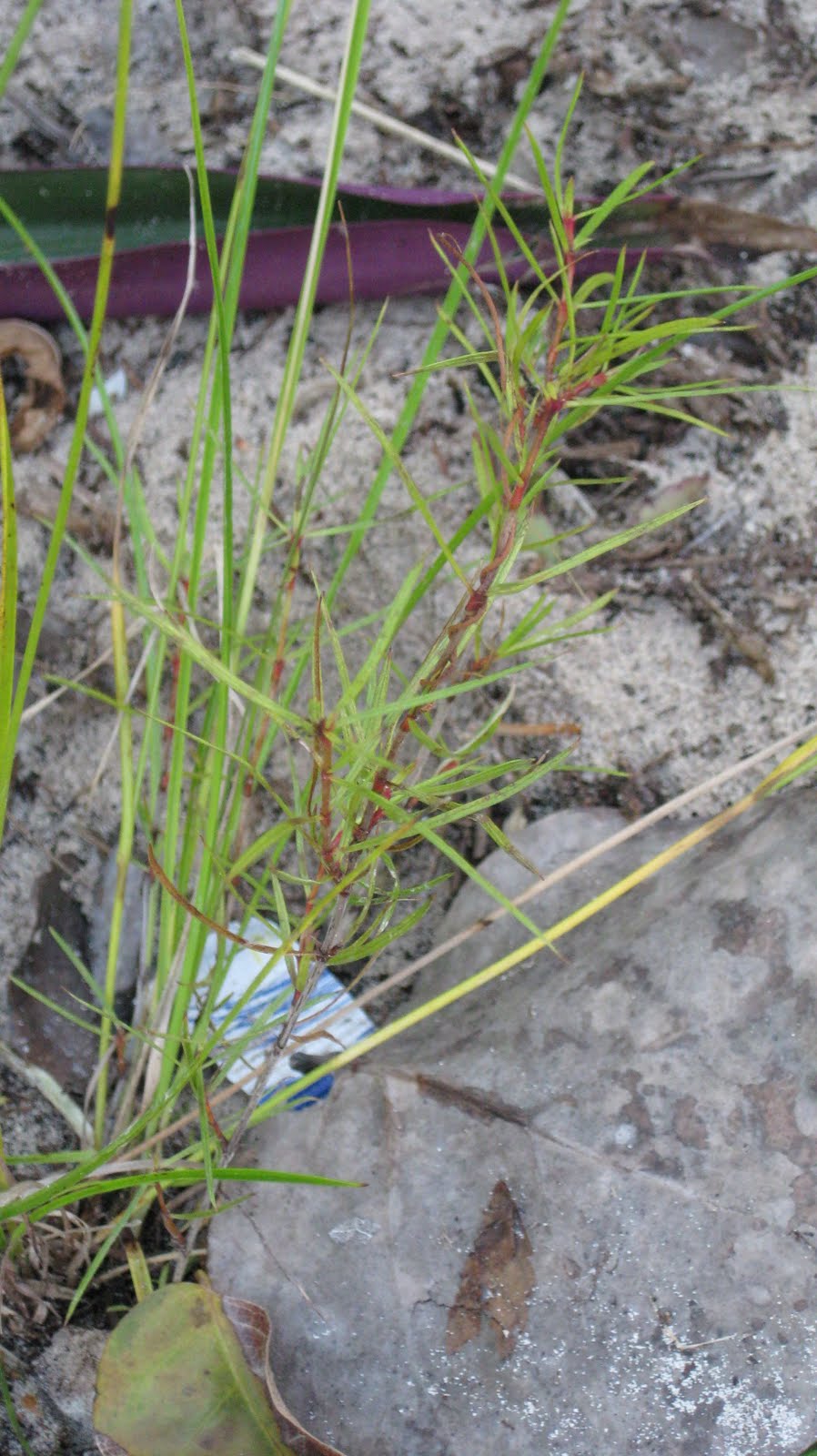
 Here is another self starter that gets a lovely white orchid-like flower when it is in bloom.  The grass is only about 4 to 5 inches high.  When I find one in bloom I will add it to this site.
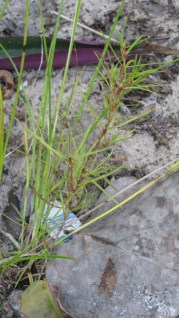
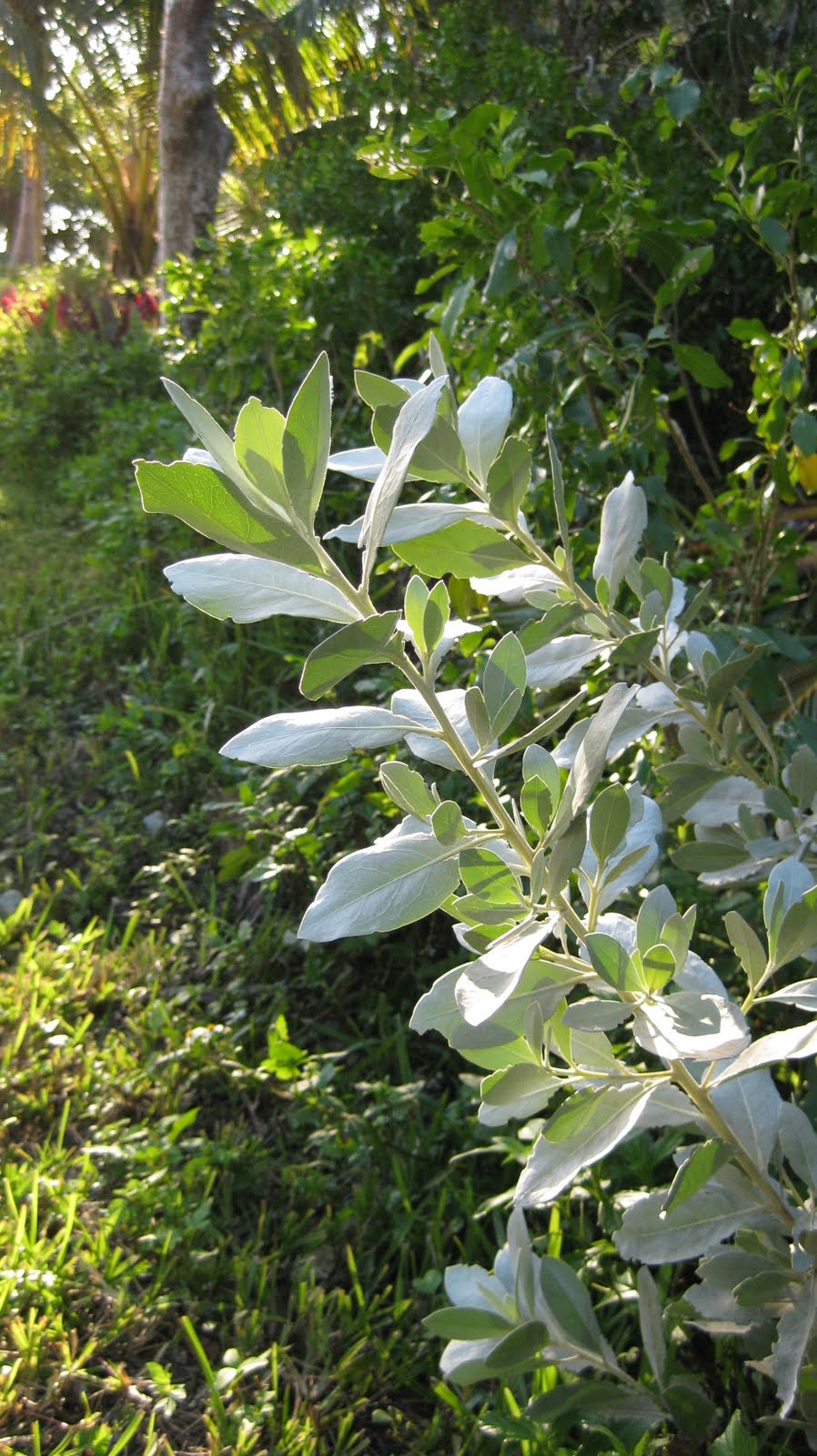
 Here is another interesting native plant. 
We call the one above a “Silver Button”, and it is expected to reach a maximum height of about 15 or 20 feet.
The one above is called a “Wild Hibiscus”.  It has pretty small red flowers.  
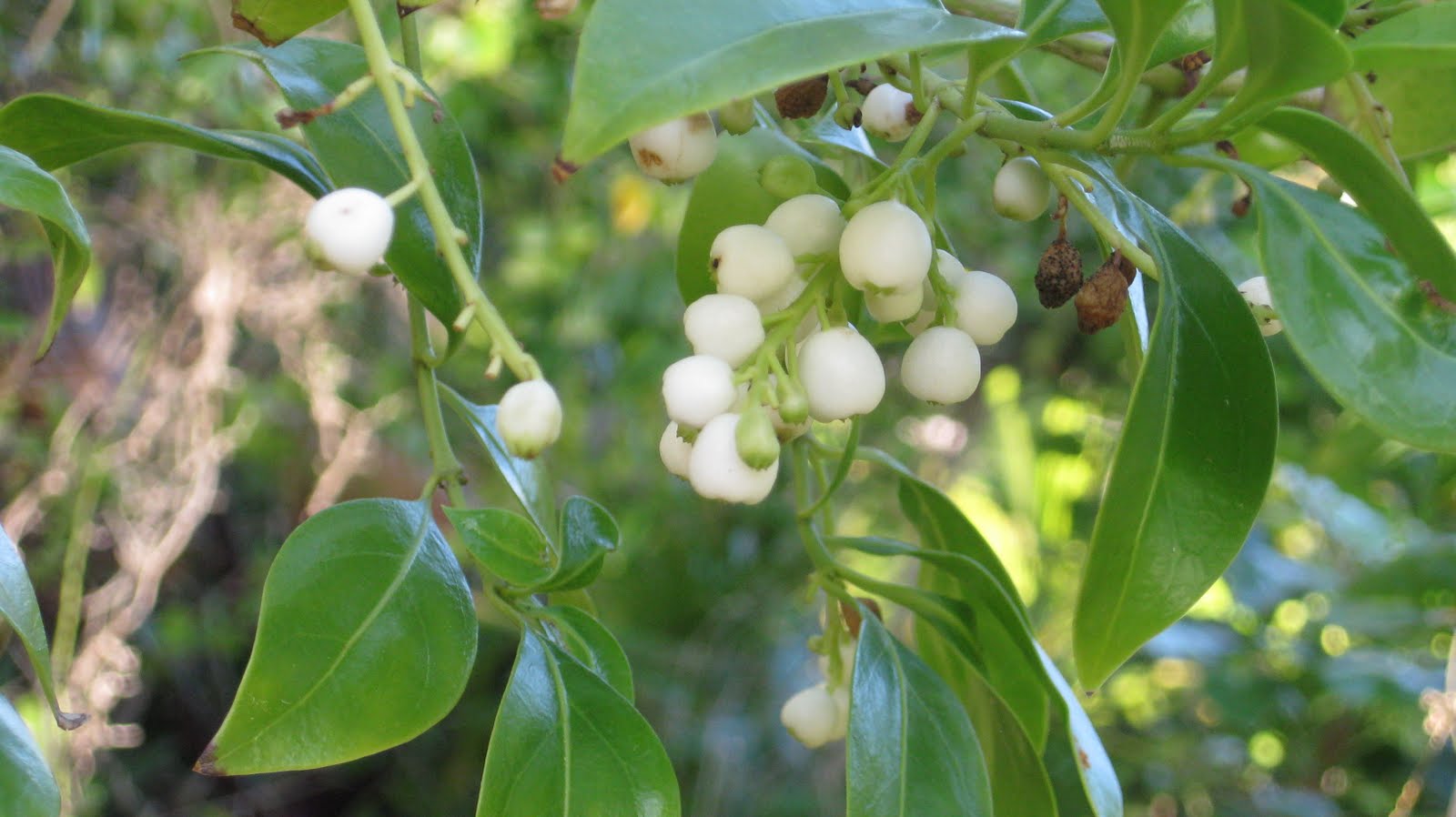
The two examples below are from very small, bushy trees that provide berries popular with the birds in our area.  

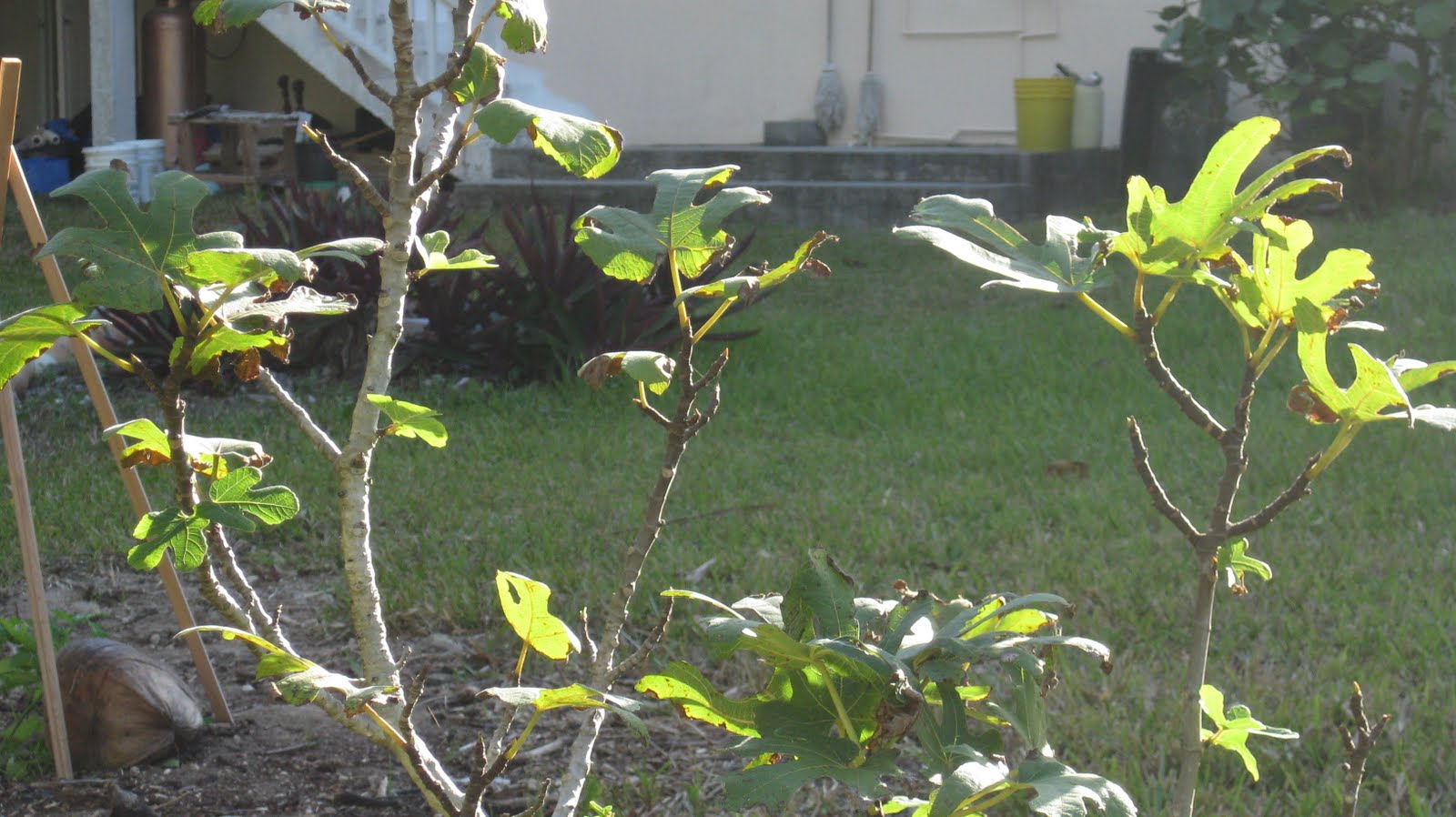
And may I introduce you to our baby fig tree?

Our fig tree is now three years old, and just starting to take hold. .

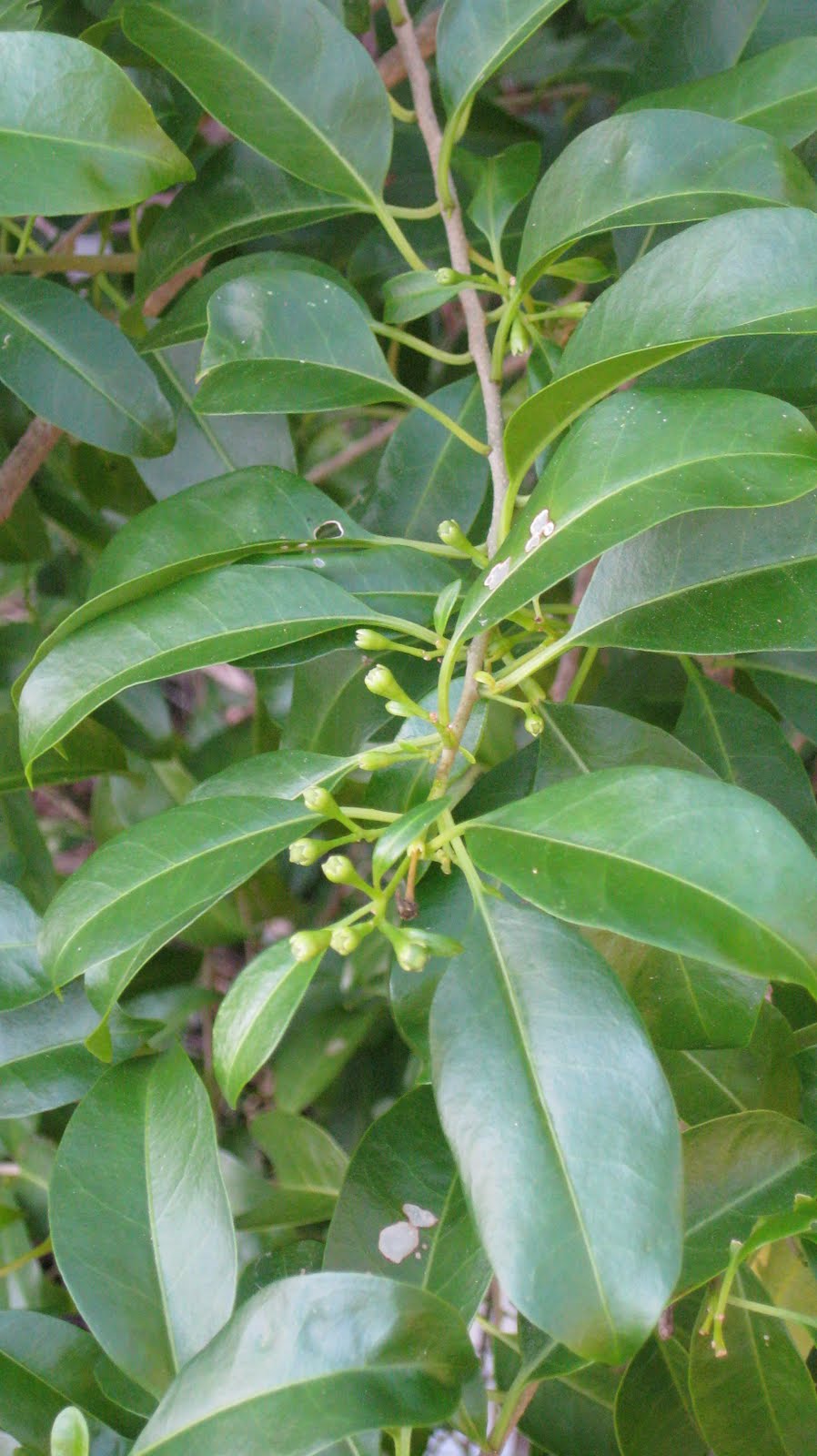
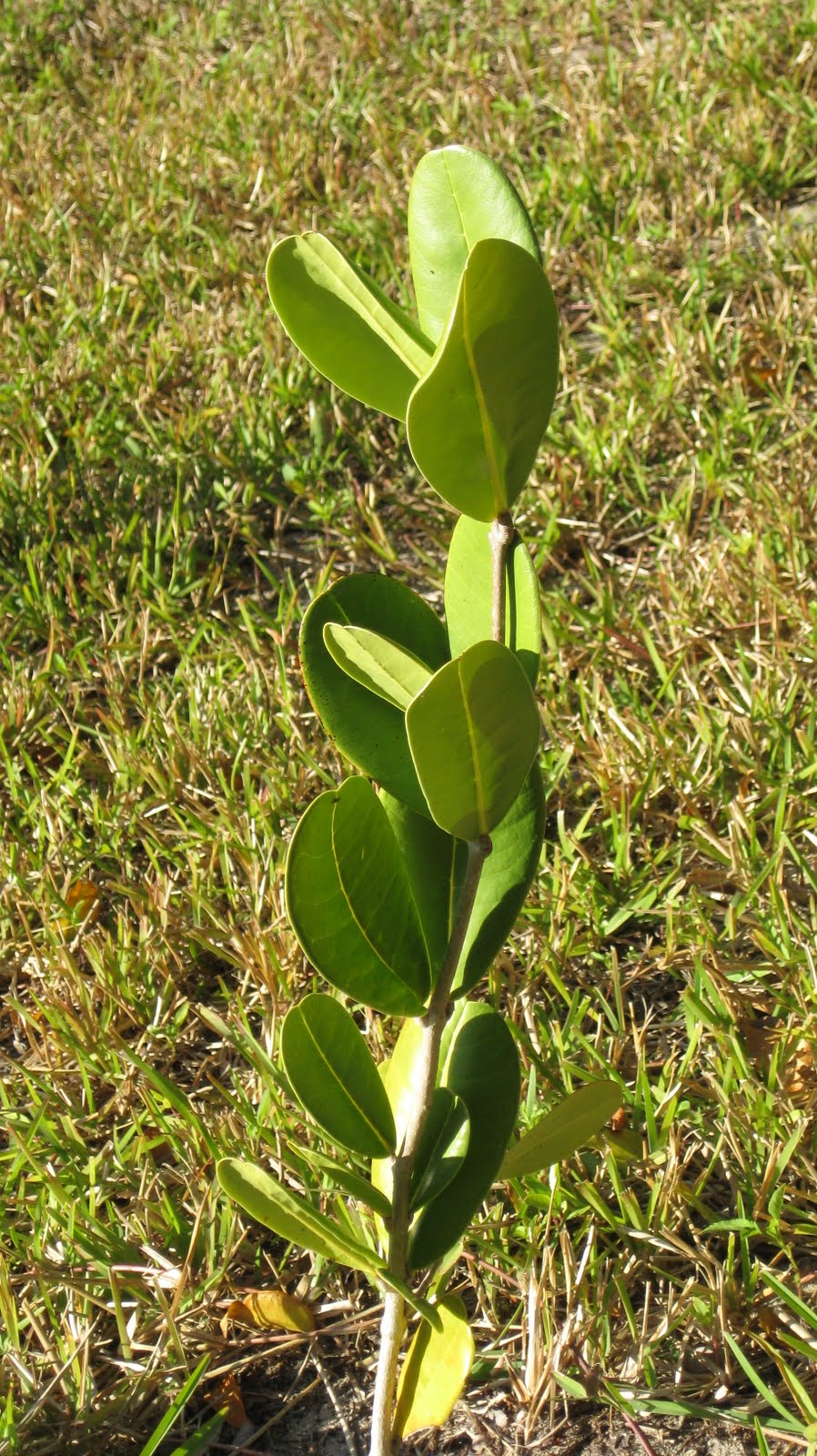
People around here call the one above the “Life Leaf”.  It has a lovely white flower when it is in bloom and is a delicate plant that grows around the edges between the “bush” and the “yard”.

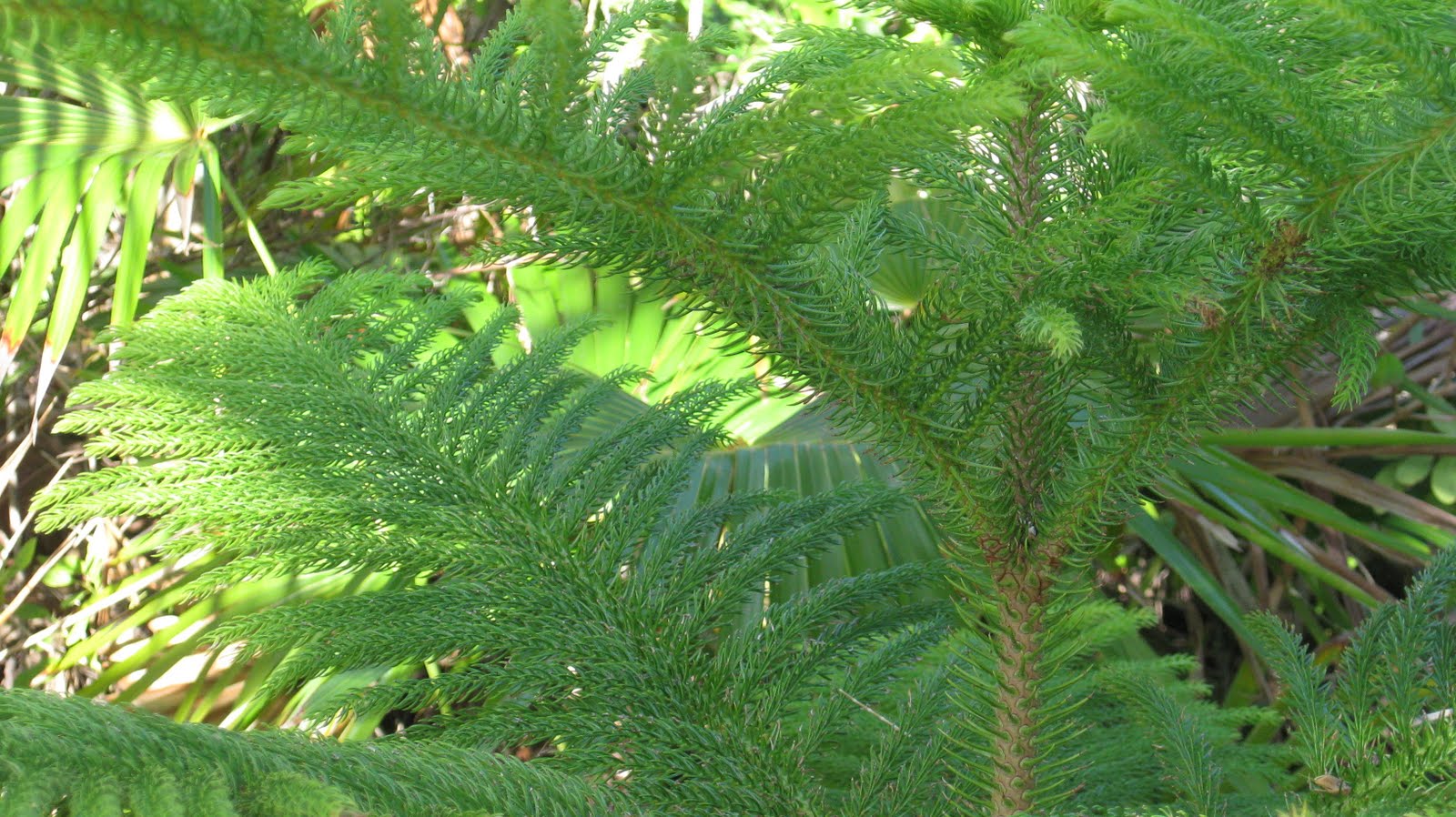
This last tree below is called by many the”Madeira Olive” tree.  But when I look up the “Madeira” Tree, I do not see this kind of leaf and also, the “olive” on this tree is much smaller than the one shown in the book for a Madeira.  The parrots love the olive from this tree.  Last year, on one of our larger trees of this kind, we found over 50 parrots all hanging on the tree, eating the “olives”.

I must confess that I lack a lot of knowledge about the plants in my yard down here, but hope to become much more knowledgeable about them in 2011.    

Posted by Picasa

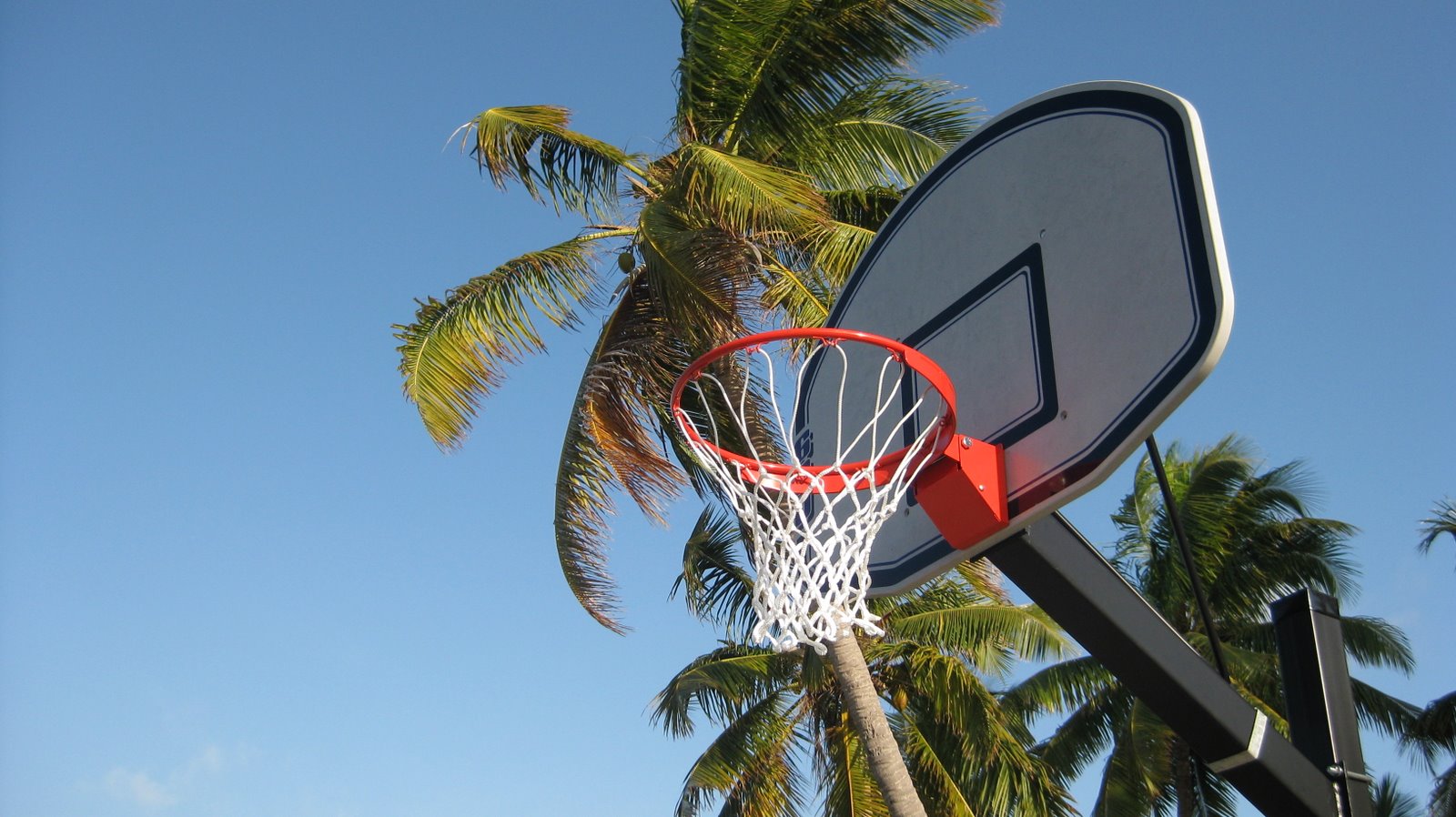
We have a new basketball hoop in our community, for everyone to use. It just went up three days ago and it looks great.
Here is my husband Joe demonstrating the “coconut shot”.

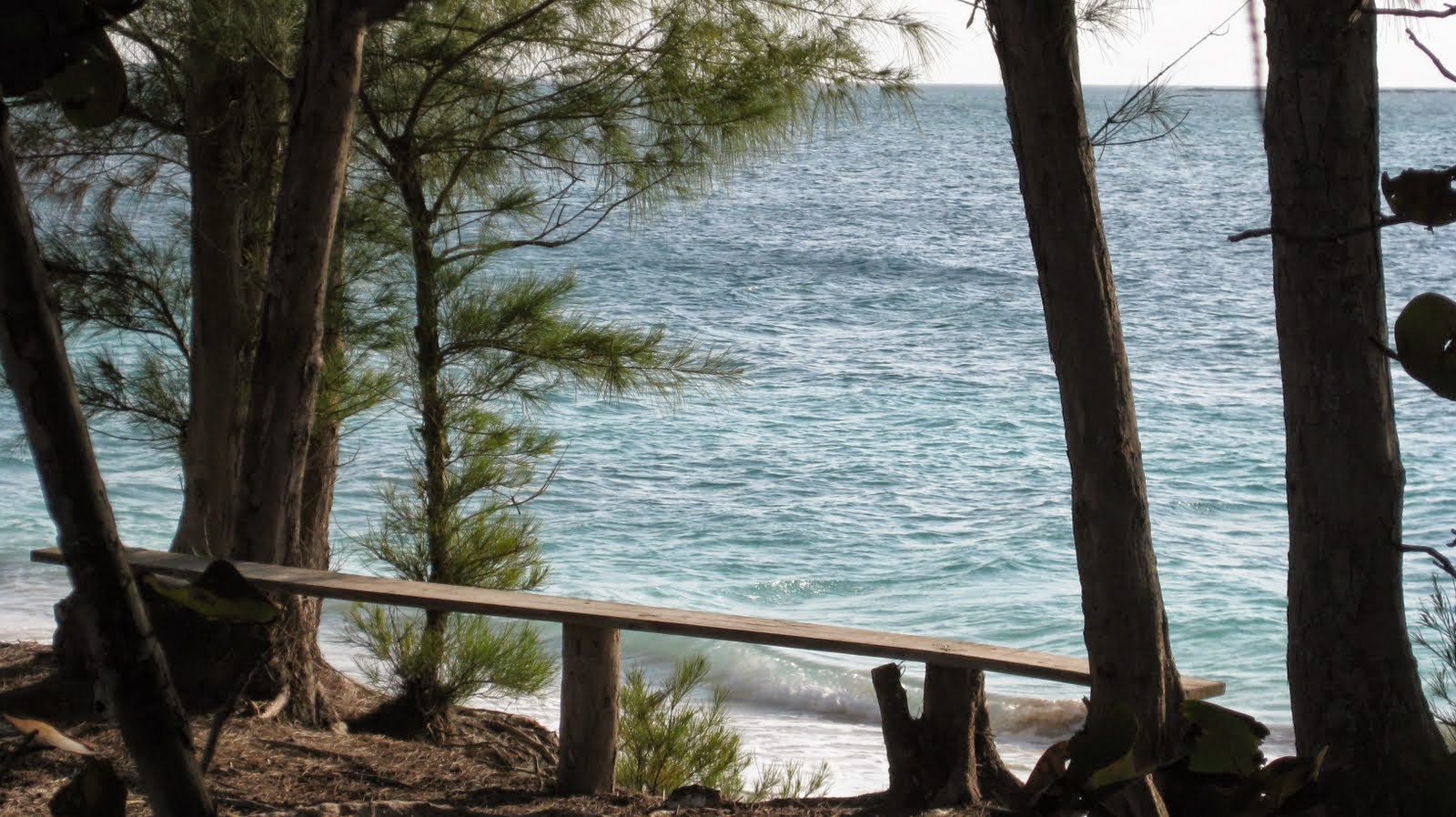
The bleachers are very informal and beautiful, I might add:

It might prove difficult to know which way to look.