Our island is a gift of many precious moments, one of which is sunrise.
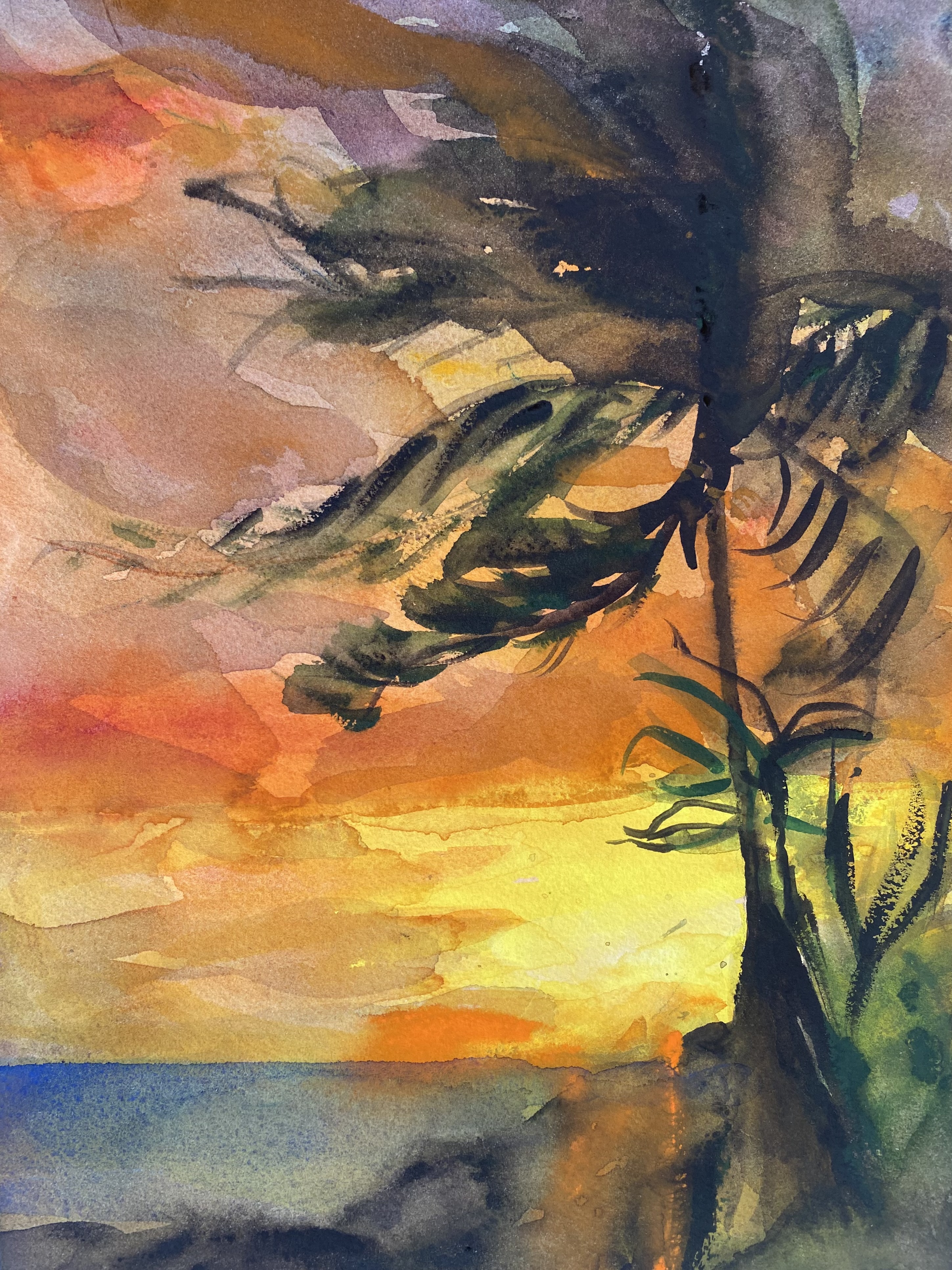
Watercolor and gouache, by MJC.
Posted in Art, tagged #Artist Mary Chamie, #Experimenting with art#, #Fine Arts #The Study of Art #Color and Luminescence on March 3, 2025| Leave a Comment »
Our island is a gift of many precious moments, one of which is sunrise.
Watercolor and gouache, by MJC.
Posted in Art, tagged #Artist Mary Chamie, #Experimenting with art#, #Fine Arts #The Study of Art #Color and Luminescence, #Oil painting, #Oregon Society of Artists on August 16, 2024| Leave a Comment »
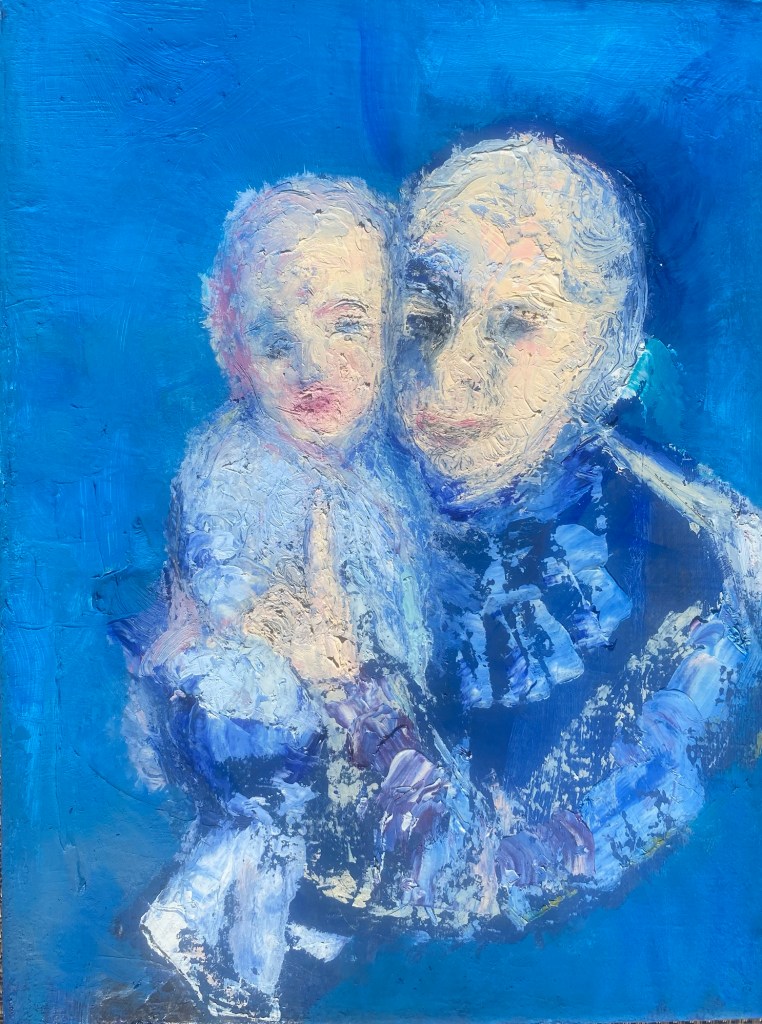
I wanted to paint the quiet emotion I saw between a grandmother and her granddaughter. What I visualized in painting them was peace, identity, pride and love, expressed in shades of yellows, blues and pinks, surrounded by soft, fractured textures. It felt best to carve out their contours and shapes with oils using a palette knife, showing their presence, their intensity, their closeness as a bright splash onto blue backgrounds. This was quick work, often described as “alla prima”, but in fact, also using photography to remember some little details.
Posted in Art, tagged #Artist Mary Chamie, #Experimenting with art#, #Fine Arts, #Fine Arts #The Study of Art #Color and Luminescence, #landscapes#, The Study of Art on September 5, 2023| Leave a Comment »
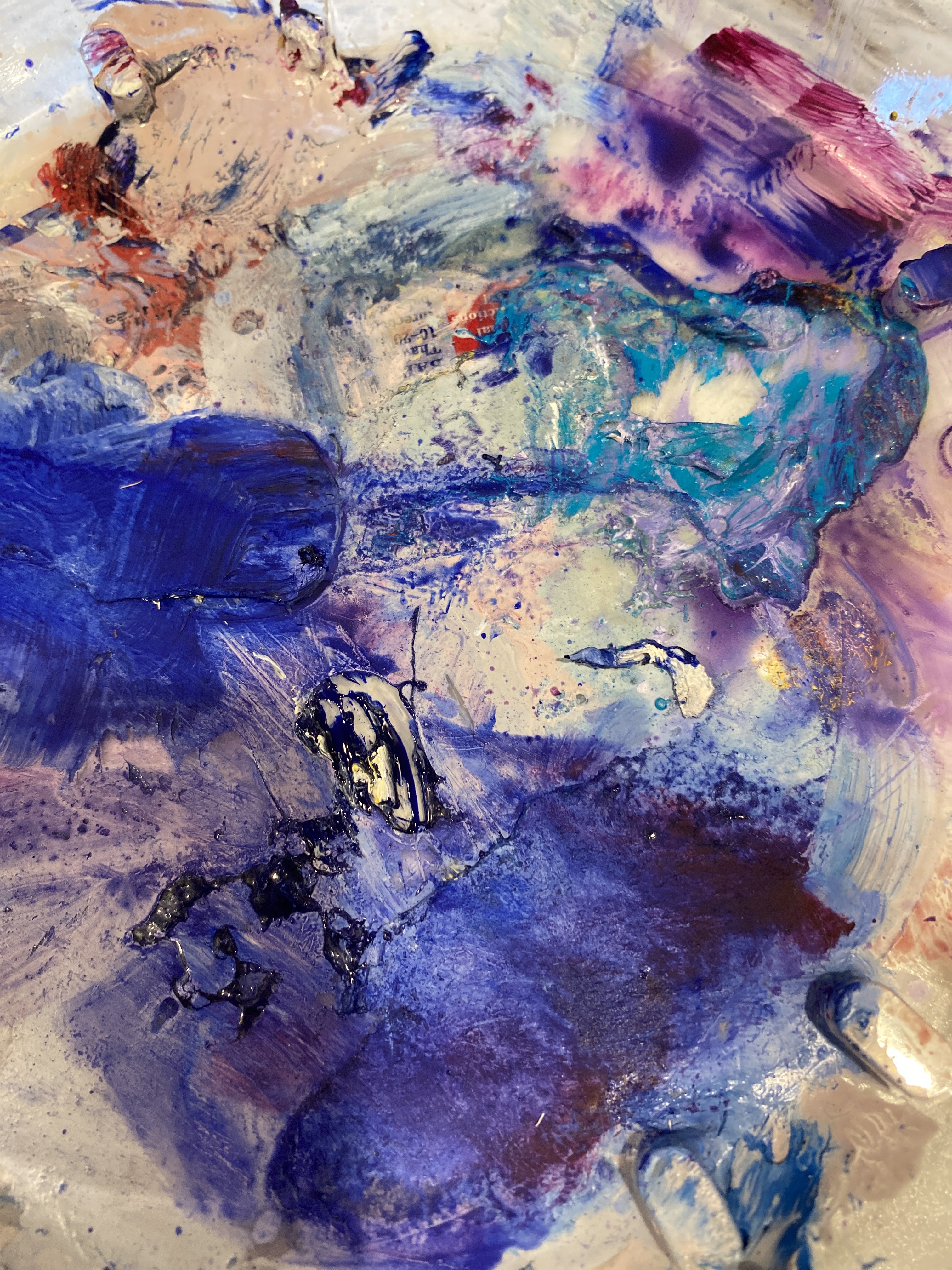
Part of the palette
This is the to be continued story of my painting exercise on an old canvas where I shift from idea to idea and technique to technique while “holding that structural thought.” Currently, I am playing with a painting of ocean and atmosphere and considering their shared emergence into the sense of horizons.
I find the choices in painting horizons to be infinite. Much like a snowflake, each depiction of a a horizon is unique, yet somehow we continue to recognize the horizon for what it is.
We may continue to sense the horizon even when we cannot really see it.
Horizons do not need to be depicted as straight lines across the canvas. Some artists have horizons that are shown via diagonal slopes. Here is an example painted by my sister, Elizabeth Rose. I like the sense of view that she is approaching the mountain from the sky rather than viewing it from the ground.
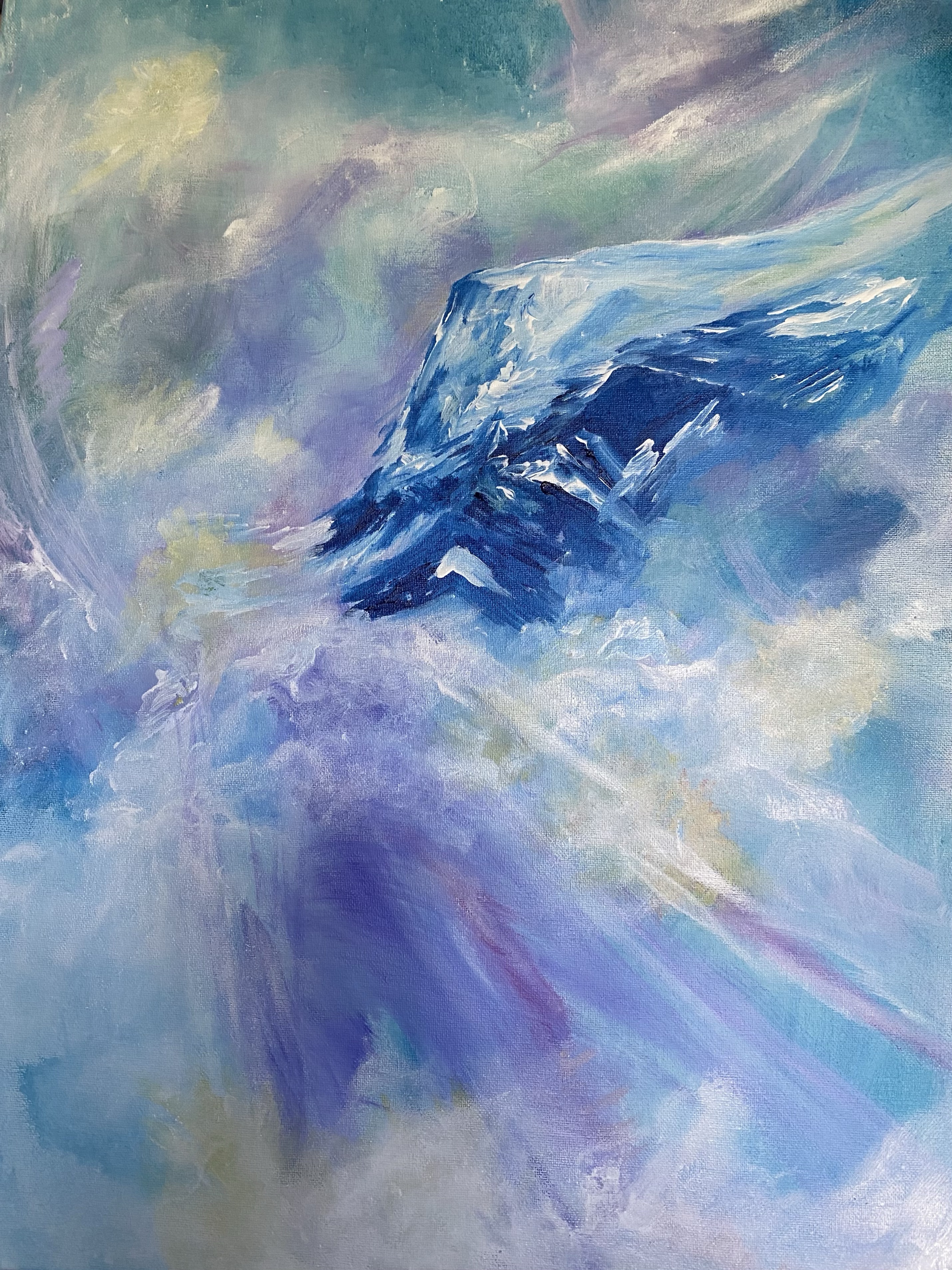
Elizabeth Rose, acrylics
My sister Elizabeth and I both paint and we enjoy sharing our paintings and styles with each other. She paints in her living room. I have an art studio in my basement. We both reach for new understandings through painting. We both have grandchildren who enjoy painting and sketching with us. It is a wonderful way of relating.
In Elizabeth’s case, she is painting a kind of revelation that reaches awesome thoughts of clouds and light trajectories across majestic mountains that seem to reach beyond our planet and out to the universe.
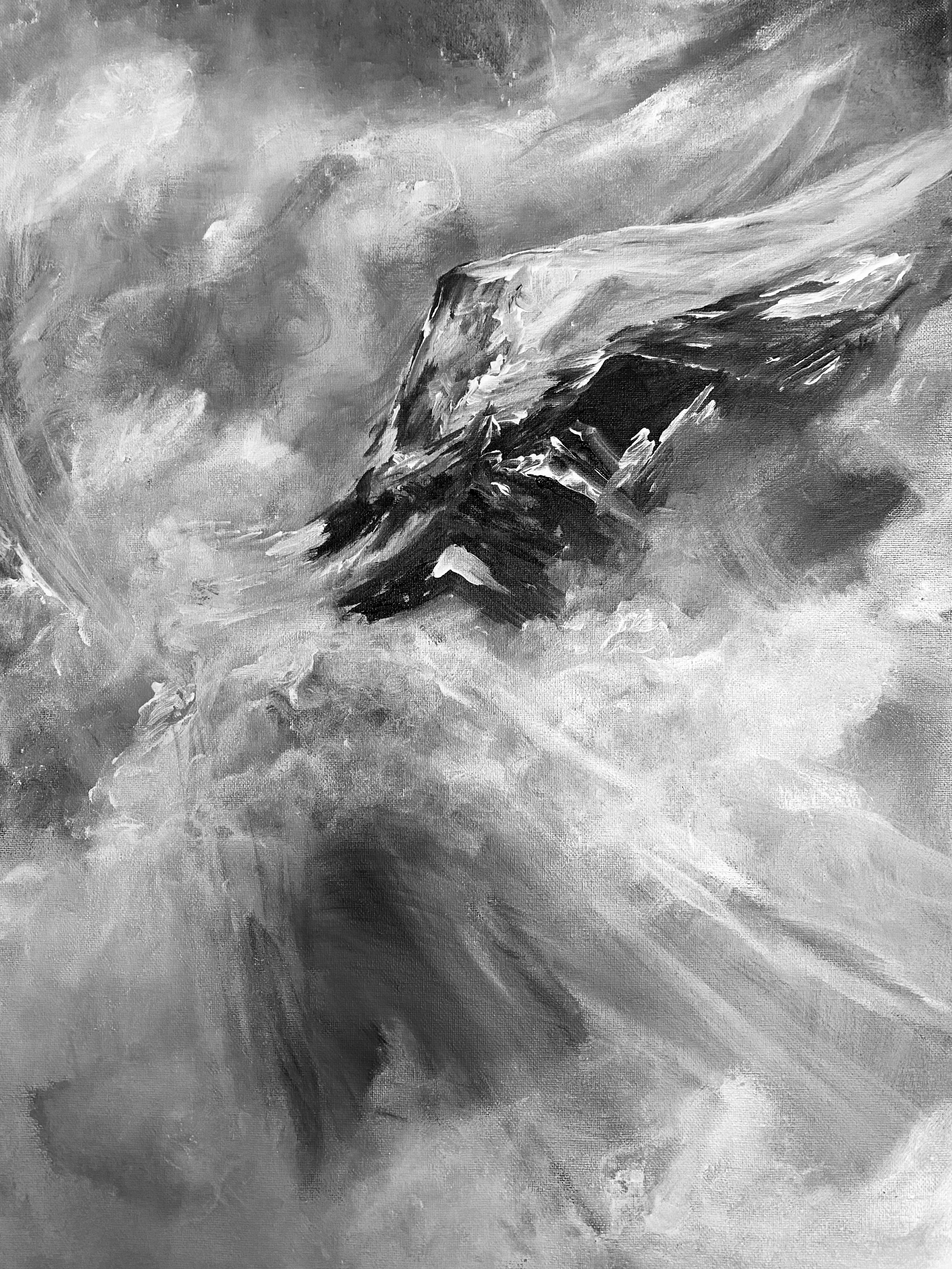
I show her painting in black and white to emphasize the point of motion and shifting light.
In my experimental painting, I am imagining an early morning sunrise out in the ocean on an island, where color, reflection and time are all blurred or merged into a single multi sensory, abrupt experience
I started with this roughed up canvas using white and black for the emphasis of light and dark areas (Canvas A).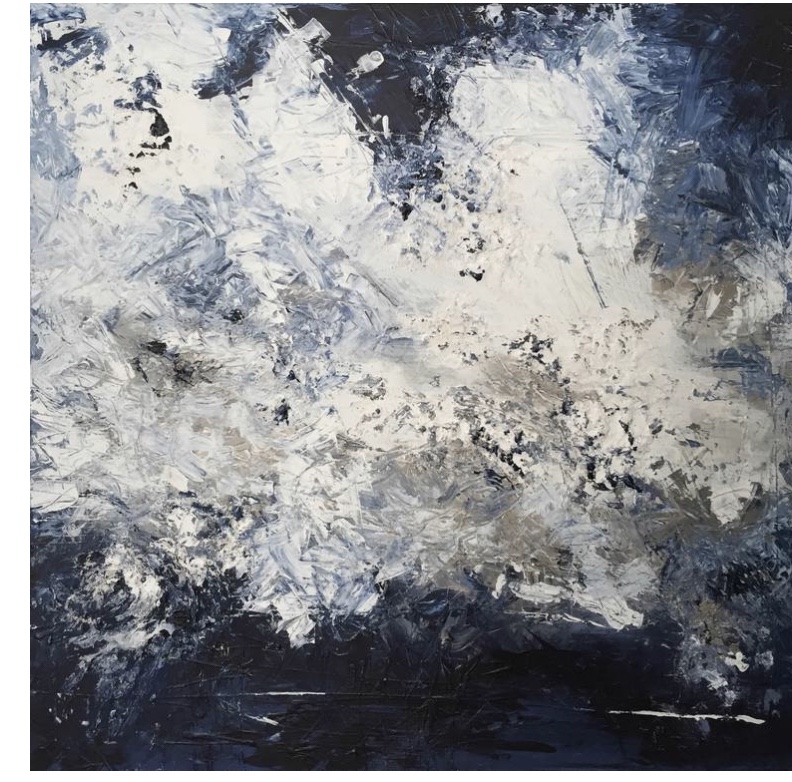
Then I prepared a kind of Notan design that suggests motion as well as balance of light and dark (Canvas B). 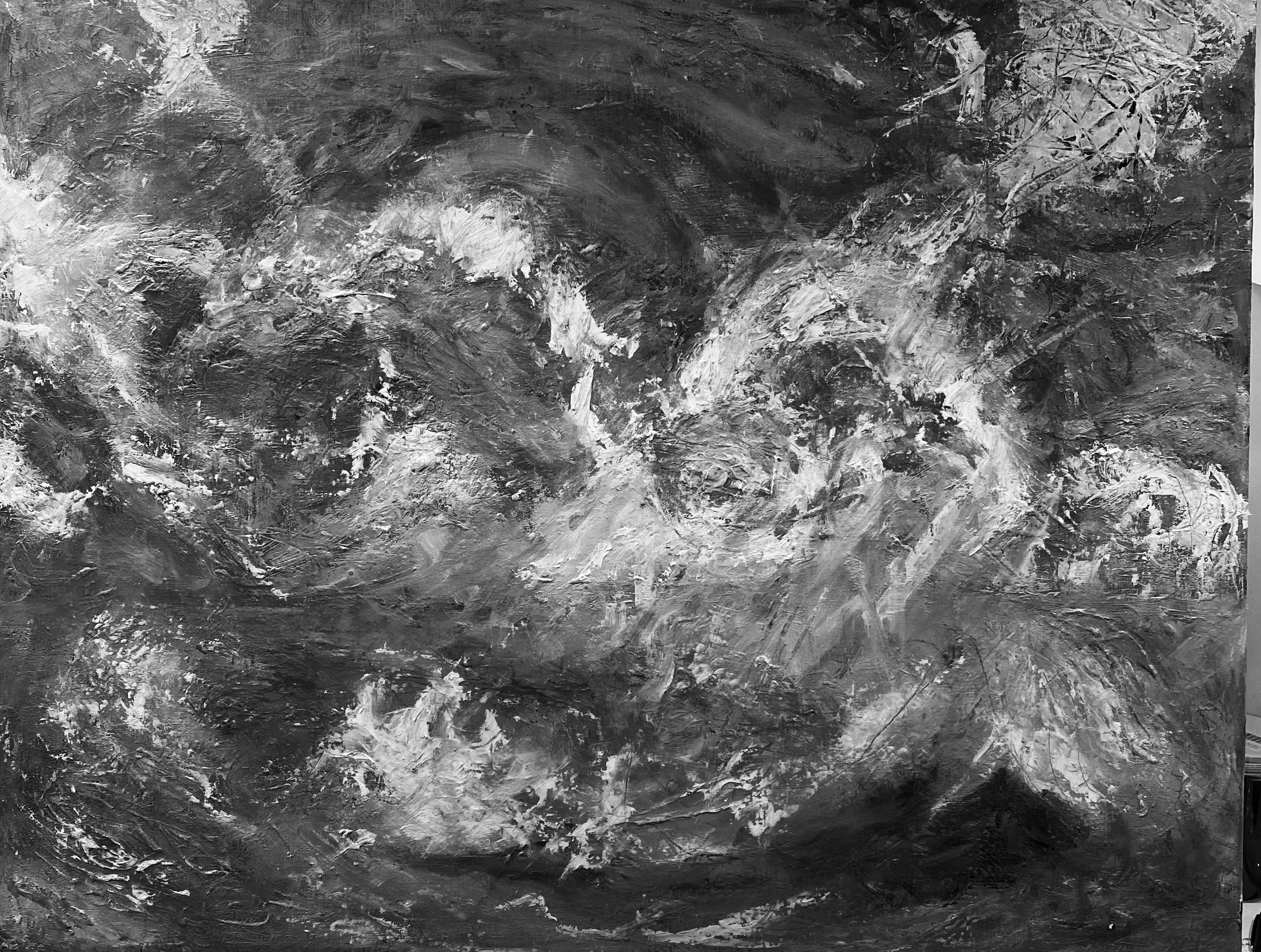
Then I shifted to the underlying pastels of sunrise ( Canvas C).

Canvas C
This was followed by the over-slap of bright colors put on by palette knife and softened by brushes to be reflective of the split-second deeply bright shooting sunrise itself (Canvas D)
And as it looks today, I have worked on grasping the abrupt brilliance of those few split seconds where sunlight takes over the morning skies and water reflections
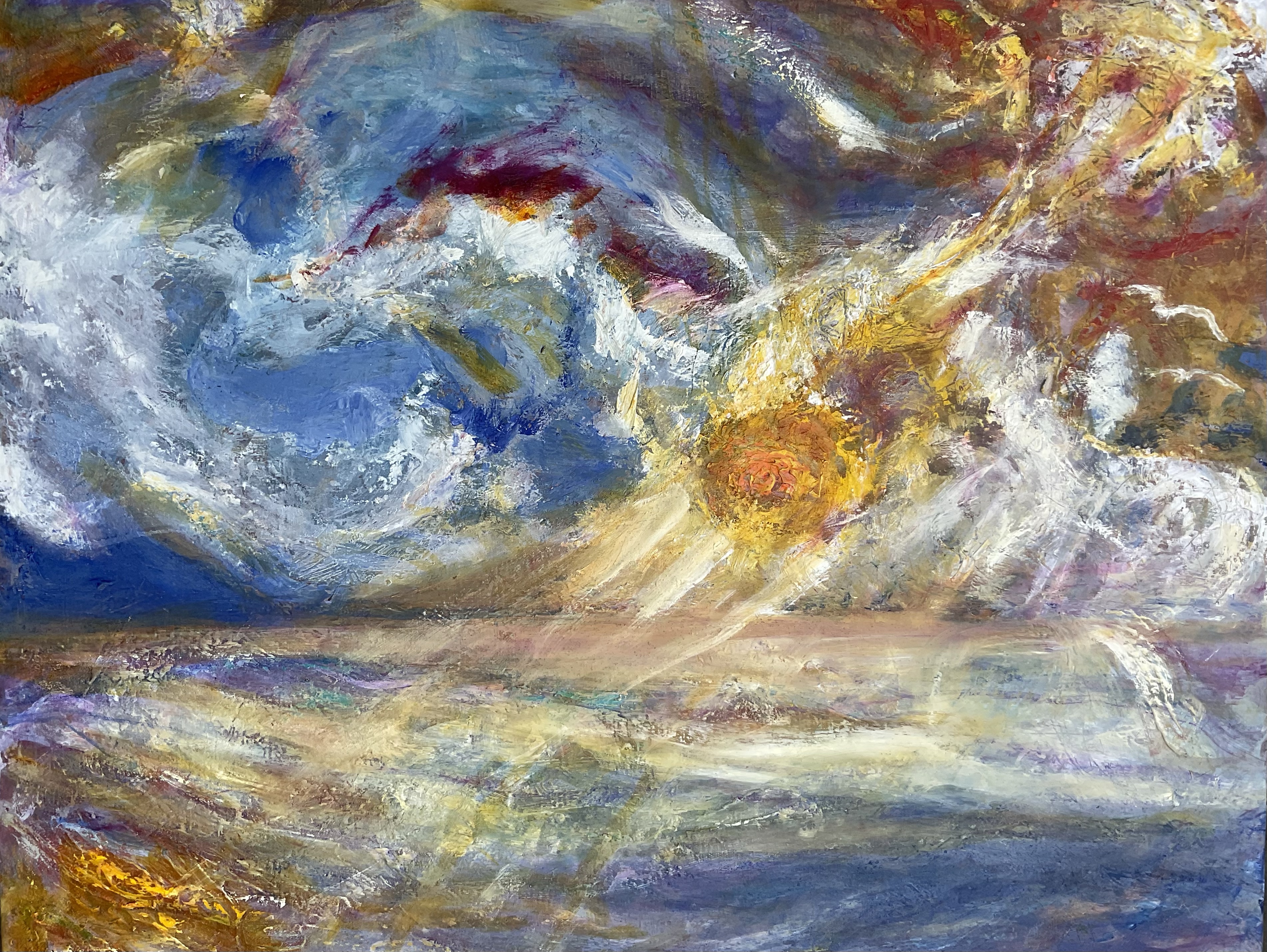
Canvas D. Early Sunrise, Oils
In conclusion, much like life itself, all present paintings have pasts and futures to contemplate. Horizons are moving targets just like everything else and our sense of timing and judgement of their emphasis is an artist’s prerogative.
I now take a moment to hold that thought.
Posted in Art, tagged #Artist Mary Chamie, #Fine Arts #The Study of Art #Color and Luminescence, Abacos, Writing on March 3, 2023| Leave a Comment »

“Storm Over”, multilayered watercolor, MJC
This is a layered, transparent watercolor prepared while applying the operable idea that instead of erasing or starting over when one wants change, one would add paint and brushstrokes to get the desired effect, leading to iterations of darker and lighter colors while allowing drying time in between each iteration.
In the process, the painting may shift moods several times.
For example,
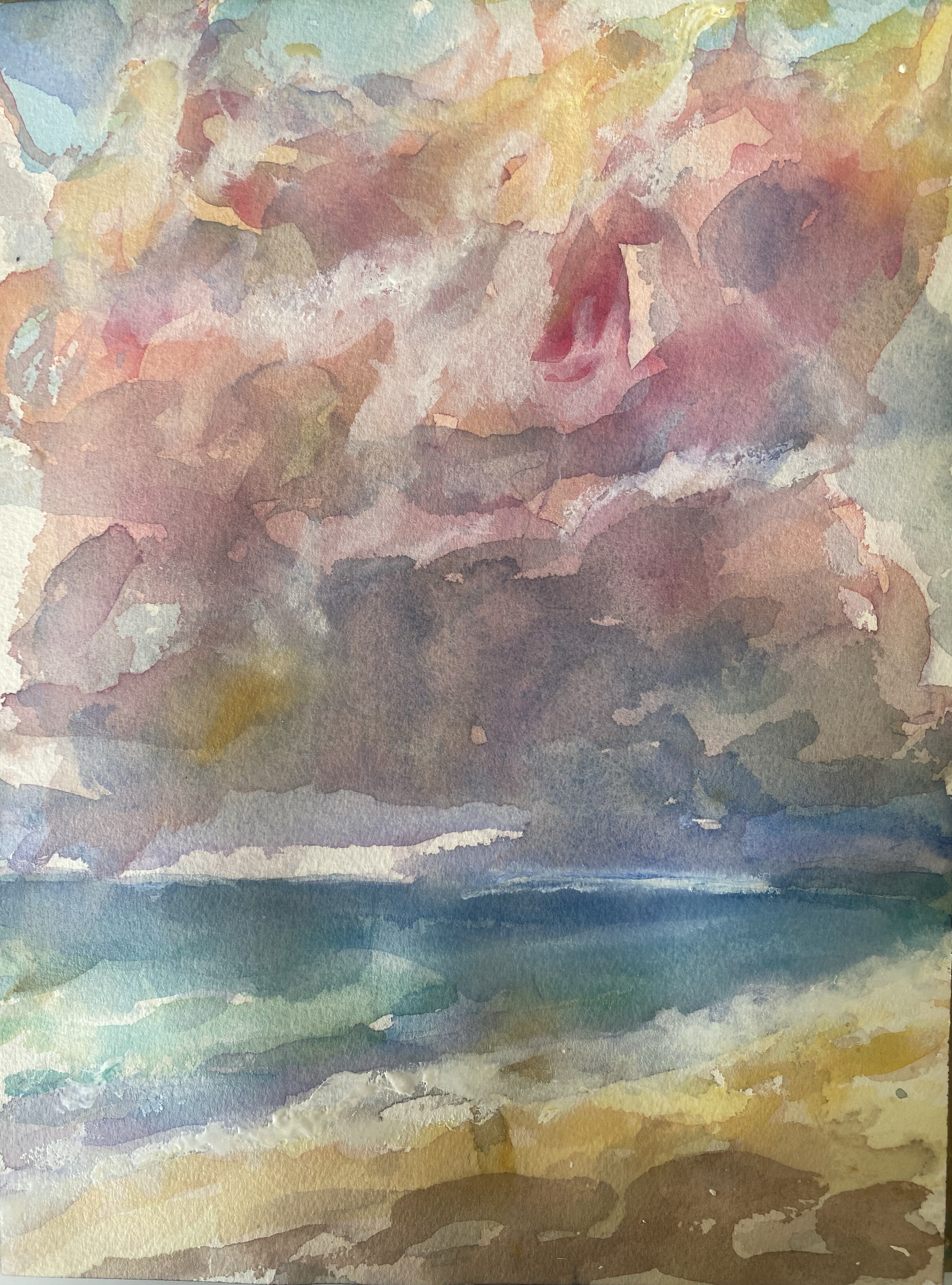
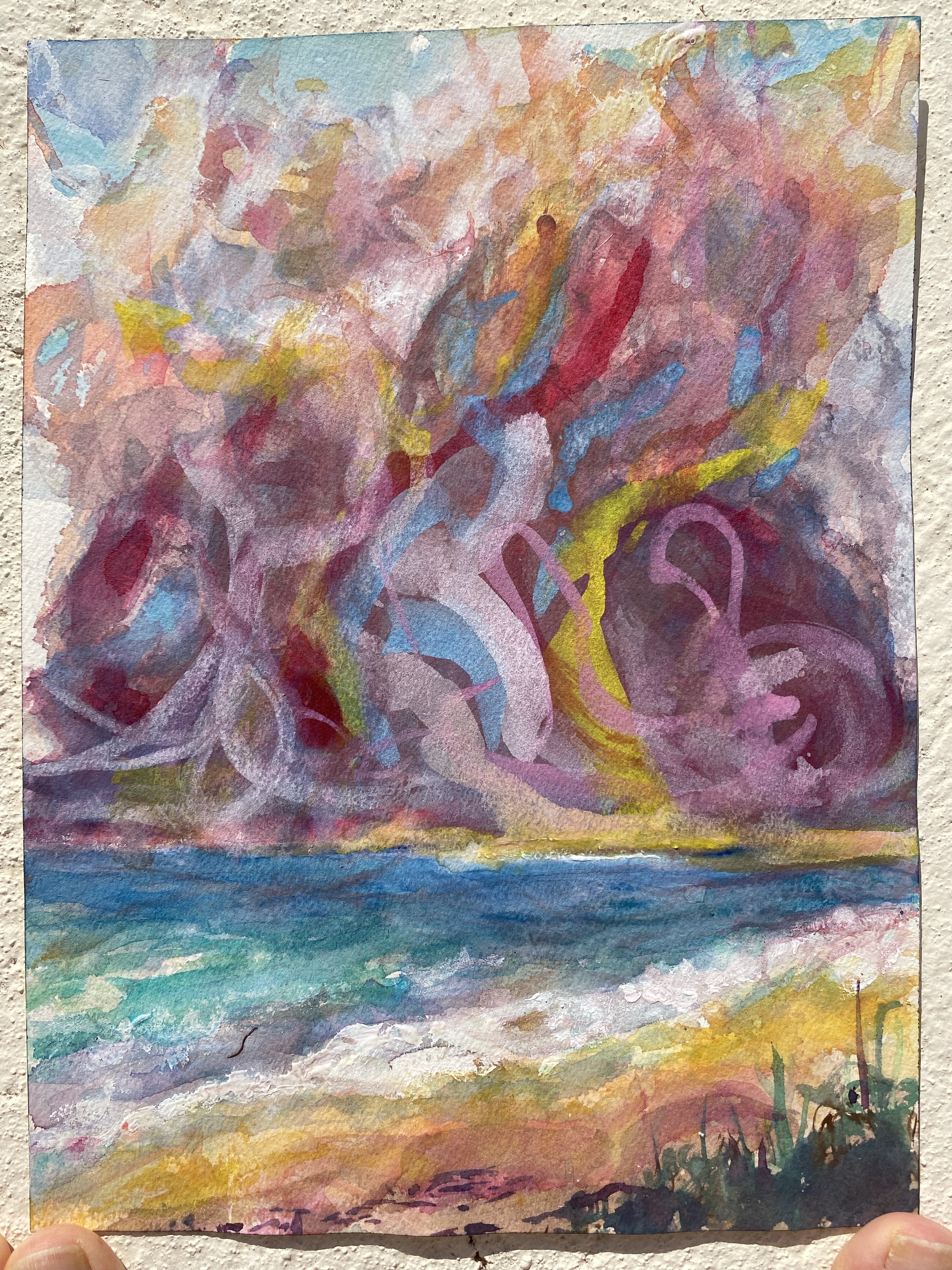

I’m still wondering what I have learned from adding these layers.
Multilayering does encourage the idea that change is inevitable, that opportunities for reinventing the painting are plentiful and it certainly reduces one’s attention to feelings of regret, or focusing on flaws while feeling that nothing can be done about it.
I also see from this exercise how many opportunities crop up when you keep playing with a painting.
By adding layers, it may not always be a better painting, but it will at least be different. It may solve one problem while discovering another. It may also lead one to look into the painting by analyzing the many layers as they emerge, potentially leading to new techniques to be applied more consistently in the future. Or perhaps one might learn to be more exacting and touch the paper only once, much more deliberately.
Time will tell.
Posted in Art, tagged #Artist Mary Chamie, #Fine Arts #The Study of Art #Color and Luminescence, #watercolor#, Abacos, Writing on February 25, 2023| Leave a Comment »
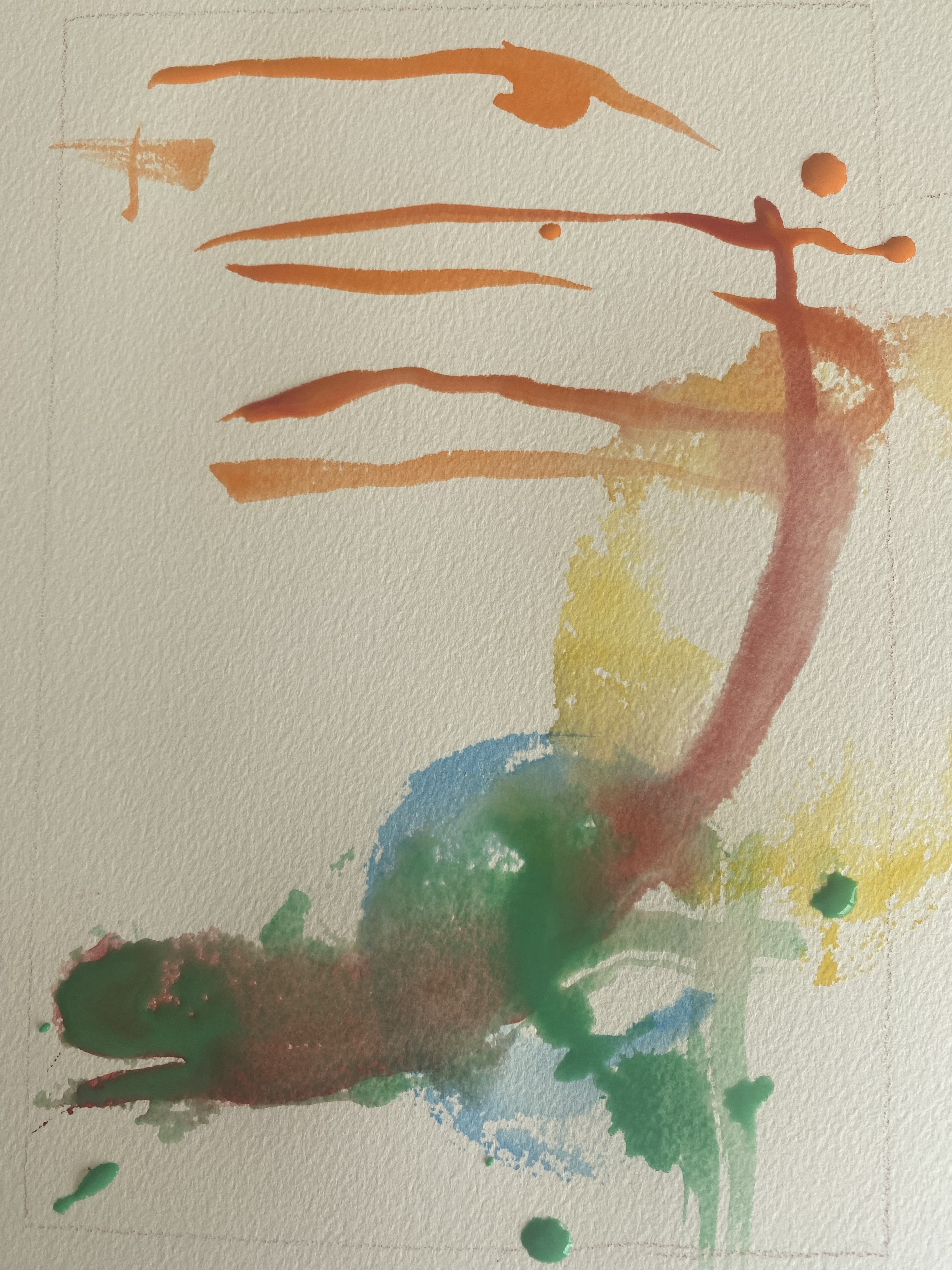
Sometimes, when observing or painting in watercolors, I find that I have a choice of viewpoints. There is the artist’s view of the painting and then there is the outside reviewer’s perspective.
Is it what the artist sees or is it the perception of others that one hopes to illuminate?
Does the artist aim at controlling the observer’s reaction to a painting or should the artist aim to express their innermost thoughts vis a vis their art without regard to the observer?
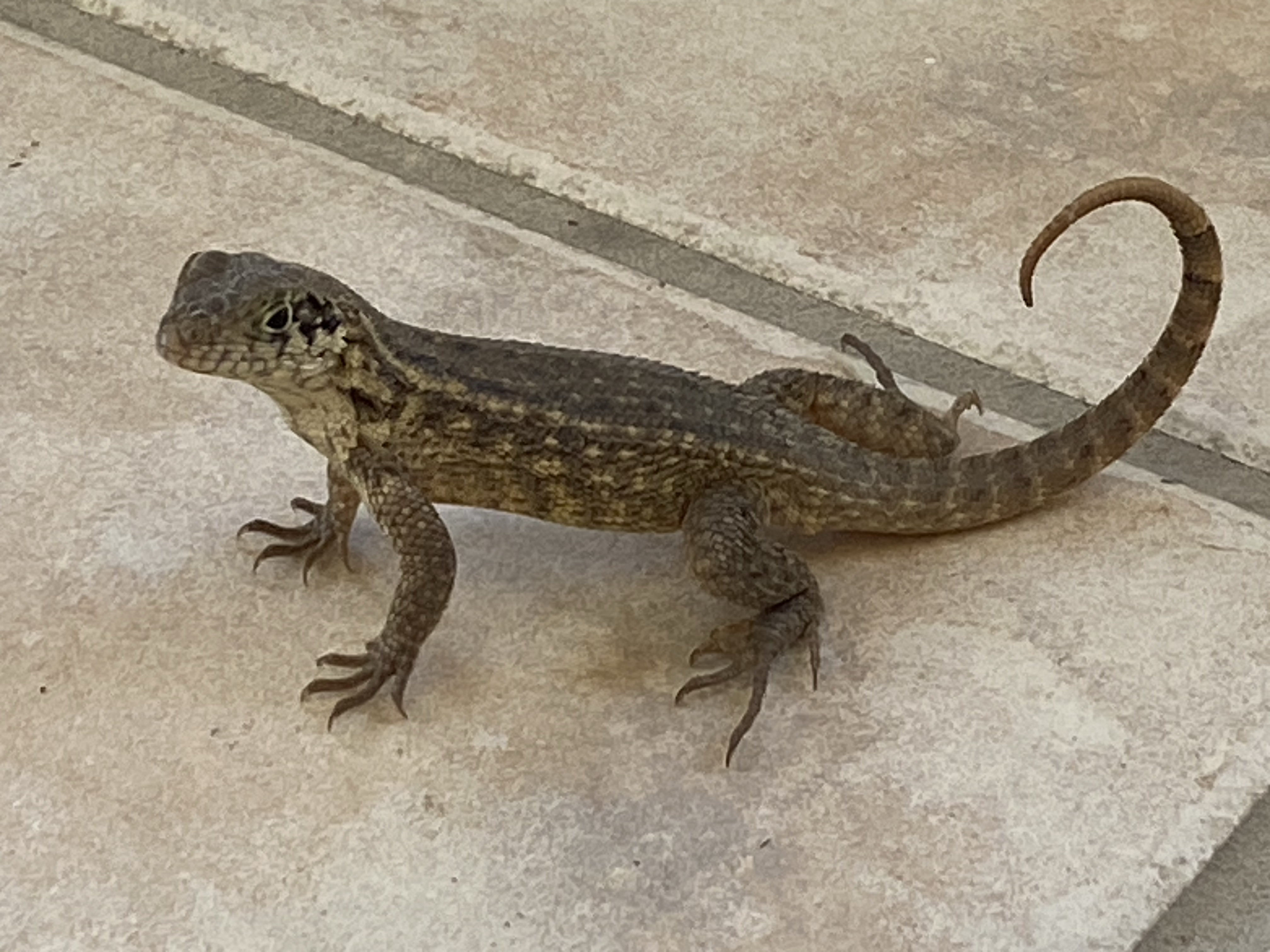 How might one strike a balance? And why would one do so?
I have come up with my own approach to this balancing act.
I have learned that when an observer focuses on one aspect of a painting, I may look at the picture elsewhere in order to adjust what they see.
If they say, for example, that an area seems too dark, I may look at other areas of the painting to improve on how colors contrast or how depth of color might be adjusted to better highlight the painting.
These interactions and reactions lead to changes in the painting that are often very beneficial.
If I simply modify something based on the observer’s comments without any analysis, I have lost an opportunity to interact with them and learn more about what they see in the painting and to ask what are the mechanisms in my painting that cause them to see this.
If instead, when I listen to their observations and then analyze them while considering my own intentions for the painting prior to changing anything, I usually gain a clearer understanding of the relationship between my painting (myself) and an outside observer’s viewpoint.
This is beginning to sound like an existential analysis of a painting.
Perhaps that is what it is?
I paint, therefore I am?
You view the painting, therefore you are?
The painting is our interaction.
Much like music and writing, we learn through our exchanges.
It may be useful to conduct multiple interactions before concluding a painting
And now, back to my painting, with these thoughts still in my mind. 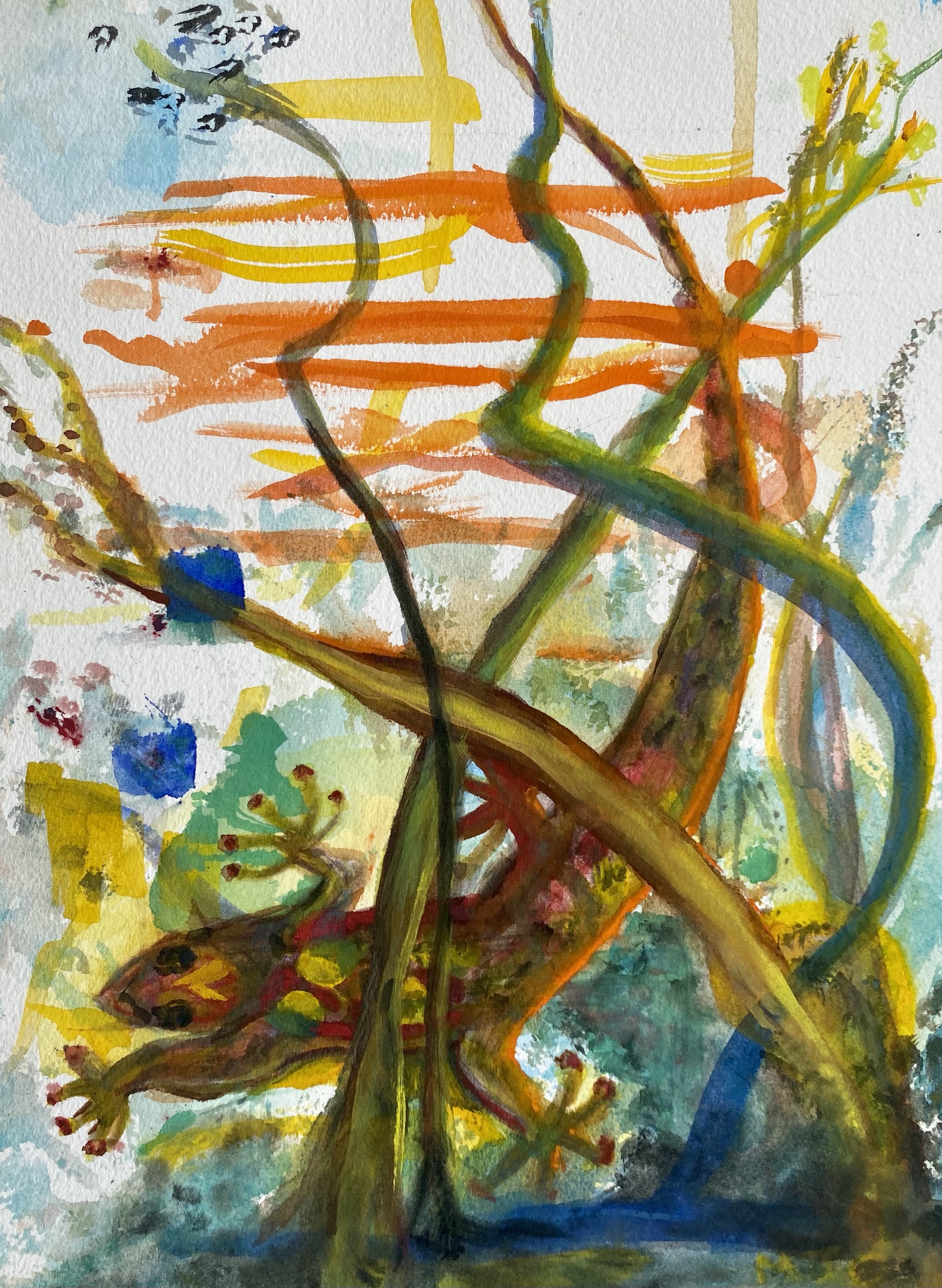
“Hiding in Plain Sight”, watercolor
Posted in Art, tagged #Artist Mary Chamie, #Fine Arts #The Study of Art #Color and Luminescence, #Oregon Society of Artists, #Writing about Art, Abacos, Writing on February 15, 2023| Leave a Comment »
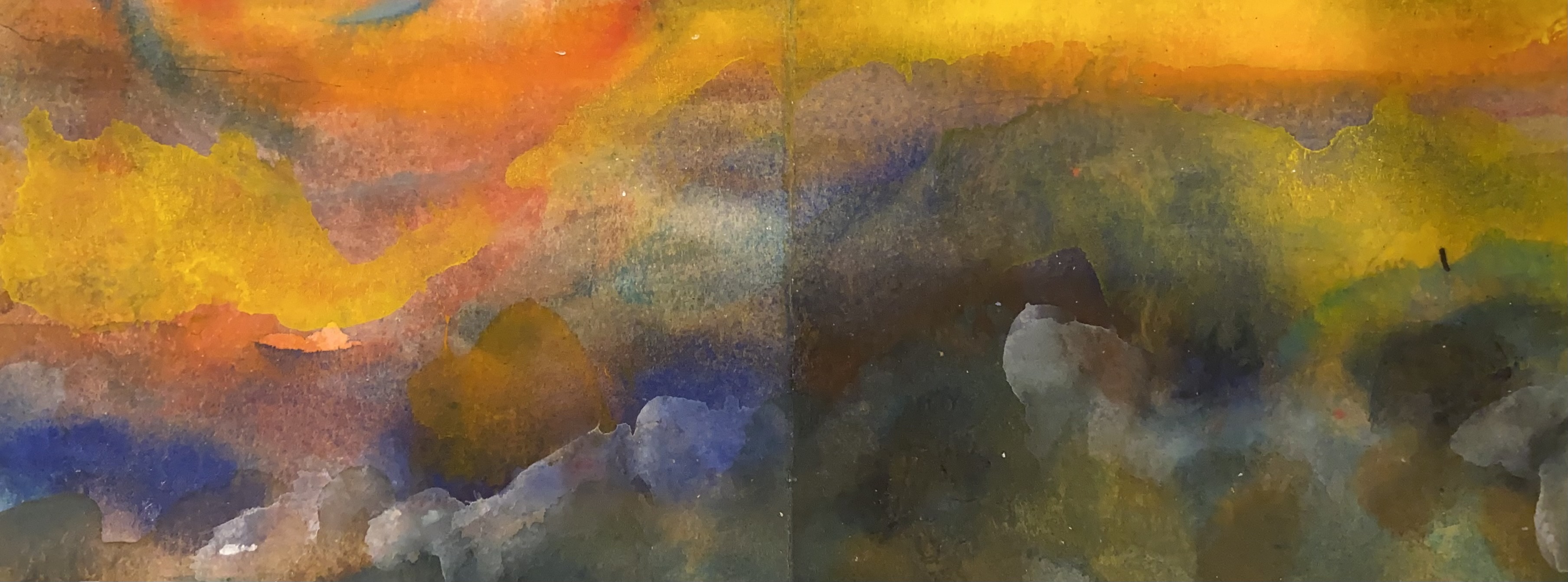
Since the beginning of the year I shifted from oils to watercolors. I am currently staying on an island in the Abacos, Bahamas and while painting, I am trying to to use as few chemicals as possible for cleaning up in order to minimize damaging the fragile environment.
What I love most about this island it it’s natural beauty and am personally hoping to disturb it as little as possible with unnatural chemicals, turpentines, gamsols and other chemically derived substances that are hard to remove from water systems.
When I shifted to watercolors after working in oils and acrylics, it felt like going from using a lot of make up on one’s face to going without wearing any. It takes a while to figure it out. But once figured, interesting results do emerge.
In watercolors, I find that not doing something is often planned way ahead of time and may make a stronger artistic statement than doing something. Less may be more. Soft touches and the timidity of watercolors can sometimes offer big results.
I think this may be why transparency watercolorists try so hard to maximize their use of the paper they are painting on by using the pure color of paper white. It is because they are trying to maximize interest in the painting through the things they do not touch.
Oil painters, on the other hand, enhance their paintings substantially by adding plenty of paint for depth of color, texture and brushwork. This may leave little empty canvas behind, with nothing untouched, to tell the artist’s story. In this case, the paint is the story.
My expectations have had to change when I shift to paper and watercolors. It is a different temperament to work in.
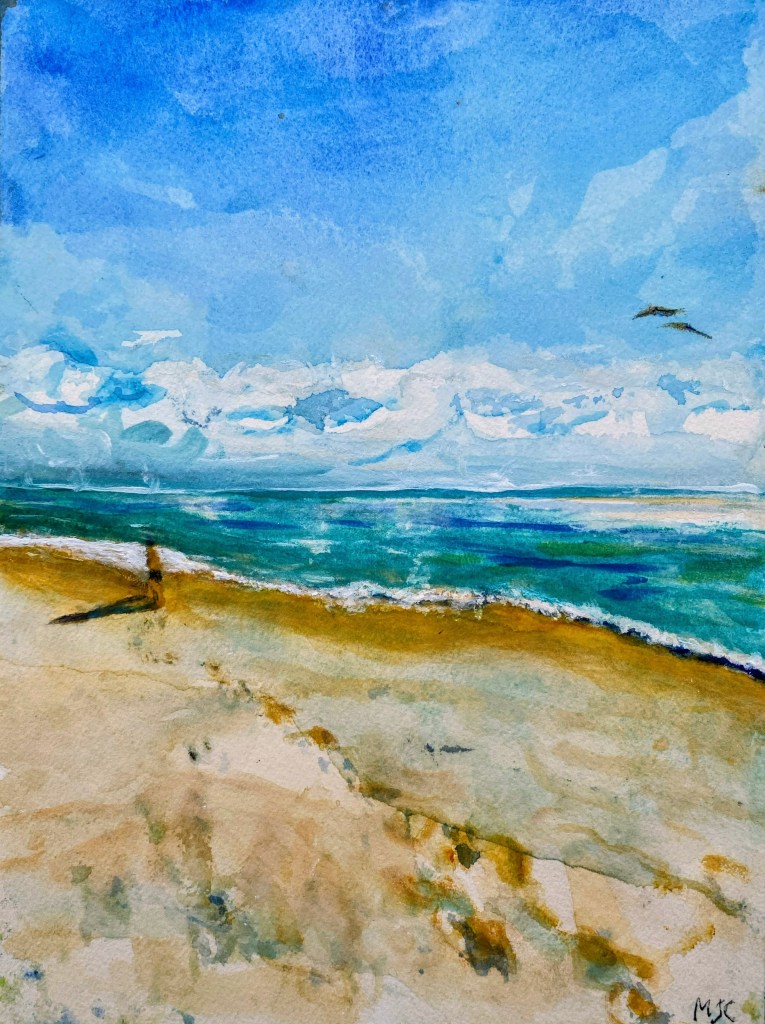

The other challenge is that on our island, the constantly shifting combinations of water, atmosphere and light makes one feel a unity, a oneness about them, that may not necessarily be felt so as vividly in other environments. Here, distinctions between sky, the ocean, and that of light may be blurred, leaving the mind completely boggled by the sudden shift felt in moods and color emphasis of the whole arrangement.
Colors can jump into gear on a second’s notice.
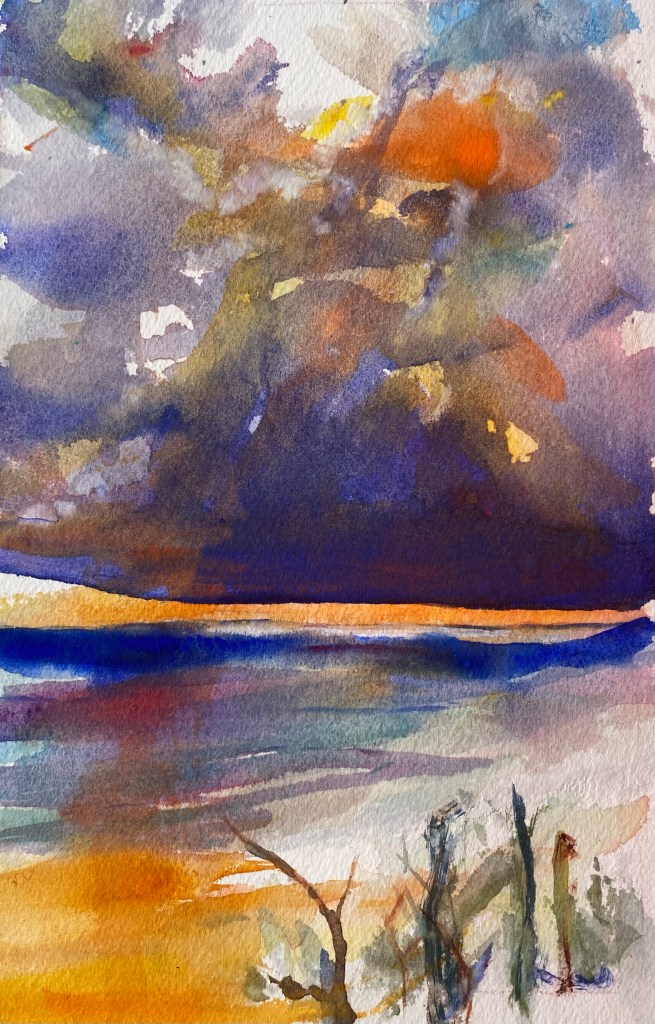
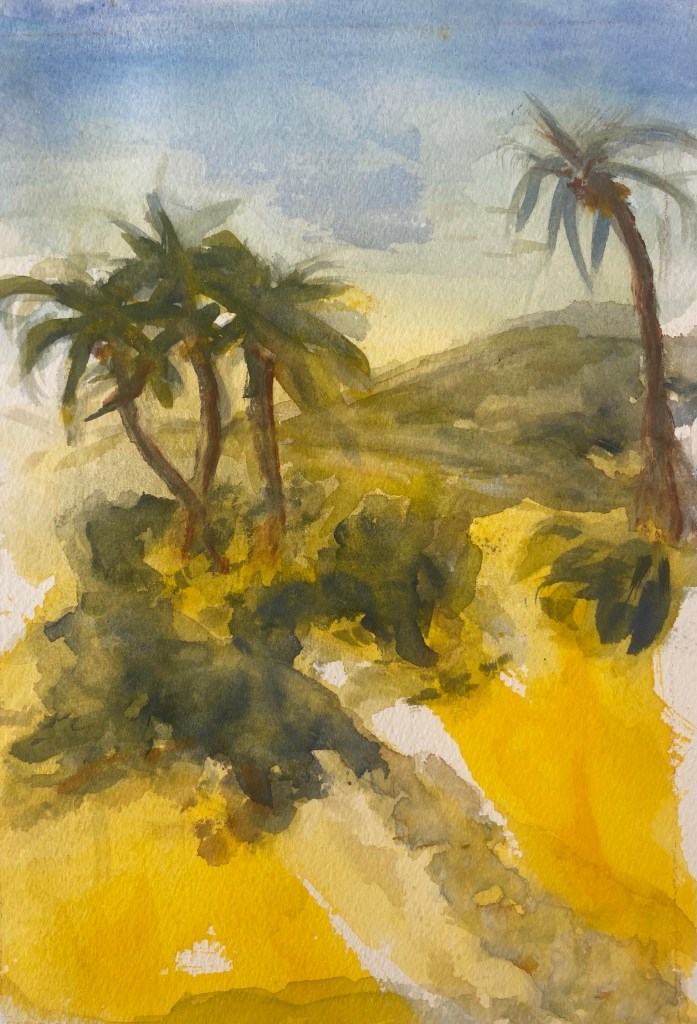
Common scenes are rearranged by nature’s dynamic, moods are shifted through rapid transitions in light and humidity, our observations bouncing about from rising and lowering tides and winds. This whole sense is ephemeral, further feeding into our awe of all the temporary beauty.
Here I am, with my watercolor paints, brushes and paper, reflecting on this.
Posted in Art, tagged #Artist Mary Chamie, #Creative Color, #Experimenting with art#, #Fine Arts, #Fine Arts #The Study of Art #Color and Luminescence, #Value of Design, #Writing about Art, Portland on November 1, 2022| 2 Comments »
I call this oil painting “Beginnings”.
It went through several iterations and is part of a project that I am working on.

There is a feeling of satisfaction and a type of introspection going on in my head when doing a creative study such as this as I freely put up the colors and textures where I want them, adding them with a joyous sort of freedom.
This is the first abstract I have tried that I sense is complete. It is a complete thought, an idea that I envisioned using a brush and some paints.
I don’t want to touch it.
No mini maneuvering would improve it for me. It is a new beginning, unexplained and free.
Posted in Art, Simple Living, tagged #Artist Mary Chamie, #ArtistMaryChamie, #Fine Arts #The Study of Art #Color and Luminescence, #Oregon Society of Artists, #Pandemic Art on October 23, 2022| Leave a Comment »
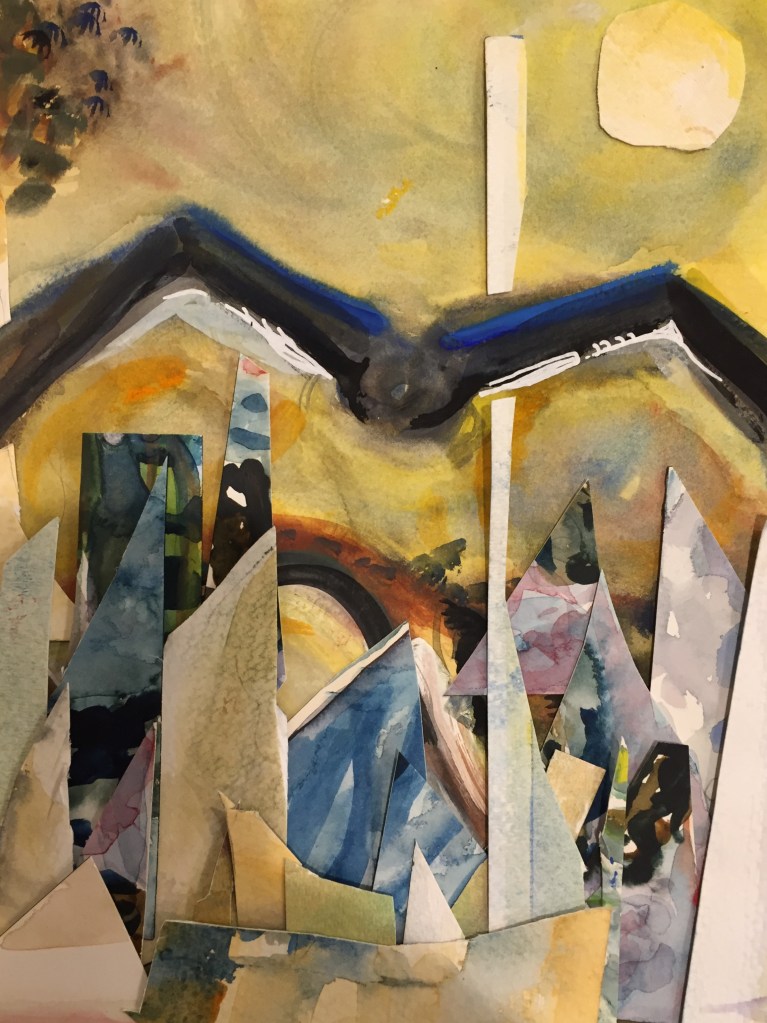
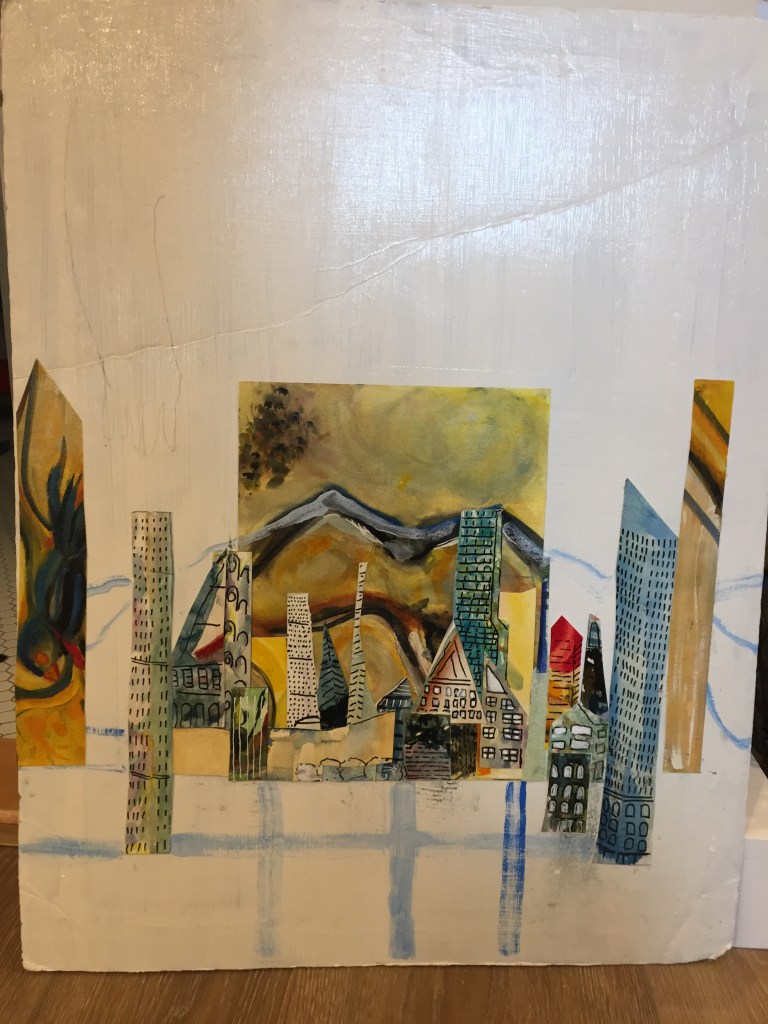
Some time ago when the Global Pandemic was first announced and before there were Covid vaccines, we were in our home for long periods of time. I started taking some zoom art classes. One very enjoyable zoom class was conducted by the artist Poca Kim and was offered through the Oregon Society of Artists.
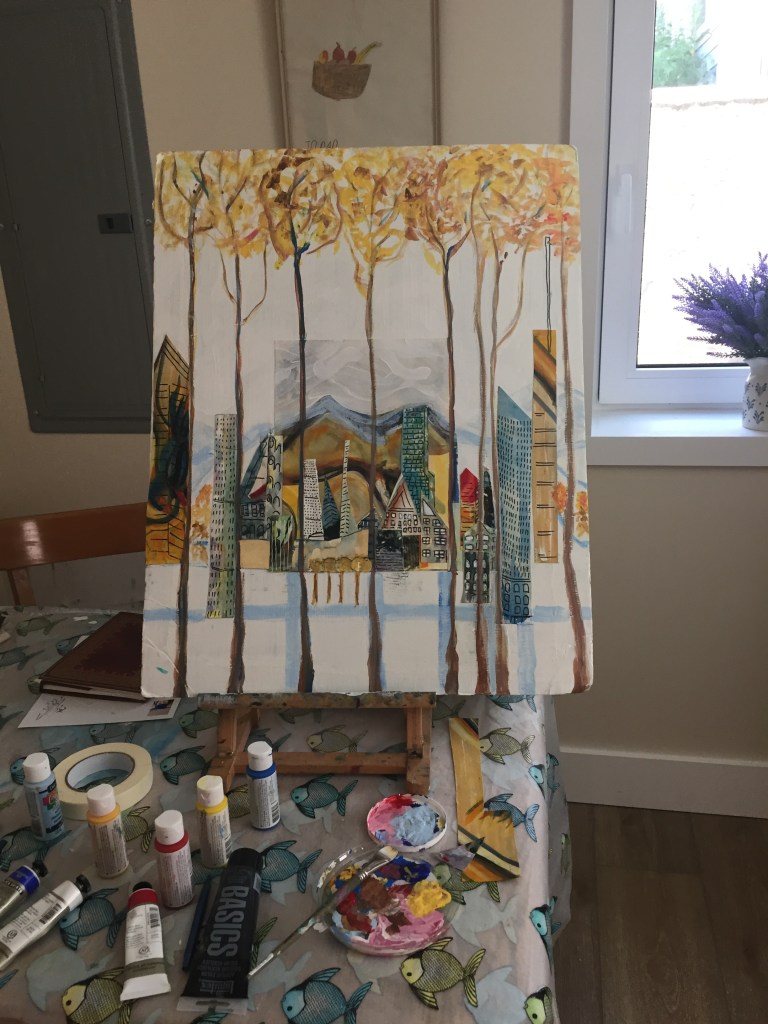
Through our zoom meetings, Poca Kim introduced me to the idea of cutting up old watercolor and acrylic paintings to inspire new paintings. I made a number of collages using old paintings that I had no intention of using. I imagined myself peering into cities from what might be a prison, but also might be tree trunks.
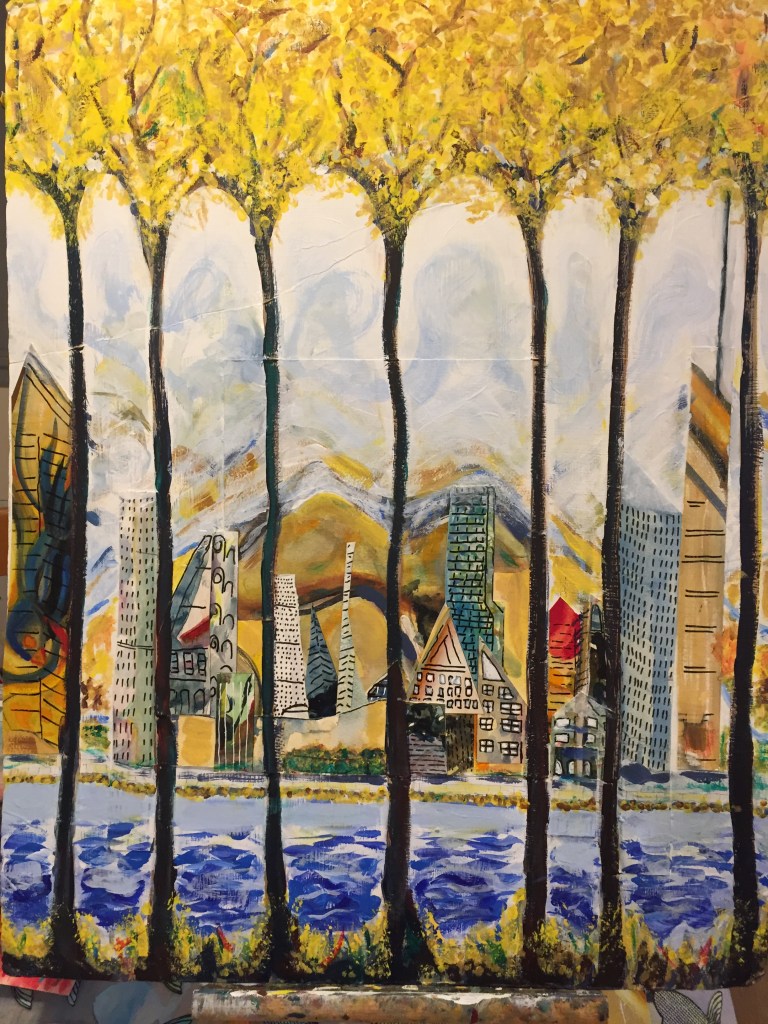
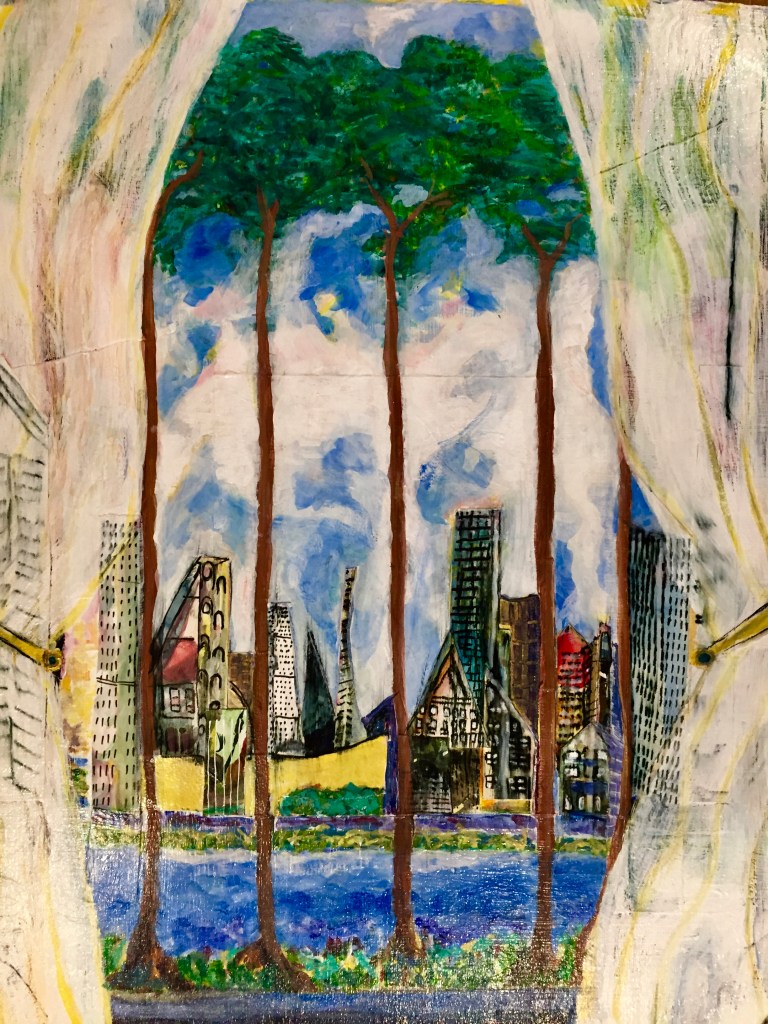
At the time that I did these collages, I thought that I was viewing the city from the perspective of the safety of nature. Looking back on these photos, I now see that I was also indirectly messaging the idea of viewing the world from a sort of prison-like setting of a Global Pandemic.
Much like a diary, old paintings tell stories too.
Posted in Art, tagged #Fine Arts #The Study of Art #Color and Luminescence, #Oregon Society of Artists, Artist Mary Chamie on September 9, 2022| Leave a Comment »

This watercolor painting, The Flight, was completed as a two-step maneuver. First, I laid out the background to the painting as wet-on-wet watercolors, so that the ocean, beach sand and light would move back and forth as a series of reflections. Once dried, I superimposed the birds in flight, using a combination of watercolor and ink.
In my earlier attempts to paint these birds, I figured out their positions and got them arranged and interacting with the water in useful ways, but still felt that there was more to do than simply positioning. Somehow, the division between birds and water held and I wanted them to be more intertwined. I wanted the birds to be in transition to flight and to represent this by mixing the various approaches to water, the concept of time, the colors of reflections, making it more chaotic. This time, I feel that I got the movement back into the painting as I had initially wanted.
Using this same technique of wet-on-wet followed by ink, I also painted the birds in a more regal way, as they stand, pre-positioned in the water for flight, but not yet moving. The colors of the background are less agitated with reds, and the birds are positioned more stably in the water.

What did I learn from this exercise? I learned that it takes patience to incorporate new techniques into paintings.
I feel that I am finally back on track for painting with my natural style, but with the privilege of understanding some new techniques recently learned from exchanges with other painters. Taking lessons and studying under other painters both digs up new ideas, and also dredges up old habits, allowing these new ideas and old habits to interact, creating new opportunities, but also feelings of frustration.
I am happy to continue working across these two major zones of learning and intuition with new paintings, and am thankful for the lessons learned.
Posted in Art, tagged #Artist Mary Chamie, #Fine Arts #The Study of Art #Color and Luminescence on August 8, 2022| Leave a Comment »
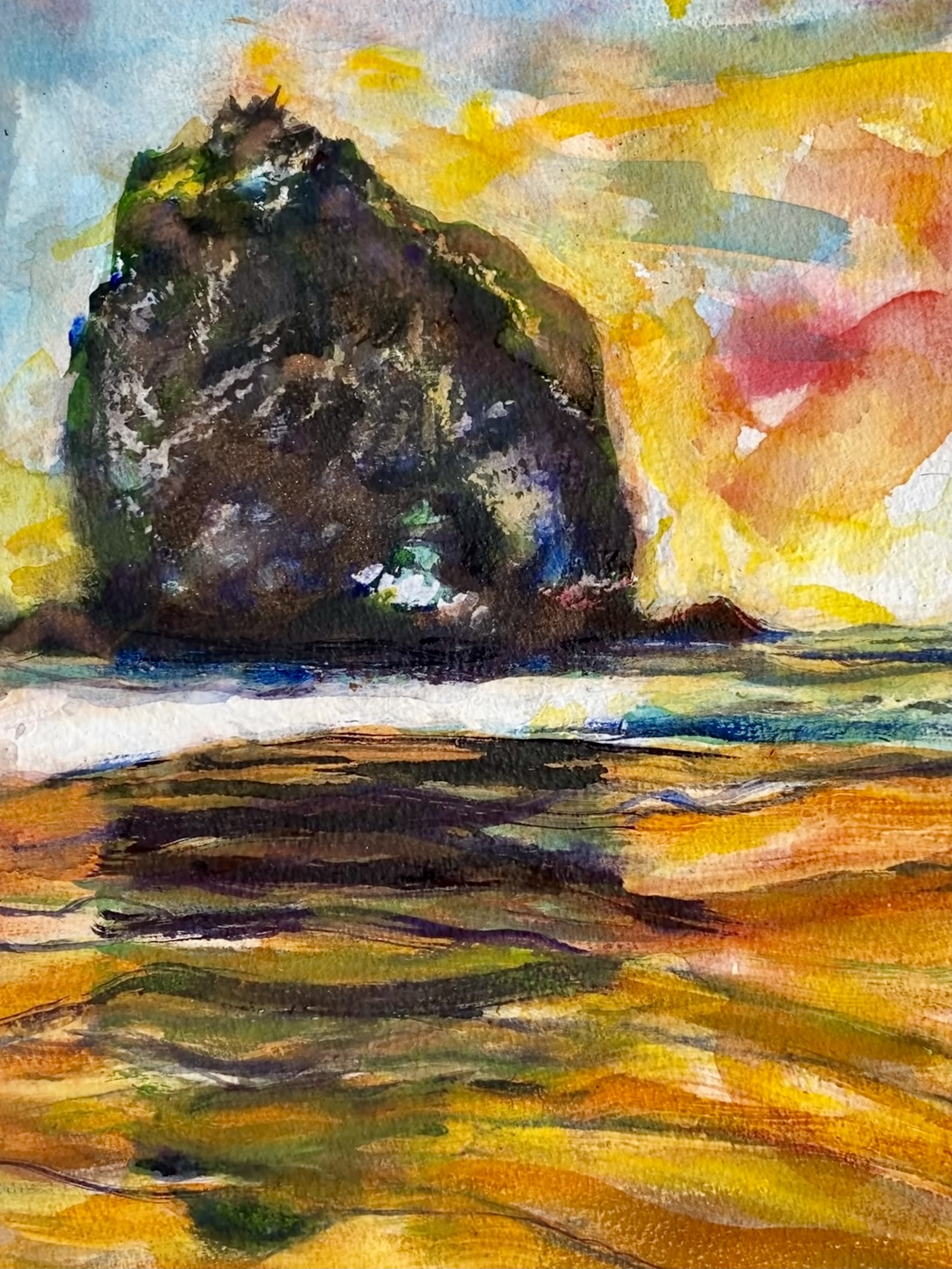
Water color of a monstrous rock that juts out along the Oregon Coast, near Cannon Beach, a popular place for photographs.
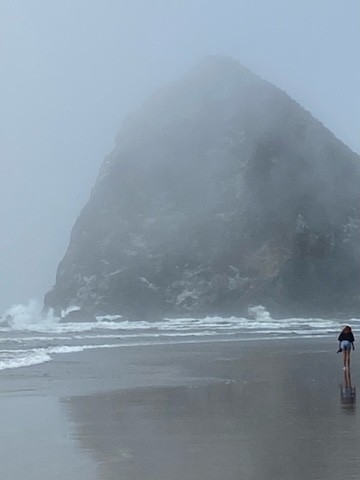
Haystack Rock monumentally interrupts the horizon while proving irresistible to soaring birds and crashing waves. It is an awesome place.
The number of reflections that play off of it feel infinite, whether it is bathed in sunshine or covered by fog.
 marysgardens